The design story behind Aria Bin
Upcoming Events
Join us for West Fest 2026: Designing in Belonging
A half-day knowledge exchange hearing from local built environment experts on fostering a sense of belonging in an increasingly dense, digital society.
Read more

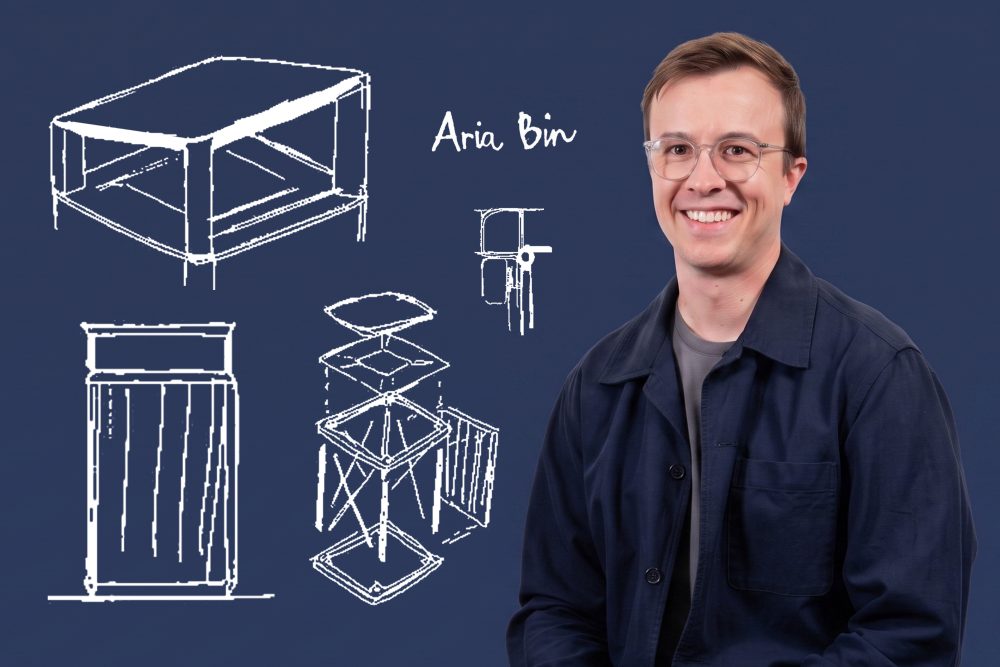
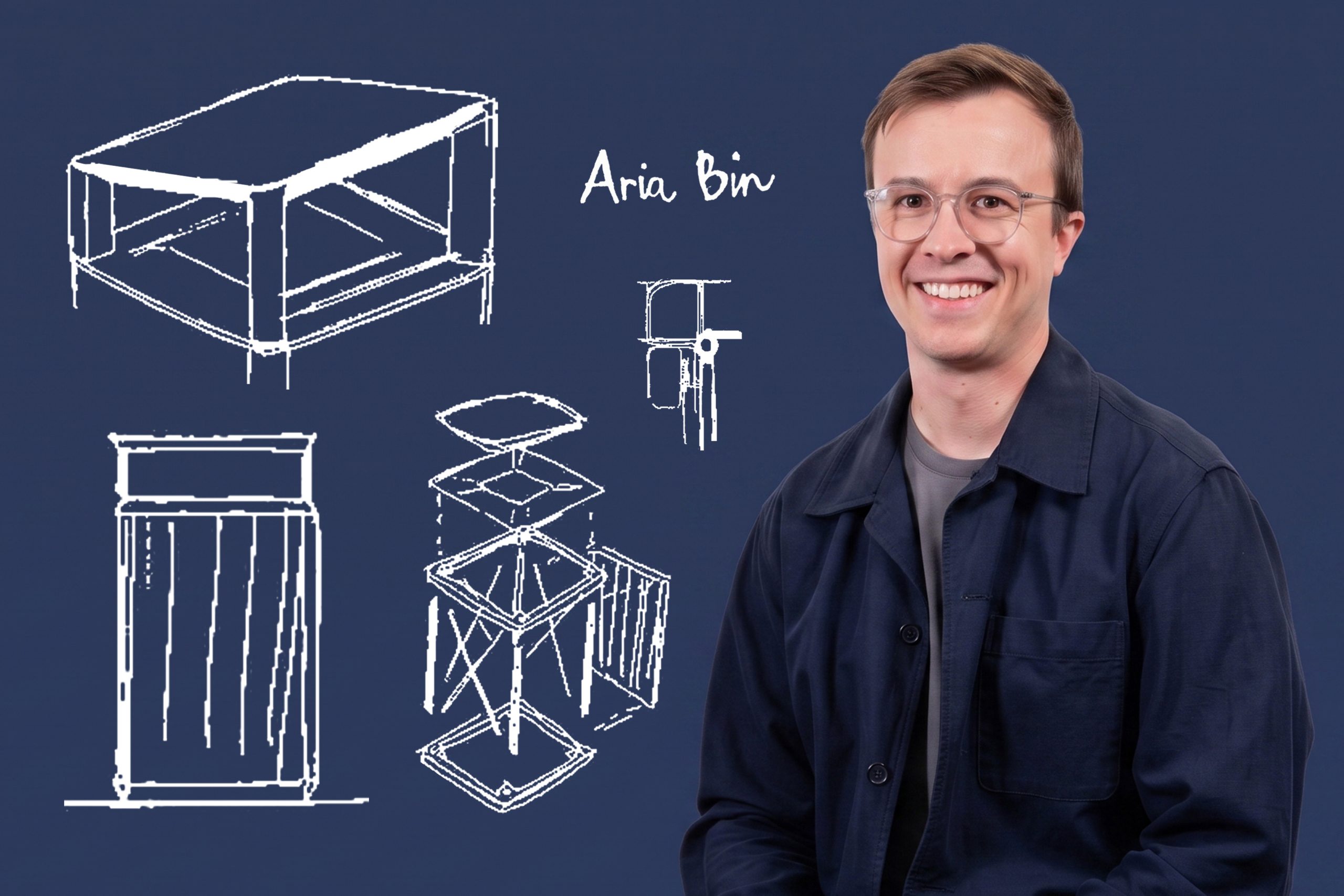
By Francis McArdle, Lead Designer of Aria Bin.
There may be no piece of public infrastructure more overused and underappreciated than the humble bin. A basic necessity in every park, plaza or streetscape across the public realm, bins are used by everyone, yet they largely go unnoticed until there’s a visible problem. Rubbish overflowing, a kicked-in door, flat surfaces that trap debris, even vandalism and fire.
To the everyday user, a bin probably looks like a solved problem. Its purpose is largely functional. Rubbish goes in it, rubbish gets taken away. So when it comes to designing one for the modern-day public place, it’s easy to overlook where the real difficulty lies: in those more unglamorous pain points directly tied to the bin’s reparability and usability, and the needs of the asset and waste managers who are responsible for maintaining them on a daily basis.
Meanwhile, the number-one piece of feedback we received from our landscape architect partners over the years spoke for itself: if you’re going to make a new bin, please, just make a good looking one. We heard time and time again that bin design hadn’t kept pace with the innovation happening in seating and table design. There was a real sense they’d been left behind.
The problem(s) to solve
Those sets of needs turned out to be two sides of the same problem. Appearance isn’t simply a layer applied over the functional decisions; for a bin, it’s the visible symptom of all of them. Rust, dents, a faded sticker, a door hanging open: each one tells us something about the materials, the repairability, and the potential maintenance burden underneath. So the landscape architect who wants a bin worth specifying that fits with their design vision, and the asset manager who wants one that still functions and looks great decades from now, are actually asking for the same thing, just from opposite ends. Once we understood the brief this way, we realised it was never a choice between good looking and hard working.
That didn’t mean it was going to be an easy process, though. Such was the design challenge we set out to solve in creating the Aria Bin some six years ago: Was it possible to develop a bin that’s functional and durable, allows for flexibility and modularity to fit the space, is easy for the public to use and for managers to empty and maintain—and above all, actually looks good?
Back to where it all began
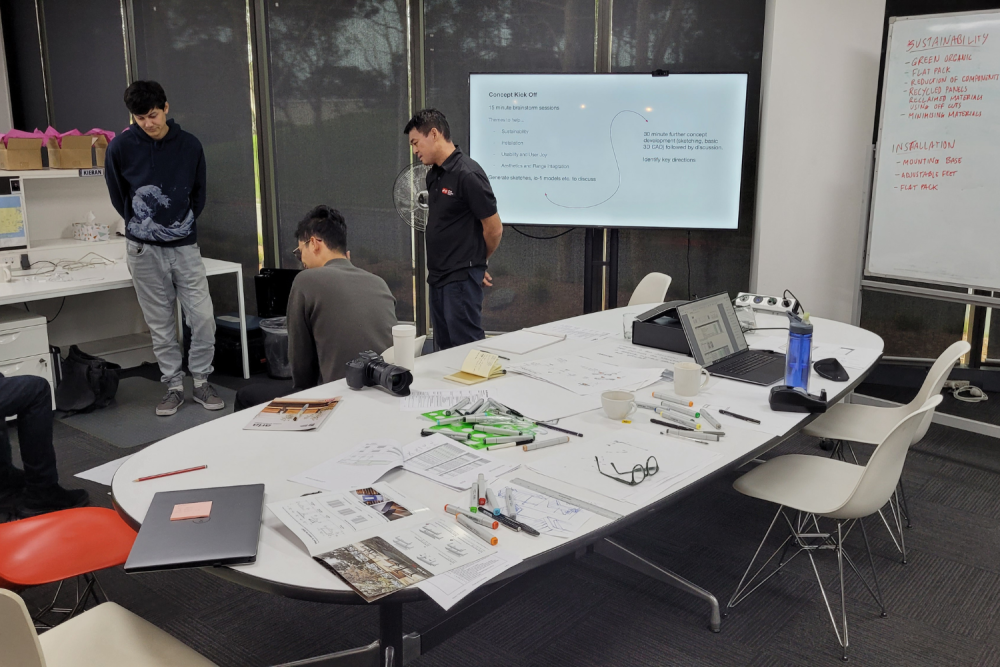
The Aria Bin project started in 2020, with the most recent two years representing the more focused and detailed phase of design and development. Whilst we initially drew on five to ten years of insights gathered by our team in partnership with our customers, the real timeline runs much longer than that. Street Furniture Australia has been designing and furnishing public places with bins for more than forty years, and I’d like to think Aria is the accumulation of that legacy and history, rather than one standalone idea for a single product.
Engaging the right stakeholders
In the earlier stages, we spent a lot of time with councils (asset managers and waste managers specifically), which included depot visits to walk their teams through early concepts. They were genuinely pleased to be asked, and their input was beyond invaluable. A bin takes far more load from routine servicing than you might think. It’s opened and emptied thousands of times a year, and fire comes up more often than anyone would like.
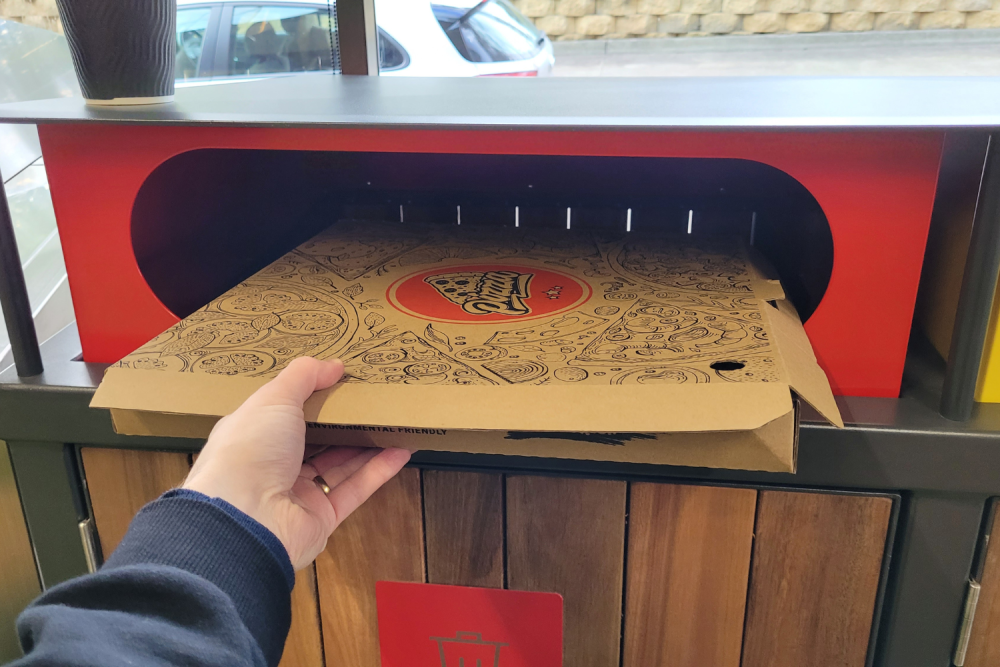
The specifics were better still. One team described a bin across the road from a pizza shop with an aperture too small to take a pizza box, so the boxes ended up stacked on top rather than in it—which is how I came to spend an afternoon testing pizza box fitment into a splash tray. Another was that tray’s angle and height: get the geometry wrong and rubbish thrown at the bin slides down the outside, collecting in a trail around the base that makes a whole area look neglected. Feedback about rats getting in from underneath is why Aria has a sealed solid base. Individually none of these is dramatic; together they’re the difference between a bin that works in place and one that quietly generates complaints.
The real trade-off: repairable versus indestructible
Once we had the full list of known pain points on the table: overflowing, vandalism, animals getting in, broken hinges, materials that weren’t fire-safe, water pooling at the base, one tension sat above the rest: repairability versus strength. A kit-of-parts bin, built to allow for damaged sections to be swapped on site, is inherently easier to maintain. But the more you design something to come apart, the harder it is to make it as strong as something welded solid. Chasing both at once was probably the hardest single problem to solve in the whole project.
The Aria range began as a seating system built around a kit of parts, allowing for specifiers to configure it almost endlessly. We applied this same logic to the bin, so it can flex across colours, materials and finishes without compromising on integrity. This is also what distinguishes Aria from the other bins in our range, each of which is built for a different job. Escola is designed around efficiency and a single material that comes together quickly, and our Frame bin around a traditional welded structure. Aria’s particular strength is its modularity: you can change the panels without touching the structure underneath, making it our most flexible bin enclosure yet. A practical example of this might be the ability to easily replace a damaged panel on-site with standard tools; reducing downtime or the need to replace the entire bin due to one defective part.
The biggest pain point: contactless use
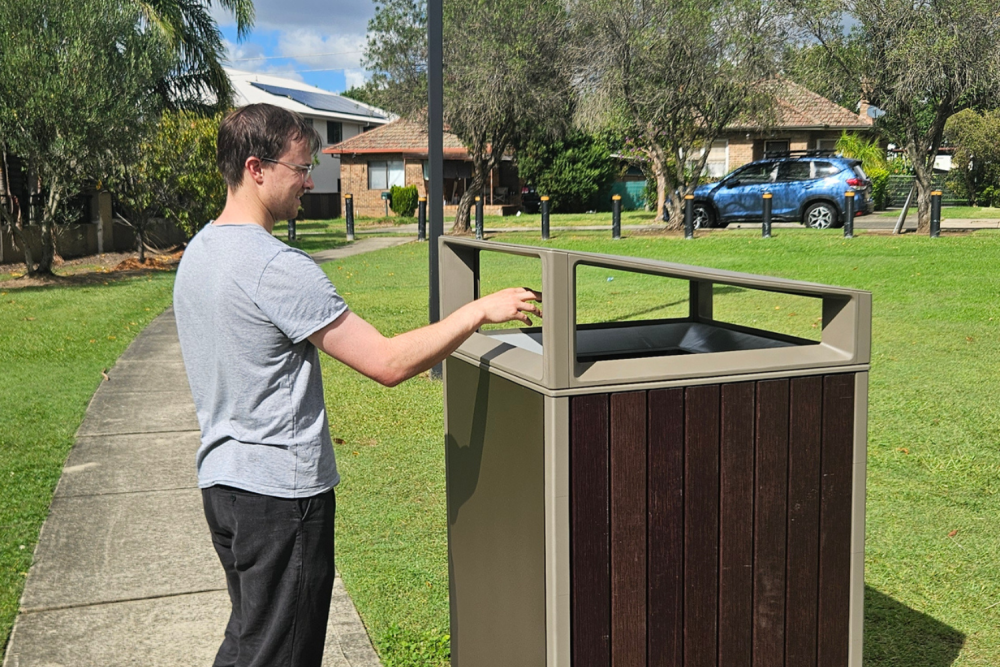
The single biggest behavioural pain point we came across is one everyone can probably relate to: people don’t want to touch bins. That feedback shaped some very deliberate decisions—a generous opening so you can drop something in from a small distance rather than posting it through a tight gap, and a splash tray angled right so anything that lands on it rolls in on its own, instead of getting stuck and daring you to give it a push.
Signage mattered too. We worked with wayfinding specialists, experts in legibility and communication design for public space, to get the contrast right, including for people who are vision impaired, and built it using layered techniques designed to last rather than stickers that fade or peel over time. While there’s less formal regulation around bin colour-coding than people might assume, what’s more clearly governed is legibility itself under DDA guidelines. Aria’s flexibility means we can tailor colour and signage to what a place actually needs, rather than forcing every project into the same scheme.
Designing for durability, and testing for validation
Durability started with the maintenance question: can you fix it on site? Aria Bin is mechanically fixed rather than fully welded, so it can be taken apart and rebuilt piece by piece, a deliberate nod to right-to-repair and circularity thinking that’s bigger than our industry. It shaped the material choice too: we leaned into our expertise in aluminium castings and extrusions, within the fairly narrow palette that actually works in public space: broadly steel, aluminium and timber, including WoodPlus™, our own eco-certified engineered timber.
Vandal resistance was a key requirement, so corner impacts and repeated knocks were all designed for rather than hoped against. We validated this through impact, repetitive load, and water and drainage testing—mostly machines and jigs, occasionally a designer standing on a roof panel to see if it bent. None of this testing is required by any Australian standard: bins, seating and architectural bollards all sit in a category where structural testing is entirely optional. We do it anyway, because we think that’s what responsible design and manufacturing looks like, even when it costs more or draws out an already lengthy development process.
Grounded in sustainability
Aluminium is highly recyclable and considerably more manageable at end of life than steel. We use low carbon aluminium for our battens, which addresses the other half of the equation: not just what happens to the material at the end of its life, but the emissions involved in producing it in the first place. Combined with a fully disassemble-able design, the Aria Bin can be refurbished or have its components recycled once its working life is done, ahead of any broader recycling systems catching up. Modularity works the same way: because Aria can be updated or repaired rather than replaced outright, it avoids becoming disposable the way a fully custom, one-off design inevitably does.
We also built in flexibility for councils managing different waste streams. Contamination is a genuinely difficult, system-wide problem—nobody controls what a passer-by drops into a bin, and no single product solves it. What we can do is make the job easier through multi-stream arrangements and clearer signage, and leave room for the bin to adapt as sorting technology improves. Sustainability isn’t a box to tick once and move on from; it’s an ongoing responsibility that shapes how we design everything.
Designing for decades from now, not for right now
“Looks good for a long time” is a hard brief, because you won’t find out whether you’ve achieved it without being very patient, or inventing a time machine. Our approach has leaned toward restraint, being sympathetic to the spaces a bin sits in rather than loud or attention-seeking, and trusting that quality and care in the details age better than any bold statement.
Where a site calls for personality, that can be achieved through colour, materials or signage rather than the base design itself. A highlight strip, a timber batten, a perforated pattern that echoes something else in the space. That was a deliberate design choice, so specifiers or councils can make a bin feel like it belongs to their place while still having a proven system behind it, one that spare parts, repairs and future replacements can be drawn from years down the track. Aria Bin is designed to accommodate interchangeable panels which allows for feasible aesthetic changes over time, should the style of a place undergo a makeover or considerable upgrade.
Reflecting on a six-year process
Six years is a long time to spend designing a bin, and it probably looked like a solved problem to many. In reality, it was dozens of smaller problems, each of which had to be solved on its own terms before they could be solved together: a thousand decisions about apertures and angles and fixings, none of which announce themselves. More than twenty people had a hand in these decisions over the years, and we did not rush it. For something built quite literally as a kit of parts, Aria ended up greater than the sum of them: a system that resolves the tension between good looking, hard working and flexible, without trading any one of them away.
Bins have been overused, underappreciated and under-considered for a very long time, and Aria is our case that they don’t have to be: nothing to complain about, something worth looking at, and holding their own in a park or plaza for decades. Not a bin that blends into the background, but one that earns its place in the modern-day public realm.
-
2026 AILA Awards: Good Cause Giveaway
See highlights of all the outstanding creative photos from the 2026 AILA Awards Good Cause Giveaway, and discover which studio team won over 3k worth of furniture for... Read More
-
Join us for West Fest 2026: Designing in Belonging
A half-day knowledge exchange hearing from local built environment experts on fostering a sense of belonging in an increasingly dense, digital society. Read More
-
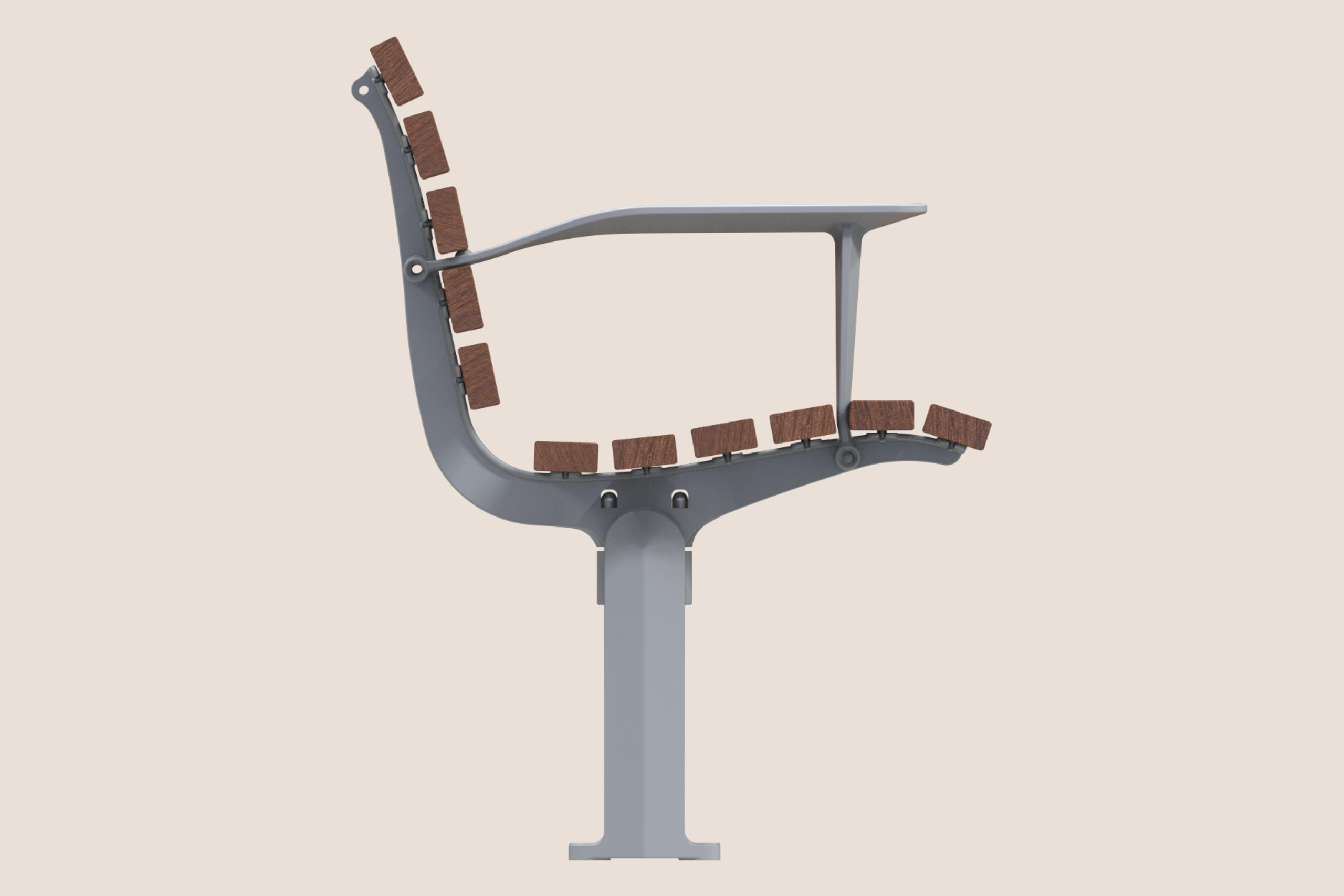
Introducing the new Pillar Leg
Street Furniture Australia’s new Pillar Leg is slimmer but sturdier. Discover what goes into a furniture leg, from fixing and accessibility to design. Read More
-
14th Street Y: From active space to community
How did a quiet gym lobby bring together 420+ locals? Learn how 14th Street Y uses social infrastructure and cheap coffee to build community. Read More
-
Should heat be regulated?
What if cities regulated heat like fire and flooding? ASLA explores how thermal performance could become a standard part of urban design. Read More
-
GreenScapes 2026: Did Queensland’s newest landscape industry show deliver?
Explore highlights from GreenScapes 2026 as Street Furniture Australia reflects on QLD’s new landscaping and design industry show. Read More