Design as storytelling: How AI is transforming the built experience
Upcoming Events
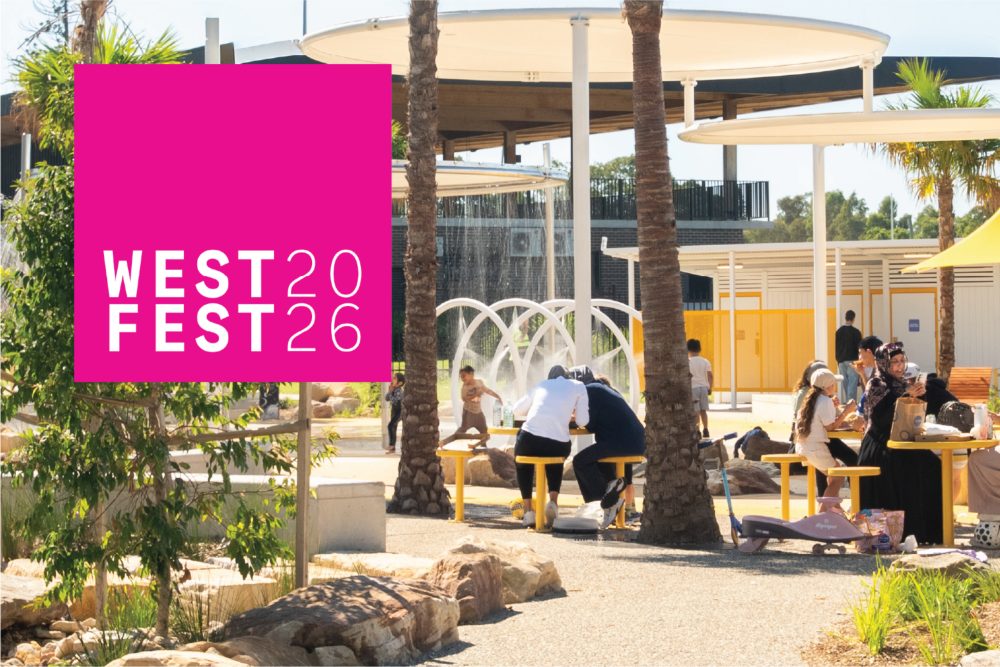
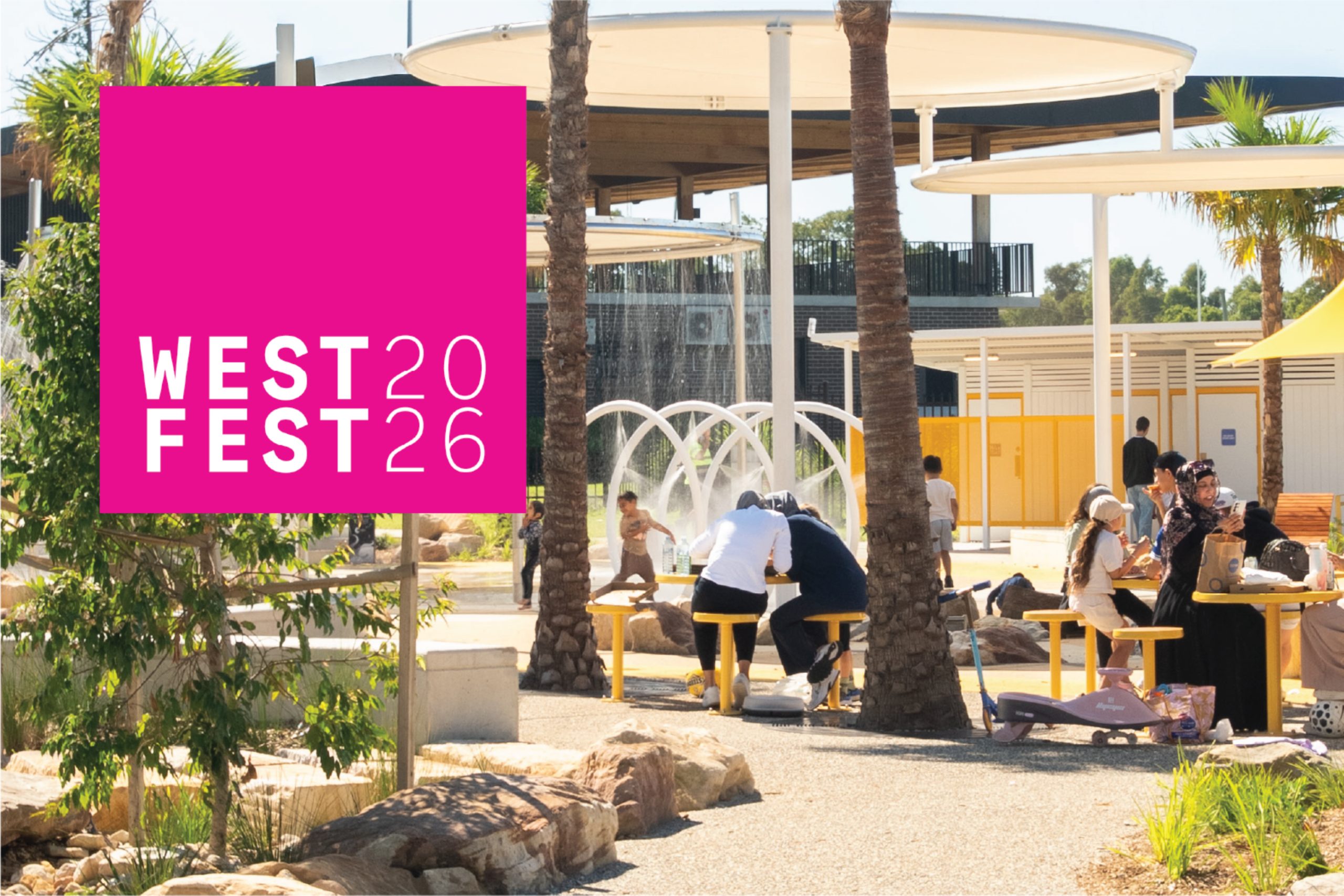
Join us for West Fest 2026: Designing for Belonging
A half-day knowledge exchange hearing from local built environment experts on fostering a sense of belonging in an increasingly dense, digital society.
Read more
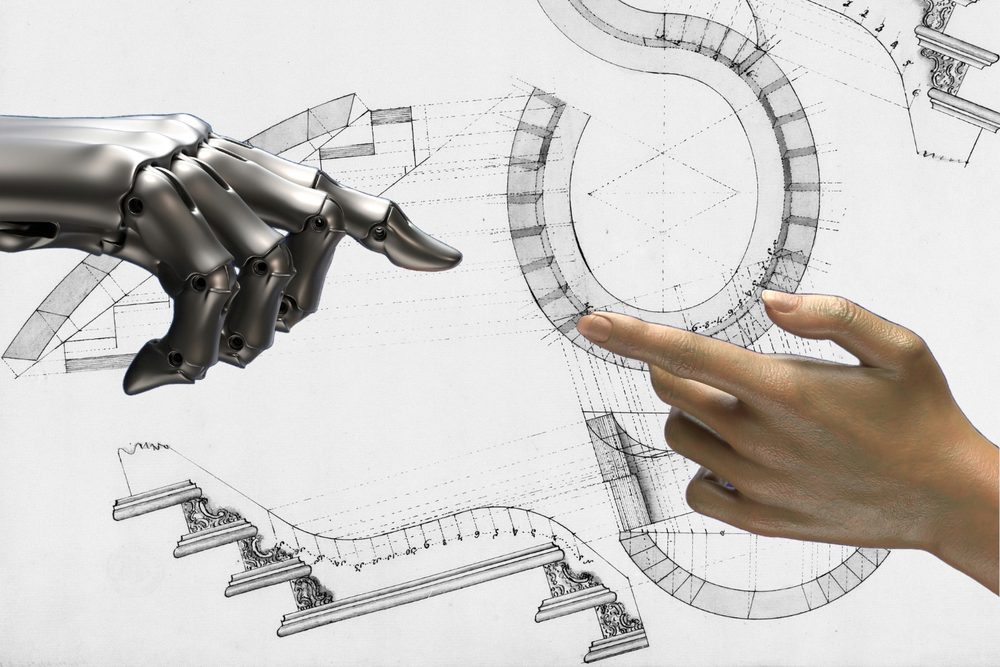
What if designers could experience a building before it is even built? While much of the debate around Artificial Intelligence (AI) centers on fears that it will replace creativity, Gensler Co-CEO Jordan Goldstein argues that it is here to amplify it—helping teams move from inspiration to iteration with greater speed and substance.
For decades, the hardest part of architecture was that emotional transitions could only be guessed on paper. Yet every great space is remembered by the feelings it evokes: a hospital entrance that replaces panic with calm, an airport concourse that slows a racing pulse through light and acoustics, or a workplace that signals belonging rather than isolation.
AI transcends those flat constraints. Today, teams can storyboard and test human psychology in real time—choreographing sightlines, seating, and circulation around real human vulnerabilities before breaking ground.
This also shifts the relationship between designer, client, and community. Instead of debating abstract floor plans over months of back-and-forth revisions, teams can prototype the lived atmosphere of a space in days. Experiencing how light shifts across a courtyard or how crowds gather around a threshold builds conviction early. It fosters richer co-creation, moving stakeholder conversations away from mere logistics and anchoring them in shared emotional intent.
However, Goldstein emphasizes that this potential comes with deep professional responsibility. AI must be guided by ethical, human-centered principles that support the integrity of the design process, not treated as a shortcut to producing impressive visuals. AI can help us imagine how a space could feel, but it is still human creativity, empathy, and judgment that give those experiences meaning.
Read the full article to explore Gensler’s approach to AI and what it means for the next chapter of design.
-
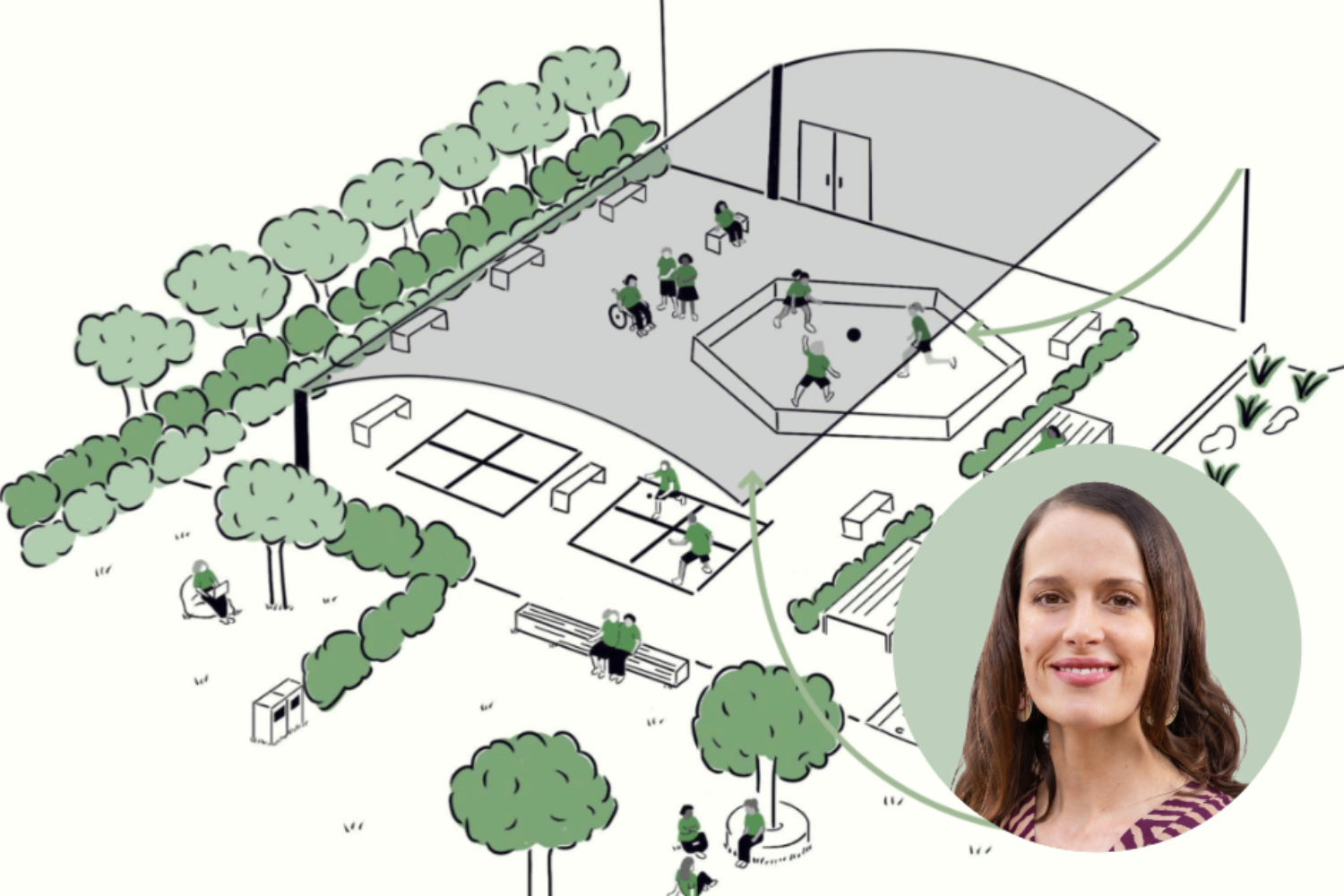
Why furniture in schools is failing teenagers and what you can do about it?
From the multi award-winning Schoolyard Greenprint research project, Hannah Richardson shares why thoughtful furniture matters for teen wellbeing. Read More
-
Join us for West Fest 2026: Designing for Belonging
A half-day knowledge exchange hearing from local built environment experts on fostering a sense of belonging in an increasingly dense, digital society. Read More
-
COP31 unites Australia and the Pacific
Australia and Pacific nations unite at COP31 to tackle climate change, advance renewable energy and address the region’s urgent climate challenges. Read More
-
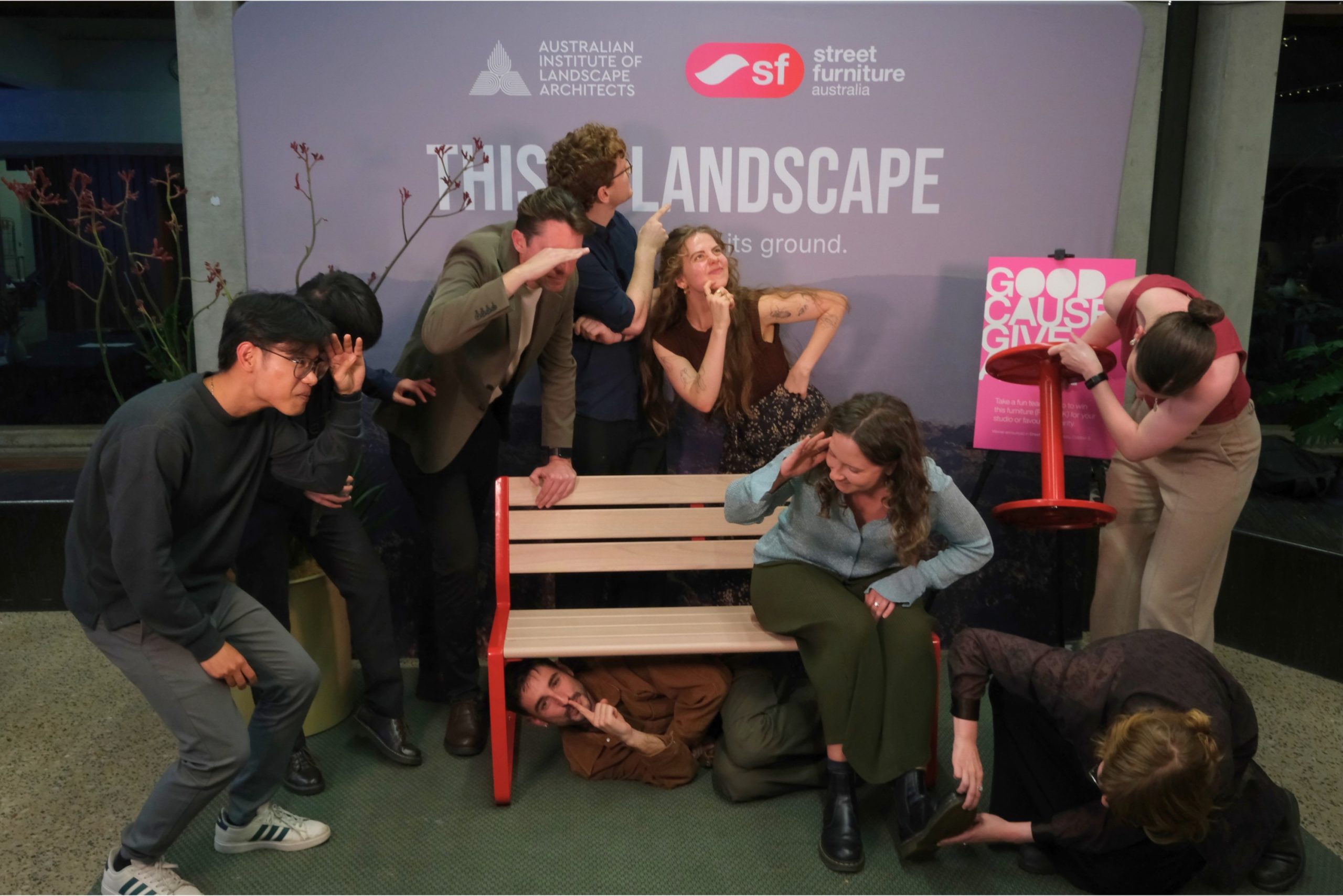
2026 AILA Awards: Good Cause Giveaway
See highlights of all the outstanding creative photos from the 2026 AILA Awards Good Cause Giveaway, and discover which studio team won over 3k worth of furniture for... Read More
-
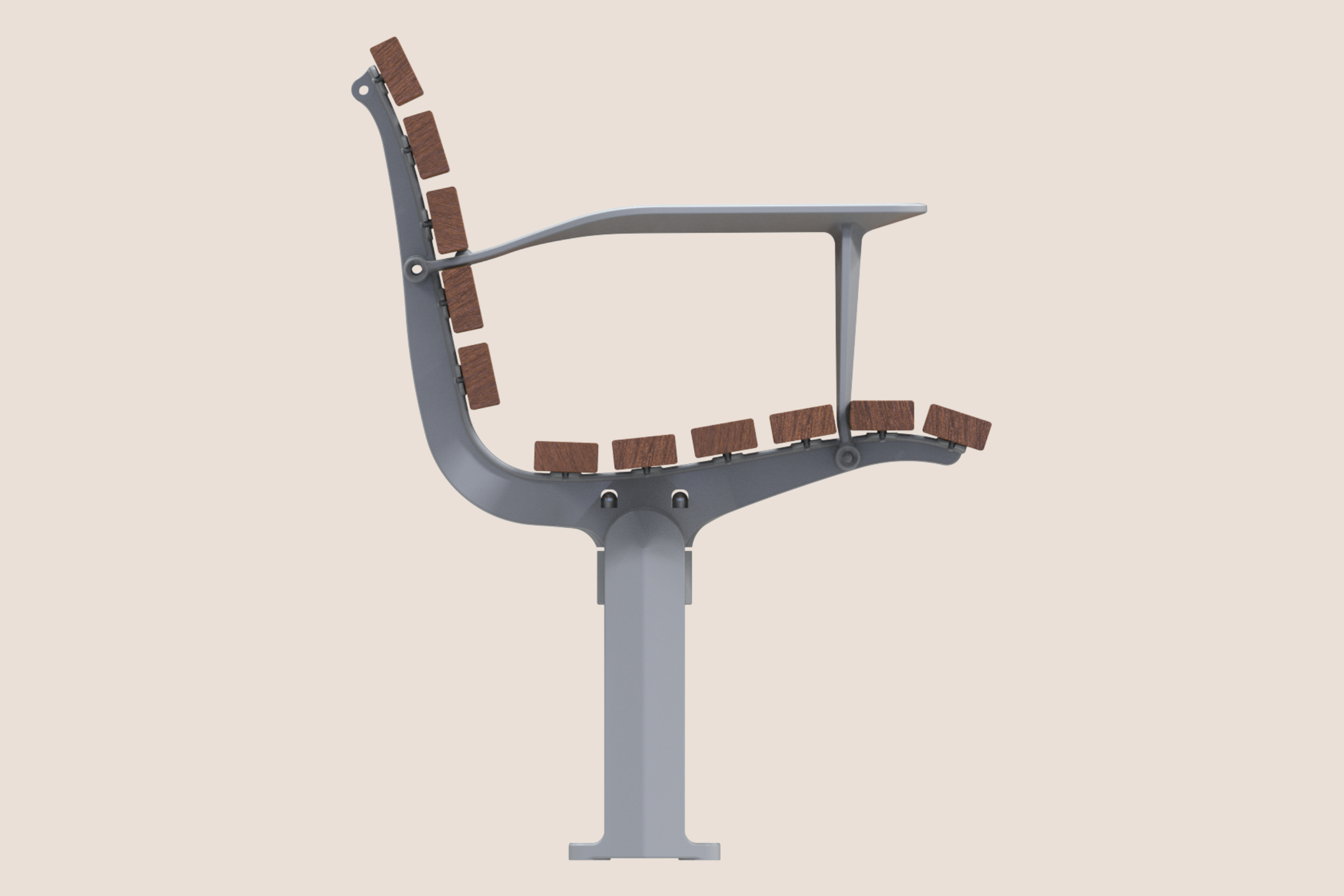
Introducing the new Pillar Leg
Street Furniture Australia’s new Pillar Leg is slimmer but sturdier. Discover what goes into a furniture leg, from fixing and accessibility to design. Read More
-
14th Street Y: From active space to community
How did a quiet gym lobby bring together 420+ locals? Learn how 14th Street Y uses social infrastructure and cheap coffee to build community. Read More