COP31 unites Australia and the Pacific
Upcoming Events
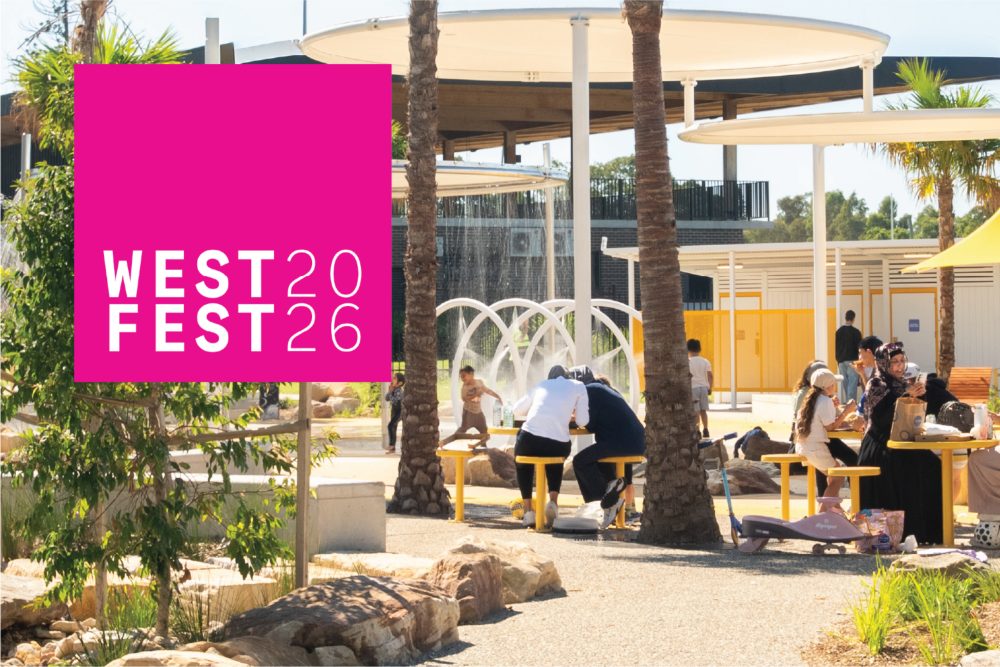
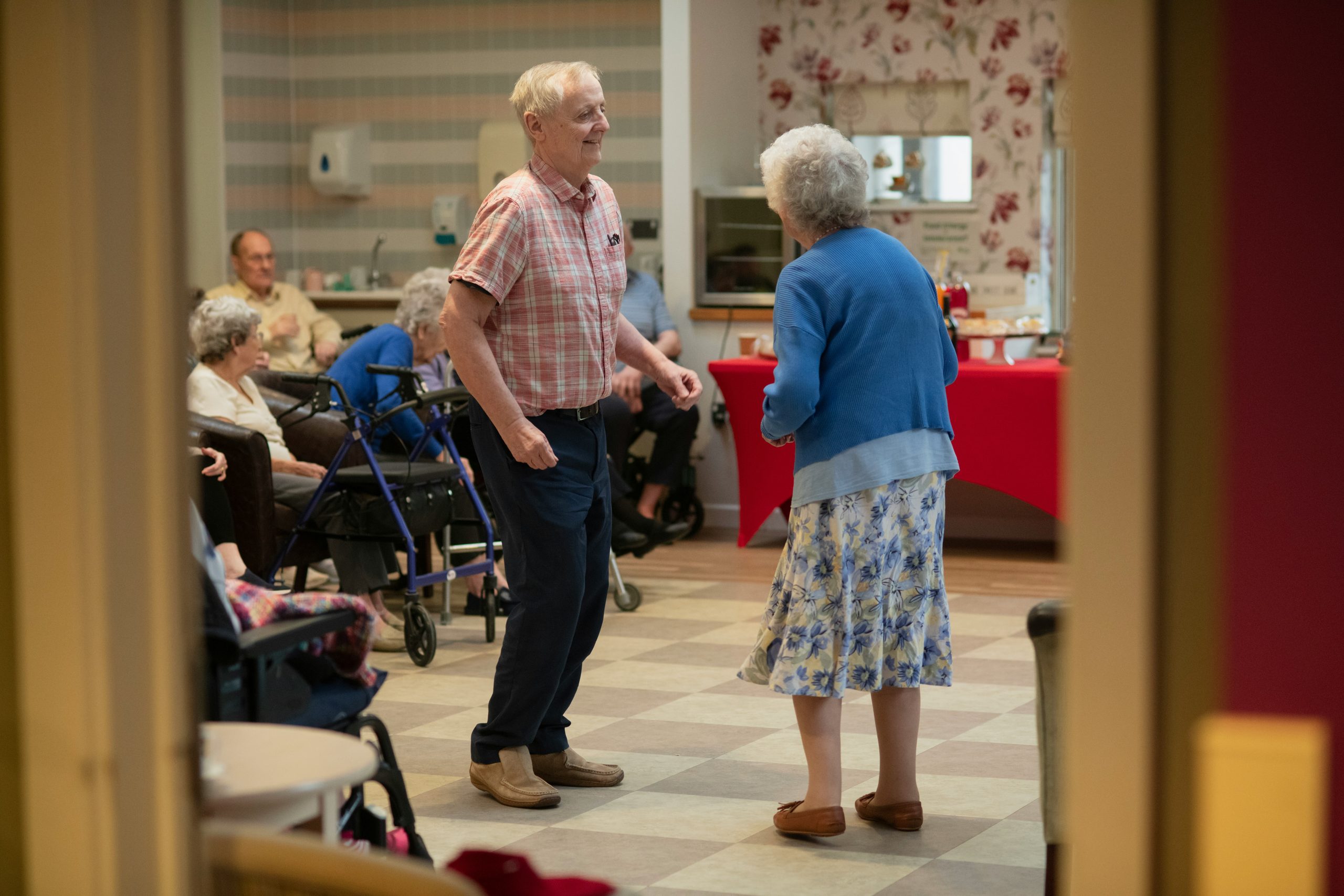
Join us for West Fest 2026: Designing for Belonging
A half-day knowledge exchange hearing from local built environment experts on fostering a sense of belonging in an increasingly dense, digital society.
Read more

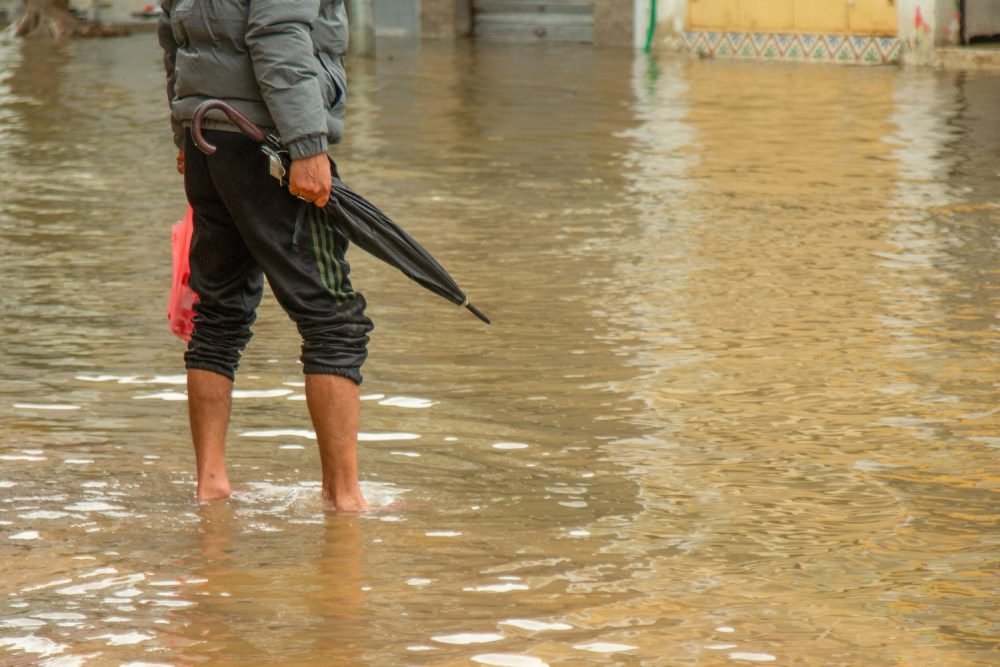
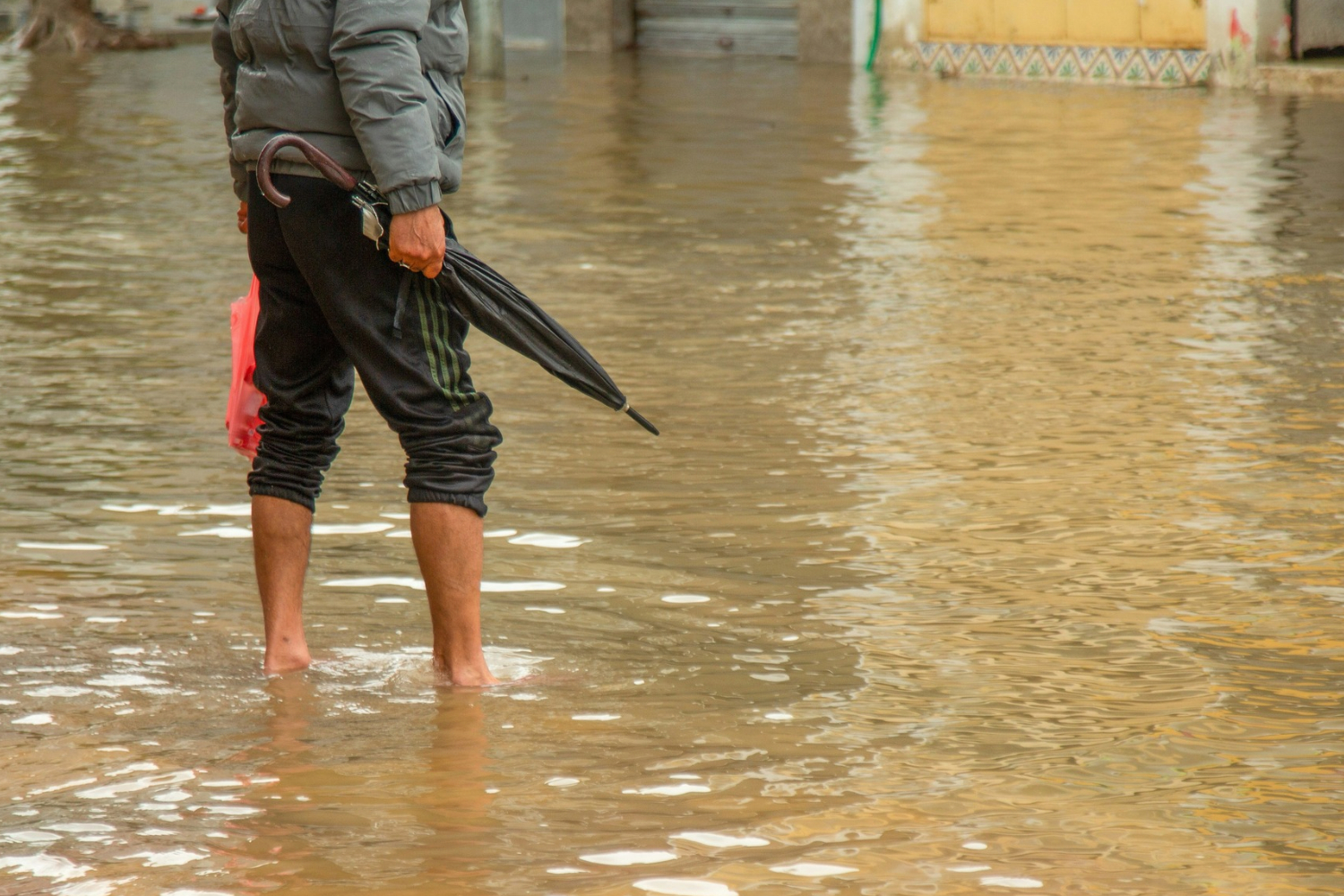
Flooding in Nepal, heatwaves in Europe and forest fires in Canada are just some of the devastating effects of climate change experienced in 2026. Attention is turning to the 31st United Nations climate summit (COP31), taking place in Türkiye this November. The summit will bring nearly 200 nations together, with Australia taking a leading role in this year’s negotiations.
Ahead of the summit, Australia and Fiji partnered to host Pre-COP31 meetings in the Pacific, bringing regional concerns to the forefront. People living in low-lying nations such as Tuvalu face significant risks from rising sea levels and flooding. Saltwater intrusion is damaging crops, while coastal erosion and flooded roads and runways are disrupting communities and forcing some residents to migrate.
A key goal of the Pre-COP31 meetings is to bring Pacific perspectives directly into discussions at the main summit. At COP31, developed countries, particularly those with high emissions, are expected to work towards mobilising US$1.3 trillion annually by 2035 to support developing countries most vulnerable to climate change. This would reinforce efforts under the Paris Agreement to limit global warming to 1.5°C above pre-industrial levels.
However, Australia’s leadership role comes amid criticism of its continued reliance on fossil fuel exports and the decision to allow Türkiye to host the main summit. In September, the NSW Independent Planning Commission approved the Hunter Valley Operations coal mine project, raising further questions about how Australia’s coal industry aligns with its climate commitments. The Pacific meetings also faced a challenge, with only two non Pacific countries , Timor-Leste and Mauritius, sending representatives.
As COP31 approaches, focus remains on whether international diplomacy can bridge the gap between policy commitments and real-world results. For frontline Pacific communities, the measure of success will be whether these negotiations deliver concrete actions that protect homes, land, and future generations.
Read more about COP31 in The Conversation.
-
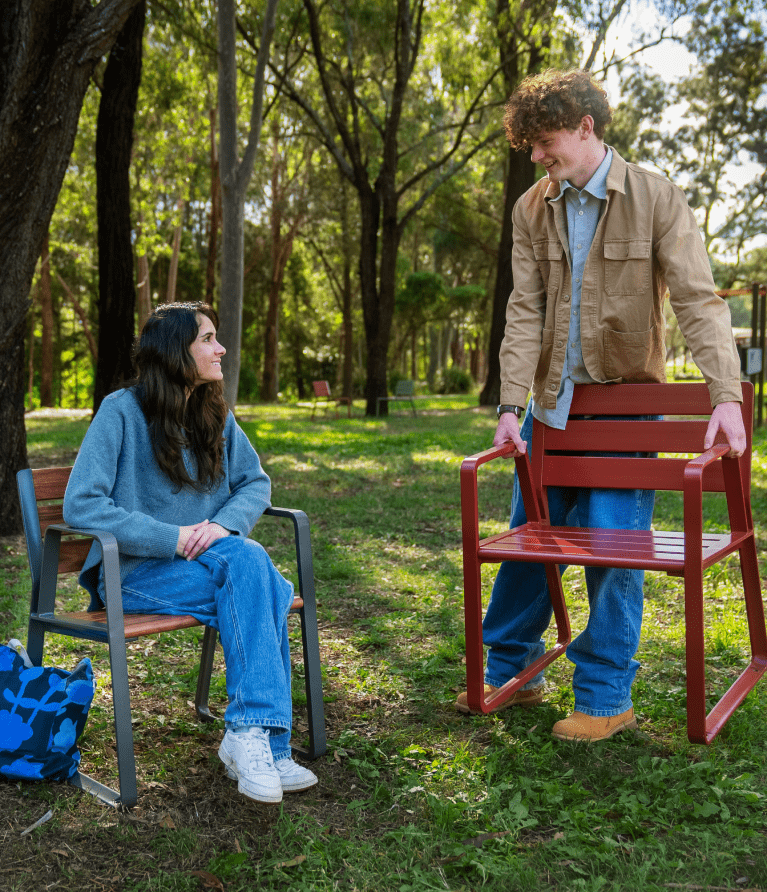
Why furniture in schools is failing teenagers and what you can do about it?
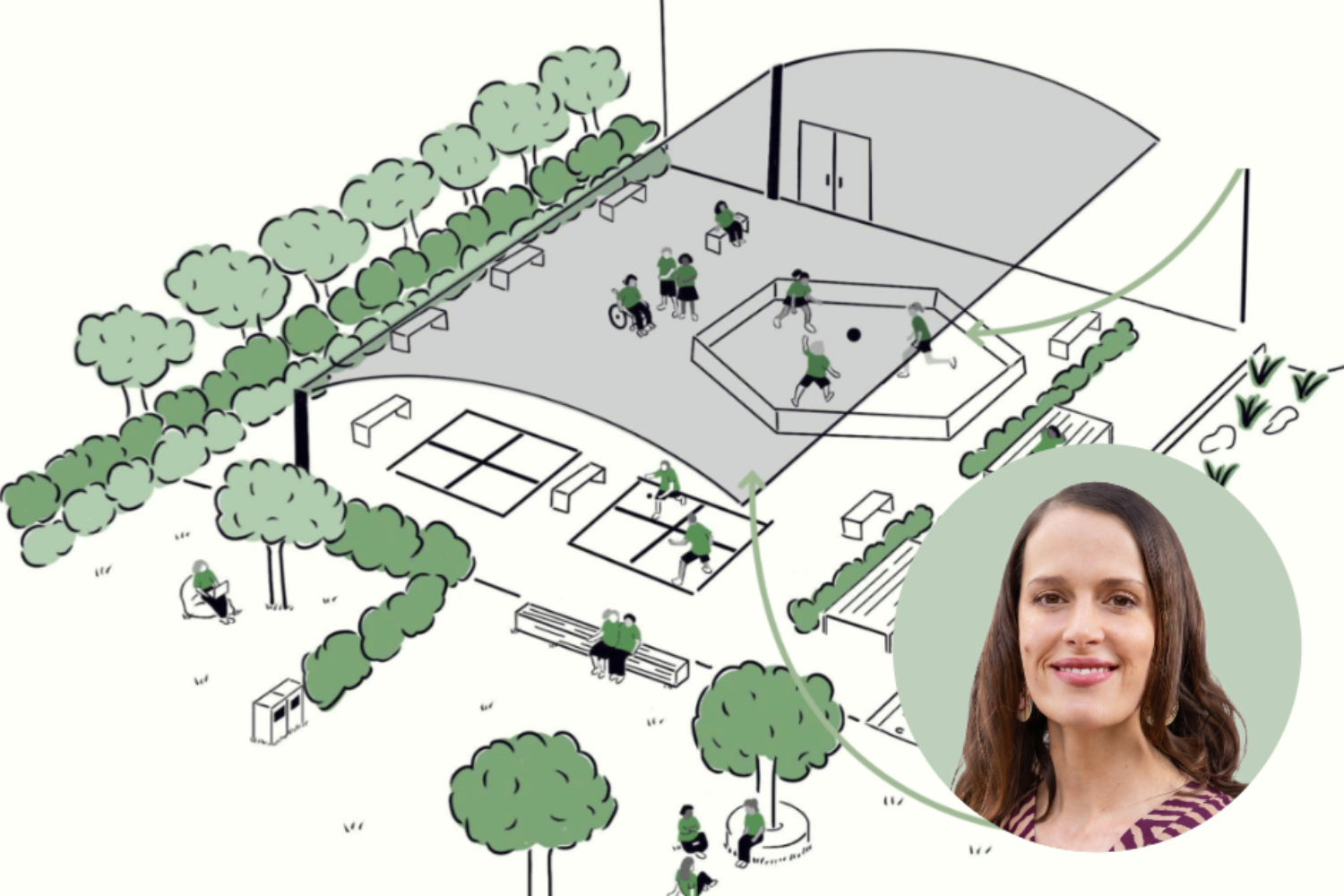
From the multi award-winning Schoolyard Greenprint research project, Hannah Richardson shares why thoughtful furniture matters for teen wellbeing. Read More
-
Join us for West Fest 2026: Designing for Belonging
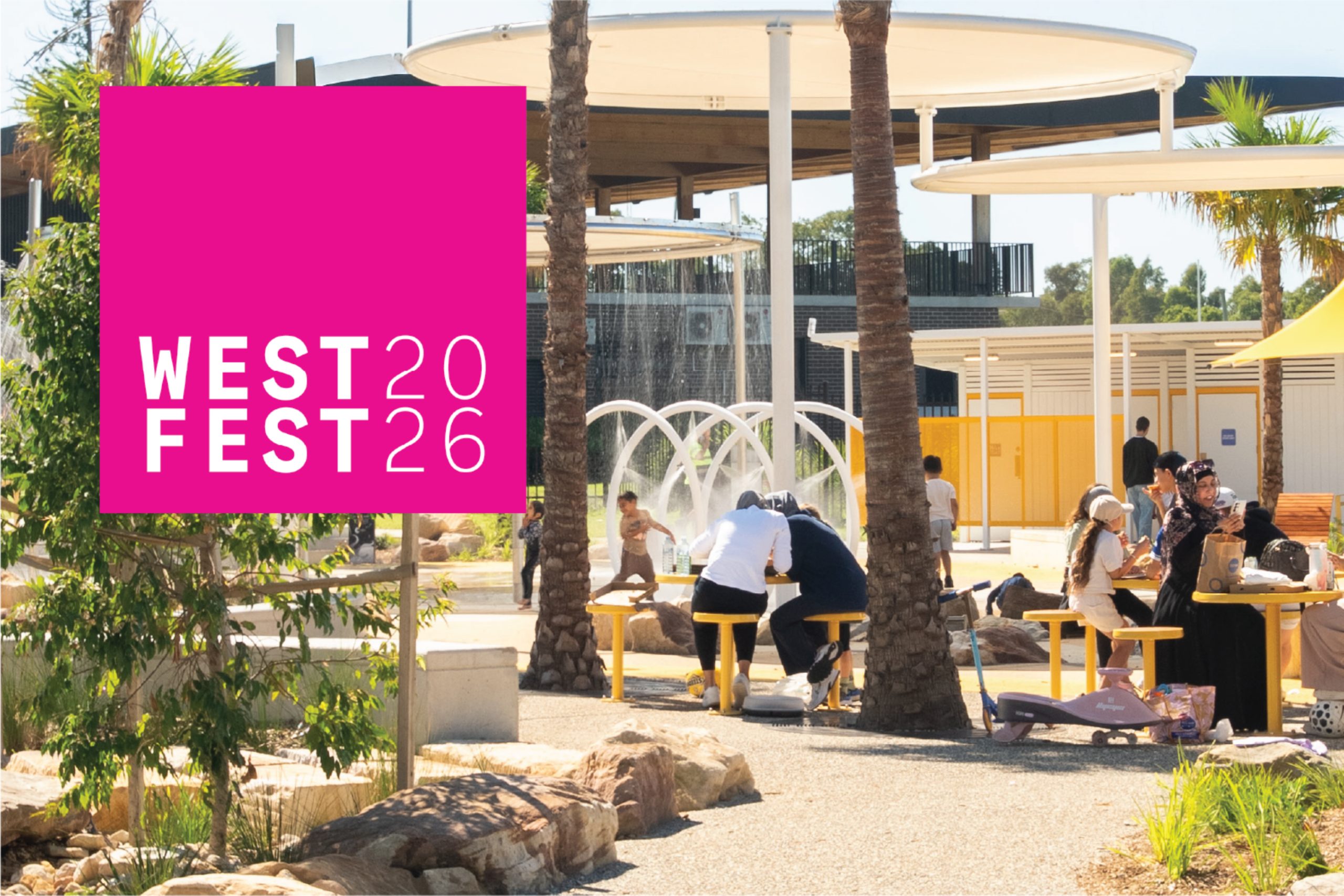
A half-day knowledge exchange hearing from local built environment experts on fostering a sense of belonging in an increasingly dense, digital society. Read More
-
2026 AILA Awards: Good Cause Giveaway
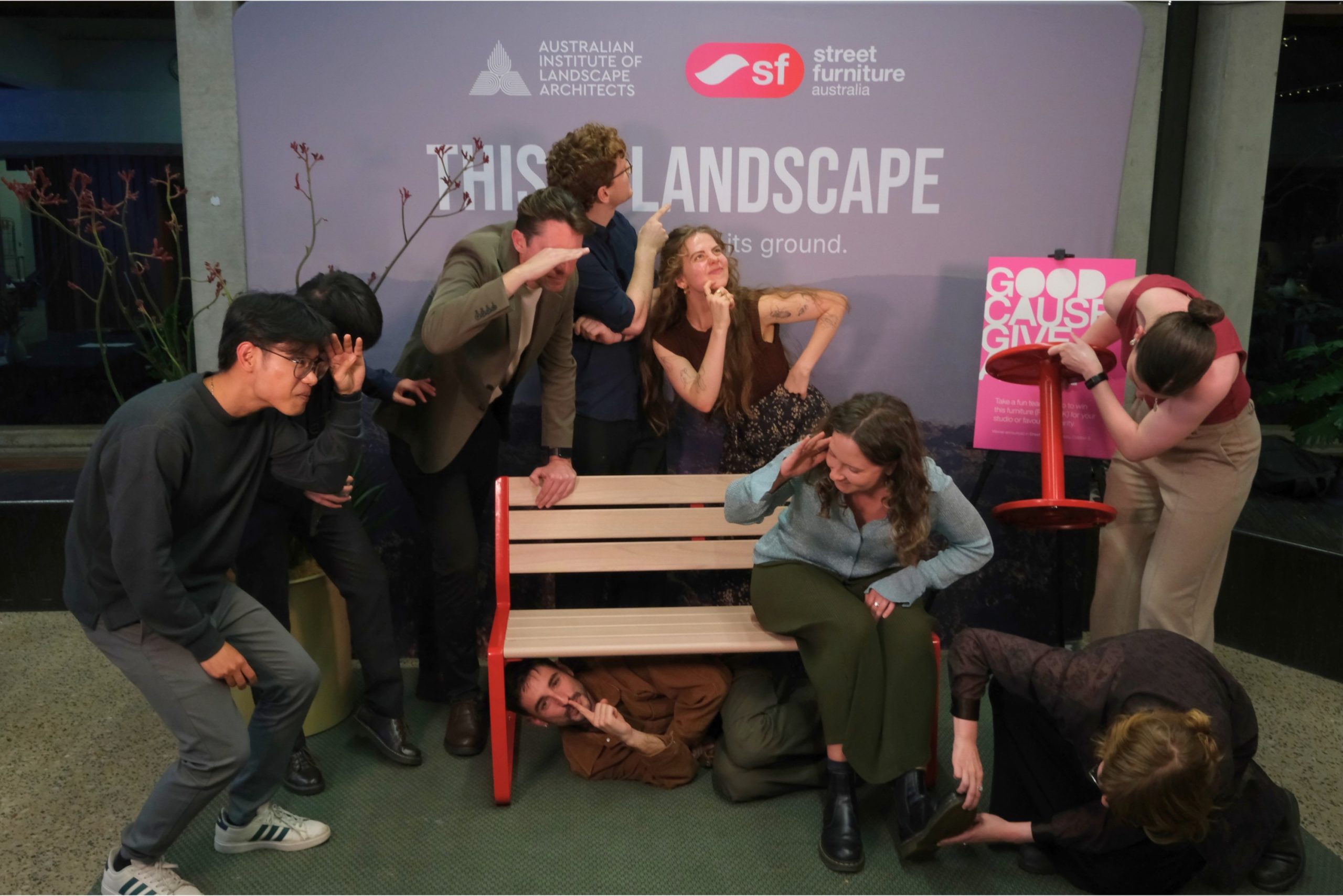
See highlights of all the outstanding creative photos from the 2026 AILA Awards Good Cause Giveaway, and discover which studio team won over 3k worth of furniture for... Read More
-
Introducing the new Pillar Leg
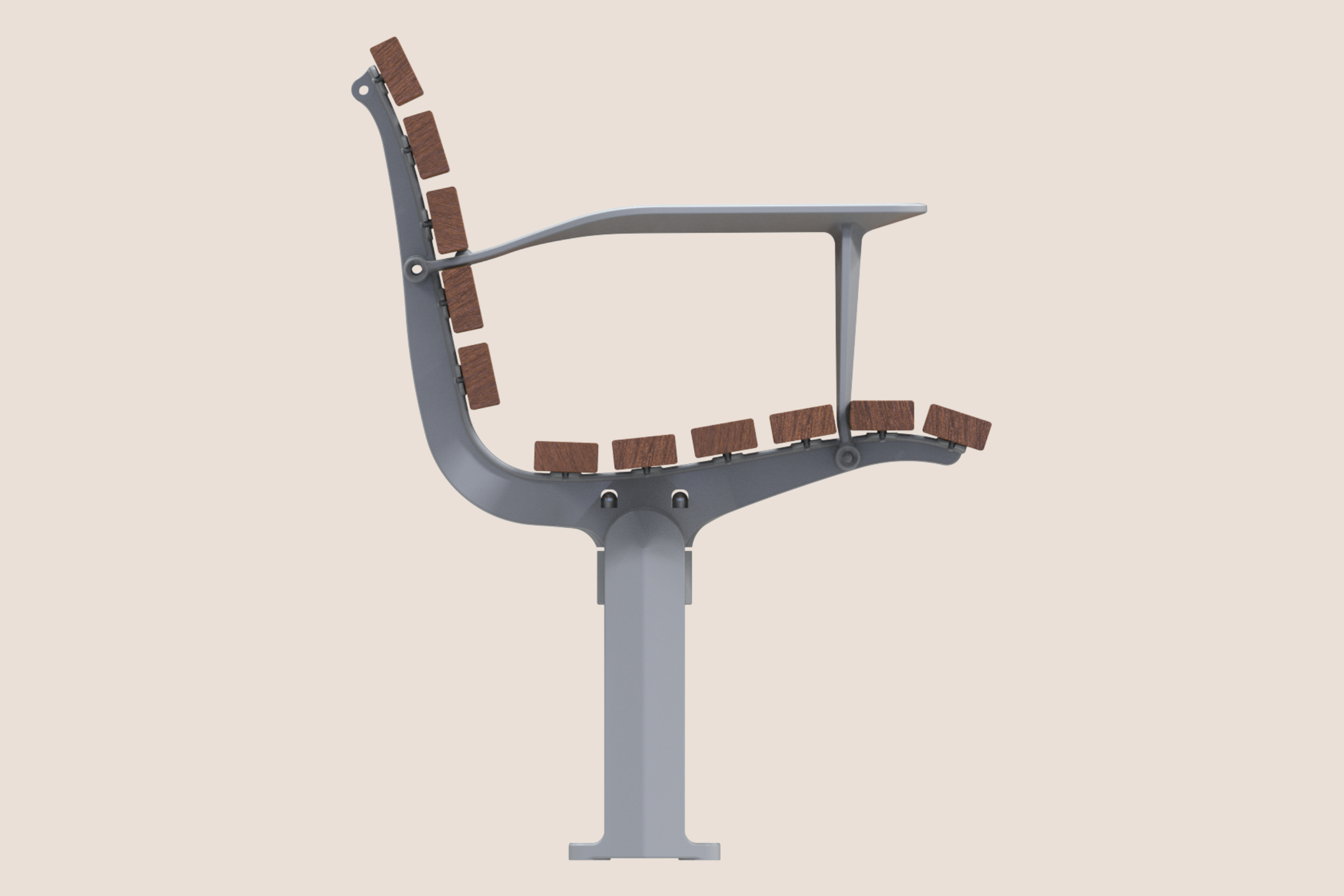
Street Furniture Australia’s new Pillar Leg is slimmer but sturdier. Discover what goes into a furniture leg, from fixing and accessibility to design. Read More
-
14th Street Y: From active space to community
How did a quiet gym lobby bring together 420+ locals? Learn how 14th Street Y uses social infrastructure and cheap coffee to build community. Read More
-
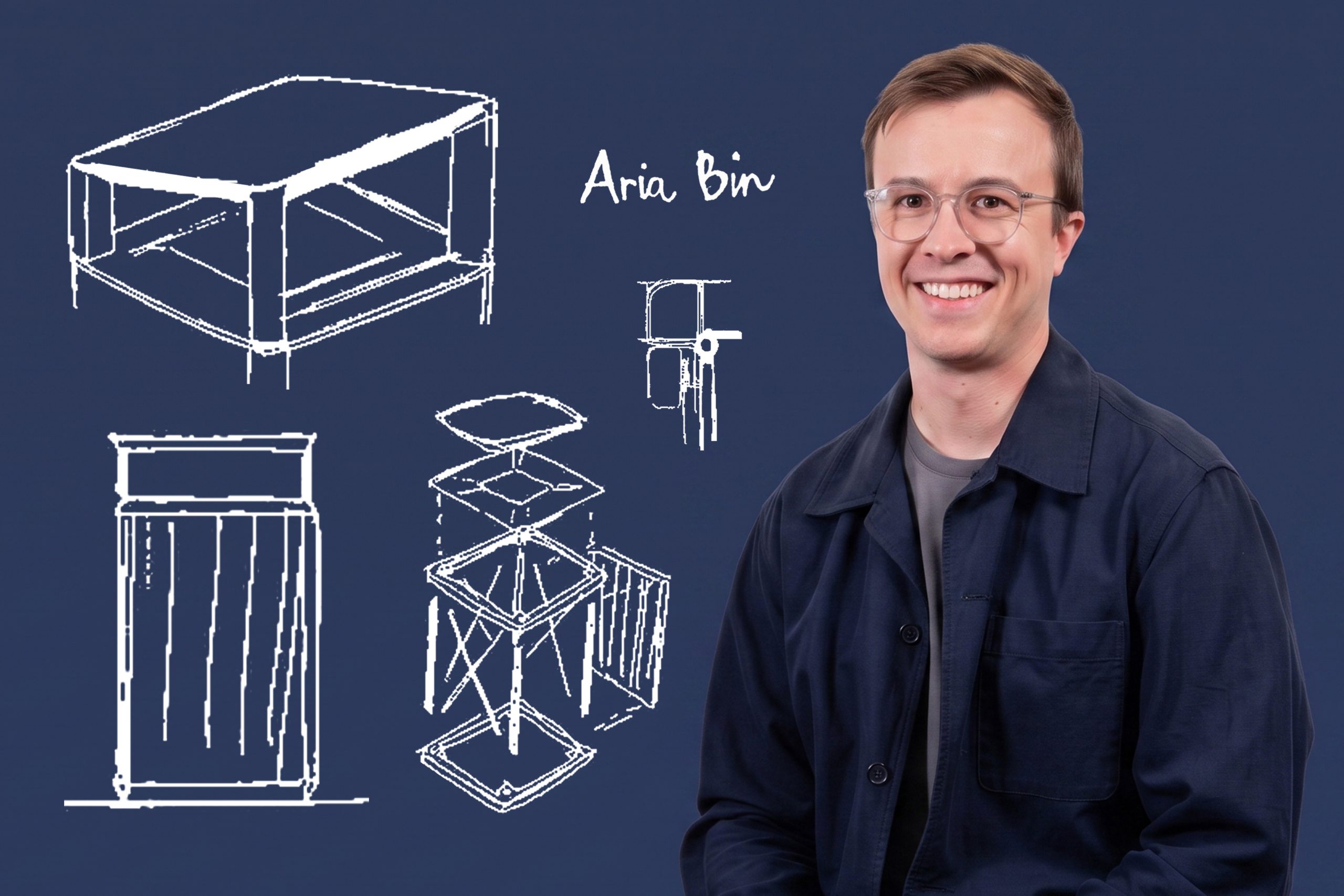
The design story behind Aria Bin
By Francis McArdle, Lead Designer of Aria Bin. There may be no piece of public infrastructure more overused and underappreciated than the humble bin. A basic necessity in... Read More