Designing for Belonging: Key Insights from WEST FEST 2026
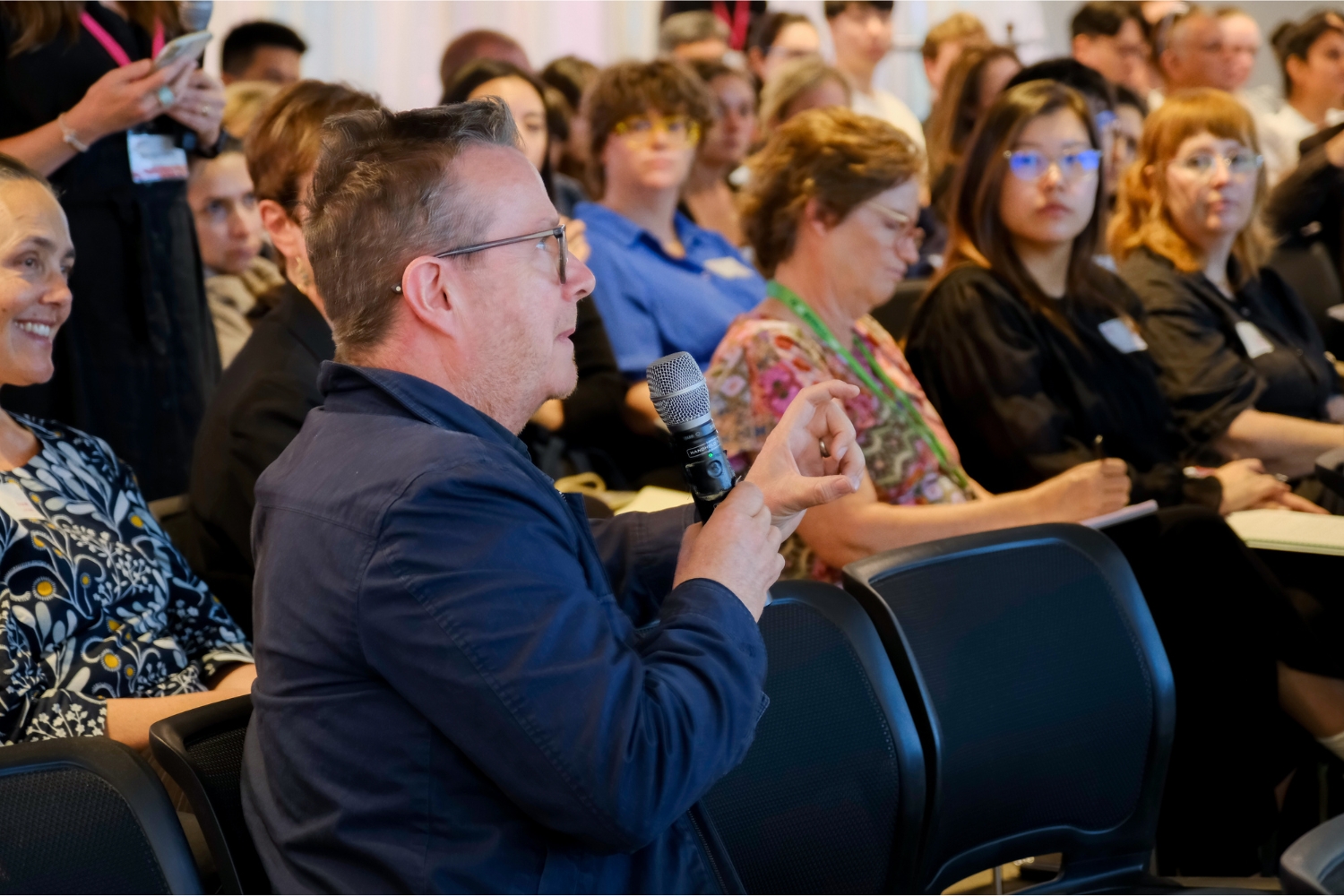

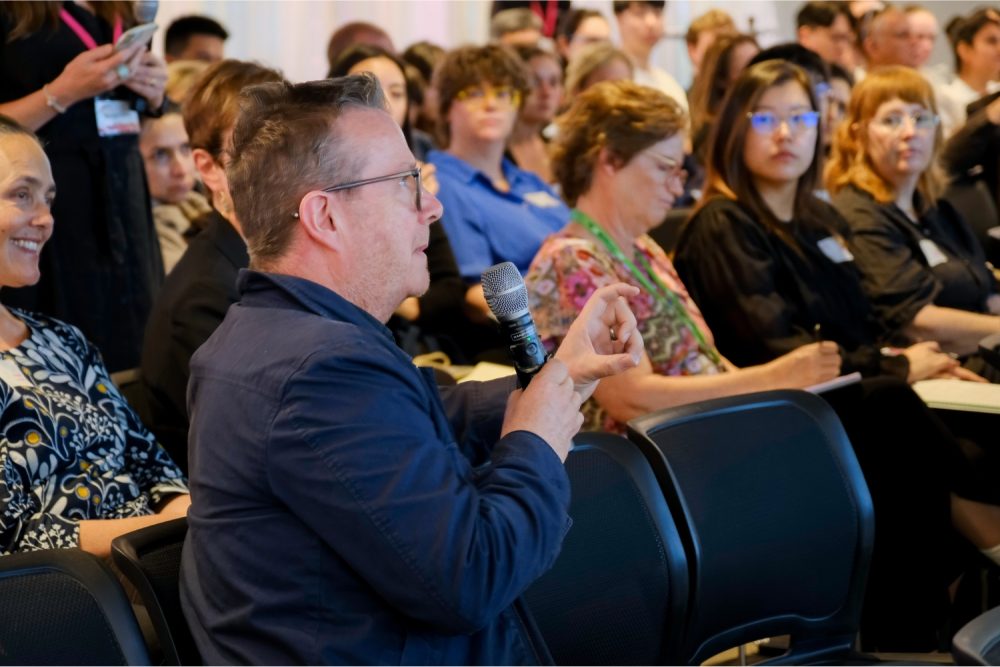
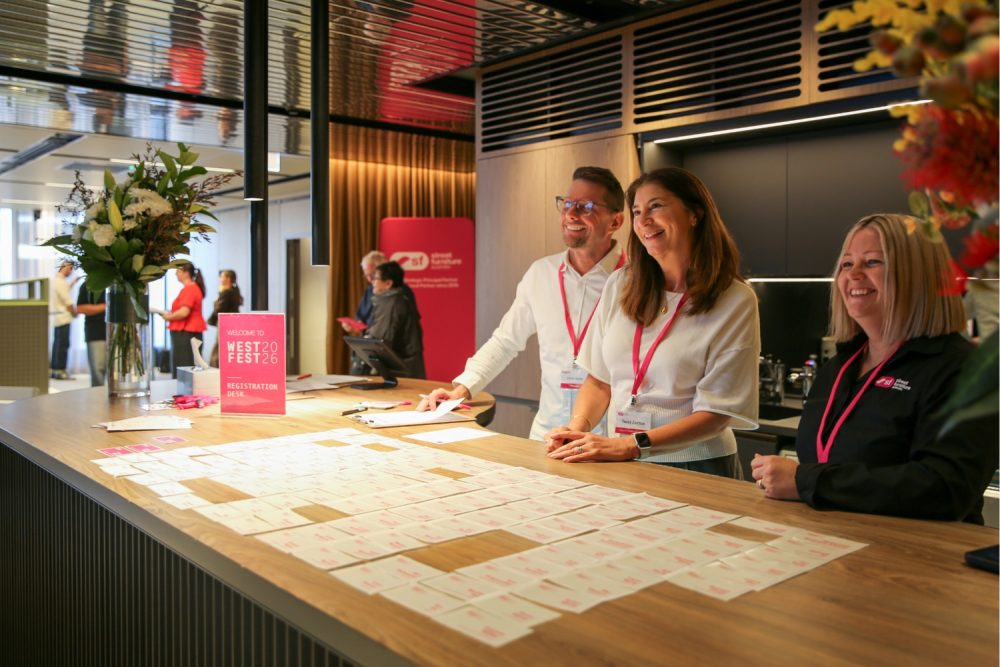
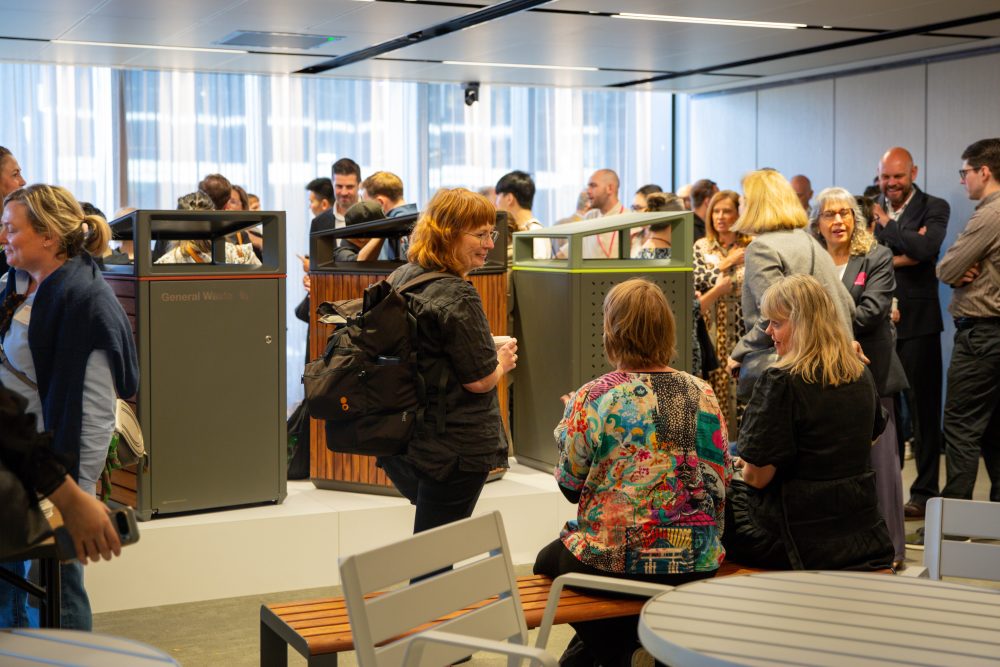
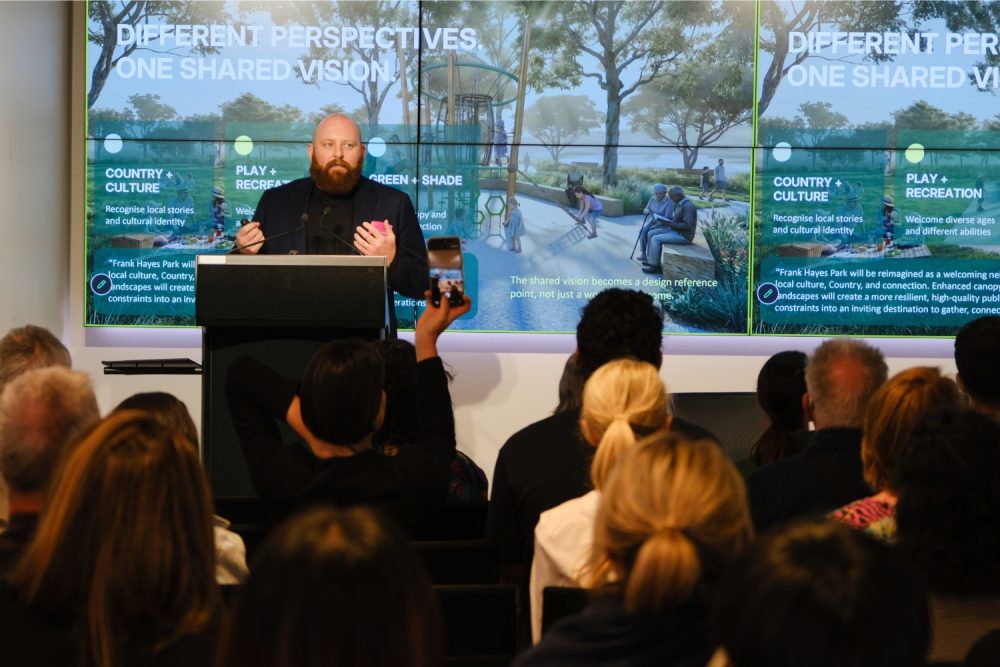
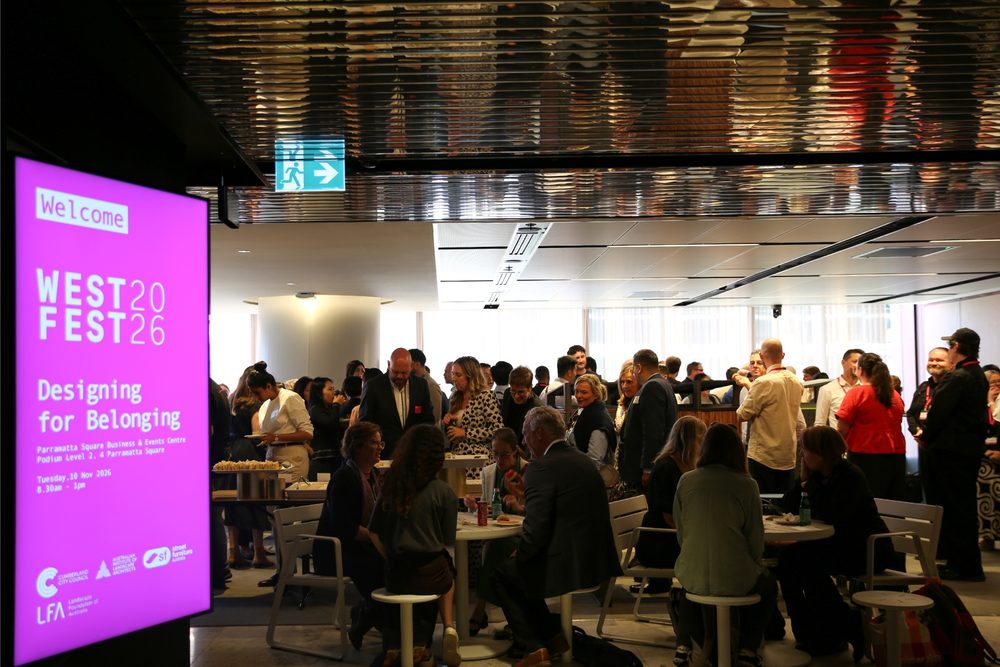
On Tuesday 10 November over 200 built environment professionals from government, landscape architecture, planning and academia gathered in Parramatta NSW and via livestream to consider the question: As cities continue to densify, how can we foster a sense of belonging amid digital addiction, a loneliness epidemic and the rise of AI-driven economies?
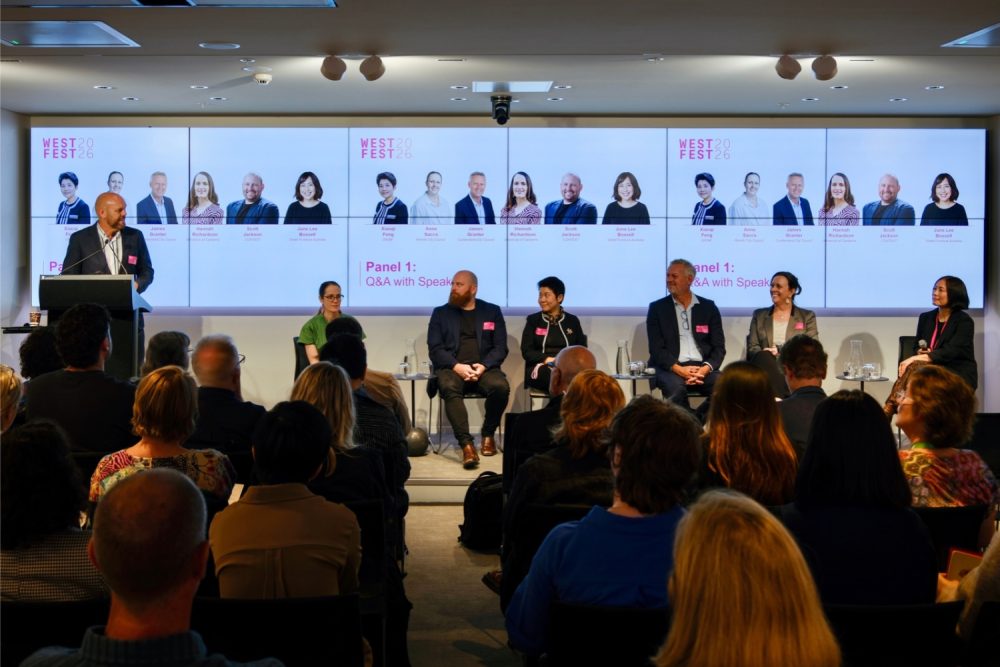
Six rapid talks provided the framework for further panel discussions including a lively Q&A, chaired by Joshua French, Chief Executive of Greater Sydney Parklands.
Kicking off the talks was Xiaoqi Feng, Professor of Urban Health and Environment at UNSW. Setting the scene, Xiaoqi defined loneliness as an environmental failure rather than an individual shortfall—introducing what she terms “lonelygenic” environments. Her research reveals that the built environment around us plays an overlooked yet vital role in creating opportunities for everyday interaction, a direct influence on psychological distress and social isolation.
For Anne Sacco, Head of Design at Penrith City Council, belonging takes root through repeated daily rituals and shared community memories. Reflecting on the 15-year transformation of the Nepean River Precinct, she demonstrated how the “bridge-to-bridge” loop, foreshore gathering spots, and integrated First Nations public art encourage continuous revisitation and give the community a place to see their stories told, allowing locals to take true ownership of the space.
James Granter, who is Coordinator of City Economy & Investment at Cumberland City Council, turned the spotlight to ‘Belonging After Dark’, highlighting the crucial role of planning and activation in sustaining civic life. Using Merrylands Civic Square as a case study, he showed how foundational details embedded early in planning, such as wayfinding, safety, generous lighting, and practical power connections are key to helping people linger after dark. A successful place, he argued, does not need to be extraordinary; it simply needs to serve its community reliably over time.
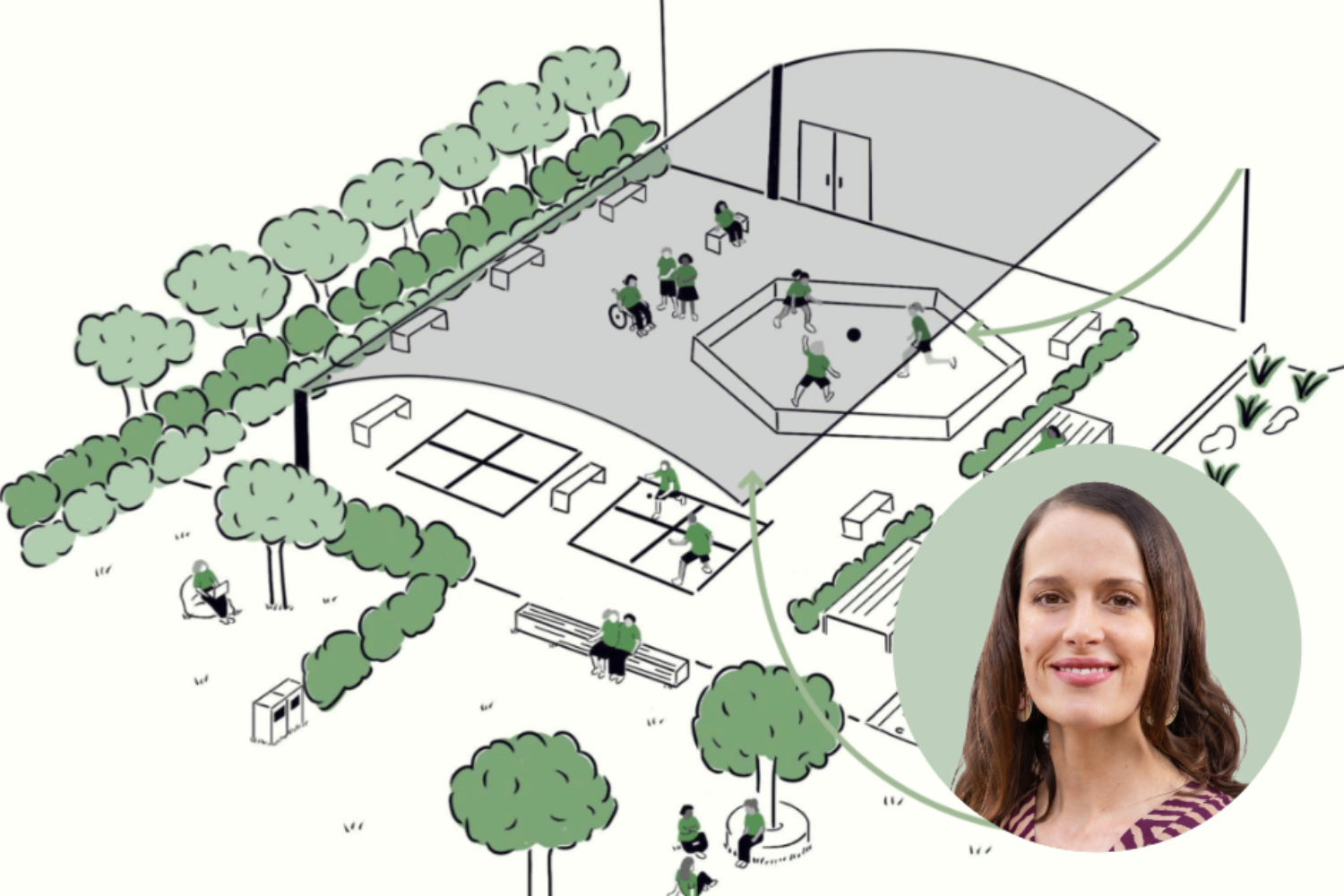
Bringing the discussion to the schoolyard, Hannah Richardson – a Researcher on The Schoolyard Greenprint at the University of Canberra – shared a defining insight: young people only feel they belong when a space feels deliberately designed for someone like them. Because adolescents must constantly navigate fierce territorial boundaries and social hierarchies, she emphasised that school grounds must offer variety and flexibility across a spectrum of social intensities to genuinely foster inclusion.
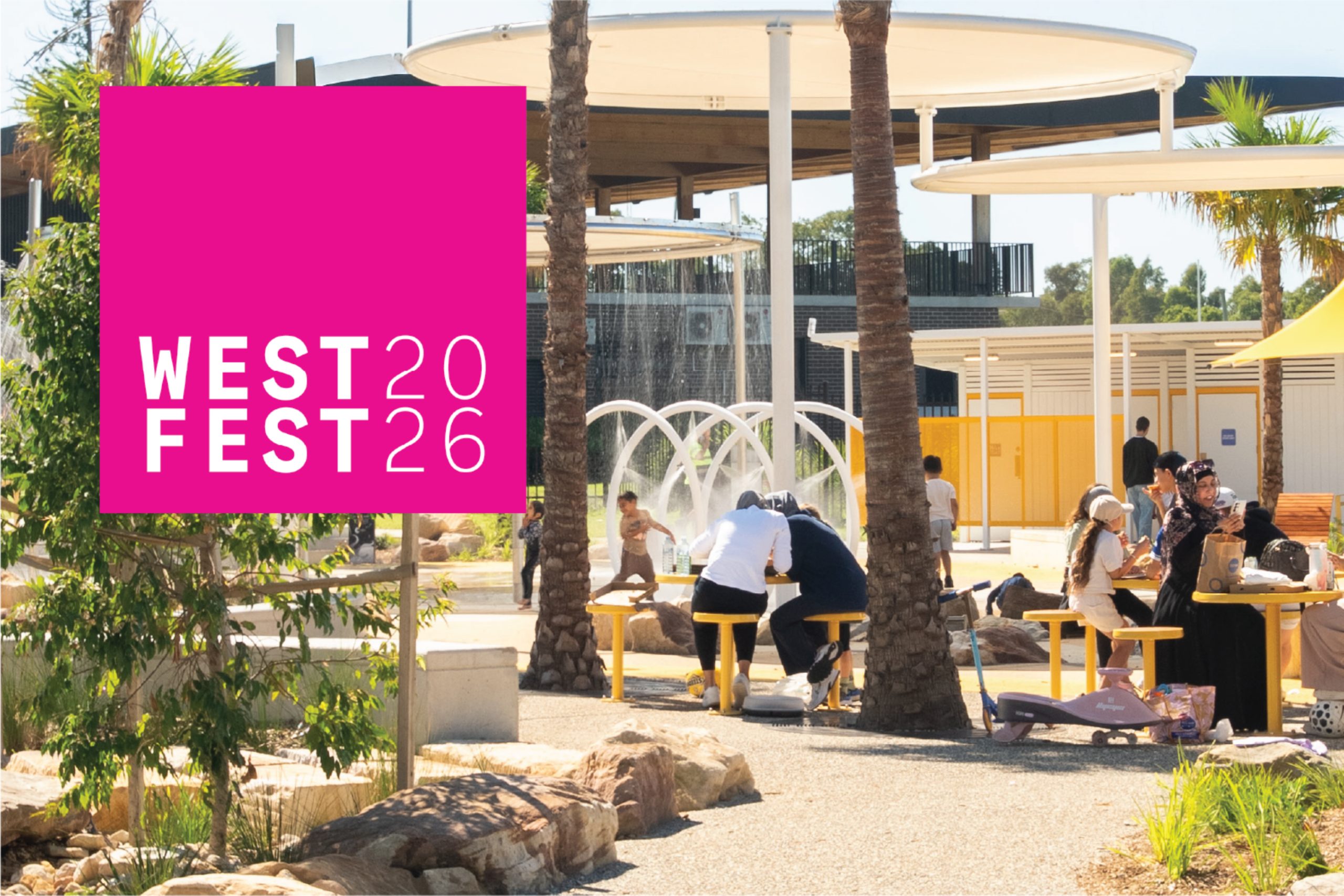
Director at CONTEXT, Scott Jackson, noted that belonging itself cannot be designed; practitioners can only create the conditions for it through inclusion, shared experiences, and choice. Using the Laurie Ferguson Water Playground as a key example, he showed how weaving varied layers of play and retreat invites children and carers to participate on their own terms, challenging designers to listen first, embrace difference, and invite community ownership.
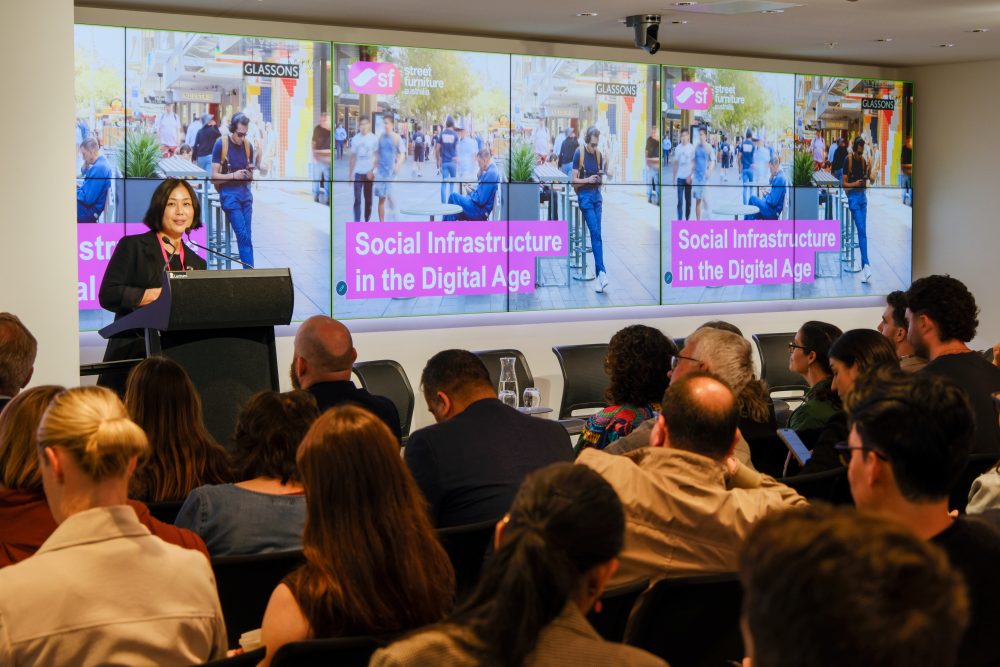
Closing the keynotes, June Lee-Boxsell, Head of Strategy and Innovation at Street Furniture Australia, explored how streets and public spaces can become a communal “home” where public life unfolds and connects people to place. Her work on placemaking, comfort, and human-centred furniture emphasised that fostering a sense of home within civic environments is essential to cultivating lasting community attachment and giving people genuine reasons to return.
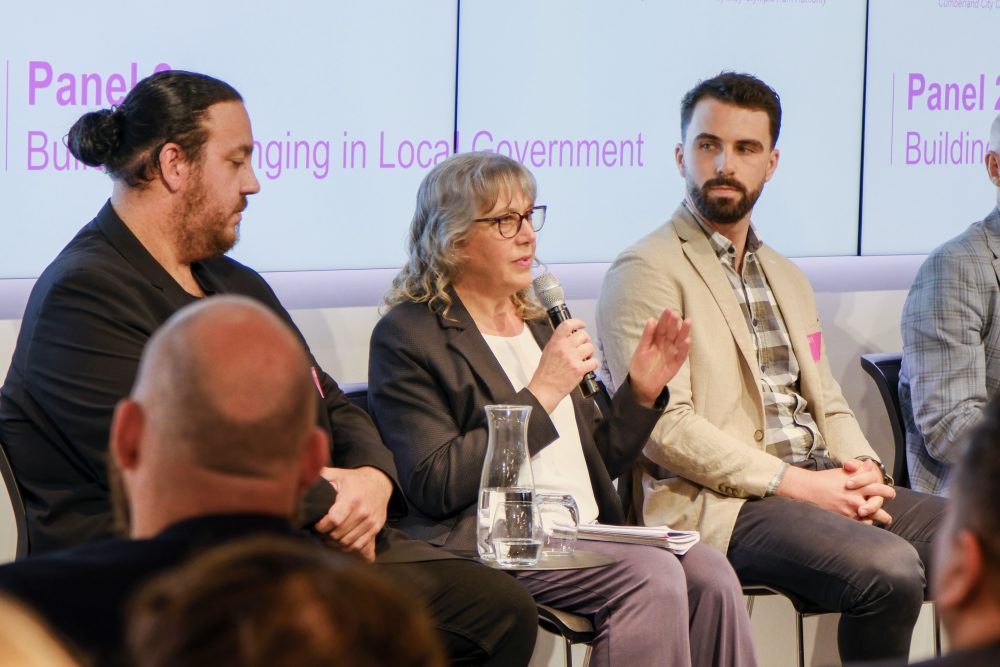
After a lively Q&A with the Speakers, a second panel of local government representatives had a fire-side chat on how to help build belonging at the local level. They shared details on impactful projects in their communities and considered how to cater for the ‘quiet people’ who are absent from community consultations or don’t respond to development applications, but are still affected by them. Maria Sacola spoke about the new masterplan for Sydney Olympic Park Authority and the challenges ahead for a relatively small high-rise community which is expected to increase six-fold by 2050. Safety for women and children was also highlighted as a key criteria for successful public space.
On the panel were Maria Rigoli, Sydney Olympic Park Authority; Ben Michel, Strathfield Council; Nazanin Azimipanah, City of Parramatta; Ian Andrews, Campbelltown City Council; and Christopher Manoski, Cumberland City Council.
Across all sessions, one clear message resonated: designing for belonging demands intention at every stage. From strategic master planning and the siting of a park, to a single piece of public art or the placement of a bench. Every decision shapes our civic fabric and we all have a part to play in creating welcoming, inclusive and resilient public spaces.
WEST FEST 2026 was the fourth annual Western Sydney symposium for built environment professionals. It was hosted by the Australian Institute of Landscape Architects (AILA), Cumberland City Council, and Street Furniture Australia, with program support from the Landscape Foundation of Australia.
-
Design as storytelling: How AI is transforming the built experience
Is AI replacing human creativity? Gensler Co-CEO Jordan Goldstein argues AI is here to amplify it, transforming static blueprints into living, emotional stories. Read More
-
Why furniture in schools is failing teenagers and what you can do about it?
From the multi award-winning Schoolyard Greenprint research project, Hannah Richardson shares why thoughtful furniture matters for teen wellbeing. Read More
-
Join us for West Fest 2026: Designing for Belonging
A half-day knowledge exchange hearing from local built environment experts on fostering a sense of belonging in an increasingly dense, digital society. Read More
-
COP31 unites Australia and the Pacific
Australia and Pacific nations unite at COP31 to tackle climate change, advance renewable energy and address the region’s urgent climate challenges. Read More
-
2026 AILA Awards: Good Cause Giveaway
See highlights of all the outstanding creative photos from the 2026 AILA Awards Good Cause Giveaway, and discover which studio team won over 3k worth of furniture for... Read More
-
Introducing the new Pillar Leg
Street Furniture Australia’s new Pillar Leg is slimmer but sturdier. Discover what goes into a furniture leg, from fixing and accessibility to design. Read More