Should heat be regulated?

Upcoming Events
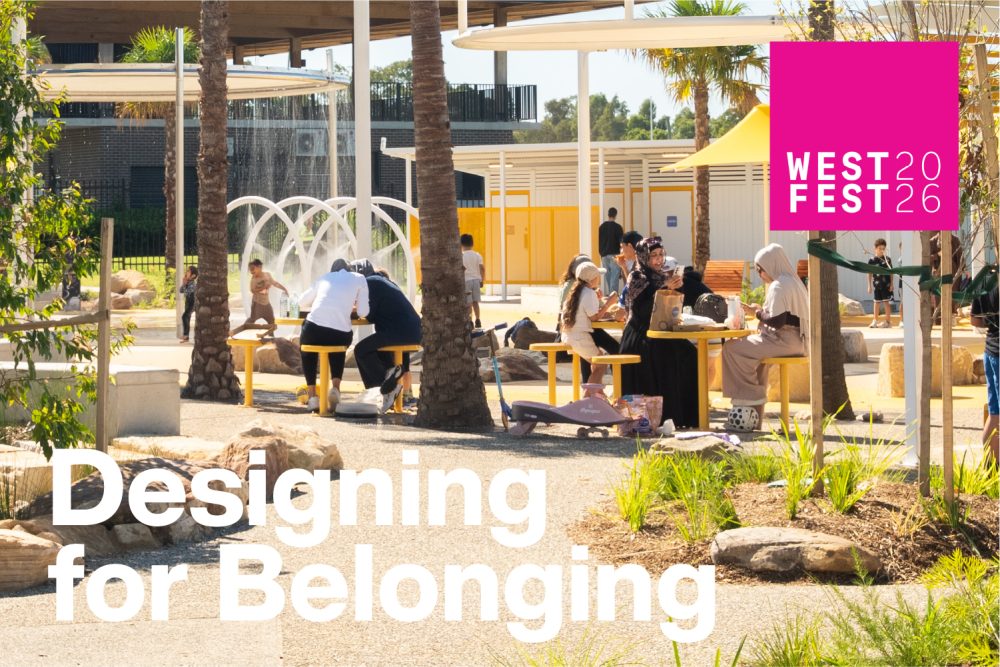
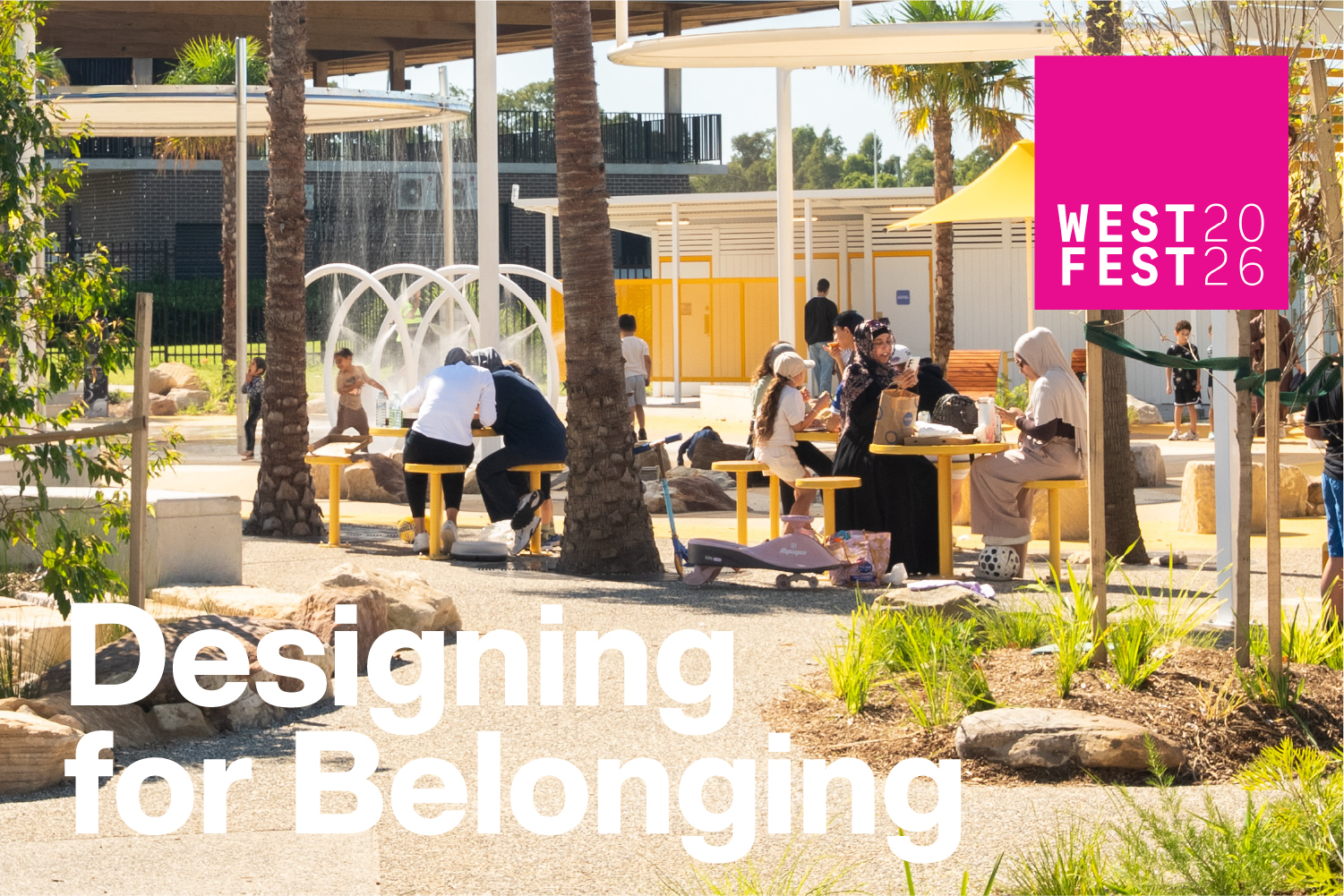
Join us for West Fest 2026: Designing in Belonging
A half-day knowledge exchange hearing from local built environment experts on fostering a sense of belonging in an increasingly dense, digital society.
Read more


We regulate buildings against fire, flooding, and structural failure, so why do we let heat slide? A recent article from the American Society of Landscape Architects (ASLA) asks a provocative question: what if heat was treated as something cities can govern, rather than an unavoidable condition we just have to endure?
The difficulty is that heat doesn’t stop at a property line. Our planning systems are designed to permit specific physical structures, not the microclimates those buildings create around them. Because ambient temperature becomes everyone’s problem, individual developments are rarely held accountable for the hot outdoor environments they leave behind.
Atlanta shows how cities can start shifting this mindset. Their Cool Roof Ordinance added solar-reflectance standards straight into the municipal building code, bringing heat mitigation into the formal permitting process. Its real value isn’t that cool roofs alone fix urban heat, but that it proves how a measurable aspect of thermal performance can become part of the rules that shape how we build.
That same principle could extend beyond roofs. Policy doesn’t need to micromanage every construction material; it just needs to treat thermal performance as a standard design outcome. This could mean setting clear expectations around preserving existing tree canopy, integrating shade, and limiting heat-retaining surfaces across outdoor spaces.
Ultimately, the tools and design strategies to cool our cities already exist. The real question is whether we are ready to make thermal performance a non-negotiable rule of how we build.
Read the full article from ASLA.
-
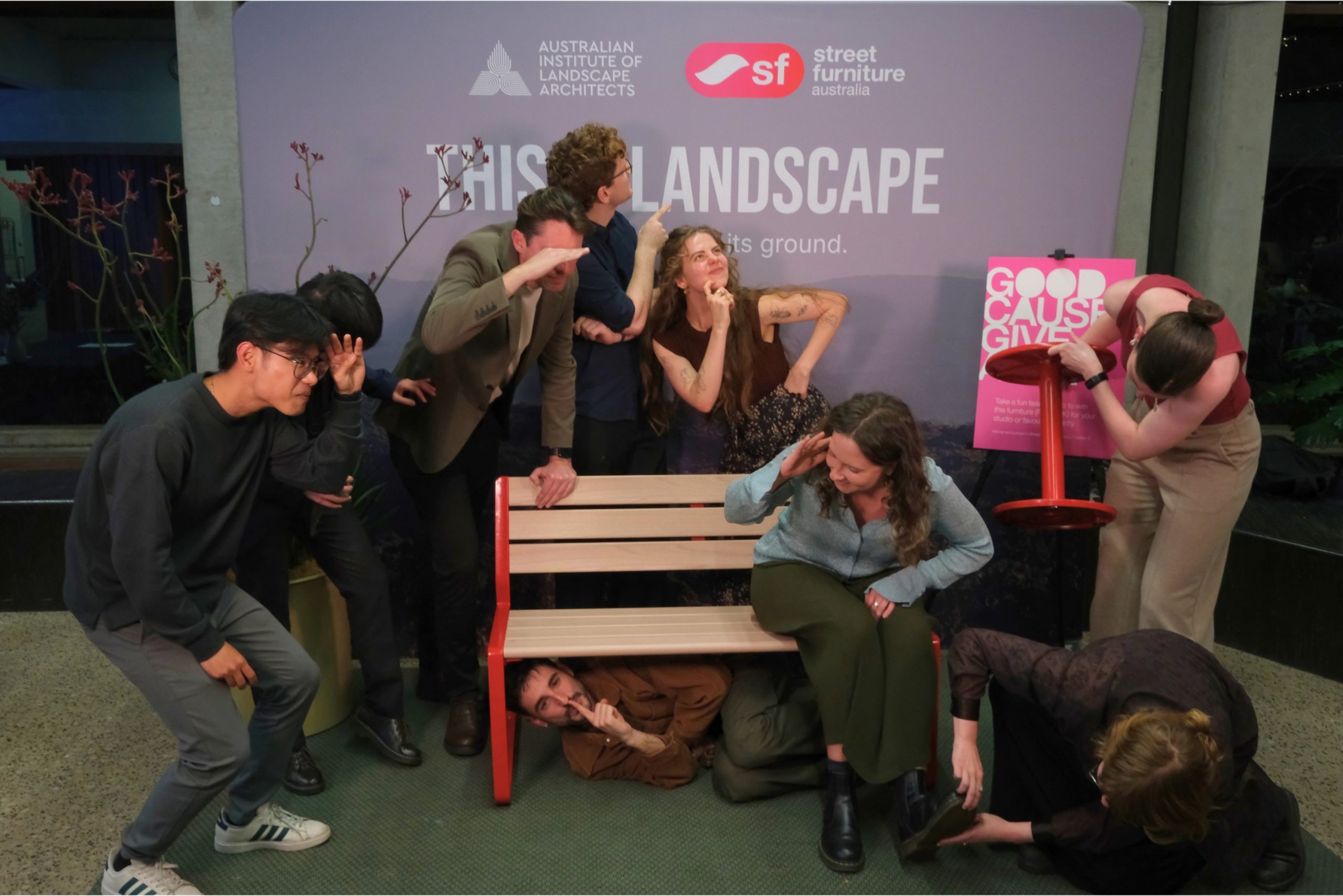
2026 AILA Awards: Good Cause Giveaway
See highlights of all the outstanding creative photos from the 2026 AILA Awards Good Cause Giveaway, and discover which studio team won over 3k worth of furniture for... Read More
-
Join us for West Fest 2026: Designing in Belonging
A half-day knowledge exchange hearing from local built environment experts on fostering a sense of belonging in an increasingly dense, digital society. Read More
-
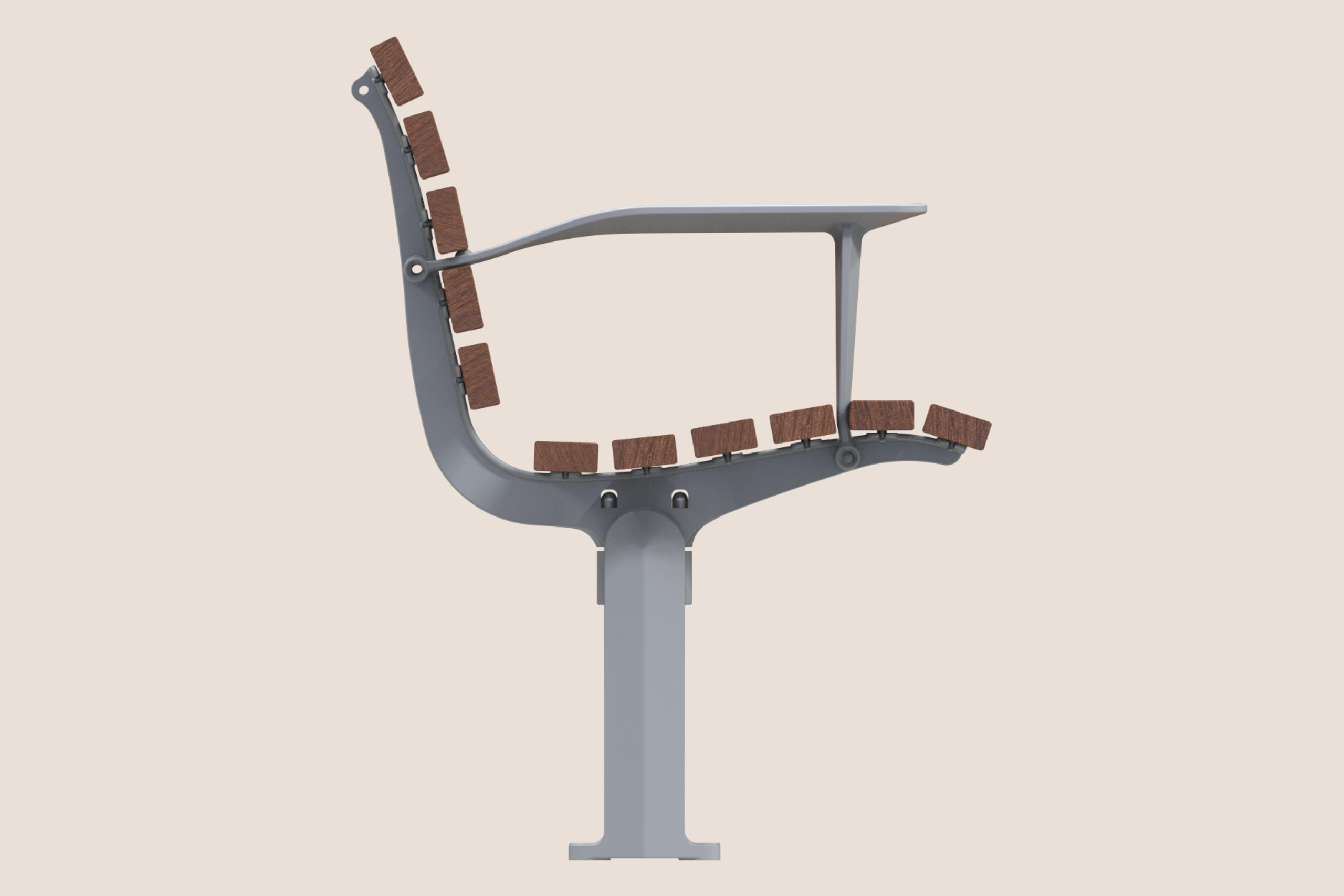
Introducing the new Pillar Leg
Street Furniture Australia’s new Pillar Leg is slimmer but sturdier. Discover what goes into a furniture leg, from fixing and accessibility to design. Read More
-
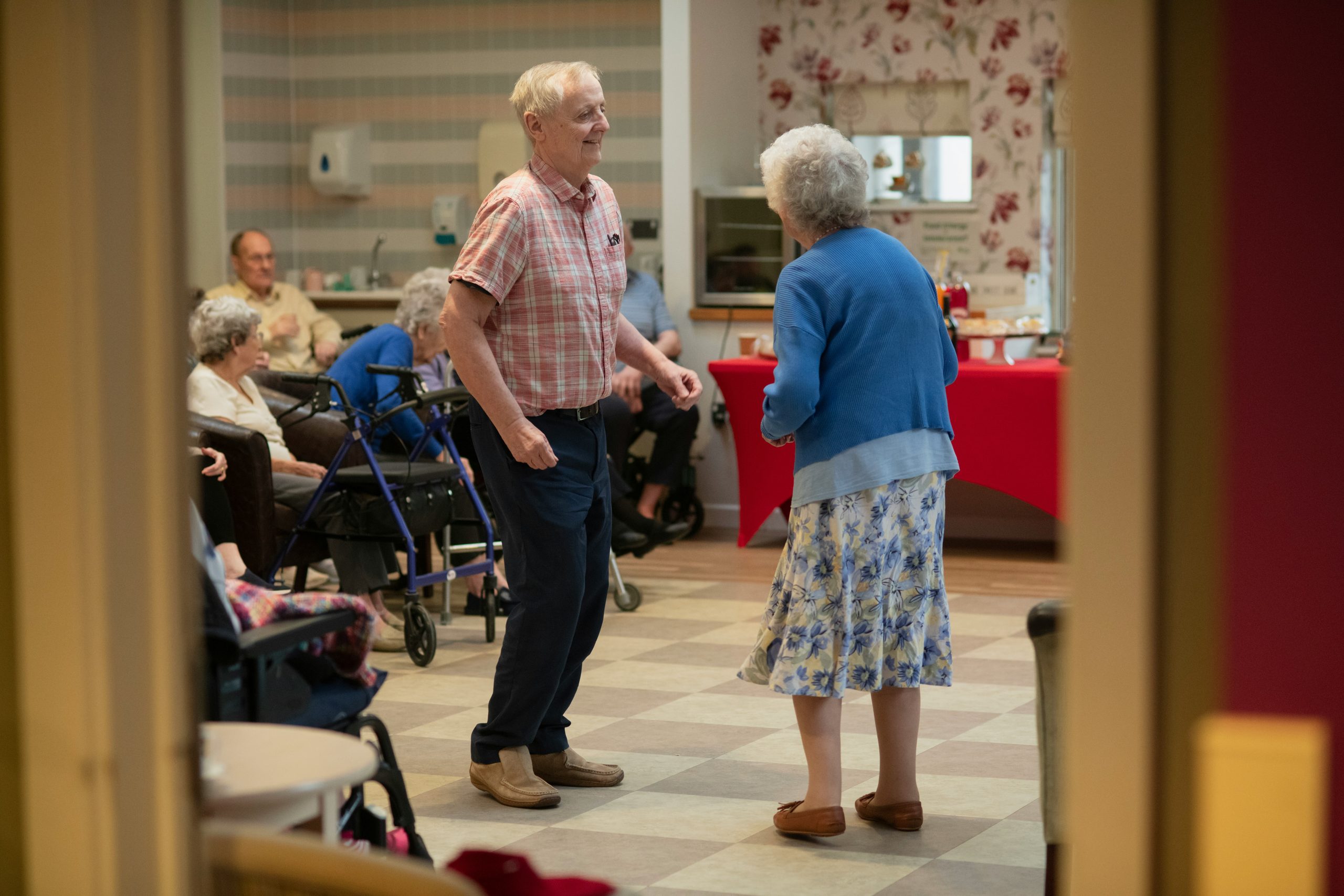
14th Street Y: From active space to community
How did a quiet gym lobby bring together 420+ locals? Learn how 14th Street Y uses social infrastructure and cheap coffee to build community. Read More
-
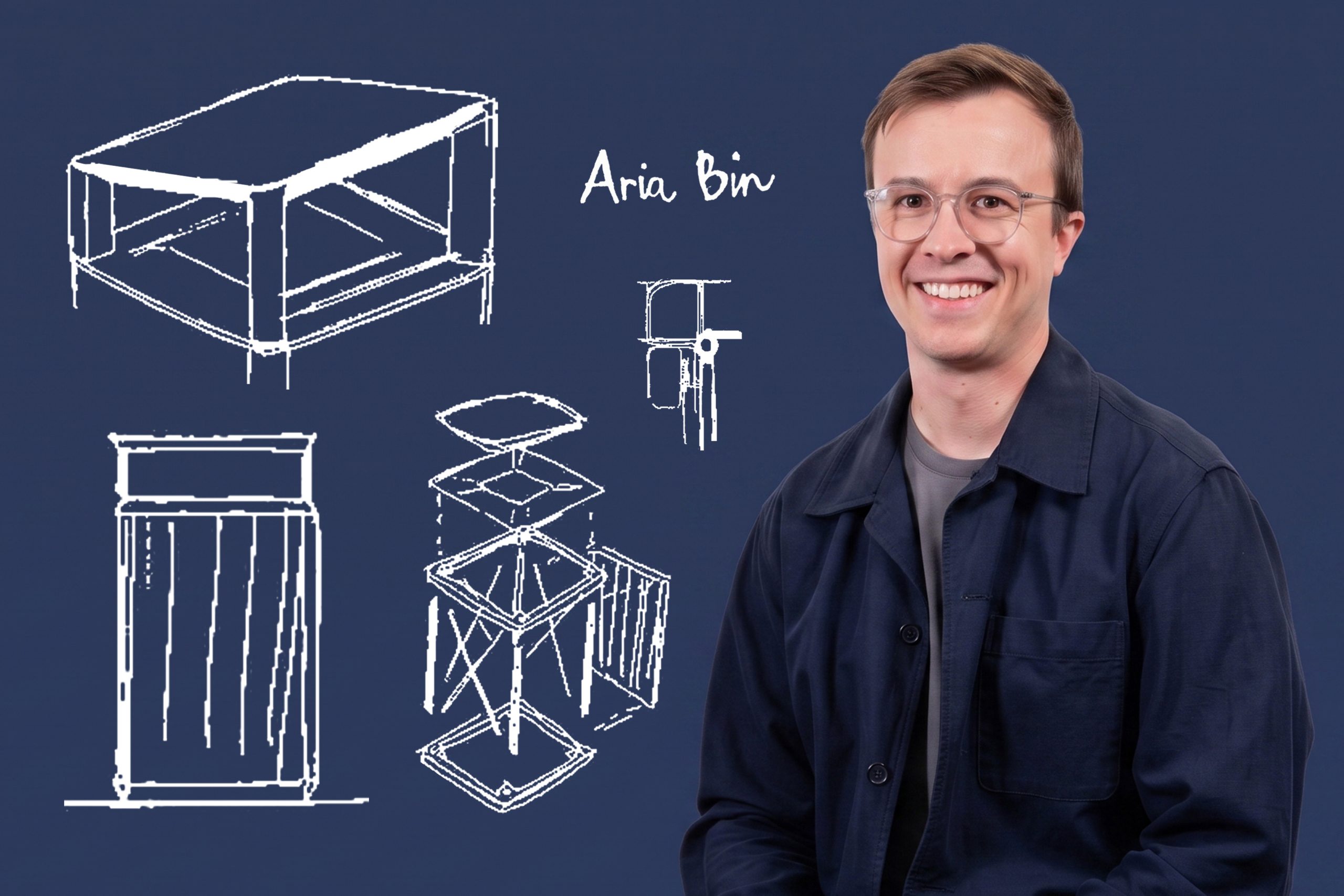
The design story behind Aria Bin
By Francis McArdle, Lead Designer of Aria Bin. There may be no piece of public infrastructure more overused and underappreciated than the humble bin. A basic necessity in... Read More
-
GreenScapes 2026: Did Queensland’s newest landscape industry show deliver?
Explore highlights from GreenScapes 2026 as Street Furniture Australia reflects on QLD’s new landscaping and design industry show. Read More