14th Street Y: From active space to community
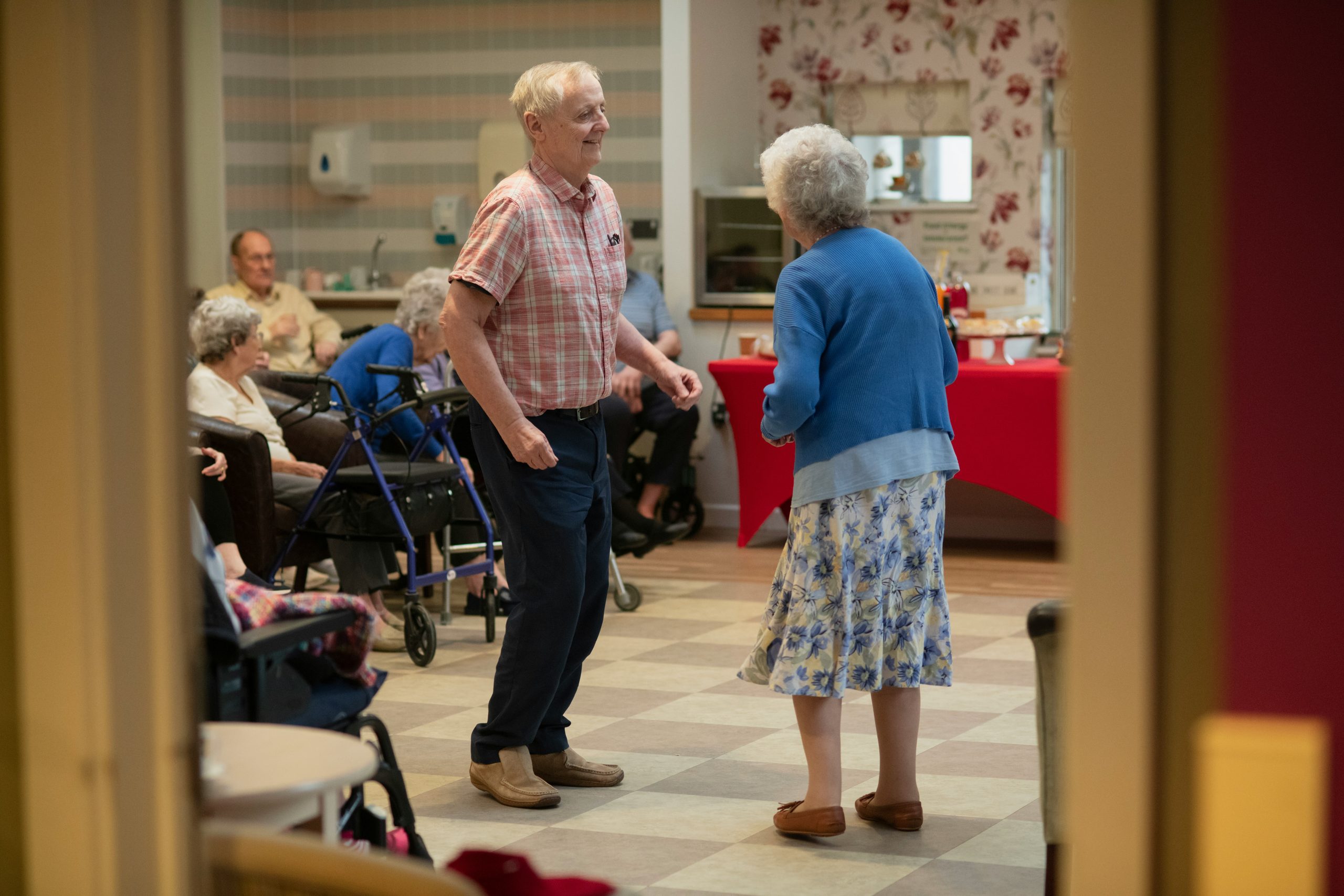


A community doesn’t just happen because you build a nice space. Successful community space is about creating the conditions for people to repeatedly encounter one another and participate in shared activities.
A recent New York Times article about the 14th Street Y in Manhattan offers some revealing insights. While many people went to the Y for classes or gym visits, few stayed to connect. To change this, the centre transformed its lobby into a café with plants, comfortable seating and $1 coffees. It then launched free, recurring clubs around shared interests, from salsa and tai chi to knitting and French. The initiative has brought together over 420 people, with some returning to the centre for the first time in years.
The success of the project highlights the core of social infrastructure—defined by NYU sociologist Eric Klinenberg as the physical spaces that shape daily human interaction. A joint report by Klinenberg and urban design firm Gehl outlines six key ingredients to successful social infrastructure: availability, access, design, programming, maintenance, and operations. The 14th Street Y puts some of these ideas into practice, with free clubs, recurring schedules and an inviting setting.
Importantly, creating social infrastructure isn’t about delivering a perfect design and expecting instant connection. It demands the right conditions, active support and patience.
Active support also means ongoing investment. What started on a shoestring budget at the 14th Street Y only expanded after the initiative received a $25,000 grant, helping it grow to a dozen clubs.
As a result, building a social infrastructure isn’t just a one-time project. It’s about what happens after the space is built. For councils and urban leaders, the real question may be whether we are resourced to support these spaces long after the ribbon is cut.
Read more about 14th Street Y in the New York Times.
-
2026 AILA Awards: Good Cause Giveaway
See highlights of all the outstanding creative photos from the 2026 AILA Awards Good Cause Giveaway, and discover which studio team won over 3k worth of furniture for... Read More
-
COP31 unites Australia and the Pacific
Australia and Pacific nations unite at COP31 to tackle climate change, advance renewable energy and address the region’s urgent climate challenges. Read More
-
Introducing the new Pillar Leg
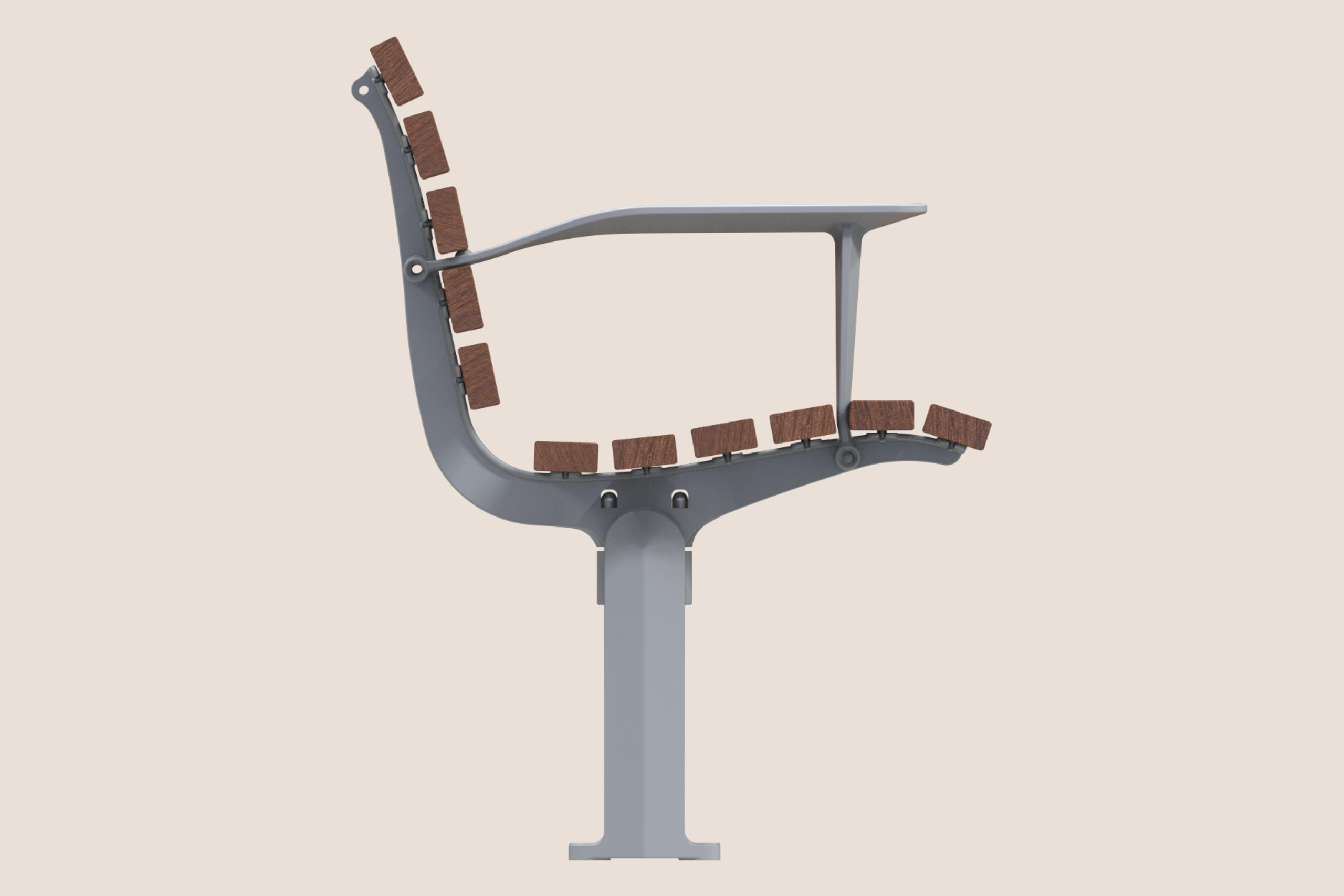
Street Furniture Australia’s new Pillar Leg is slimmer but sturdier. Discover what goes into a furniture leg, from fixing and accessibility to design. Read More
-
The design story behind Aria Bin
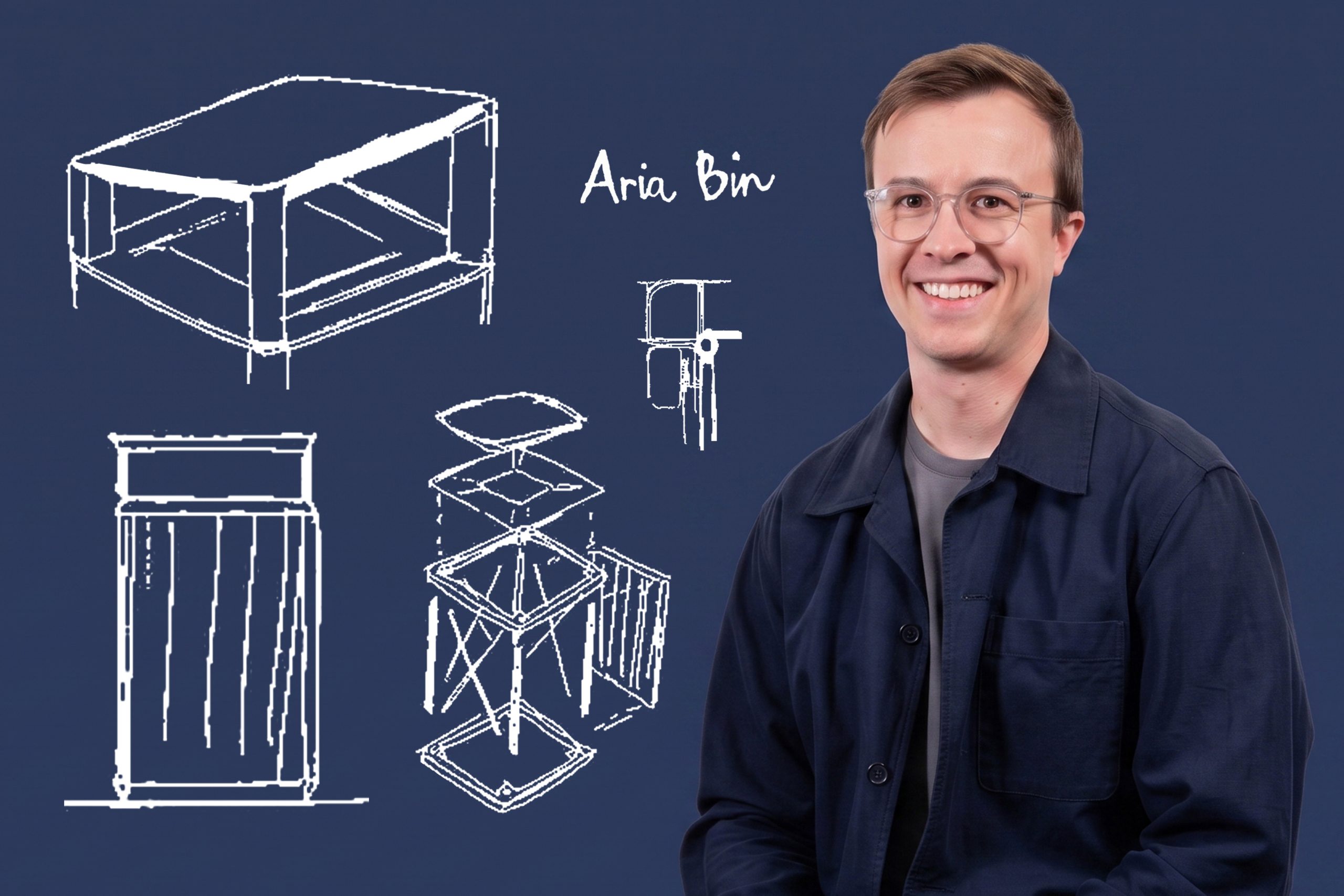
By Francis McArdle, Lead Designer of Aria Bin. There may be no piece of public infrastructure more overused and underappreciated than the humble bin. A basic necessity in... Read More
-
Should heat be regulated?
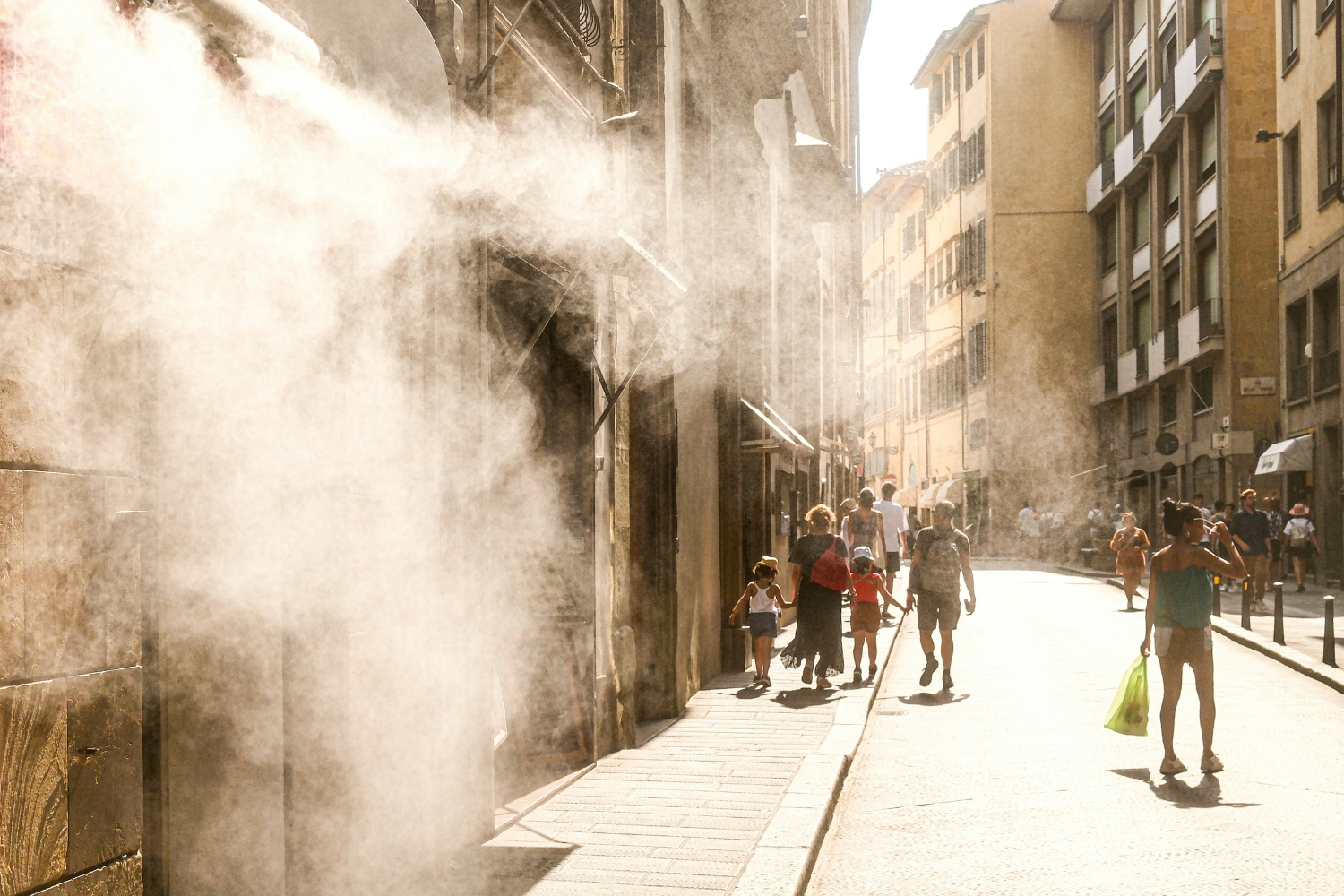
What if cities regulated heat like fire and flooding? ASLA explores how thermal performance could become a standard part of urban design. Read More
-
GreenScapes 2026: Did Queensland’s newest landscape industry show deliver?
Explore highlights from GreenScapes 2026 as Street Furniture Australia reflects on QLD’s new landscaping and design industry show. Read More