Trend Watch, October 2018
Upcoming Events
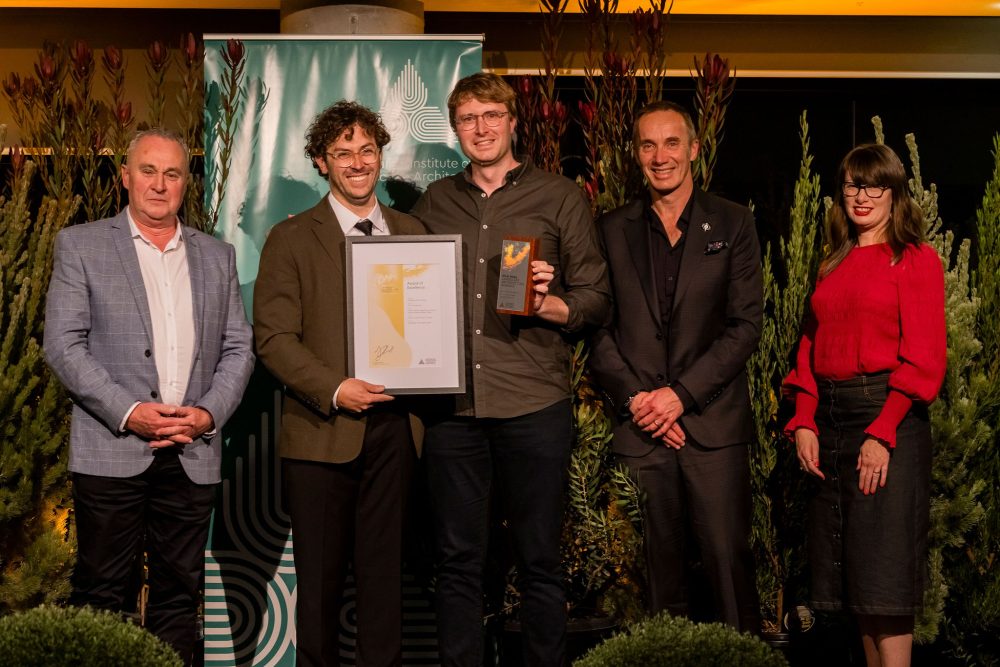
AILA Chapter Awards 2026: Seven Cities, Seven Nights
Join Street Furniture Australia, Presenting Partner of the 2026 AILA Chapter Awards, as we celebrate Australian landscape architecture across seven cities and seven nights.
Read more

23% of people get their alone time out of home, Ikea Reports:
The traditional idea of where we find a feeling of home is being disrupted, moving beyond four walls, according to a global research project by Ikea Group.
The report found that 1 in 3 people of the 22,000 surveyed in 22 markets including Australia, the US, Europe and China, said there are places where they feel more at home than the space they live in. In cities Ikea tracks this as rising from 20% in 2016 to 35% in 2018.
The Life at Home Report 2018 identifies five core emotional needs which capture the feeling of home – privacy, comfort, ownership, security and belonging. Ikea says many living situations do not answer these needs, hence people look to their community and local area, their work, and the homes of their families and friends for fulfilment.
For example, 23% of people felt they had to leave their home to find alone time.
“For a large number of people, home just doesn’t feel like home any more,” says Maria Jonsson, Macro Insights Leader at Ikea.
“We discovered a new behaviour, where people use a network of spaces and places, both within and beyond the four walls, as part of their homemaking experience.”
Public spaces it seems, as the new backyard for city apartment dwellers, as a place to meet, work, socialise, eat together and play, to relax, de-stress and unwind, are becoming more important in answering the emotional needs of urban lives.
Photo: Ikea.
Sails not Sales, public icon protest:
Sydney’s design and landscape community rallied to try and stop the sails of Sydney Opera House from becoming a glorified billboard, Stephen Todd writes for Habitusliving.
The international icon projected Racing NSW advertising on its sails for 10 minutes on October 9, 2018, after pressure from a radio shock jock, then NSW Premier Gladys Berejiklian, followed by Australian Prime Minister Scott Morrison.
More than 250,000 people signed a petition of protest, and over a thousand assembled to shine torchlights onto the sails in an attempt to obliterate the ads.
The design community, says Todd, was particularly vocal among protestors: “A series of Instagram tiles by local graphic designer Marcus Piper, their witty quips – OUR SAILS ARE NOT FOR SALE, THE HOUSE ALWAYS WINS – rendered in a punchy font borrowed from boxing posters went viral.
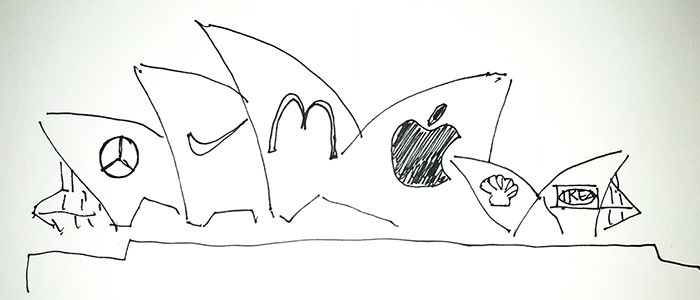
“And government architect Rory Toomey’s (@rorythearchitect) satyrical sketchpad rendering of a logo-laden opera house [headline image] captured the trepidatious mood of us, the incalcitrant, unrepentant and downright angry latté-sippers of this place,” he writes.
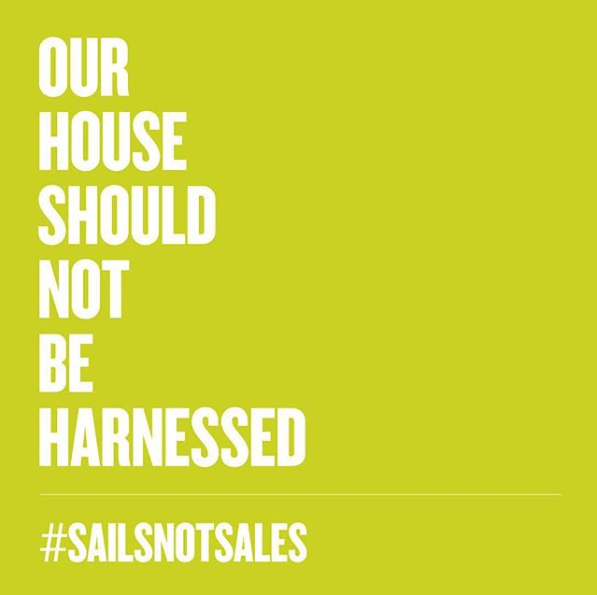
Protest image by Marcus Piper.
Linda Corkery, National President of the Australian Institute of Landscape Architects, told Foreground: “our main concern is the exploitation and potential compromise of the Opera House’s image and world heritage status.
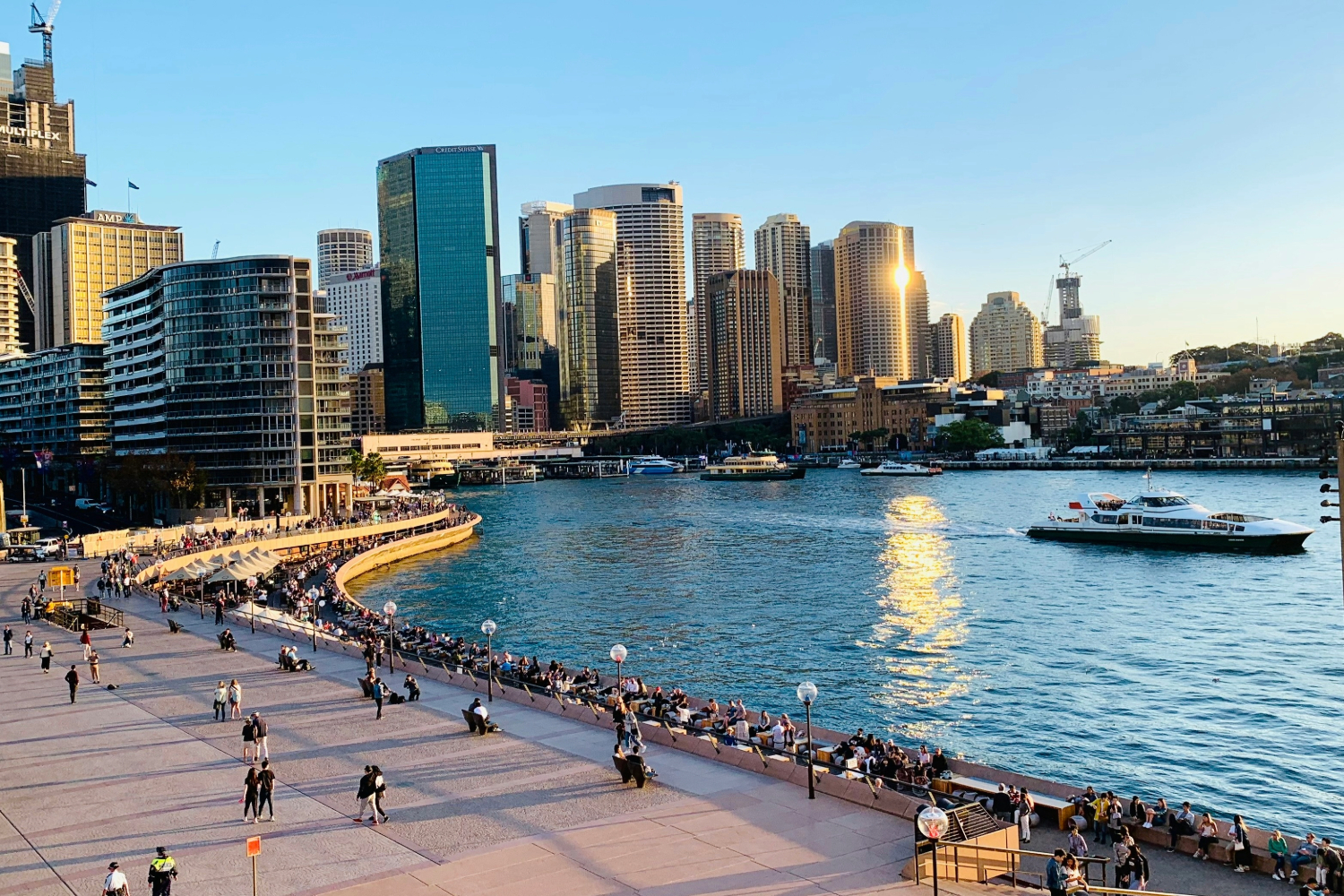
“The visual impact of the projections radiate out into the public domain. It’s not only the commercialisation of the Sydney Opera House, but the entire public space of Circular Quay.
“Sydney Harbour, its waterfront and the built environment surrounding it, should be enjoyed for its drama and natural beauty, and should be free from projects that detract from that beauty.”
The NSW chapter of the Australian Institute of Architects also expressed disappointment, as did the Planning Institute of Australia, and Sydney architect Angelo Candalepas told ArchitectureAU: “It’s official. Sydney is the Stupid State.”
Todd writes: “The New York Times titled one story covering the scandal, ‘Is All Australia for Sale?’ to which we respond, ‘No, it’s not’. The battle for public domain is a fight for the democracy itself – and this will not be the last time we have to fight. Resist.”
Image by Rory Toomy.

Award-winning Australian landscapes:
The 2018 National Landscape Architecture Awards celebrated the power of creative design thinking in improving the world around us, reports Foreground.
The 38 winning projects are commended for helping to address and improve the future quality of the public domain at a time of increasing urbanisation and climate variation.
Street Furniture Australia was proud to sponsor the Urban Design category this year, and would like to congratulate winners Hassell, RPS and Hansen Partnership.
For a list of all winning projects, including images and some of the stories behind them, please see Foreground’s article, Expanding Horizons.
Photo: Ian Potter Children’s WILDPLAY Garden by Aspect Studios. Image: Brett Boardman.
-
Introducing Aria Bin: Make it yours
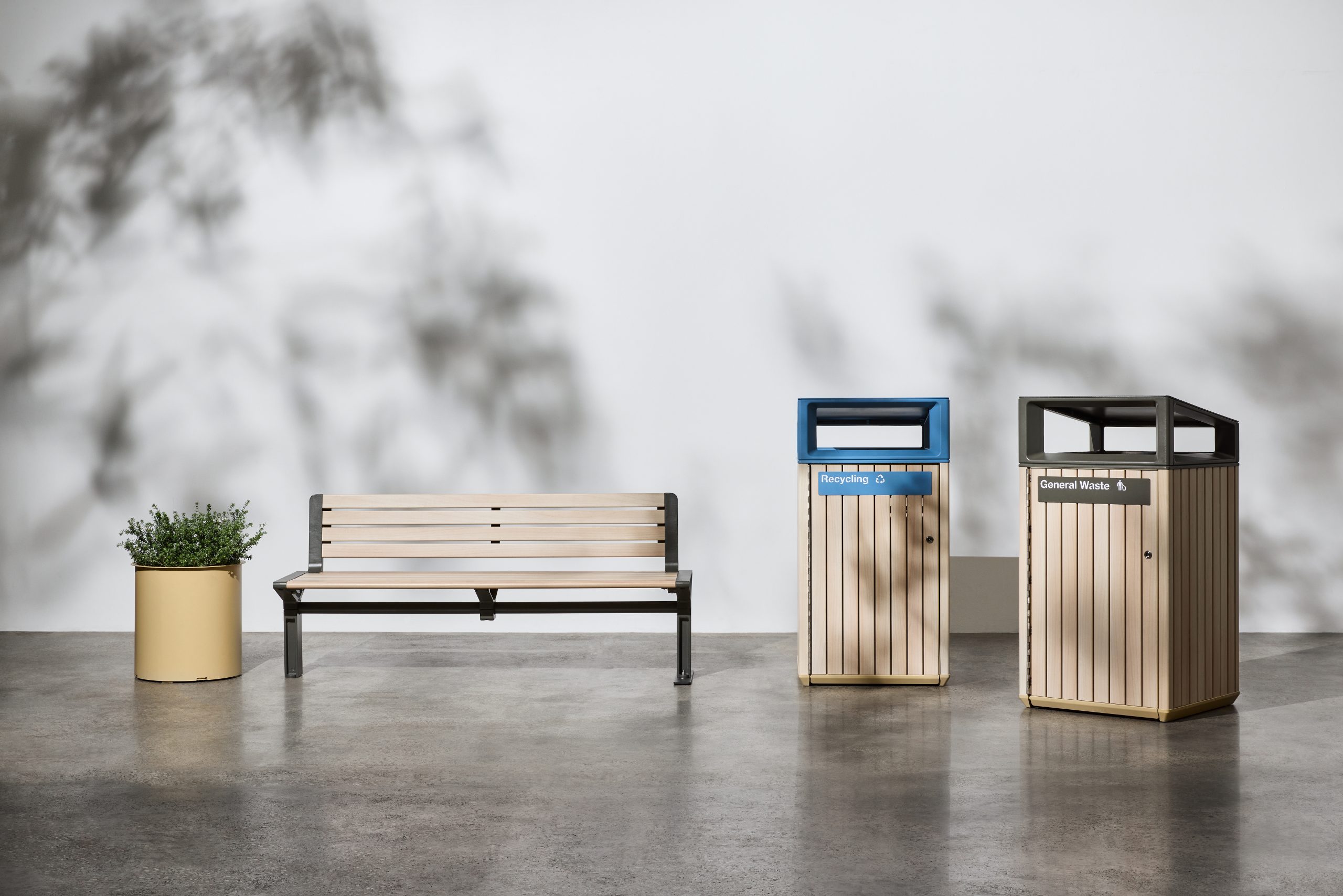
A modular, interchangeable, and customisable litter solution designed to elevate public spaces and simplify maintenance. Read More
-
AILA Chapter Awards 2026: Seven Cities, Seven Nights
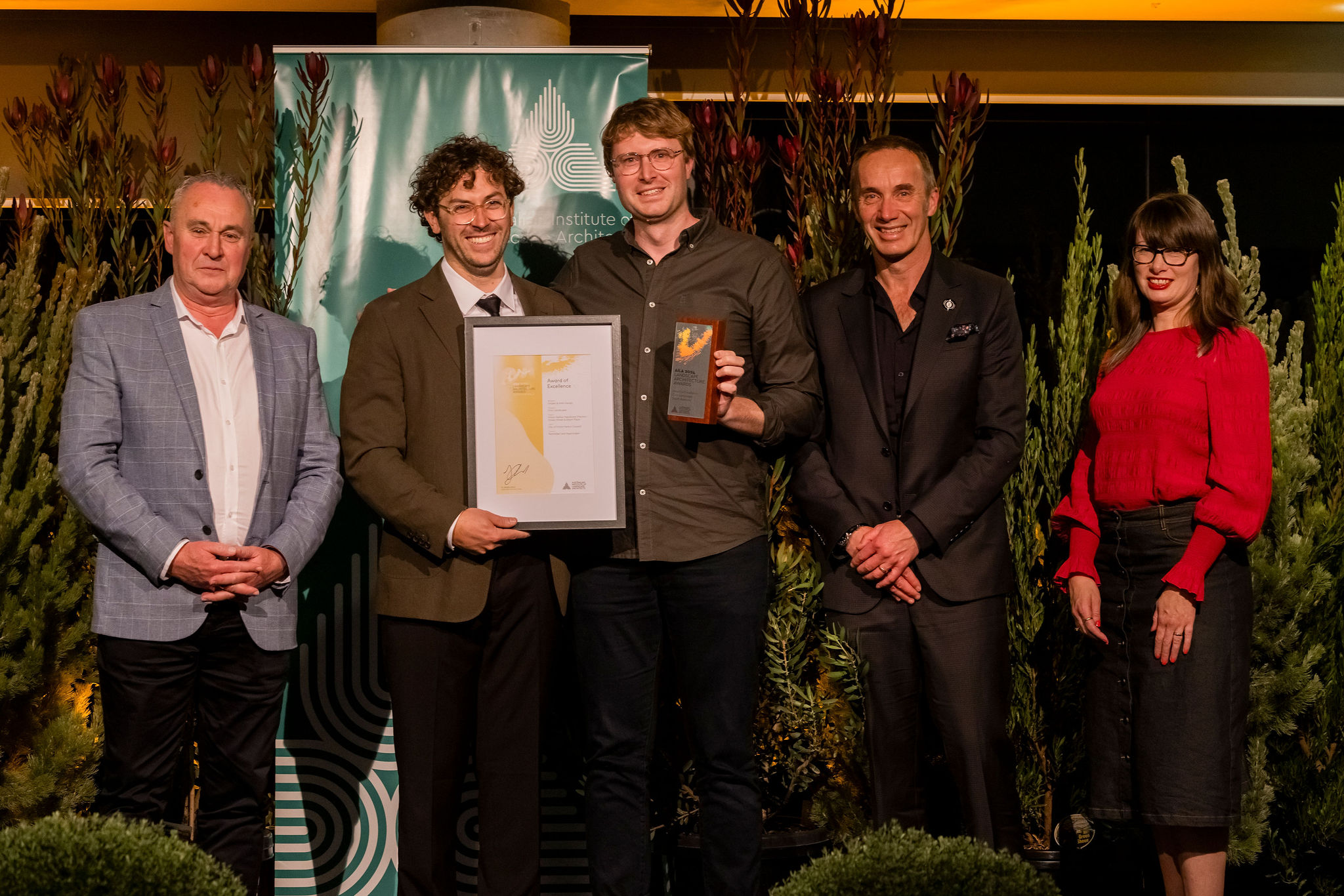
Join Street Furniture Australia, Presenting Partner of the 2026 AILA Chapter Awards, as we celebrate Australian landscape architecture across seven cities and seven nights. Read More
-
Designing for Parkinson’s: An award winning garden
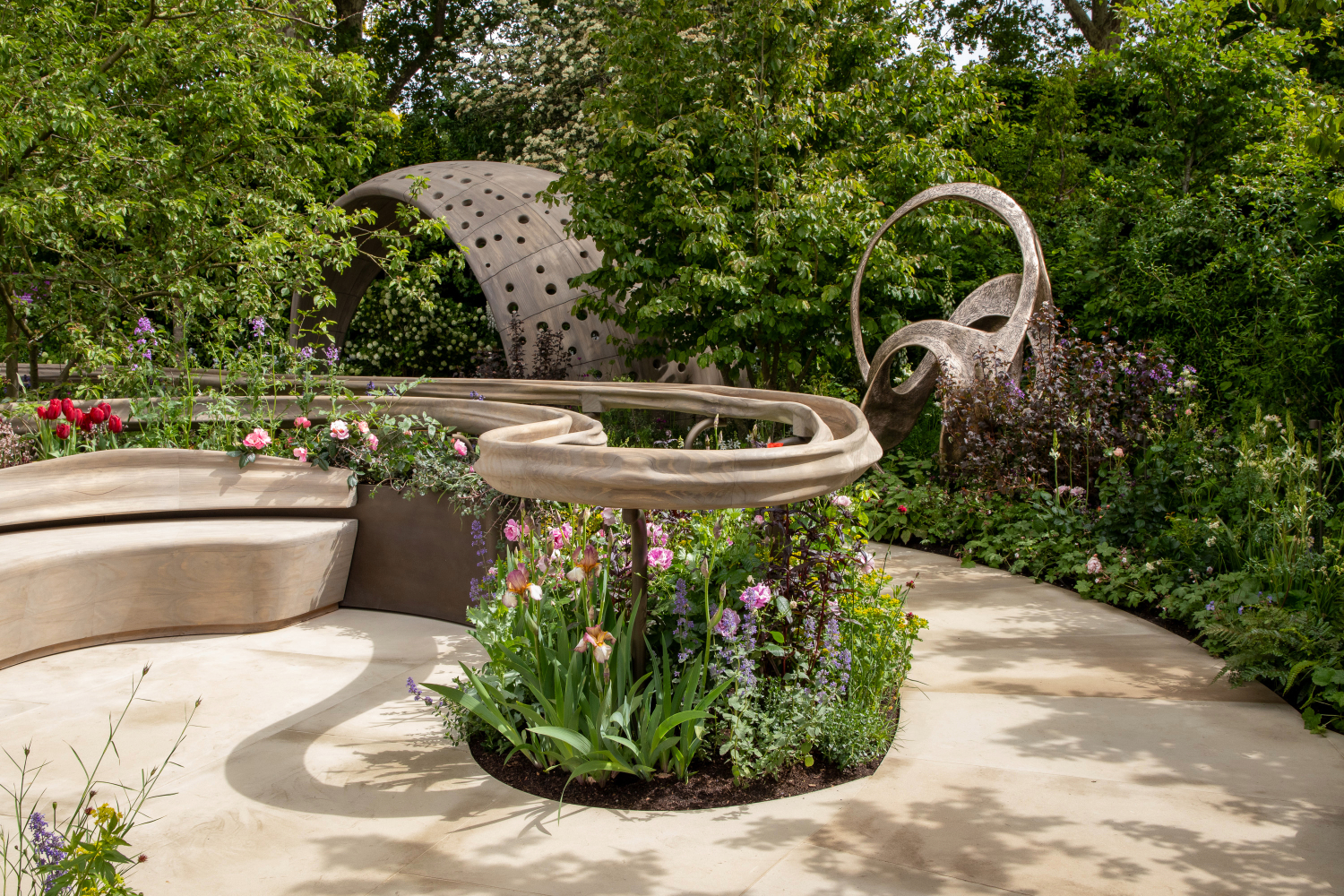
Arit Anderson's garden for Parkinson’s UK, uses wide stone paths, night lights, and water features to support people living with Parkinson's. Read More
-
Street Furniture Australia is coming to Greenscapes + Green Expo 2026
Visit us at Booth F25, Brisbane Convention Centre, 5–6 August. We’ll be launching a brand new product alongside a fun game—great prizes to be won. Read More
-
Greenscapes Industry Talk: How your specification can help reduce carbon emissions
Catch June Lee Boxsell at Greenscapes 2026 on 5 August at 12:30 pm (Stage Area) to discover practical ways to lower project carbon emissions. Read More
-
Why this Australian city is the third ‘stickiest’ in the world
The world's stickiest cities aren't just easy to visit—they give people compelling reasons to stay longer. Read More