14th Street Y: From space to community


A community doesn’t just happen because you build a nice space. Successful community space is about creating the conditions for people to repeatedly encounter one another, participate together, and develop a sense of belonging.
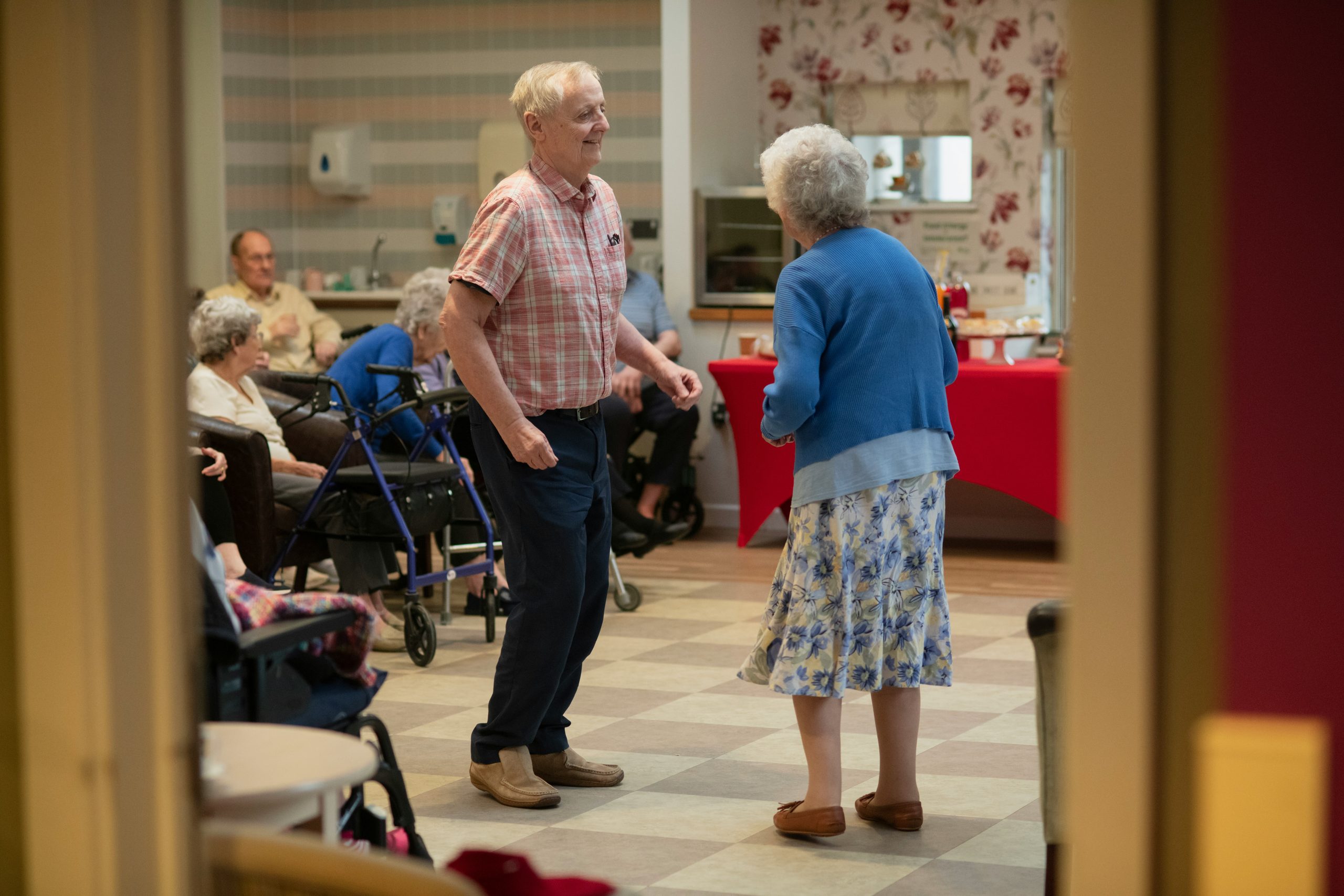
A recent New York Times article about the 14th Street Y in Manhattan offers a revealing example. Many passed through for classes or gym visits, but few stayed to connect. To change this, the centre transformed its lobby into a café with plants, comfortable seating and $1 coffees. It then launched free, recurring clubs around shared interests, from salsa and tai chi to knitting and French. The initiative has since brought together over 420 people, with some returning to the centre for the first time in years.
This success highlights the core of social infrastructure—defined by NYU sociologist Eric Klinenberg as the physical spaces that shape daily human interaction. A joint report by Klinenberg and urban design firm Gehl further explains that putting people in the same room isn’t enough; a successful social infrastructure needs reasons for people to return and time to build trust. It outlines six key ingredients: availability, access, design, programming, maintenance, and operations. The 14th Street Y puts some of these ideas into practice, with free clubs, recurring schedules and an inviting setting.
Importantly, the article shows that community doesn’t form overnight. Some clubs faded away, while some connections remained within the centre’s walls. Yet that doesn’t necessarily signal failure. Building community is a gradual process. Creating social infrastructure isn’t about delivering a perfect design and expecting instant connection. It demands the right conditions, active support and patience.
That support also requires ongoing investment. What started on a shoestring budget at the 14th Street Y only expanded after the initiative received a $25,000 grant, helping it grow to a dozen clubs.
As a result, building a social infrastructure isn’t just a one-time project. It’s about what happens after the space is built. For councils and urban leaders, the real question may be whether we are willing to support these spaces long after the ribbon is cut.
Read more about 14th Street Y in the New York Times.
-
The design story behind Aria Bin
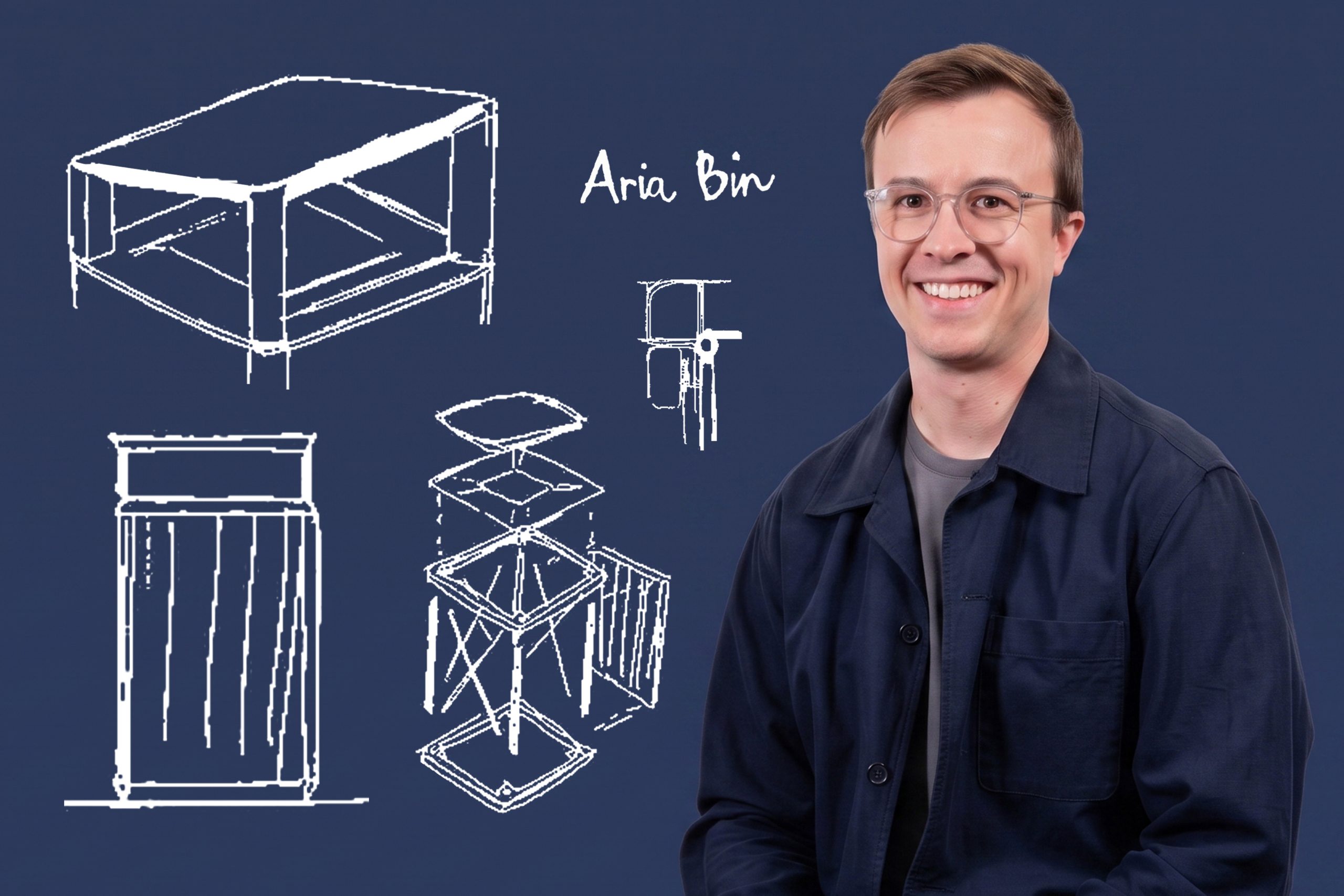
By Francis McArdle, Lead Designer of Aria Bin. There may be no piece of public infrastructure more overused and underappreciated than the humble bin. A basic necessity in... Read More
-
Should heat be regulated?
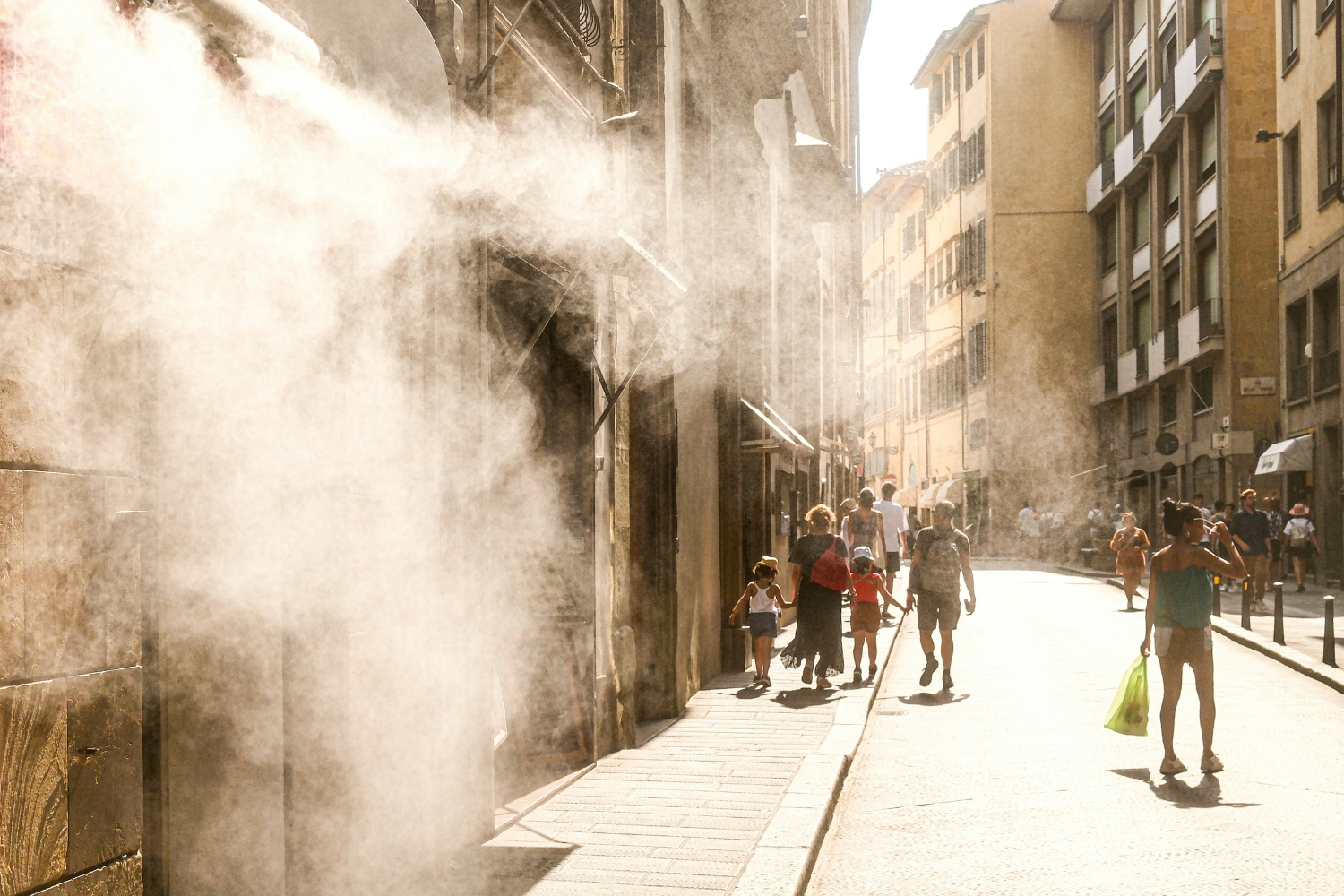
What if cities regulated heat like fire and flooding? ASLA explores how thermal performance could become a standard part of urban design. Read More
-
GreenScapes 2026: Did Queensland’s newest landscape industry show deliver?
Explore highlights from GreenScapes 2026 as Street Furniture Australia reflects on QLD’s new landscaping and design industry show. Read More
-
What are Tiny Forests and why is everyone planting them?
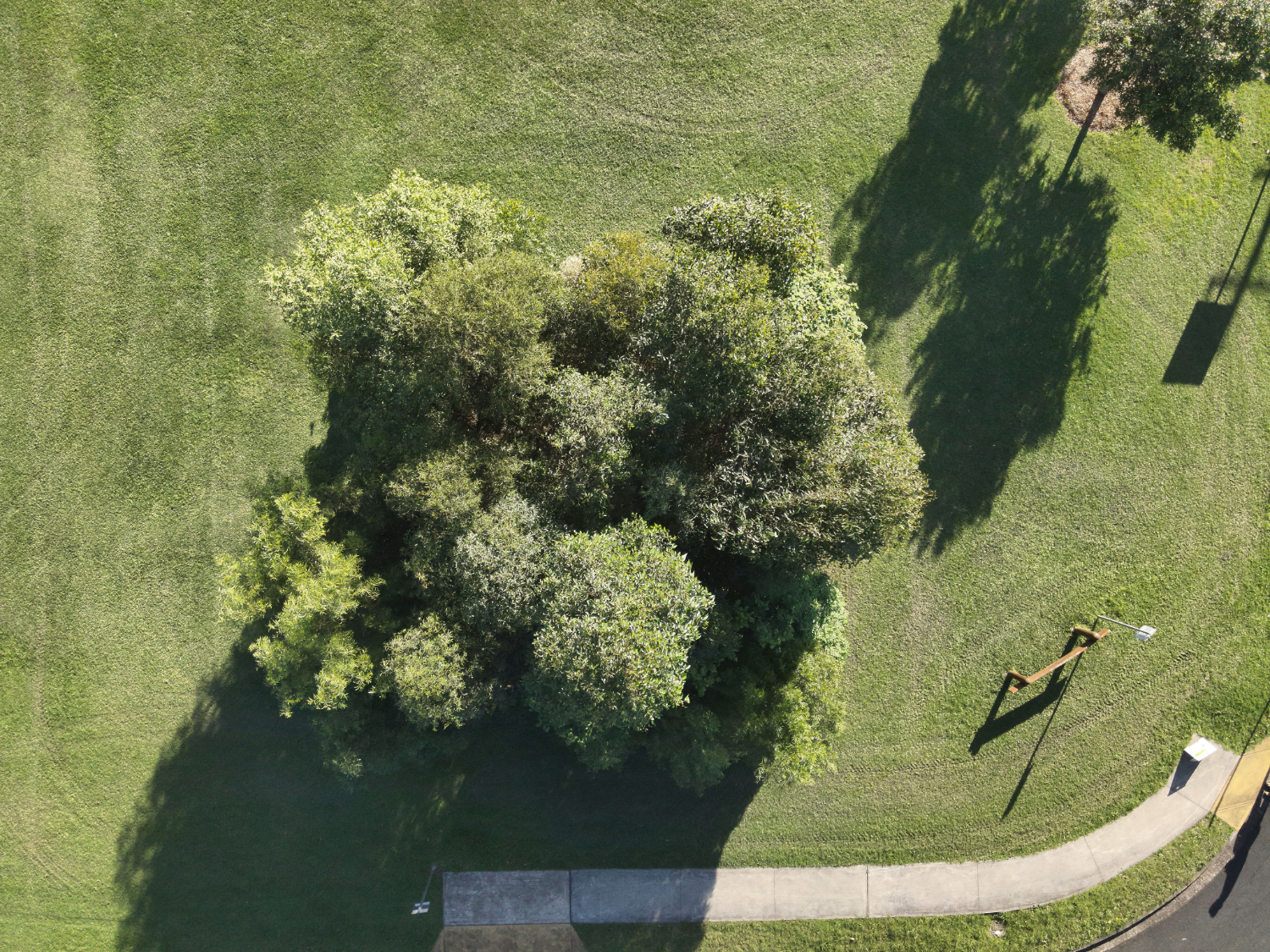
From Melbourne to Perth, Tiny Forests are turning underused spaces into dense pockets of native bushland for wildlife, biodiversity and community. Read More
-
AILA Chapter Awards 2026: Seven Cities, Seven Nights
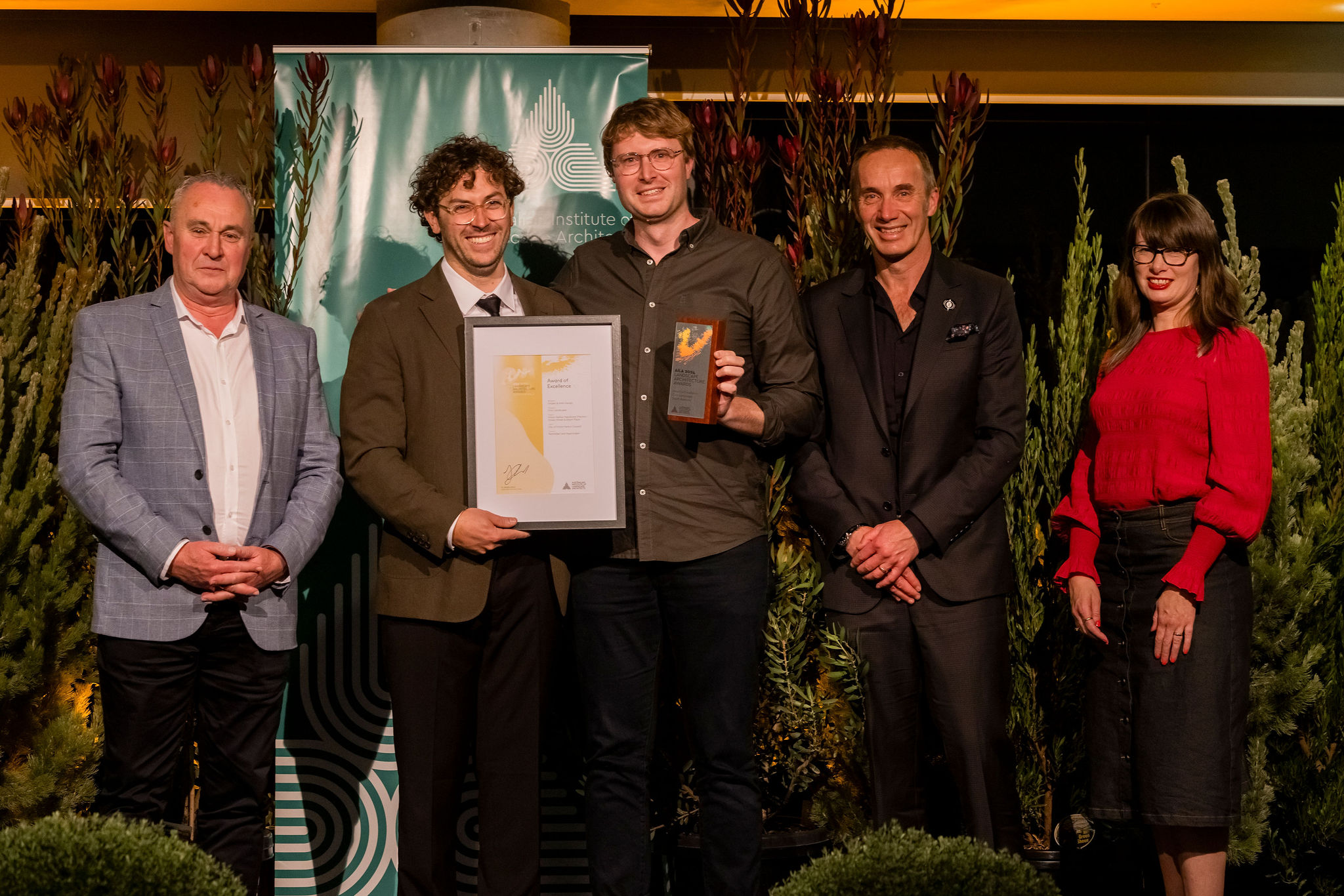
Join Street Furniture Australia, Presenting Partner of the 2026 AILA Chapter Awards, as we celebrate Australian landscape architecture across seven cities and seven nights. Read More
-
Designing for Parkinson’s: An award winning garden
Arit Anderson's garden for Parkinson’s UK, uses wide stone paths, night lights, and water features to support people living with Parkinson's. Read More