Trend Watch January 2022


Design For Forest:
by Zaš Brezar
In Europe, landscape architects are using simple interventions to manipulate the use of forests while prioritising their essential environmental function, writes Zaš Brezar for Landezine.
Landscape architects, Zaš writes, can “bring forests closer to people in a meaningful and careful way. Empowering bonds between landscapes and people is one of the most important tasks of our profession. We maintain what we appreciate.”
Strengthening the existing, and designing by maintenance rather than from scratch, is central to designing forests with conservation and care in mind, they say.
In Strandskogen Arninge Ullna, a park in Sweden, landscape architects maintained “existing ambiences” by choreographing visitors’ movement through the dense riparian forest on elevated walkways.
“This way, they have minimised the impact of people staying in the woods and enabled them to visit the site in times of higher waters.”
Brezar says practices such as curating light by thinning foliage in certain areas and adding clearings on the forest floor for dynamic use can make them more liveable and accessible for the community.
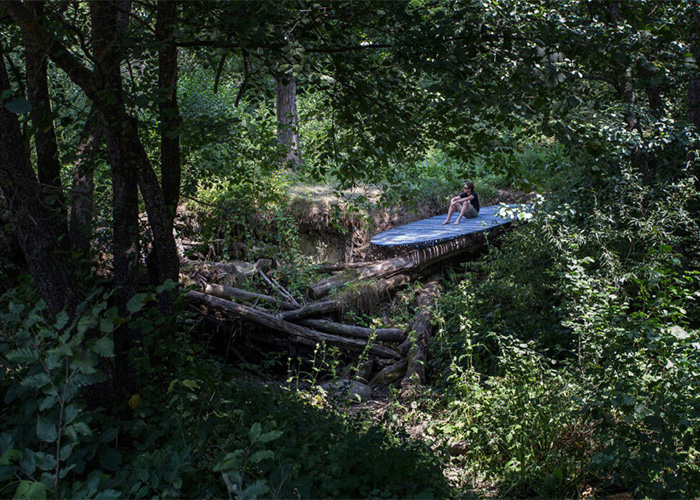
Simple interventions, they say, can be effective when working with a low budget. For example, for the Ika Meditation Spot project in a Transylvanian pine forest in Romania, Batlab Architects and Studio Nomad “marked dramatic views and exciting spots” by simply installing platforms to encourage “observation of the natural processes.”
Read the full story at Landezine.
Image: Ika Meditation Spot by Bence Pásztor.
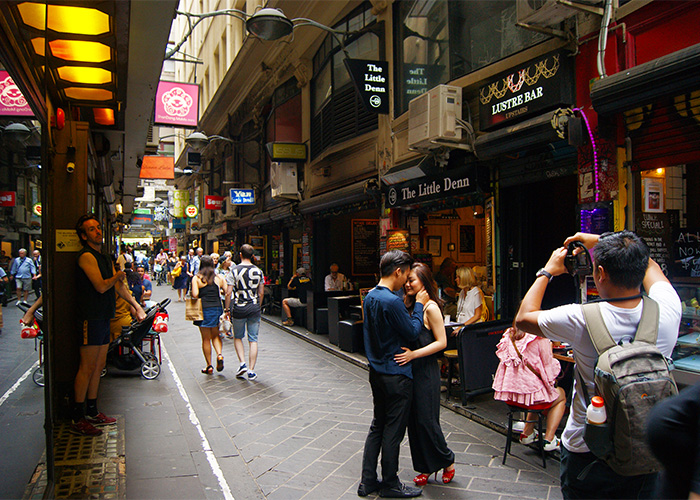
To revive its high streets, Sydney should look to Melbourne for inspiration:
By Jenna Price
In an opinion piece for the Sydney Morning Herald, Jenna Price – columnist and academic – argues that to revive its high streets, Sydney should look to Melbourne for inspiration.
Many of Sydney’s former high streets, Price suggests, have been compromised by Covid-19, with funding promises “yet to have measurable impacts.”
“Compromised” and “successful” high streets have been judged and measured through physical characteristics – such as speed limits, footpath width, clearways and bike lanes – in a recent report by the Committee for Sydney, ‘Mapping Sydney’s High Streets’.
‘Surry Hills envy’ is an expression describing the inner-city suburb’s village-like street appeal – with a high street rated ‘great’ in the Committee for Sydney report. Says Price: “Where else can you get beers on a verandah, ice creams, about-to-flower pot plants and take your grandchild to a gorgeous little park all within 100 metres?”
Peter Phibbs, former chair of urban planning and policy at the University of Sydney, also suggests looking to Melbourne’s high streets as a role model. “As a cohort, they are truckloads better than anything we have in Sydney.”
Phibbs points to Sydney’s preference for large shopping malls, which, he suggests, “tend to draw customers away from the high streets.”
In the Committee for Sydney report, co-author John Richardson from COX Architecture suggests councils take measures to revitalise high streets including “slowing down traffic, widening footpaths, making the high street a good place to be a pedestrian, to wield a pram, to ride a bike.”
Read the story in the Sydney Morning Herald.
Image: Melbourne laneway by Ashton 29, Wikimedia Commons
-
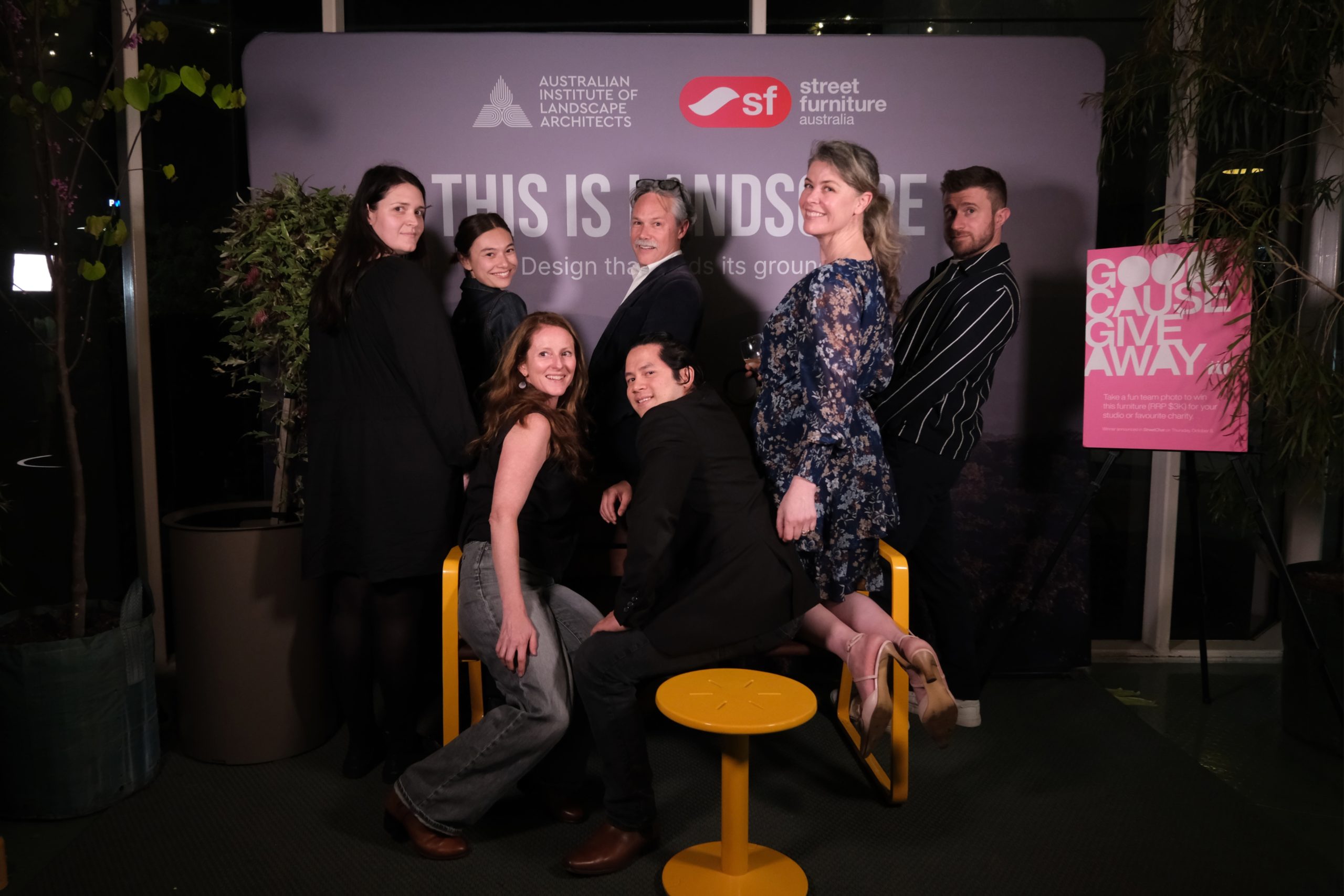
2026 AILA Awards: Good Cause Giveaway
See highlights from our 2026 AILA Awards Good Cause Giveaway photobooth, where teams across five states posed for the chance to win over $3K in furniture. Read More
-
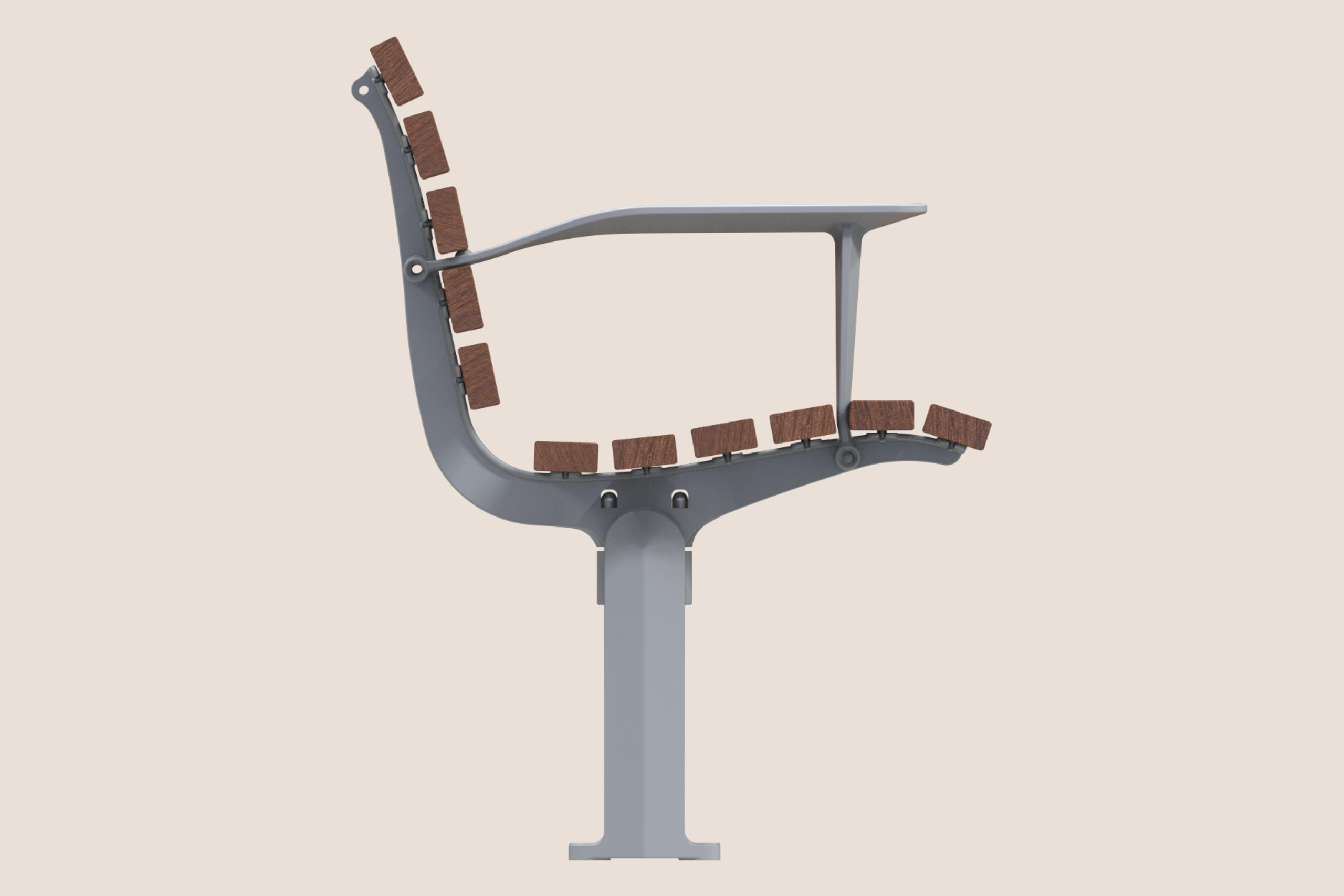
Introducing the new Pillar Leg
Street Furniture Australia’s new Pillar Leg is slimmer but sturdier. Discover what goes into a furniture leg, from fixing and accessibility to design. Read More
-
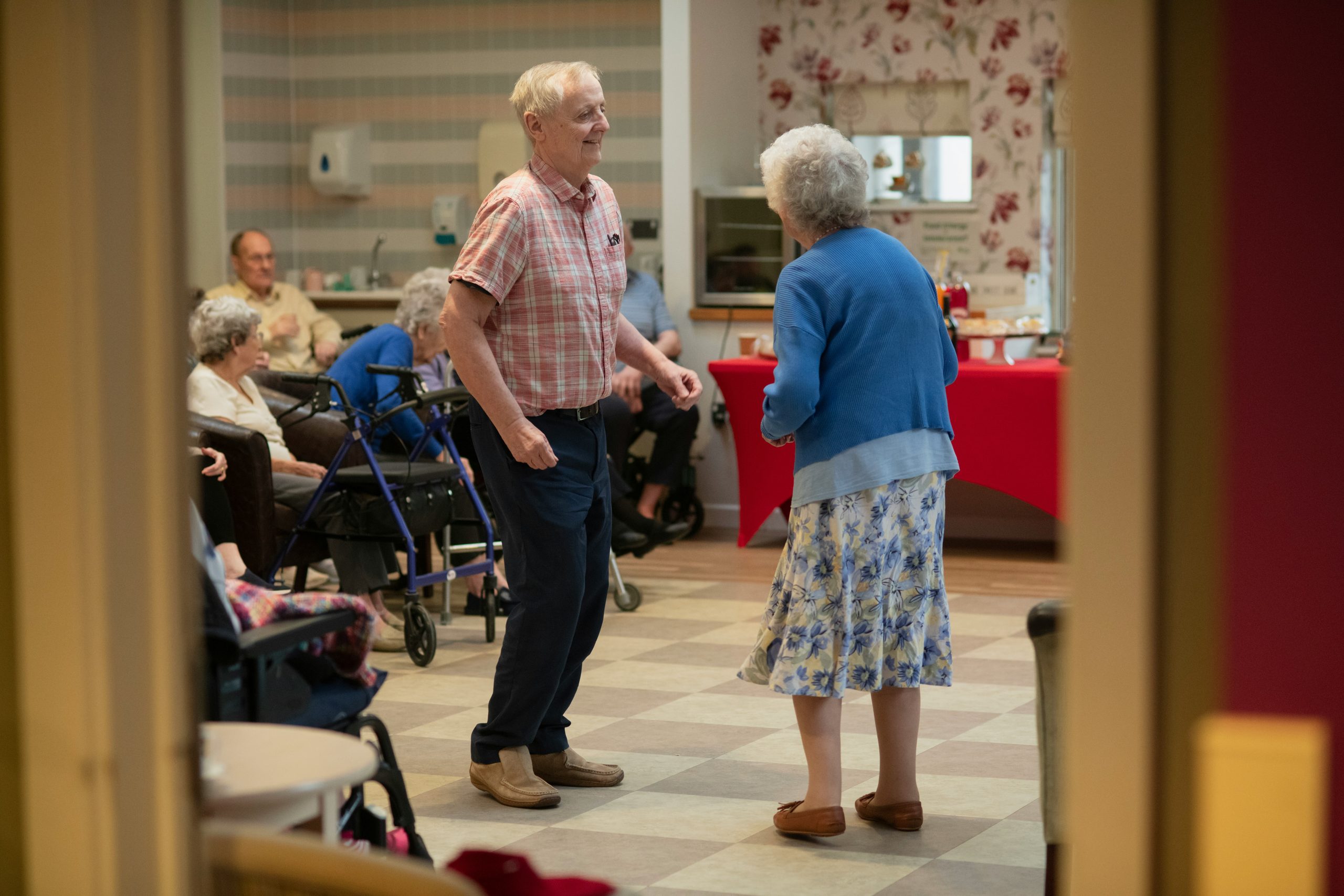
14th Street Y: From active space to community
How did a quiet gym lobby bring together 420+ locals? Learn how 14th Street Y uses social infrastructure and cheap coffee to build community. Read More
-
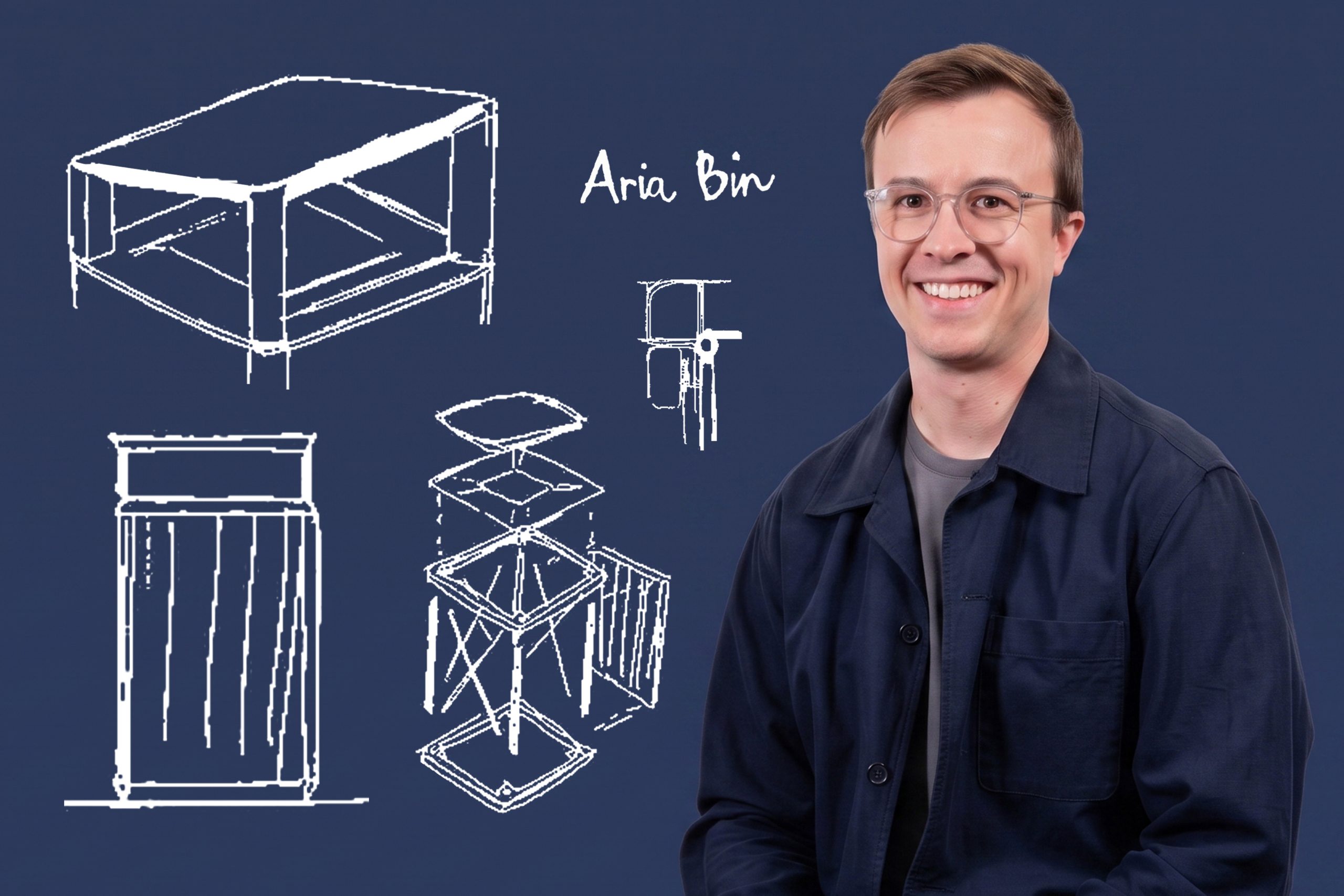
The design story behind Aria Bin
By Francis McArdle, Lead Designer of Aria Bin. There may be no piece of public infrastructure more overused and underappreciated than the humble bin. A basic necessity in... Read More
-
Should heat be regulated?
What if cities regulated heat like fire and flooding? ASLA explores how thermal performance could become a standard part of urban design. Read More
-
GreenScapes 2026: Did Queensland’s newest landscape industry show deliver?
Explore highlights from GreenScapes 2026 as Street Furniture Australia reflects on QLD’s new landscaping and design industry show. Read More