Trend Watch July 2020
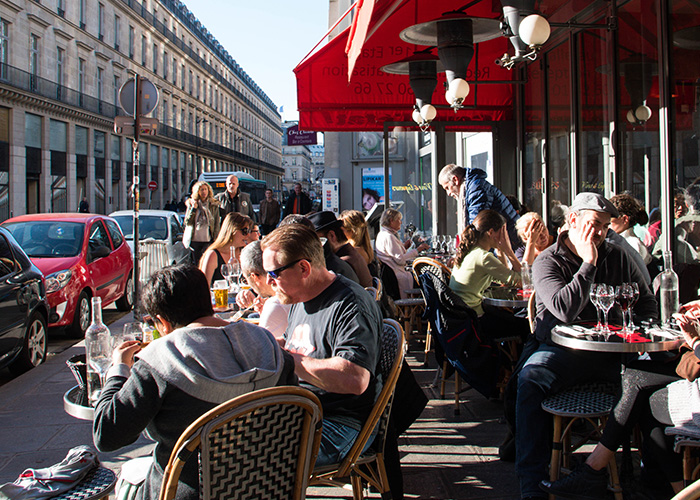


What happens to public space when everything moves outside?
To create room for social distancing in the pandemic recovery period, restaurants, bars and cafe tables are spilling out onto city streets, writes Feargus O’Sullivan for Bloomberg CityLab – sometimes skipping past the sidewalk and into parking spots and vehicle lanes.
“The movements of these private businesses into new spaces pose new challenges about who gets to occupy outside spaces that are increasingly in demand,” he says.
“Reopened parks, one of the few place to freely and safely congregate during coronavirus, are frequently packed. Many streets already have sidewalks filled with lines of people waiting to enter stores enforcing a low customer capacity. Add a new range of table service businesses to this busy streetscape, and issues about who get priority come to the fore. These questions have been exacerbated in a summer of unrest when, in the most extreme of examples, racial justice protesters demonstrate against police brutality in city streets where other people sit eating brunch.”
Connotations of alcohol licensing and the privatisation of public space, social distancing rules and noise are examined in the article with international case studies.
Photo: Maria Eklind, Wikimedia Commons.
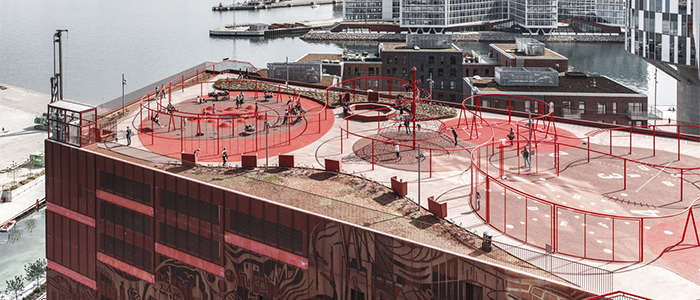
Mixed-use car parks have more fun
Car parks desperately need a mixed-use makeover, writes Riley Flanigan, Senior Urban Designer at HASSELL.
“More and more, buildings and infrastructure are working harder to accommodate a broader range of functions, with flexibility embedded into their design to diversify revenue streams, activate the public realm and give back to the community.They show how with a bit of imagination and ambition, mixed use building typologies can disrupt the market and contribute a genuine community dividend,” he says.
Car-dominated cities like those in Australia can look to examples of parking spaces in Miami in the US, Copenhagen in Denmark and Piteå in Sweden, he writes, which also host weddings, yoga classes, corporate functions, fashion shows, and incorporate sledding slopes and playgrounds for the community.
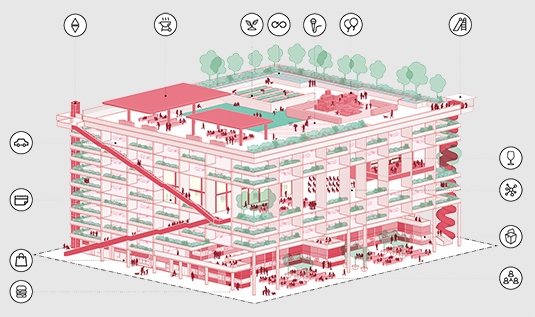
The Brisbane-based designers have considered how mixed-use parking might be applied in their “lush, sweaty, subtropical” home town – with a series of concept graphics and descriptions available in the article.
-
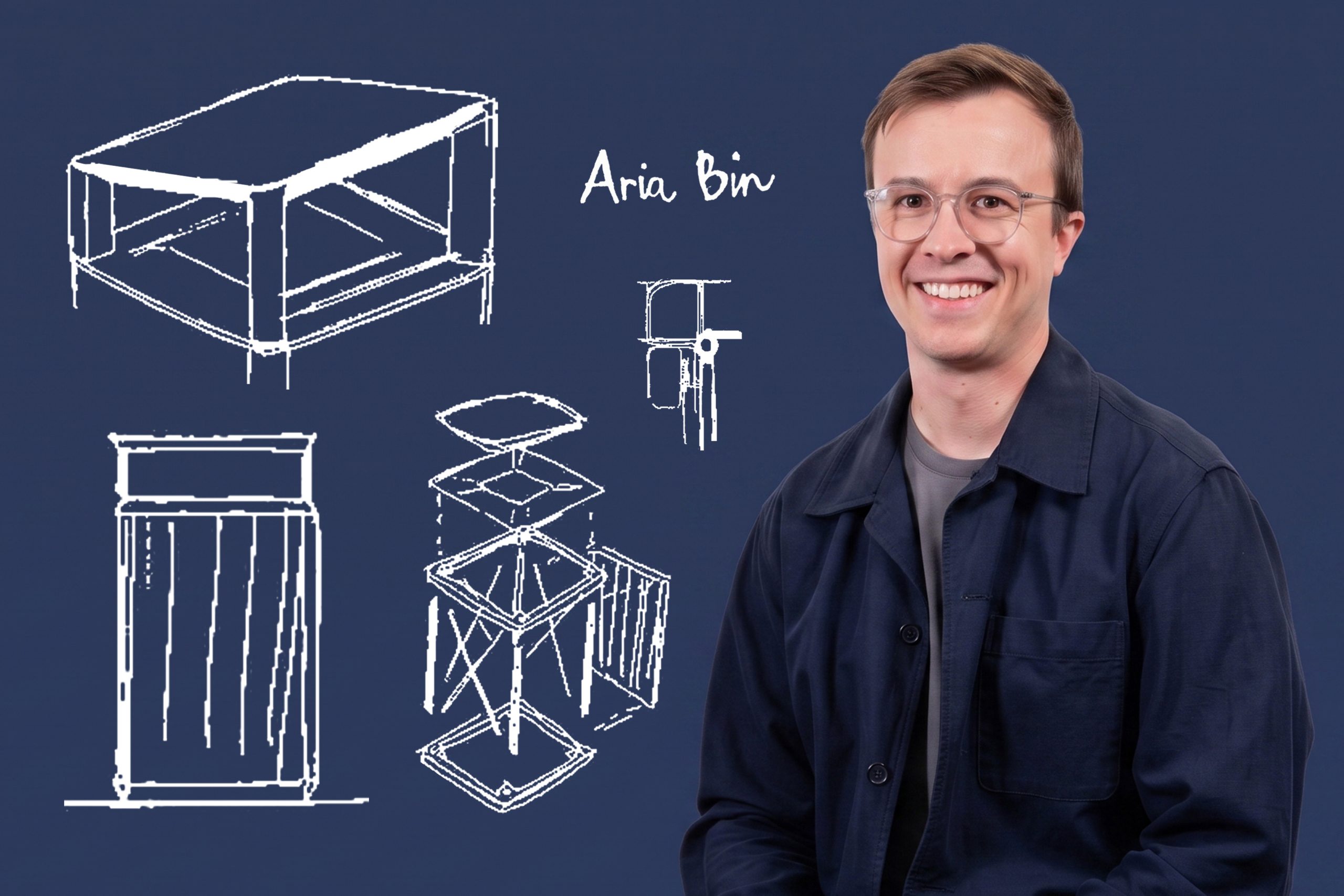
The design story behind Aria Bin
By Francis McArdle, Lead Designer of Aria Bin. There may be no piece of public infrastructure more overused and underappreciated than the humble bin. A basic necessity in... Read More
-
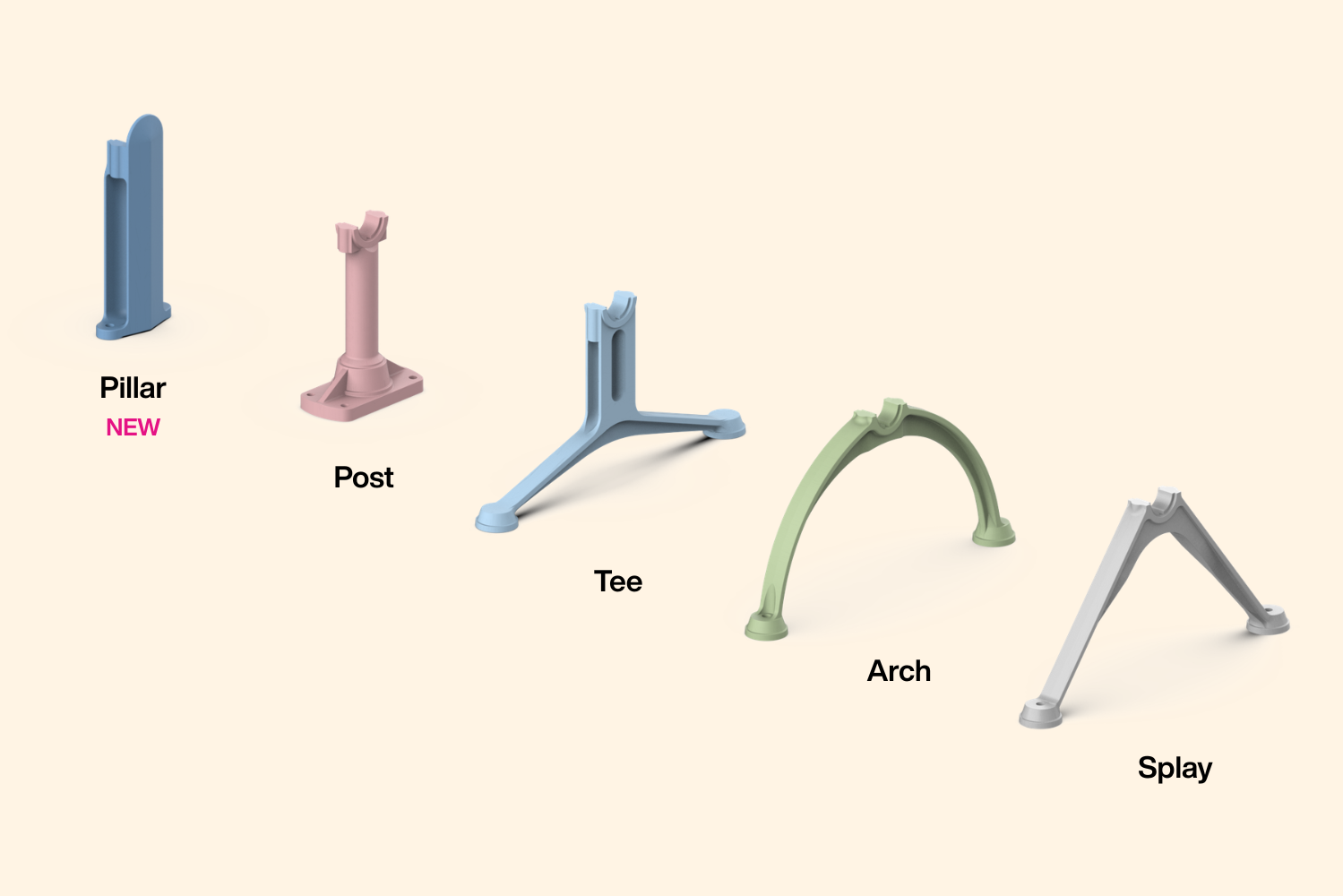
Introducing the new Pillar Leg
Meet Street Furniture Australia’s new Pillar Leg and discover what goes into a furniture leg, from fixing and accessibility to design. Read More
-
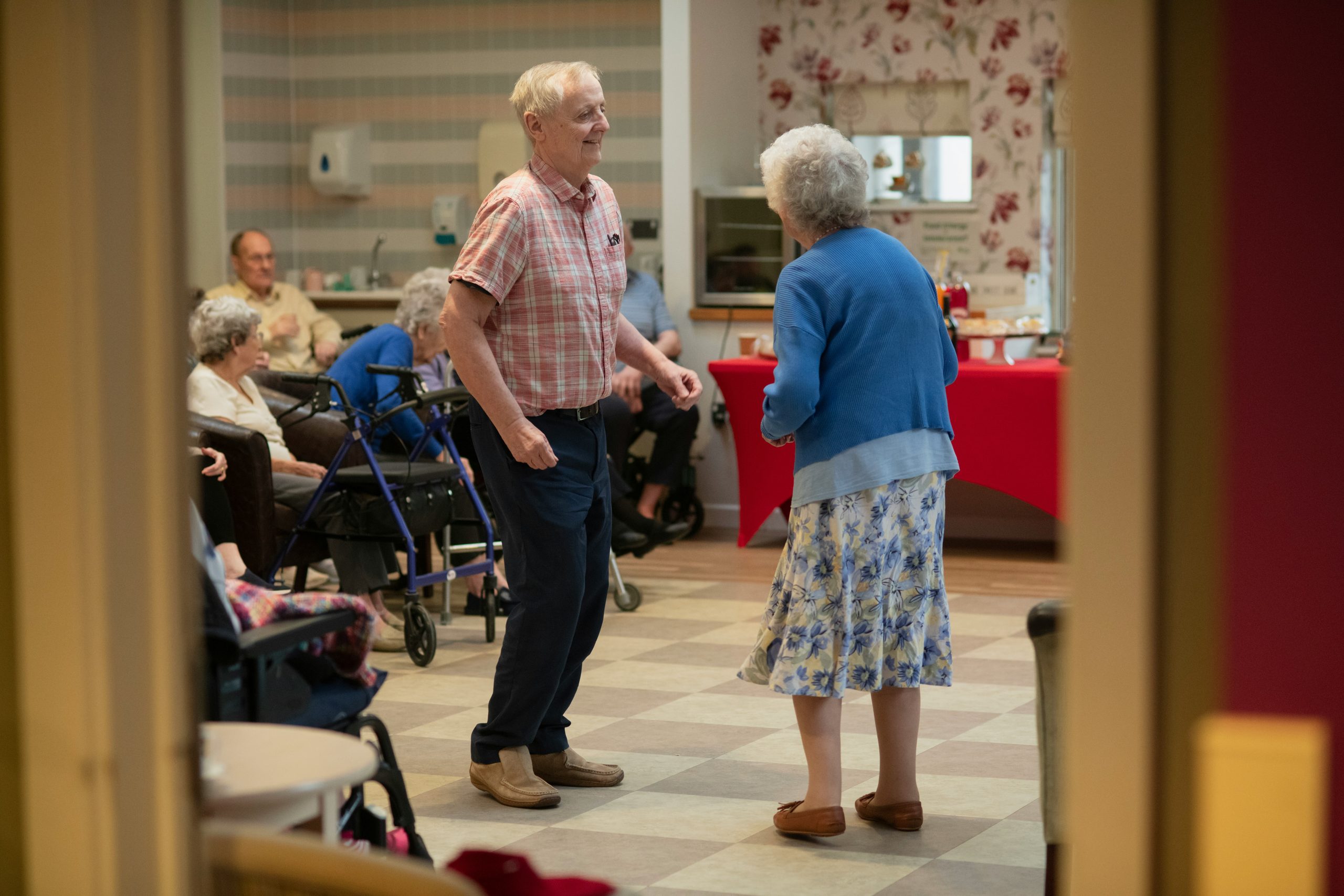
14th Street Y: From active space to community
How did a quiet gym lobby bring together 420+ locals? Learn how 14th Street Y uses social infrastructure and cheap coffee to build community. Read More
-
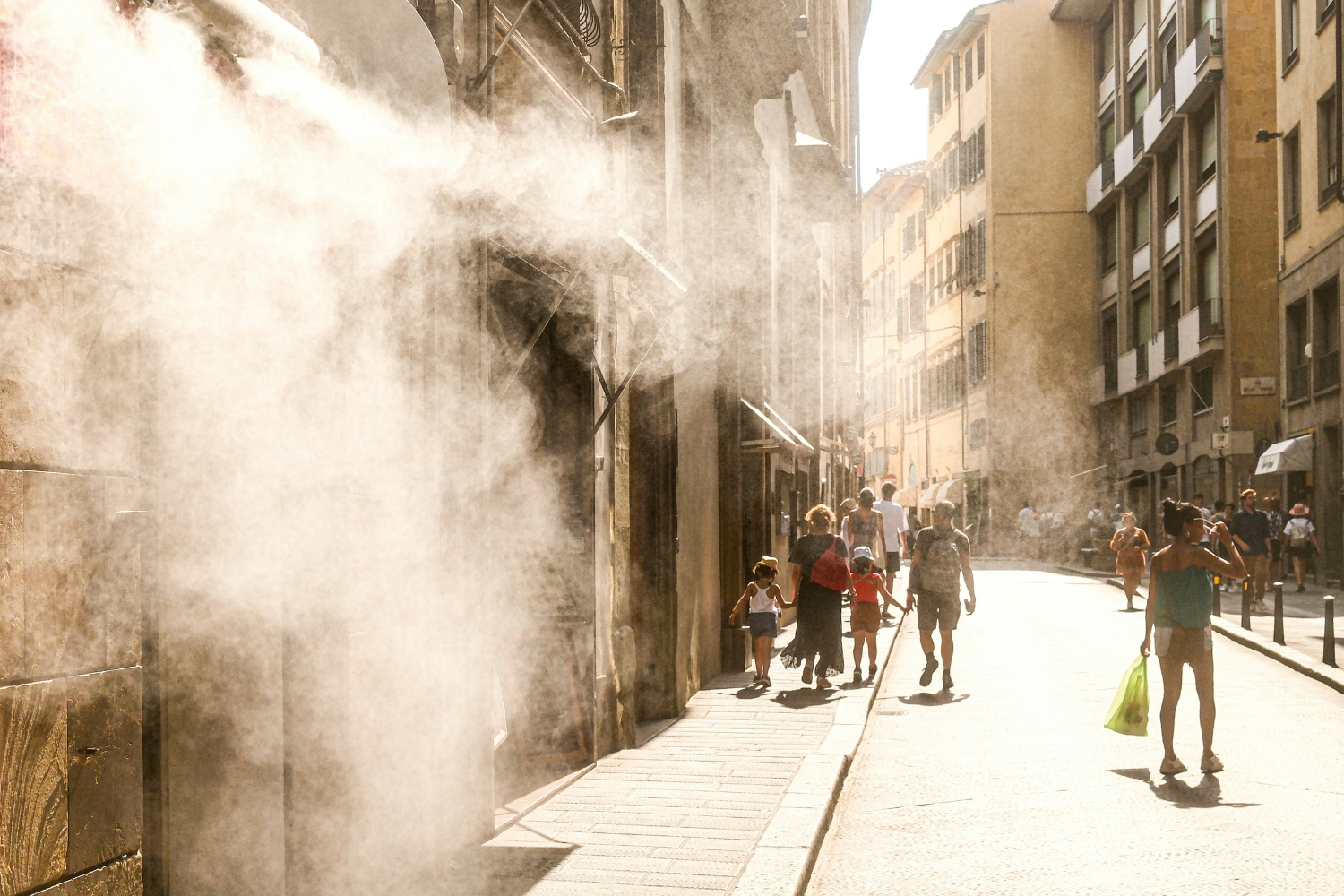
Should heat be regulated?
What if cities regulated heat like fire and flooding? ASLA explores how thermal performance could become a standard part of urban design. Read More
-
GreenScapes 2026: Did Queensland’s newest landscape industry show deliver?
Explore highlights from GreenScapes 2026 as Street Furniture Australia reflects on QLD’s new landscaping and design industry show. Read More
-
What are Tiny Forests and why is everyone planting them?
From Melbourne to Perth, Tiny Forests are turning underused spaces into dense pockets of native bushland for wildlife, biodiversity and community. Read More