World-First Smart ‘ChillOUT Hubs’ Designed and Built in Australia
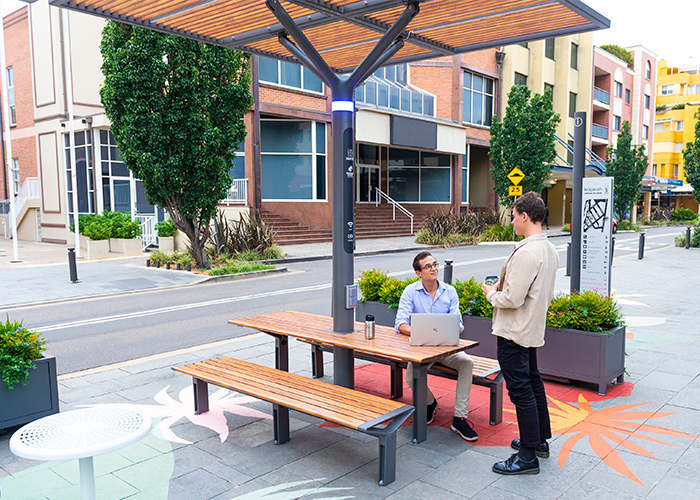
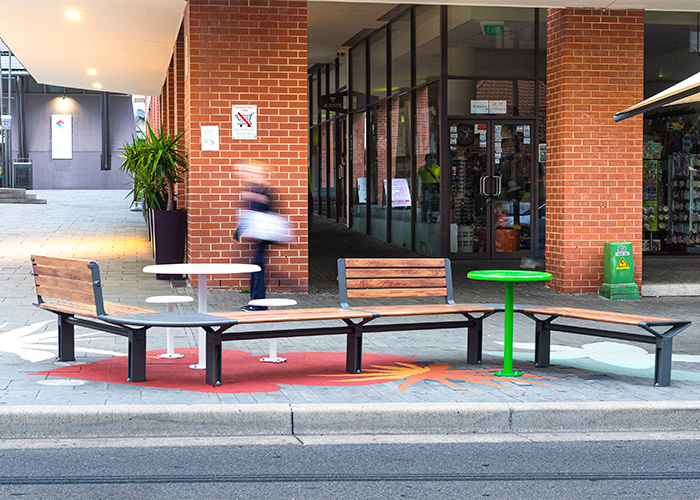
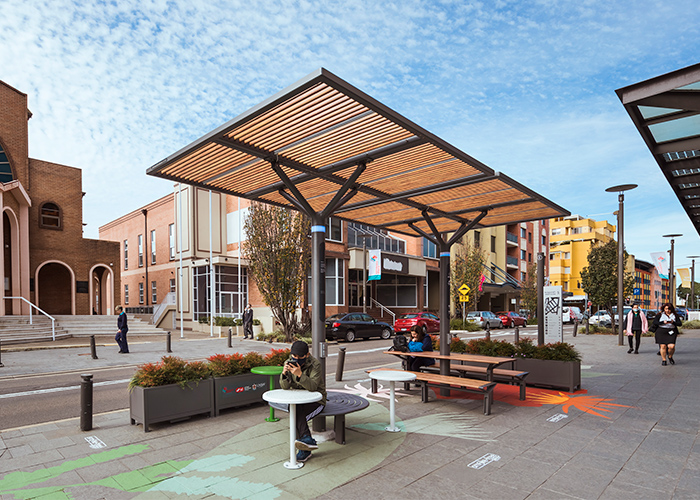
Aria Table (CMA6) and Aria Bench (CMA4) Pedestal leg, aluminium woodgrain Spotted Gum battens, Textura Monument frame. Tailroed with prototype Smart Tree.


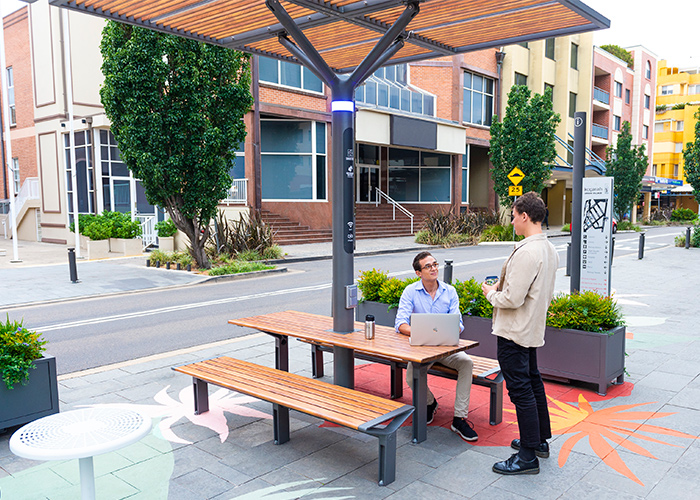
New experimental open-air smart hubs, created by Street Furniture Australia at our studio and factory in Western Sydney, have been officially launched by Georges River Council Mayor Kevin Greene on Thursday February 20, 2020.
“ChillOUT Hubs aim to offer some relief in our densifying cities by providing opportunities to meet, work or rest, and spend more time outdoors,” says Street Furniture Australia Head of Innovation June Lee Boxsell.
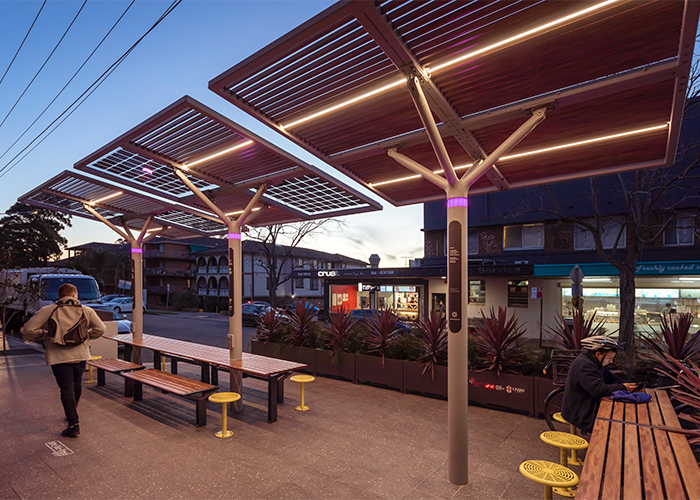
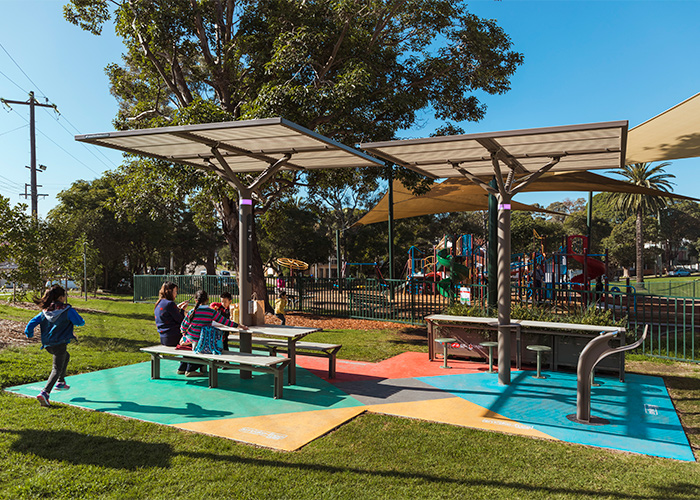
“Each hub packs a punch – integrating shade, seats and tables, charging stations, solar power, sensors, lighting, public WiFi, greenery, smart fountains and smart bins – a big feat combining tech, industrial design and placemaking,” she says.
Three hubs are already installed in the Georges River Council region in south Sydney as part of a pilot study for the Australian Government’s Smart Cities and Suburbs Program. They were the result of collaboration between the Council, the Smart Social Spaces research team from UNSW and the University of Sydney, and Street Furniture Australia.
Street Furniture Australia designed the hubs with input from its partners. Council undertook the overall project management, including installation. The Smart Social Spaces team is developing a digital asset management dashboard, and will evaluate the impact of the hubs with a formal study.
CM+ assisted with site plans, furniture arrangements and construction phase.
University of Sydney Associate Professor Nancy Marshall says her Smart Social Spaces research team was particularly interested in “how smart street furniture alters human behaviour in public open space, and how it might contribute to the community’s health and social well-being. We were also curious whether a dashboard could enable councils to more effectively manage their infrastructure,” she says.
“Person-on-the-street surveys are being conducted to give us a complete picture of why the hubs and their technologies are, or are not, being used. We are also analysing how the hubs impact the urban heat microclimate.”
Georges River Council Mayor Kevin Greene says that “as technology becomes more integrated into our lives, it’s important for councils to harness new technologies to better serve the needs of communities and improve services.”
“These new public spaces are an exciting achievement as we move towards our goal of creating a connected city,” he says.
Design Story
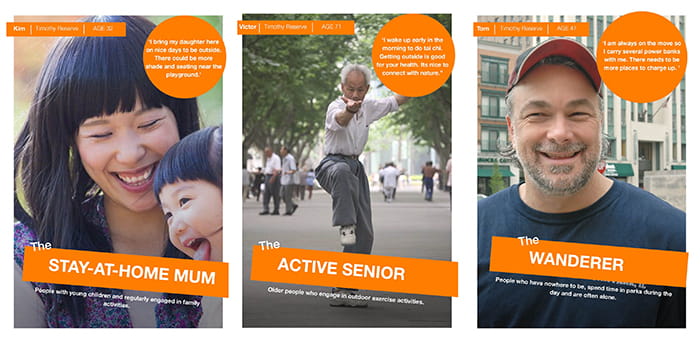
Before sketching the hubs, Street Furniture Australia undertook a discovery process to understand the user needs and aspirations of each site.
“We wanted to tailor each ChillOUT Hub to serve its community rather than creating a one-size-fits-all solution. The three sites are very different; spending time in each brought us many insights that are built into each design,” says Boxsell.
“For example, we have an urban streetscape in Kogarah between the train station, hospital and library, surrounded by offices. There are people constantly passing through. The Kogarah ChillOUT Hub allows you to stop and eat your lunch outside, work using the charging stations, or wait in comfort for a ride.
“We created user personas for all three sites, and designed the hubs around their needs. The ChillOUT Hubs became a ‘system’ or a kit of parts for site-specific solutions.”
Technology Concept
In the back end, the ChillOUT Hubs are connected to the IoT network to deliver data to councils to assist with decision-making, safety and maintenance management.
Sensors are embedded in the hubs to measure three areas: users, microclimate and utilities. Data sets include visitation and median dwell time; local UV, humidity and temperature levels; power and water use, and bin fill levels.
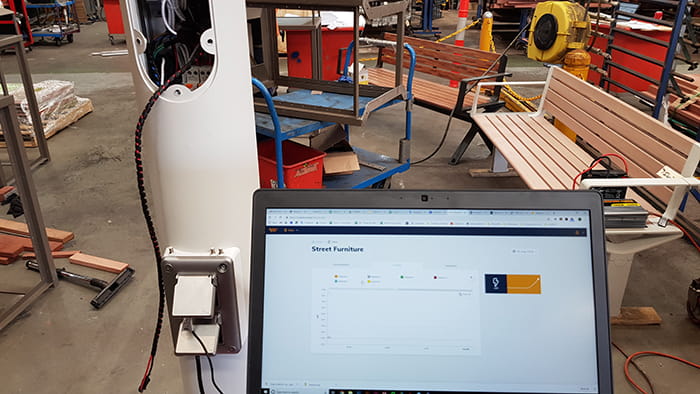
A digital dashboard, called SAMS (Smart Asset Management System), will display the information in one interface, and provide alerts for fire and power outage.
A Smart Future
The increase of high density living in cities brings greater pressure on public space to provide opportunities to rest, connect with community and immerse in nature. ChillOUT aims to test a model of how this could be achieved with smart furniture.
“In the context of smart cities, partnerships are vital in delivering successful outcomes. As long as there is a shared goal, a culture of trust and win-win outcomes, we believe collaborations are the way of the future for private industries,” says Boxsell.
“For Georges River Council, the Smart Social Spaces team and Street Furniture Australia, the community was at the heart of this project, so now it’s about listening to them to see how we can bring further amenity and enjoyment to their parks and public spaces. We are here to learn.”
Key Partners and Suppliers
Smart city projects cannot be delivered alone. Some of our key collaborators include:
- CM+, architectural consulting
- LX Group, IoT and electronics
- Wattwatchers, energy monitoring
- Smartsensor, eBin sensors
- Onyx Solar
- Solar Power Australia
- TTW (Taylor Thomson Whitting) Engineering
- Superlight LED Lighting
- Total Control Electrical
- WaterGroup, IoT for the smart drinking fountain
-
2026 AILA Awards: Good Cause Giveaway
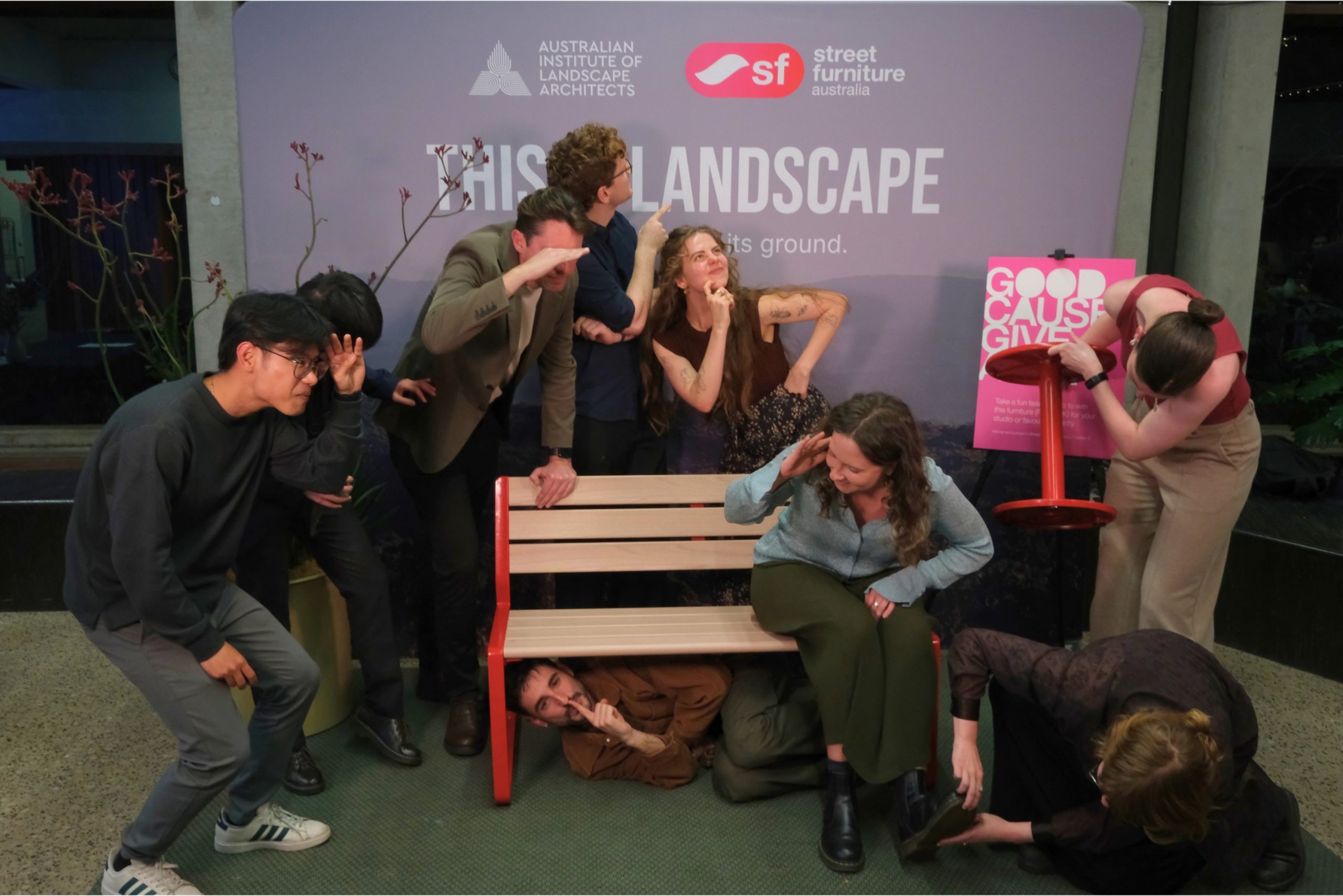
See highlights of all the outstanding creative photos from the 2026 AILA Awards Good Cause Giveaway, and discover which studio team won over 3k worth of furniture for... Read More
-
Introducing the new Pillar Leg
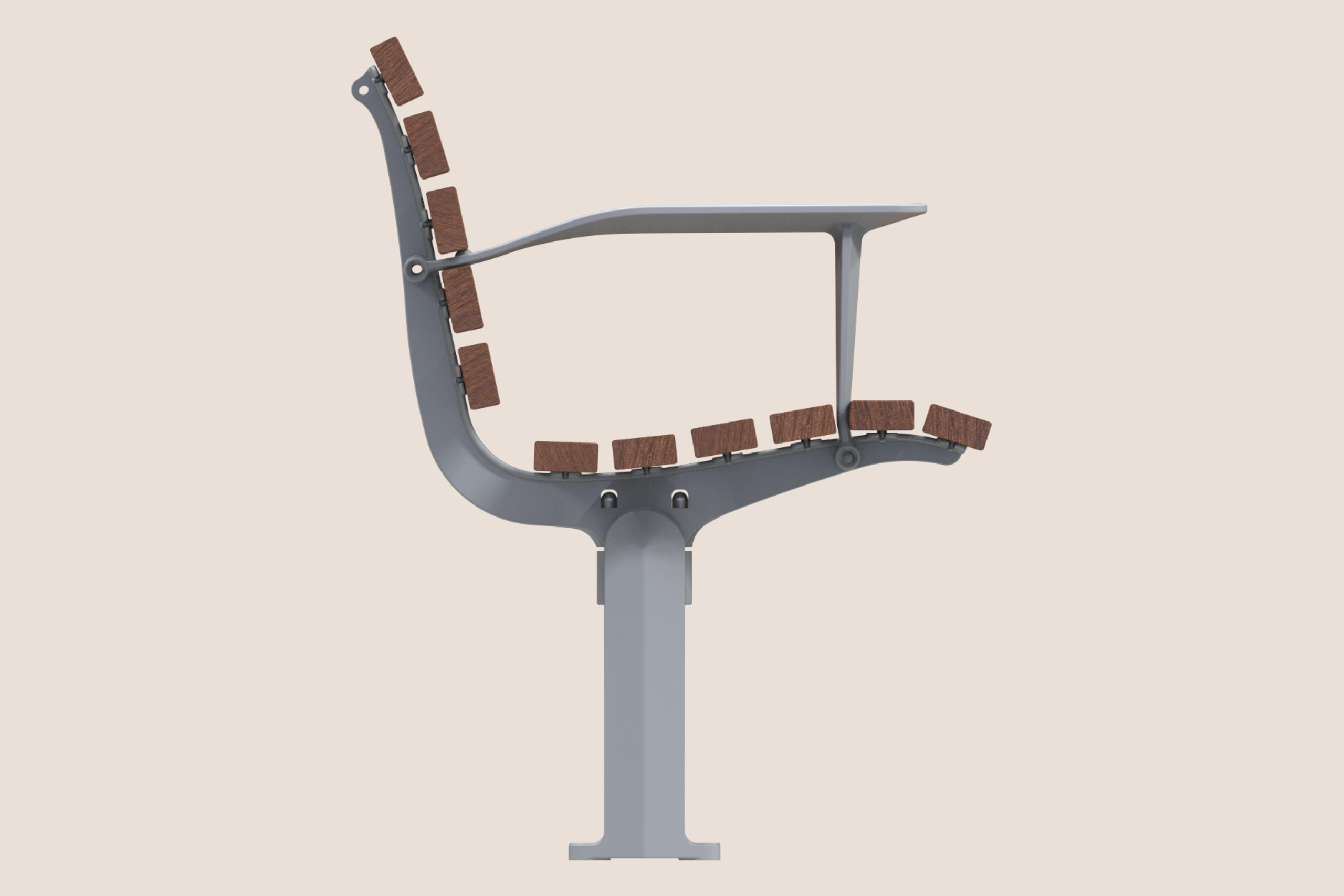
Street Furniture Australia’s new Pillar Leg is slimmer but sturdier. Discover what goes into a furniture leg, from fixing and accessibility to design. Read More
-
14th Street Y: From active space to community
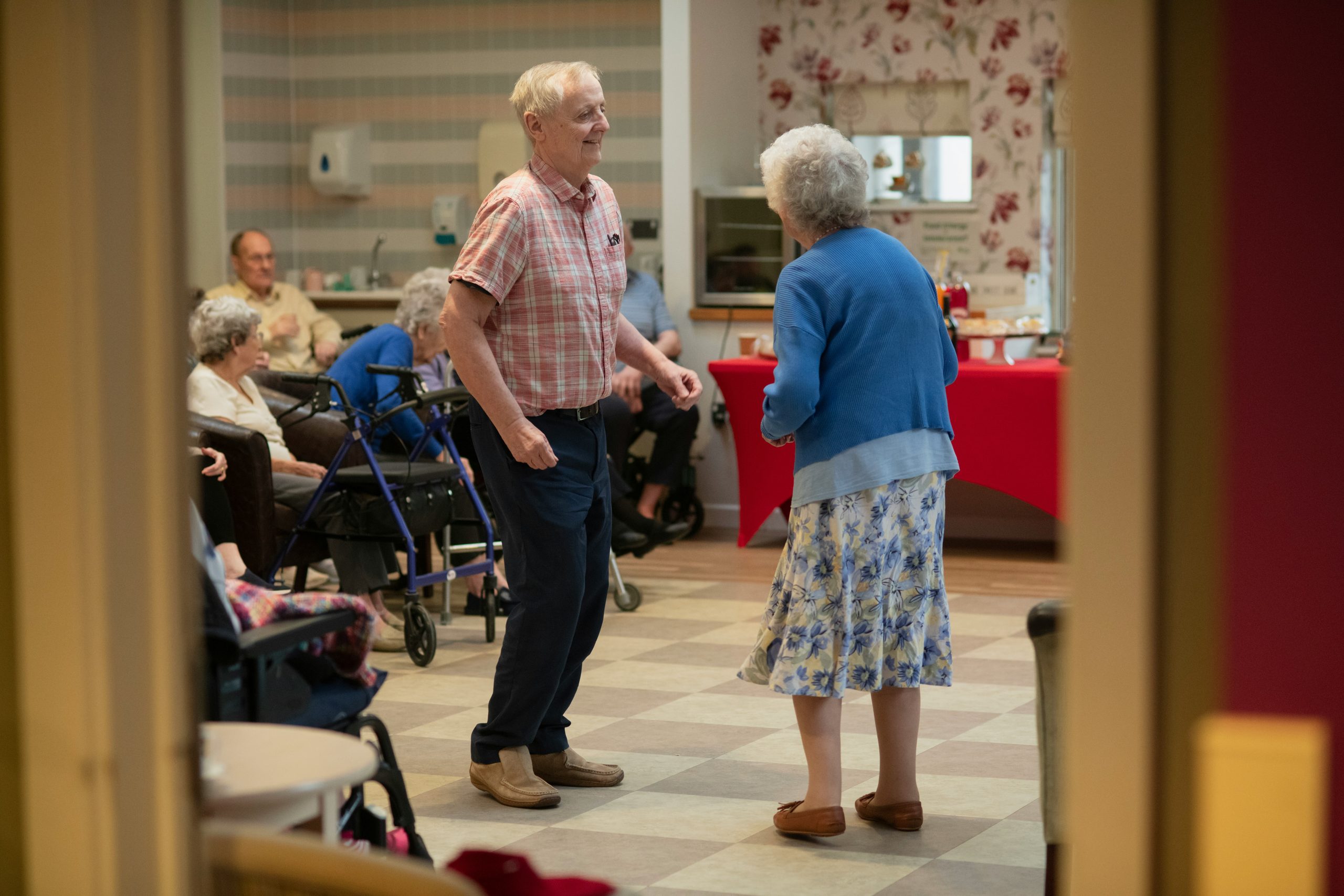
How did a quiet gym lobby bring together 420+ locals? Learn how 14th Street Y uses social infrastructure and cheap coffee to build community. Read More
-
The design story behind Aria Bin
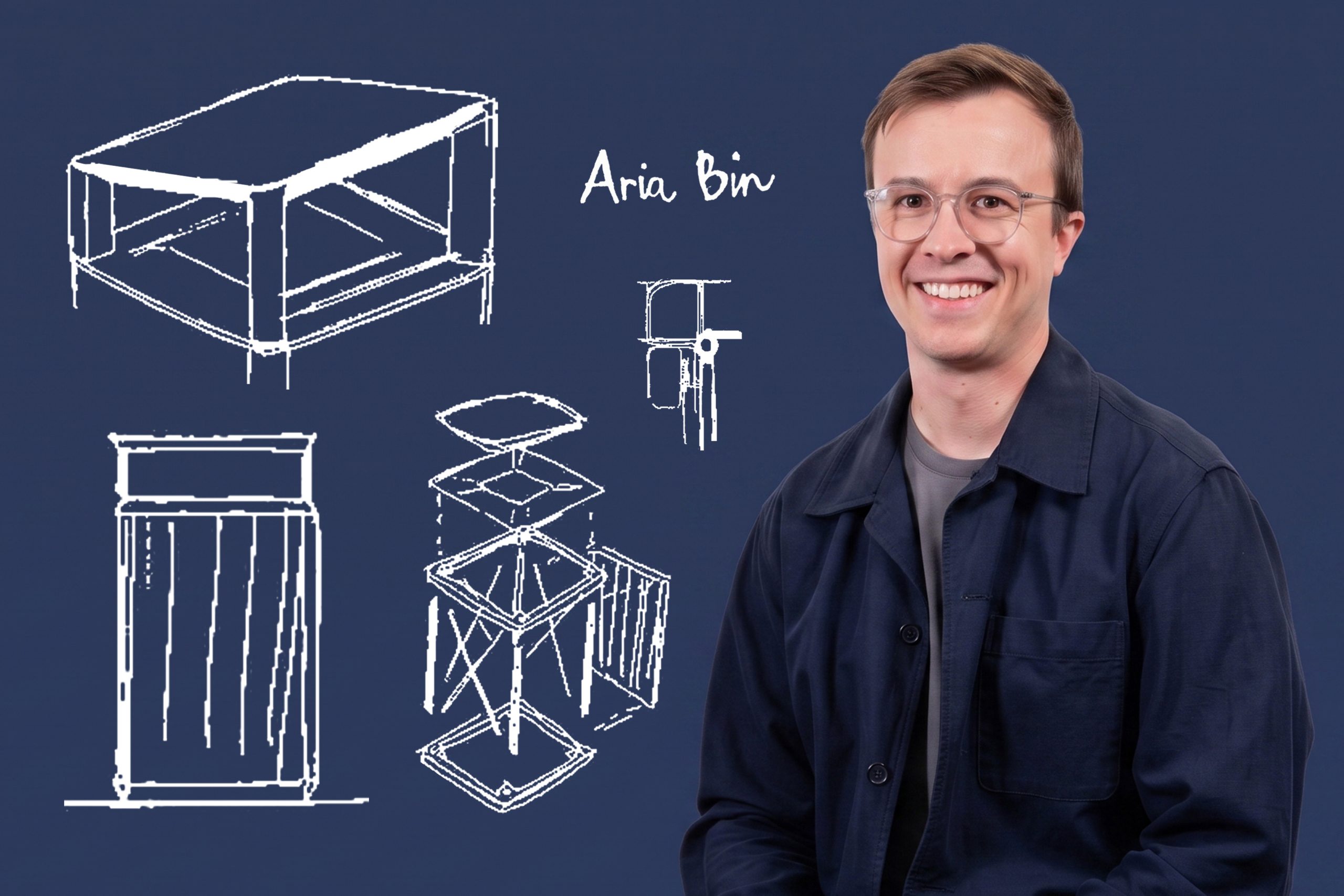
By Francis McArdle, Lead Designer of Aria Bin. There may be no piece of public infrastructure more overused and underappreciated than the humble bin. A basic necessity in... Read More
-
Should heat be regulated?
What if cities regulated heat like fire and flooding? ASLA explores how thermal performance could become a standard part of urban design. Read More
-
GreenScapes 2026: Did Queensland’s newest landscape industry show deliver?
Explore highlights from GreenScapes 2026 as Street Furniture Australia reflects on QLD’s new landscaping and design industry show. Read More