Why furniture in schools is failing teenagers and what you can do about it?
Upcoming Events
Join us for West Fest 2026: Designing for Belonging
A half-day knowledge exchange hearing from local built environment experts on fostering a sense of belonging in an increasingly dense, digital society.
Read more
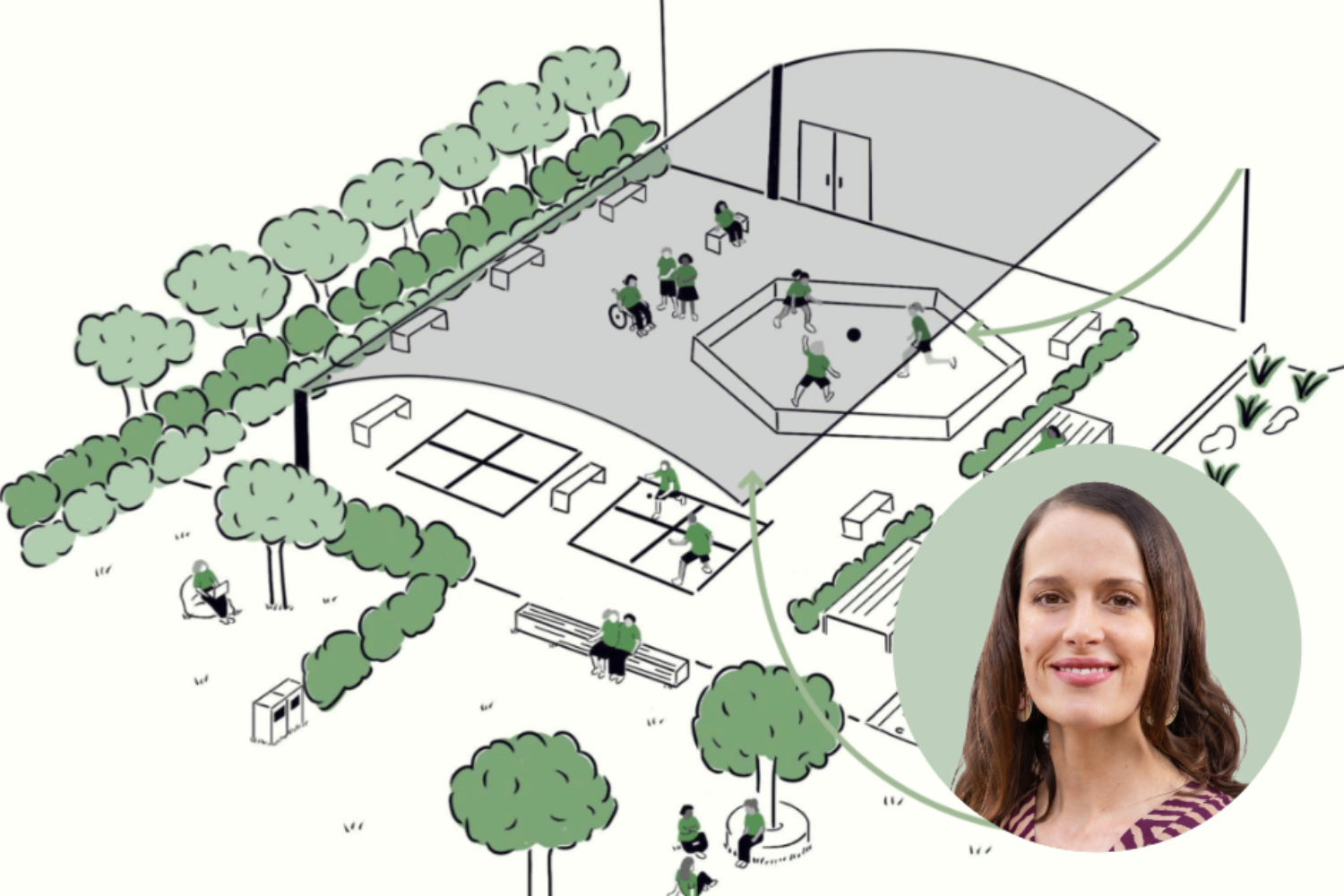
A guest piece by Hannah Richardson, researcher on the multi-award-winning Schoolyard Greenprint, University of Canberra.
Australian teenagers spend more than 10,000 hours of their adolescence on school campuses (OECD, 2014). At the University of Canberra’s Schoolyard Greenprint project, we believe that landscapes in schools matter for student wellbeing and furniture has a role to play in supporting that wellbeing.
The wellbeing stakes are high. Globally youth mental health is declining, particularly for girls (Leigh & Robson, 2025). In the face of climate change, our research shows that schoolyards are both shrinking in size and losing canopy. As a result, schoolyards may not be providing the restorative wellbeing benefits they could.
So how can the design of schoolyards help? We believe designing these spaces to meet teens’ developmental needs is crucial. Teenagers are not mini-adults, yet when it comes to furniture, many schoolyards and urban environments, are designed as though they are. Adolescents have specific developmental needs – especially around autonomy, play and rest – and our research suggests furniture could play a much more significant role in meeting these needs.
Through our research we engaged with over 500 students using photo framing, visual surveys and storytelling activities. Over and over again they told us how important furniture is, and it is failing them.
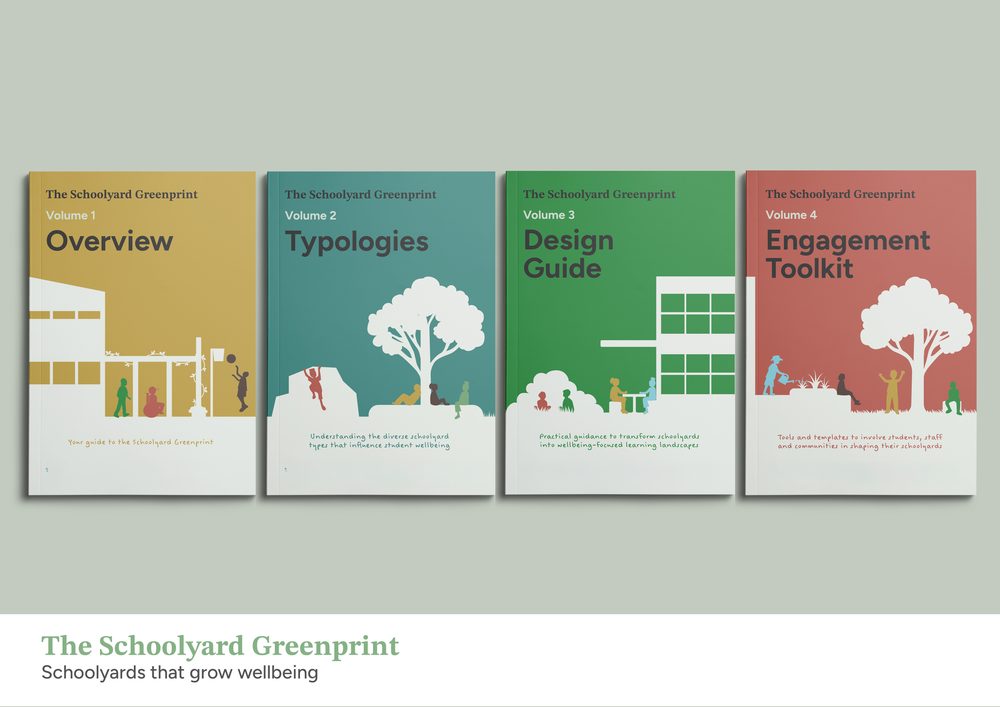
To address these challenges, we developed the Schoolyard Greenprint – a four volume guide to help you design better outdoor spaces in schools. This includes nine schoolyard typologies, a Design Guide and an Engagement Toolkit with practical templates for engaging stakeholders. Funded by Hort Innovation with support from the Australian Government and the Landscape Foundation of Australia, it is the result of two years of research and engagement with around 1,500 young people, teachers and designers from across the country.
What we found
The need for autonomy and experimentation
During adolescence teenagers have a developmental need to experiment and express autonomy. They want to engage dynamically with their spaces, sitting on lockers, on the ground, jumping off retaining walls. Yet too often, their furniture is fixed. They are told not to sit on the picnic table with their feet on the seats.
We asked students to choose between a space that could be used in one way and a space that had ambiguous programming. They overwhelmingly told us they want a space that can be adapted to multiple uses.
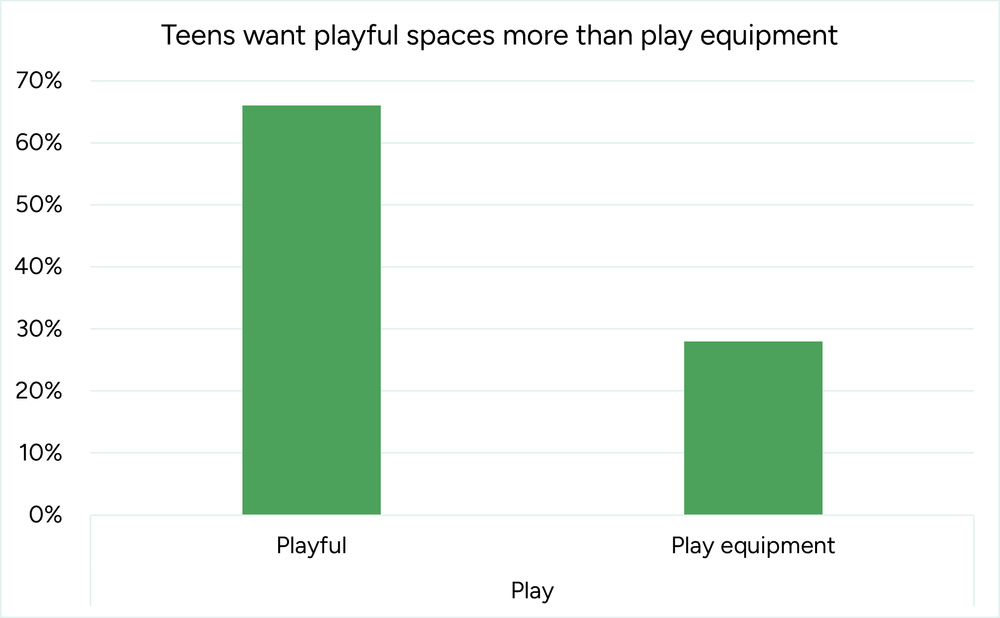
The chart reflects that students want spaces open to interpretation and experimentation.
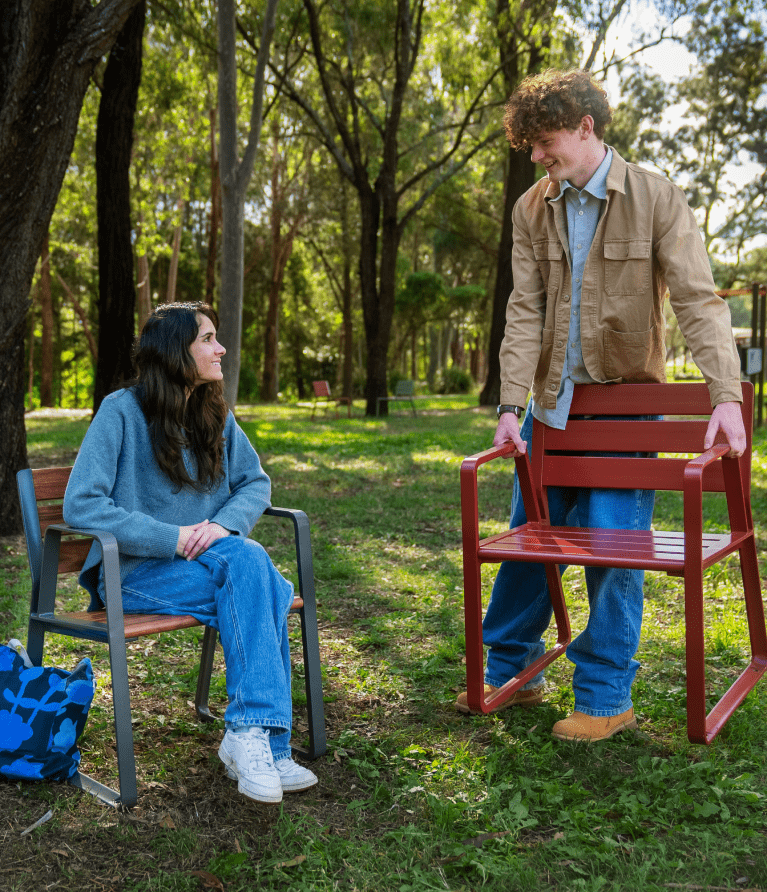
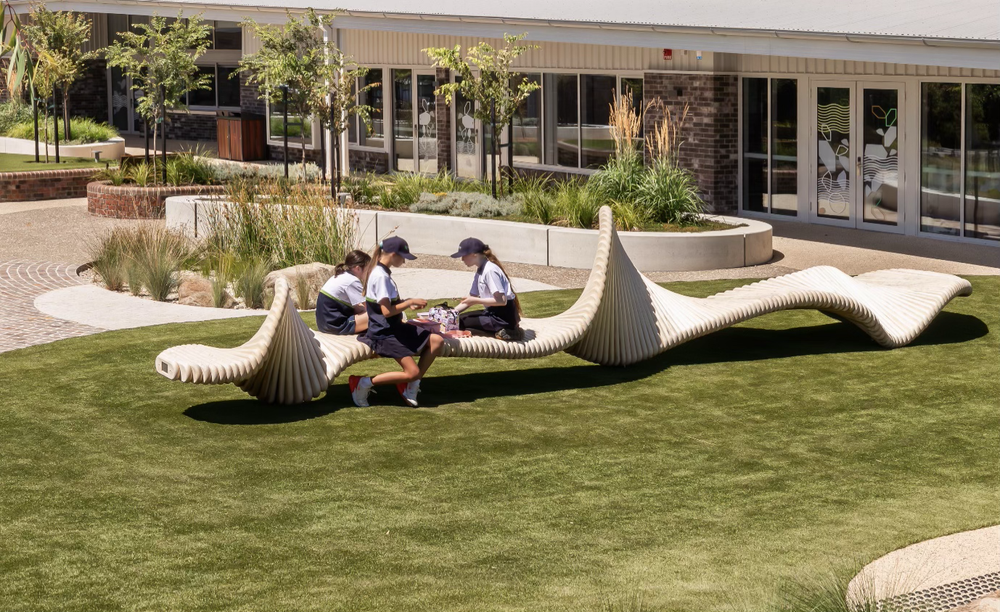
At Brighton High School in Tasmania, this sculptural seat is a great example of furniture that meets teenagers’ need to experiment.
Adaptable spaces
Students also want to express their growing independence by adapting their spaces. Yet, as one designer who participated in our research said: “when we fix [furniture] down we say, well we don’t trust you.” (Designer, Adelaide Workshop)
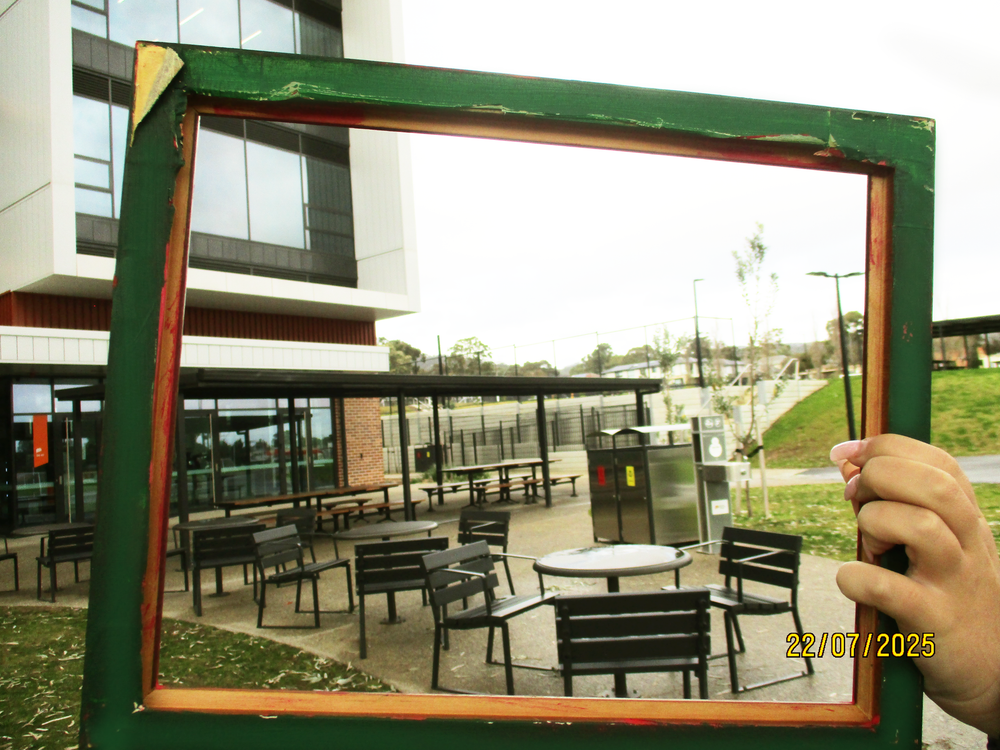
This photo shows a student in Adelaide “framing” a favourite space using a green frame. It shows moveable furniture that can flex to changing group sizes, and provide opportunities for autonomy and shows the school’s confidence in their independence
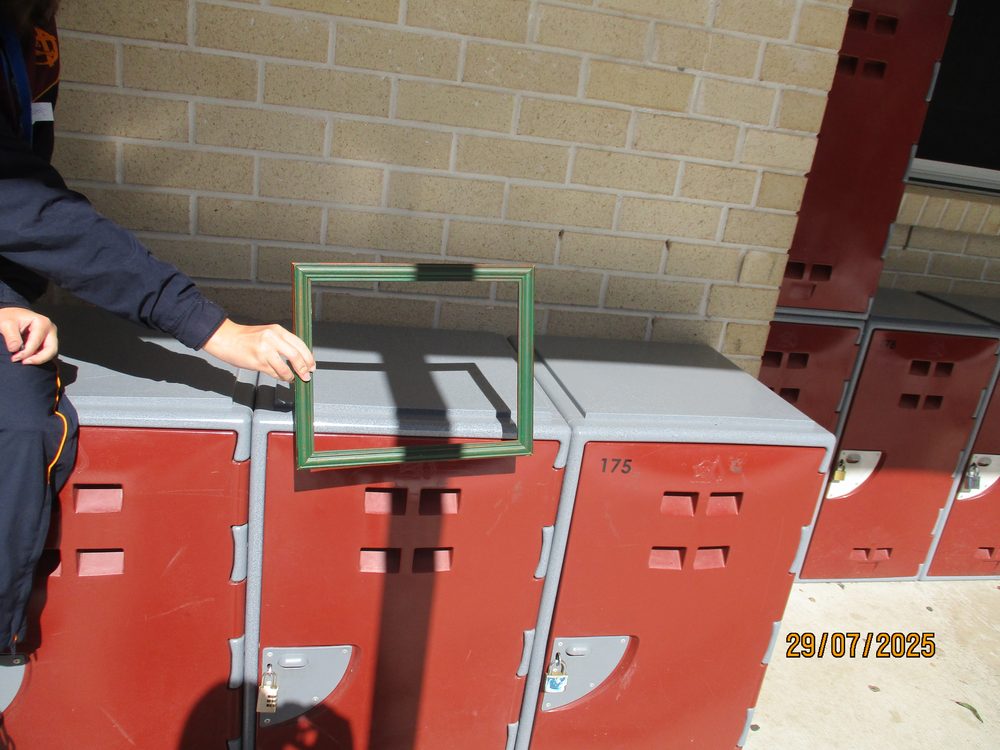
Another green frame space at an independent school in Queensland, shows students adapting their environment, turning lockers into seats.
The need for play
While they are young adults, teenagers still want to play. Critically, they want to play without looking childish. As one student noted: “[Adults] think we are going to get more boring. No offence or anything… I want to bring my inner child out as well” (School M, Year 8-9 female). We asked students to choose between playful spaces and play equipment. Most students want playful spaces, particularly girls (at 75.5 per cent).
It’s a sentiment echoed by landscape architect Andrew Thomas of FOUR landscape studio, who participated in our research. High school students, he reflected “still want to play, but …[not] on the little kids’ equipment.” So, his approach is to create incidental opportunities for play – “we try to make it so it’s a landscape that is playful rather than a playground” (Andrew Thomas, FOUR Landscape Studio)
This is where furniture can play a crucial role in meeting teenagers needs in a way that play equipment cannot, especially for girls. During adolescence girls in particular are less active, and often sporting facilities are perceived as male spaces. Playful furniture could provide students who don’t feel confident to play sports, with opportunities to be active. As one student in Queensland said:
“Even a cool chair that you can swing around on… just something more inviting and interactive.” (School R, Year 7-8 female)
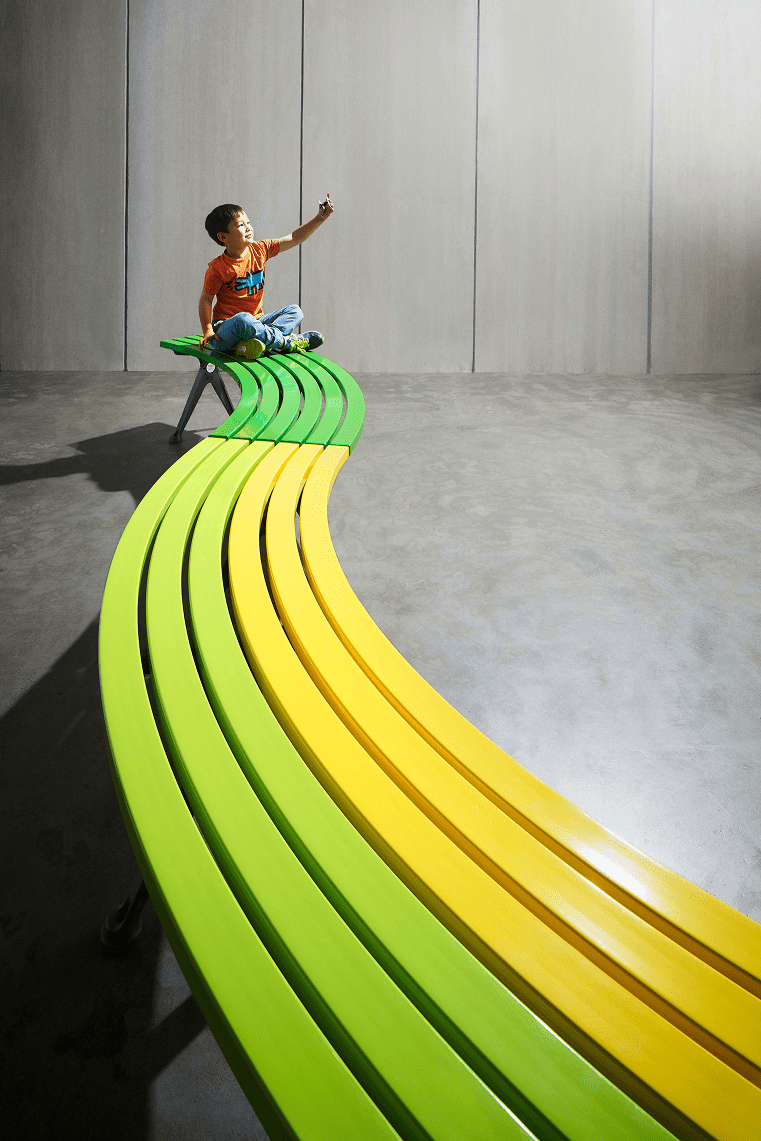
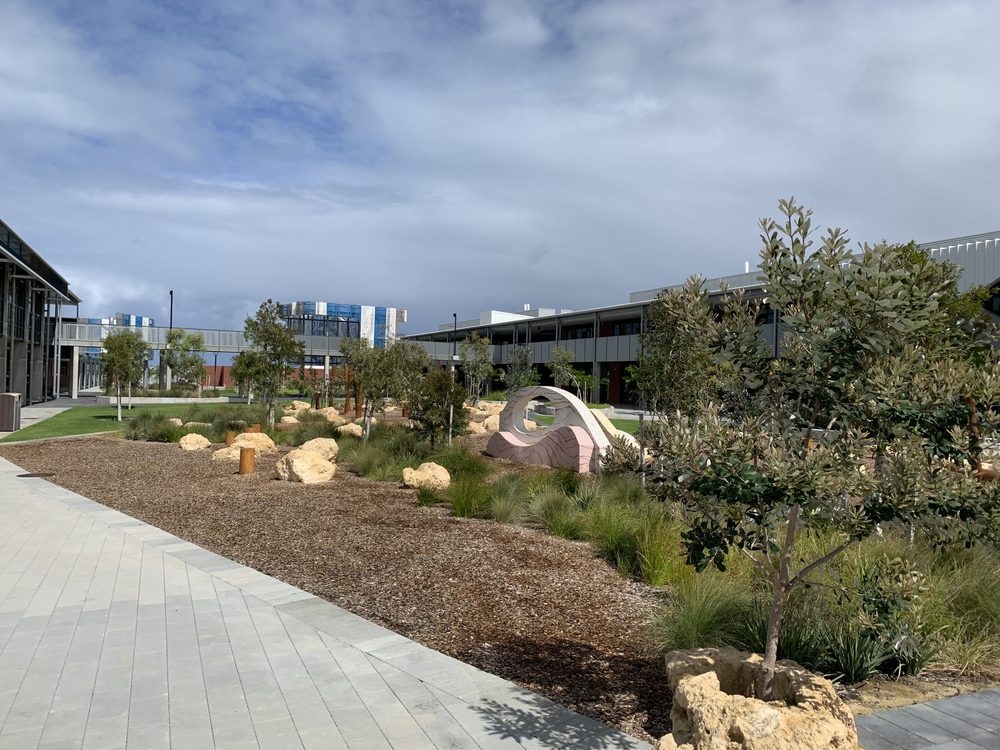
An example would be the sculpture at Alkimos College in Perth (picture below), that can be for sitting or play and is part of an incidentally playful space designed by Andrew Thomas and team at FOUR Landscape Studio
The need to relax
Unlike adults in urban environments, students overwhelmingly want to relax in their schoolyards. They told us how exhausted they were from study, sports and social pressures. They are looking for furniture to help them rest and return to classrooms ready to learn.
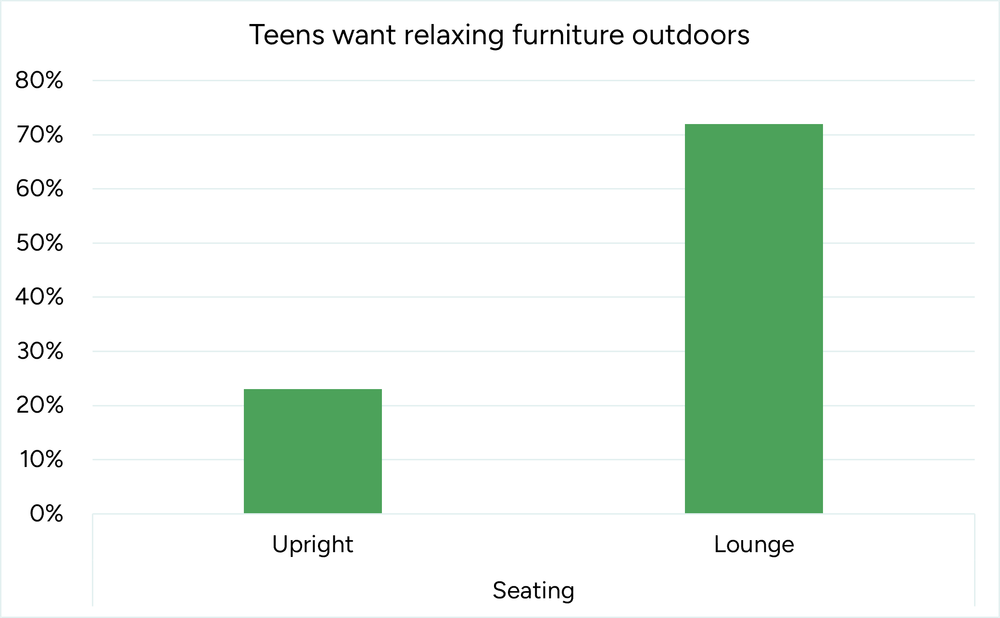
Our survey data shows this strong preference. Over 70 per cent of the students we surveyed preferred relaxing or lounge style furniture for the outdoors
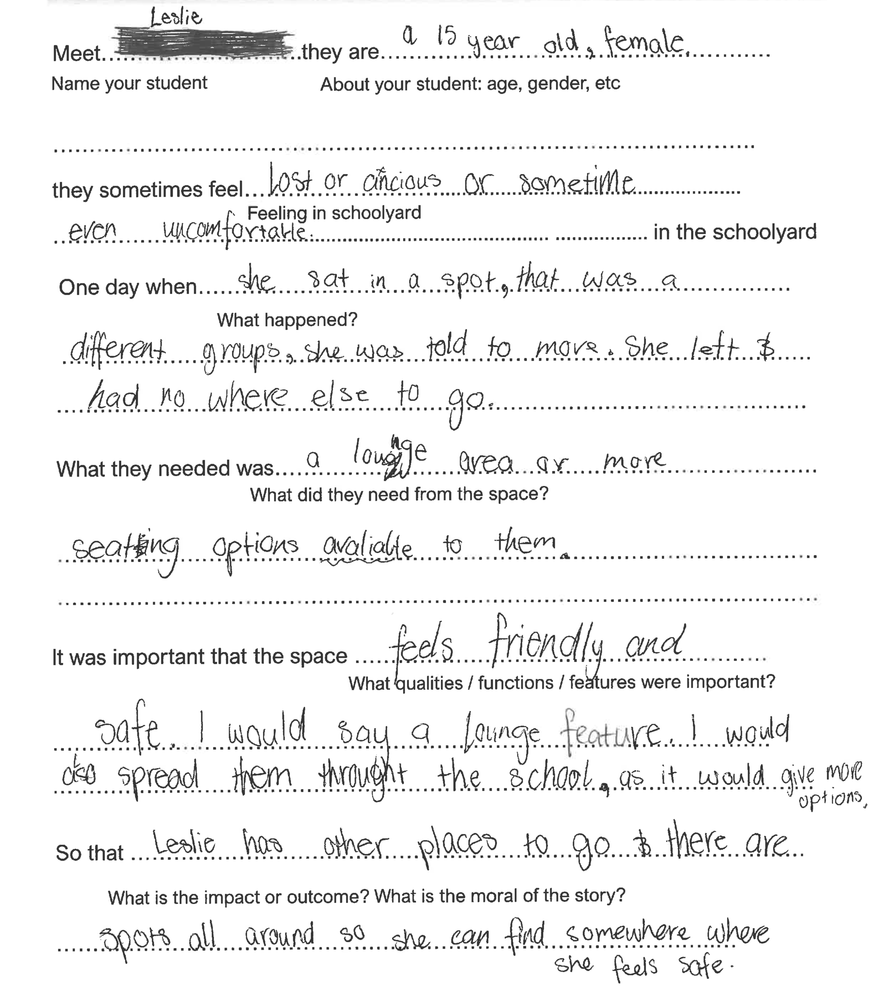
A preference for relaxing furniture is not just a matter of comfort. In this story written by 15-year-old Leslie, she explains how lounge style furniture could help her when she feels anxious and uncomfortable.
She describes how she needs “a lounge area or more seating options” so that “she can find somewhere she feels safe”.
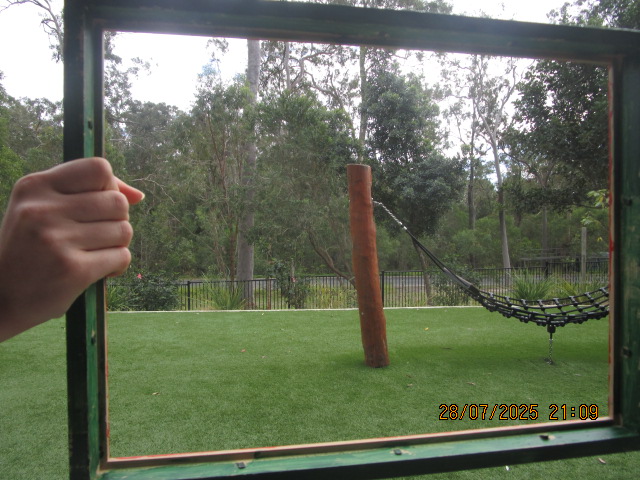
The image below shows a hammock at a Queensland school that was highly popular, but considered uncomfortable due to hard materials.
How can you help?
Our research demonstrates that teenagers value furniture in their schoolyards. If you are designing a schoolyard or urban space for teens, consider how to incorporate experimentation, rest and play, particularly when it comes to furniture.
Teenagers are not mini-adults, and we believe that schoolyards and the furniture in them can support their development and wellbeing at an increasingly stressful time of life.
Hannah Richardson is speaking at West Fest 2026: Designing for Belonging, 10 November in Parramatta. Register here.
References
Leigh, A., & Robson, S. (2025). The Rise of Social Media and the Fall in Mental Well–Being Among Young Australians. Australian Economic Review, 58(1), 33-38.
OECD. (2014). Education at a glance 2014: OECD indicators. OECD.
-
Join us for West Fest 2026: Designing for Belonging
A half-day knowledge exchange hearing from local built environment experts on fostering a sense of belonging in an increasingly dense, digital society. Read More
-
COP31 unites Australia and the Pacific
Australia and Pacific nations unite at COP31 to tackle climate change, advance renewable energy and address the region’s urgent climate challenges. Read More
-
2026 AILA Awards: Good Cause Giveaway
See highlights of all the outstanding creative photos from the 2026 AILA Awards Good Cause Giveaway, and discover which studio team won over 3k worth of furniture for... Read More
-
Introducing the new Pillar Leg
Street Furniture Australia’s new Pillar Leg is slimmer but sturdier. Discover what goes into a furniture leg, from fixing and accessibility to design. Read More
-
14th Street Y: From active space to community
How did a quiet gym lobby bring together 420+ locals? Learn how 14th Street Y uses social infrastructure and cheap coffee to build community. Read More
-
The design story behind Aria Bin
By Francis McArdle, Lead Designer of Aria Bin. There may be no piece of public infrastructure more overused and underappreciated than the humble bin. A basic necessity in... Read More