Why DDA seats and tables don’t always correspond

Upcoming Events
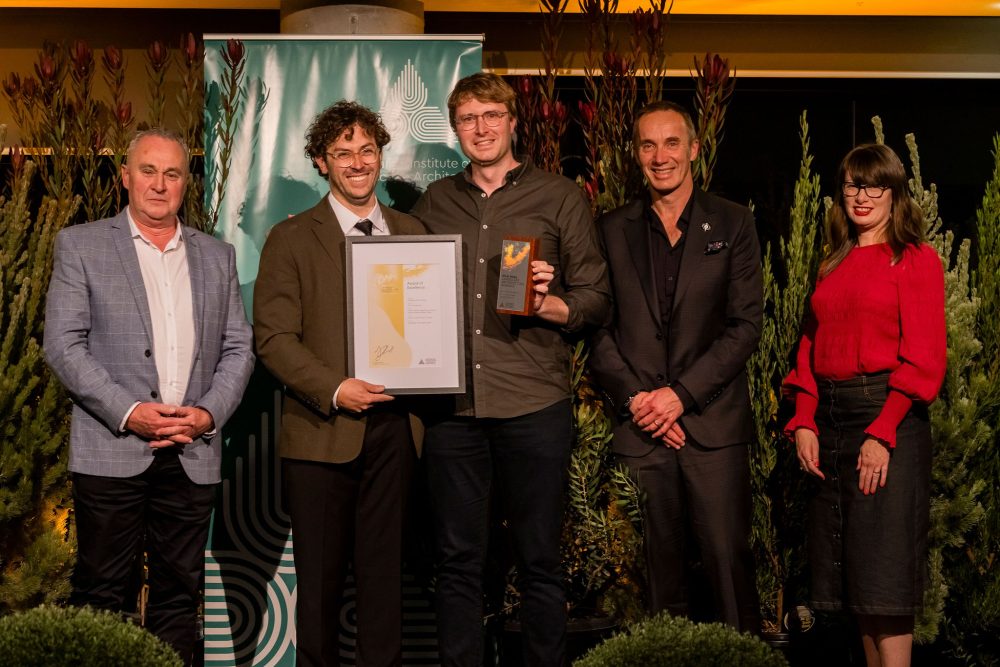
AILA Chapter Awards 2026: Seven Cities, Seven Nights
Join Street Furniture Australia, Presenting Partner of the 2026 AILA Chapter Awards, as we celebrate Australian landscape architecture across seven cities and seven nights.
Read more

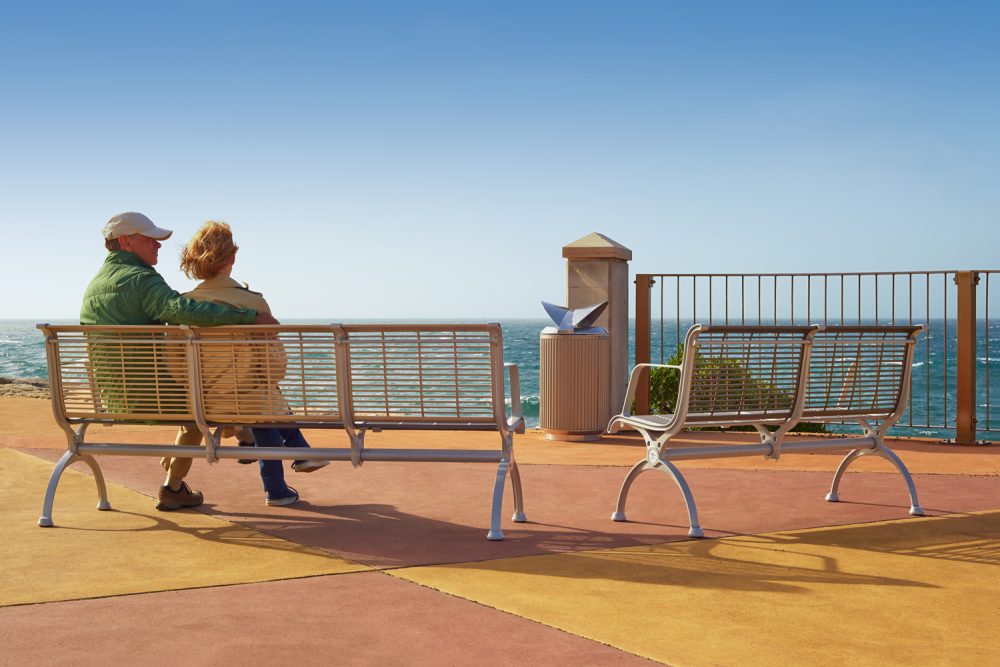
A common question when specifying Street Furniture Australia products is why there is a DDA table but seemingly no corresponding DDA seat.
DDA (Disability Discrimination Act) and Australian Standards 1428.2: Design for Access and Mobility set out guidelines for Street Furniture Australia to ensure that public amenities cater to the diverse needs of all individuals, regardless of age or ability.
Designed for different user needs
In practice, DDA and AS1428.2 compliant seating and table designs serve distinct functions.
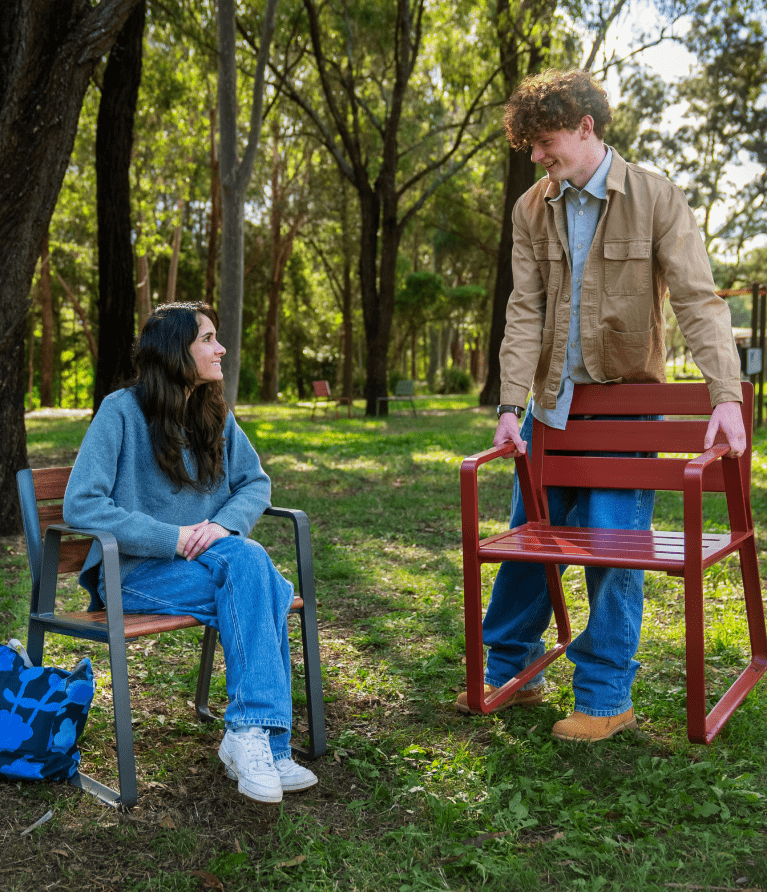
DDA seats are generally optimised for elderly users, such as the provision of backrests and armrests to assist with sitting and standing.
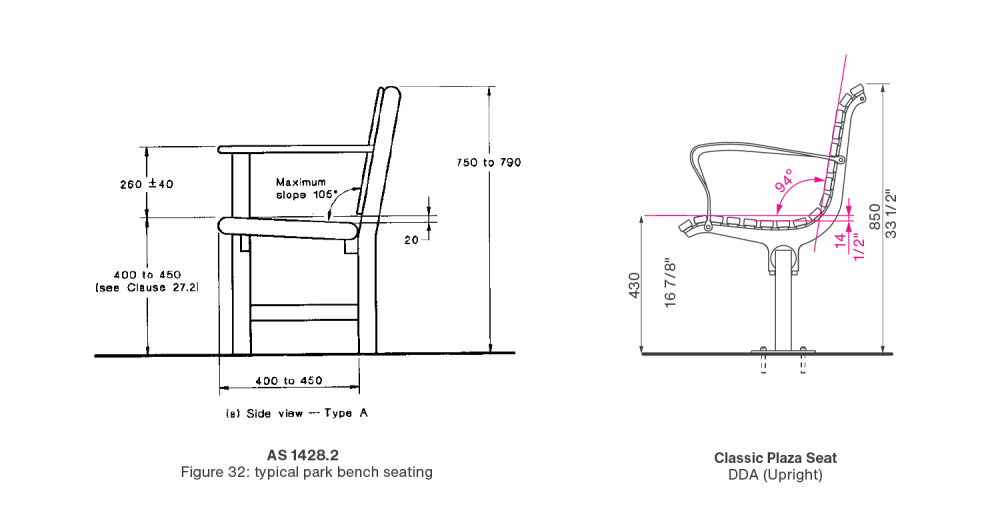
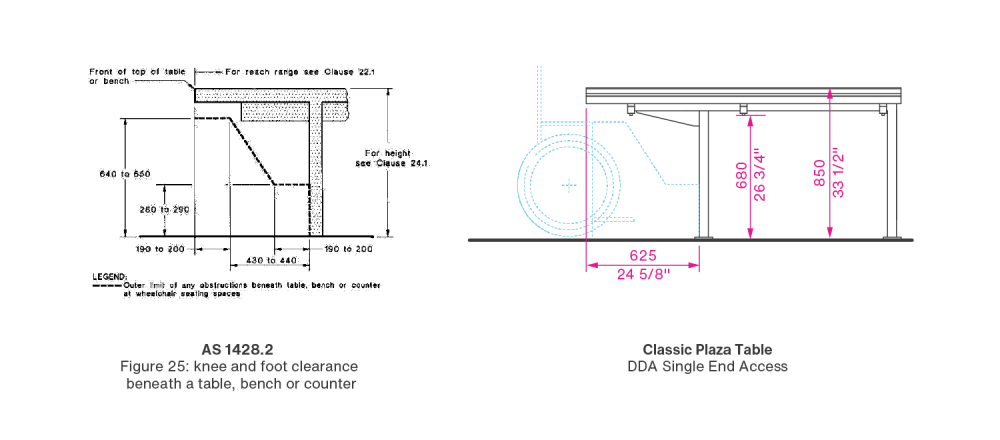
DDA tables, on the other hand, are centred around wheelchair accessibility, providing a traversable pathway, dedicated space and appropriate table height for wheelchair access.
Why alignment is not always possible?
As DDA Tables and Seats respond to different accessibility requirements, they are not designed to function as matching sets.
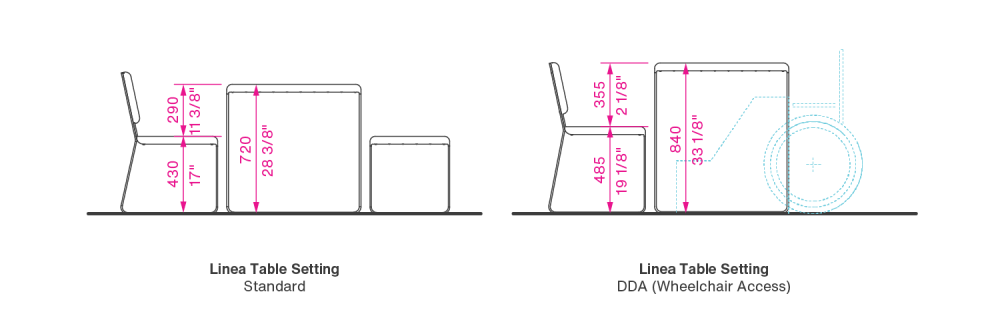
For example, a DDA table with elevated height for wheelchair clearance may not be a child-friendly height. While a DDA seat with armrests can greatly assist elderly users with getting up and sitting down safely, armrests are not recommended for DDA table settings as they can impede wheelchair access.
Choosing seating and table combinations
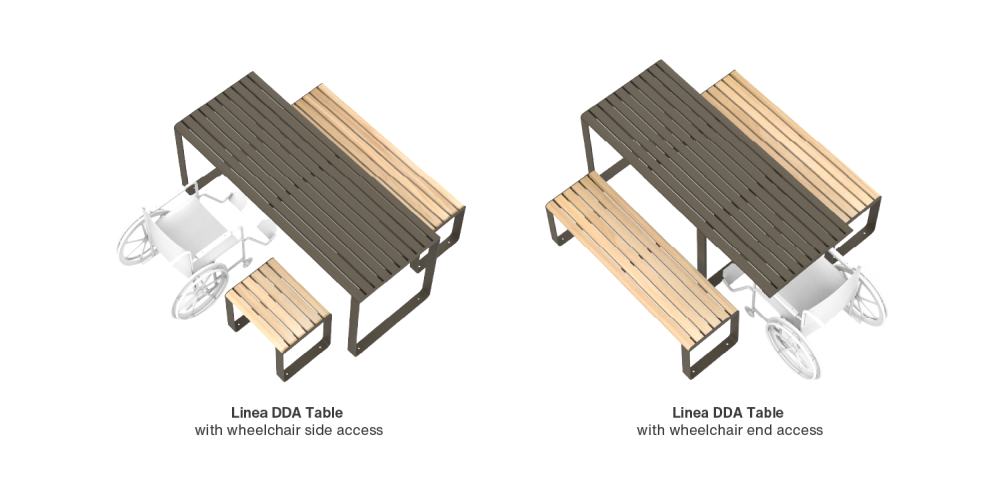
When specifying picnic settings, DDA tables are typically paired with seats or benches featuring taller legs and no armrests, rather than standard DDA seating. This ensures both accessibility and functional clearance are maintained.
For example, Linea DDA Table can be matched with Linea Seat or Bench with tall legs to suit the taller DDA table height, and shorter lengths for ease of wheelchair access.
Another Street Furniture Australia product example is the Classic Plaza range. The Classic Plaza Standard or DDA Table can be paired with either the Classic Plaza DDA Seat or the Classic Plaza Seat or Bench with a tall leg option. The Classic Plaza DDA Seat features an accessible, upright posture that supports interaction and ease of sitting, while the tall-leg seat or bench option allows alignment with table heights and provides flexibility to meet different site requirements.
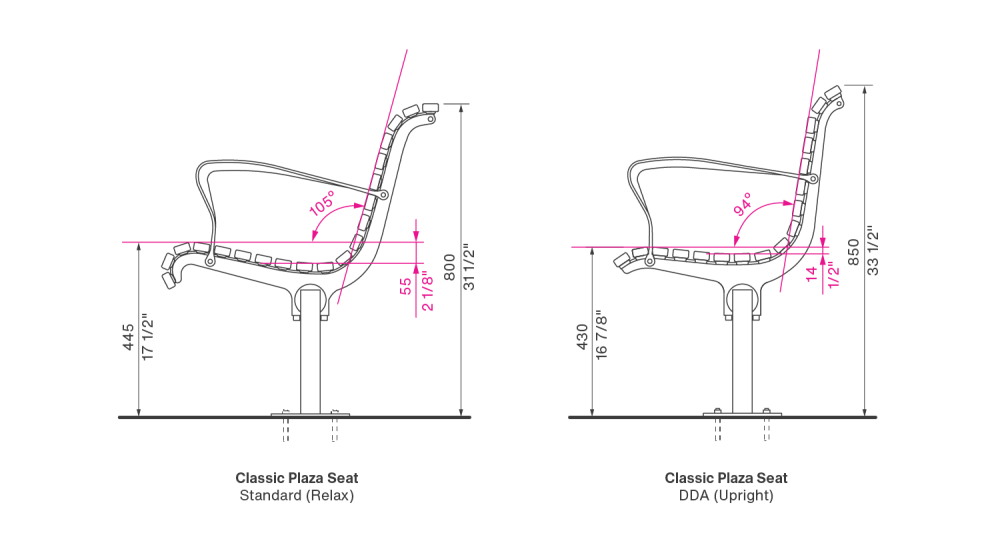
Further examples of DDA seating include Linea Seat, Aria Seat, Classic Plaza Seat, Classic Galleria Seat, Mall Seat, Park Seat and Concourse Seat. DDA tables include Linea Table, Classic Plaza Table, Classic Galleria Table, Mall Table, Park Table and the Aria Table.
For more guidance on applying DDA to seats and tables, and balancing AS1428.2 with comfort, see How to Apply DDA to Street Furniture: Seats and Tables.
For related StreetChat articles around DDA, see Tips for street furniture accessibility from Architecture & Access (Published 2023)
References
- Australian Disability Discrimination Act 1992 (DDA)
- AS 1428.2, available for purchase.
- The 7 Principles of Universal Design, North Carolina State University
- Building For Everyone Series, Centre for Excellence in Universal Design
- Americans with Disabilities Act Accessibility Guidelines, US Access Board
-
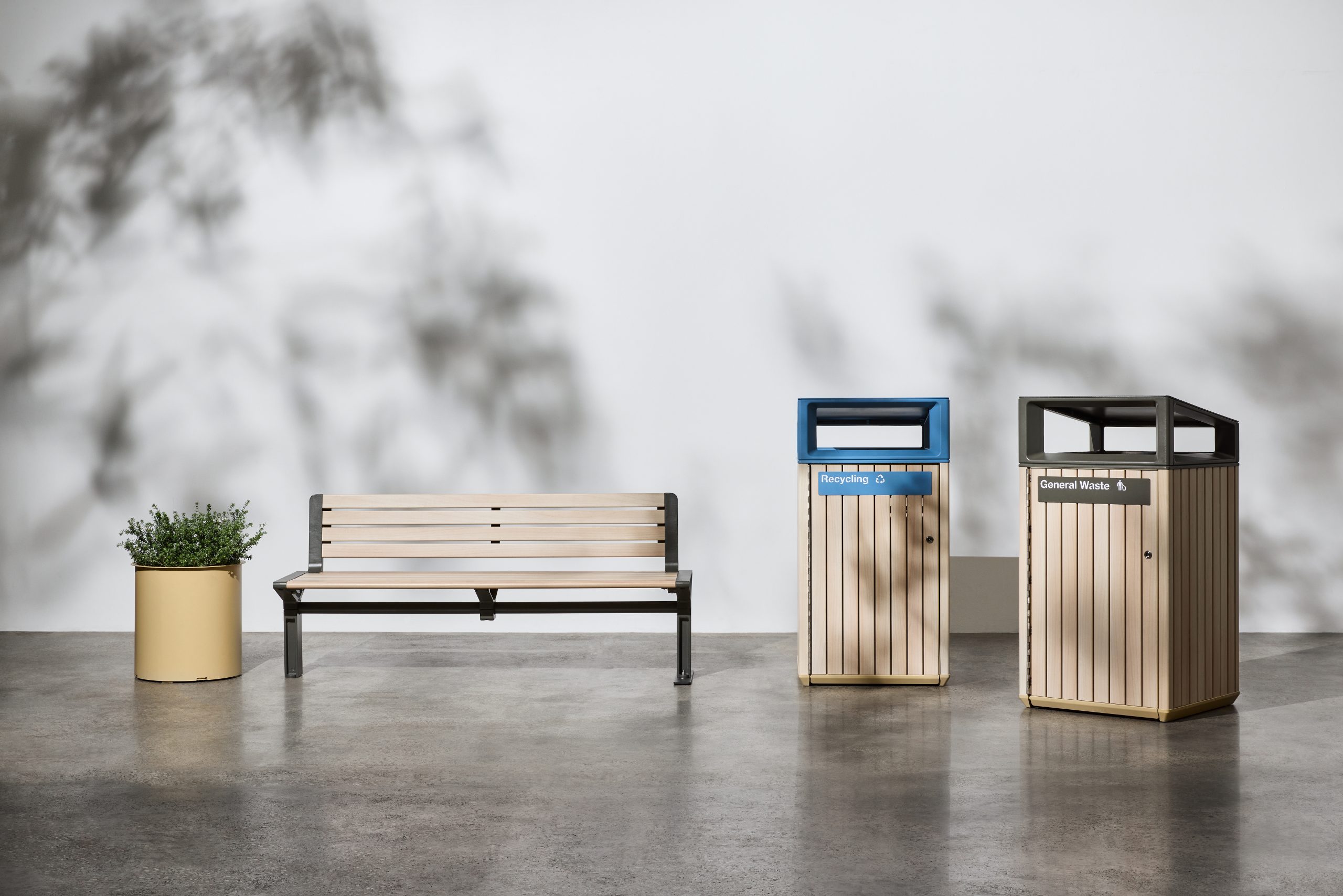
Introducing Aria Bin: Make it yours
A modular, interchangeable, and customisable litter solution designed to elevate public spaces and simplify maintenance. Read More
-
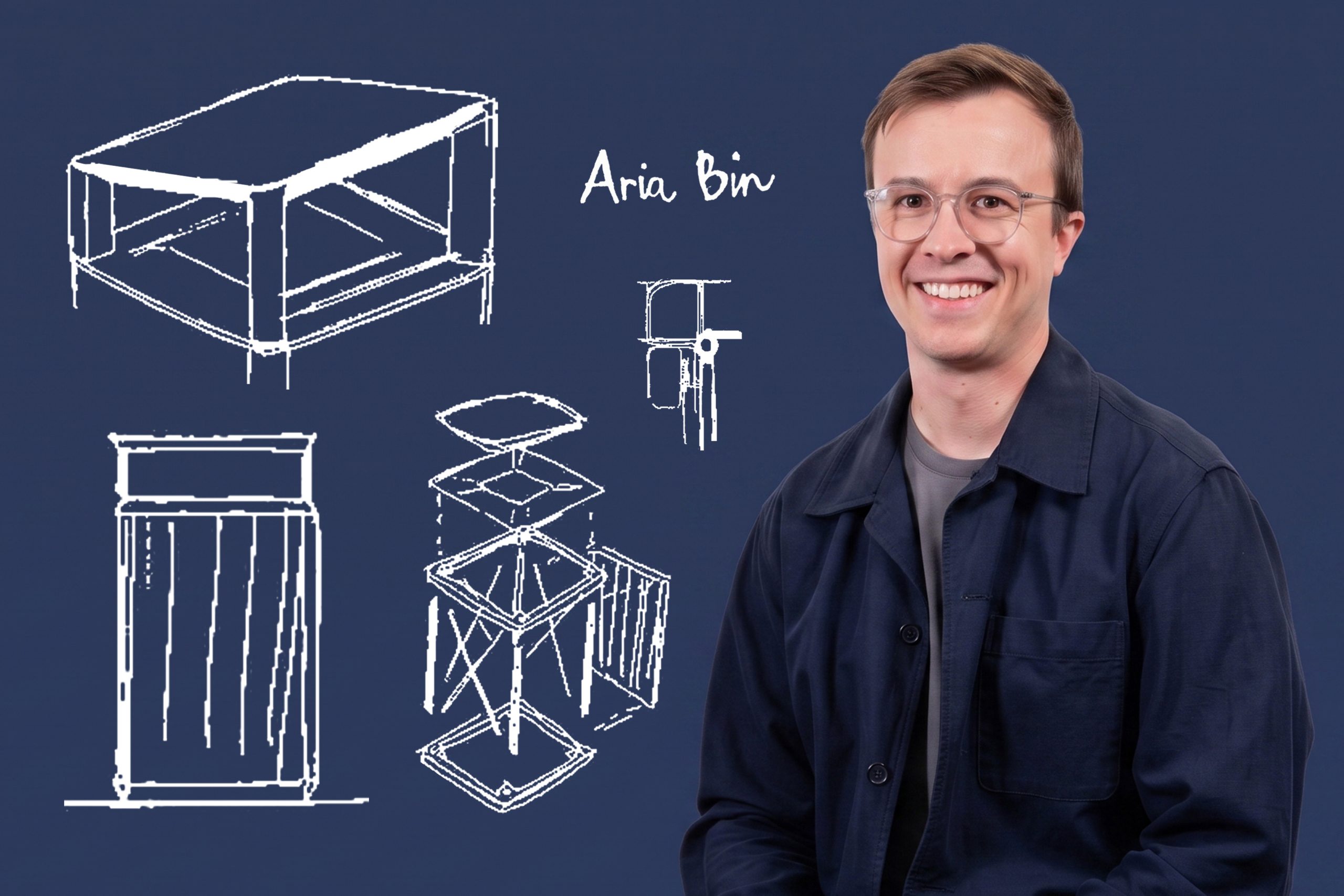
The design story behind Aria Bin
By Francis McArdle, Lead Designer of Aria Bin. There may be no piece of public infrastructure more overused and underappreciated than the humble bin. A basic necessity in... Read More
-
Should heat be regulated?
What if cities regulated heat like fire and flooding? ASLA explores how thermal performance could become a standard part of urban design. Read More
-
GreenScapes 2026: Did Queensland’s newest landscape industry show deliver?
Explore highlights from GreenScapes 2026 as Street Furniture Australia reflects on QLD’s new landscaping and design industry show. Read More
-
What are Tiny Forests and why is everyone planting them?
From Melbourne to Perth, Tiny Forests are turning underused spaces into dense pockets of native bushland for wildlife, biodiversity and community. Read More
-
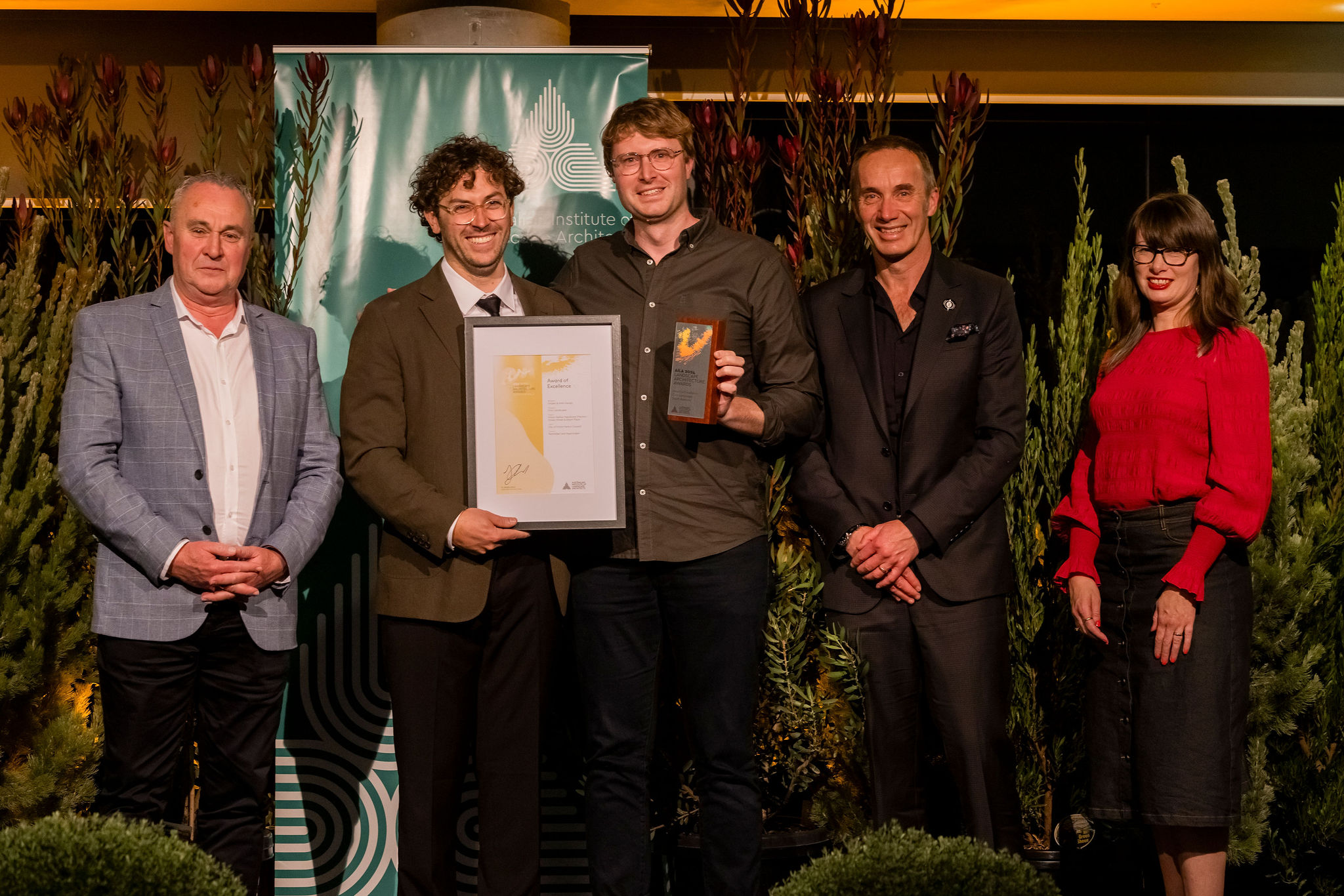
AILA Chapter Awards 2026: Seven Cities, Seven Nights
Join Street Furniture Australia, Presenting Partner of the 2026 AILA Chapter Awards, as we celebrate Australian landscape architecture across seven cities and seven nights. Read More
-
Designing for Parkinson’s: An award winning garden
Arit Anderson's garden for Parkinson’s UK, uses wide stone paths, night lights, and water features to support people living with Parkinson's. Read More