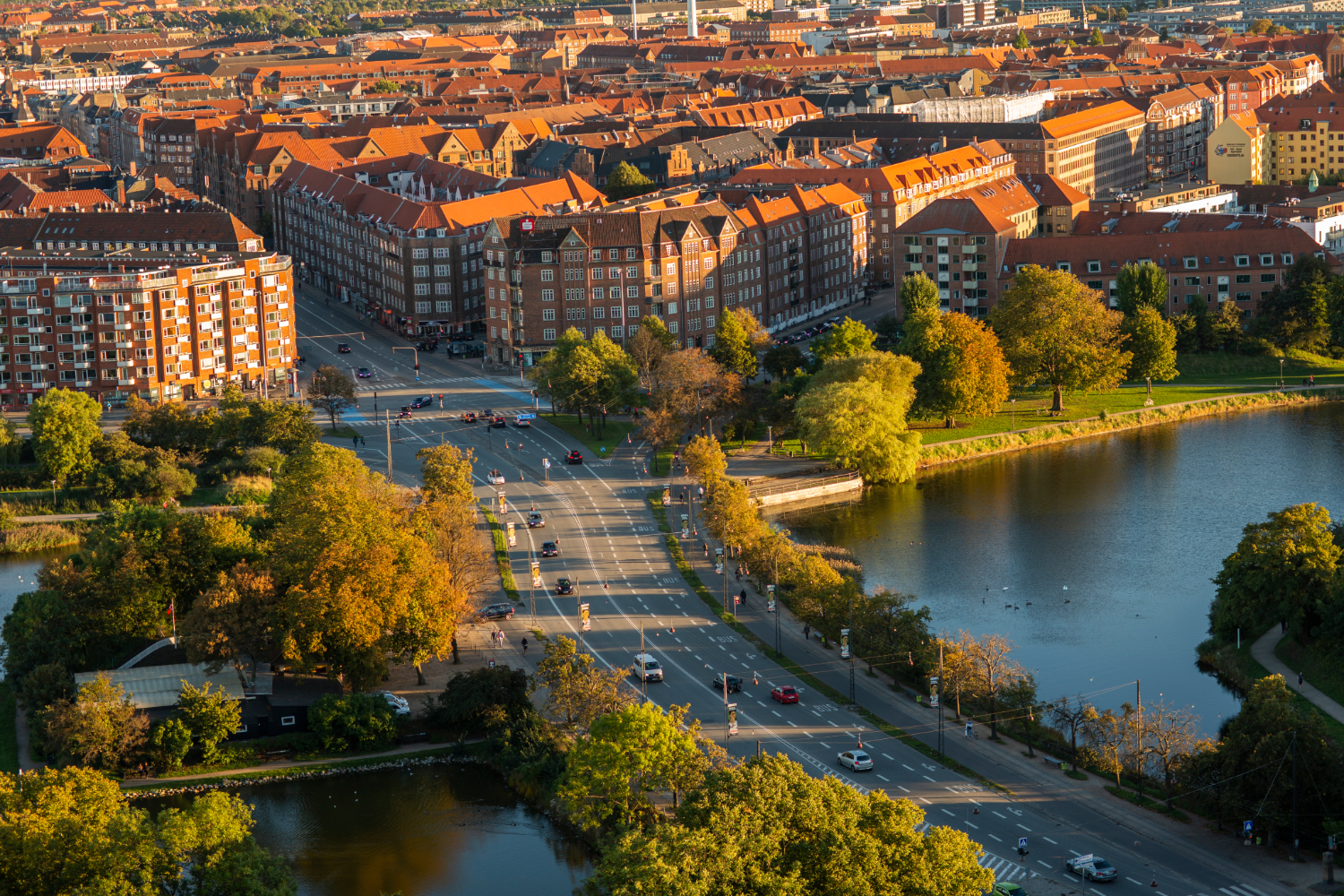
Low-lying cities like Copenhagen are becoming spongy
Upcoming Events
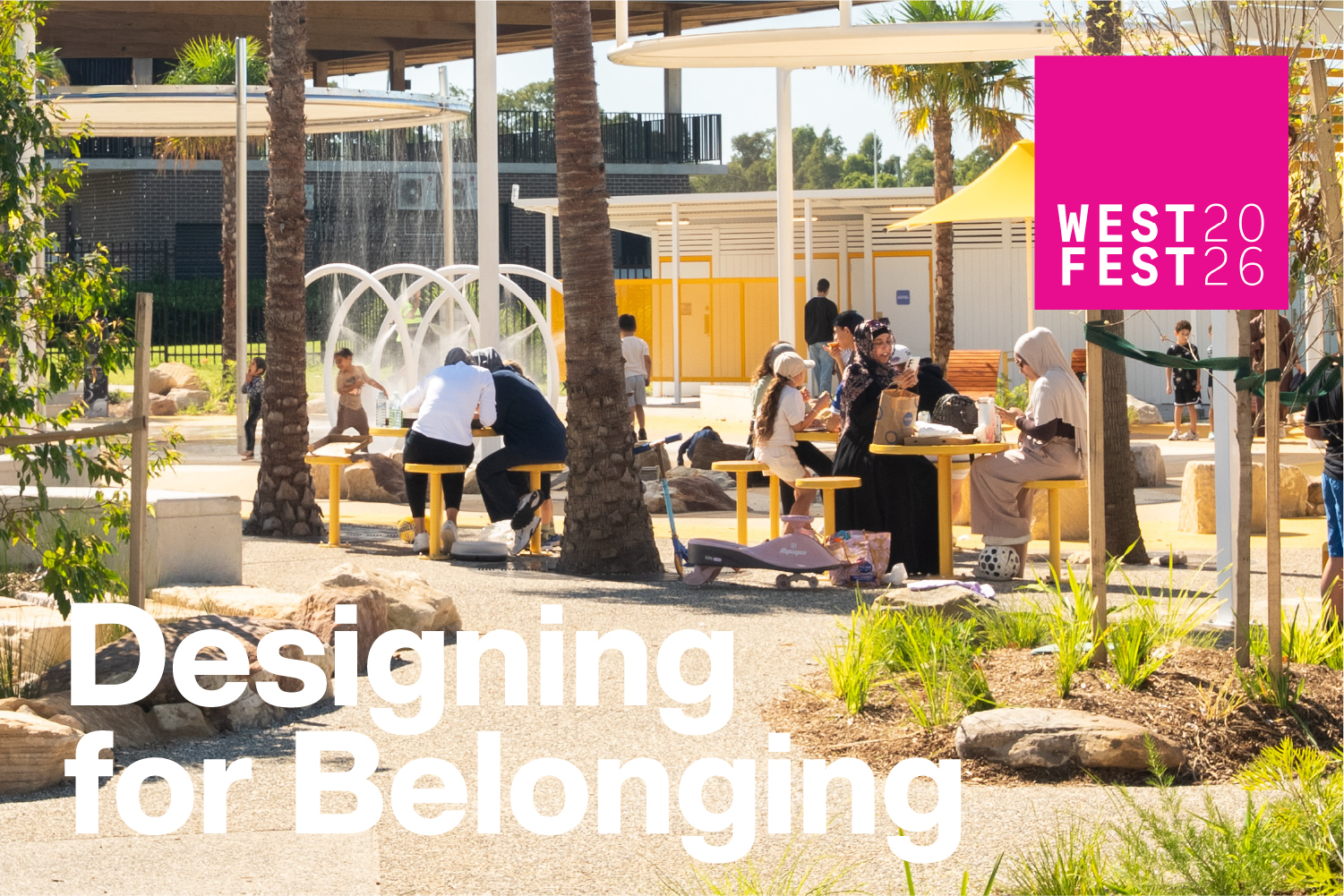
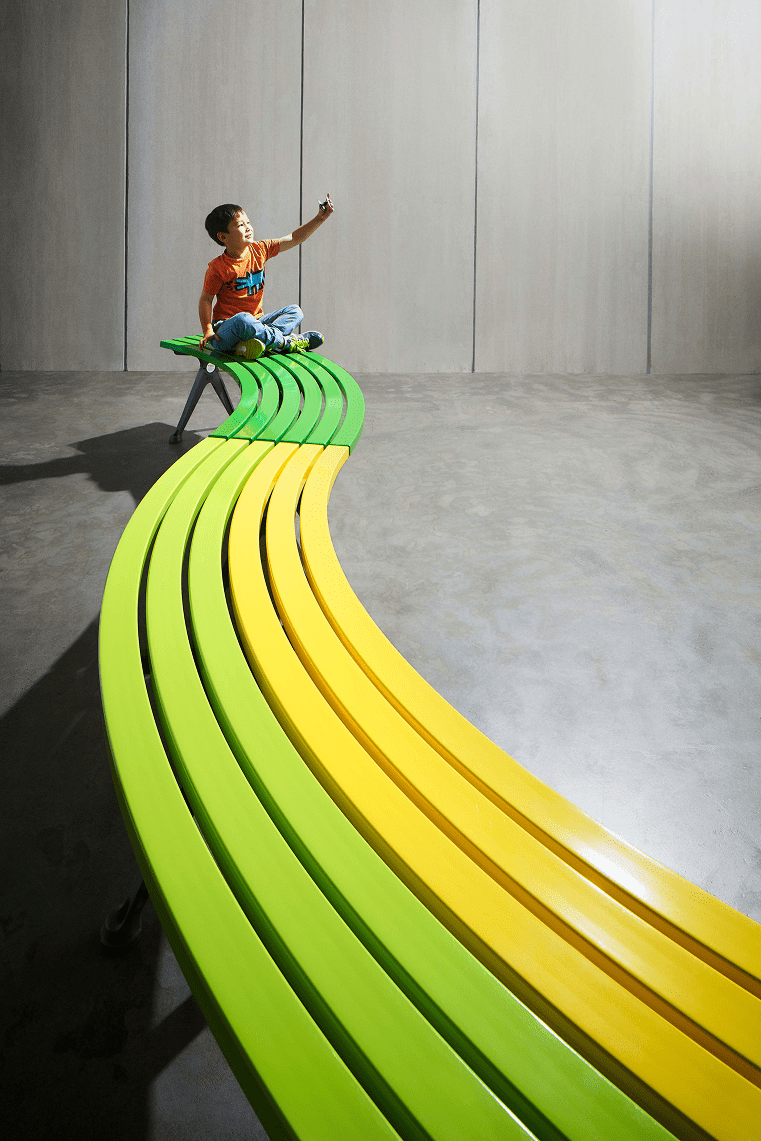
Join us for West Fest 2026: Designing in Belonging
A half-day knowledge exchange hearing from local built environment experts on fostering a sense of belonging in an increasingly dense, digital society.
Read more

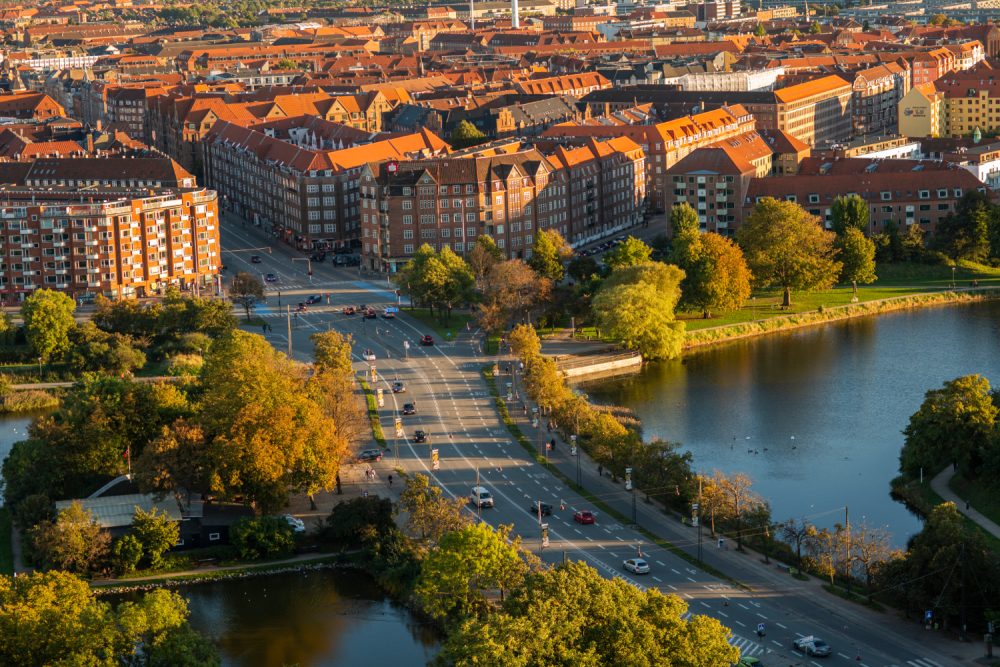
Cities all over the world are recognising the need to adapt to the reality of climate change and rising sea levels. While traditional concrete solutions are no longer sufficient, the challenge is not how to fight water but how to work with it.
A recent article by Yale Environment 360 highlights that the shift in Copenhagen is already underway. Following a devastating flood in 2011, the city changed its approach to stormwater through the adoption of Sponge City principles, transforming its urban fabric into a nature-based, water-responsive systems.
Rather than relying solely on concrete barriers and underground pipes, Copenhagen has introduced a distributed network of green and blue infrastructure. Parks, wetlands, lakes, and bioswales are designed to slow, store, and redirect rainwater during extreme weather events, creating a more sustainable drainage system.
Beyond flood mitigation, these interventions bring broader benefits. Public spaces are reshaped into greener, more liveable environments, supporting biodiversity while also providing cooling relief during warmer months.
The results are already measurable, with flood risk in key areas reduced by 30–50 percent. Yet the approach is not without limitations. In dense urban centres, space constraints and costs can challenge implementation, and some argue these systems are less effective during extreme rainfall events.
First introduced in 2013 by Yu Kongjian, the Sponge City concept continues to gain traction globally. While not a singular solution, it provides an alternative to continued reliance on traditional concrete barriers and sewage systems.
Read the full article about Copenhagen in Yale Environment 360.
-
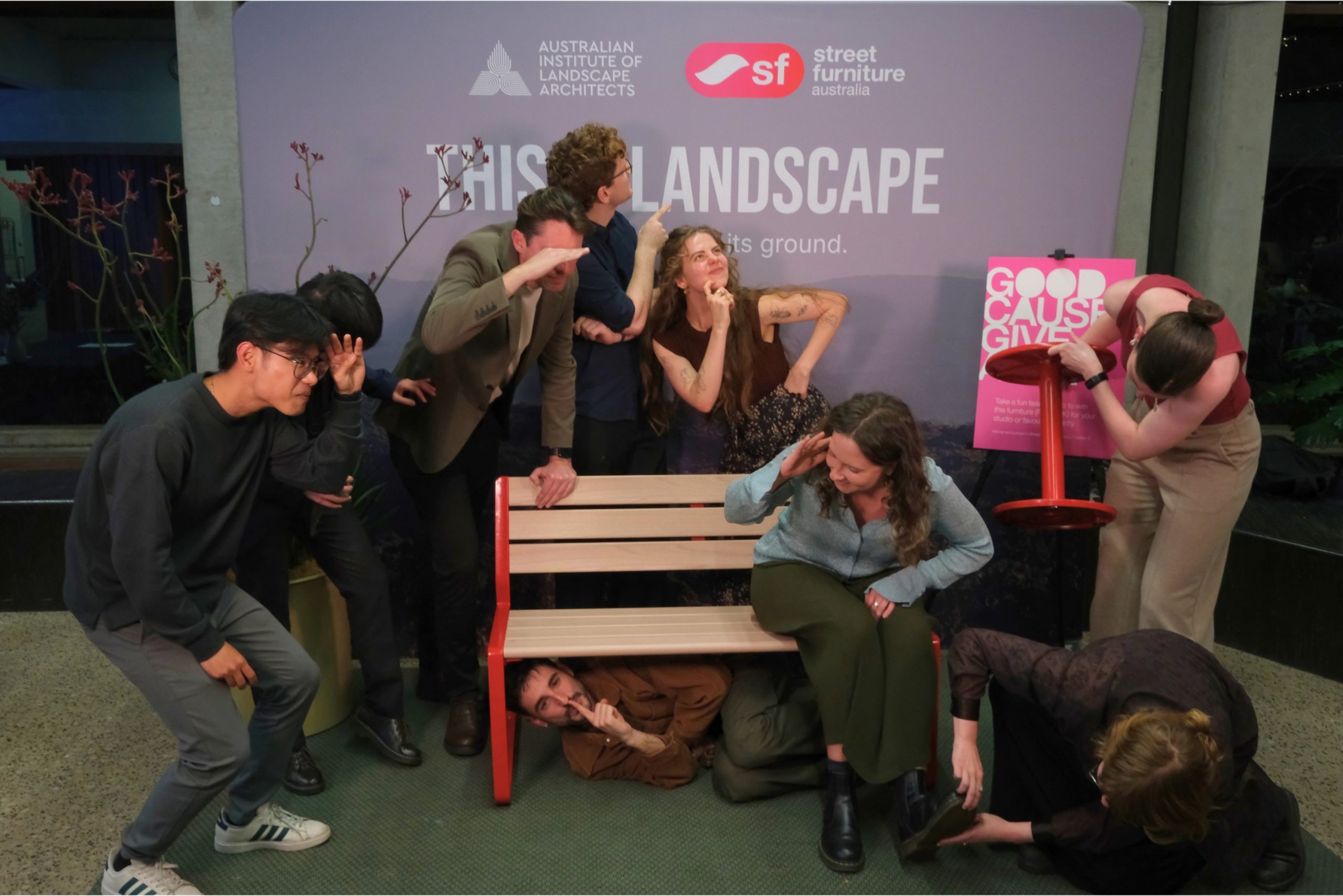
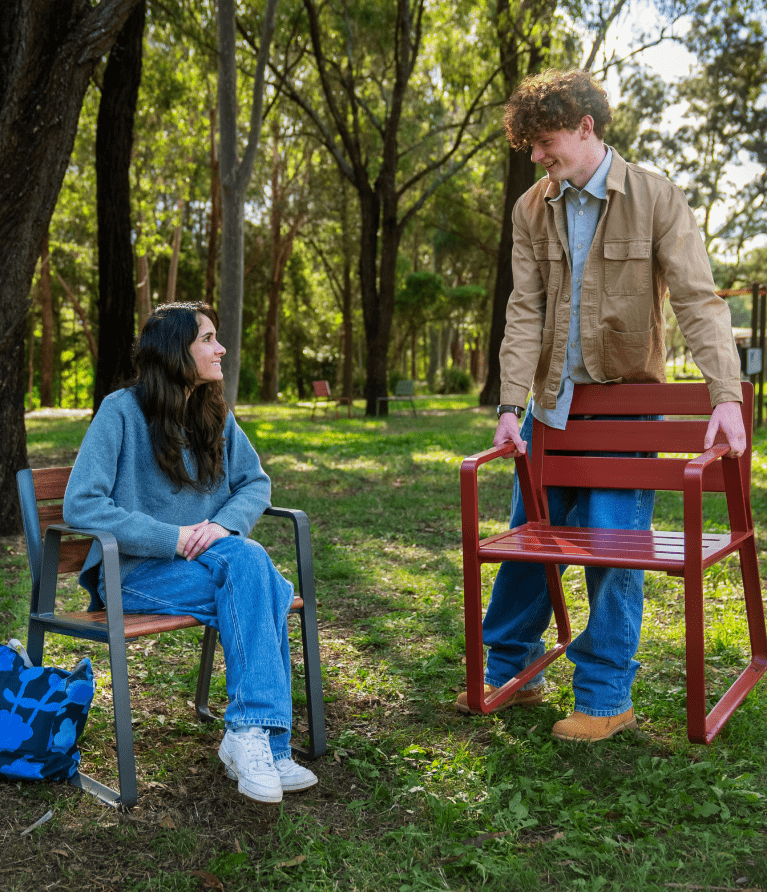
2026 AILA Awards: Good Cause Giveaway
See highlights of all the outstanding creative photos from the 2026 AILA Awards Good Cause Giveaway, and discover which studio team won over 3k worth of furniture for... Read More
-
Join us for West Fest 2026: Designing in Belonging
A half-day knowledge exchange hearing from local built environment experts on fostering a sense of belonging in an increasingly dense, digital society. Read More
-
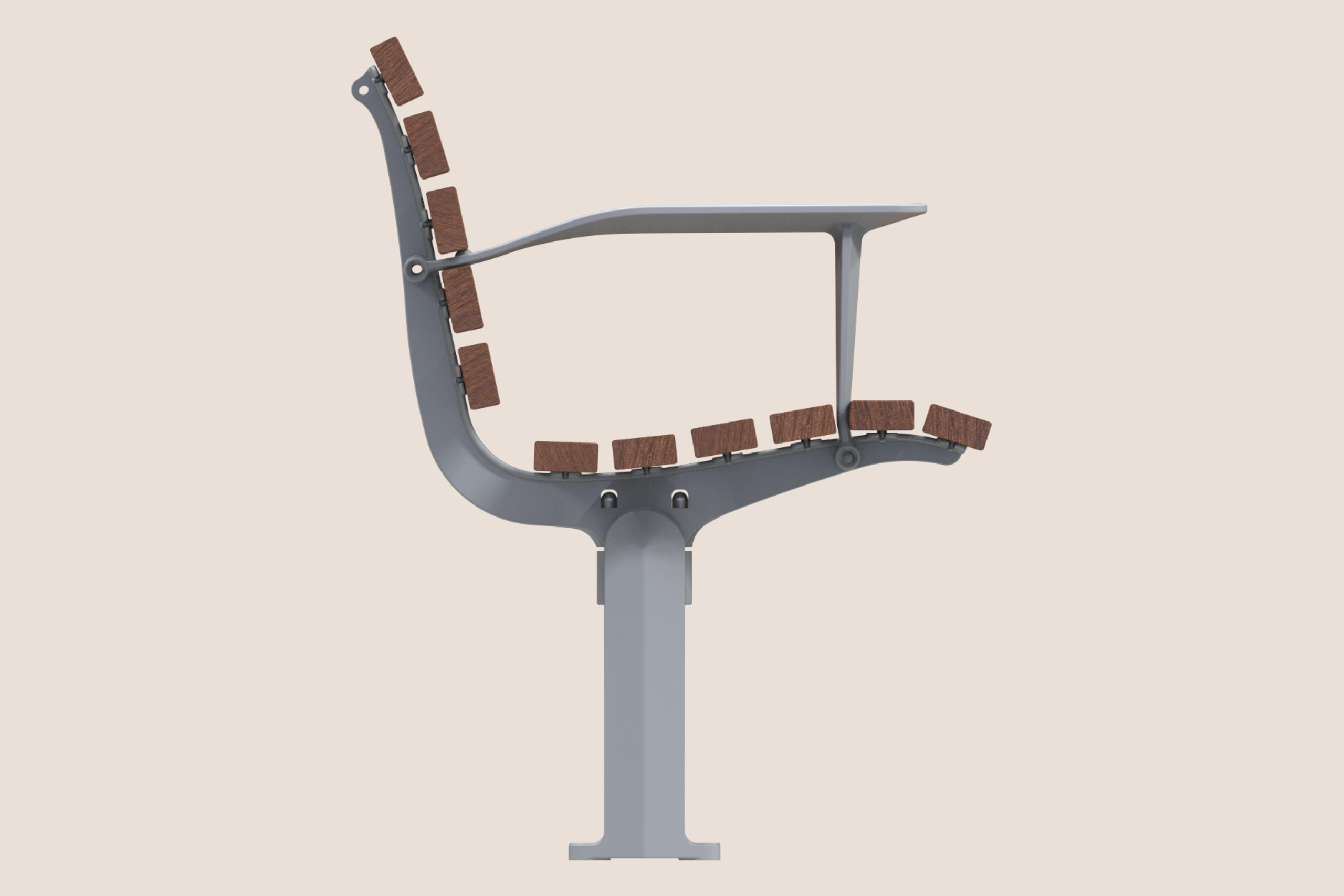
Introducing the new Pillar Leg
Street Furniture Australia’s new Pillar Leg is slimmer but sturdier. Discover what goes into a furniture leg, from fixing and accessibility to design. Read More
-
14th Street Y: From active space to community
How did a quiet gym lobby bring together 420+ locals? Learn how 14th Street Y uses social infrastructure and cheap coffee to build community. Read More
-
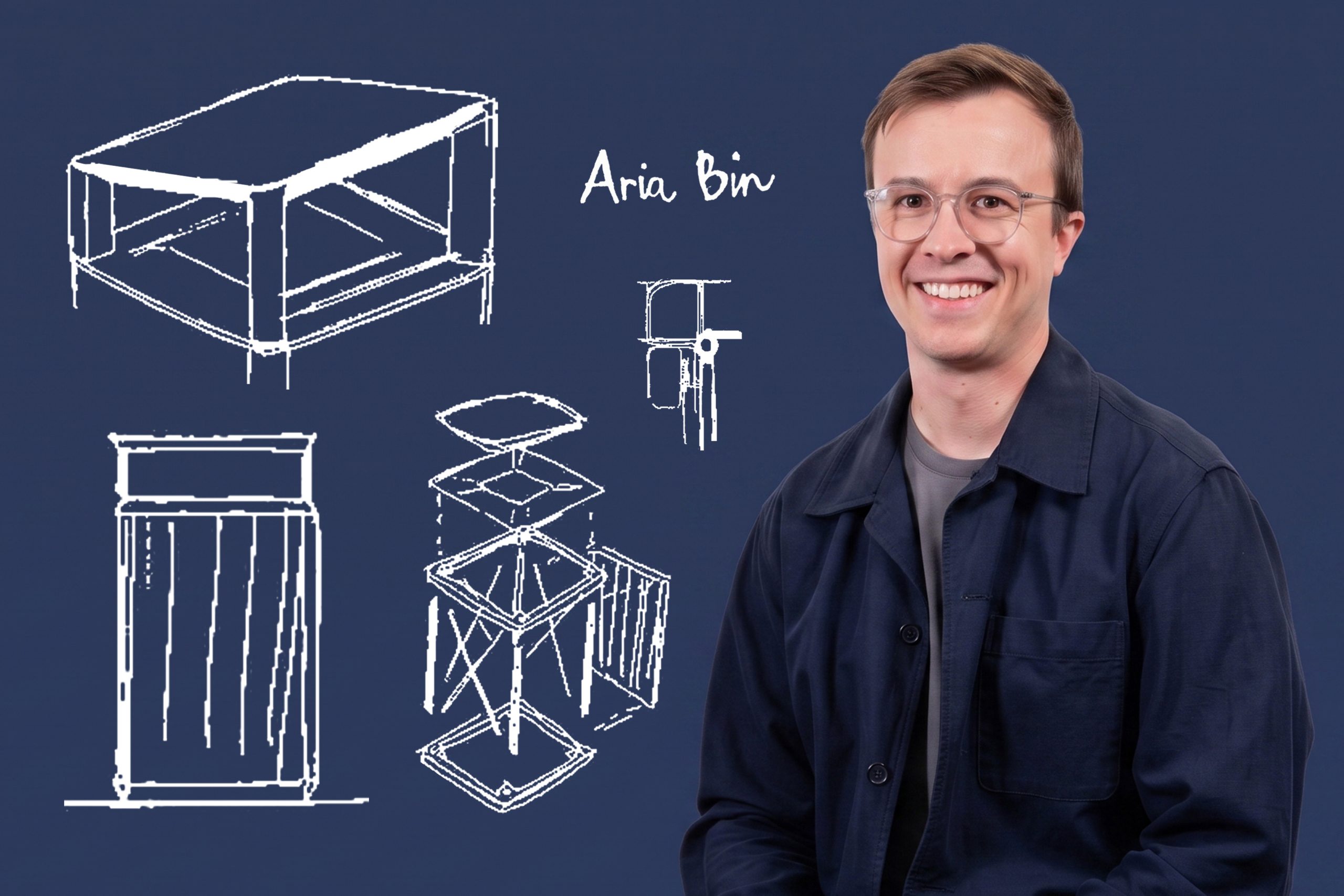
The design story behind Aria Bin
By Francis McArdle, Lead Designer of Aria Bin. There may be no piece of public infrastructure more overused and underappreciated than the humble bin. A basic necessity in... Read More
-
Should heat be regulated?
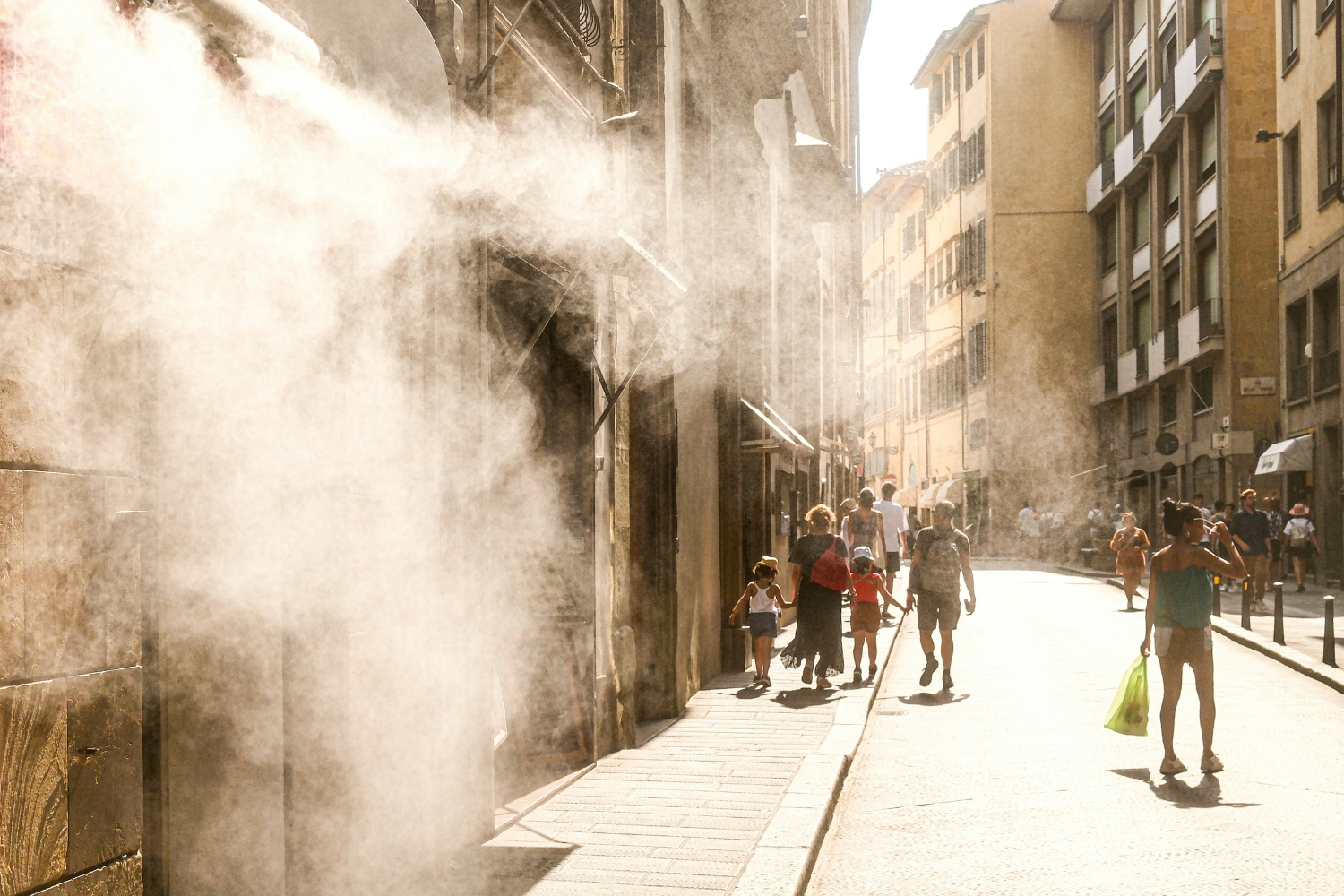
What if cities regulated heat like fire and flooding? ASLA explores how thermal performance could become a standard part of urban design. Read More