More trees don’t always mean cooler cities
Upcoming Events
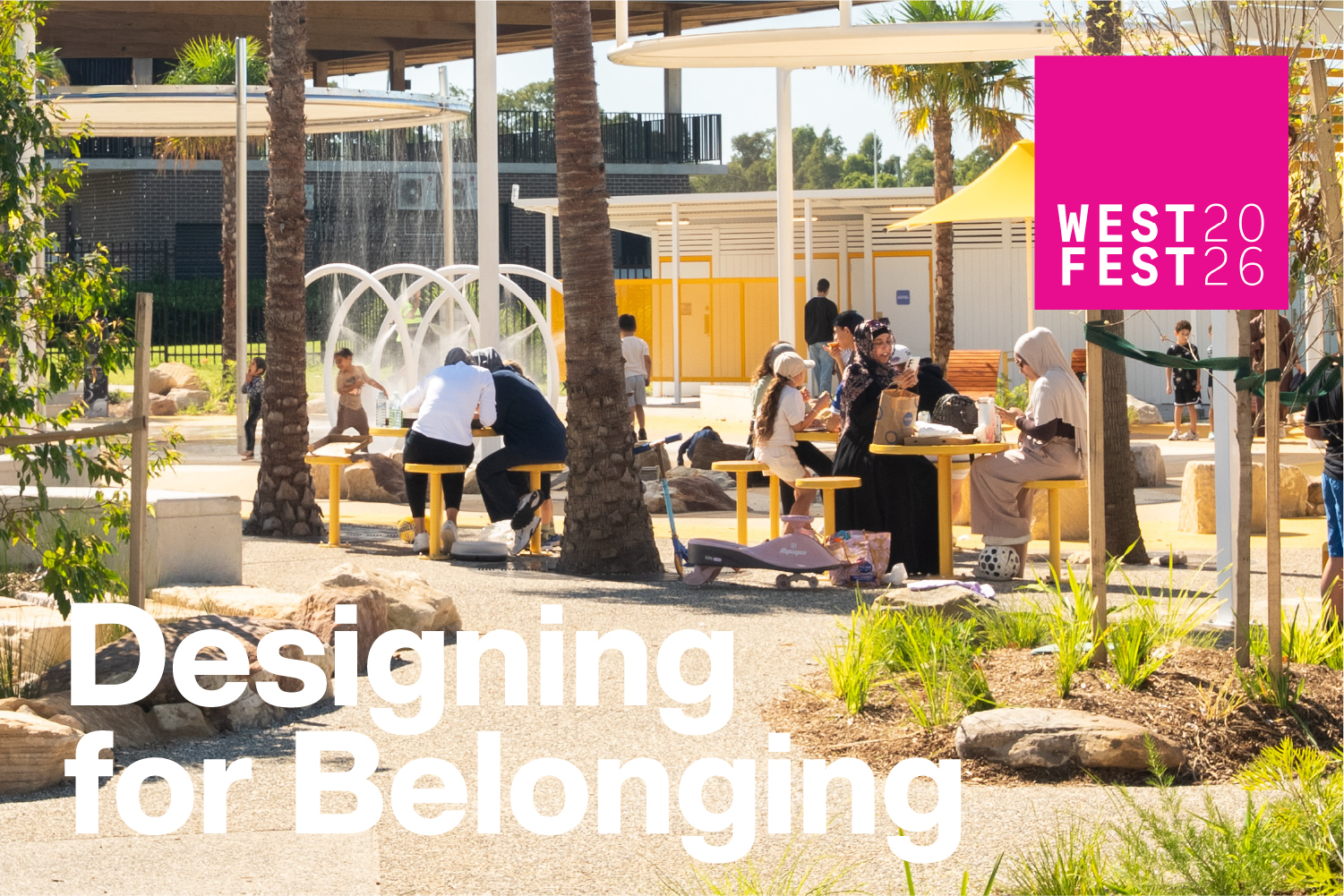
Join us for West Fest 2026: Designing in Belonging
A half-day knowledge exchange hearing from local built environment experts on fostering a sense of belonging in an increasingly dense, digital society.
Read more

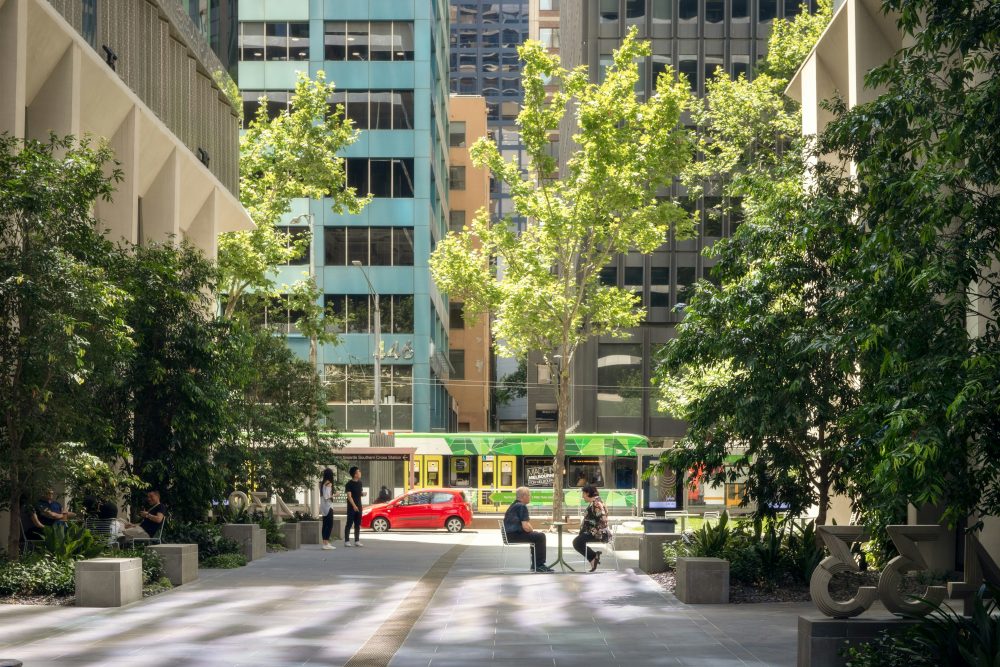
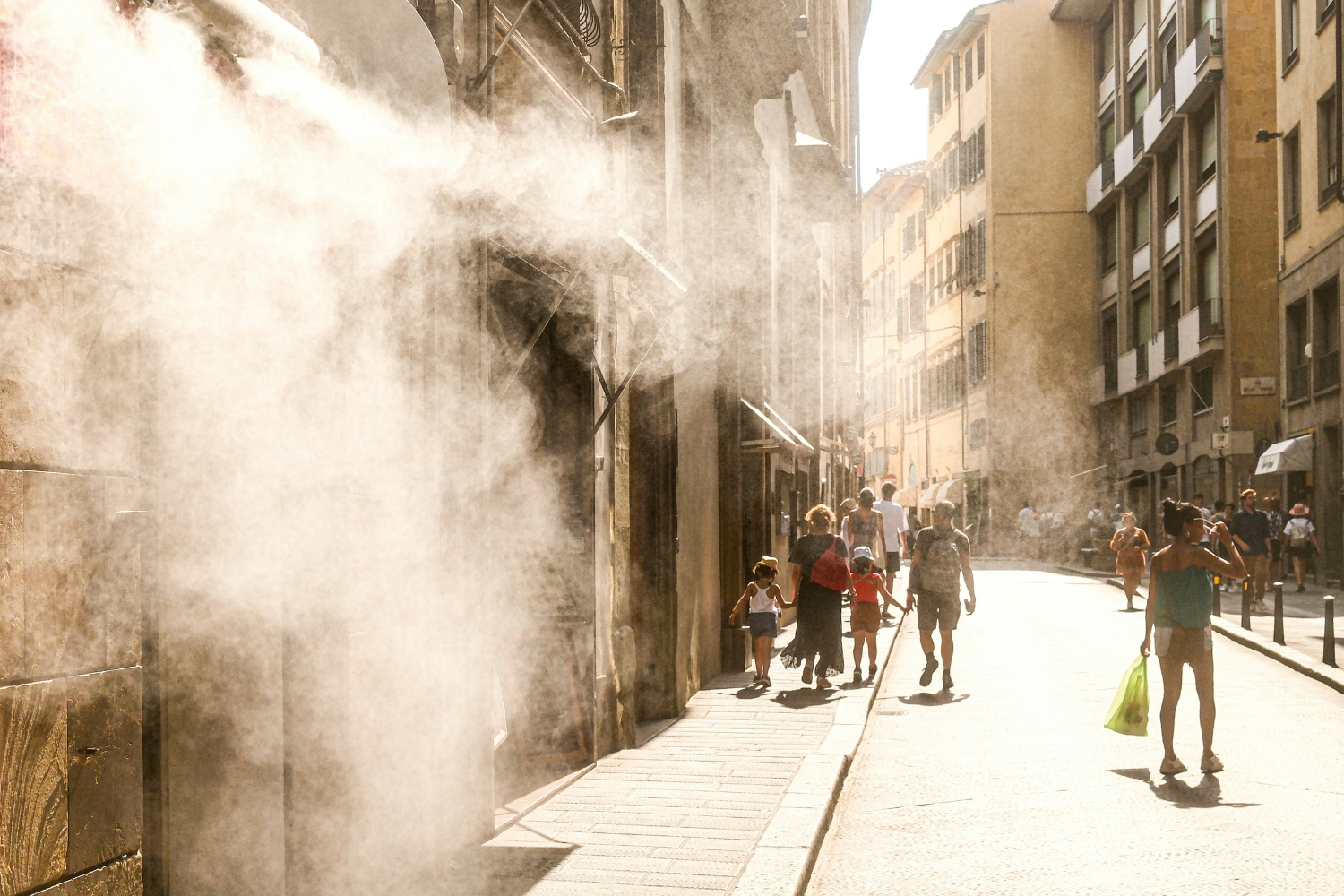
The urban heat island effect combined with climate change is making cities around the world hotter. One response has been to plant more trees, but a new report in The Conversation looks at research from Melbourne, Munich and Hong Kong that suggests a ‘one size fits all’ approach doesn’t work.
The research took place over summer in the three cities. Open streets with no vegetation were compared with streets containing only trees, and streets with trees, shrubs, and ground cover. Researchers found that while trees bring shade, depending on the climate of the city, sometimes shrubs and ground cover either added a cooling effect, or trapped humidity and restricted air flow.
In temperate Melbourne, adding trees reduced radiant heat by as much as 18°C. In cooler Munich, layered planting lowered afternoon heat by up to 8°C. In subtropical Hong Kong, however, dense vegetation sometimes increased humidity, reducing the overall cooling effect. Dense planting can also slow the dispersal of exhaust pollution in narrow streets, potentially affecting pedestrian comfort. These findings highlight the importance of considering street width, climate and airflow when introducing trees and greenery into urban environments.
Rather than taking a generic approach, climate smart planting is the best way to create cooler, more comfortable cities around the world.
Read the full article here.
-
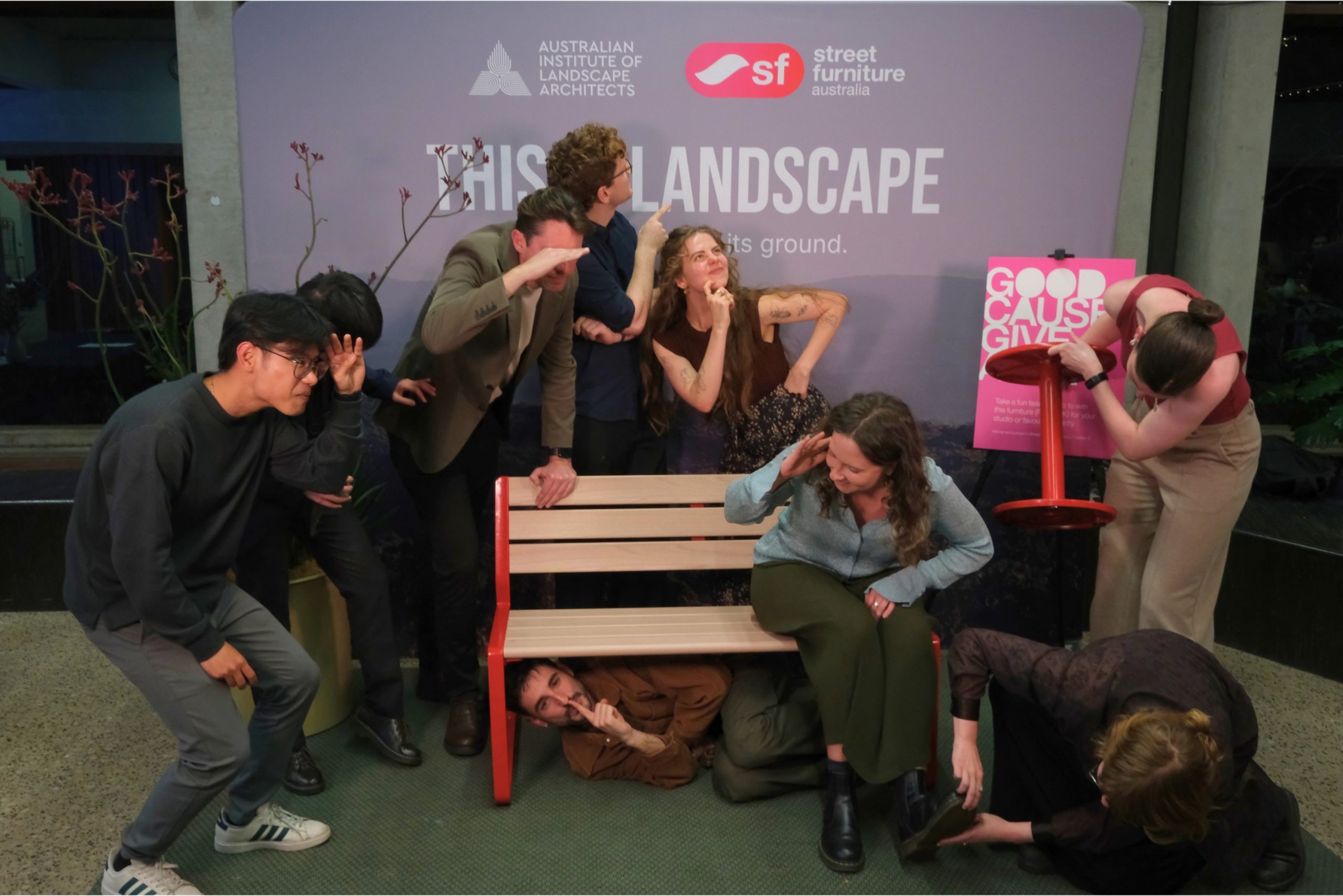
2026 AILA Awards: Good Cause Giveaway
See highlights of all the outstanding creative photos from the 2026 AILA Awards Good Cause Giveaway, and discover which studio team won over 3k worth of furniture for... Read More
-
Join us for West Fest 2026: Designing in Belonging
A half-day knowledge exchange hearing from local built environment experts on fostering a sense of belonging in an increasingly dense, digital society. Read More
-
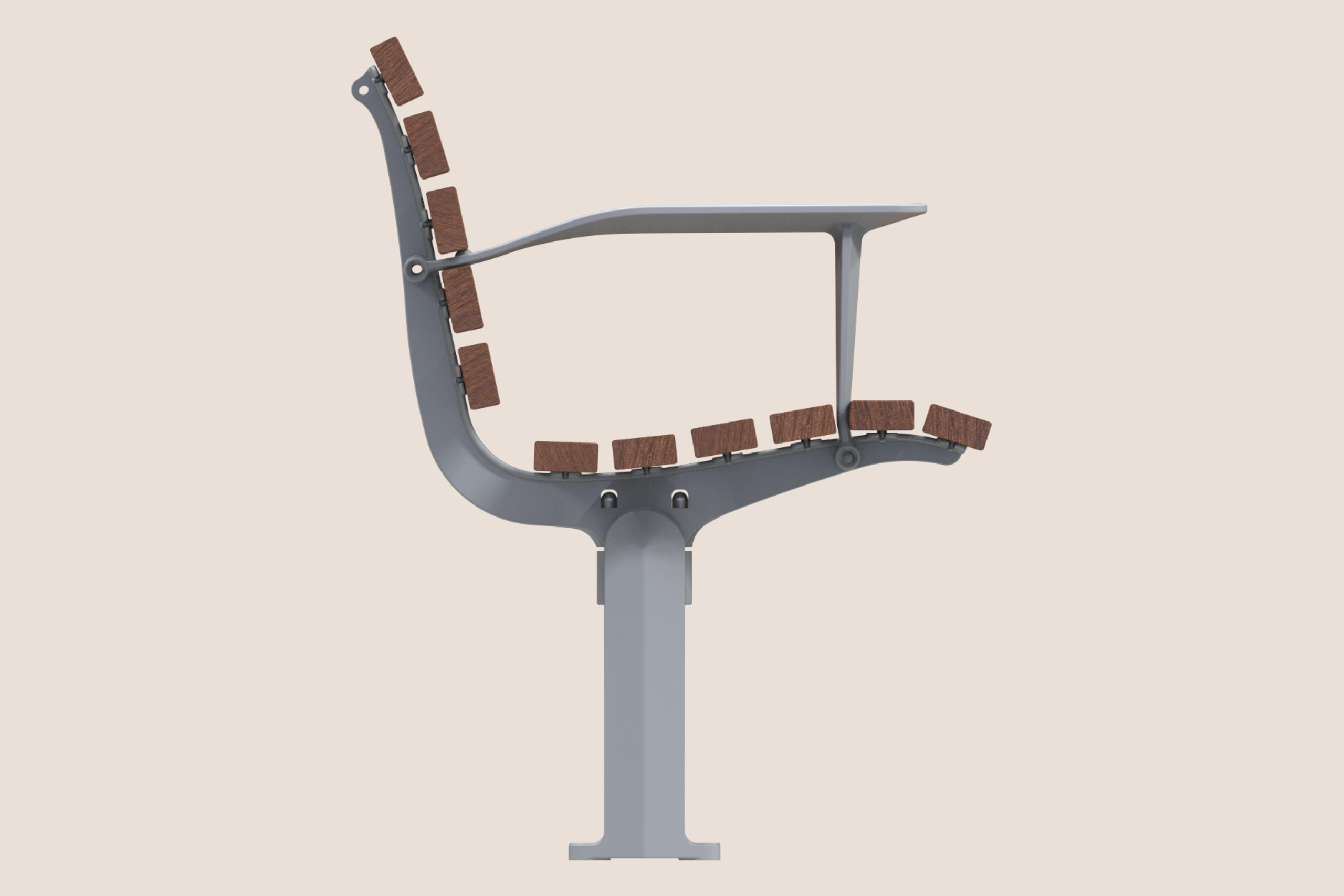
Introducing the new Pillar Leg
Street Furniture Australia’s new Pillar Leg is slimmer but sturdier. Discover what goes into a furniture leg, from fixing and accessibility to design. Read More
-
14th Street Y: From active space to community
How did a quiet gym lobby bring together 420+ locals? Learn how 14th Street Y uses social infrastructure and cheap coffee to build community. Read More
-
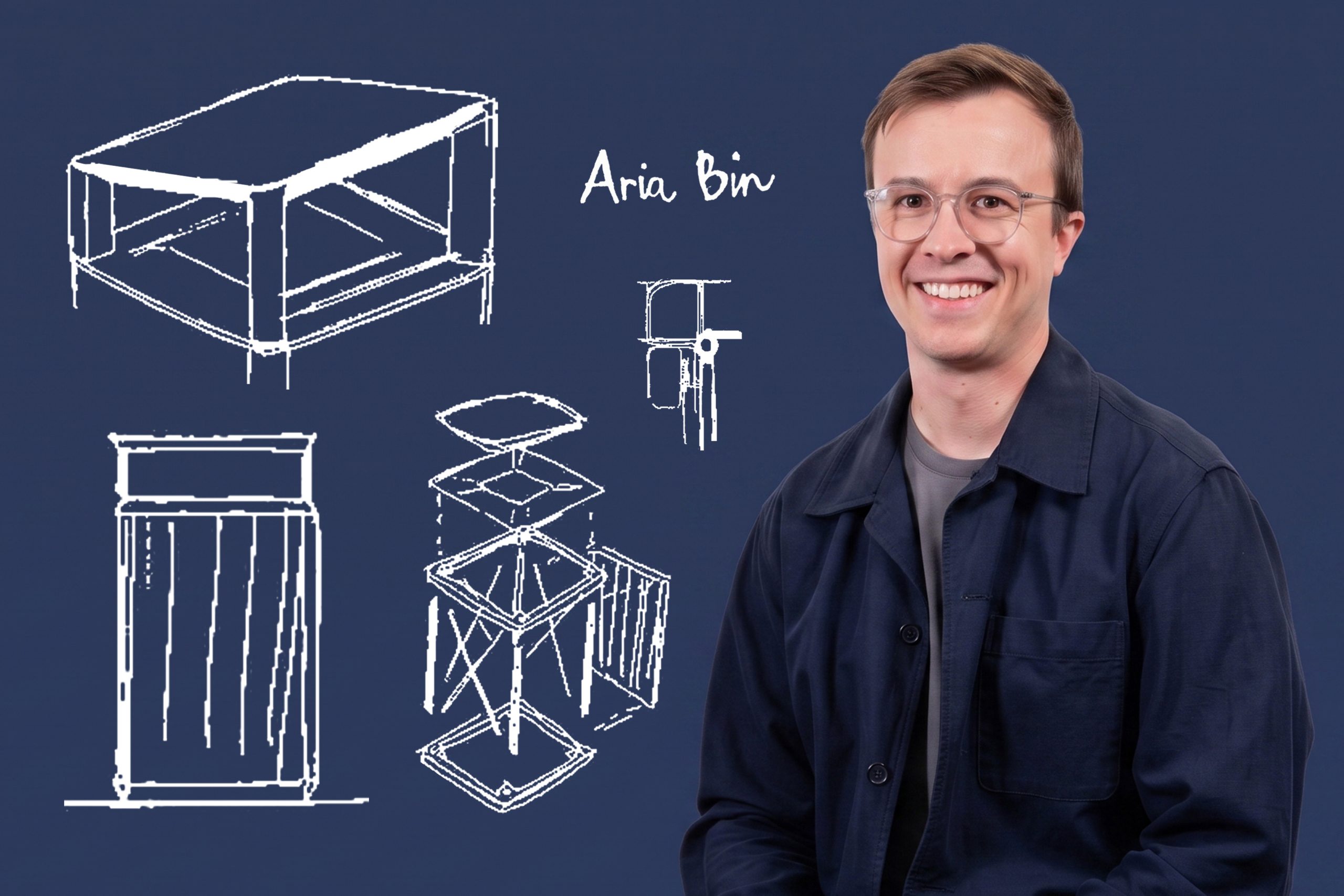
The design story behind Aria Bin
By Francis McArdle, Lead Designer of Aria Bin. There may be no piece of public infrastructure more overused and underappreciated than the humble bin. A basic necessity in... Read More
-
Should heat be regulated?
What if cities regulated heat like fire and flooding? ASLA explores how thermal performance could become a standard part of urban design. Read More