Trend Watch January 2024
Upcoming Events
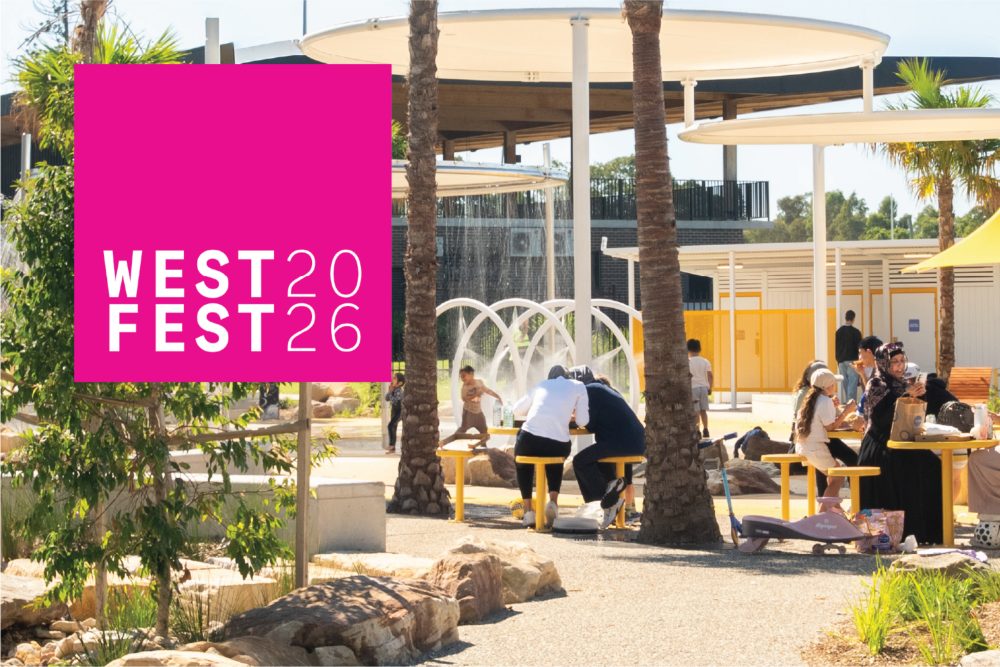
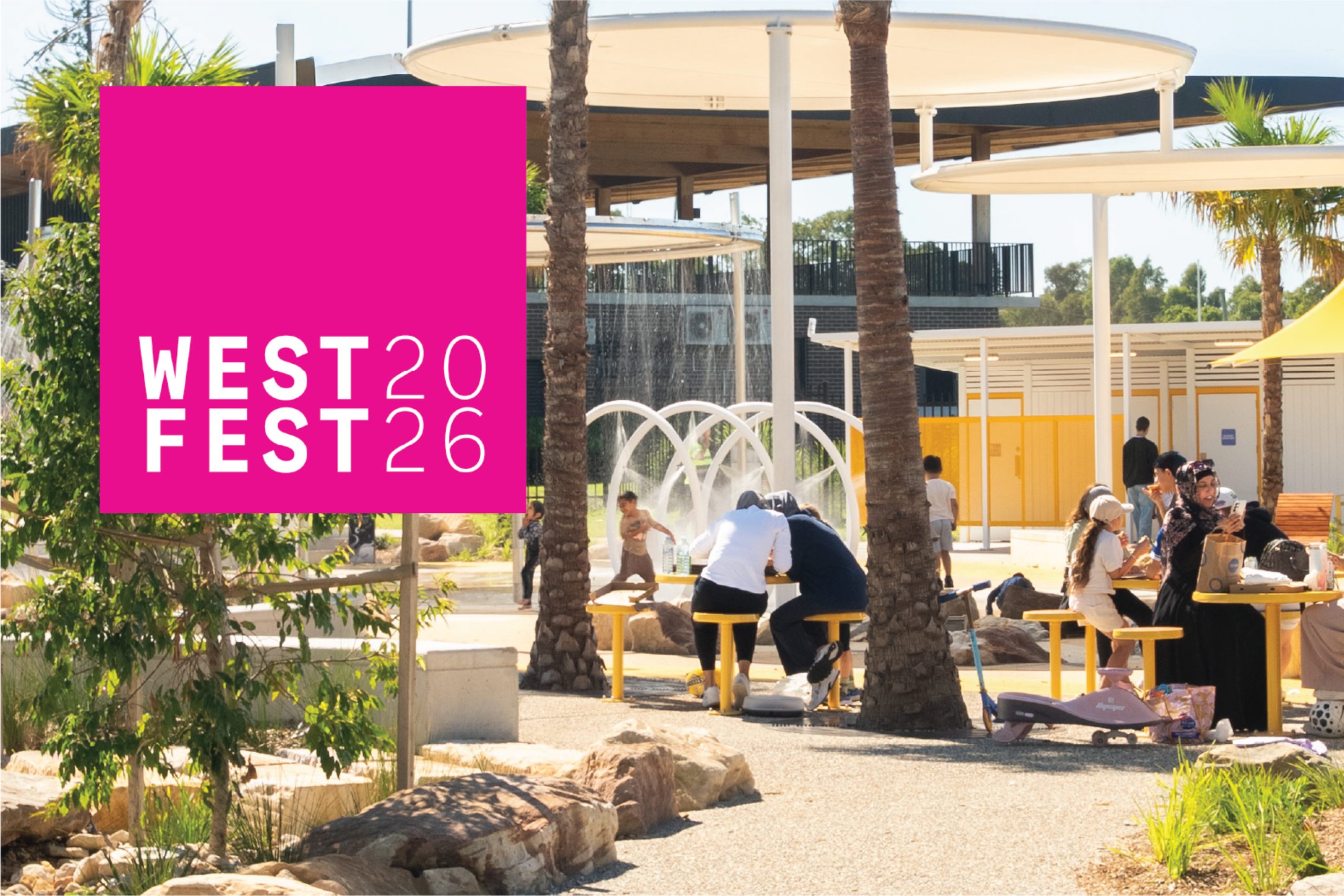
Join us for West Fest 2026: Designing in Belonging
A half-day knowledge exchange hearing from local built environment experts on fostering a sense of belonging in an increasingly dense, digital society.
Read more

Are yarning circles the new decal?
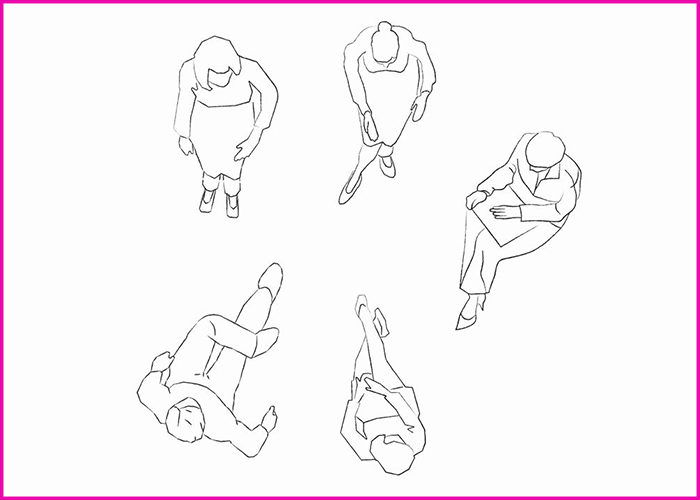
With requests for yarning circles becoming increasingly commonplace in design briefs, Carroll Go-Sam, Indigenous research fellow in the Aboriginal Environments Research Centre at the University of Queensland’s School of Architecture, writes on ArchitectureAU how they might be more meaningfully incorporated into projects.
In the early stages of a project design, she writes, a yarning circle concept is often supported by Indigenous engagement. “But, after the initial meeting and discussion, human-centred design, iterative development, empathetic accommodation, questioning and dialogue all stop, with the result that poor built examples outnumber good ones,” she said.
Go-Sam is concerned when yarning circles become “quasi-sacred zones of exclusion, set aside for one day a year during NAIDOC Week.”
She outlines five recommendations for designing a yarning circle. Read the article on ArchitectureAU.
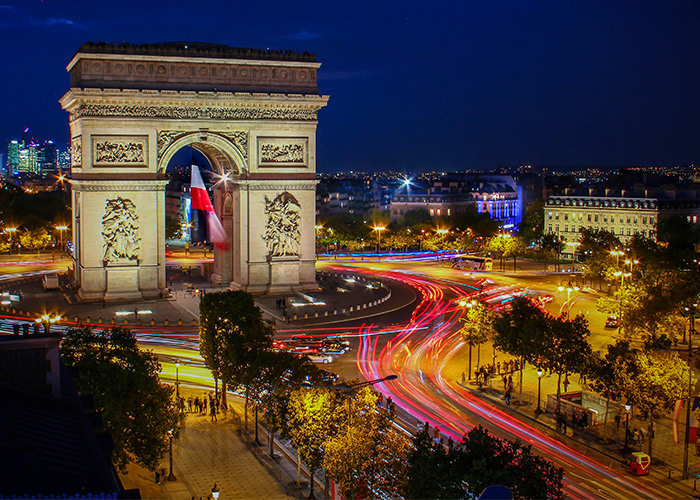
Bollards and ‘superblocks’: how Europe’s cities are turning on the car
European authorities are adopting varied approaches to reduce congestion and pollution, three writers report for The Guardian.
Jo Henley in Paris, Stephen Burgen in Barcelona and Lisa O’Carroll in Brussels describe the different approaches and why getting cars out of cities isn’t always easy.
Henley discusses how Paris has almost halved their cars, Burgen reports on Barcelona’s ‘superblocks’ and whether they’ve reduced traffic and Lisa O’Carroll shares the complexities of bureaucracy in Brussels.
Traffic reduction strategies vary from city to city and can include: congestion charges, parking restrictions and limited traffic zones to public transport and cycle lanes. The Guardian reporters said, “Evidence suggests that a combination of carrot and stick – and consultation – works best.”
Cars amount to 61% of pollution in Europe, though efforts to reduce them sparks a lot of resistance. This is especially with the older population, reports Henley, as cars are seen as more than a vehicle, symbolising success and personal freedom.
“In several cities, attempts to restrict car use have opened a new front in the culture wars,” he said.
In Paris, with cars almost halved, morning and evening rush hour sees more bikes on the road than cars. Henley reports, “Mayor Hidalgo has since sealed off famous streets such as the Rue de Rivoli to most traffic, created an expanding low-emission zone to exclude older cars, and established 1,000km (620 miles) of bike routes, 350km of them protected lanes.”
Since the early 1990s, Paris’s public transport use has risen by 30% and cycle use by about 1,000%.
Former Barcelona mayor Ada Colau championed superblocks, designed with residents’ input, to reduce traffic. Though Stephen Burgen reports, “The superblocks may be oases of quiet and clean air, but neither they, nor cutting nearly 4,000 parking spaces, nor a low-emission zone, nor increasing the city’s cycle lane network from 120km (75 miles) to 275km, have reduced the amount of traffic in the city.”
Lisa O’Carroll reports that Brussels has one of the worse reputations for cars in Europe but small steps – complicated she says by the structure of local government – have resulted in growing improvement. She said, “The city centre has long had a reputation for being gridlocked, despite the frequent bus, tram and metro services. But it is getting better. In 2017, cars represented 64% of all journeys within the city; by 2021 the figure had fallen below 50%.”
Read more about traffic reduction and statistics in Paris, Barcelona and Brussels.
Image: Florian Wehde on Unsplash.
-
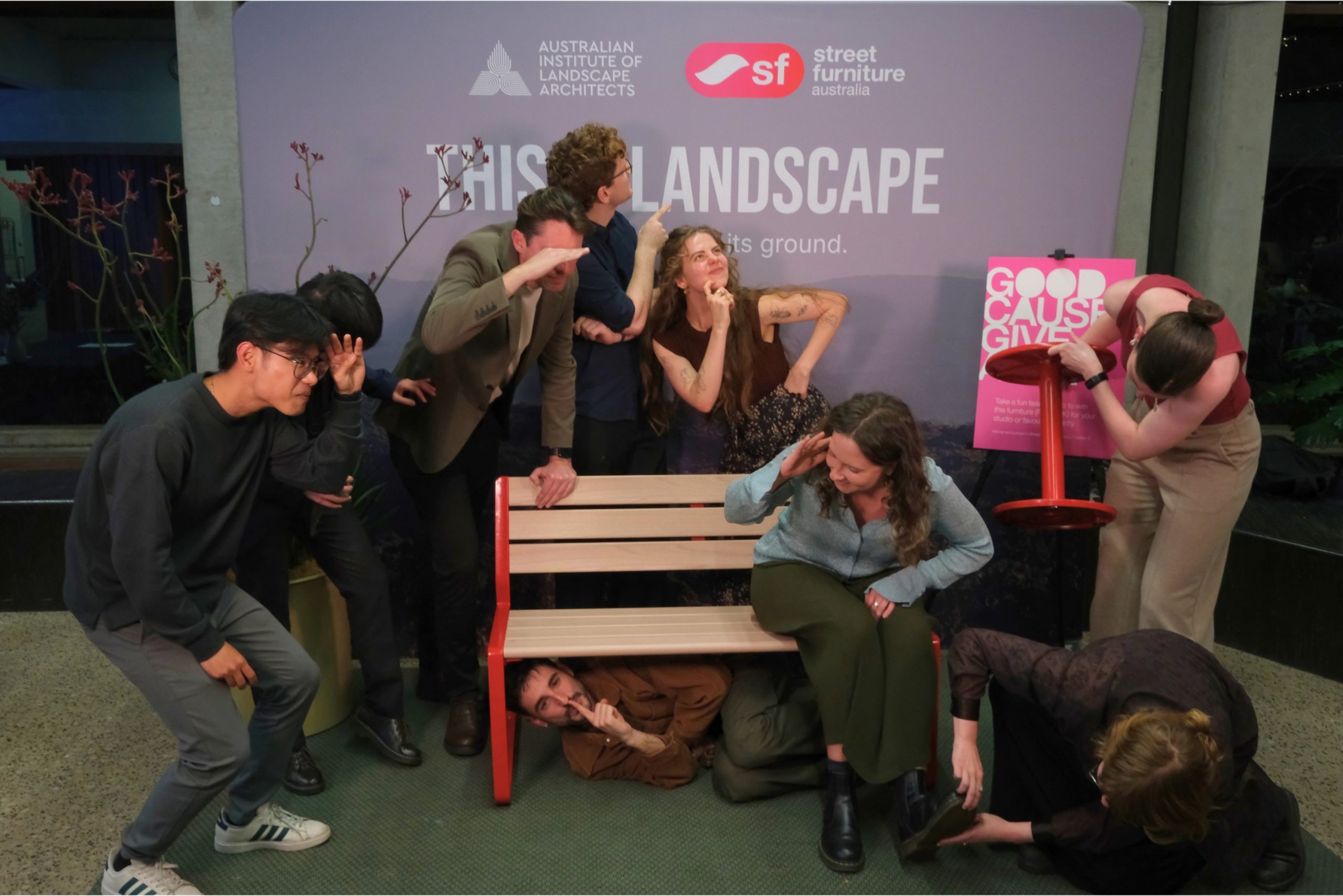
2026 AILA Awards: Good Cause Giveaway
See highlights of all the outstanding creative photos from the 2026 AILA Awards Good Cause Giveaway, and discover which studio team won over 3k worth of furniture for... Read More
-
Join us for West Fest 2026: Designing in Belonging
A half-day knowledge exchange hearing from local built environment experts on fostering a sense of belonging in an increasingly dense, digital society. Read More
-
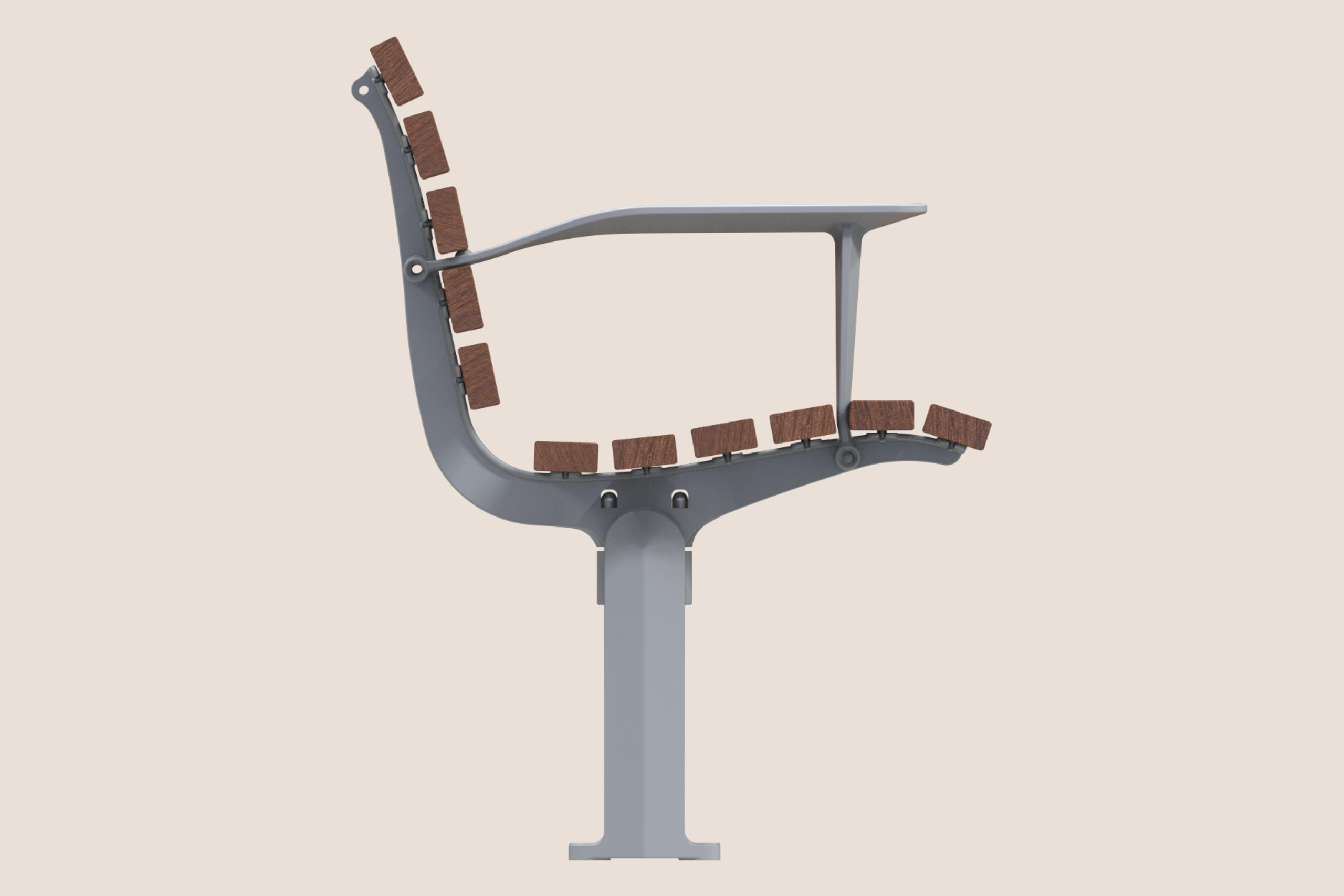
Introducing the new Pillar Leg
Street Furniture Australia’s new Pillar Leg is slimmer but sturdier. Discover what goes into a furniture leg, from fixing and accessibility to design. Read More
-
14th Street Y: From active space to community
How did a quiet gym lobby bring together 420+ locals? Learn how 14th Street Y uses social infrastructure and cheap coffee to build community. Read More
-
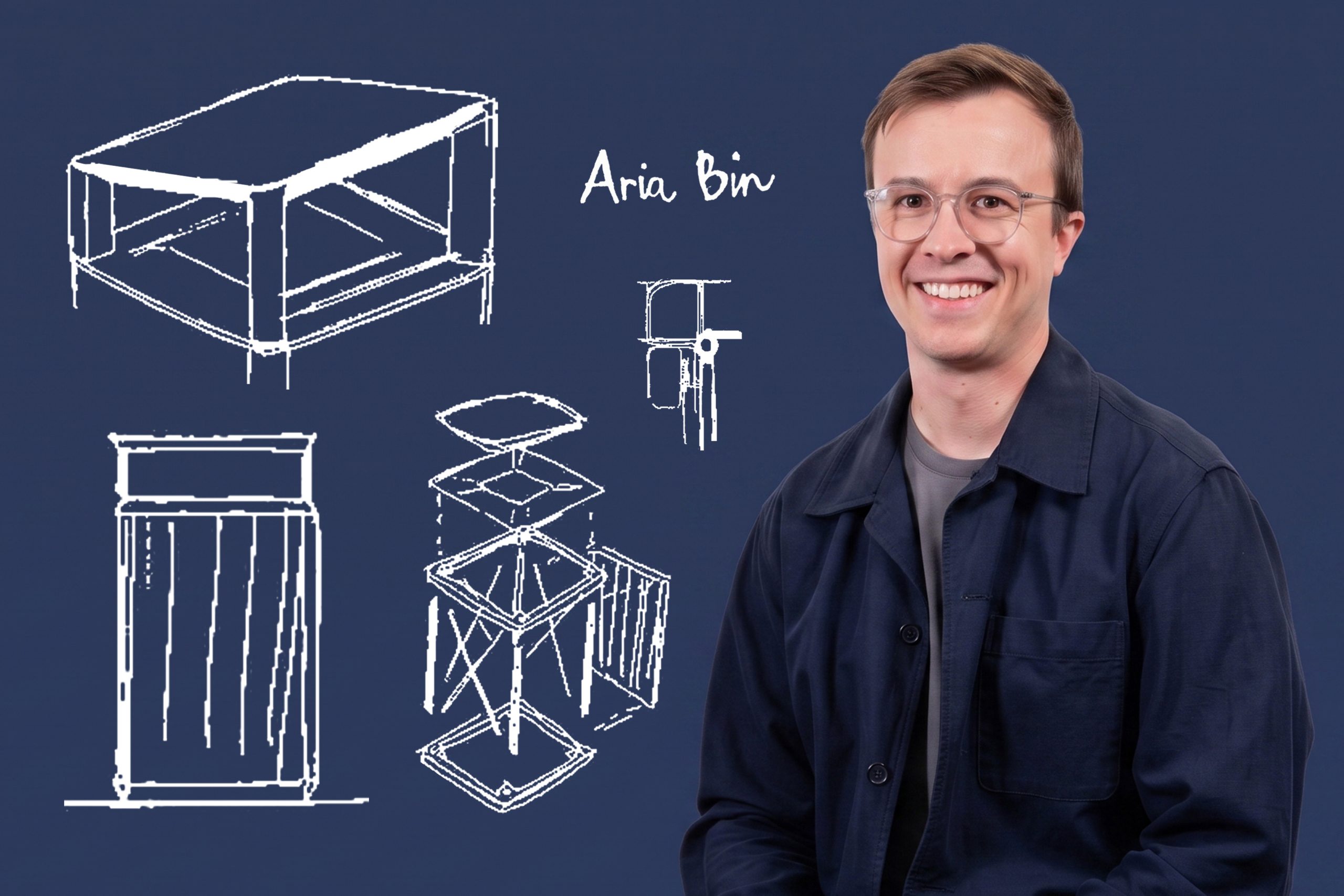
The design story behind Aria Bin
By Francis McArdle, Lead Designer of Aria Bin. There may be no piece of public infrastructure more overused and underappreciated than the humble bin. A basic necessity in... Read More
-
Should heat be regulated?
What if cities regulated heat like fire and flooding? ASLA explores how thermal performance could become a standard part of urban design. Read More