Trend Watch, November 2023

Upcoming Events
AILA Chapter Awards 2026: Seven Cities, Seven Nights
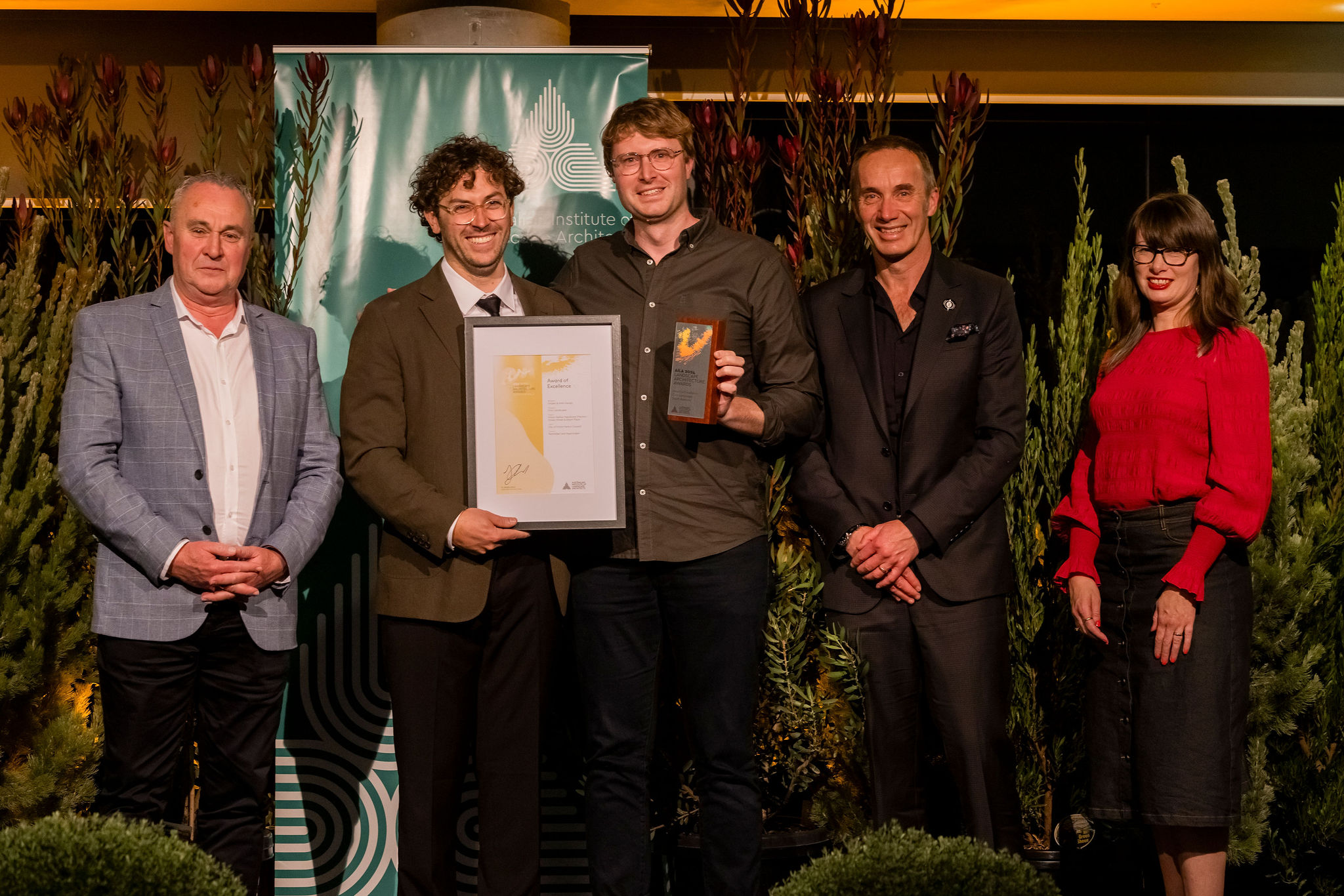
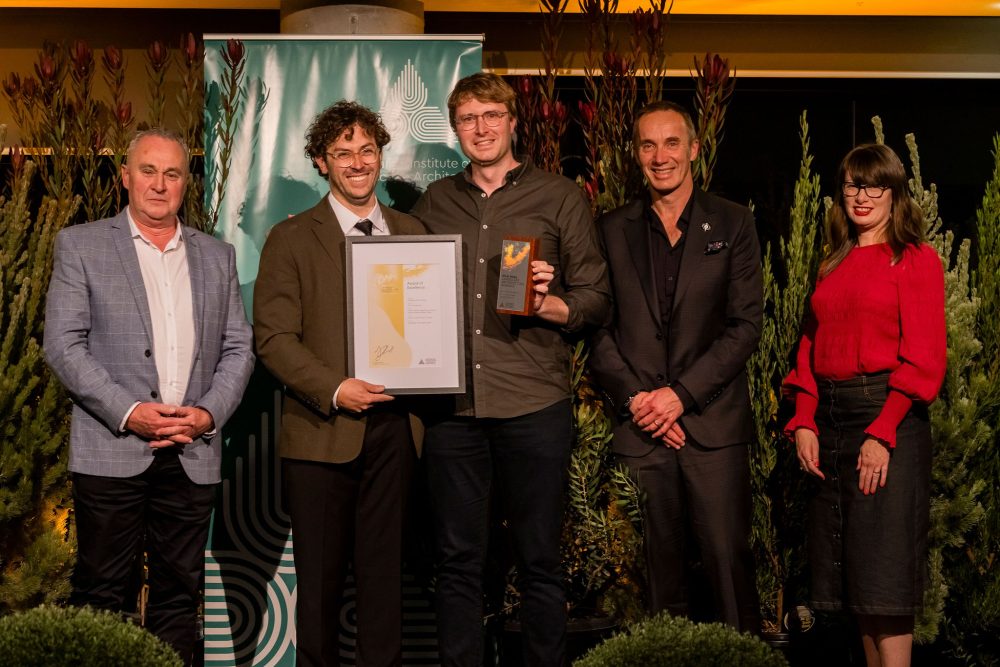
Join Street Furniture Australia, Presenting Partner of the 2026 AILA Chapter Awards, as we celebrate Australian landscape architecture across seven cities and seven nights.
Read more

Playful expectations
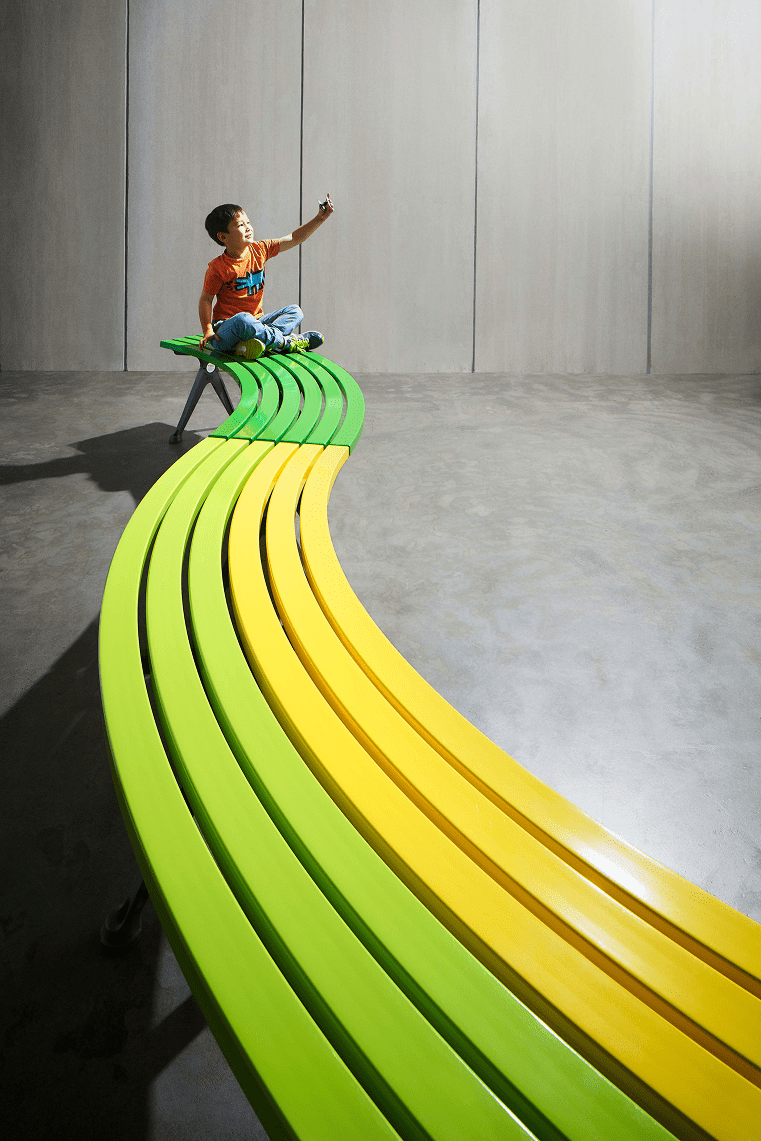
Children learn and grow with play, especially outdoors, though research shows that children are now only spending two hours or less outside – 36% less than previous generations. Hayball associate and Landscape Australia writer Natalia Krysiak returns from her travels in Tokyo feeling inspired with ideas of how to create cities that support the wellbeing of children and encourage outdoor play.
Krysiak describes the excitement of active children in the densest city in the world, Tokyo. She says, “Scattered among the trees are a mud kitchen, a zip-line, a secret tree house and makeshift cubbies used by children of all ages and abilities: the type of play that childhood dreams are made of.”
Tokyo offers 80 playparks like this connecting children to unstructured nature-based play and Krysiak sees this as “a benchmark of a great city: one that is designed to facilitate rich, meaningful childhood experiences for our youngest citizens.”
“Designing neighbourhoods where children can play in nature is increasingly critical as cities densify and open space becomes more precious.”
Krysiak believes the key elements when designing cities for our youngest generation is ensuring that children can have independent movement through safe streets to schools, playful community spaces and rethinking the ‘traditional’ backyard.
Read more about “small” urban interventions that can profoundly impact the health, wellbeing and happiness of children.”

Kick-starting the development of the urban digital twin
“The push for technology without a proper process is a recipe for failure,” says Helber Lopez, Solution Manager with infrastructure engineering software company Bentley Systems, in an opinion piece for digital construction news site BIMplus.
Lopez writes about important questions for all stakeholders involved in developing their urban digital twin. He firstly asks all to agree on the meaning of ‘digital twin’ as the connection of the physical and digital worlds to enable stakeholders to make data decisions.
Lopez says, “Openness is a catchword. Be sure you know what that means for each offering. Every city has grown its own ecosystem of systems and data formats and you must make sure that your urban digital twin can connect and consume data without conversions. Imports and exports are not going to cut it for the level of automation expected from efficient administration.”
Lopez says that an urban digital twin needs to solve a problem that the city has and bring value to its people. He asks, “But how can we gauge their value when most cities in the world have not even started discussing them? This is a chicken-and-egg problem, and many municipalities have not the slightest motivation to take on risk.”
-
Introducing Aria Bin: Make it yours
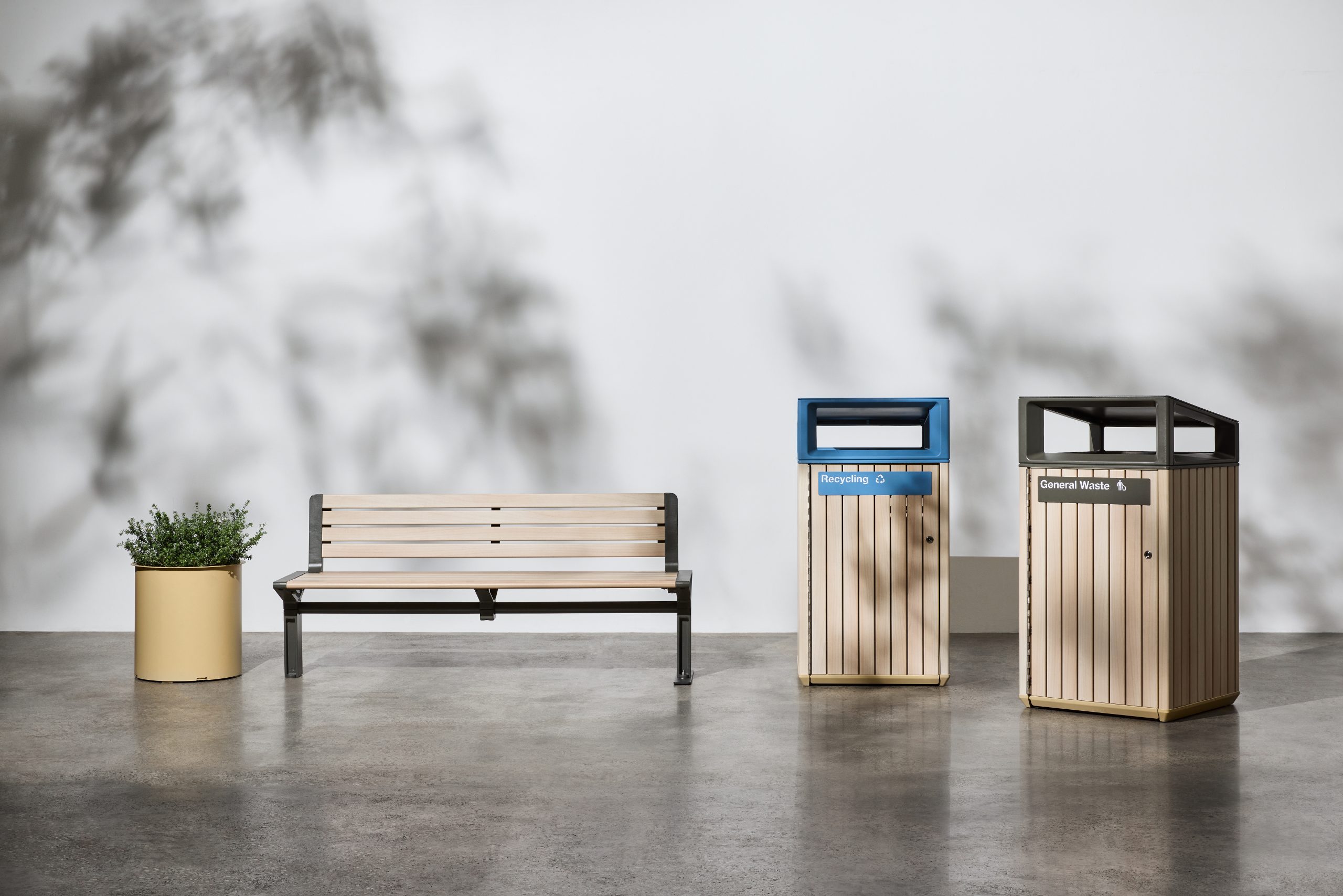
A modular, interchangeable, and customisable litter solution designed to elevate public spaces and simplify maintenance. Read More
-
Should heat be regulated?
What if cities regulated heat like fire and flooding? ASLA explores how thermal performance could become a standard part of urban design. Read More
-
GreenScapes 2026: Did Queensland’s newest landscape industry show deliver?
Explore highlights from GreenScapes 2026 as Street Furniture Australia reflects on QLD’s new landscaping and design industry show. Read More
-
What are Tiny Forests and why is everyone planting them?
From Melbourne to Perth, Tiny Forests are turning underused spaces into dense pockets of native bushland for wildlife, biodiversity and community. Read More
-
AILA Chapter Awards 2026: Seven Cities, Seven Nights
Join Street Furniture Australia, Presenting Partner of the 2026 AILA Chapter Awards, as we celebrate Australian landscape architecture across seven cities and seven nights. Read More
-
Designing for Parkinson’s: An award winning garden
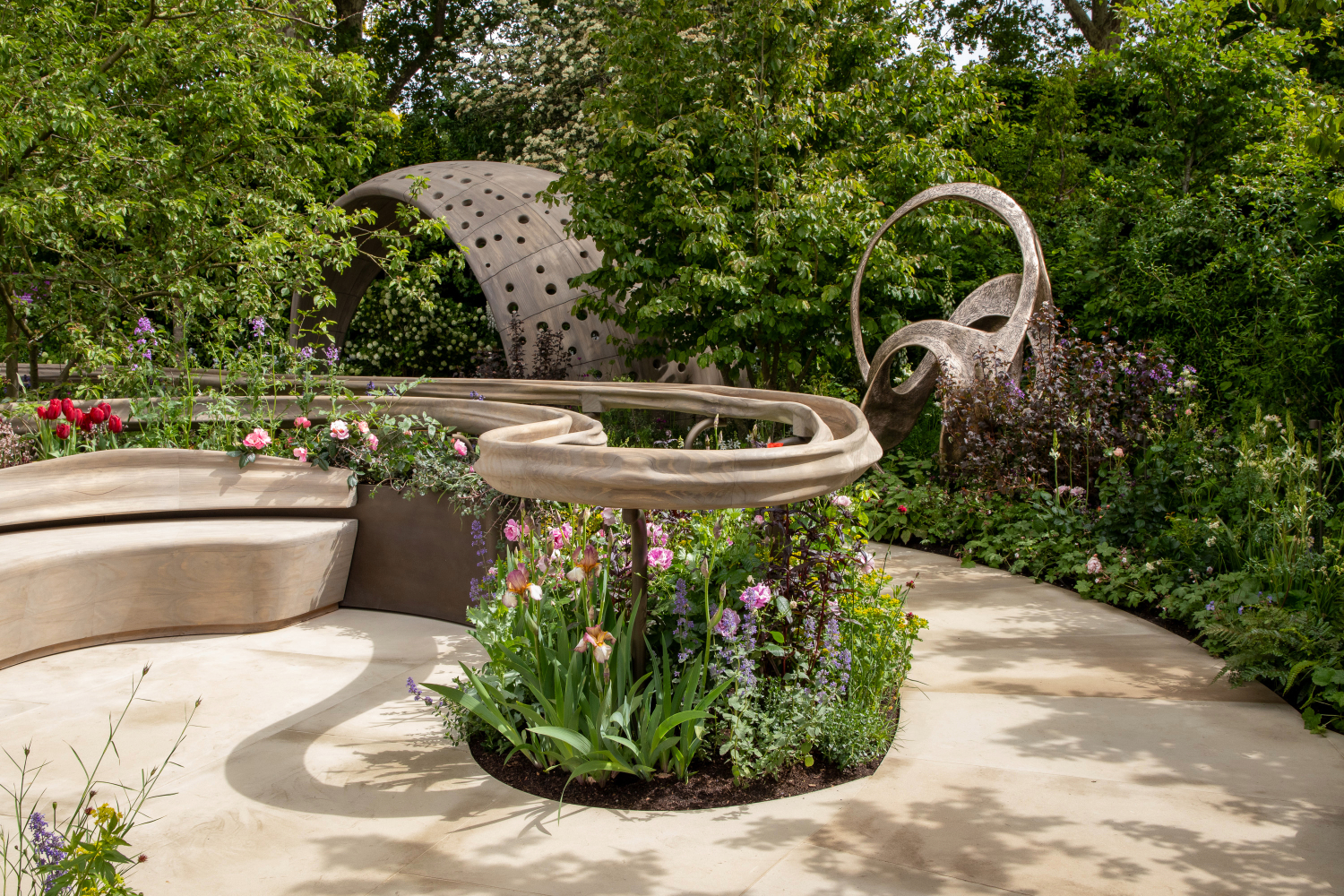
Arit Anderson's garden for Parkinson’s UK, uses wide stone paths, night lights, and water features to support people living with Parkinson's. Read More
-
Street Furniture Australia is coming to Greenscapes + Green Expo 2026
Visit us at Booth F25, Brisbane Convention Centre, 5–6 August. We’ll be launching a brand new product alongside a fun game—great prizes to be won. Read More