Trend Watch December 2023
Upcoming Events
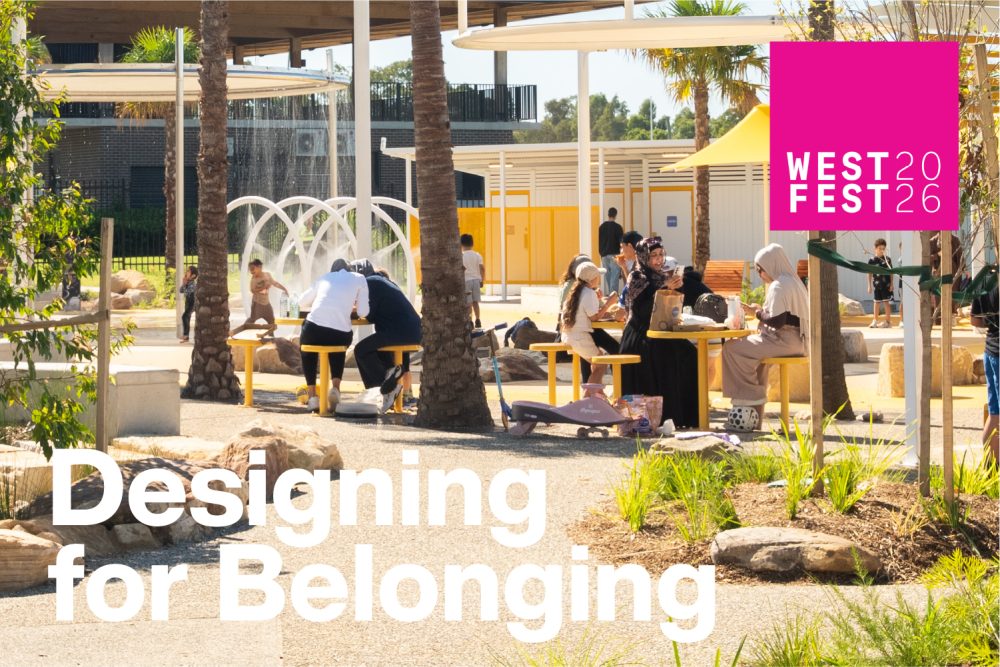
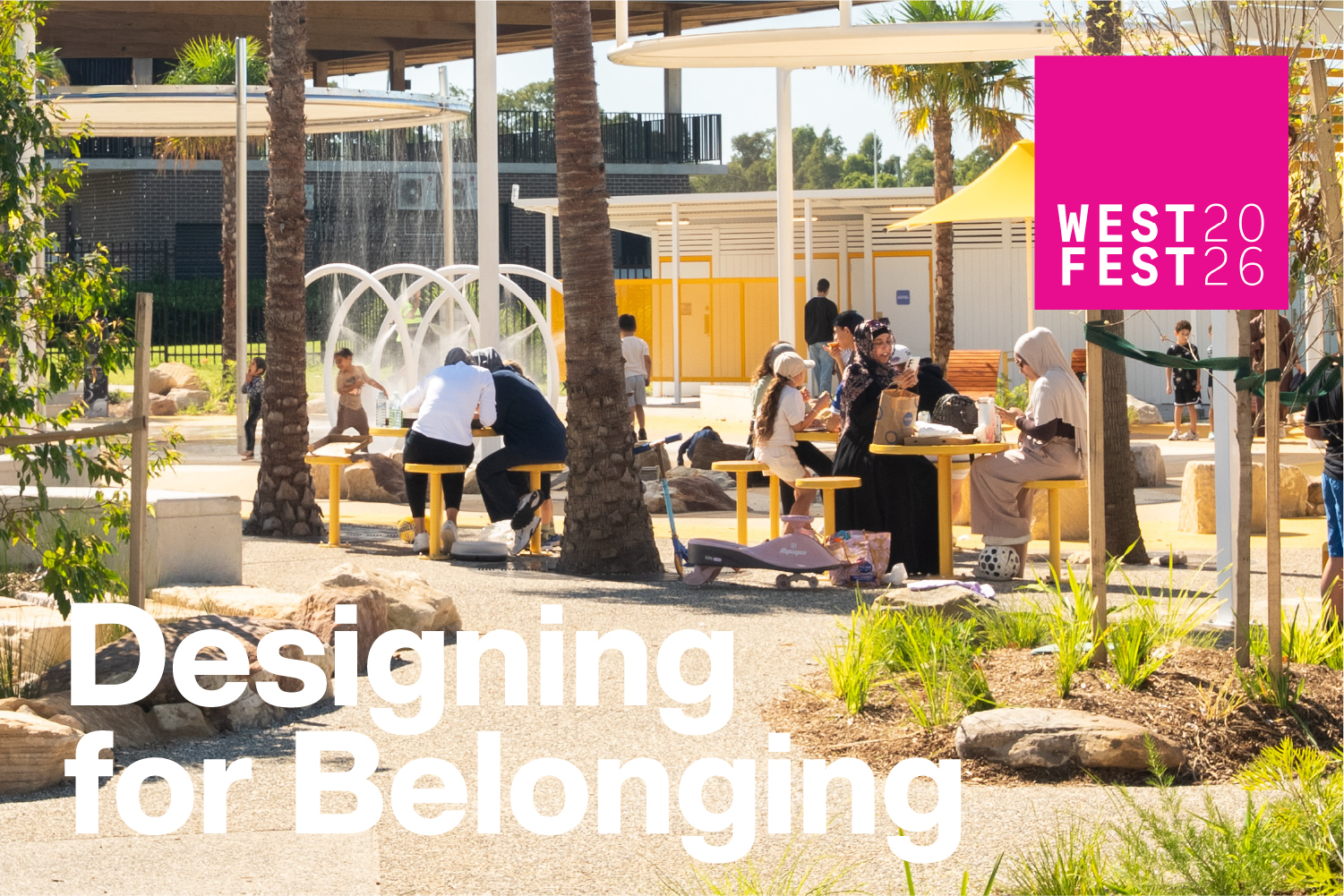
Join us for West Fest 2026: Designing in Belonging
A half-day knowledge exchange hearing from local built environment experts on fostering a sense of belonging in an increasingly dense, digital society.
Read more

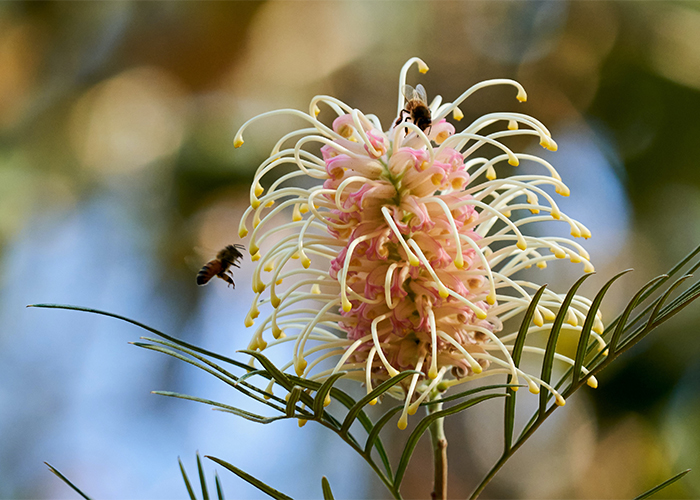
Plant diversity in urban green spaces led to sevenfold increase in insect species
New research suggests that the introduction of even small green urban spaces can dramatically improve local biodiversity.
A study lead by Dr Luis Mata of the University of Melbourne and Cesar Australia examined the ecological outcomes of planting 12 indigenous plant species on a small 195 square metre plot in Melbourne, adjacent to a major road.
The research, Mata told The Guardian, “Was conducted in a very densely urbanised area, completely surrounded by streets and relatively tall buildings, and with limited access to surrounding green space.”
The researchers identified the presence of 94 insect species, with 91 indigenous to the Australian state of Victoria. They estimated that by the final year of the study there were about 7.3 times more insect species than originally present, even though only nine of the 12 plant species remained.
This research supports future greening projects as part of practice and policy.
Mata said, “I think we’re starting to see some good greening outcomes that are being captured in policy, at least in principle. Providing the evidence that greening is actually working is critical.”
Read The Guardian article or the research paper in the journal of Ecological Solutions and Evidence.
Photo: Lloyd Williams on Unsplash.

A glimpse into a crystal ball: What do you hope architecture will be like in 2043?
The Architect’s Newspaper reached out to architects, writers and scholars around the world, to take a glimpse into their ‘crystal ball’ and ask: ‘What do you hope architecture will be like in 2043?’ Here are some of their answers:
“I hope architecture will be symbiotic with the forces and beauty of what’s left of nature, rather than hubristic. For example: less A/C, more passive cooling, and saying no to new buildings that don’t need to exist.” Frances Anderton
“I hope that by 2043 architects will design only buildings that produce more energy than they use. More, because buildings in 2043 will not only meet their own operational energy needs but will offset their embodied energy in a reasonable number of years (20 or fewer). There can be no ‘accounting tricks,’ like calling buildings net-zero because their owners promise to plant trees somewhere, someday. Net-zero is not zero, and by 2043 everyone should understand that.” Fred Bernstein
“Beyond practical changes such as availability of new tools and technologies, I suspect we will see diminished material resource availability, alongside less access to fresh air, natural light, and water. Habitat will also be dwindling. The positive outcome here is that we may see a trend in reuse of materials and buildings. We will also see greater interaction with the natural world around us to provide more connections between humans and the flora and fauna. Because of this, landscape architecture will assume a stronger role in the development of the built environment. Finally, on a positive note, I believe we will see a trend toward diversity in cultural and ethnic approaches take root around the world. We may see less Eurocentric methods of design. This will be refreshing and help with all peoples discovering positive perspectives for change around the world.” Craig Dykers
“Three principles of design that define the context of architecture in the city (a riff on Hilberseimer): Everybody in the city must hear the birds sing; everybody must be able to smell the odor of the earth, trees and flowers; architecture in its broadest sense must be understood to be a public concern.” Phyllis Lambert
“Not in ashes, at the bottom of the ocean, or owned by Blackrock.” Anjulie Rao
Read the Architect’s Newspaper story.
Photo: Nicole Avagliano on Unsplash.
-
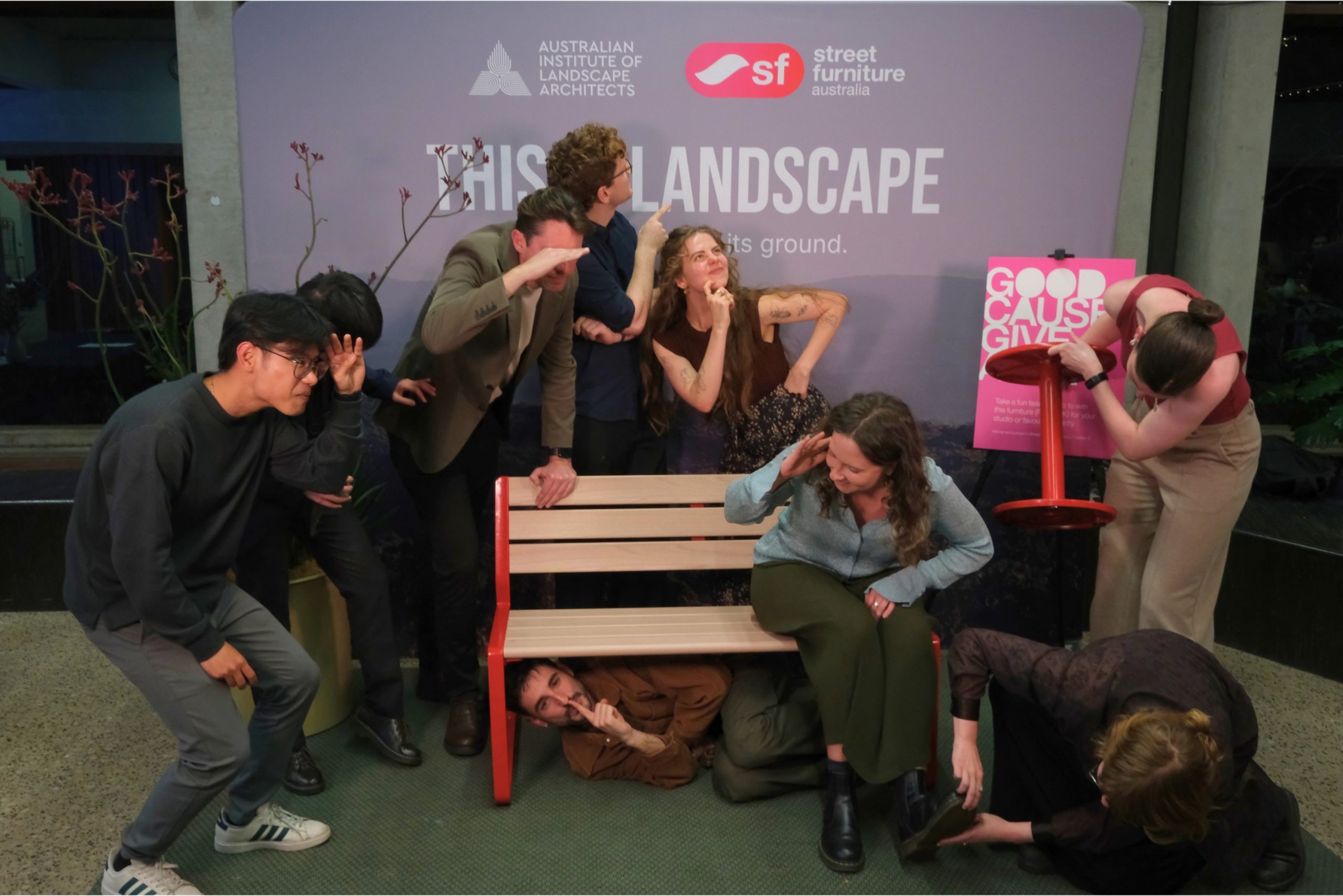
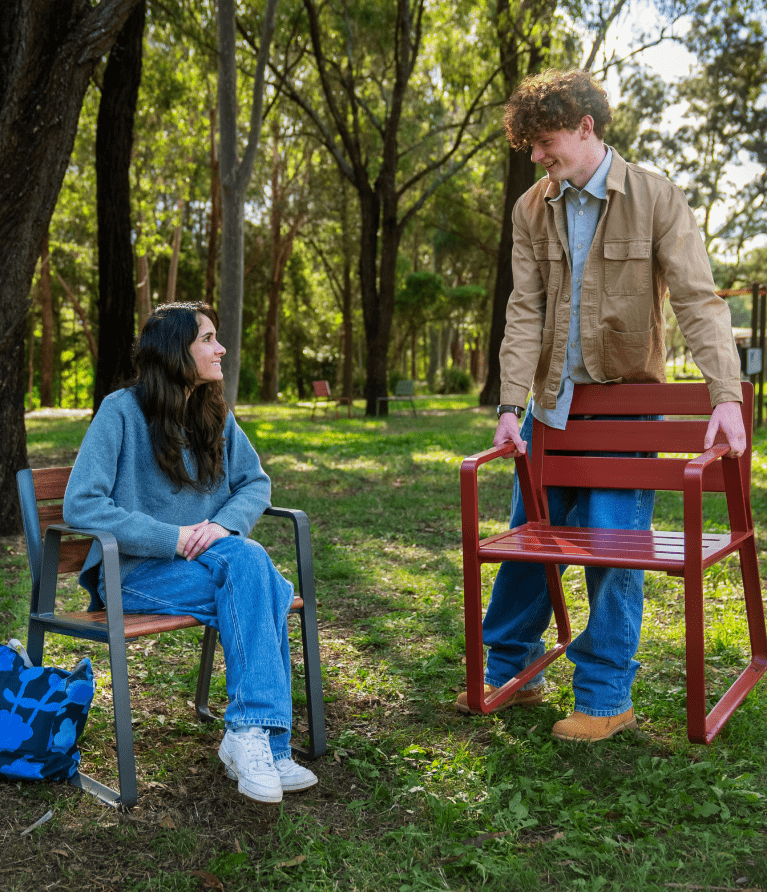
2026 AILA Awards: Good Cause Giveaway
See highlights of all the outstanding creative photos from the 2026 AILA Awards Good Cause Giveaway, and discover which studio team won over 3k worth of furniture for... Read More
-
Join us for West Fest 2026: Designing in Belonging
A half-day knowledge exchange hearing from local built environment experts on fostering a sense of belonging in an increasingly dense, digital society. Read More
-
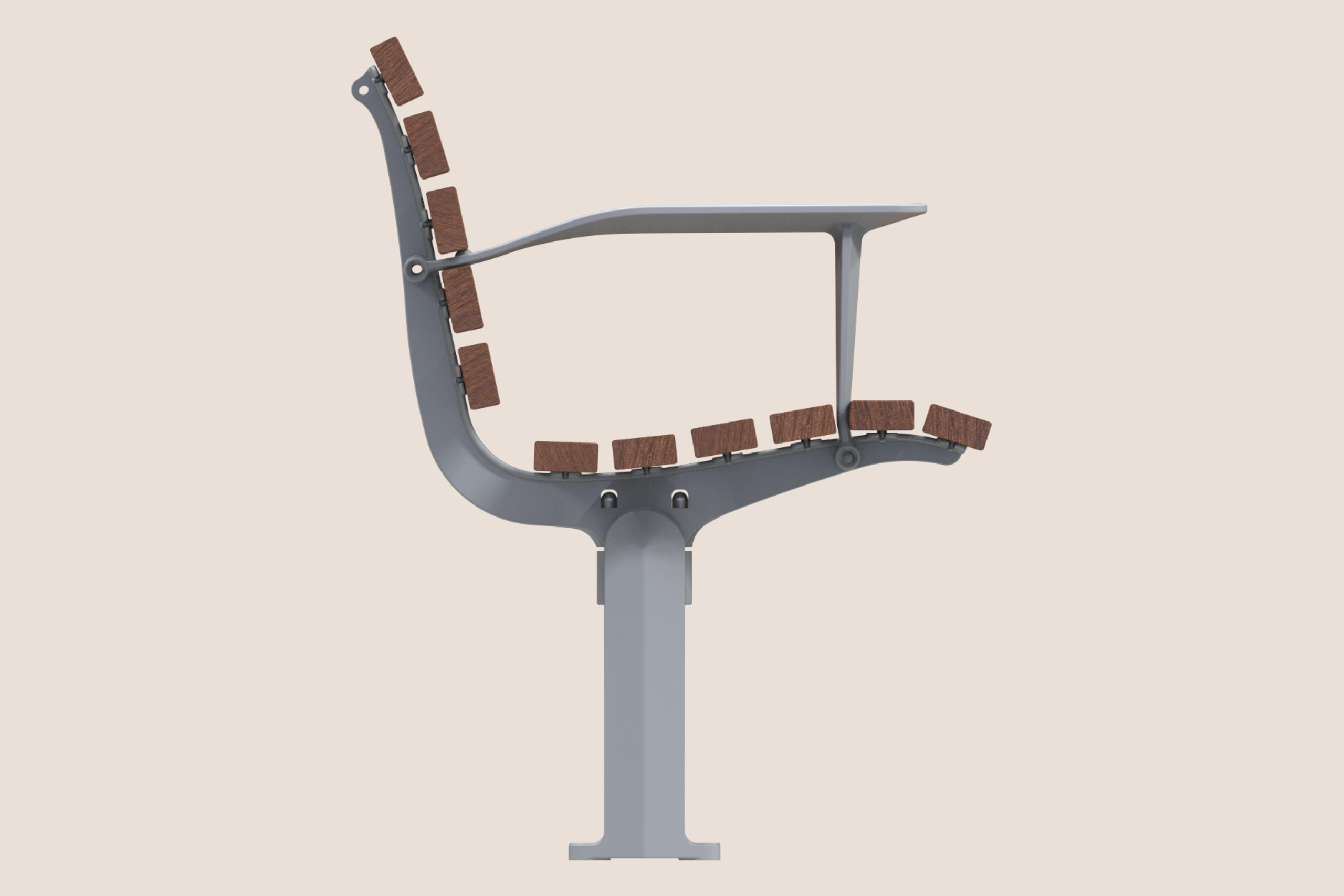
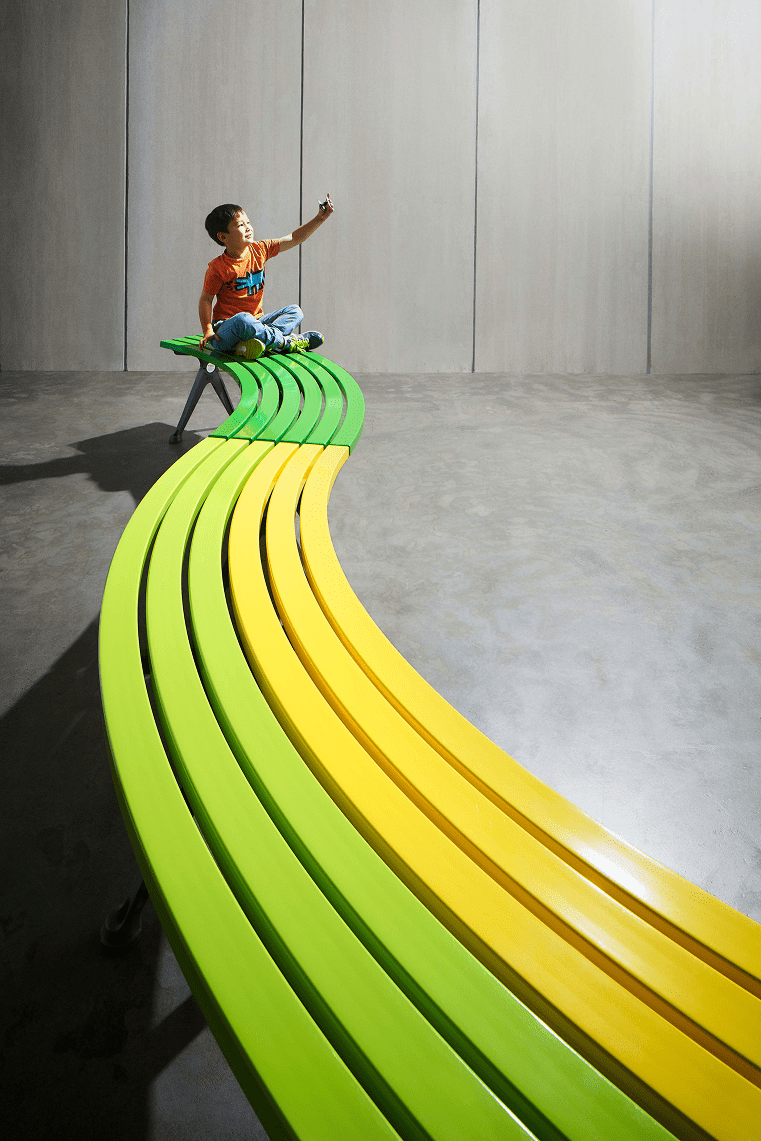
Introducing the new Pillar Leg
Street Furniture Australia’s new Pillar Leg is slimmer but sturdier. Discover what goes into a furniture leg, from fixing and accessibility to design. Read More
-
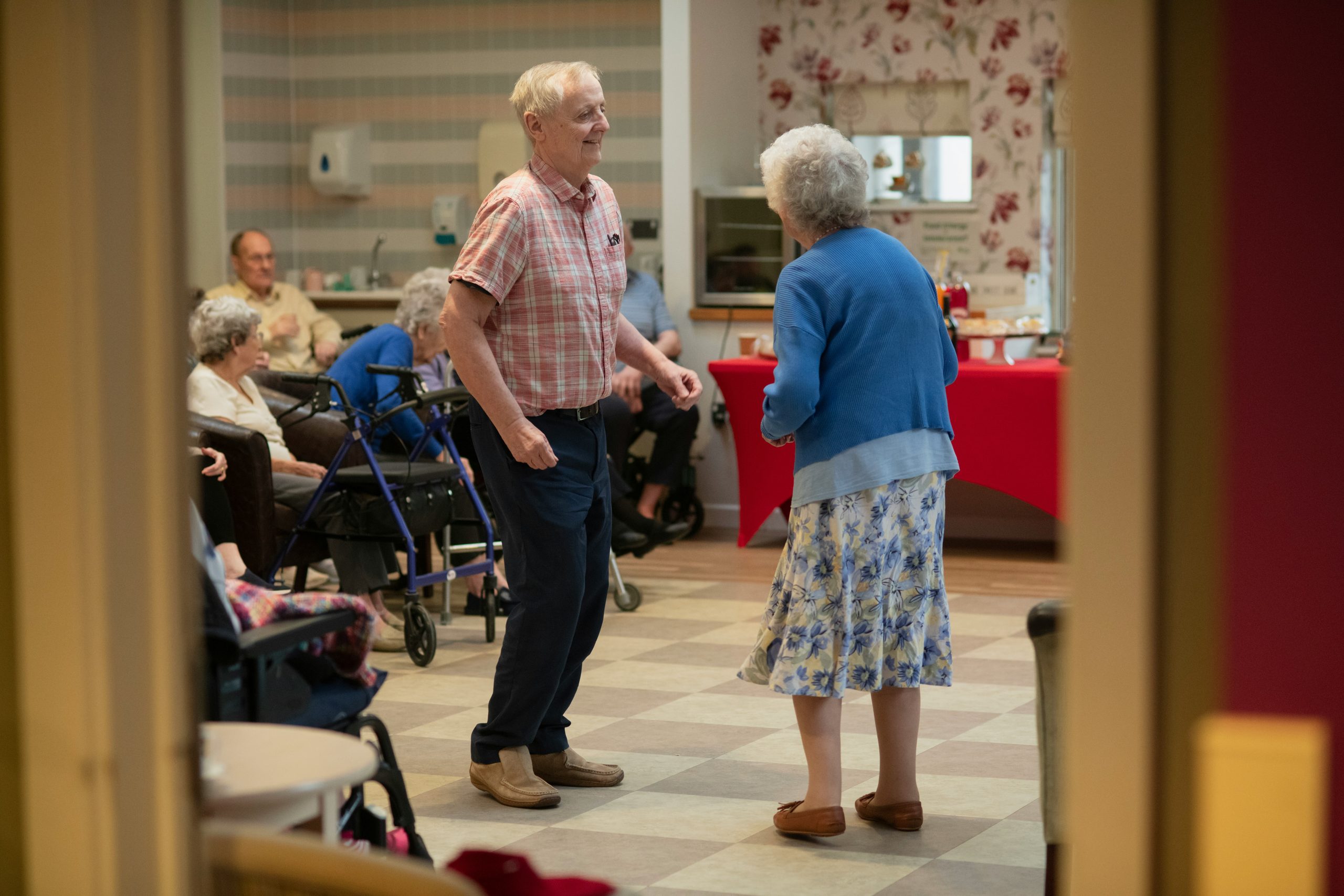
14th Street Y: From active space to community
How did a quiet gym lobby bring together 420+ locals? Learn how 14th Street Y uses social infrastructure and cheap coffee to build community. Read More
-
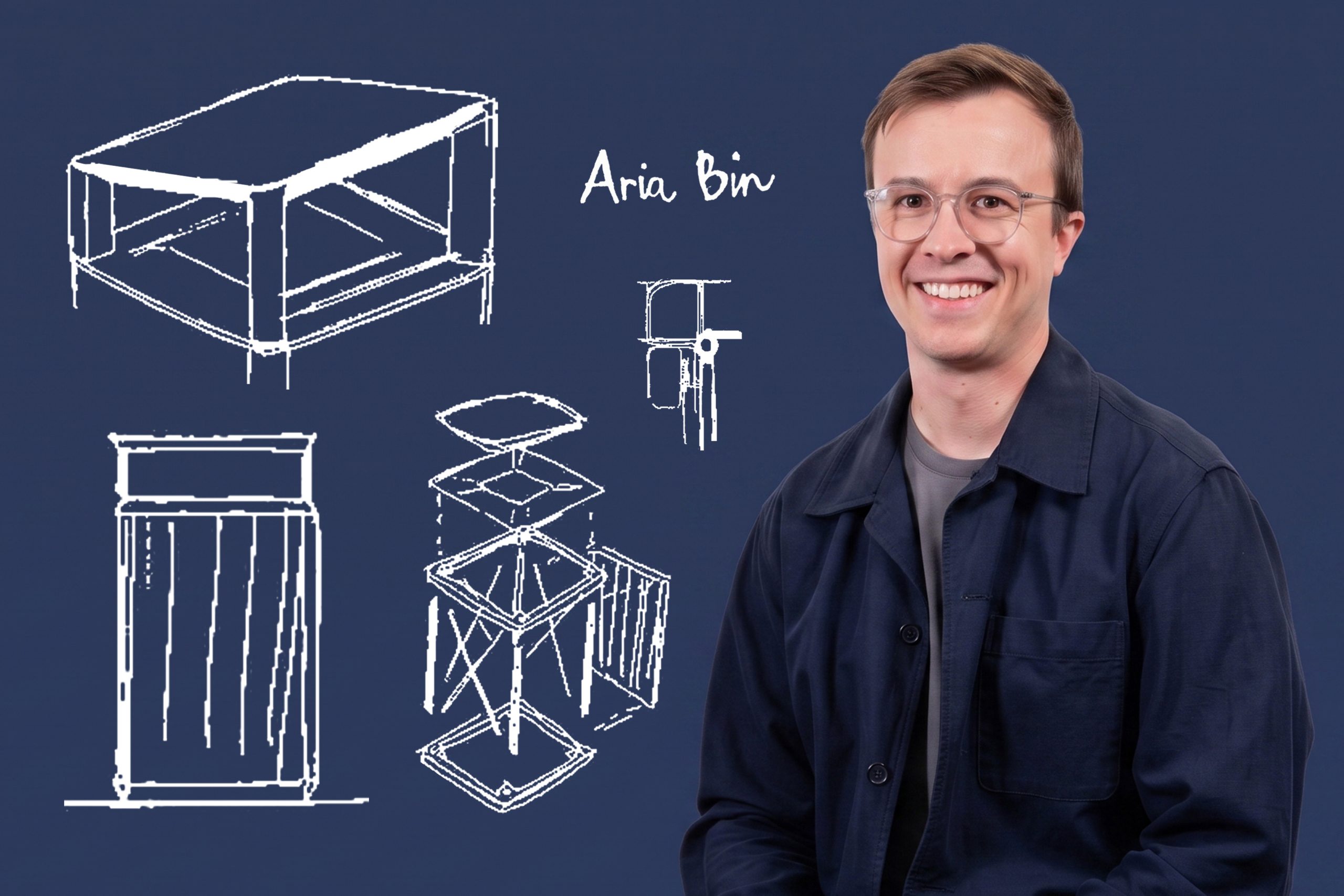
The design story behind Aria Bin
By Francis McArdle, Lead Designer of Aria Bin. There may be no piece of public infrastructure more overused and underappreciated than the humble bin. A basic necessity in... Read More
-
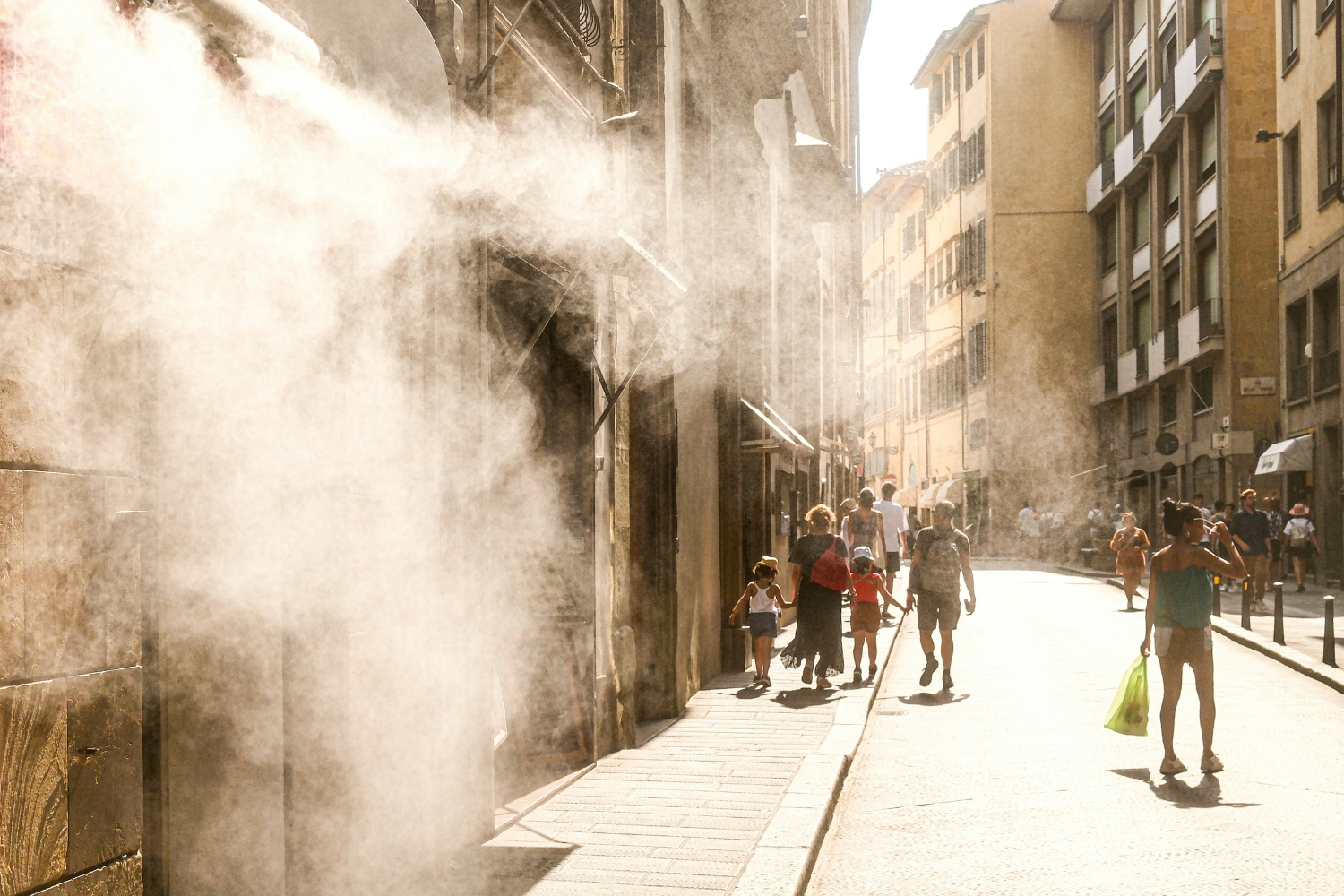
Should heat be regulated?
What if cities regulated heat like fire and flooding? ASLA explores how thermal performance could become a standard part of urban design. Read More