Trend Watch October 2022
Upcoming Events
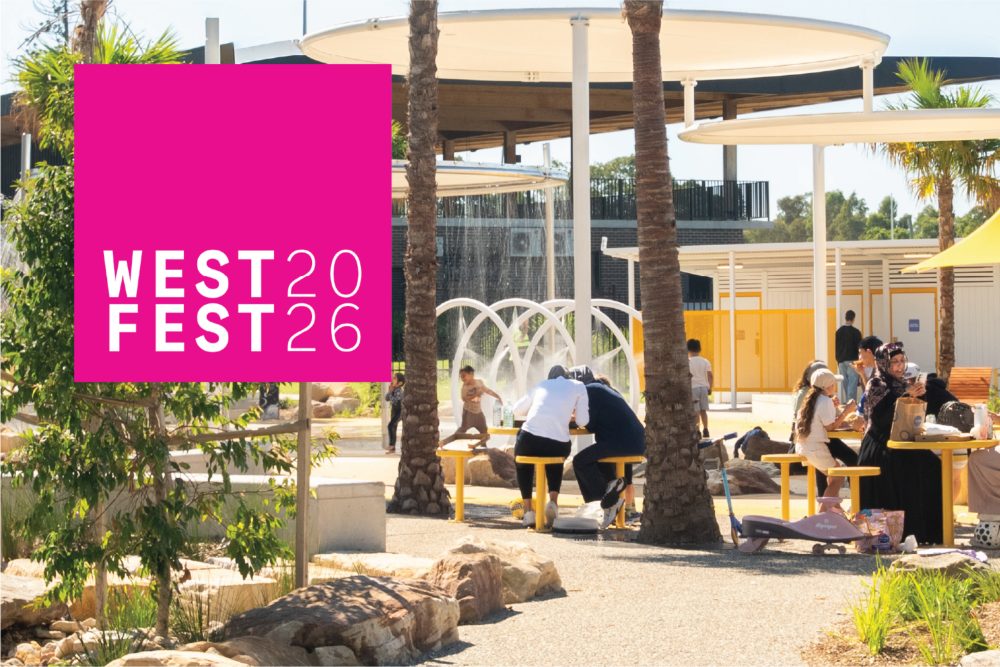
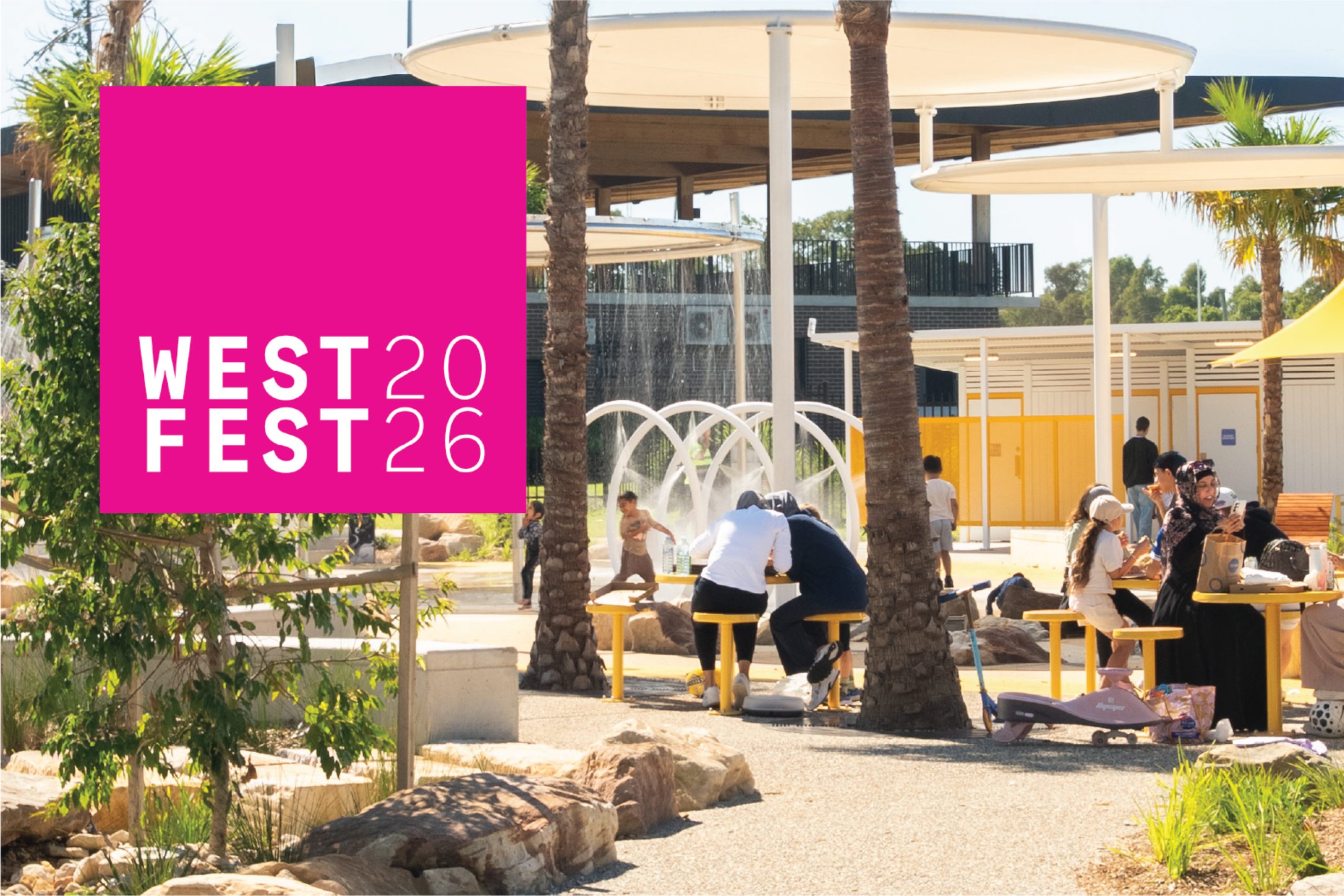
Join us for West Fest 2026: Designing for Belonging
A half-day knowledge exchange hearing from local built environment experts on fostering a sense of belonging in an increasingly dense, digital society.
Read more

Strategic green spaces: How to make the most of their cooling effects
We’re all aware of the cooling effects of green spaces for mitigating the climate crisis in cities. However ArchDaily’s writer Maria-Cristina Florian writes that greening and cooling strategies should consider how to improve climate outcomes beyond simply achieving ‘green coverage’.
Strategic planning is a prerequisite in ensuring green spaces create the most impact for urban environments. Florian explores three strategies to optimise cooling effects:
Green corridors and climatological planning
Florian emphasises the importance of understanding, protecting and harmonising with the natural world surrounding a city. She references a meteorological study from 1939 in Stuttgard, Germany, which found that the city’s position in a valley basin with low wind speeds, combined with heavy industrialisation, were causing poor air quality. This and later findings about the city’s air from WWII defence measures led Stuttgart to redevelop its structure and protect forested hillsides, rivers, valleys and other green spaces as ventilation corridors to bring in cool, fresh air.
Regulating micro-climates
Cities need green spaces to alleviate the effects of rising temperatures, however cooling effects may be limited due to surrounding buildings. Florian writes: “Because of this, raising the amount of green coverage without considering their local conditions can only have limited efficiency in reducing urban warming. In dense urban areas with limited space availability, understanding these conditions is crucial to creating an effective strategy.”
Tree-lined streets
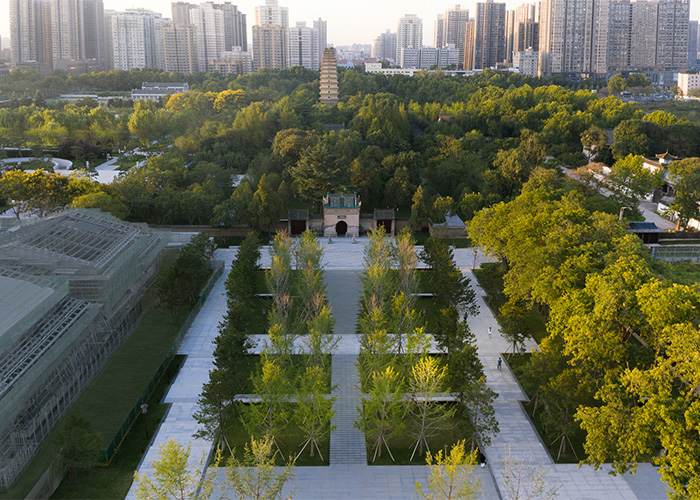
Florian writes that street geometry forms the basis of microclimate – for example, the width and orientation of streets determines solar exposure, wind circulation, shade and heat levels. Where we cannot change the geomtery, she says “planting trees along the streets can efficiently offset some of the adverse effects of street geometry. A tree canopy covering at least 40 percent has been found to counteract the warming effect of the asphalt.”
For more details about these strategies check out the full article at ArchDaily
Image: Re-defining of the Small Wild Goose Pagoda Historical District by AECOM – Chill Shine.
Retelling the story of humans and nature
Review by StreetChat writer, Kari Hill.
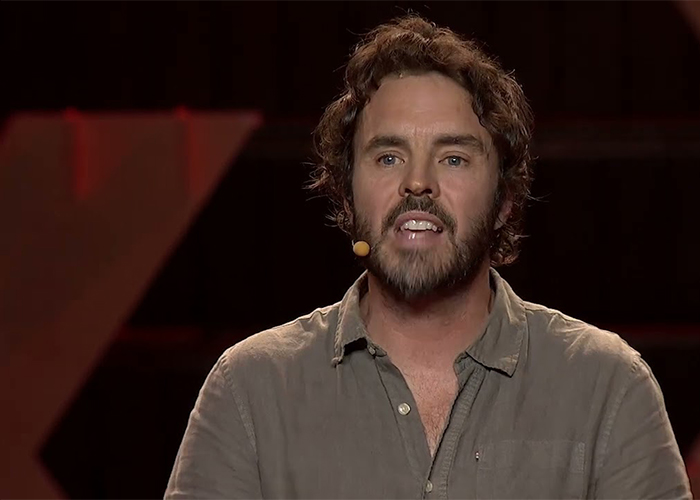
Tears flow down my cheeks as I listen to Damon Gameau’s TEDxSydney talk. He shares the harsh reality of how we’ve treated our planet and a collective story enmeshed in our lives. This story, Gameau says, is “that humans are separate and superior to nature. It is a story that has taken us so close to the brink of an unimaginable crisis that our survival now depends on us telling a new story.”
The stories we tell ourselves fundamentally shape the way we see the world and our behaviours. What if we could start telling a new, though ancient, story about humans and nature, and drastically change our world for the better?
Damon is an Australian actor, director, and producer, known for documentaries That Sugar Film and 2040 – which retells what the world will look like 18 years from now, inspired by concerns for his 4-year-old daughter and her future.
-
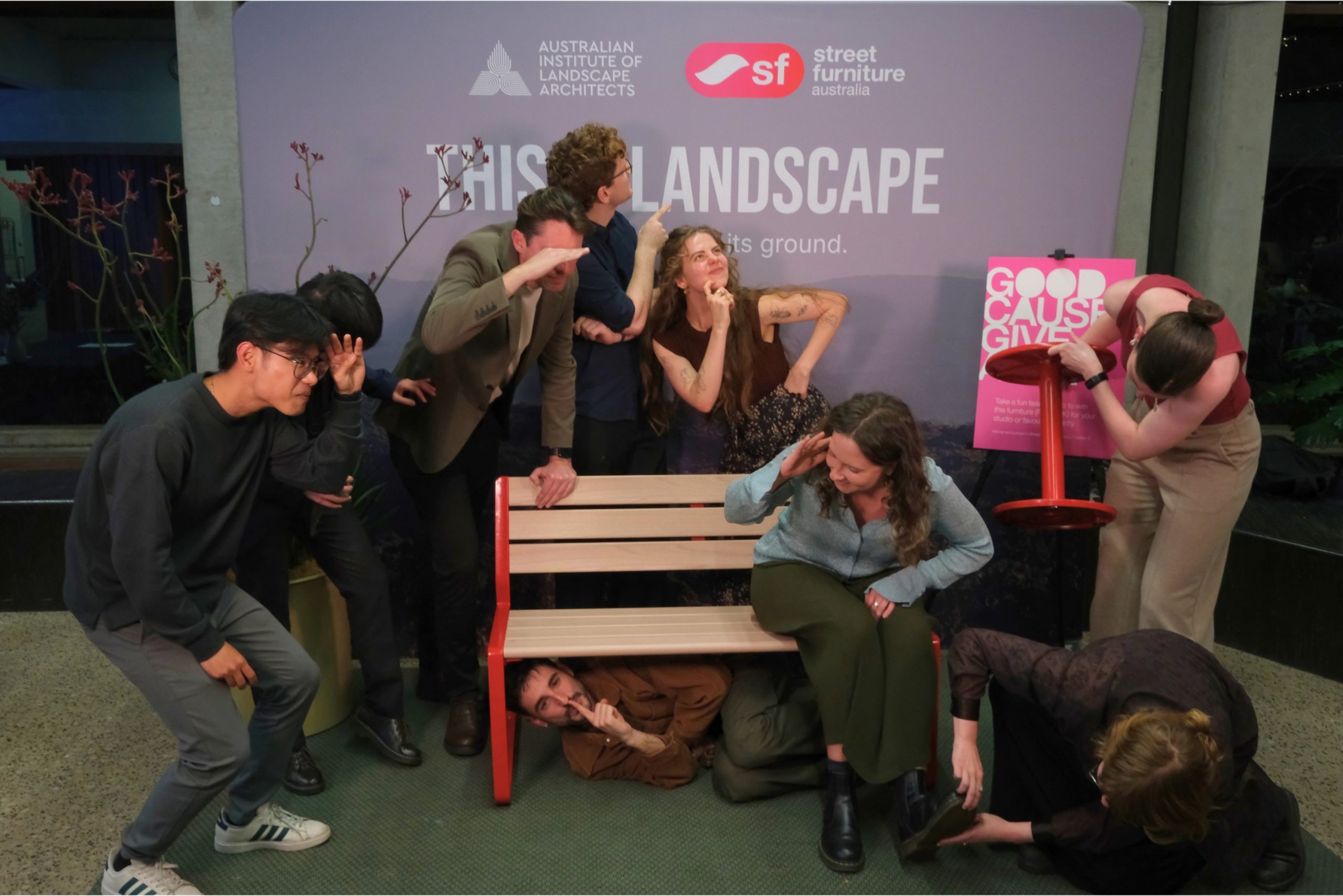
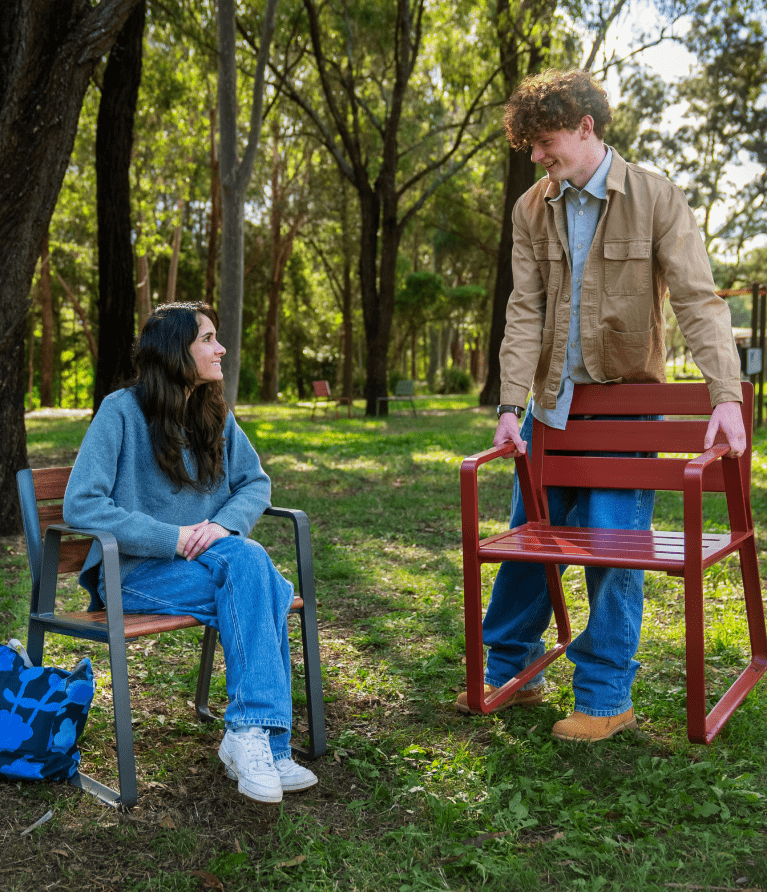
2026 AILA Awards: Good Cause Giveaway
See highlights of all the outstanding creative photos from the 2026 AILA Awards Good Cause Giveaway, and discover which studio team won over 3k worth of furniture for... Read More
-
Join us for West Fest 2026: Designing for Belonging
A half-day knowledge exchange hearing from local built environment experts on fostering a sense of belonging in an increasingly dense, digital society. Read More
-
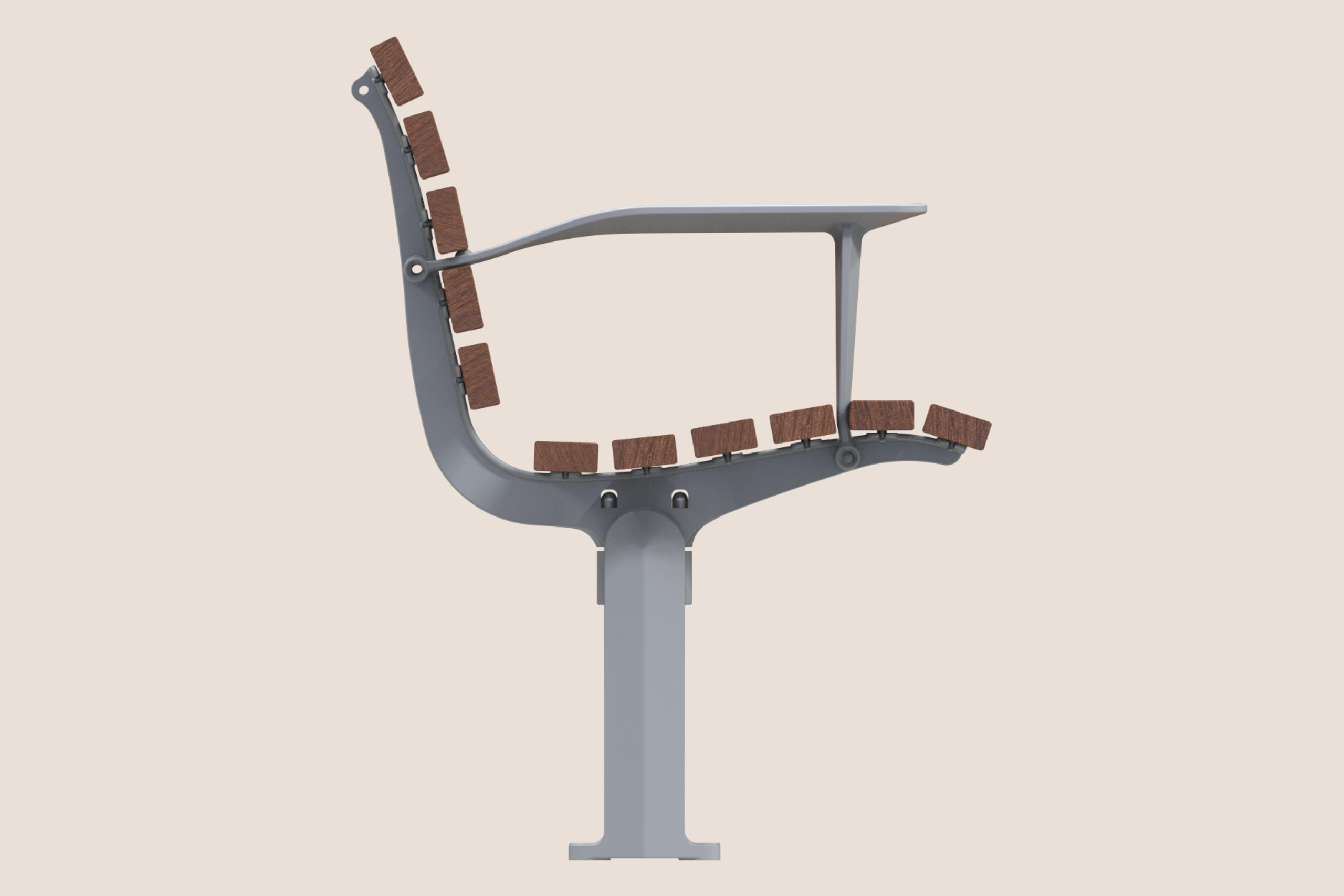
Introducing the new Pillar Leg
Street Furniture Australia’s new Pillar Leg is slimmer but sturdier. Discover what goes into a furniture leg, from fixing and accessibility to design. Read More
-
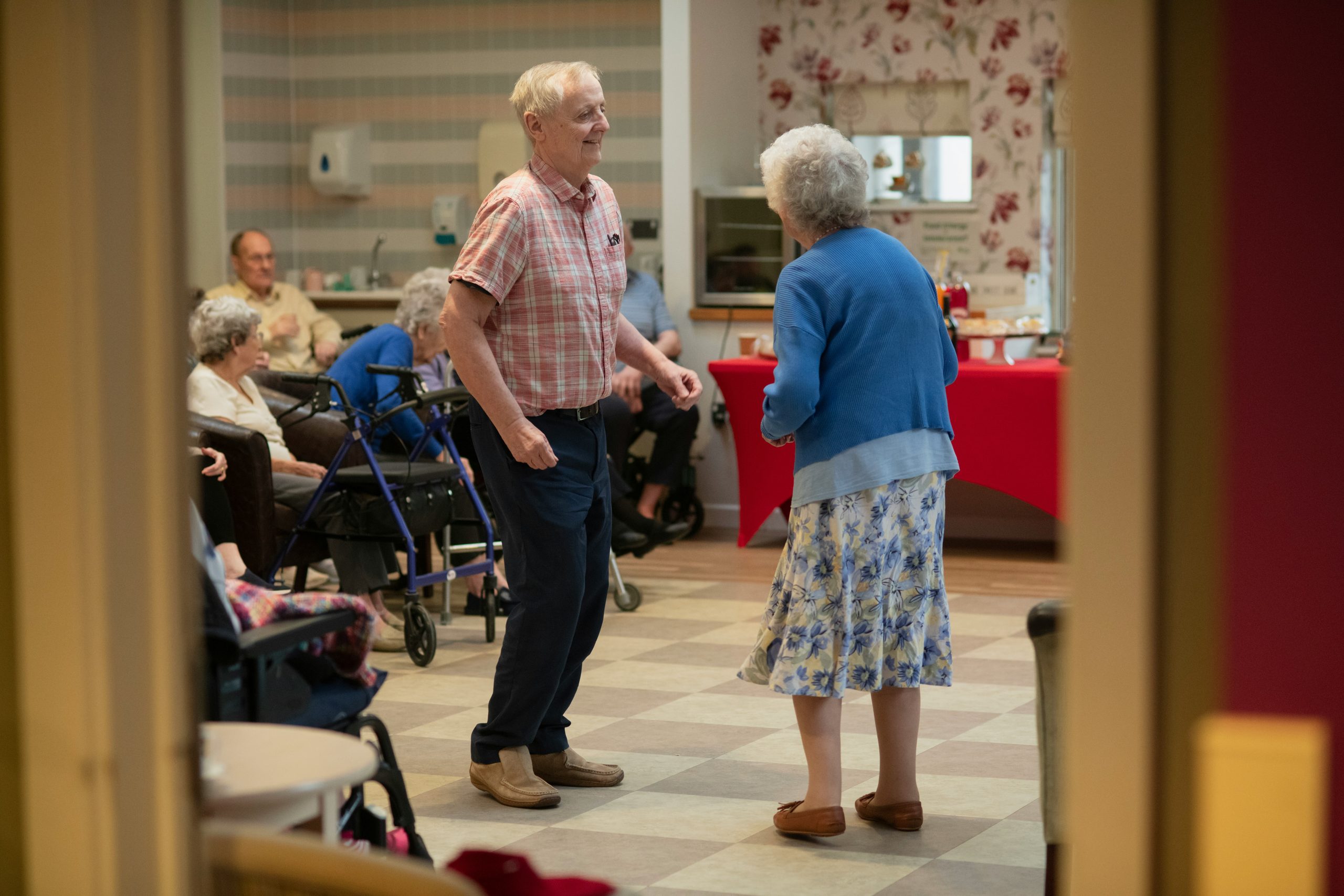
14th Street Y: From active space to community
How did a quiet gym lobby bring together 420+ locals? Learn how 14th Street Y uses social infrastructure and cheap coffee to build community. Read More
-
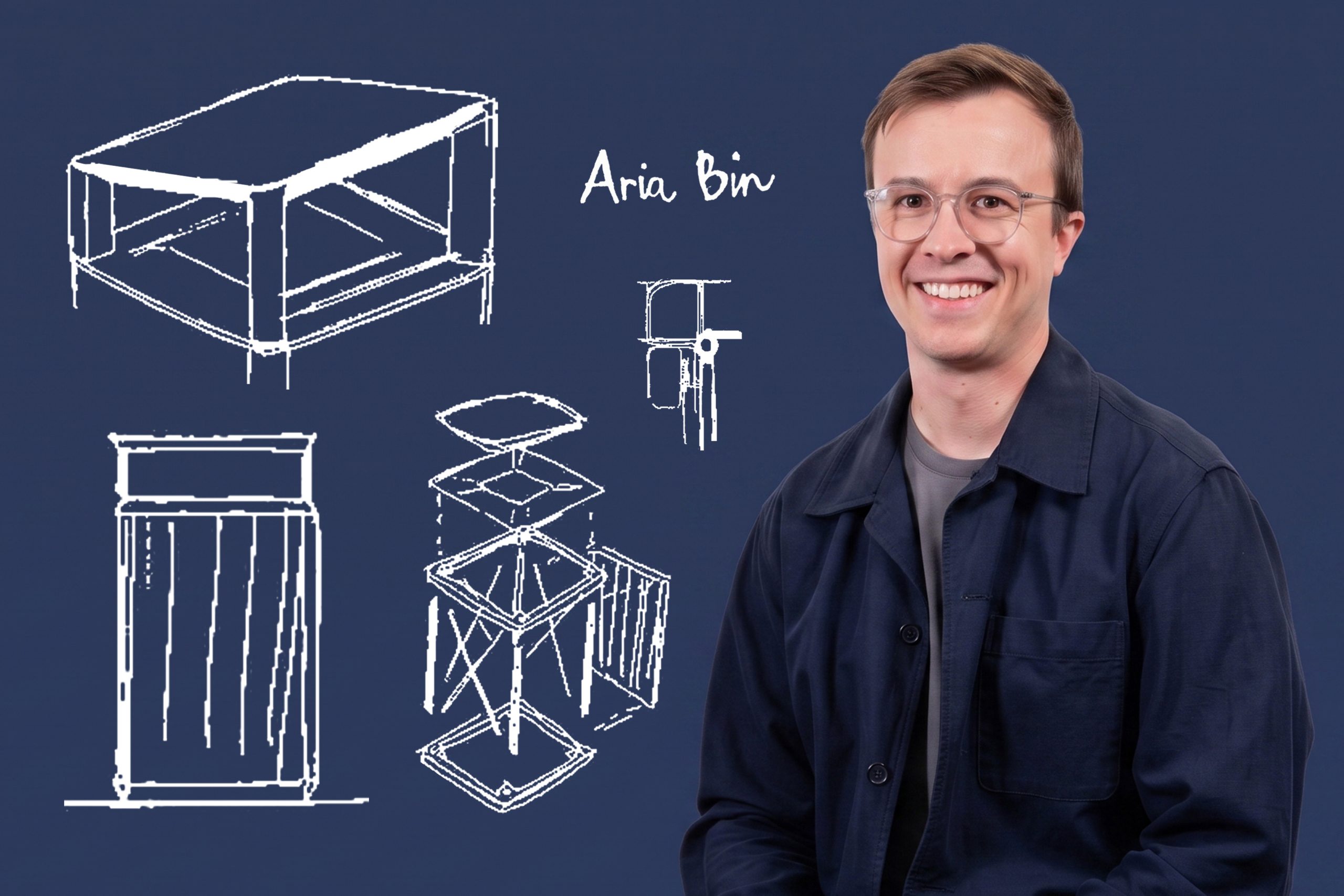
The design story behind Aria Bin
By Francis McArdle, Lead Designer of Aria Bin. There may be no piece of public infrastructure more overused and underappreciated than the humble bin. A basic necessity in... Read More
-
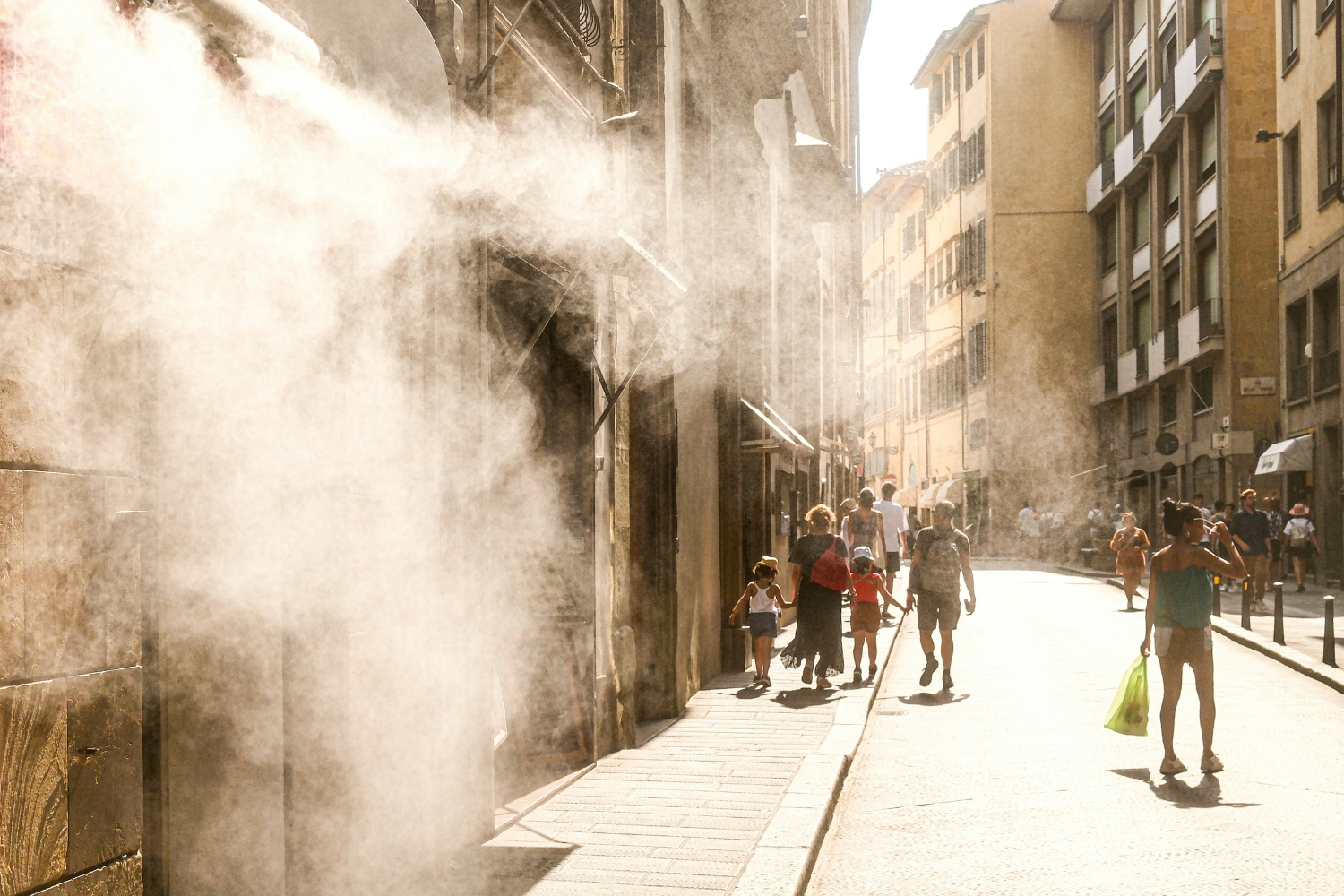
Should heat be regulated?
What if cities regulated heat like fire and flooding? ASLA explores how thermal performance could become a standard part of urban design. Read More