Trend Watch October 2021
Upcoming Events
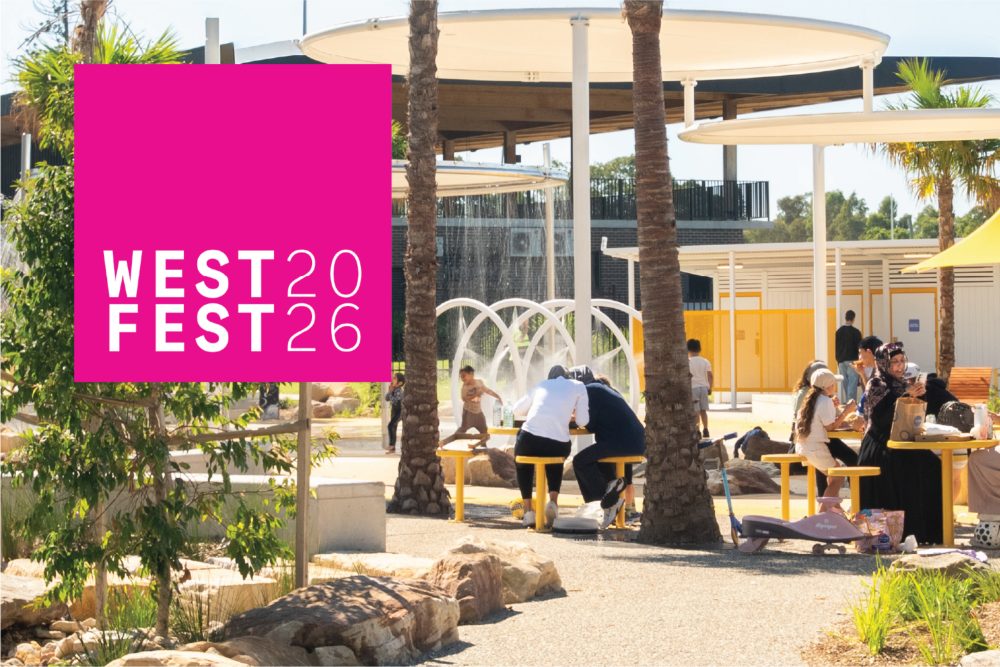
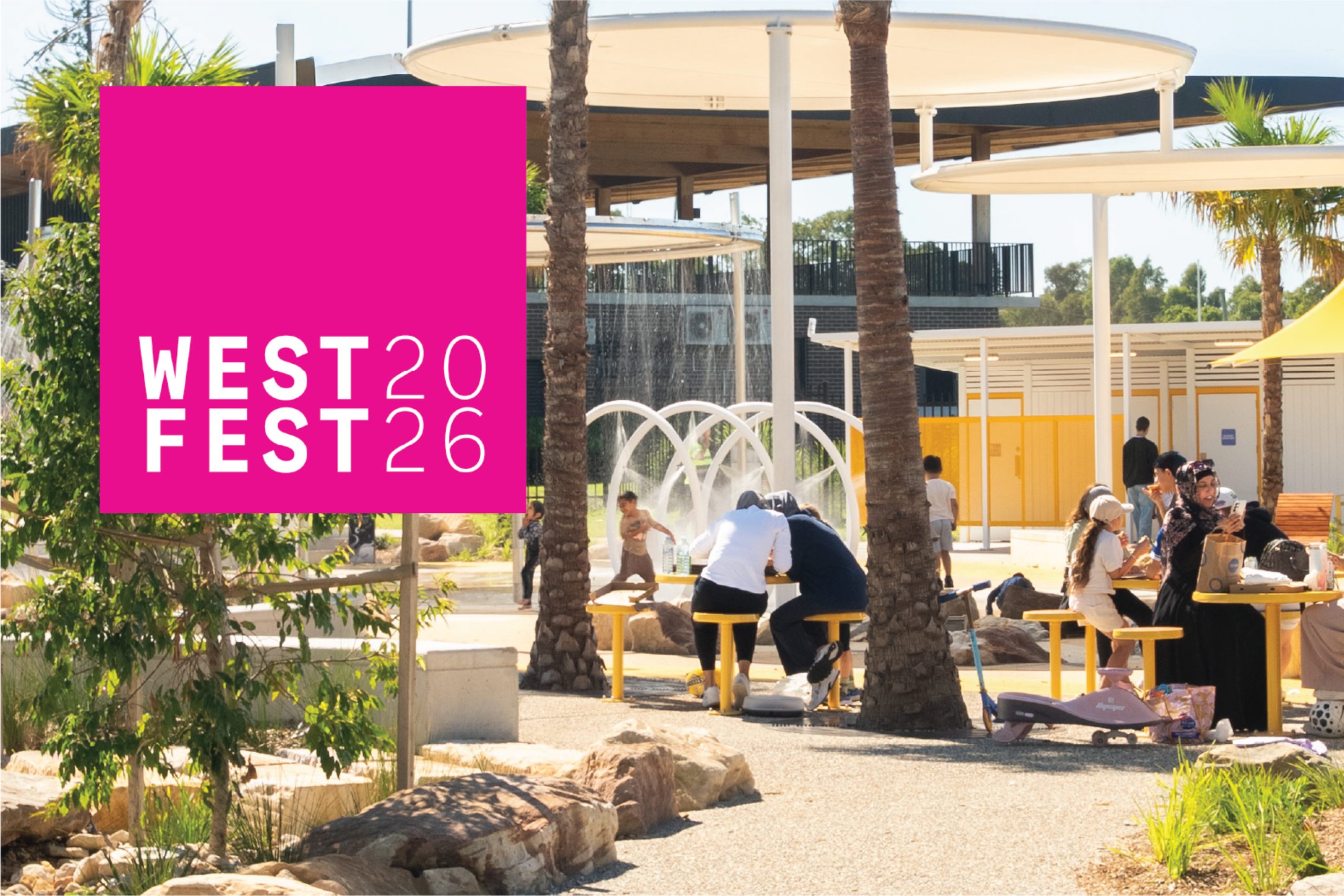
Join us for West Fest 2026: Designing for Belonging
A half-day knowledge exchange hearing from local built environment experts on fostering a sense of belonging in an increasingly dense, digital society.
Read more

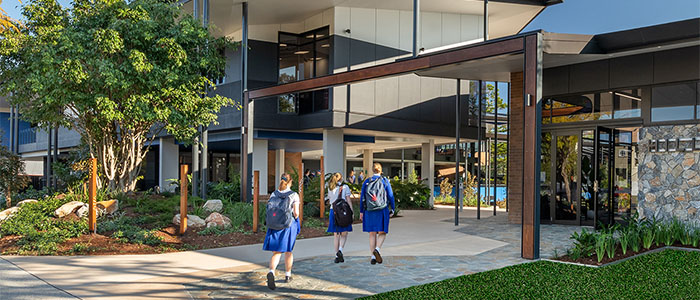
Students could have a field day with more outdoor learning:
“Australian students typically spend over 10,000 hours during their adolescence in schools” – despite this, the schoolyard hasn’t traditionally been viewed as a space to improve student wellbeing, writes Gweneth Leigh for the Sydney Morning Herald.
The return to classrooms in the wake of COVID-19 has prompted an urgent need for schools around the world to create learning spaces that are well-ventilated and socially distanced. Outdoor learning has proven to be an innovative and simple answer to this dilemma.
“For some this meant clustering picnic tables together, building shade structures, adding trees, gardens, even yoga circles and mountain bike trails”- varied, resourceful outdoor classrooms have had a distinctively positive impact, they report.
Studies have revealed that greening school grounds helps students to feel “a greater sense of belonging among their peers, keeps them more physically active, strengthens their social skills and reduces classroom tensions.”
Despite the evidence, “challenges remain in identifying how school outdoor spaces can be better designed in ways that are inclusive and accessible to the needs of our teenage cohort” – designing with the preferences of teenagers in mind, instead of “based on assumptions of what adults think adolescents prefer.” Such designs, they write, risk alienating students in their own spaces.
It is clear that schoolyards designed with care, and with users in mind, will increase student wellbeing in Australian schools. Read the full article here.
Image: Hillbrook Anglican School.
Desperate move to save world’s largest tree in California:
California’s Sierra Nevada mountain range is home to some of the world’s oldest and biggest trees. Unfortunately, California’s National Parks are also home to fierce bushfires, which are growing more intense and frequent due to the effects of climate change: increasing temperatures and drought.
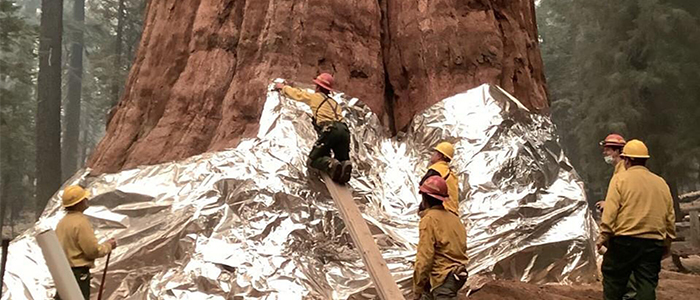
In September, during the KNP Complex fire, which was “sparked during a massive lightning storm on September 9,” firefighters wrapped the ancient trees in fire-resistant blankets, in a desperate attempt to protect them from the looming blaze.
The blankets aimed to prevent the fire from burning into tree bases and igniting vulnerable fire scars – signs of the many previous fires these trees have survived.
“The largest living tree on Earth,” a giant sequoia tree in the Sequoia National Park, known as ‘General Sherman’ “weighs around 2 million kilograms and is thought to be around 2500 years old.” Giant monarch sequoias “characterise the most famous area of Sequoia National park.” They are historically significant and an important drawcard, bringing many tourists to the site each year.
The aluminium wrapping, which was also wrapped around the Giant Forest Museum and other buildings in an effort to protect sensitive structures from flames, has been used for several years.
“Smaller fires generally do not harm the sequoias, which are protected by a thick bark, and actually help them to reproduce; the heat they generate opens cones to release seeds.” Larger blazes however, have the potential to cause widespread destruction.
Thanks to the blankets, the General Sherman tree, and other sequoias were successfully saved from the KNP Complex fire. Read the full article here.
Image: National Parks Service, Environmental Protection Agency.
-
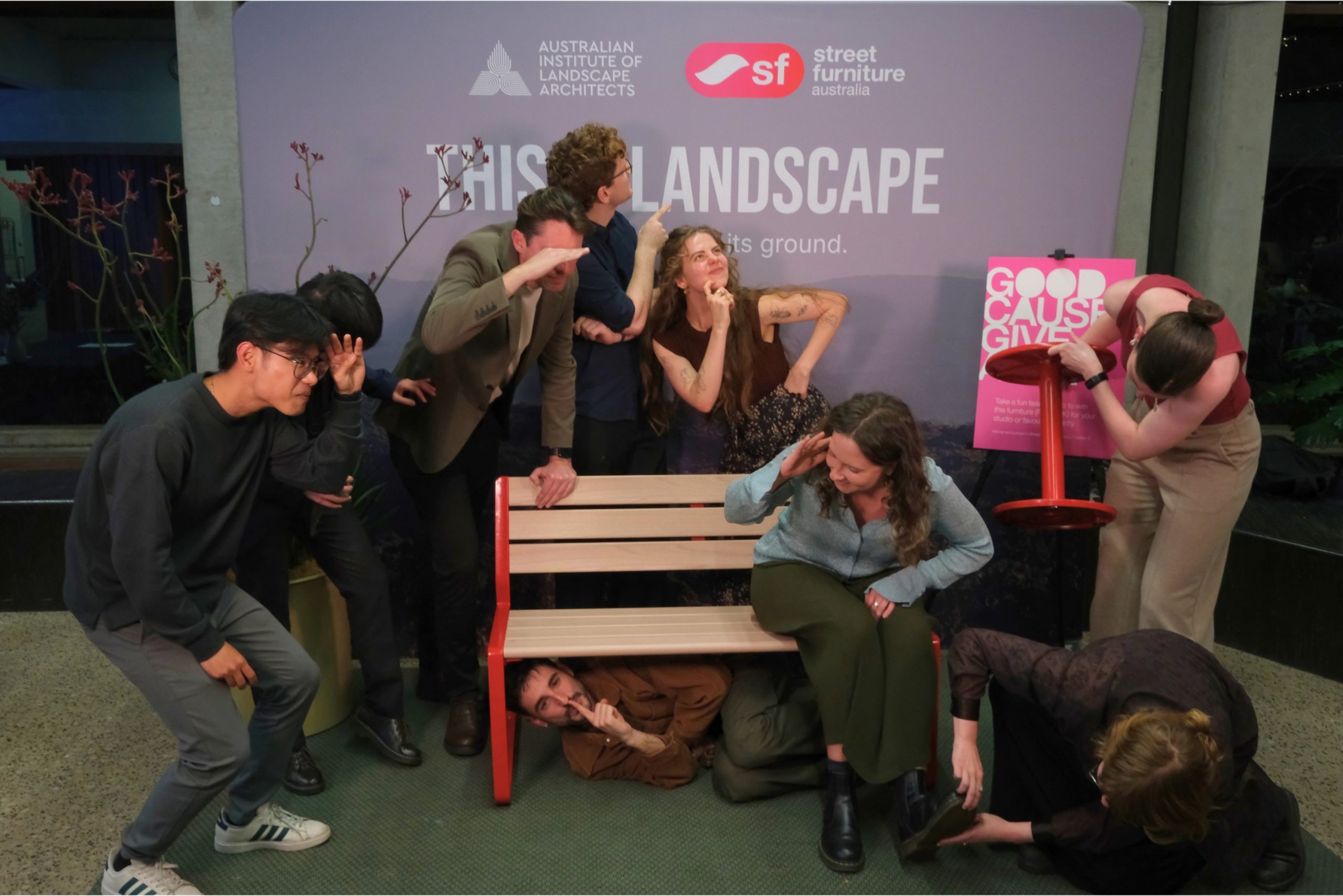
2026 AILA Awards: Good Cause Giveaway
See highlights of all the outstanding creative photos from the 2026 AILA Awards Good Cause Giveaway, and discover which studio team won over 3k worth of furniture for... Read More
-
Join us for West Fest 2026: Designing for Belonging
A half-day knowledge exchange hearing from local built environment experts on fostering a sense of belonging in an increasingly dense, digital society. Read More
-
COP31 unites Australia and the Pacific
Australia and Pacific nations unite at COP31 to tackle climate change, advance renewable energy and address the region’s urgent climate challenges. Read More
-
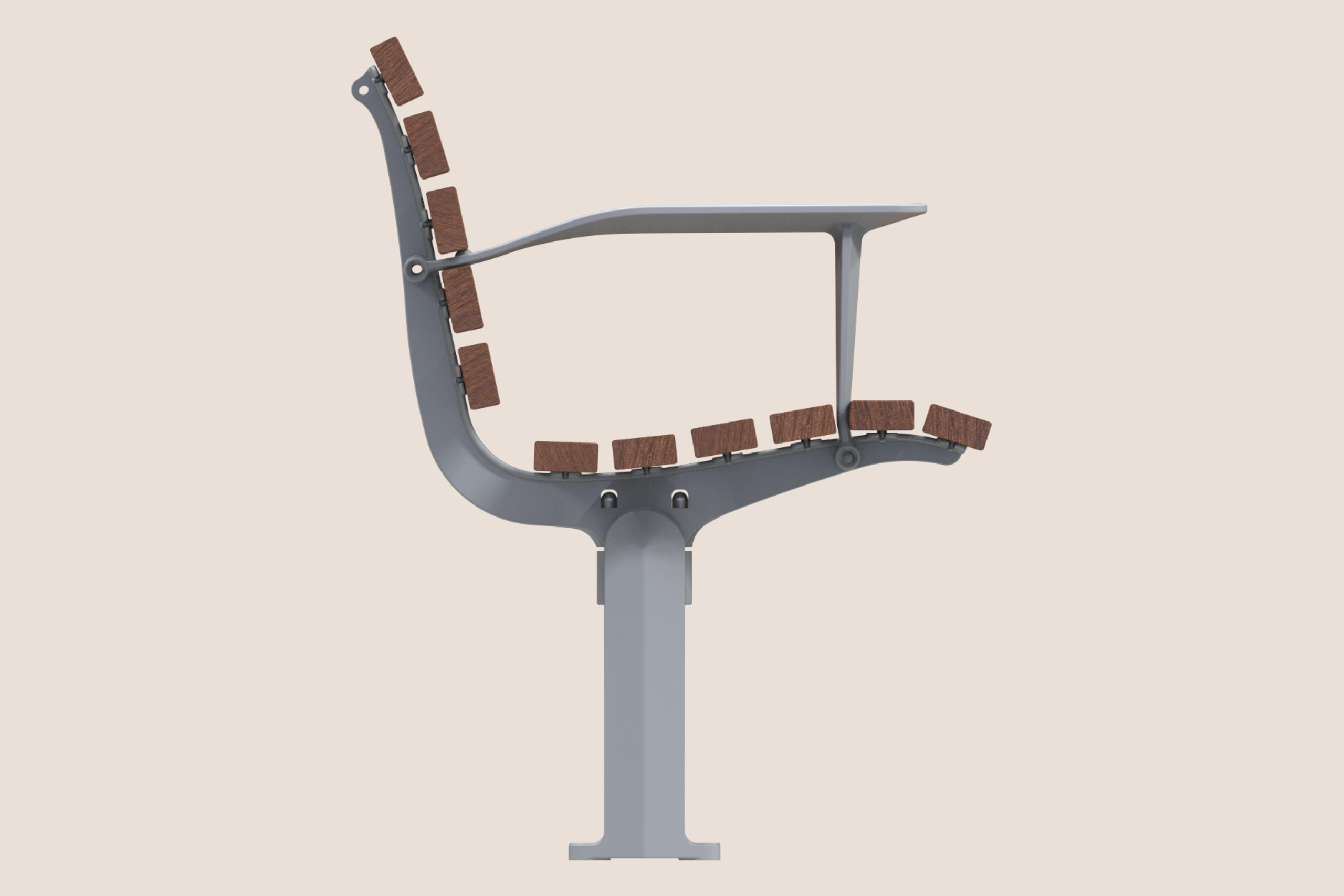
Introducing the new Pillar Leg
Street Furniture Australia’s new Pillar Leg is slimmer but sturdier. Discover what goes into a furniture leg, from fixing and accessibility to design. Read More
-
14th Street Y: From active space to community
How did a quiet gym lobby bring together 420+ locals? Learn how 14th Street Y uses social infrastructure and cheap coffee to build community. Read More
-
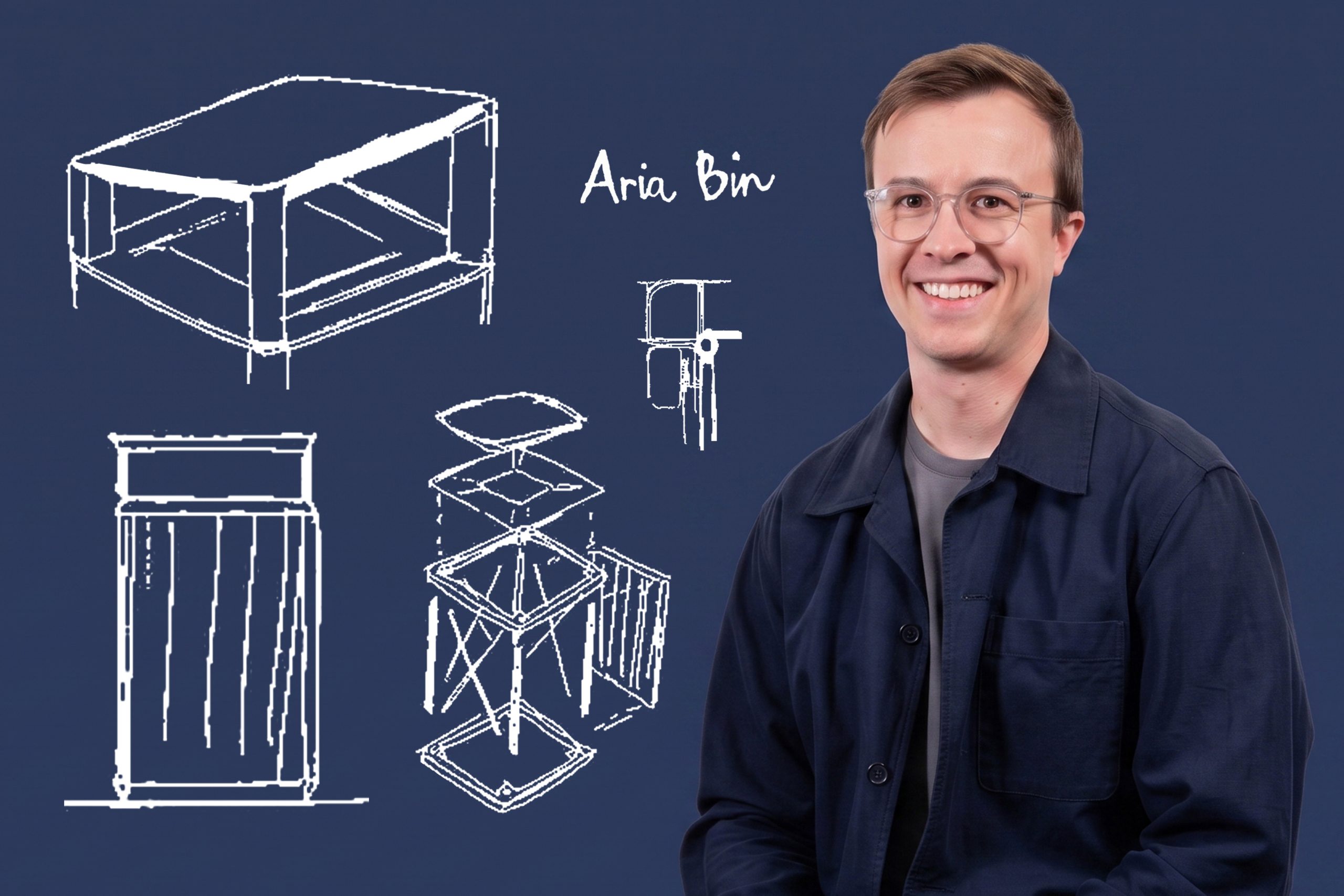
The design story behind Aria Bin
By Francis McArdle, Lead Designer of Aria Bin. There may be no piece of public infrastructure more overused and underappreciated than the humble bin. A basic necessity in... Read More