Trend Watch November 2020
Upcoming Events
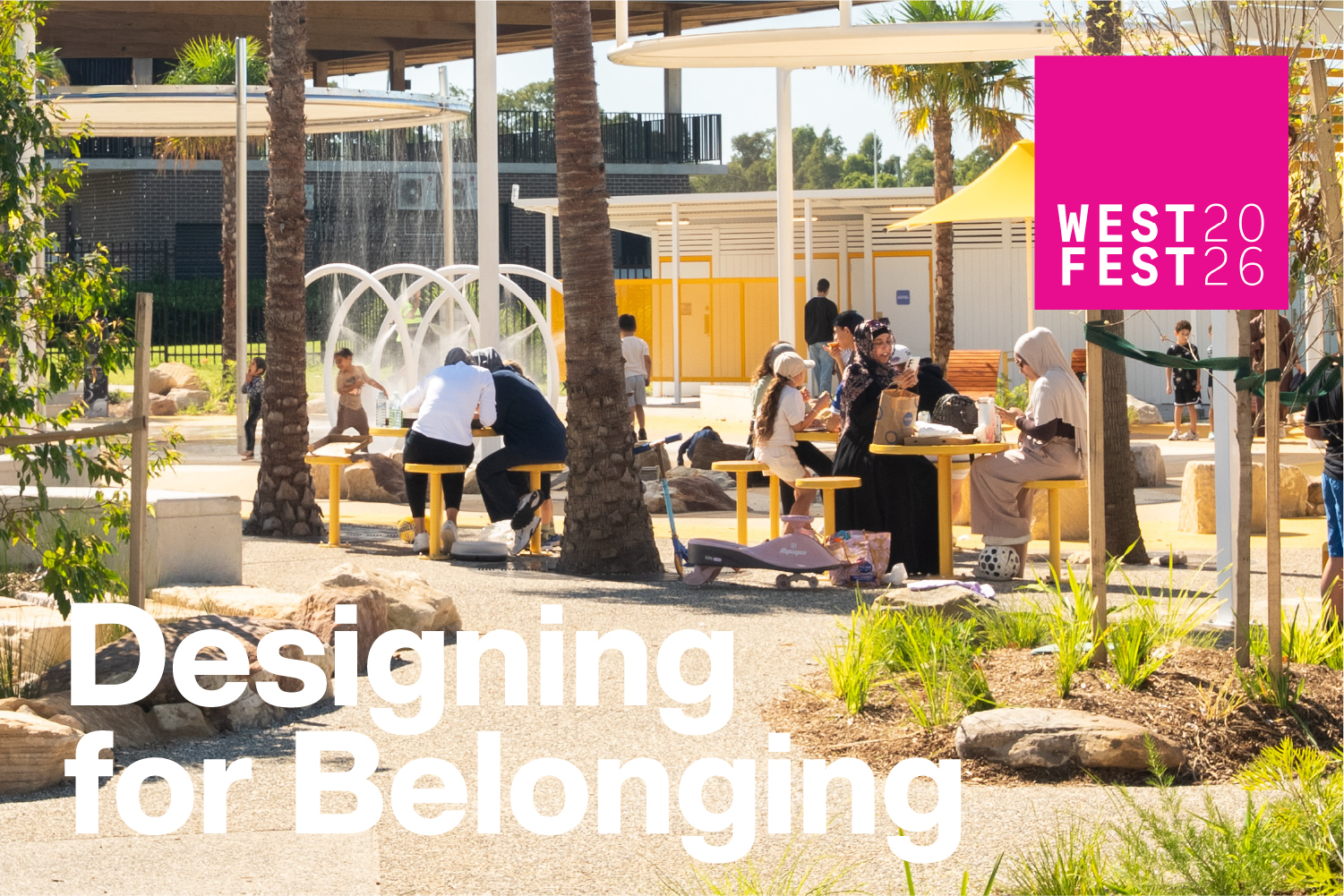
Join us for West Fest 2026: Designing in Belonging
A half-day knowledge exchange hearing from local built environment experts on fostering a sense of belonging in an increasingly dense, digital society.
Read more

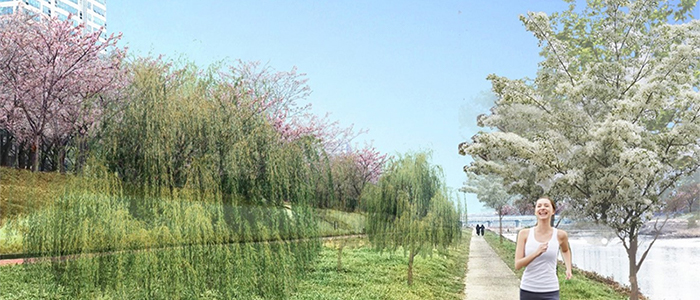
Seoul is Planning ‘Wind Path Forests’ to Direct Fresh Air to the CBD:
Seoul has announced plans to bring a concept called ‘wind path forests’ to life, to direct clean air into the city, absorb particles and lessen the urban heat island effect.
Trees will be placed close together along rivers and roads to create wind paths so clean and cool air generated at night from Gwanaksan Mountain and Bukhansan Mountain can flow into the centre of Seoul.
Three kinds of forests will direct and purify air, according to Cities Today.
Wind-generating forests, including species such as pine trees and maple trees, will be cultivated so that they direct the fresh air from the forest to flow towards the city.
Connecting forests will feature air-purifying plants, such as wild cherry trees and oak trees, along a path linking the forest to the city centre – the idea is that the leaves will absorb particulate matter while the branches and tree trunks will block particles.
Smaller ‘forests’ will be planted in the city centre, including parks, green rooftops and living walls.
Seoul Metropolitan Government will start creating the urban forests in the Gwanaksan Mountain-Anyangcheon and Buhansan Mountain-Uicheon areas from November in collaboration with the Korea Forest Service. They expect completion by the end of 2021.
In cooperation with the Korea Forest Service, the Seoul Metropolitan Government plans to invest a total of 17 billion won (US$15 million).
The city said the initiative could help to reduce the average temperature in downtown Seoul by up to seven degrees Celsius (44.6°F) in summer.
Image: Photo: Plans for urban ‘wind path forests’, Seoul Metropolitan Government.
What Happens to Melbourne Post-Lockdown?
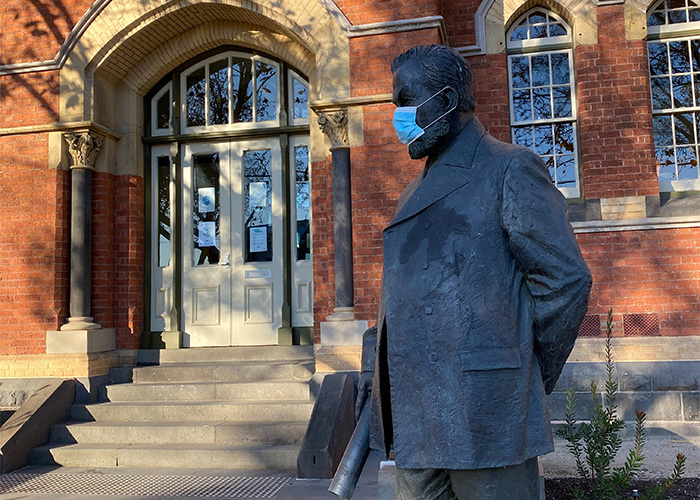
The Victorian capital is built on the very things that closed borders and COVID-19 have denied communities: people, immigrants, particularly international students, gathering in large numbers in narrow spaces. So what happens now? Ask Royce Millar, Chris Vedelago and Biance Hall in The Age.
One of the world’s longest novel coronavirus city lockdowns – lasting for 111 days – ended in October, allowing roughly 5 million people to leave home anytime they want, eat dinner at a restaurant and drink at bars for the first time in more than three months.
“In a pandemic the main focus, of course, is saving lives. But now we fear for the health of our city, mothballed longer than all the other capitals, and especially susceptible to a curse like COVID,” say the writers.
“The virus and our response to it will forever change how Melbourne looks and functions. But it may not be all bad. Amid the gloom, the COVID disruptor may yet, according to some, help make changes for the good.”
Read their examination in the full article.
Photo by Jane Slack-Smith on Unsplash.
-
2026 AILA Awards: Good Cause Giveaway
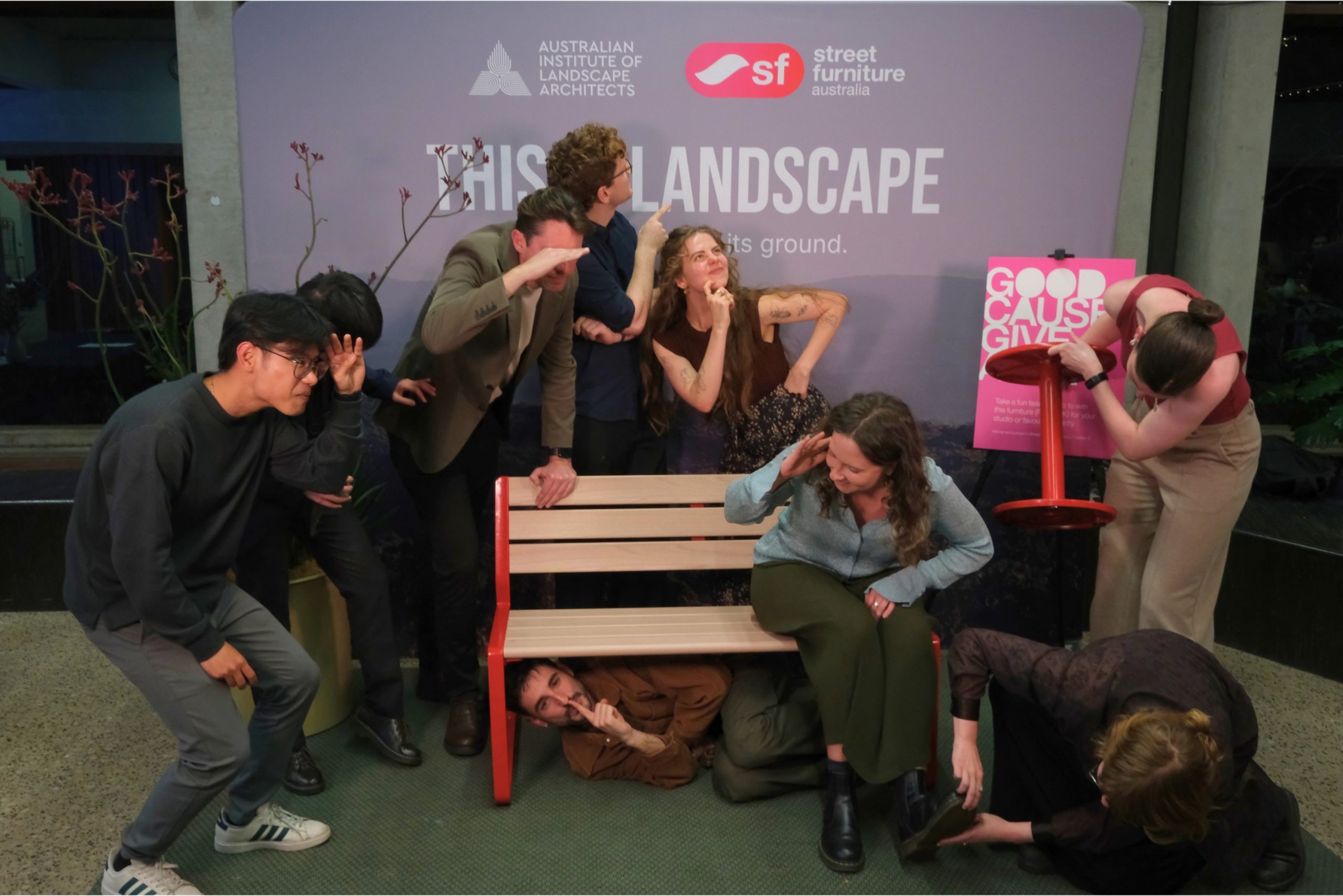
See highlights of all the outstanding creative photos from the 2026 AILA Awards Good Cause Giveaway, and discover which studio team won over 3k worth of furniture for... Read More
-
Join us for West Fest 2026: Designing in Belonging
A half-day knowledge exchange hearing from local built environment experts on fostering a sense of belonging in an increasingly dense, digital society. Read More
-
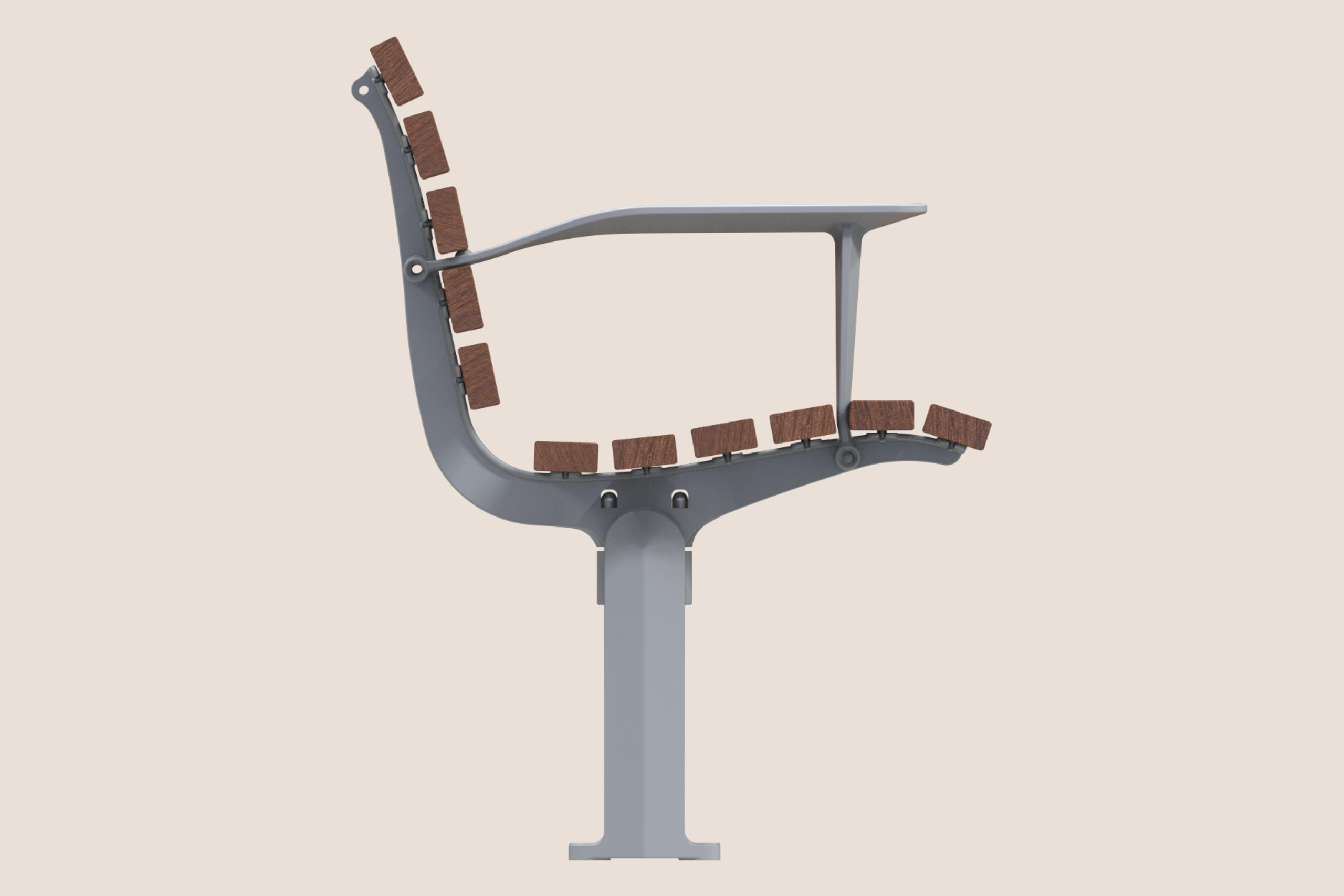
Introducing the new Pillar Leg
Street Furniture Australia’s new Pillar Leg is slimmer but sturdier. Discover what goes into a furniture leg, from fixing and accessibility to design. Read More
-
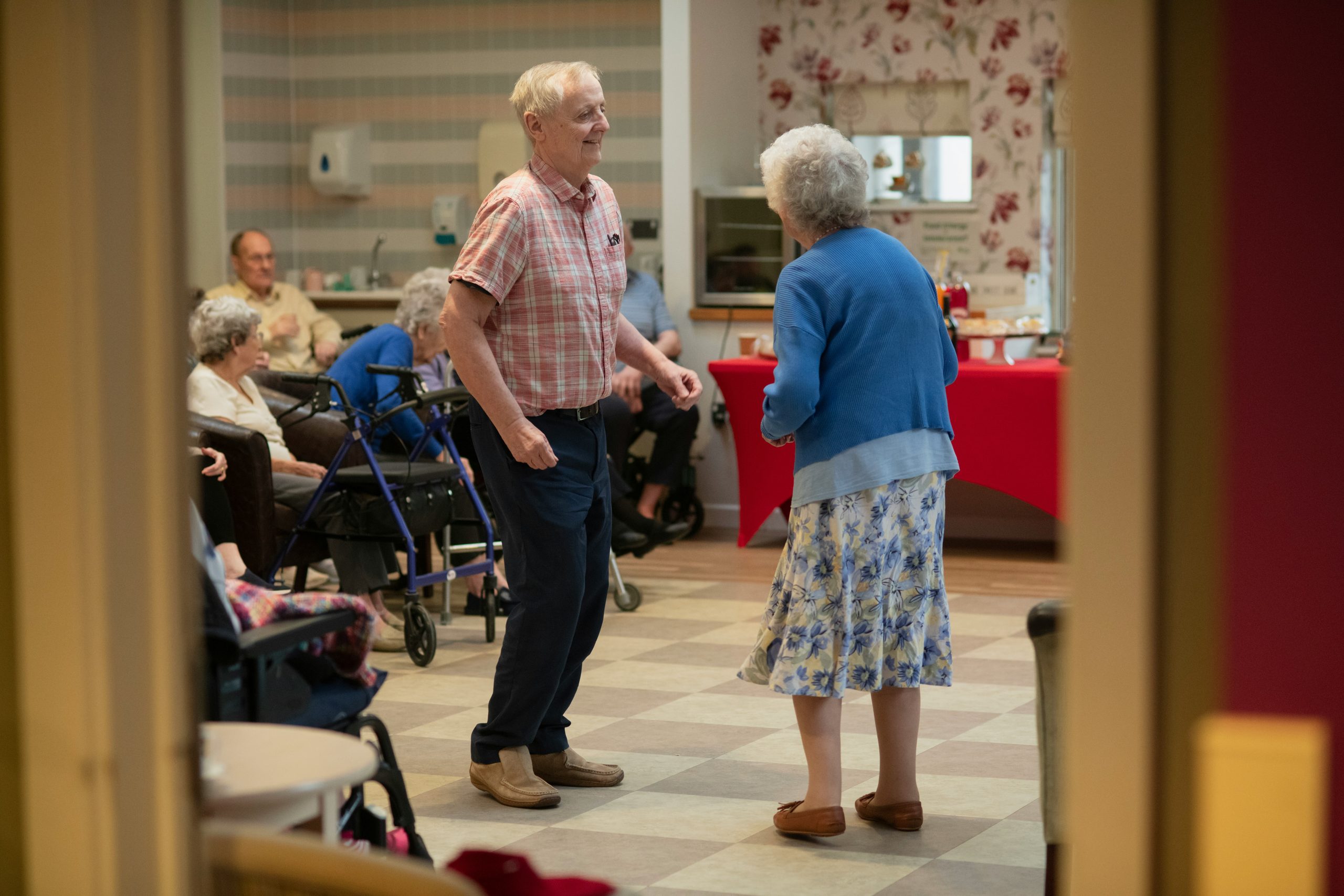
14th Street Y: From active space to community
How did a quiet gym lobby bring together 420+ locals? Learn how 14th Street Y uses social infrastructure and cheap coffee to build community. Read More
-
The design story behind Aria Bin
By Francis McArdle, Lead Designer of Aria Bin. There may be no piece of public infrastructure more overused and underappreciated than the humble bin. A basic necessity in... Read More
-
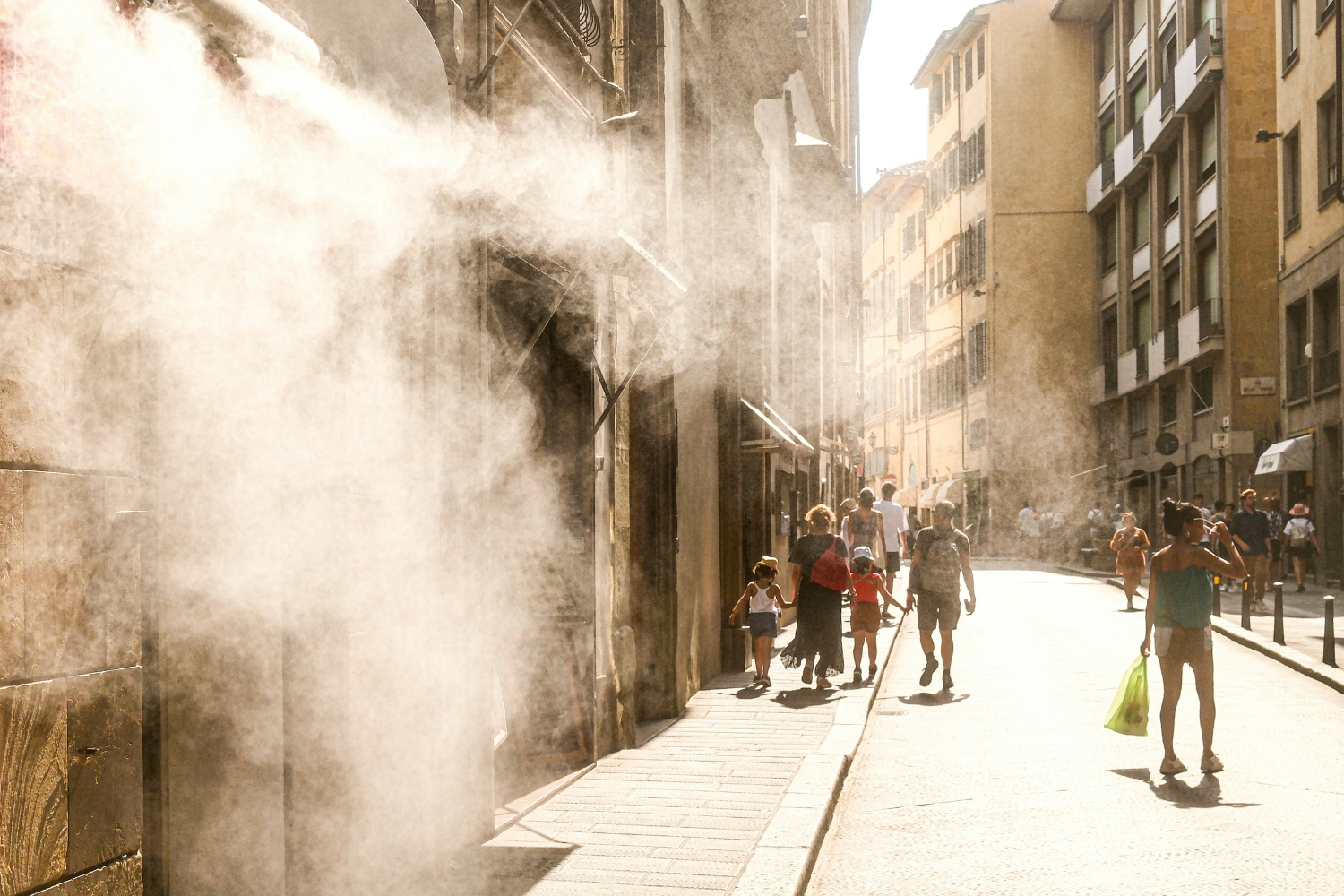
Should heat be regulated?
What if cities regulated heat like fire and flooding? ASLA explores how thermal performance could become a standard part of urban design. Read More