Icelandic Turf Houses a Model for Sustainable Design
Upcoming Events
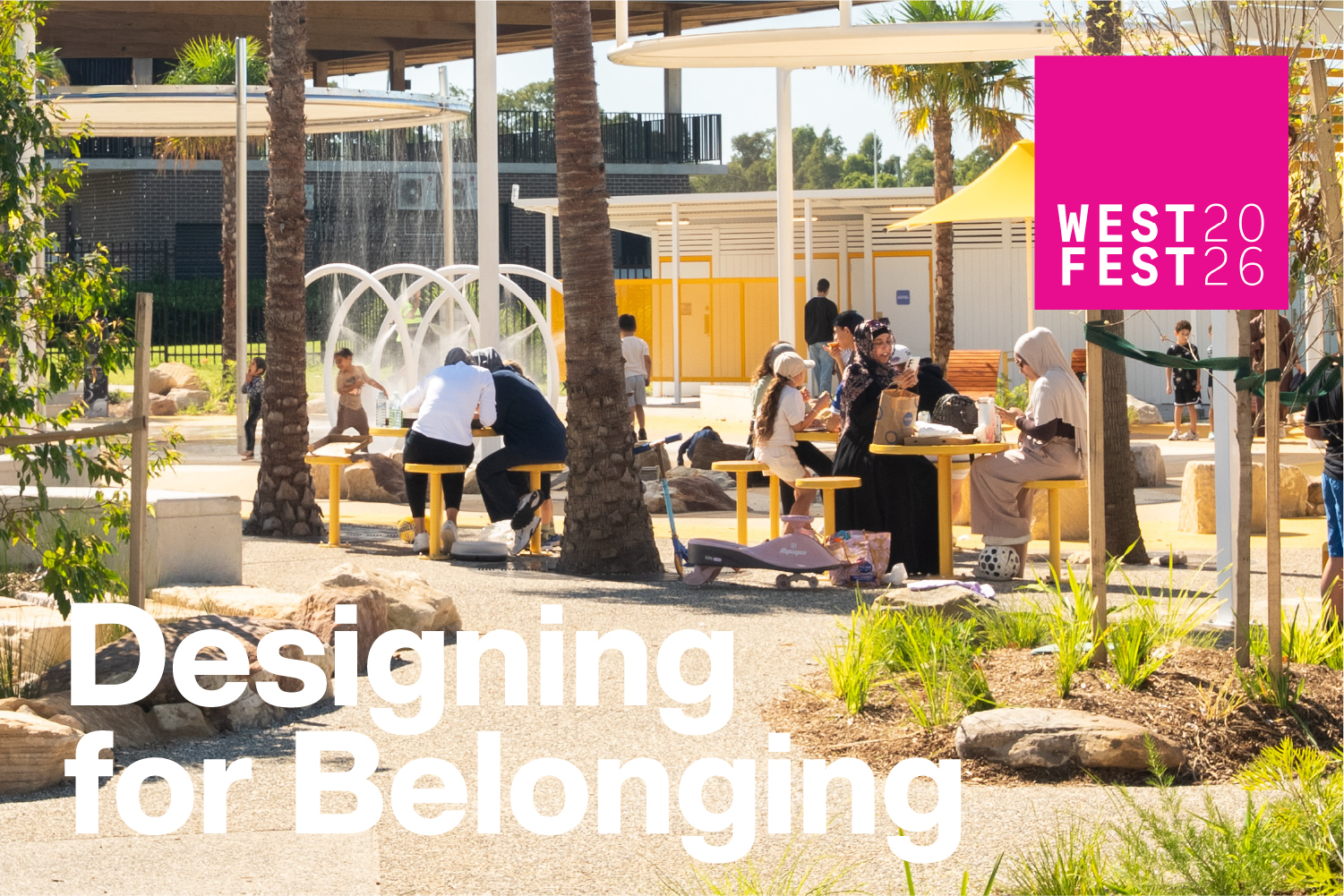
Join us for West Fest 2026: Designing in Belonging
A half-day knowledge exchange hearing from local built environment experts on fostering a sense of belonging in an increasingly dense, digital society.
Read more

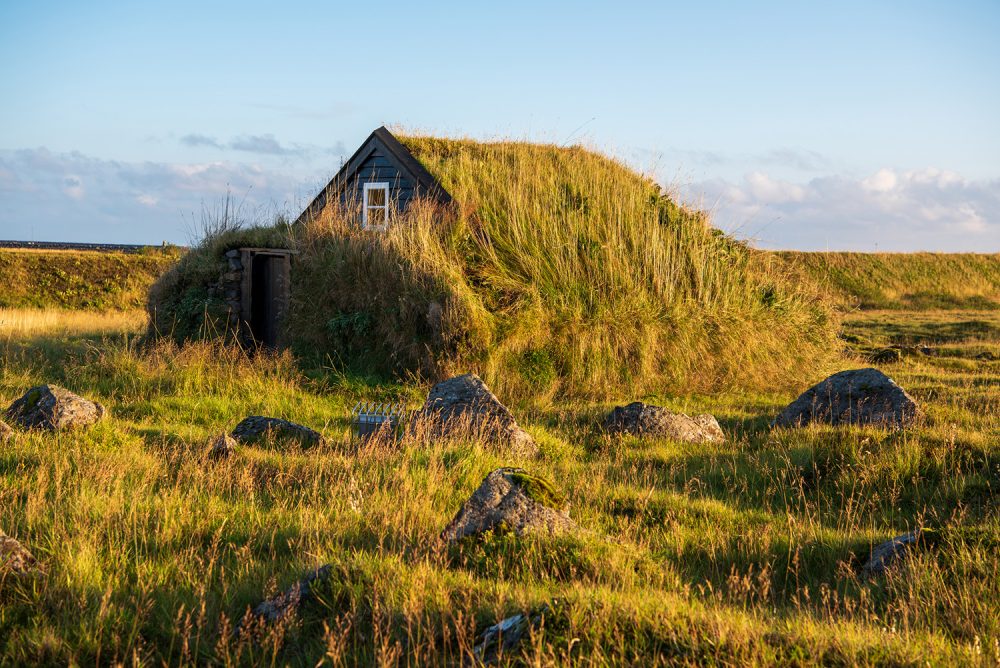
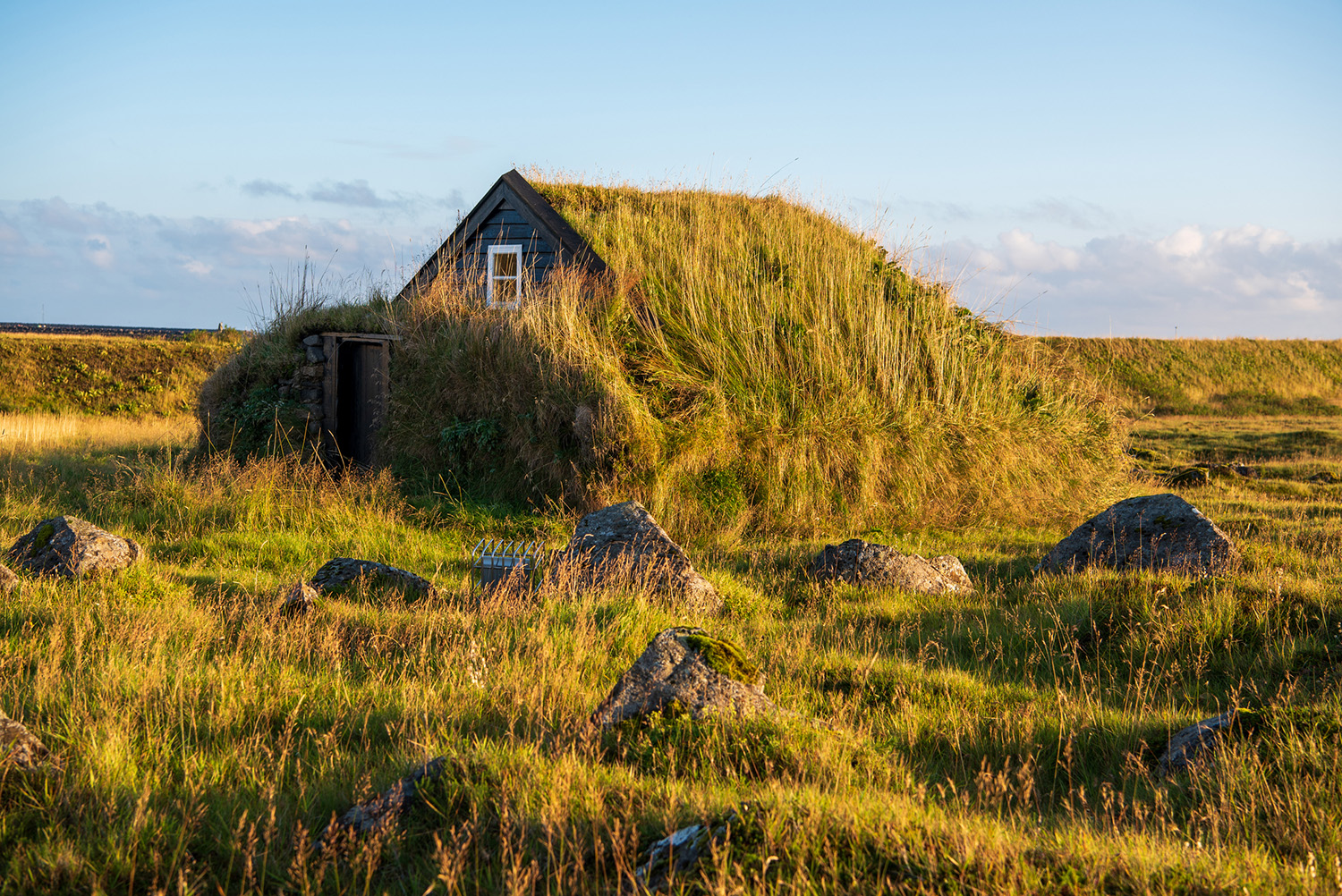
From Viking-age earthworks to contemporary eco-retreats, Iceland’s turf houses reveal how architecture shaped by landscape may yet point the way forward.
A recent article in Wallpaper, by By Teja Lele, puts Iceland’s centuries-old turf houses, or torfbæir, in the spotlight as models for future sustainable design. From humble beginnings, having emerged purely from necessity rather than stylistic ambition, they are now garnering respect for their “design intelligence, tuned to climate, material limits, and human need” according to Ágústa Kristófersdóttir, director of the National Museum of Iceland.
Turf houses are built from layered blocks of grass and soil—cut from volcanic bog earth and stacked like masonry—supported by stone and minimal wood. The secret to their enduring success lies in sophisticated, nature-based engineering. The thick walls, living moss roofs, and narrow openings trap geothermal warmth to retain heat in winter and keep interiors cool in summer.
While as cultural artifacts, turf houses reflected the socio-economic status and organisation of domestic life, an anti-turf movement saw their demise in the late 19th century. The change was due to modernisation and the desire to be part of “civilised” Europe. There are only dozens remaining.
Despite their rarity, the core principles—local materials, thermal intelligence, and renewability—are now a source of inspiration for modern architecture, with a radical approach to permanence, being built to renew, not last forever. Architects are reviving the turf house’s logic to create landscape-integrated, biophilic, and low-impact solutions for the 21st century.
Read the full article in Wallpaper.
Image Credit: Oralleff (iStock)
About the Image: The land on which the house stands was known in Icelandic as purrabúð, its occupants were forbidden from keeping domestic animals, including cows and sheep and as a result were completely dependent on the sea for subsistence. During its 37 years of habitation, Stekkjarkot was occupied by only 3 couples and their families. Built during the years 1855-1877, it was abandoned only 30 years later. Refurbished in 1917, it was abandoned again in 1927.
-
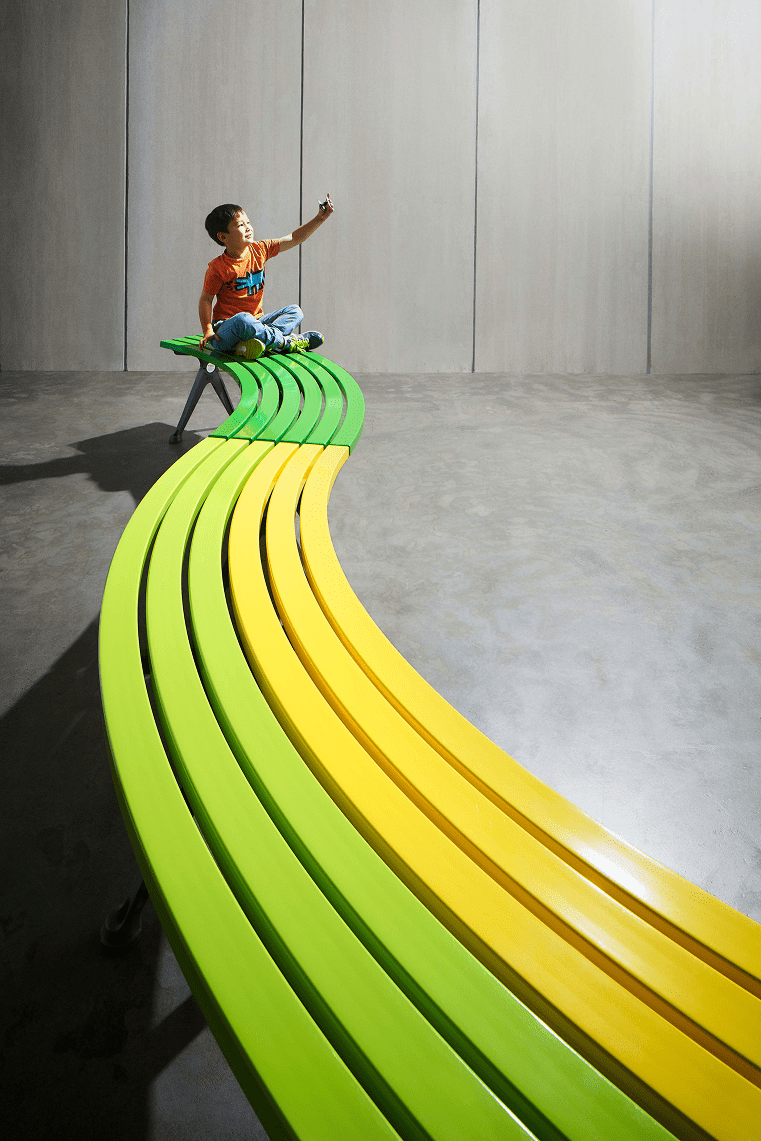
2026 AILA Awards: Good Cause Giveaway
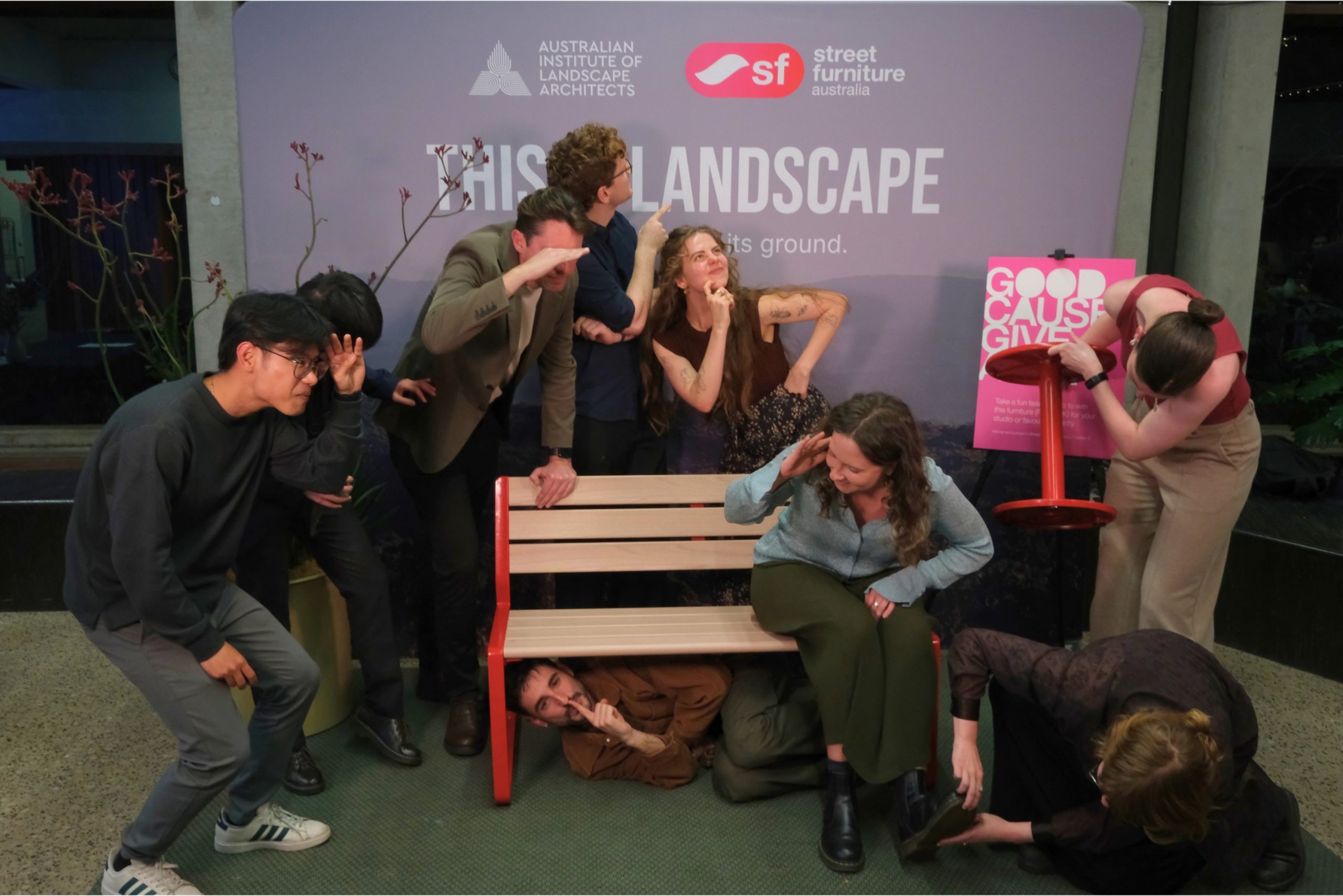
See highlights of all the outstanding creative photos from the 2026 AILA Awards Good Cause Giveaway, and discover which studio team won over 3k worth of furniture for... Read More
-
Join us for West Fest 2026: Designing in Belonging
A half-day knowledge exchange hearing from local built environment experts on fostering a sense of belonging in an increasingly dense, digital society. Read More
-
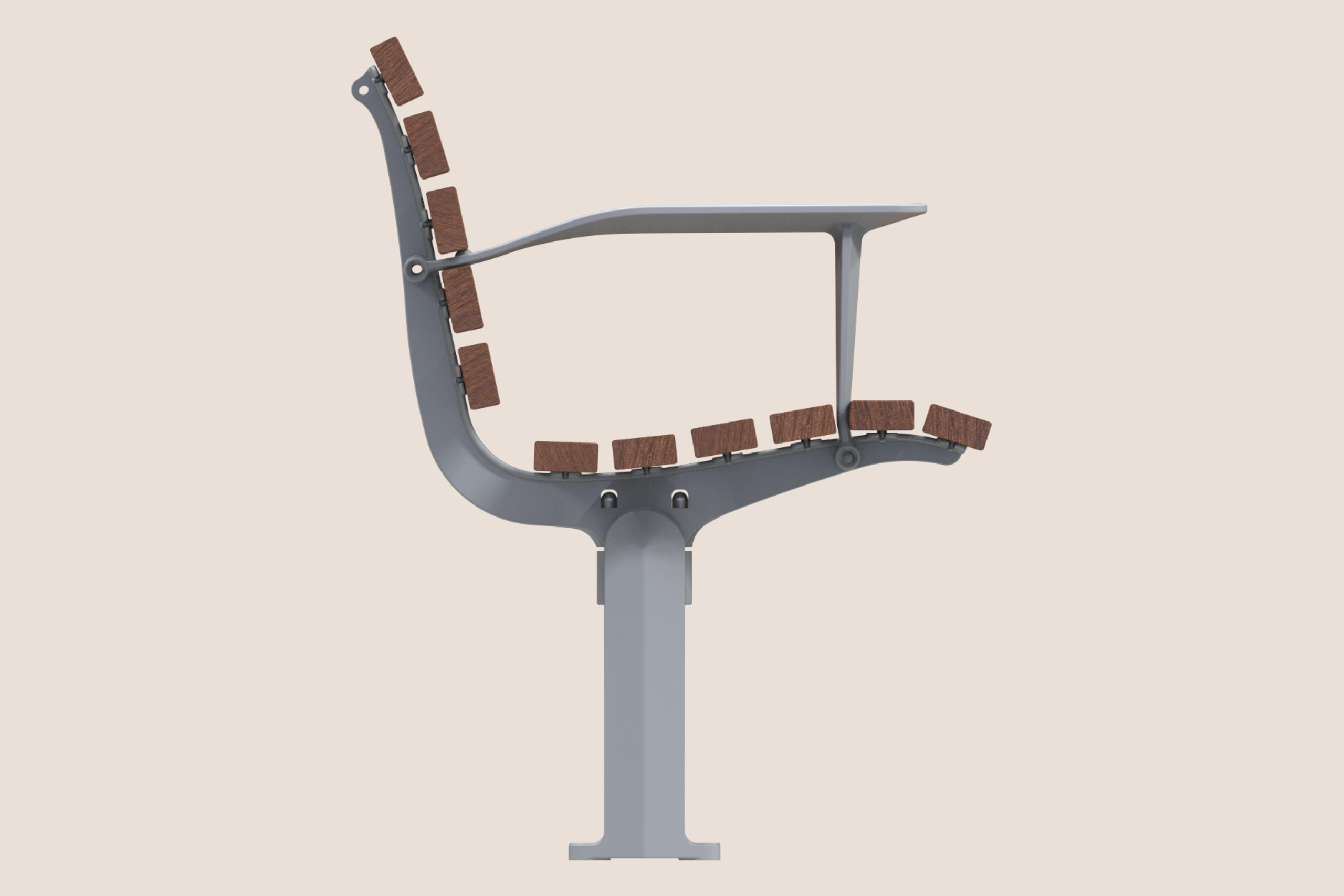
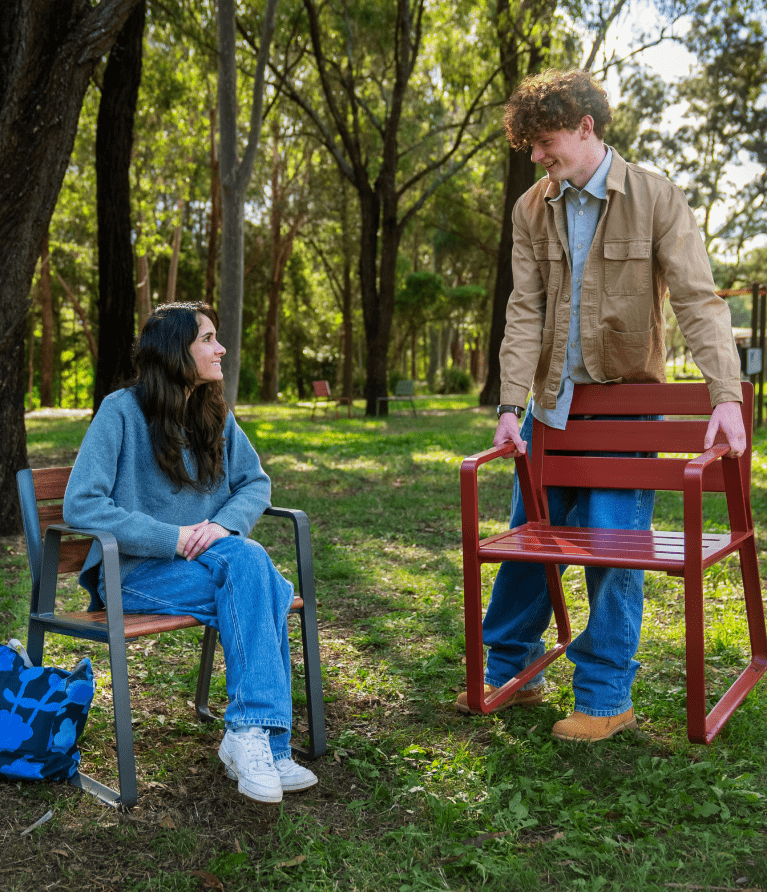
Introducing the new Pillar Leg
Street Furniture Australia’s new Pillar Leg is slimmer but sturdier. Discover what goes into a furniture leg, from fixing and accessibility to design. Read More
-
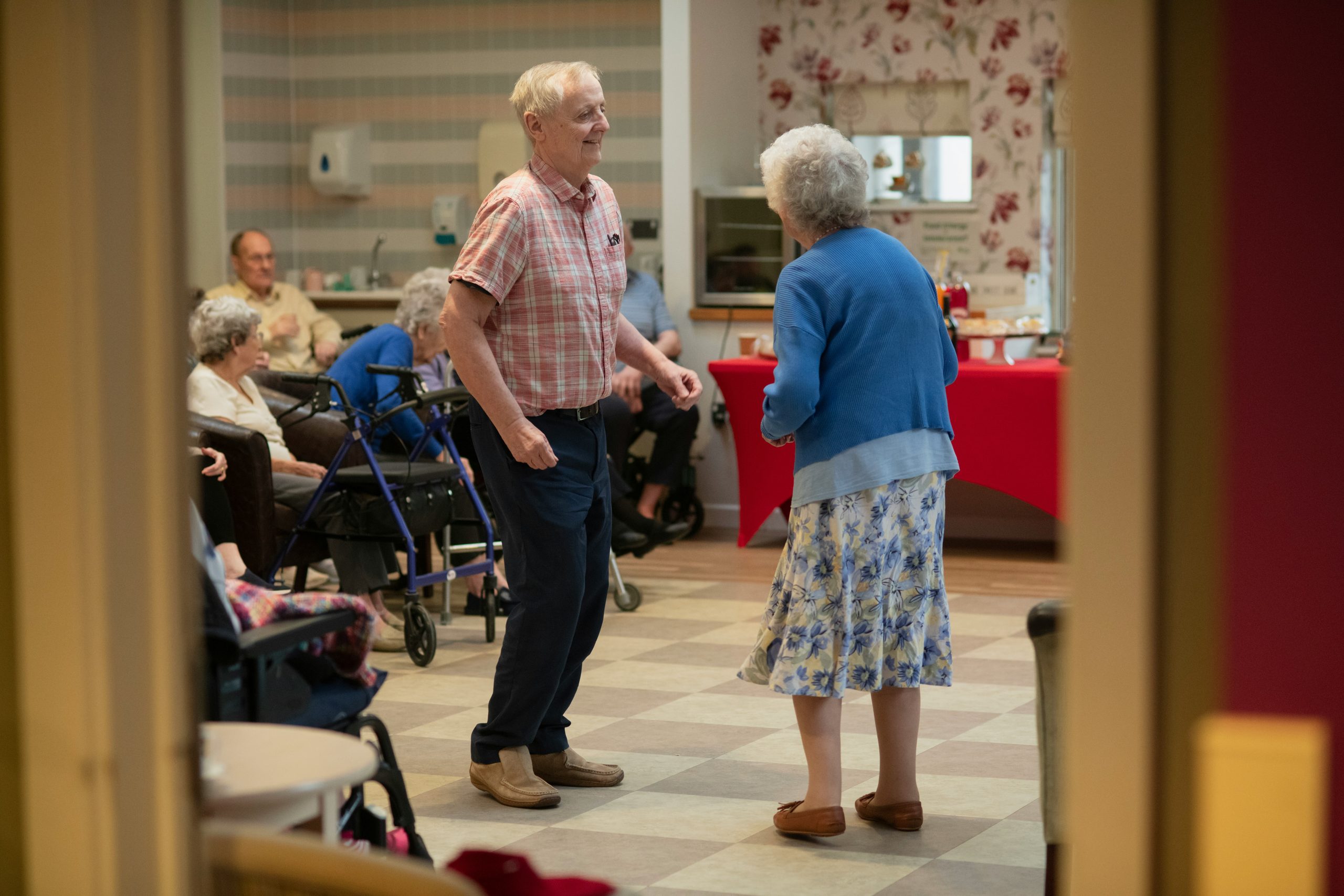
14th Street Y: From active space to community
How did a quiet gym lobby bring together 420+ locals? Learn how 14th Street Y uses social infrastructure and cheap coffee to build community. Read More
-
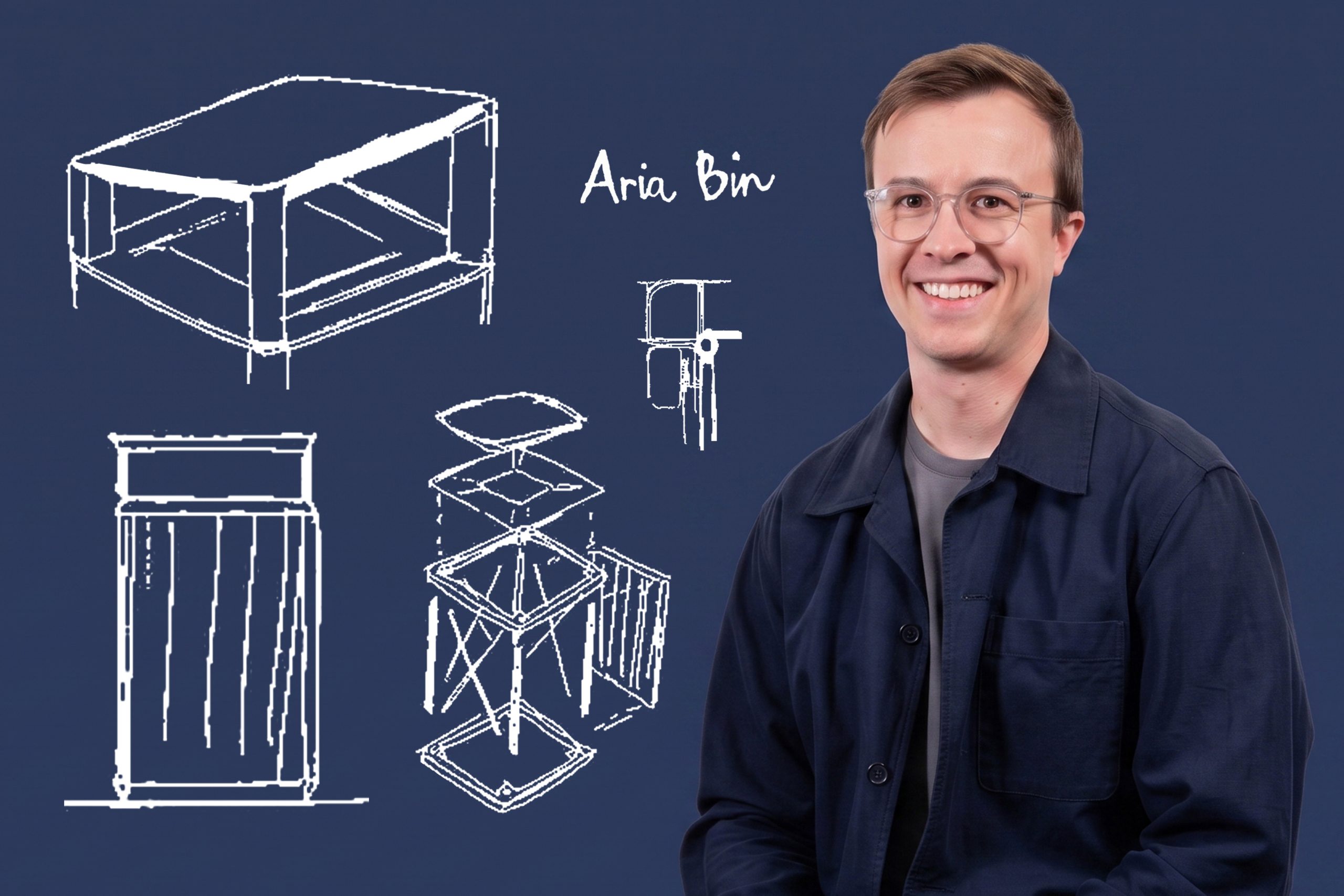
The design story behind Aria Bin
By Francis McArdle, Lead Designer of Aria Bin. There may be no piece of public infrastructure more overused and underappreciated than the humble bin. A basic necessity in... Read More
-
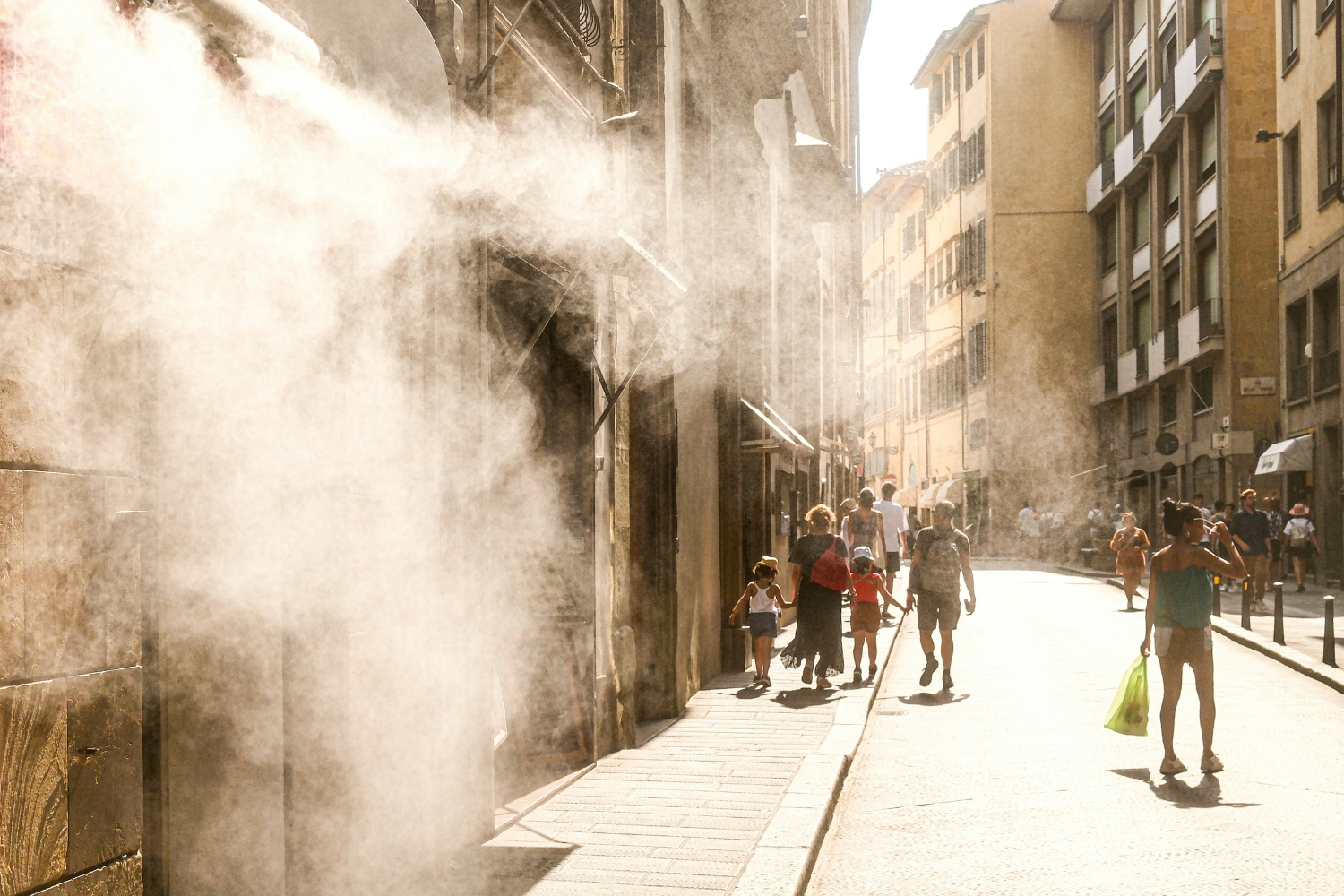
Should heat be regulated?
What if cities regulated heat like fire and flooding? ASLA explores how thermal performance could become a standard part of urban design. Read More