Street Furniture Australia Features in World Bank Report: The Hidden Wealth of Cities
Upcoming Events
AILA Chapter Awards 2026: Seven Cities, Seven Nights
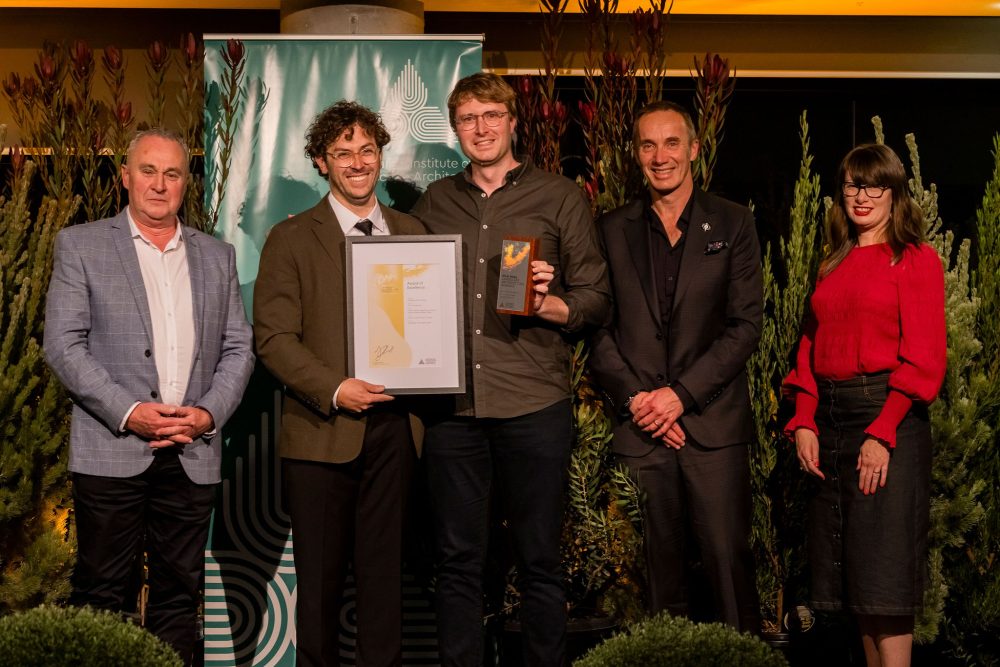
Join Street Furniture Australia, Presenting Partner of the 2026 AILA Chapter Awards, as we celebrate Australian landscape architecture across seven cities and seven nights.
Read more

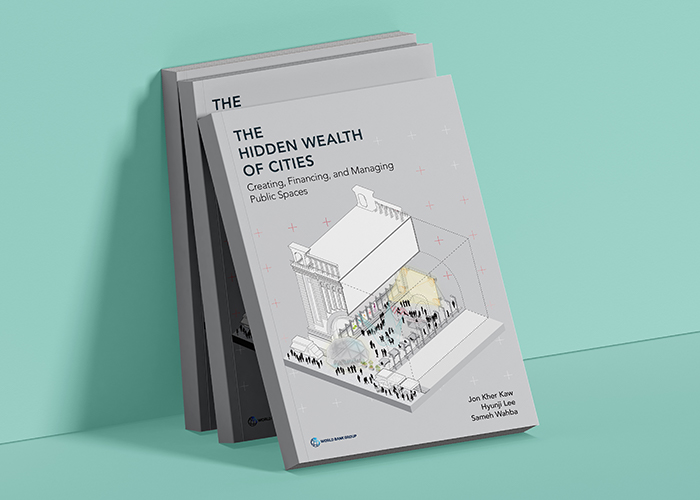
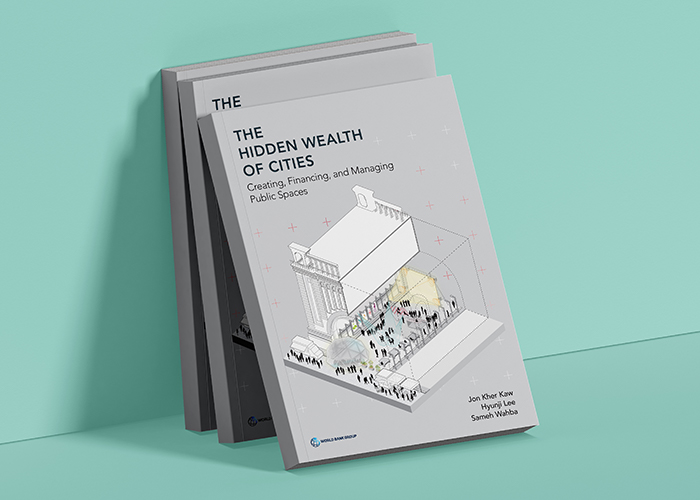
A new 400-page strategic handbook has been released by World Bank Group to help cities unlock ‘hidden value’ by working with public and private partners and communities to invest in the co-creation of human-centered, sustainable, economically vibrant and socially inclusive public spaces.
Smart and sustainable strategies implemented across public-space asset life cycles yield returns on investment far exceeding monetary costs, the authors say, and enhance city livability, resilience, and competitiveness.
According to the report, while globally about a third of a city’s land area is covered by public spaces, the potential of public-space assets to transform cities and improve urban life is often overlooked.
“The resulting degradation of public spaces into congested, vehicle-dominated, and polluted places often becomes a liability, creating a downward spiral that drains public resources and exacerbates various city problems,” they say.
“In contrast, cities that invest in the creation of connected, inclusive public spaces and places fare much better. They leverage public-space assets to create value for the surrounding area, supporting livelihoods and promoting local businesses; and spur urban revitalisation and innovation, further attracting firms and talent.
“Successful public spaces also add to quality of life by improving walkability, public safety, social inclusion, neighborhood vibrancy, urban health and citizen wellbeing. In many cases public spaces enhance urban resilience and city functioning by integrating with infrastructure, urban systems, cultural heritage and green spaces.”
The report presents strategies that city leaders, policymakers and urban practitioners can undertake to better plan, finance and manage both government-owned and privately-owned public spaces, to achieve livable cities for all.
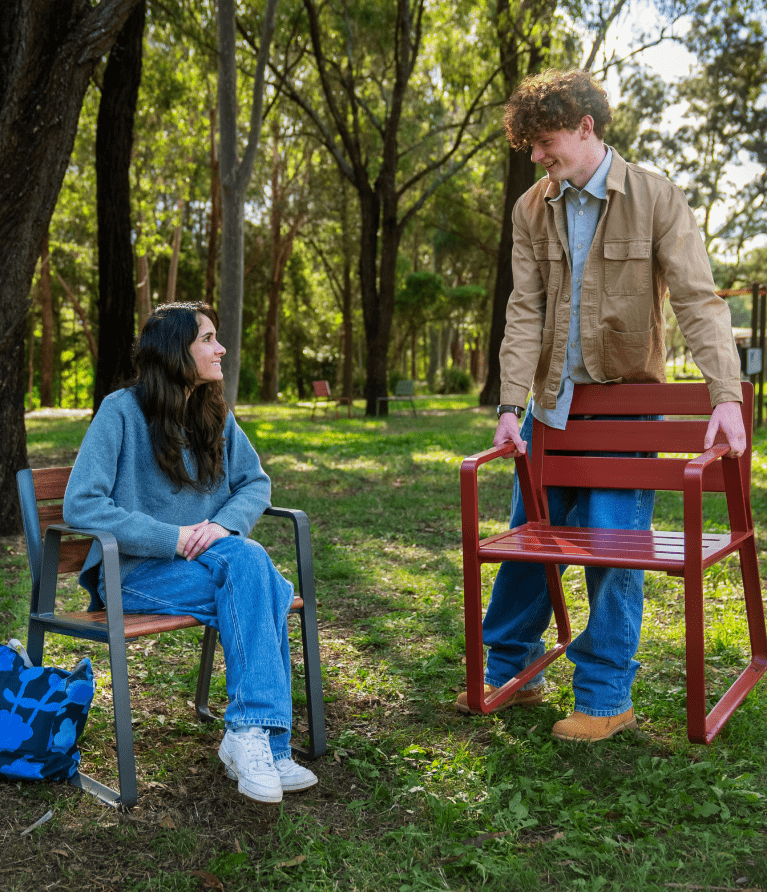
Street Furniture Australia is proud to have been mentioned in the report as an example of innovation in measuring the public realm with our Smart Social Spaces and ChillOUT research in collaboration with Georges River Council and the University of New South Wales and University of Sydney (p102).
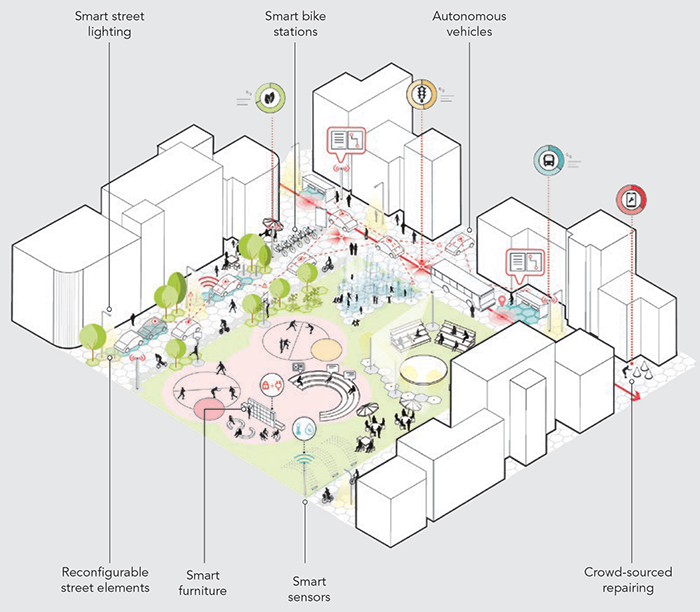
“In the future disruptive civic tech and GovTech street-level image object detection systems; sensors embedded in everyday objects in the public realm of smart districts; artificial intelligence; and machine learning will drive how cities monitor and manage public spaces,” the authors say.
“A set of urban technology applications for streets provides a glimpse into how streetscapes might change in the future.”
The Hidden Wealth of Cities: Creating, Financing, and Managing Public Spaces by Jon Kher Kaw, Hyunji Lee and Sameh Wahba is freely available as a pdf through the Open Knowledge Repository.
-
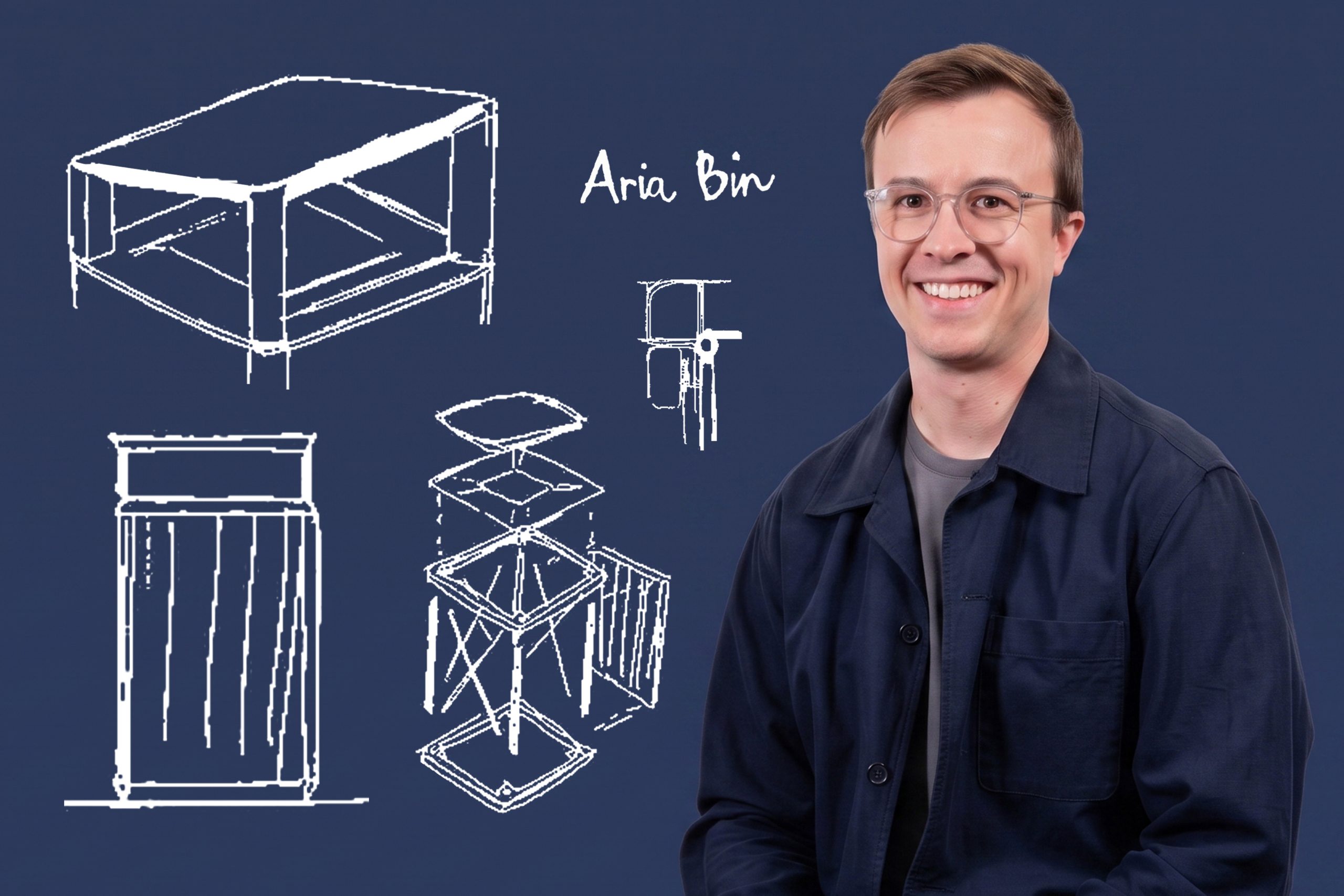
The design story behind Aria Bin
By Francis McArdle, Lead Designer of Aria Bin. There may be no piece of public infrastructure more overused and underappreciated than the humble bin. A basic necessity in... Read More
-
Should heat be regulated?
What if cities regulated heat like fire and flooding? ASLA explores how thermal performance could become a standard part of urban design. Read More
-
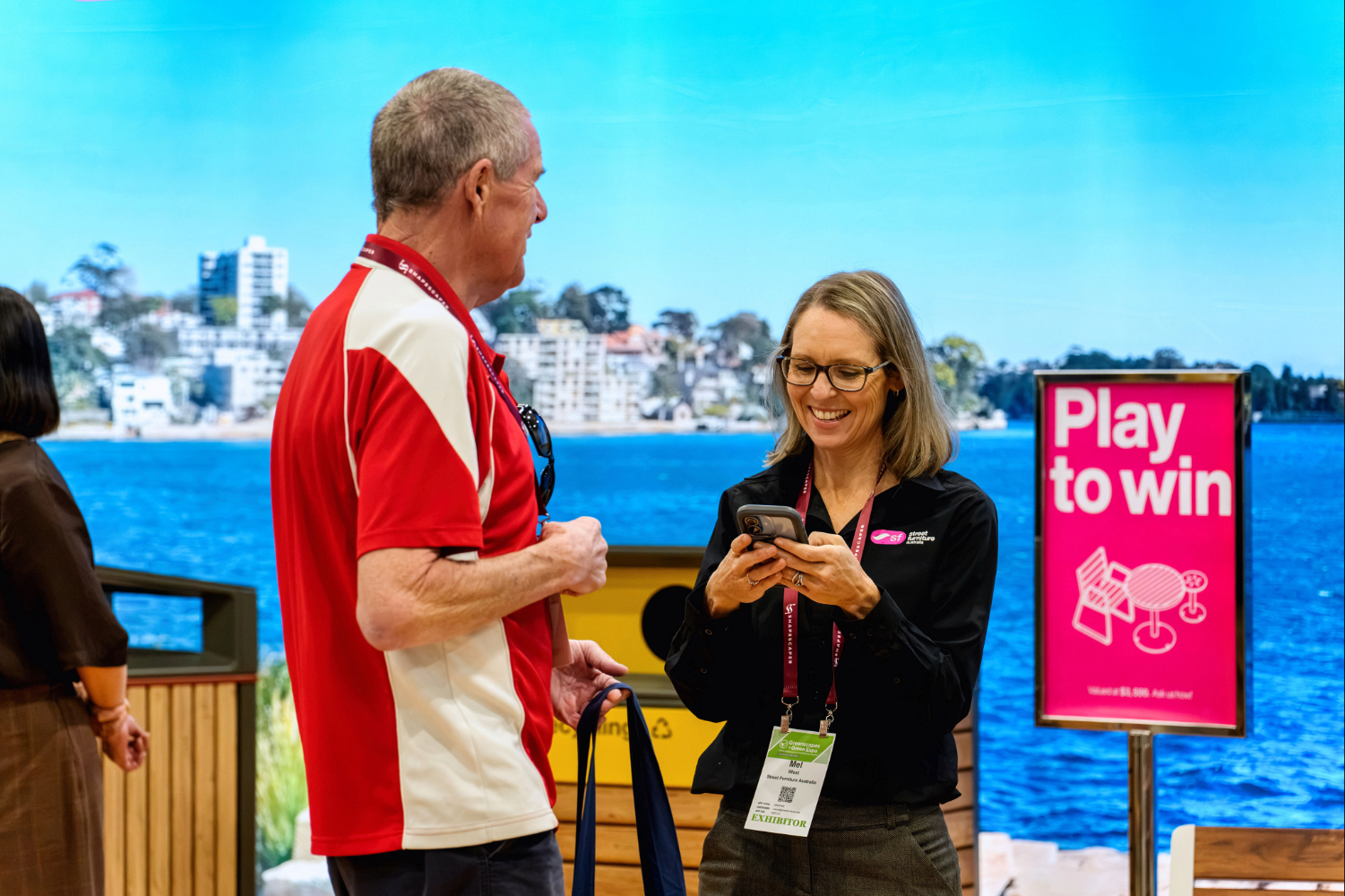
GreenScapes 2026: Did Queensland’s newest landscape industry show deliver?
Explore highlights from GreenScapes 2026 as Street Furniture Australia reflects on QLD’s new landscaping and design industry show. Read More
-
What are Tiny Forests and why is everyone planting them?
From Melbourne to Perth, Tiny Forests are turning underused spaces into dense pockets of native bushland for wildlife, biodiversity and community. Read More
-
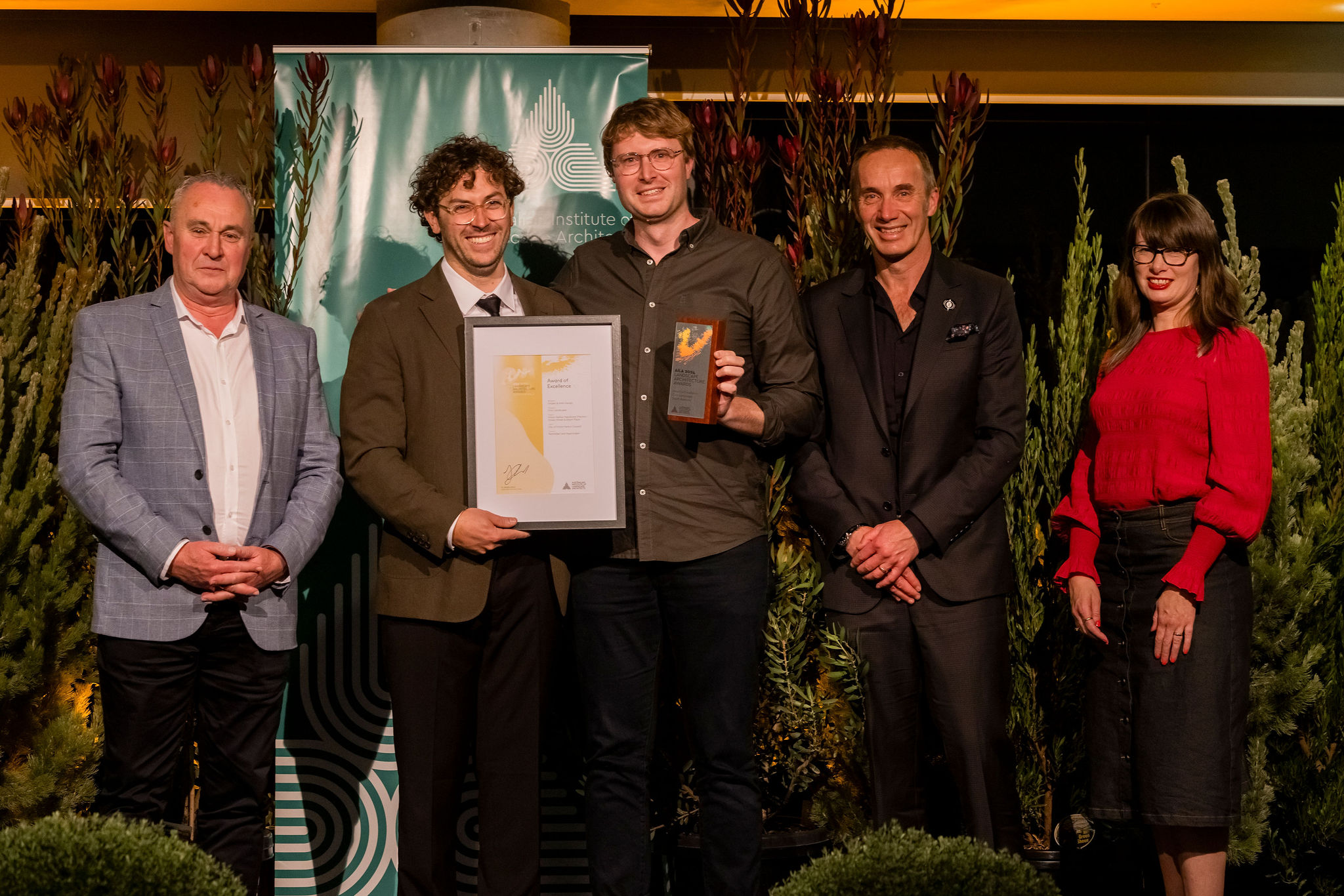
AILA Chapter Awards 2026: Seven Cities, Seven Nights
Join Street Furniture Australia, Presenting Partner of the 2026 AILA Chapter Awards, as we celebrate Australian landscape architecture across seven cities and seven nights. Read More
-
Designing for Parkinson’s: An award winning garden
Arit Anderson's garden for Parkinson’s UK, uses wide stone paths, night lights, and water features to support people living with Parkinson's. Read More