Trend Watch September 2019
Upcoming Events
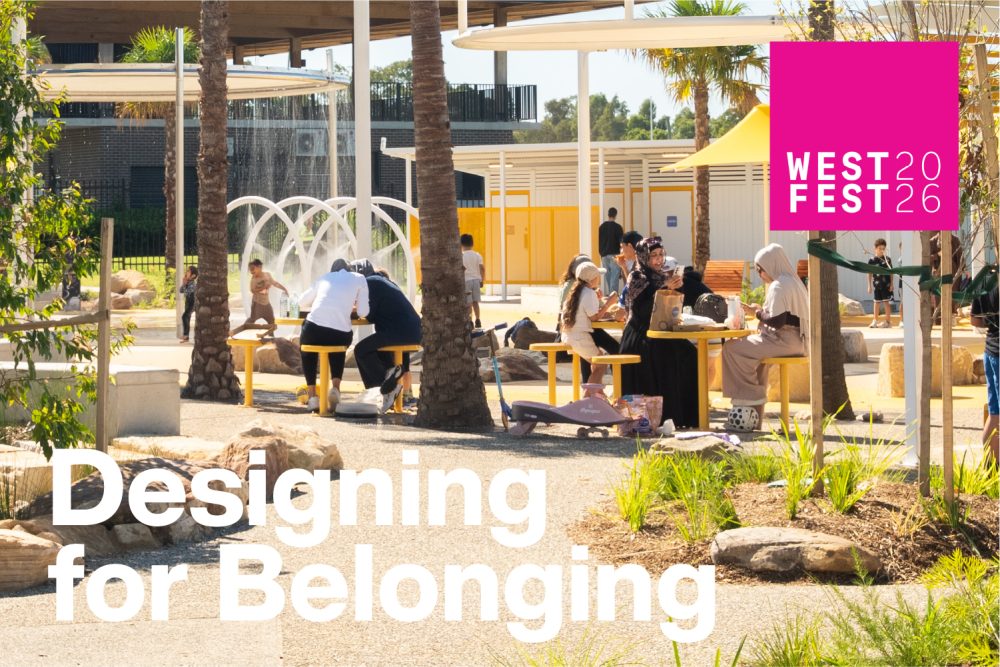
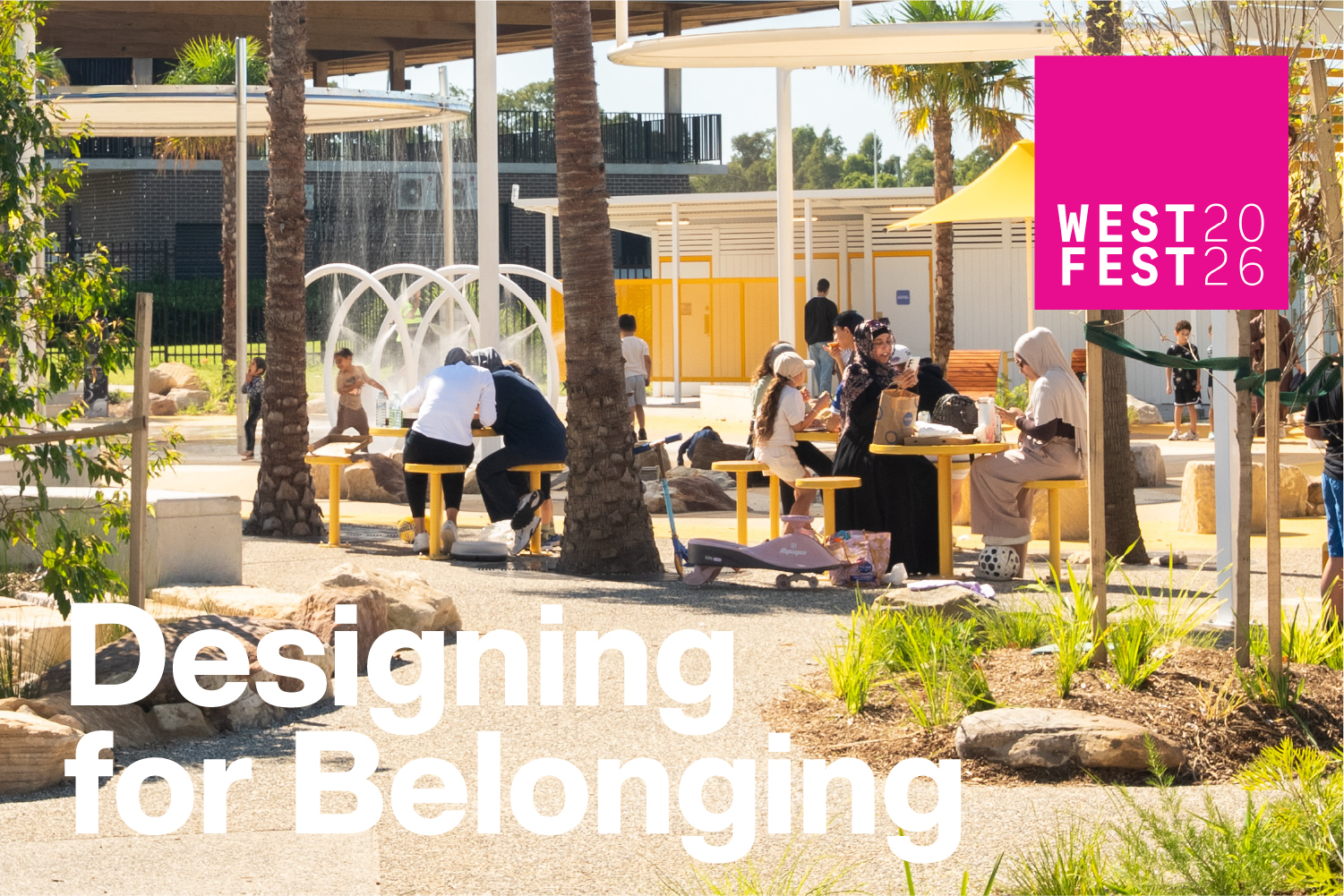
Join us for West Fest 2026: Designing in Belonging
A half-day knowledge exchange hearing from local built environment experts on fostering a sense of belonging in an increasingly dense, digital society.
Read more

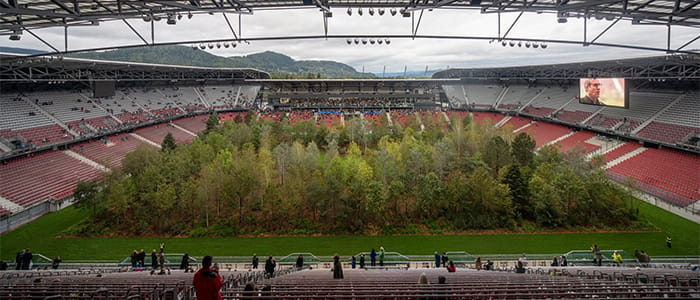
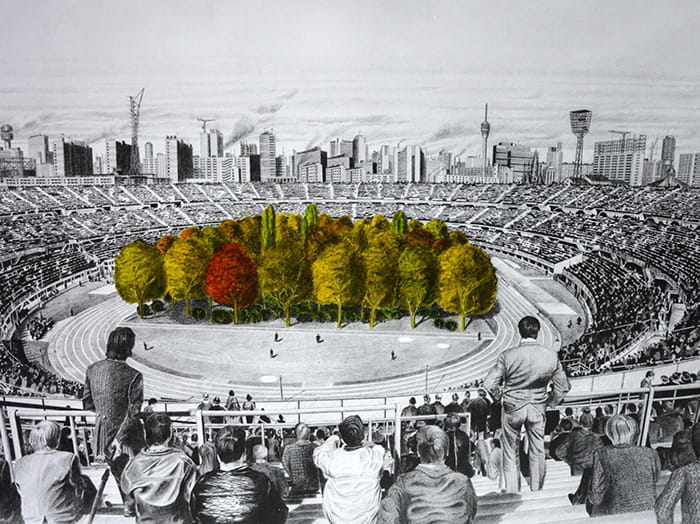
Planting A Forest in a Football Stadium:
Swiss curator Klaus Littmann and Enea Landscape Architecture hope to focus public attention on the crisis of deforestation with their public art installation, For Forest: The Unending Attraction of Nature.
The project has converted the Wörthersee stadium in Klagenfurt, Austria, into a temporary native European forest.
Some 300 trees, many of which are fully grown and some of which weigh nearly 13,227 pounds alone, occupy the stadium’s Astroturf and, together, form the country’s largest public art installation ever.
Tree species include silver birch, alder, aspen, white willow, field maple, and common oak, sourced from three nurseries in Italy, Germany and Belgium.
It took the team 22 days to ‘plant’ once the trees arrived in Austria.
The work is inspired by The Unending Attraction of Nature, a drawing by Austrian artist and architect Max Peintner. It shows a forest on display inside a stadium, in a dystopian future where nature grows only in designated spaces.
The installation opened on September 9 and will be on display till October 27, 2019. On closing it will be replanted on a public site nearby.
Read more on Fast Company.
Top photo by For Forest.
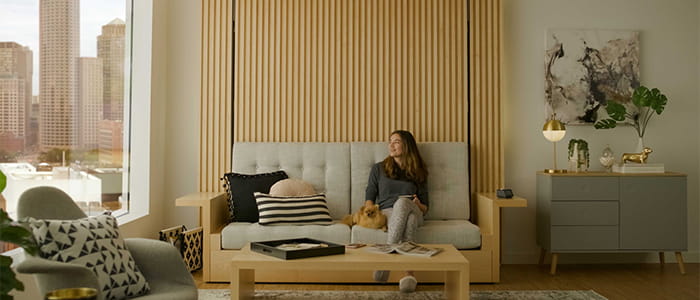
Alphabet and Ikea are Investing in Robotic Real Estate:
With $20 million of new funding from Sidewalk Labs and Ikea umbrella company Ingka Group, MIT robotics spin-off Ori plans to revolutionise architecture, writes Mark Wilson for Fast Company.
In 2014, an MIT project called CityHome proposed robotic infrastructure for apartments, with features like kitchens and beds sliding in and out to amplify tiny footprints – making them more flexible and efficient.
CityHome became Ori, now inking deals with Sidewalk Labs, Ingka Group and Geolo Capital – known for hospitality investments. The major new investors represent three major real estate sectors – city planning, retail, and hospitality.
Ori hopes to change the very nature of buildings with robotics, Wilson writes, and these relationships could inform the future of its products.
More than offering after-market robo-furnishings that are fitted to your apartment, Wilson says the company wants to become part of the design conversation from the very start, as architects and developers begin creating buildings. We could be looking at a future of integrated robotic design.
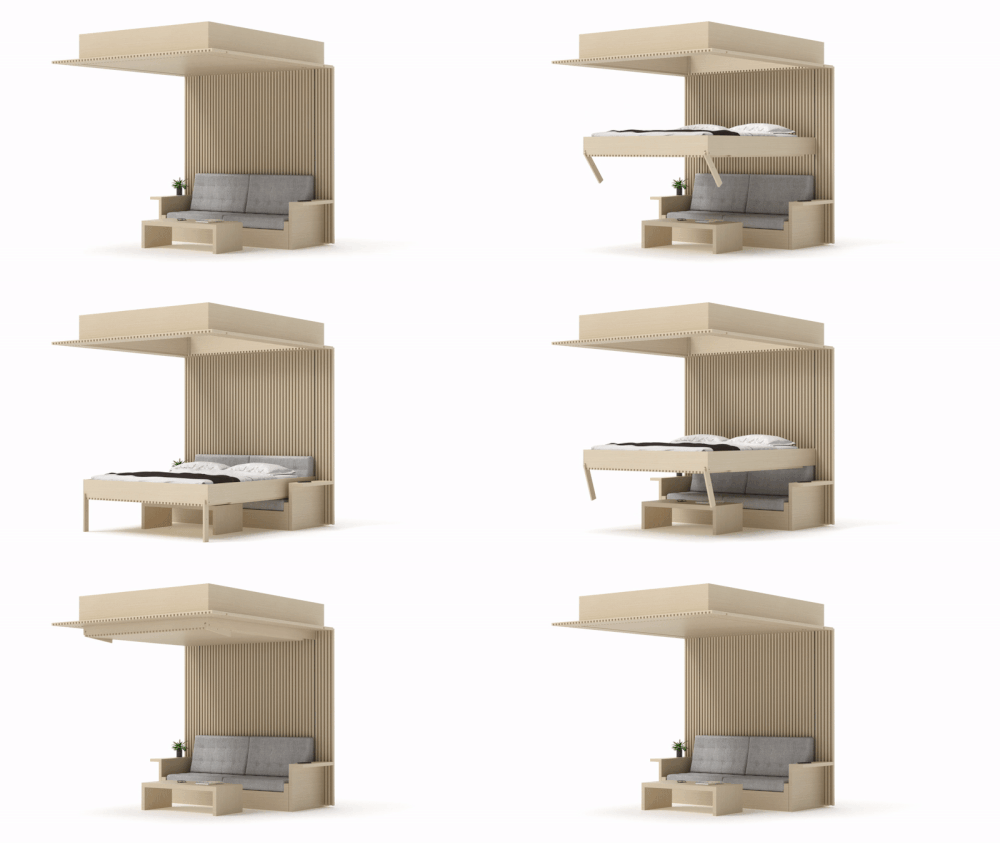
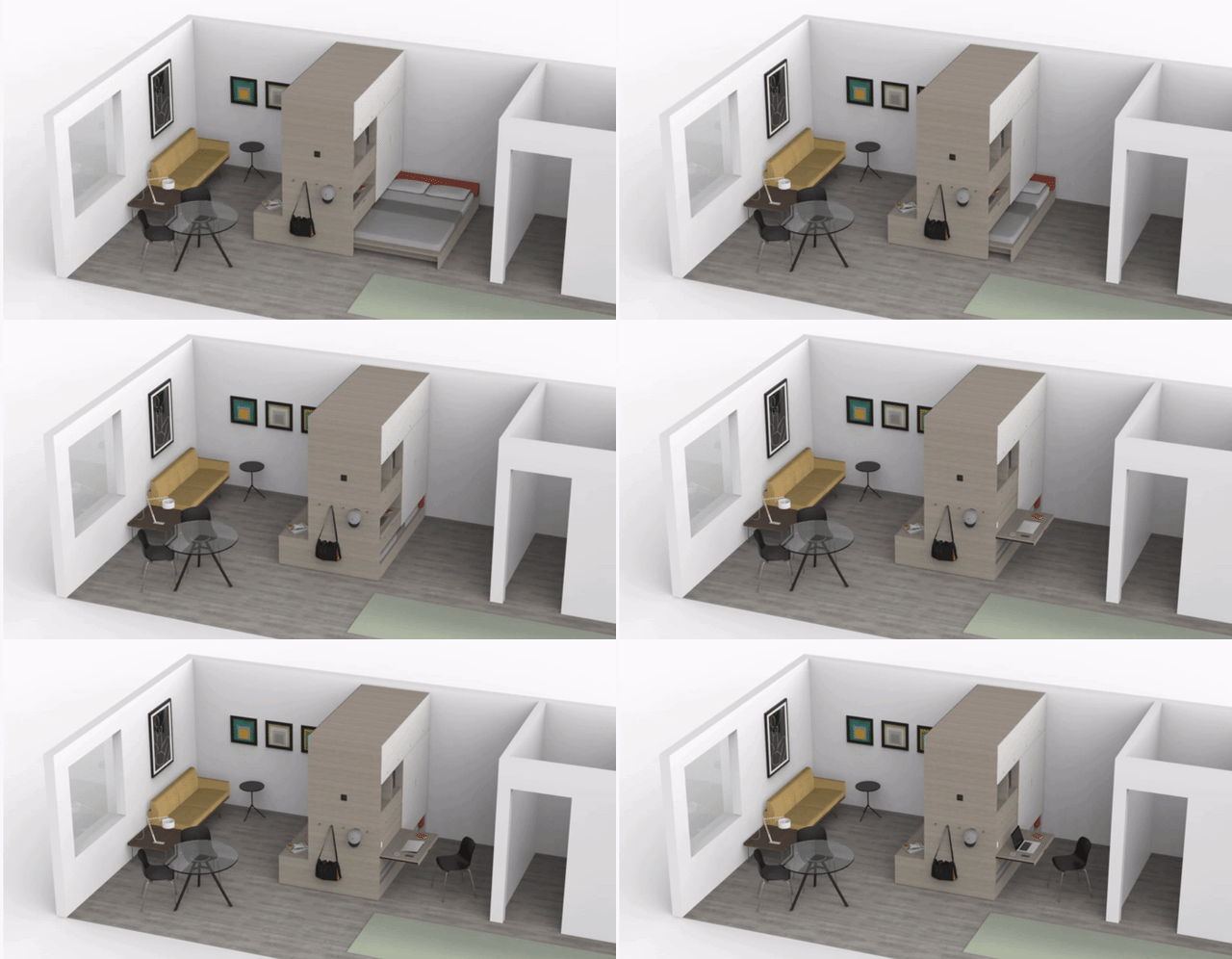
All photos by Ori.
-
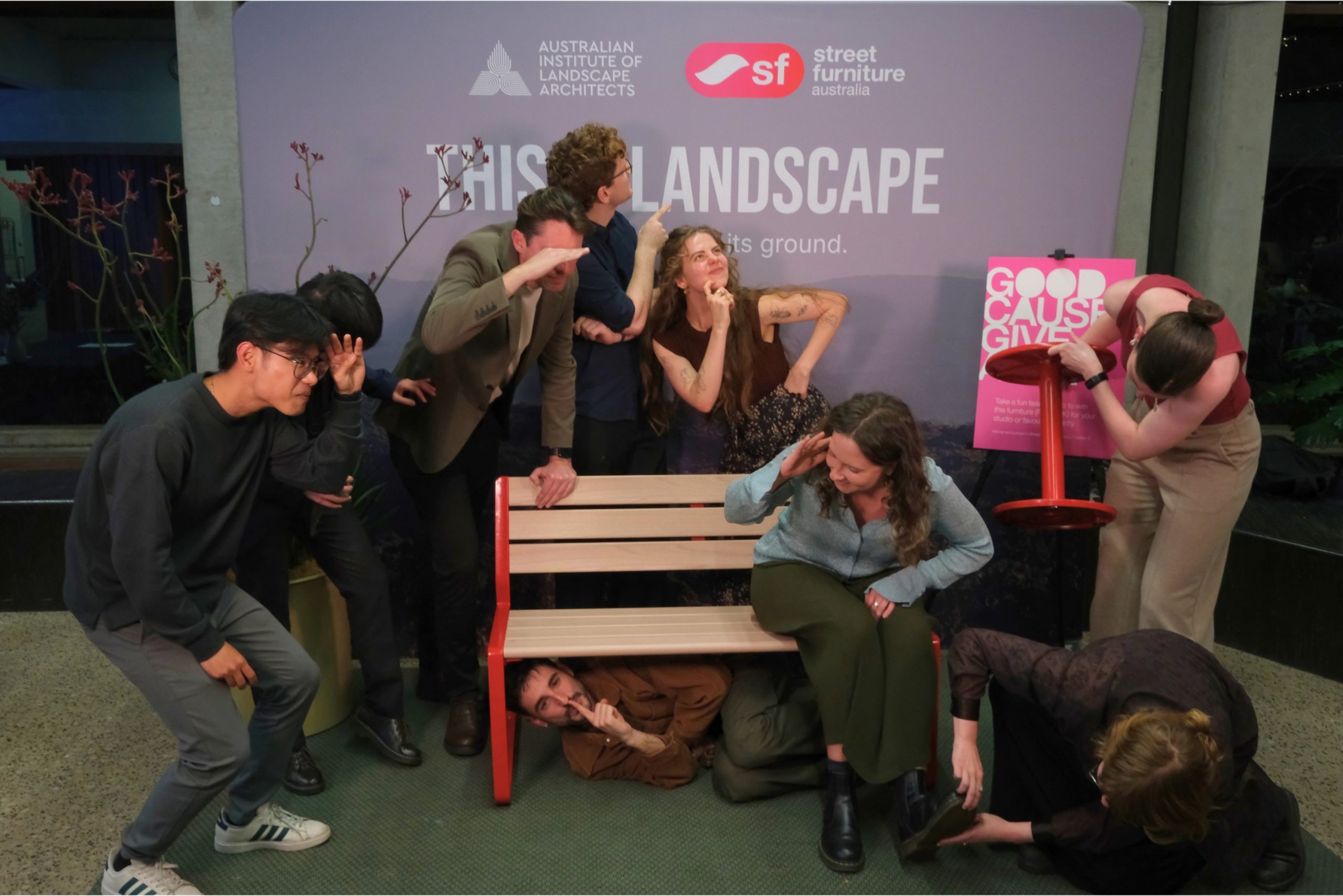
2026 AILA Awards: Good Cause Giveaway
See highlights of all the outstanding creative photos from the 2026 AILA Awards Good Cause Giveaway, and discover which studio team won over 3k worth of furniture for... Read More
-
Join us for West Fest 2026: Designing in Belonging
A half-day knowledge exchange hearing from local built environment experts on fostering a sense of belonging in an increasingly dense, digital society. Read More
-
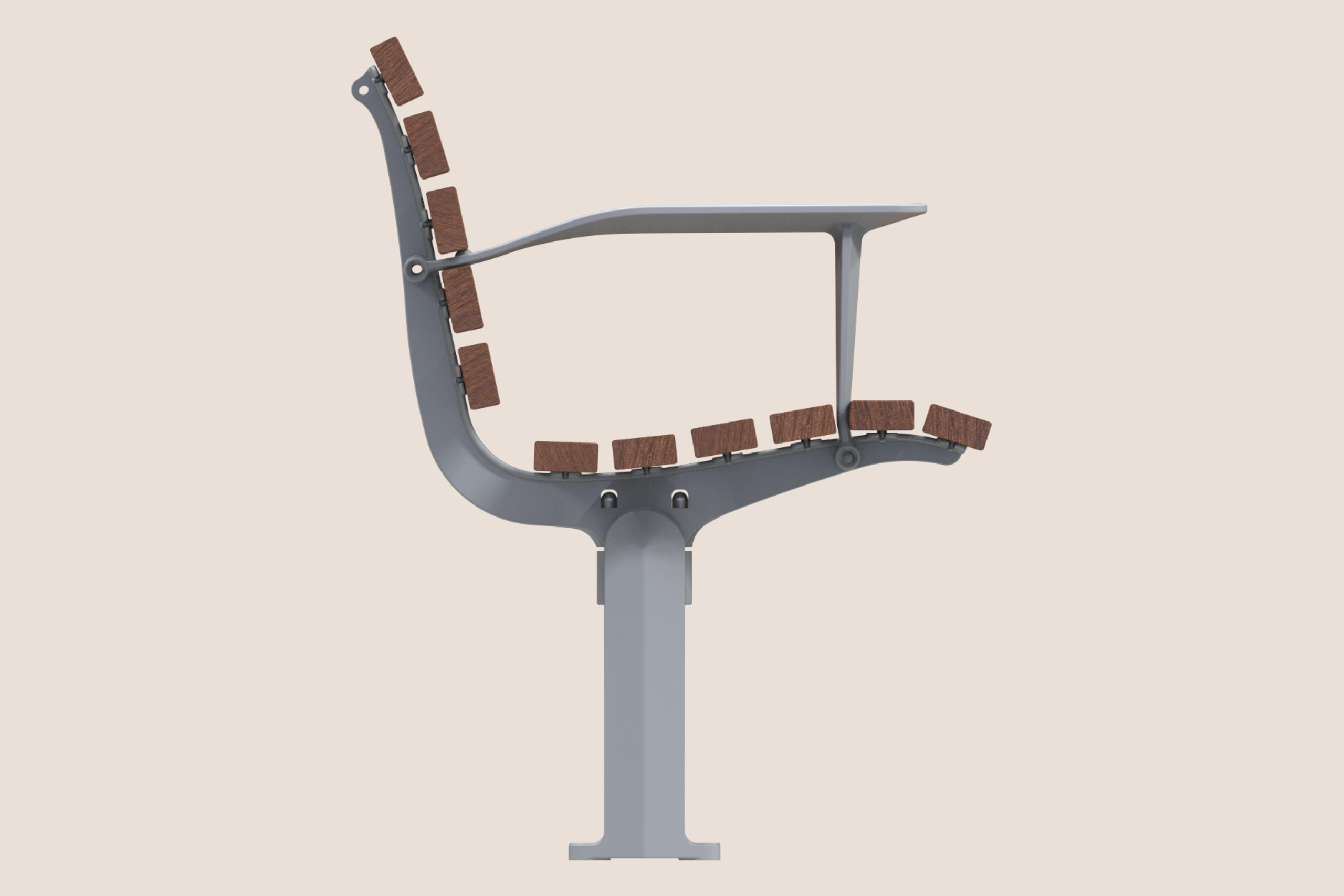
Introducing the new Pillar Leg
Street Furniture Australia’s new Pillar Leg is slimmer but sturdier. Discover what goes into a furniture leg, from fixing and accessibility to design. Read More
-
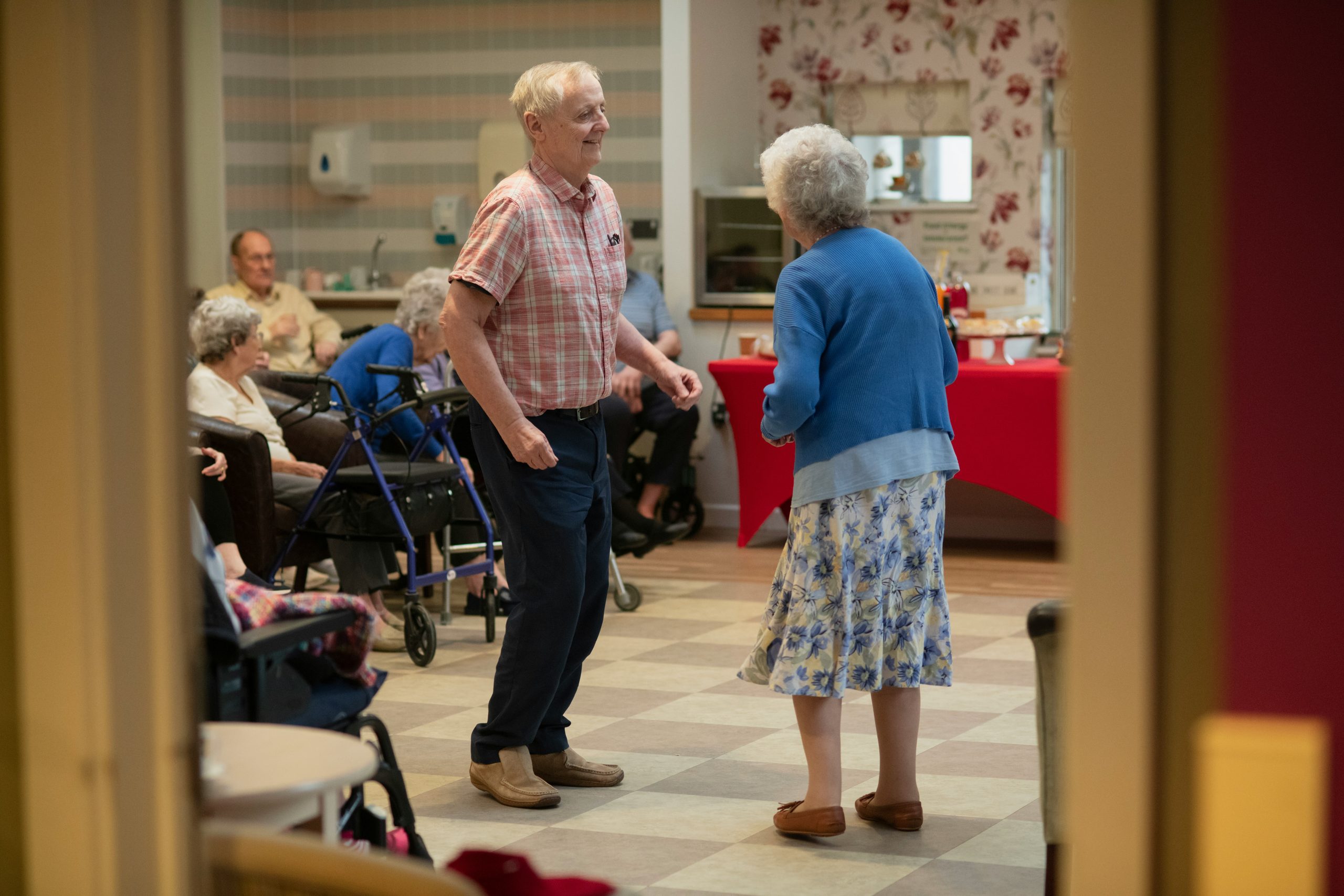
14th Street Y: From active space to community
How did a quiet gym lobby bring together 420+ locals? Learn how 14th Street Y uses social infrastructure and cheap coffee to build community. Read More
-
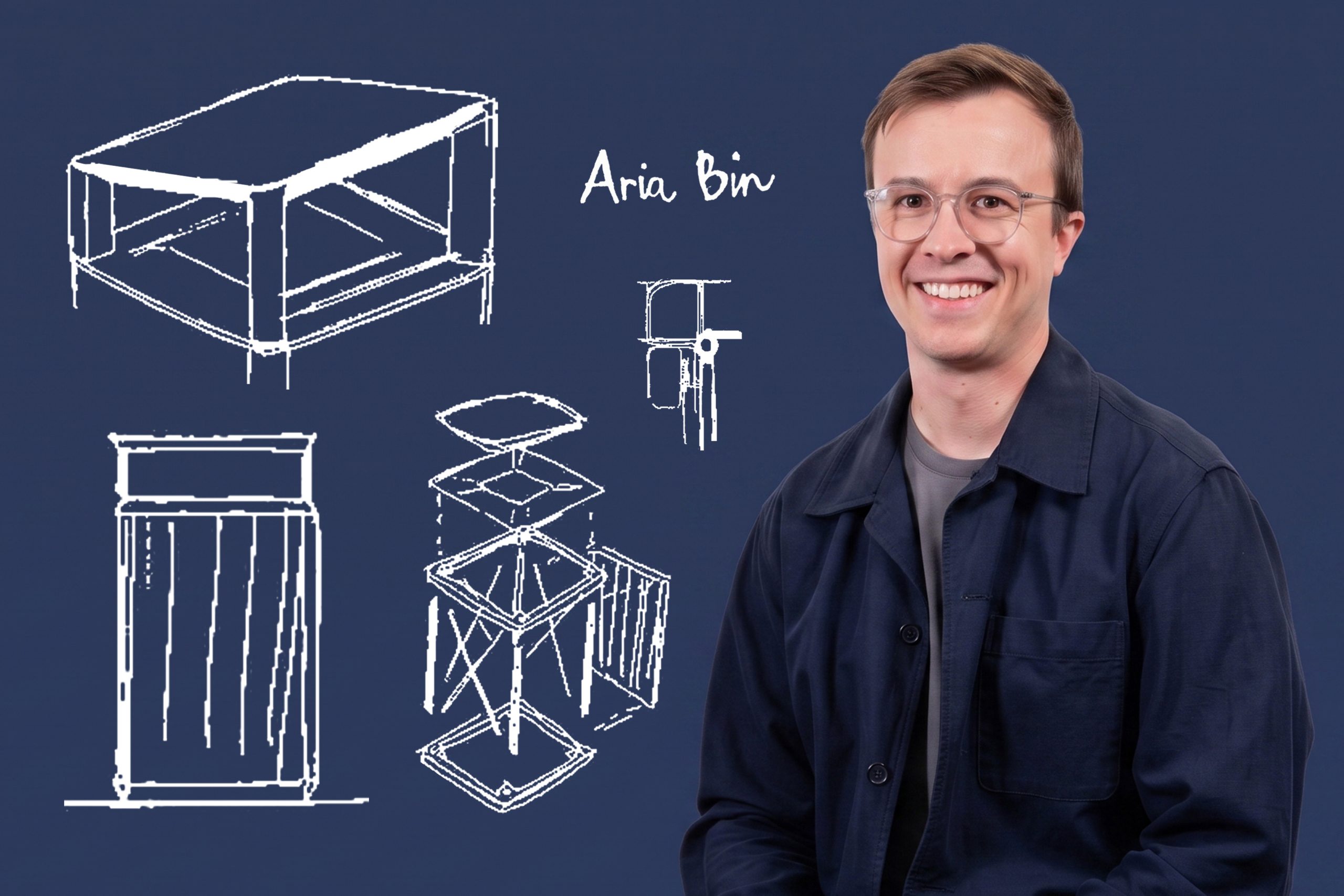
The design story behind Aria Bin
By Francis McArdle, Lead Designer of Aria Bin. There may be no piece of public infrastructure more overused and underappreciated than the humble bin. A basic necessity in... Read More
-
Should heat be regulated?
What if cities regulated heat like fire and flooding? ASLA explores how thermal performance could become a standard part of urban design. Read More