Trend Watch March 2019

Upcoming Events
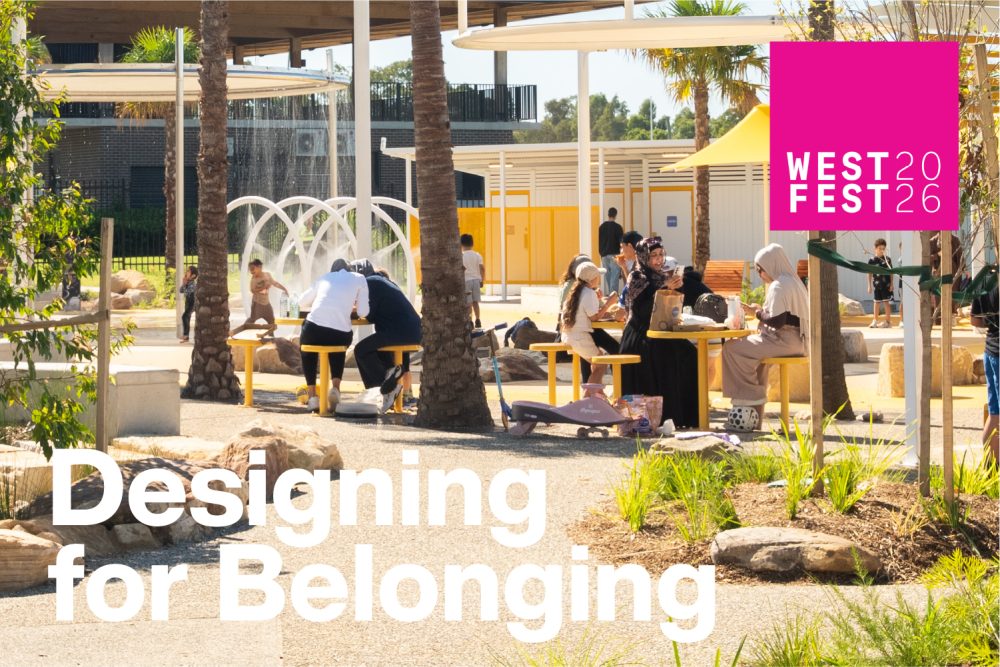
Join us for West Fest 2026: Designing in Belonging
A half-day knowledge exchange hearing from local built environment experts on fostering a sense of belonging in an increasingly dense, digital society.
Read more

Wanted, A New Public Space for Melbourne:
The Future Park International Design Competition invites entrants to propose a new signature space for the city’s centre. The contest is organised by AILA and the University of Melbourne, with up to $20,000 in prize money to be allocated.
Participants are challenged to think about how parks shape Melbourne’s urban form, and uncover new possibilities.
Restricted to a 10km radius from Melbourne’s city centre, designers are asked to present a rationale for the location of the proposed space and consider how their design responds to challenges facing the city in the 21st century, including climate change, growing population, biodiversity and community.
University of Melbourne senior lecturer in Landscape Architecture Jillian Walliss says the competition aims to enhance the role of landscape architecture in Australian cities.
“As our population and density grow, we need to think about how parks and public spaces can also develop to meet the needs of a contemporary city. This competition will showcase the immense talent of our built environment specialists here in Australia and overseas, and hopefully inspire broad discussion.”
Shortlisted entries will be displayed at the University’s Faculty of Architecture, Building and Planning in early October. With the winner to be announced during the 2019 International Festival of Landscape Architecture, ‘The Square and the Park’, 10-13 October in Melbourne, says AILA CEO Tim Arnold.
“The Festival is already starting to take great shape, led by the creative directorate of Jillian Walliss, Kirsten Bauer and Cassandra Chilton.”
Entries open on Friday, 29 May. More information and a submission portal can be found at the competition website.
8 cities taking bold steps to restrict cars:
Cities around the world are starting to see they’ll be cleaner, healthier, and just better overall if people – not cars – are priority, writes Adele Peters for Fast Company.
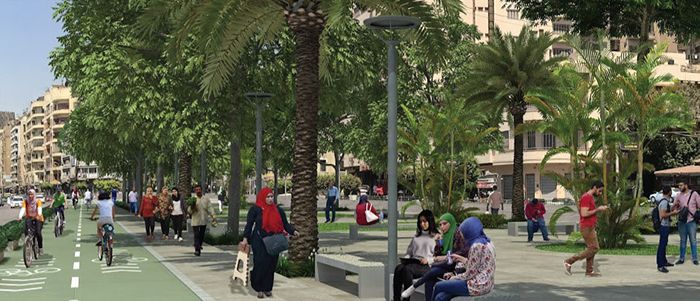
In downtown Cairo, it’s not uncommon to see streets clogged with cars. But in a proposed redesign for a central thoroughfare (pictured above), a two-way bike lane, a sidewalk, and a plaza filled with palm trees replace the sea of street parking.
Similar changes are now happening in every part of the world, some motivated to reduce air pollution, others moving towards climate change goals, or dealing with population growth.
Read about how Oslow has removed 700 parking spaces, Buenos Aires dedicated more space to buses, and London’s proposed plan to make half of its streets pedestrian priority or car-free.
Seoul is seeing results from its High Line-like highway conversion including 42% more sales for businesses, and is planning for more bikes, buses and electric vehicles. Madrid has rolled out restrictions on older, polluting vehicles, with the Spanish government proposing to ban cars that aren’t zero-emissions from large city centres.
Beijing has closed 32 major streets to non-resident cars, and restricts who can drive on particularly days through license plates.
In Paris one highway is already car-free, and older more polluting cards cannot enter the city on weekdays. By 2024, no diesel cars will be allowed, and by 2030 gas cars will be forbidden.
In Chennai, after successful trials blocking off the busy Thyagaraya Road, a new pedestrian plaza is being built. The city has launched a bike-sharing system and has committed incentives to help kick-start sales of electric and hybrid cars.
Image: ITDP.
-
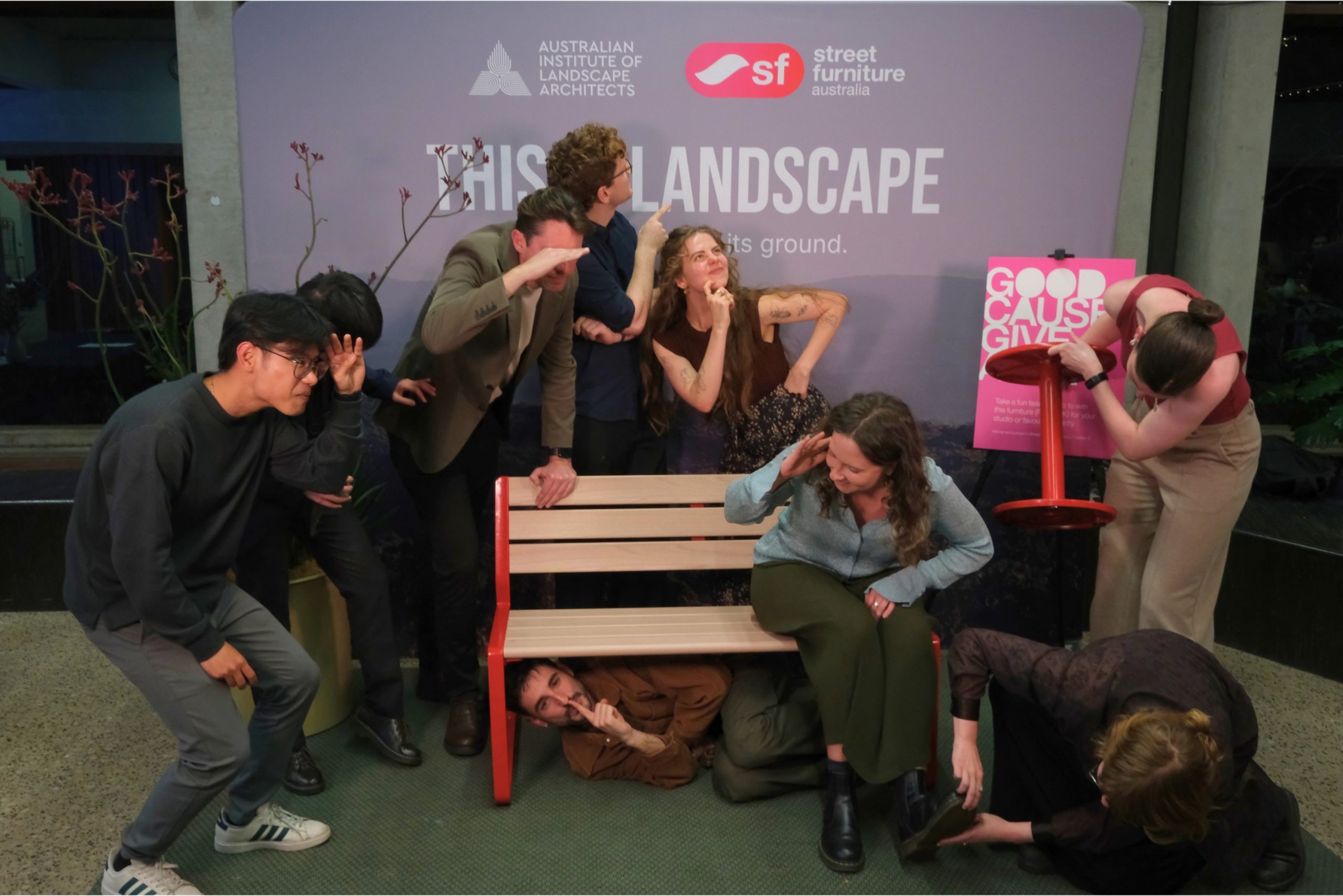
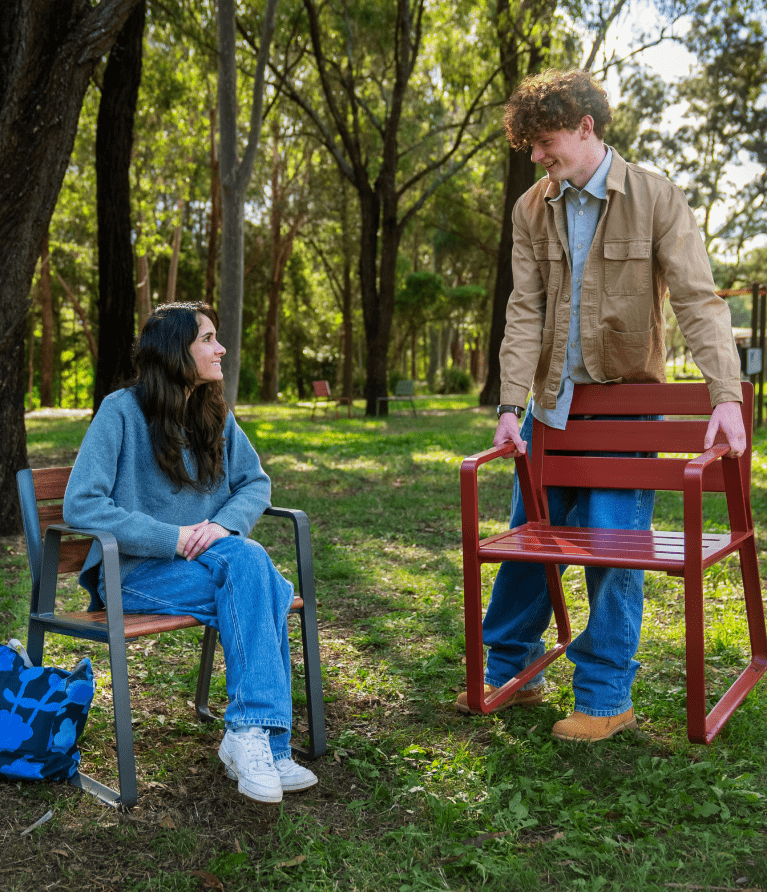
2026 AILA Awards: Good Cause Giveaway
See highlights of all the outstanding creative photos from the 2026 AILA Awards Good Cause Giveaway, and discover which studio team won over 3k worth of furniture for... Read More
-
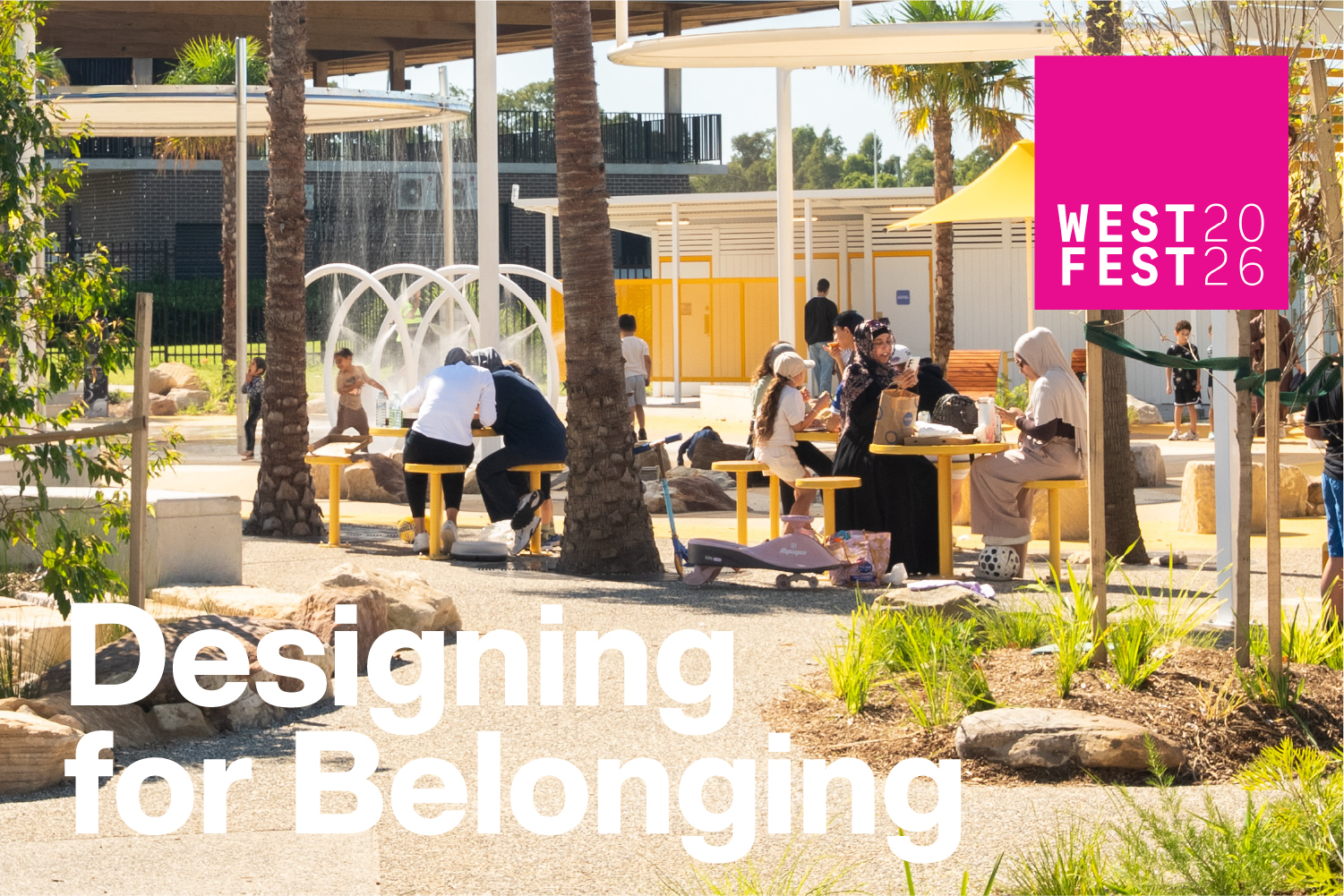
Join us for West Fest 2026: Designing in Belonging
A half-day knowledge exchange hearing from local built environment experts on fostering a sense of belonging in an increasingly dense, digital society. Read More
-
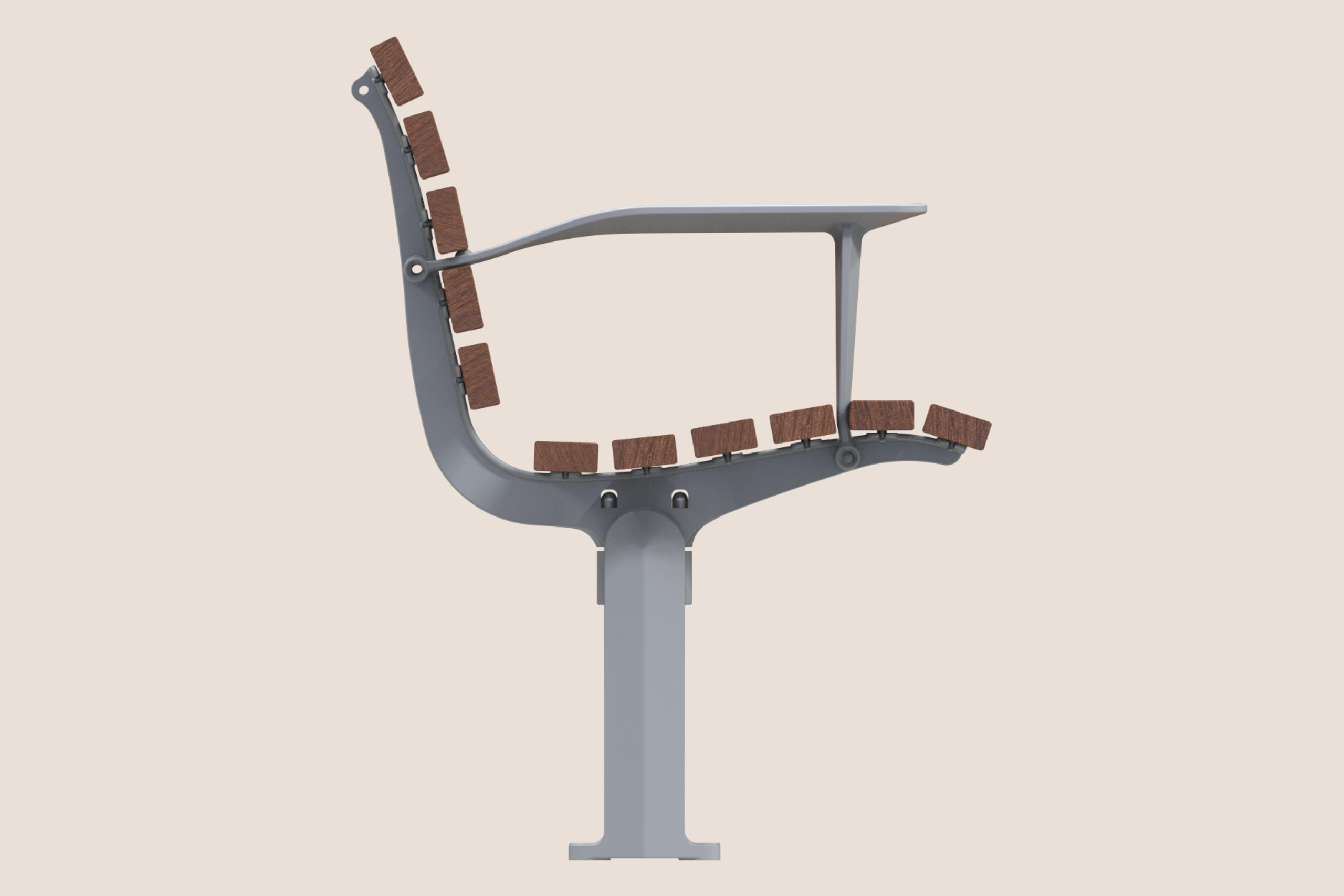
Introducing the new Pillar Leg
Street Furniture Australia’s new Pillar Leg is slimmer but sturdier. Discover what goes into a furniture leg, from fixing and accessibility to design. Read More
-
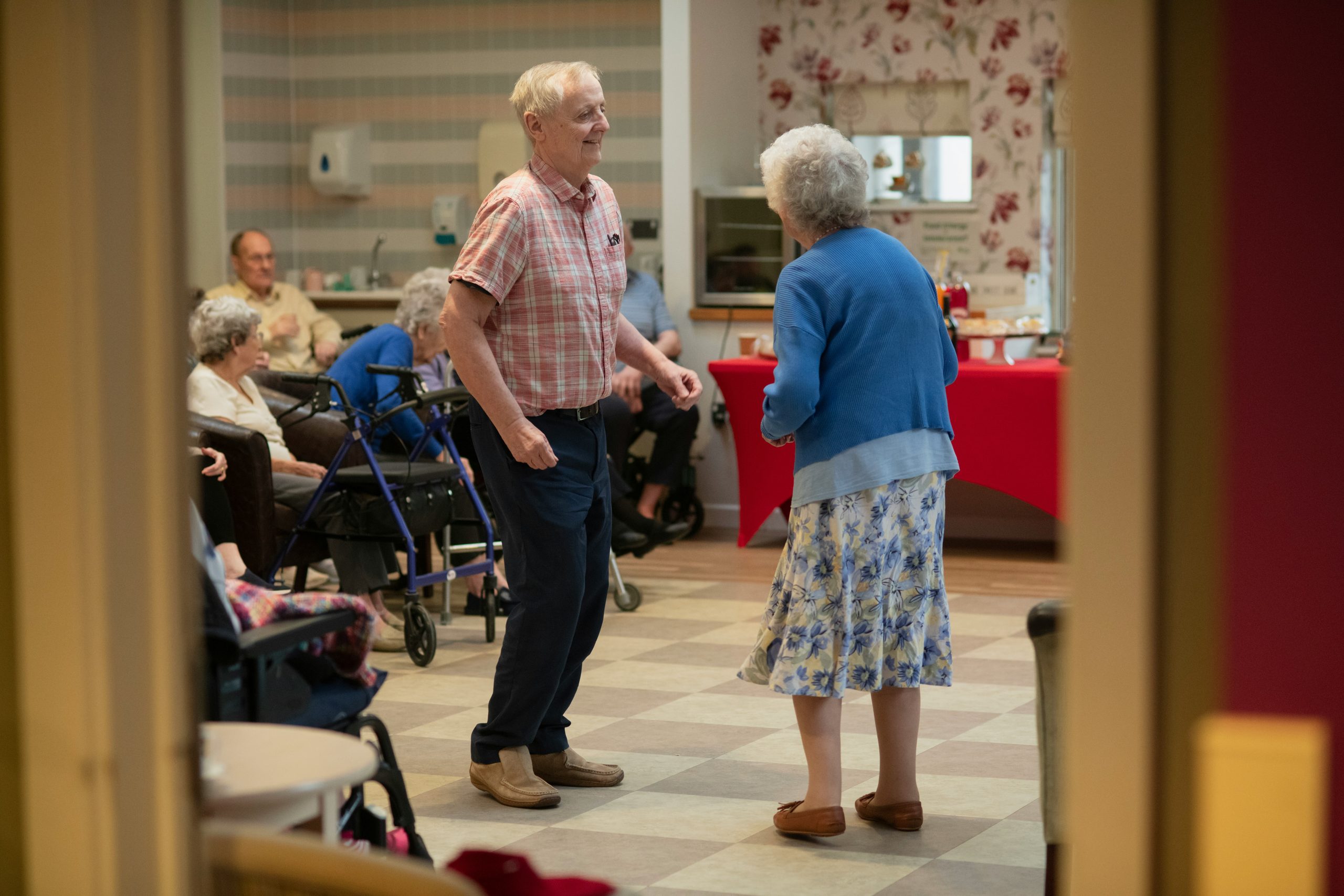
14th Street Y: From active space to community
How did a quiet gym lobby bring together 420+ locals? Learn how 14th Street Y uses social infrastructure and cheap coffee to build community. Read More
-
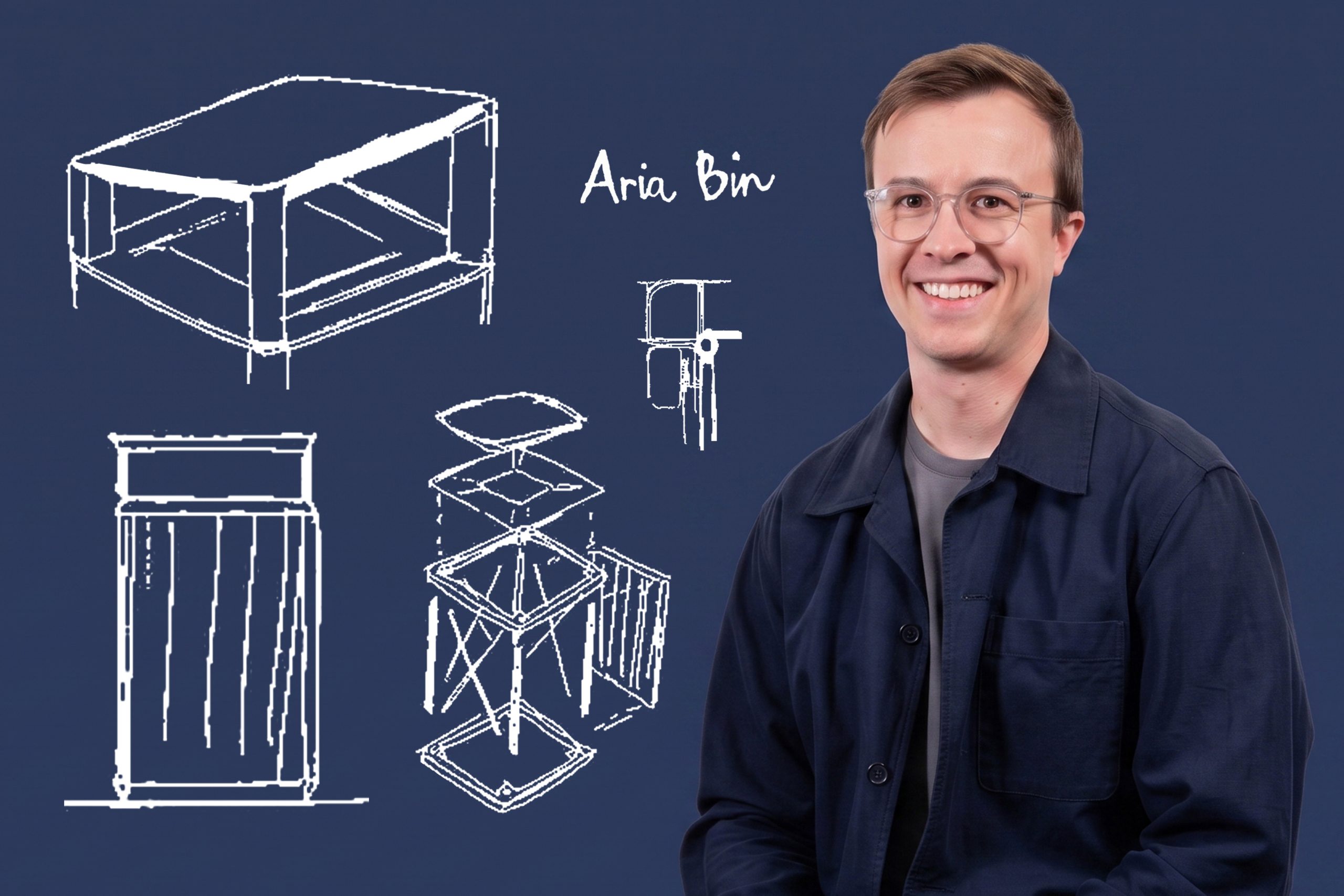
The design story behind Aria Bin
By Francis McArdle, Lead Designer of Aria Bin. There may be no piece of public infrastructure more overused and underappreciated than the humble bin. A basic necessity in... Read More
-
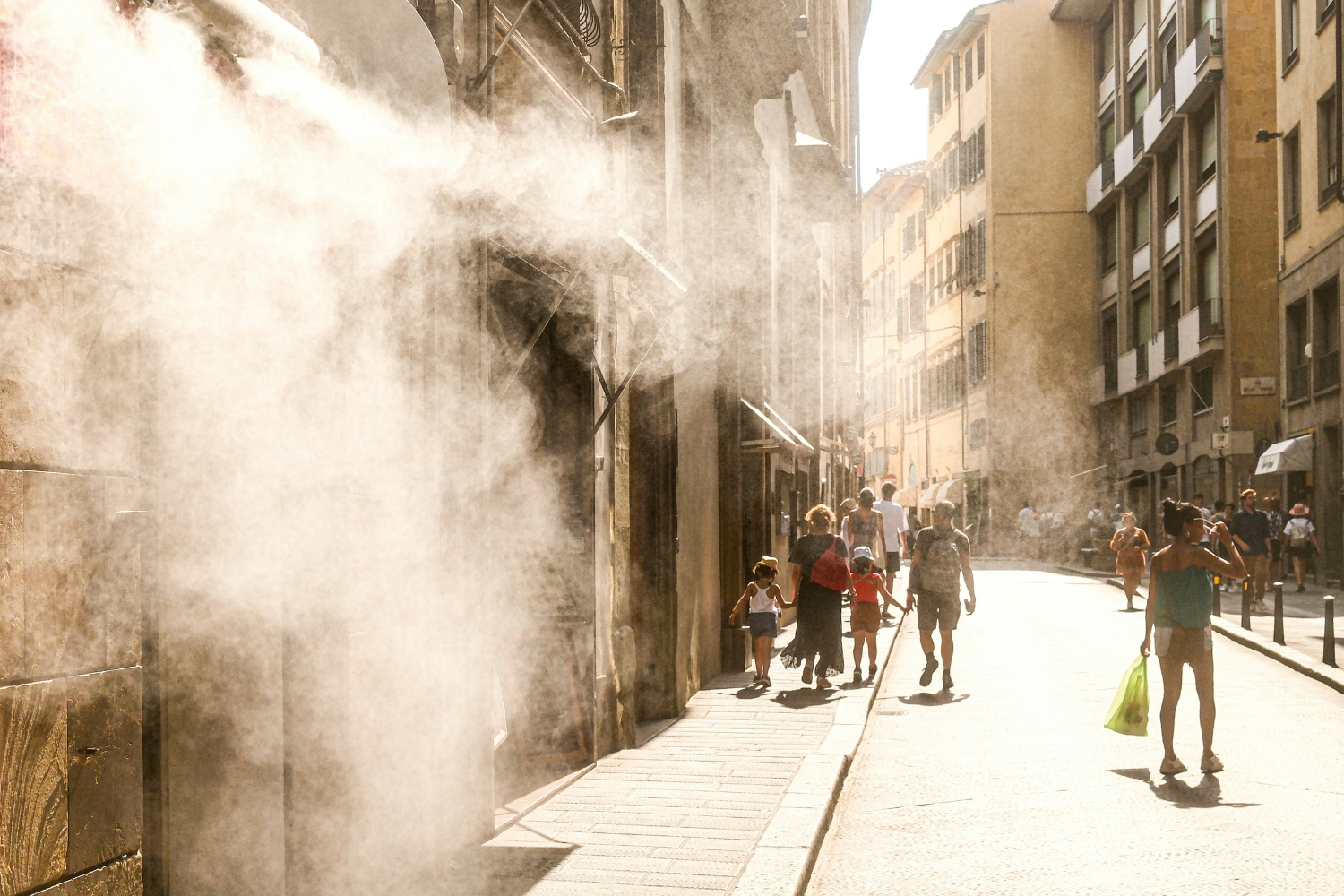
Should heat be regulated?
What if cities regulated heat like fire and flooding? ASLA explores how thermal performance could become a standard part of urban design. Read More