Trend Watch September 2022
Upcoming Events
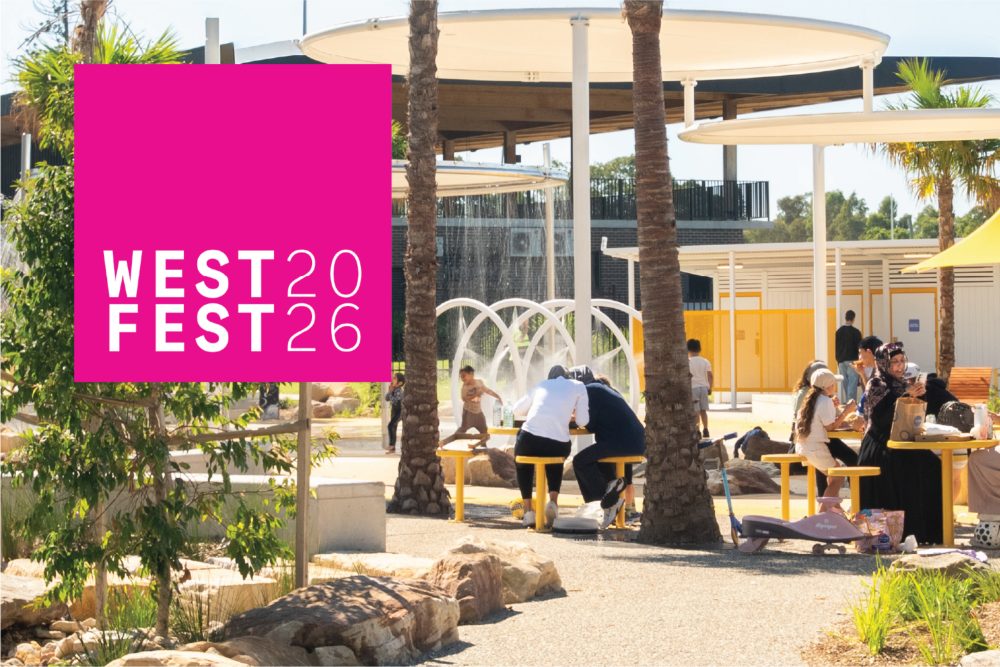
Join us for West Fest 2026: Designing for Belonging
A half-day knowledge exchange hearing from local built environment experts on fostering a sense of belonging in an increasingly dense, digital society.
Read more

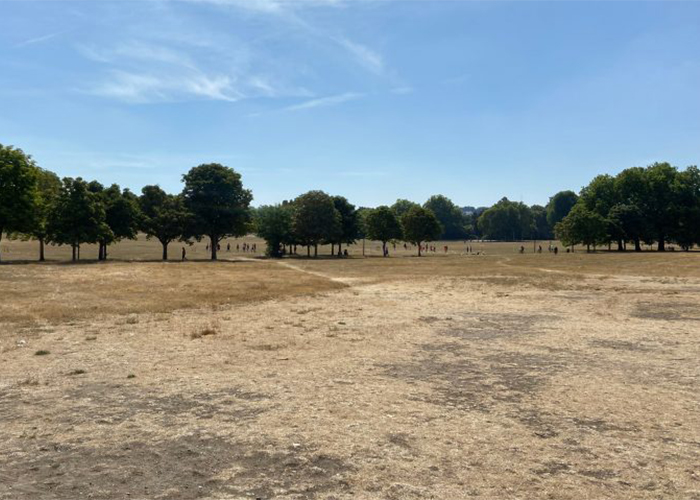
“Grassy parks no longer viable in the face of global heating”:
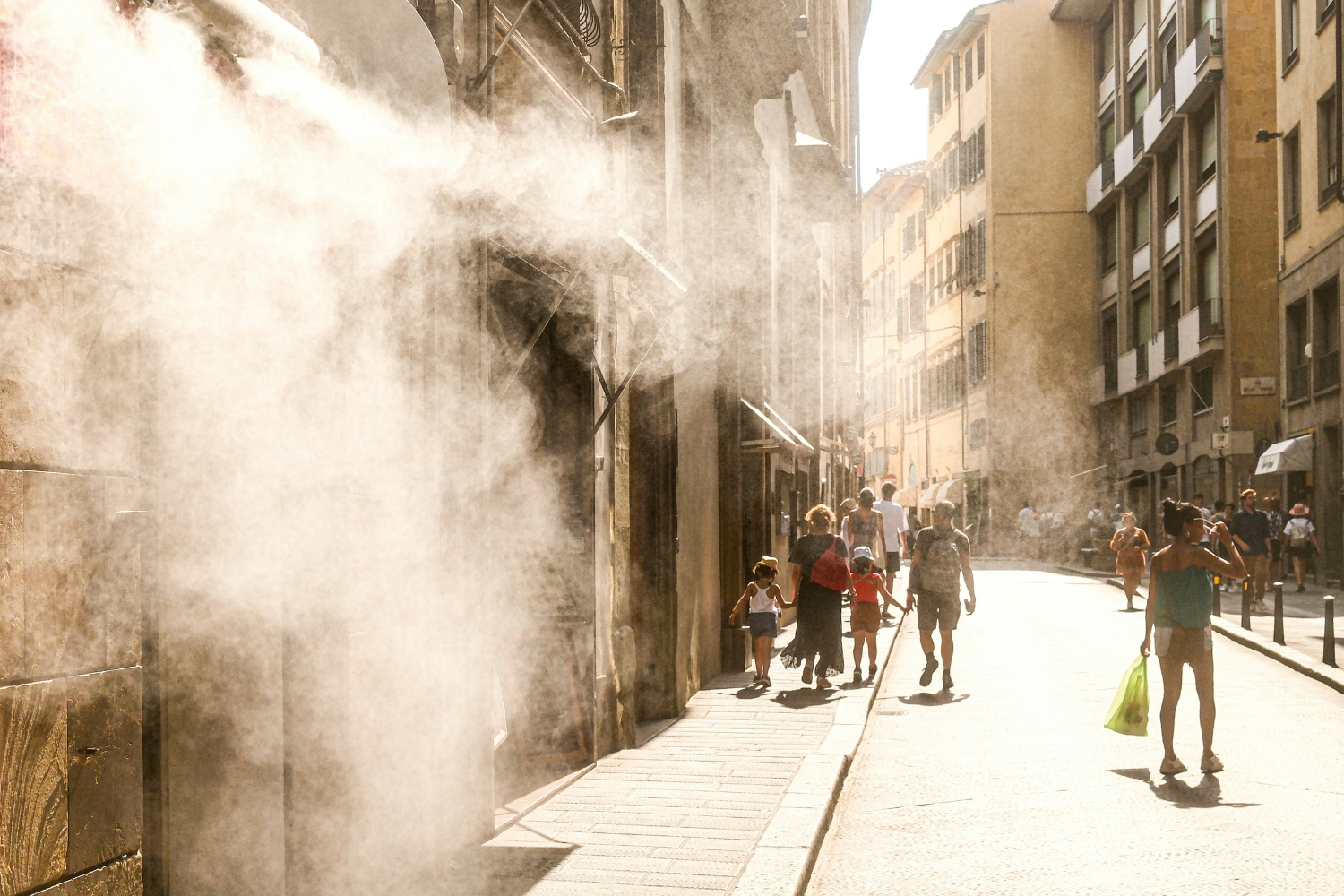
British parks can no longer be modelled on ‘long-dead aristocrats’ with lawn-heavy landscapes due to soaring temperatures, writes Phineas Harper for Dezeen. He proposes planting urban forests to help control city heat and keep green spaces green during summer.
Harper writes that there are 150,000 hectares of urban green spaces in Britain, and by turning these large open lawns into small urban forests, the ground temperature will reduce. This would also ensure the urban spaces are habitable even in scorching summer heat.
According to research published last year, he writes, “Not only do trees stay green in dry weather, trees can bring down urban temperatures by between 8 and 12 degrees Celsius, providing shade and reducing local evaporation. Which is why the only green blades of grass left in otherwise singed parks tend to be under tree canopies.”
Harper cites Adam Hunt of landscape architecture studio Urquhart & Hunt, that “a simple formula of one-third trees, one-third scrubland and one-third uncultivated pasture would produce far more sustainable and biodiverse green spaces than acres of mown grass. If this strategy were adopted, British parks could retain plenty of space for frisbee, football and picnics while supporting 75 million new trees – a combined forest capable of sequestering nearly two million tonnes of carbon dioxide a year as well as cooling our urban centres.”
Read more at Dezeen.
Photo: Tom Ravenscroft.

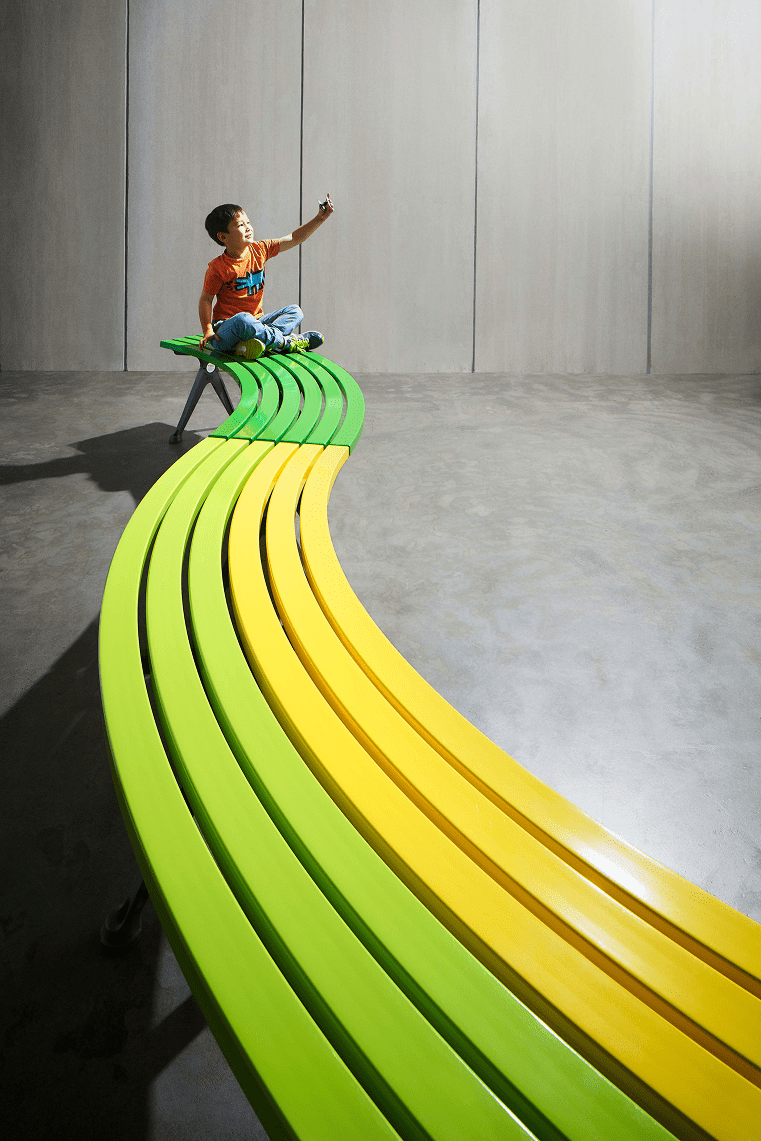
If we build cities for kids, we build them for everyone:
Father and writer Jay Stange explores how fun it is to be a parent, and the joy of resurrecting his long ago childhood with “longboarding skills to join (my) daughter on rollerblade trips”, though he is constantly distracted with managing the safety of his children on city streets. For Strong Towns, he writes about how building cities for our children to be safe will create better cities for everyone.
He writes, “I can’t ever take my eyes off my children when we are riding bicycles or walking, even in my relatively safe, middle-class, suburban streetcar neighborhood. We have sidewalks and crosswalks. There is a crossing guard for school days on the busy collector street around the corner. But the reality is we are guests on roads that are made for cars, and we know it.”
Citing an array of projects and scholarship, Jay notes how narrowing the width of streets, and the presence of obstacles beside the roadway such as street trees can engage drivers’ awareness, cause us to move more carefully in our cars. He relays potential learnings from a development in Amsterdam, called Funenpark, where children play unattended in a sheltered green square. And suggests potential impacts of reconfiguring neighbourhoods to prioritise the experience of pedestrians and children over cars.
Read more at Strong Towns.
Photo: Ben White on Unsplash.
-
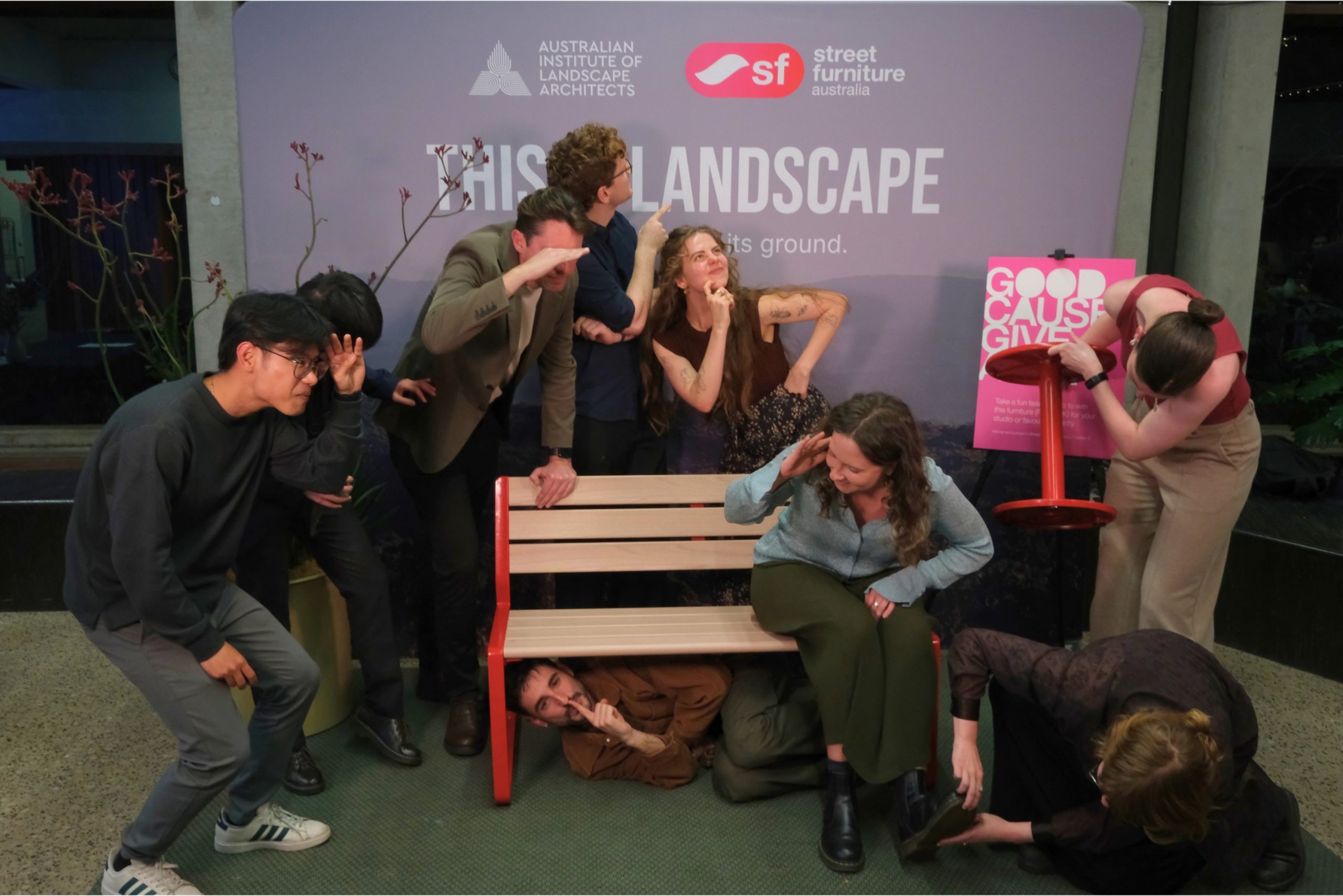
2026 AILA Awards: Good Cause Giveaway
See highlights of all the outstanding creative photos from the 2026 AILA Awards Good Cause Giveaway, and discover which studio team won over 3k worth of furniture for... Read More
-
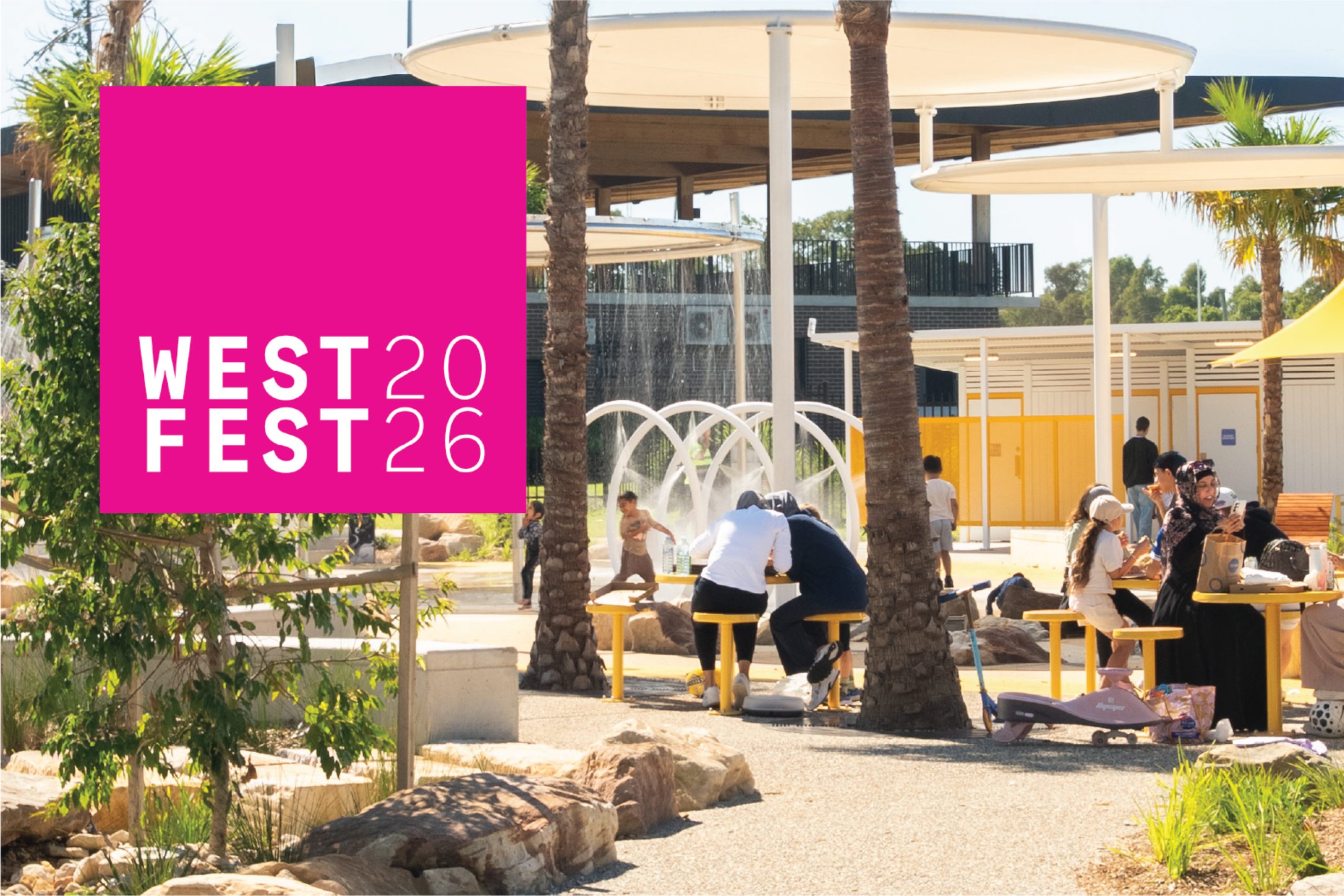
Join us for West Fest 2026: Designing for Belonging
A half-day knowledge exchange hearing from local built environment experts on fostering a sense of belonging in an increasingly dense, digital society. Read More
-
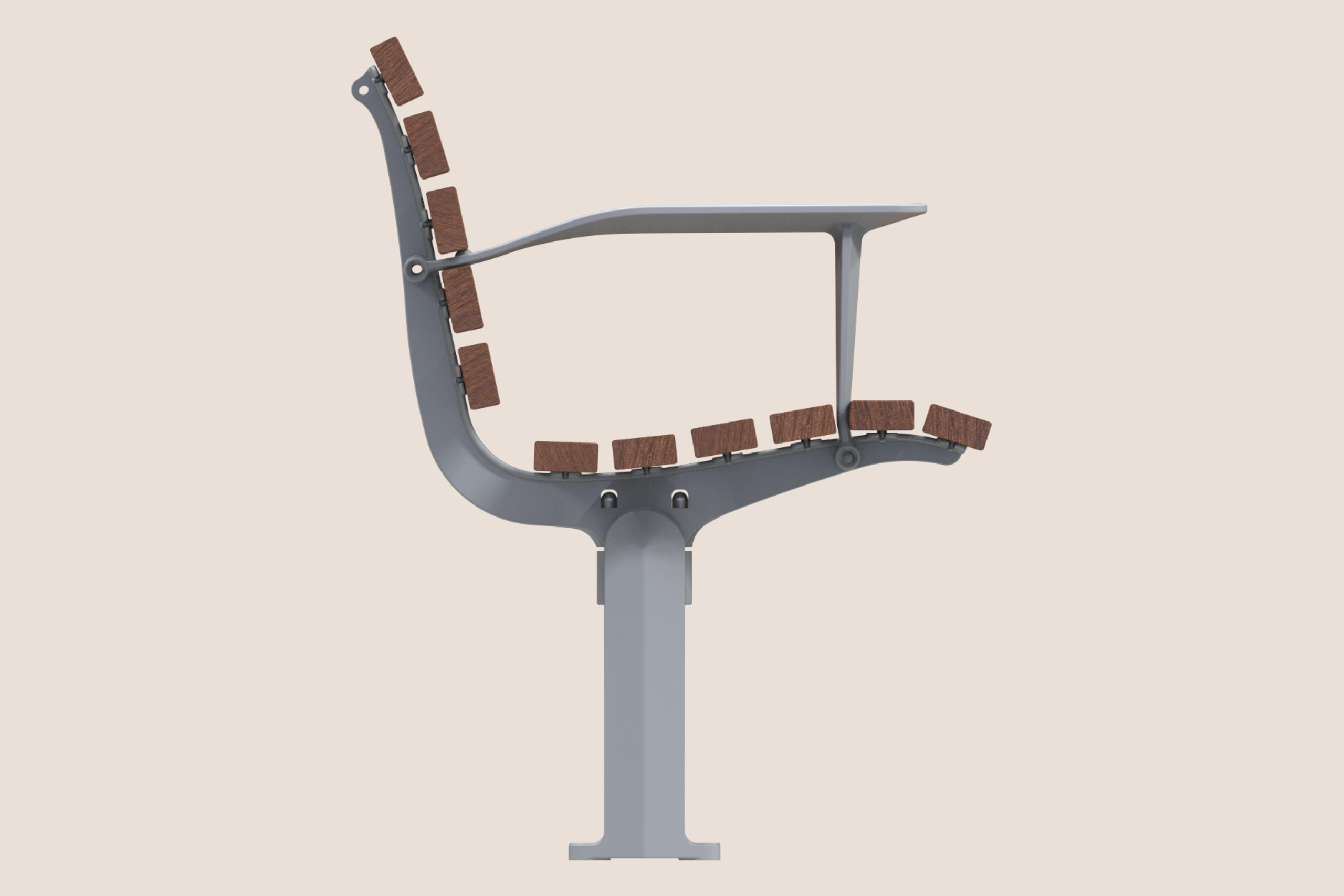
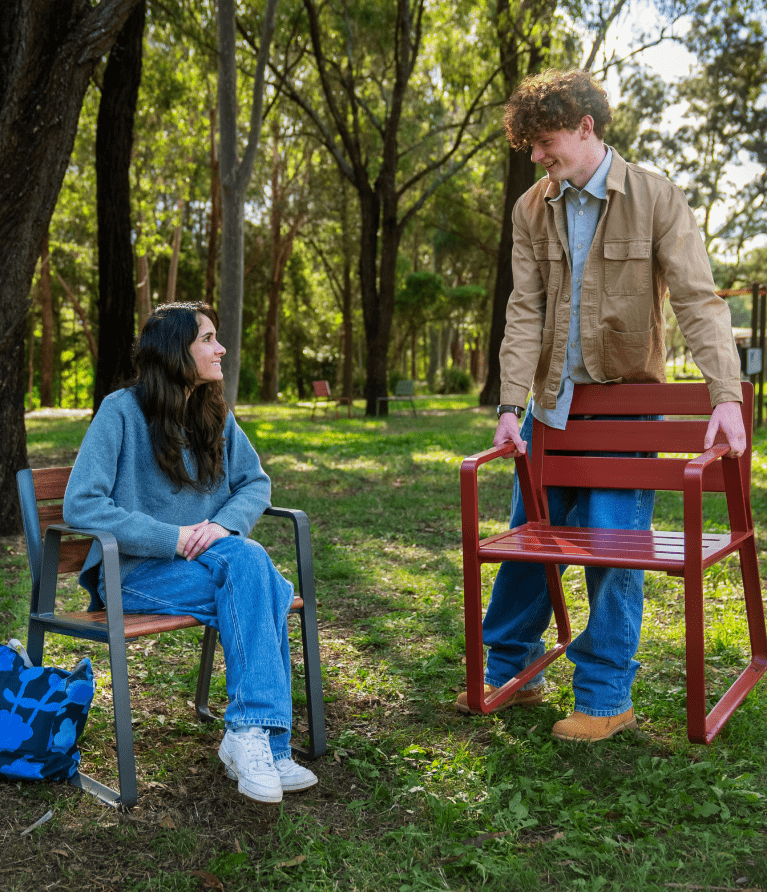
Introducing the new Pillar Leg
Street Furniture Australia’s new Pillar Leg is slimmer but sturdier. Discover what goes into a furniture leg, from fixing and accessibility to design. Read More
-
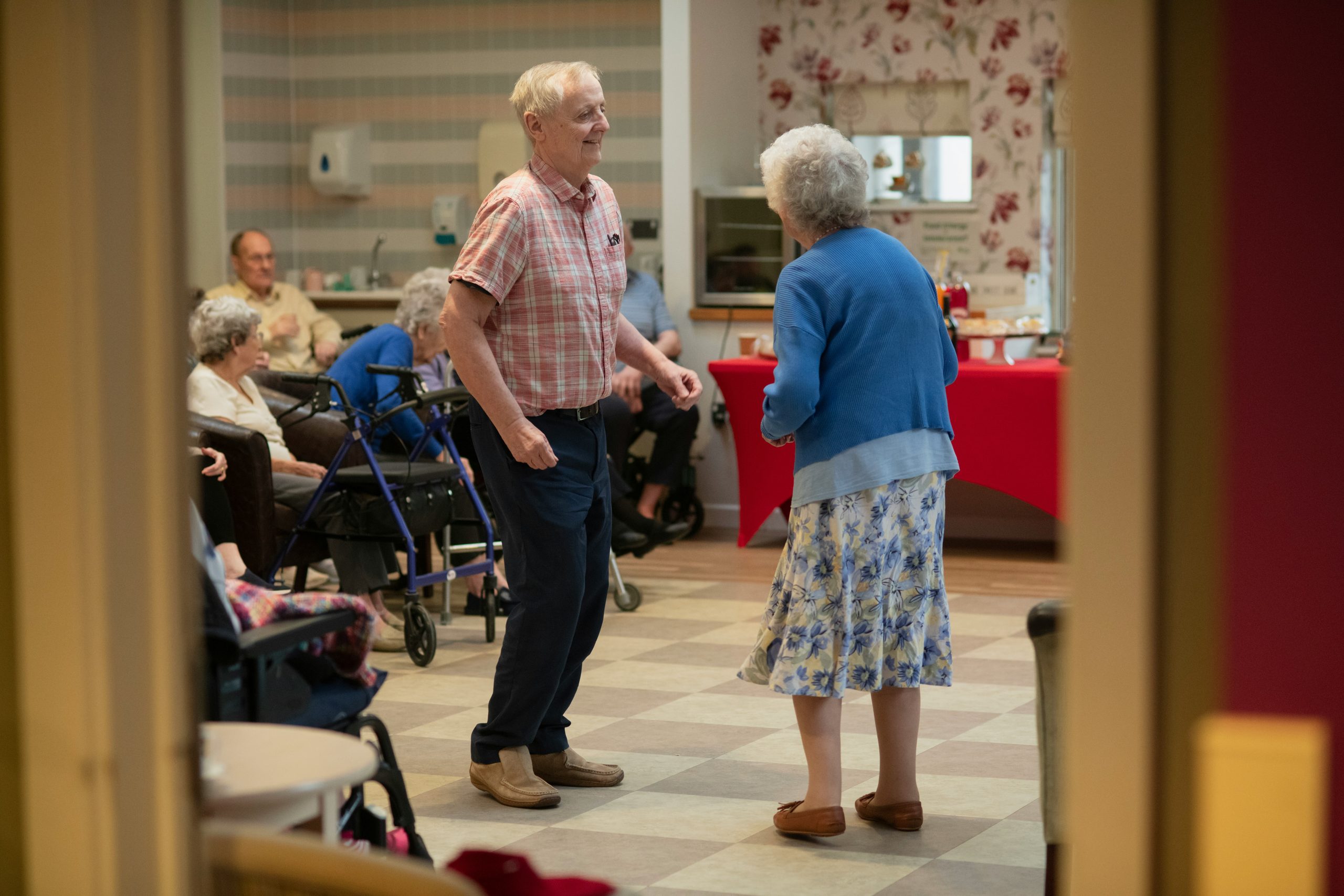
14th Street Y: From active space to community
How did a quiet gym lobby bring together 420+ locals? Learn how 14th Street Y uses social infrastructure and cheap coffee to build community. Read More
-
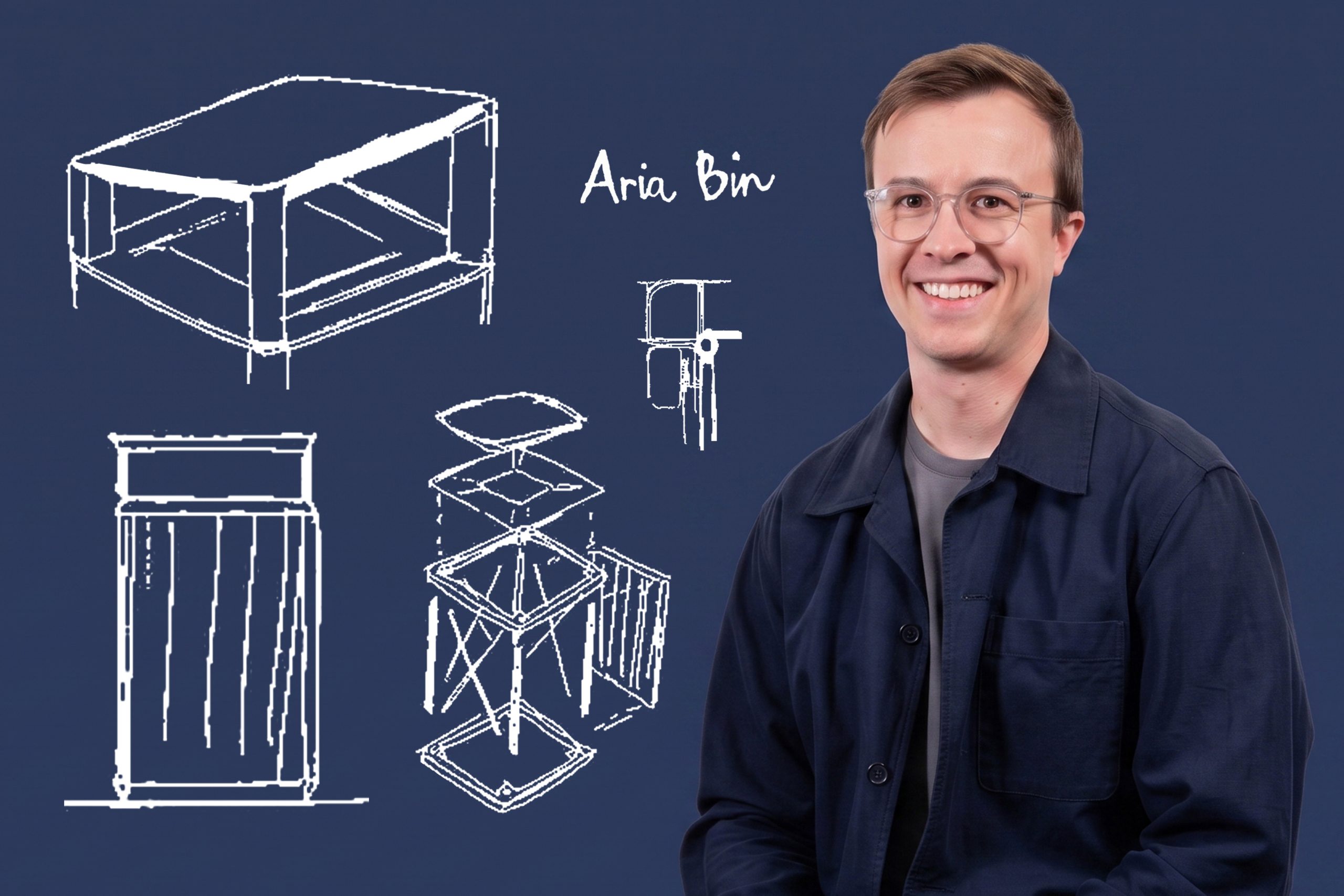
The design story behind Aria Bin
By Francis McArdle, Lead Designer of Aria Bin. There may be no piece of public infrastructure more overused and underappreciated than the humble bin. A basic necessity in... Read More
-
Should heat be regulated?
What if cities regulated heat like fire and flooding? ASLA explores how thermal performance could become a standard part of urban design. Read More