Trend Watch, October 2023

Upcoming Events
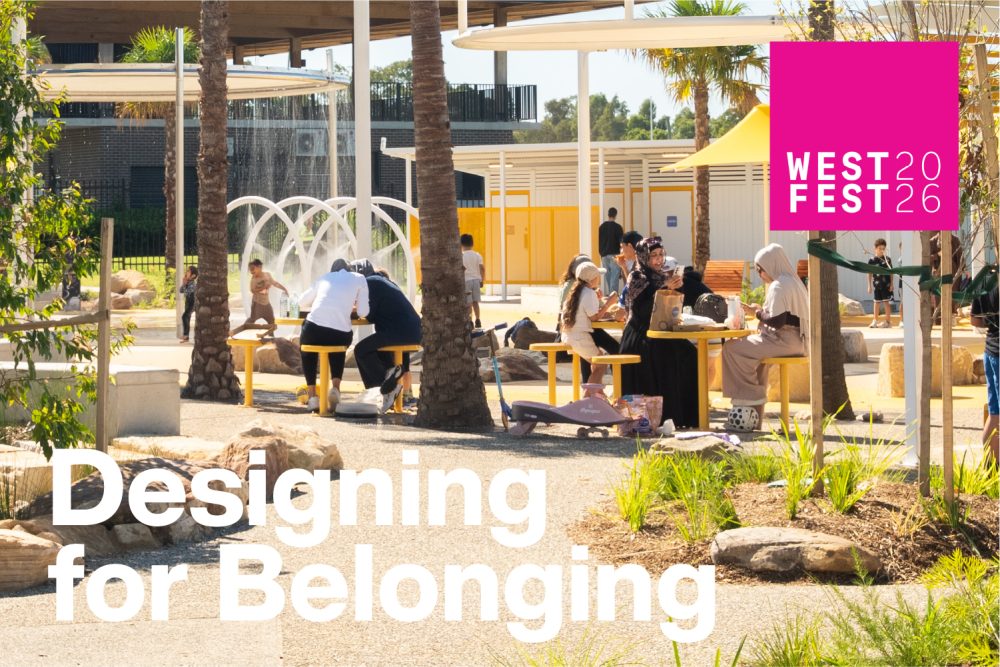
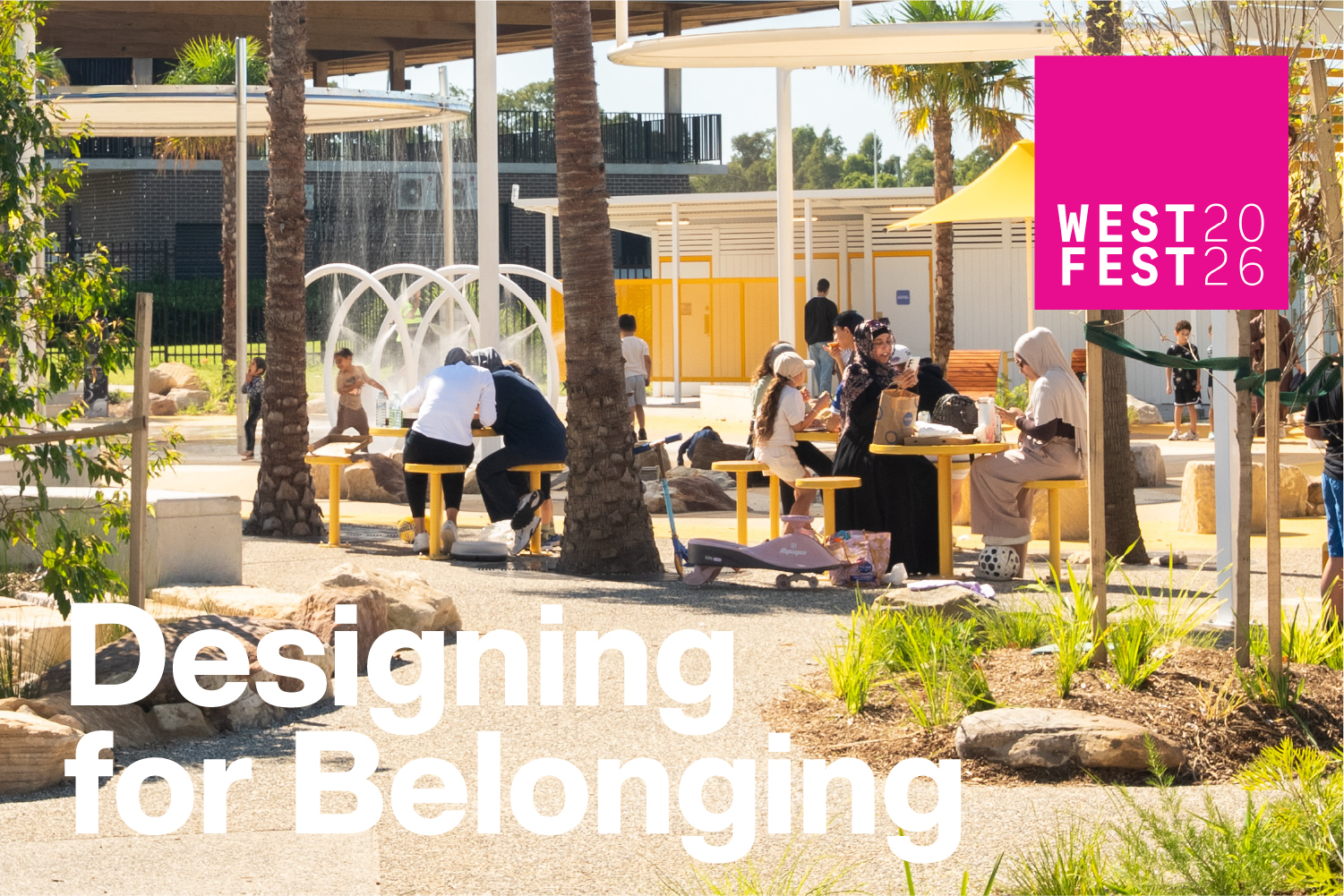
Join us for West Fest 2026: Designing in Belonging
A half-day knowledge exchange hearing from local built environment experts on fostering a sense of belonging in an increasingly dense, digital society.
Read more

Australian Bird of the Year: Swift Parrot
The critically endangered Swift Parrot has been crowned Australian Bird of the Year in the Guardian / BirdLife Australia’s biennial 2023 poll, a public voting contest that aims to raise awareness of conservation issues.
After a successful online campaign by conservationists, concerned about dwindling numbers with only 750 of the Swift Parrots remaining in the wild, BirdLife describes this year’s outcome as “a huge win for threatened species everywhere.”
Samantha Vine, BirdLife Australia’s Head of Conservation and Science, says, “We are watching extinction in real time for the Swift Parrot.”
Alex Croft of BirdLife Australia says the Swift Parrot won with a grand total of 11,171 votes and the first time for ‘swifties’ to have taken out the title.
The Tawny Frogmouth was runner-up with 10,729 votes and third place was another endangered species, the Gang-gang Cockatoo with 7,190 votes.
The Swift Parrot is one of only three species of migratory parrots in the world. Croft says, “Twice a year, these remarkable birds brave crossing one of the world’s most dangerous bodies of water – Bass Strait – as they migrate from their Tasmanian breeding grounds to the mainland to feed on flowering gums and lerp in south-eastern Australia.”
The Guardian reports on exemptions to environmental laws said to be contributing to habitat losses.
Photo: JJ Harrison on Wikimedia Commons.
Designing for Extreme Heat by SWA
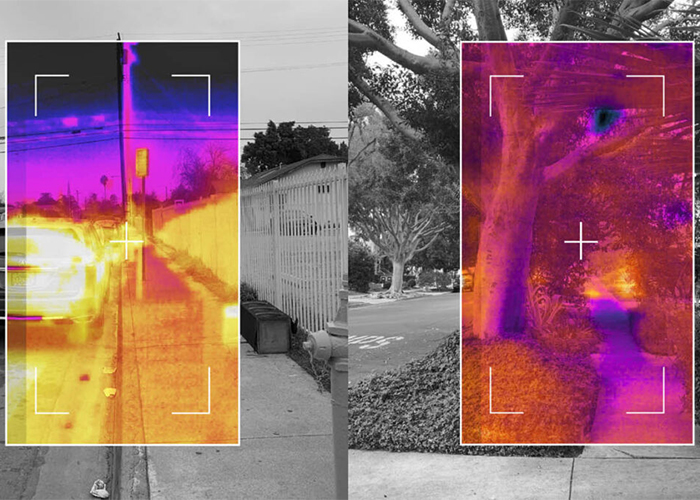
July 2023 was recently reported as the hottest month on Earth. With summer heat waves blasting through previous records, landscape architecture, planning and urban design firm SWA writes about how designers can help society adapt to our increasingly warming world.
SWA reports on the heat inequity now seen in nearly every major city in the US, interviewing designers about solutions and tools to mitigate extreme heat.
They write, “We’ve been tackling design solutions for extreme heat at all scales, studying how urban foresters can adapt to a warming climate; working with the City of Houston to develop a master plan for community “resilience hubs” providing residents life-saving access to cooling centers; and incorporating shade structures, tree cover, and other cooling infrastructure across our work, from pocket parks to regional networks.”
For example, Director of Research with SWA’s XL Lab Chicago, Anya Domlesky, recommends designers study cities that currently have similar climates in line with their city’s projections. She says, “Look to cities the next rung up on the climate ladder. If you’re an urban planner in Paris, a city with warm summers, look to those with hotter summers in the same precipitation regime like Taipei, Brisbane, or Atlanta. How have they coped with heat and humidity in the past?
“If you’re looking at a longer-term horizon, you might look to Casablanca, Sacramento, or Perth – by 2100, Paris is projected to have a similar temperature and precipitation to those areas today.”
Image: From SWA, (left) thermal image of streetscape in Florence; (right) Streetscape in West Hollywood, Los Angeles, CA.
-
2026 AILA Awards: Good Cause Giveaway
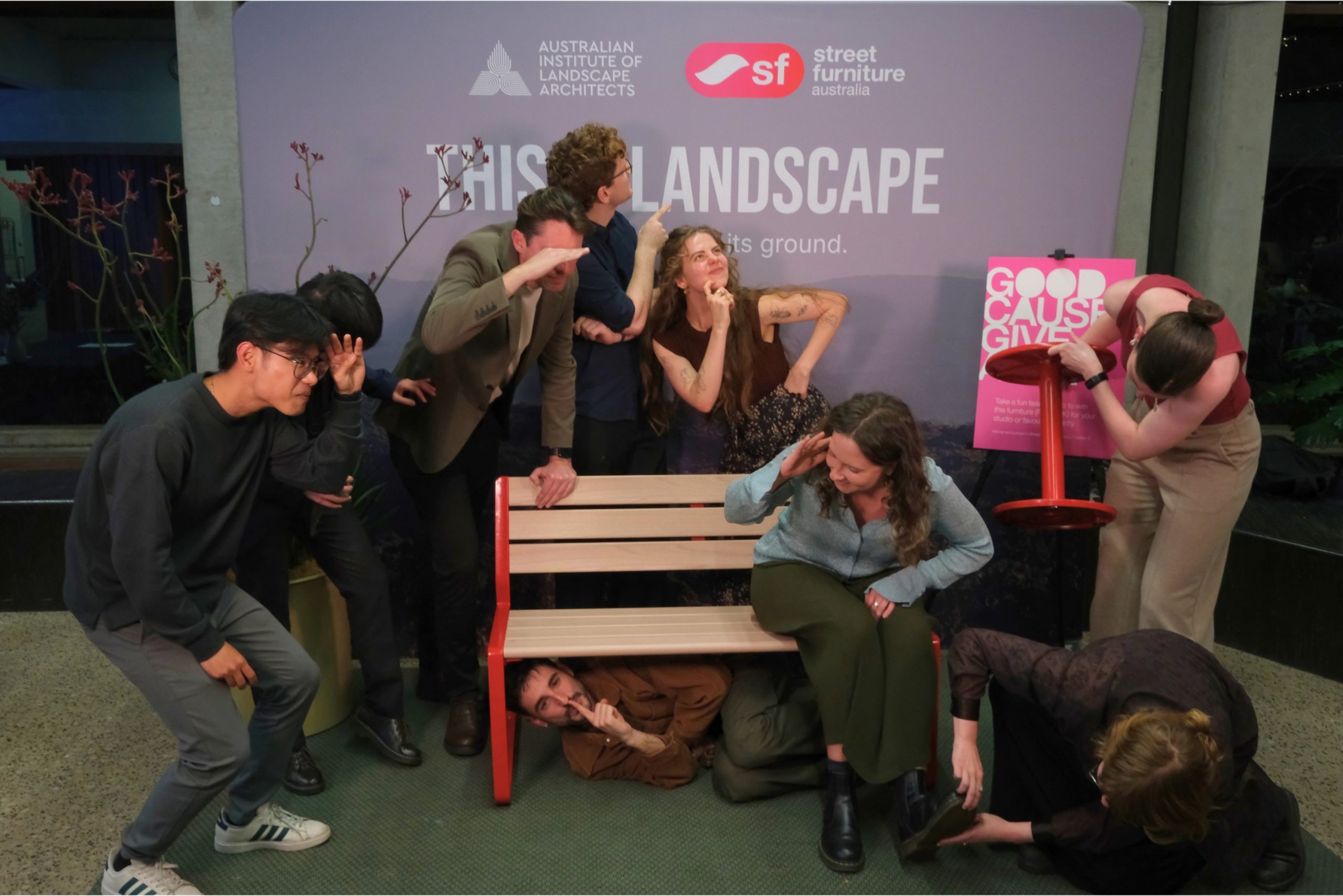
See highlights of all the outstanding creative photos from the 2026 AILA Awards Good Cause Giveaway, and discover which studio team won over 3k worth of furniture for... Read More
-
Join us for West Fest 2026: Designing in Belonging
A half-day knowledge exchange hearing from local built environment experts on fostering a sense of belonging in an increasingly dense, digital society. Read More
-
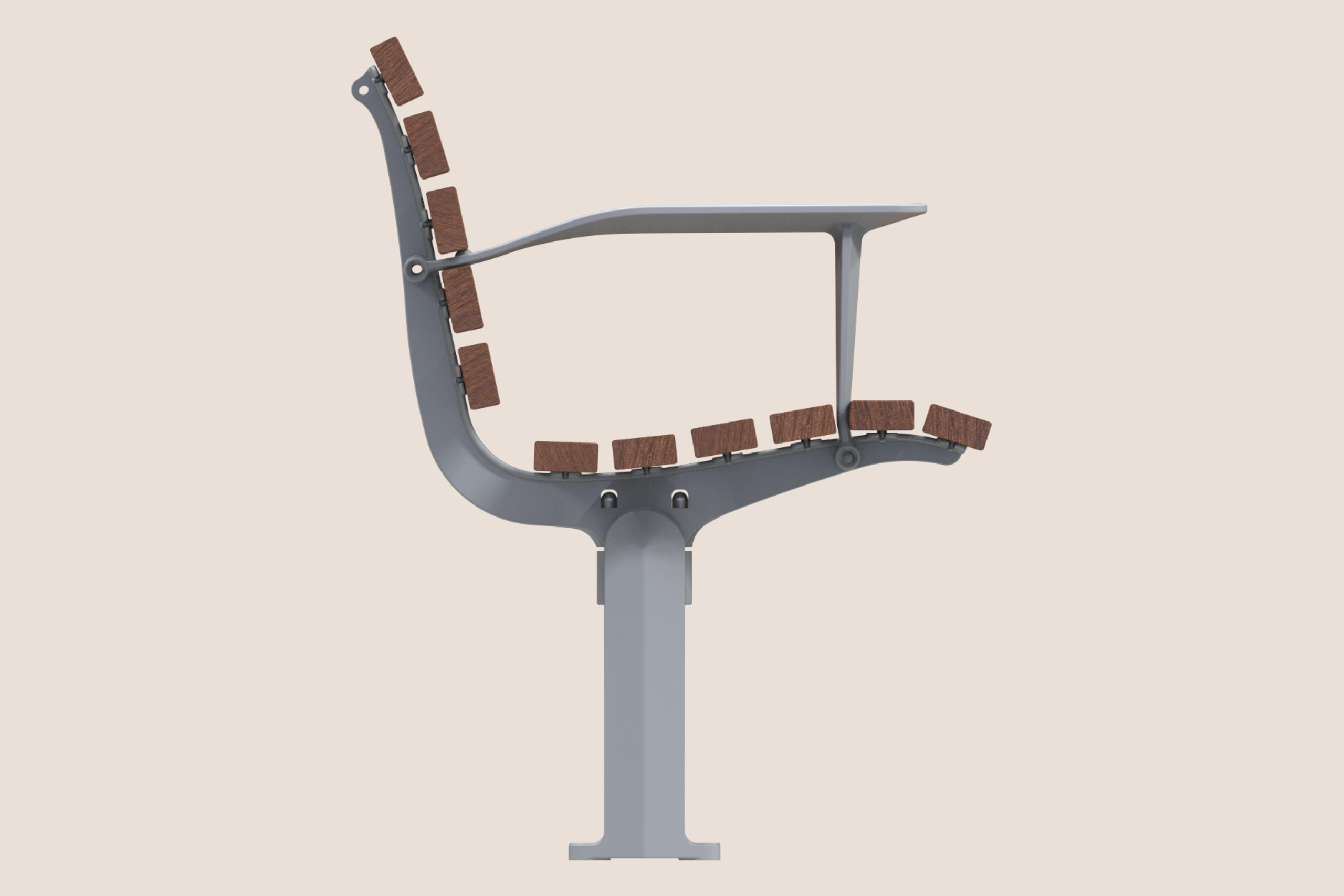
Introducing the new Pillar Leg
Street Furniture Australia’s new Pillar Leg is slimmer but sturdier. Discover what goes into a furniture leg, from fixing and accessibility to design. Read More
-
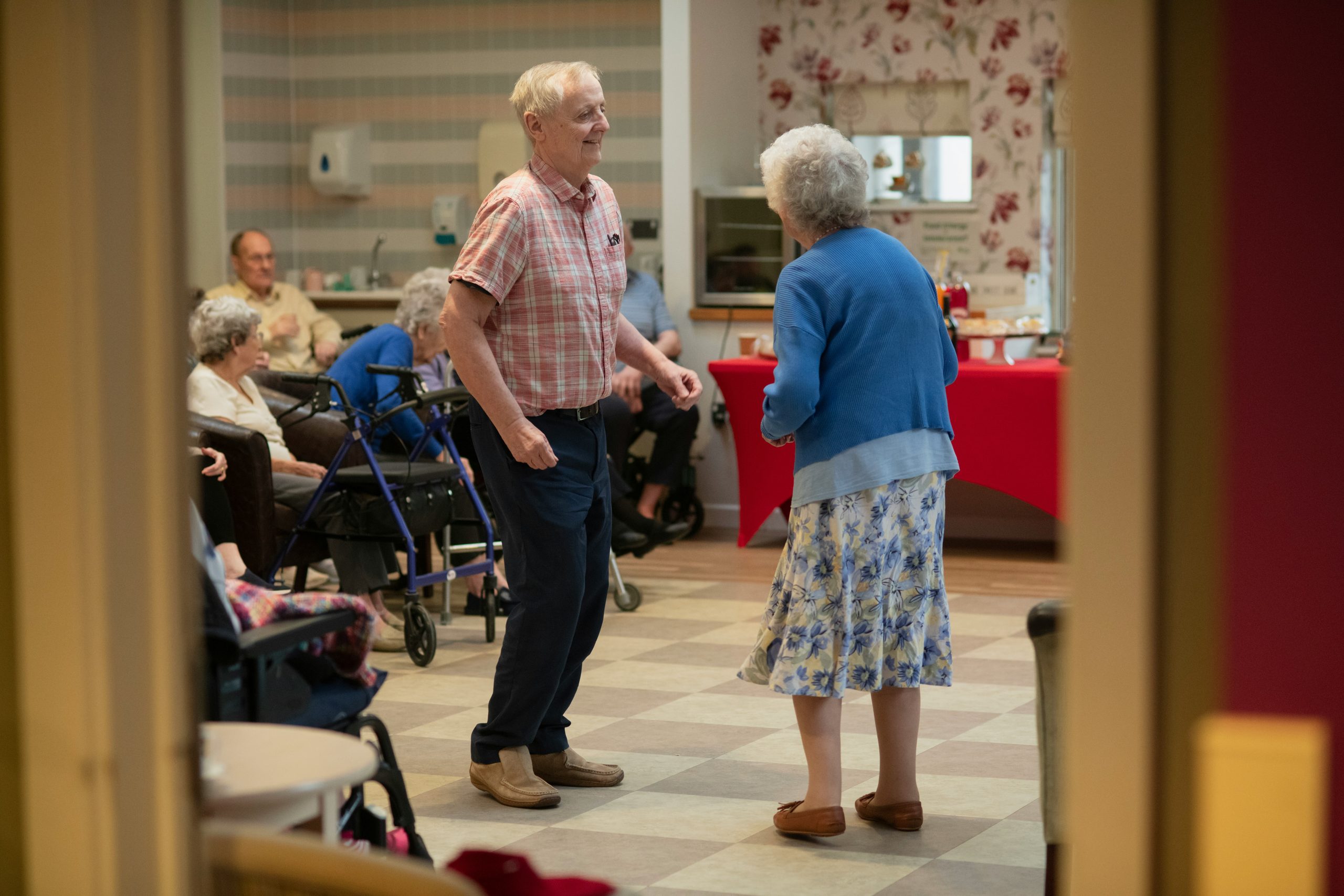
14th Street Y: From active space to community
How did a quiet gym lobby bring together 420+ locals? Learn how 14th Street Y uses social infrastructure and cheap coffee to build community. Read More
-
The design story behind Aria Bin
By Francis McArdle, Lead Designer of Aria Bin. There may be no piece of public infrastructure more overused and underappreciated than the humble bin. A basic necessity in... Read More
-
Should heat be regulated?
What if cities regulated heat like fire and flooding? ASLA explores how thermal performance could become a standard part of urban design. Read More