Trend Watch August 2023
Upcoming Events
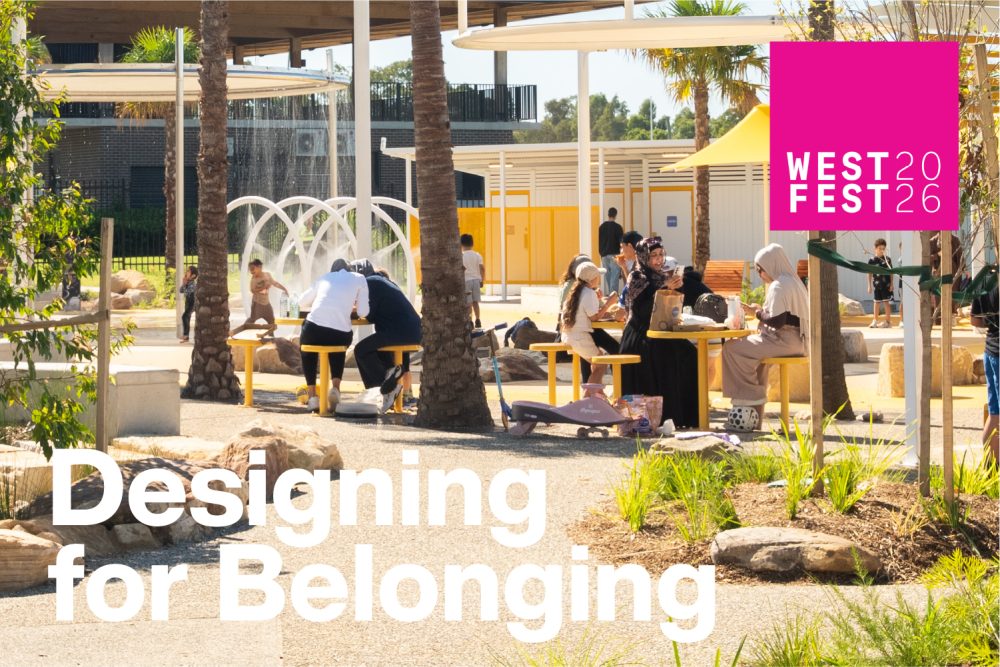
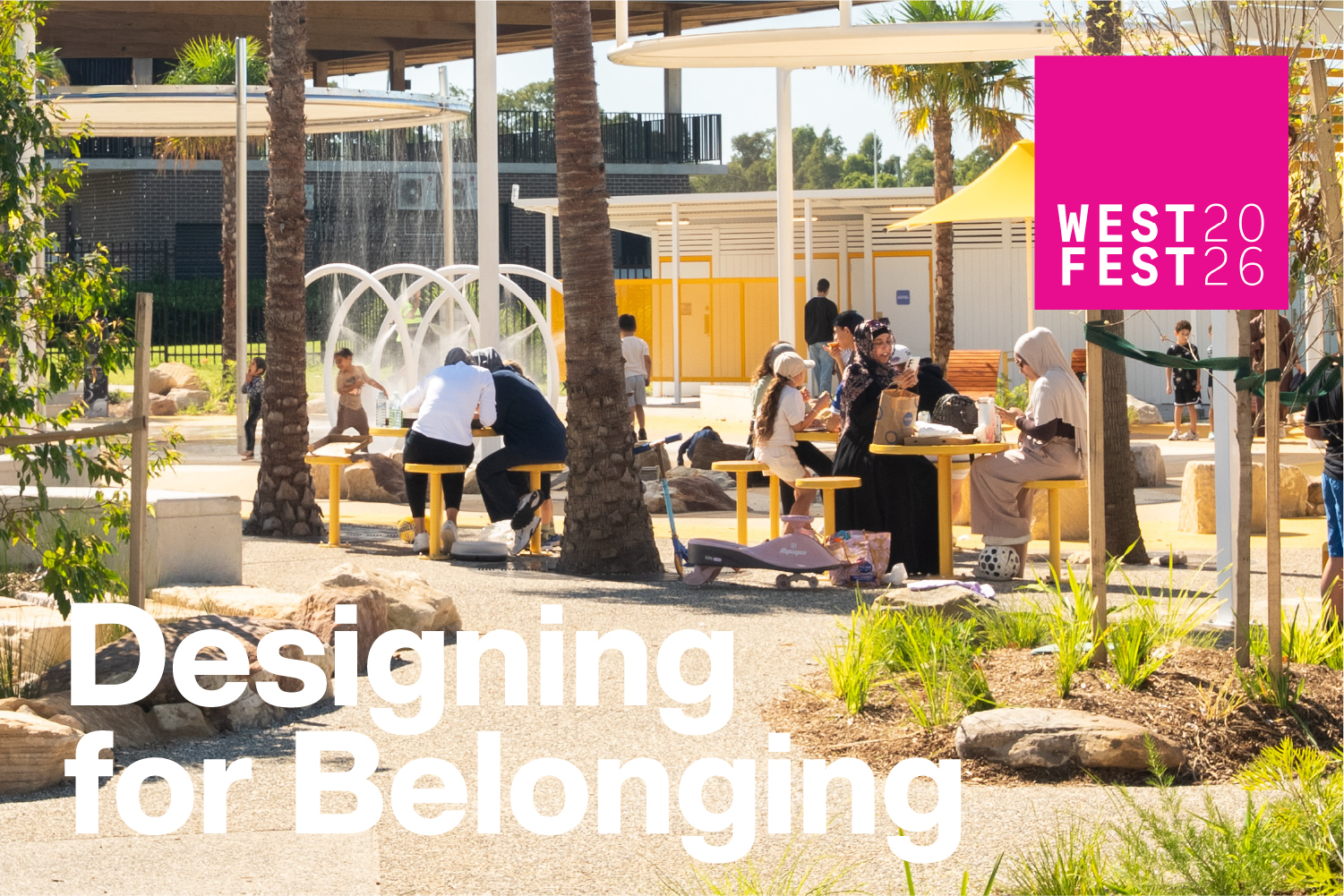
Join us for West Fest 2026: Designing in Belonging
A half-day knowledge exchange hearing from local built environment experts on fostering a sense of belonging in an increasingly dense, digital society.
Read more

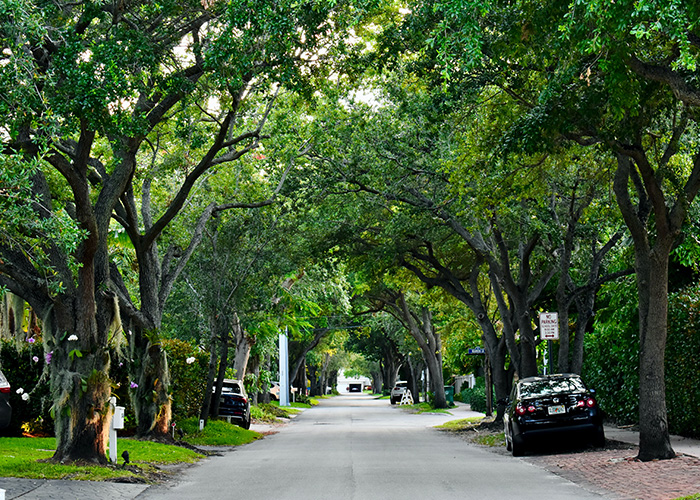
New research: planting trees in cities could save lives
New research from the Barcelona Institute for Global Health suggests planting more trees could lead to fewer deaths from increasingly high summer temperatures in cities.
The researchers say increasing urban tree coverage to 30% could reduce temperatures by approximately 0.4%, which could reduce heat-related deaths by 39.5% according to the study’s modelling.
Lead author, Tamara Iungman, says, “We already know that high temperatures in urban environments are associated with negative health outcomes, such as cardiorespiratory failure, hospital admission, and premature death.”
Her team wants to influence policymakers to make cities greener, “more sustainable, resilient and healthy.”
Co-author Mark Nieuwenhuijsen says, “Planting more trees in cities should be prioritised because it brings a huge range of health benefits beyond reducing heat-related deaths, including reducing cardiovascular disease, dementia and poor mental health.”
The research was recently covered by Rachel Hall in The Guardian.
Photo by Faith Crabtree on Unsplash.
USA redefines landscape architecture as STEM
The US Department of Homeland Security in July 2023 designated landscape architecture as a STEM (science, technology, engineering, mathematics) degree program after advocacy from the American Society of Landscape Architects (ASLA).
President of ASLA Emily O’Mahoney, FASLA, said the designation will be an additional tool in helping decision-makers appreciate “the rigour this discipline demands.”
“Landscape architects have incredible responsibility for the health, safety and well-being of communities which is why it’s imperative for landscape architects to continue to be licensed to practice,” she said.
Chair of the Department of Landscape Architecture at Harvard Graduate School of Design, Gary Hilderbrand, FASLA, said the STEM designation “finally reflects” the reality of the discipline of landscape architecture.
“Our work is fully dependent on science and technology, from understanding soils at the level of microbial interactions and nutrient exchanges, which keep our urban canopy alive, to coastal adaptations informed by continuously evolving climate data.
“This new designation brings with it greater opportunities for students and graduates throughout the United States and beyond to become leaders in the field.”
University of Melbourne Associate Professor of Landscape Architecture, Margaret Grose, challenged in a Landscape Australia article whether the reclassification benefits the industry and its professionals.
Gross expresses concern that prospective students might be deterred from pursuing landscape architecture under the STEM umbrella due to their past experiences with science subjects.
“In landscape architecture we teach and use science very differently from science faculty courses, often involving history, art, and all visual forms of communication of ideas, among others,” she notes.
Furthermore, she fears that landscape architecture students might mistakenly see themselves as scientists, rather than designers who play an important role in balancing competing pressures.
Gross comments, “The US seems to be grappling with an identity issue. While the ASLA document does mention design (on page 7), it emphasises math more heavily. Is ASLA striving for more prestige, funding, or recognition?”
“Landscape architecture can do what STEM disciplines do not do – it can design with imagination, daring and flair. It can create the unexpected, the idiosyncratic and the beautiful.”
Read her thoughts on Landscape Australia.
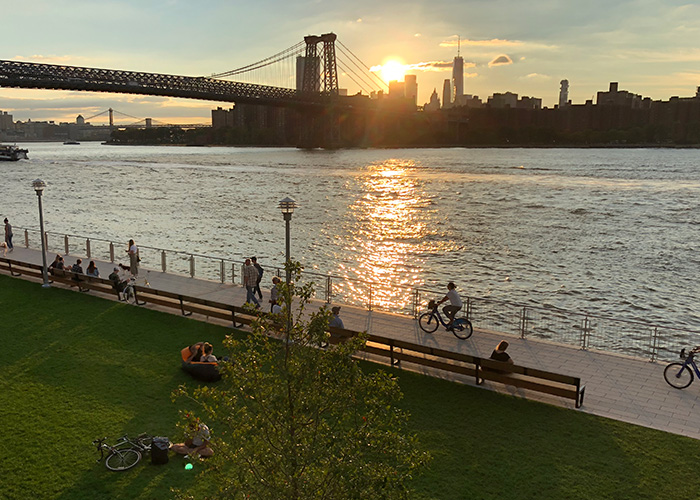
Photo by Daniel Prostak, Wikimedia Commons.
-
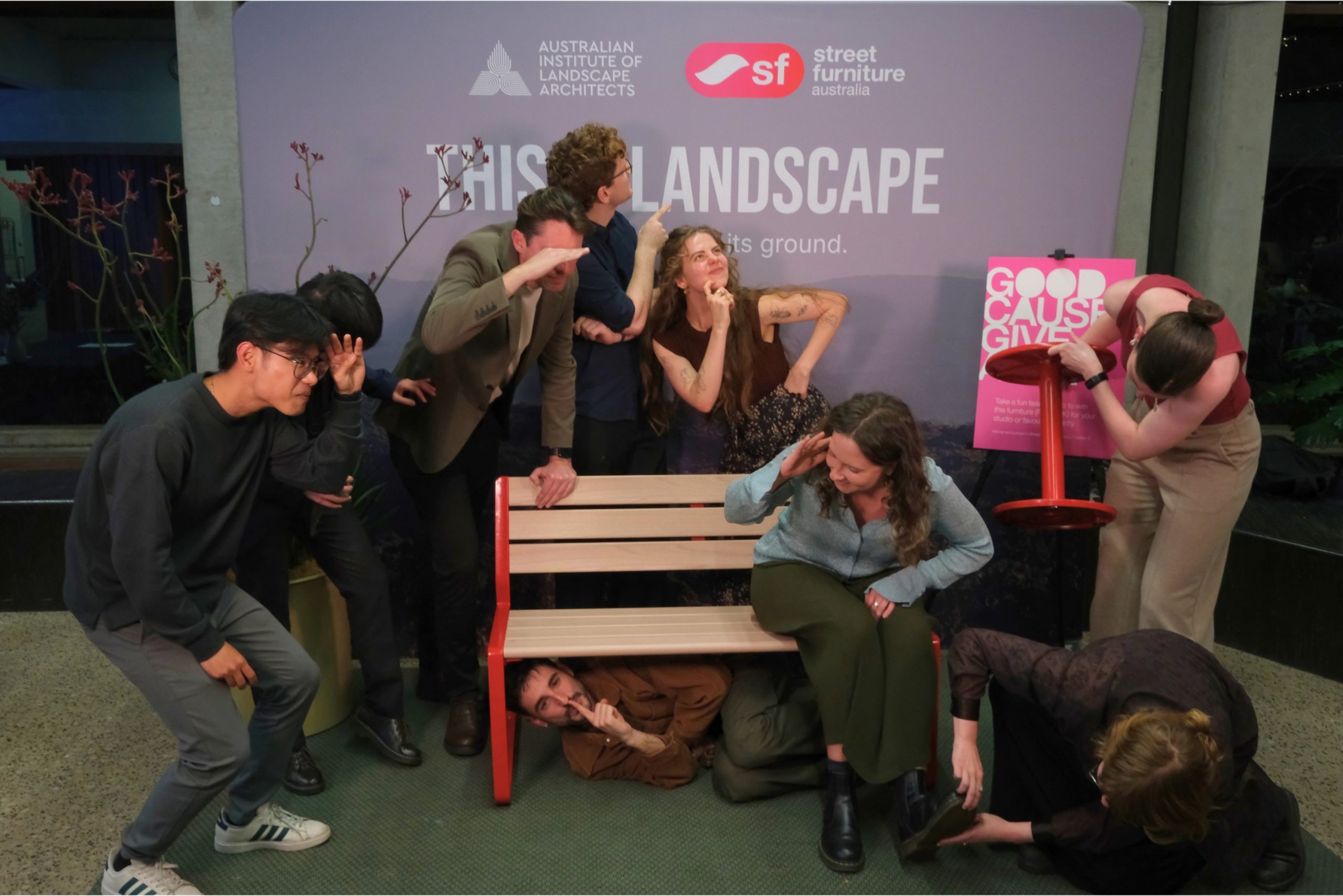
2026 AILA Awards: Good Cause Giveaway
See highlights of all the outstanding creative photos from the 2026 AILA Awards Good Cause Giveaway, and discover which studio team won over 3k worth of furniture for... Read More
-
Join us for West Fest 2026: Designing in Belonging
A half-day knowledge exchange hearing from local built environment experts on fostering a sense of belonging in an increasingly dense, digital society. Read More
-
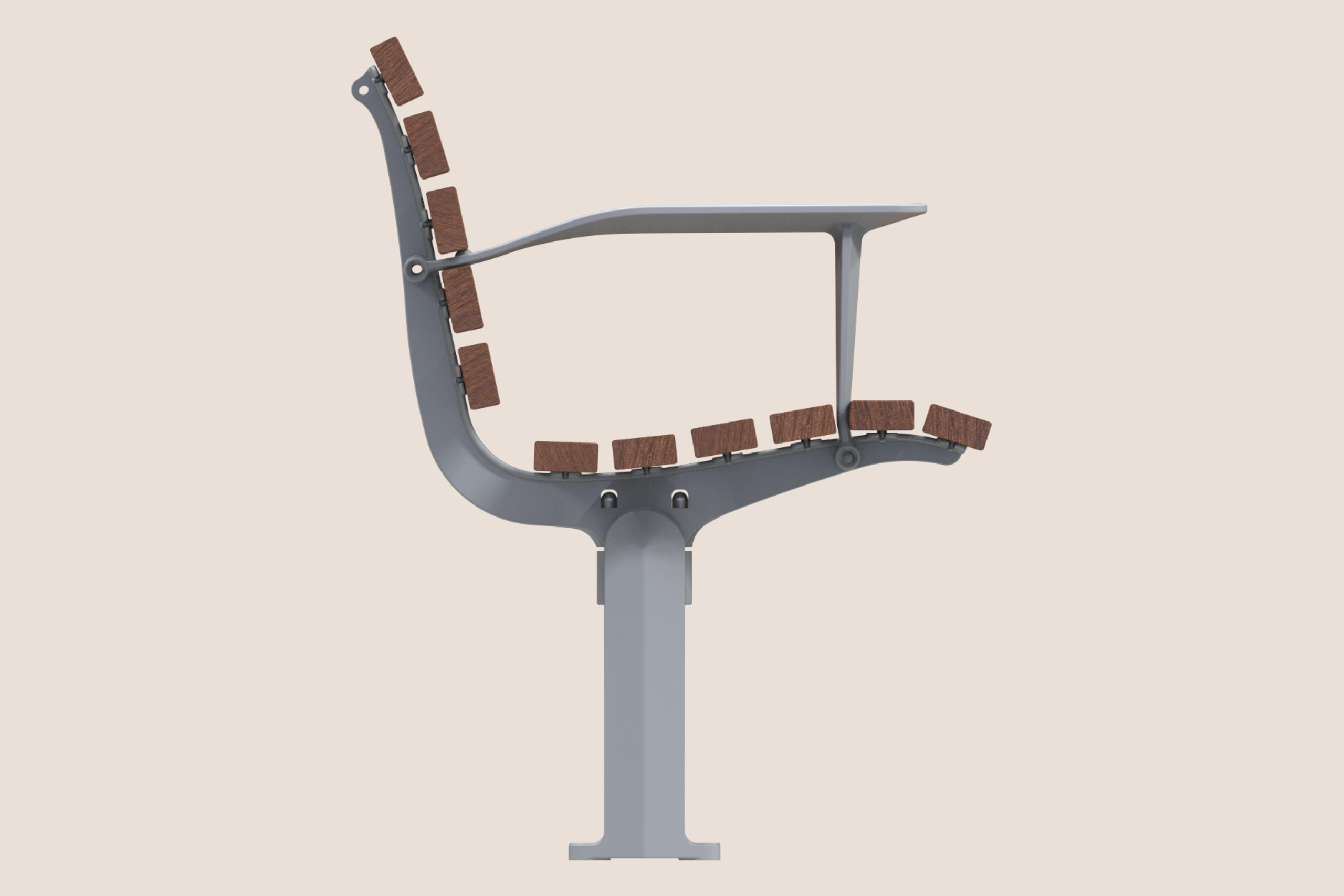
Introducing the new Pillar Leg
Street Furniture Australia’s new Pillar Leg is slimmer but sturdier. Discover what goes into a furniture leg, from fixing and accessibility to design. Read More
-
14th Street Y: From active space to community
How did a quiet gym lobby bring together 420+ locals? Learn how 14th Street Y uses social infrastructure and cheap coffee to build community. Read More
-
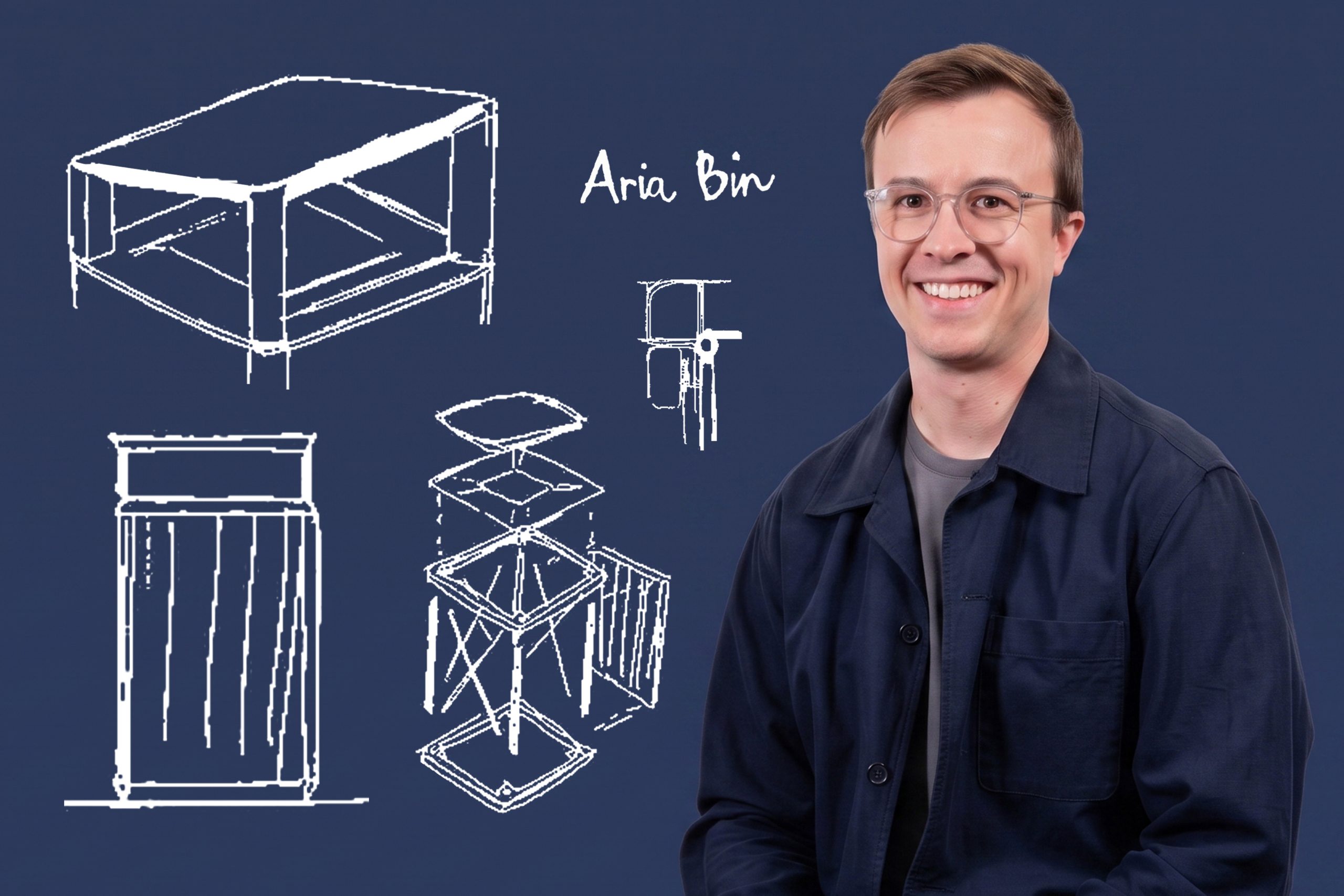
The design story behind Aria Bin
By Francis McArdle, Lead Designer of Aria Bin. There may be no piece of public infrastructure more overused and underappreciated than the humble bin. A basic necessity in... Read More
-
Should heat be regulated?
What if cities regulated heat like fire and flooding? ASLA explores how thermal performance could become a standard part of urban design. Read More