Trend Watch July 2023
Upcoming Events
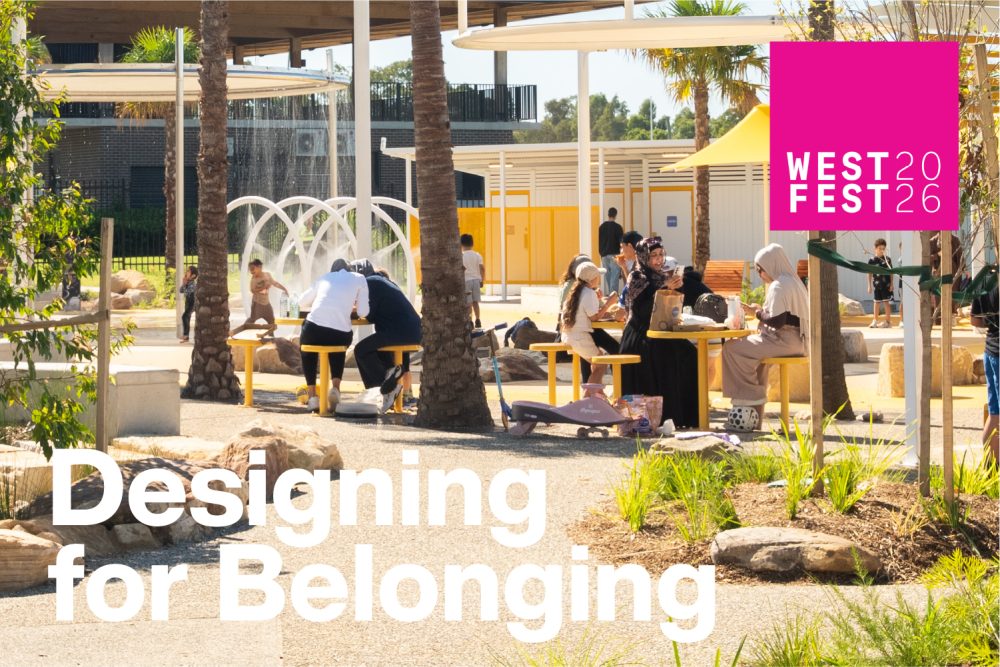
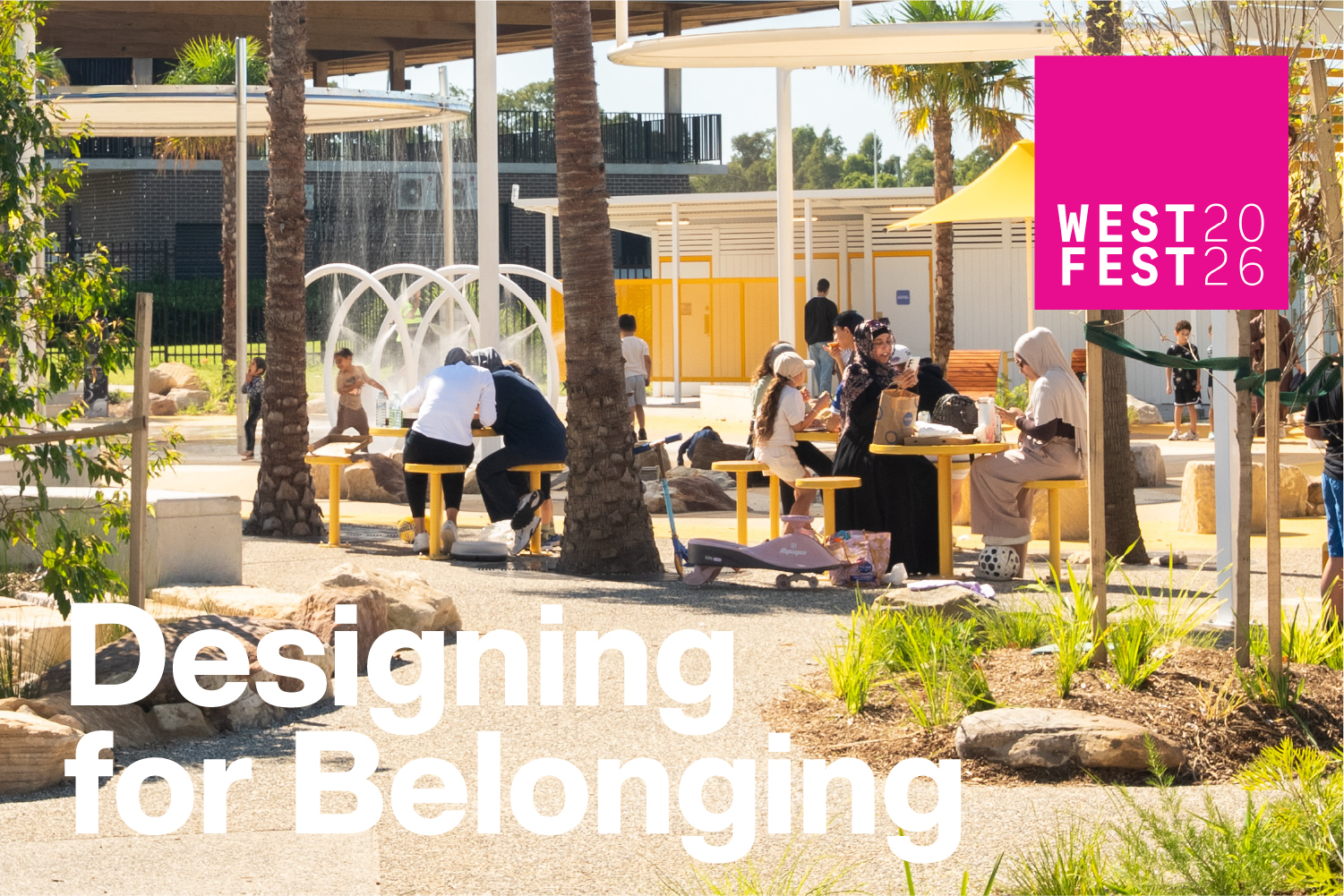
Join us for West Fest 2026: Designing in Belonging
A half-day knowledge exchange hearing from local built environment experts on fostering a sense of belonging in an increasingly dense, digital society.
Read more

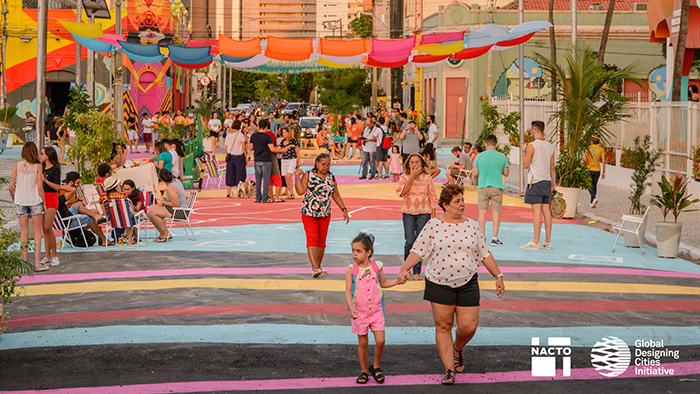
Designing Streets for Kids
A study on designing streets for children of all ages and their changing needs, Designing Streets for Kids, has been published by the US-based Global Designing Cities Initiative and National Association of City Transportation Officials.
The guide outlines “best practices, programs, strategies and policies” for creating safe, enjoyable and inspiring street spaces for children and their carers. It looks at streets that are “safe and healthy, comfortable and convenient, inspirational and educational – streets that better serve everyone.”
Global Designing Cities Initiative permanent chair, Janette Sadik-Khan, writes, “This guide integrates the best of what works in different countries and cultural contexts to create universal principles for streets based on their most vulnerable users.”
She says, “If you design a street that works for kids, you design a street that works for everyone. Designing, or redesigning urban streets through the lens of children shows why it is necessary to raise the bar for safety, accessibility and enjoyment.”
The authors explore children’s needs in urban streets, current challenges and how different ideas can create friendly streets to play, rest, and create.
“An environment rich with stimulation such as colors, patterns, and textures is a foundation for a child’s cognitive skills.”
Read the study at Global Designing Cities.
Photo: Fortaleza, Brazil by NACTO-GDCI.
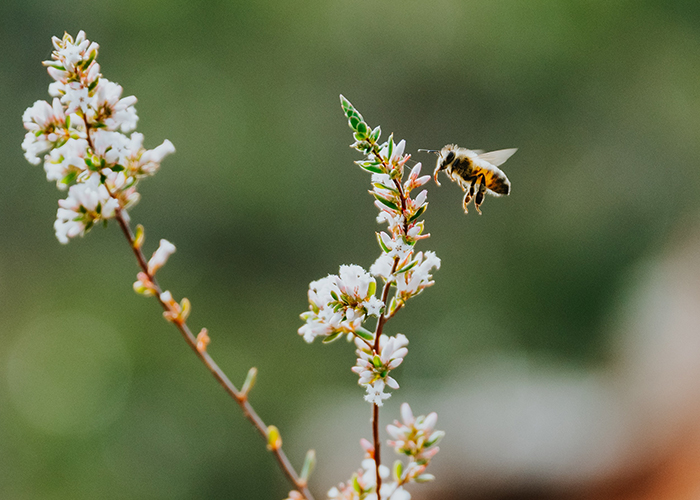
Newcastle Council to Create ‘Pollinator Paradise’
The City of Newcastle, a harbour city in New South Wales, Australia, is announcing plans to develop a pollinator-friendly urban landscape that reconnects biodiversity corridors.
Newcastle Councillor Dr Elizabeth Adamczyk, also a lecturer in planning at Macquarie University with a PhD in human geography, shared her vision on ABC News.
“We are the first city in Australia to commit as a local government to being a pollinator-friendly city,” she said.
Adamczyk says Newcastle aims to support and enhance its biodiversity by bridging gaps in fragmented biodiversity networks through its Environment Strategy. She has tabled a proposal – unanimously supported by Council – to ensure the rapidly growing city is built with pollinating species in mind.
The proposal supports creating safe, friendly spaces for pollinators with native foliage corridors throughout the city, including on roadways, median strips, walls, balconies, rooftops, in gardens and parks, and along transport corridors.
Photo: Ryan Cuerden on Unsplash.
-
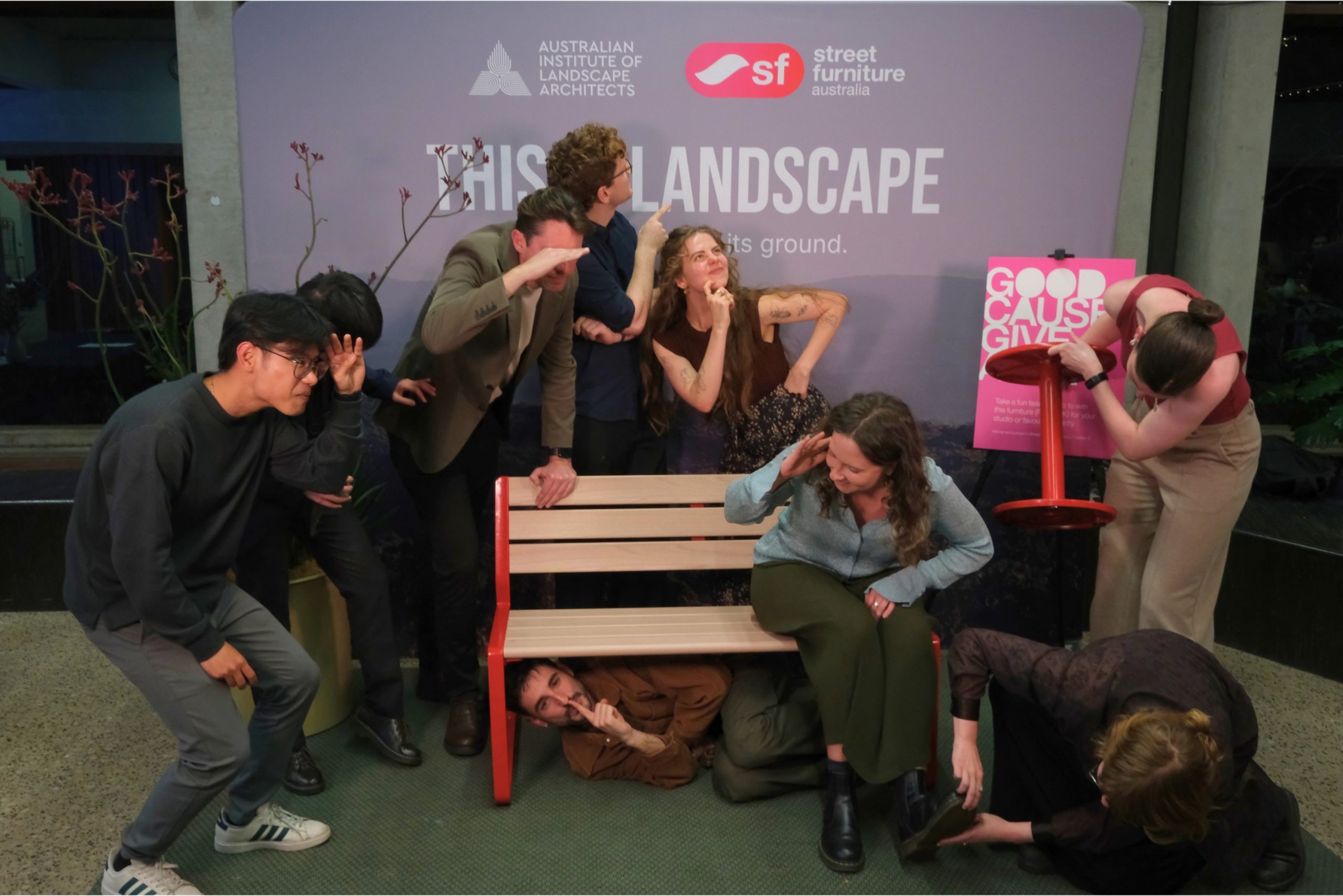
2026 AILA Awards: Good Cause Giveaway
See highlights of all the outstanding creative photos from the 2026 AILA Awards Good Cause Giveaway, and discover which studio team won over 3k worth of furniture for... Read More
-
Join us for West Fest 2026: Designing in Belonging
A half-day knowledge exchange hearing from local built environment experts on fostering a sense of belonging in an increasingly dense, digital society. Read More
-
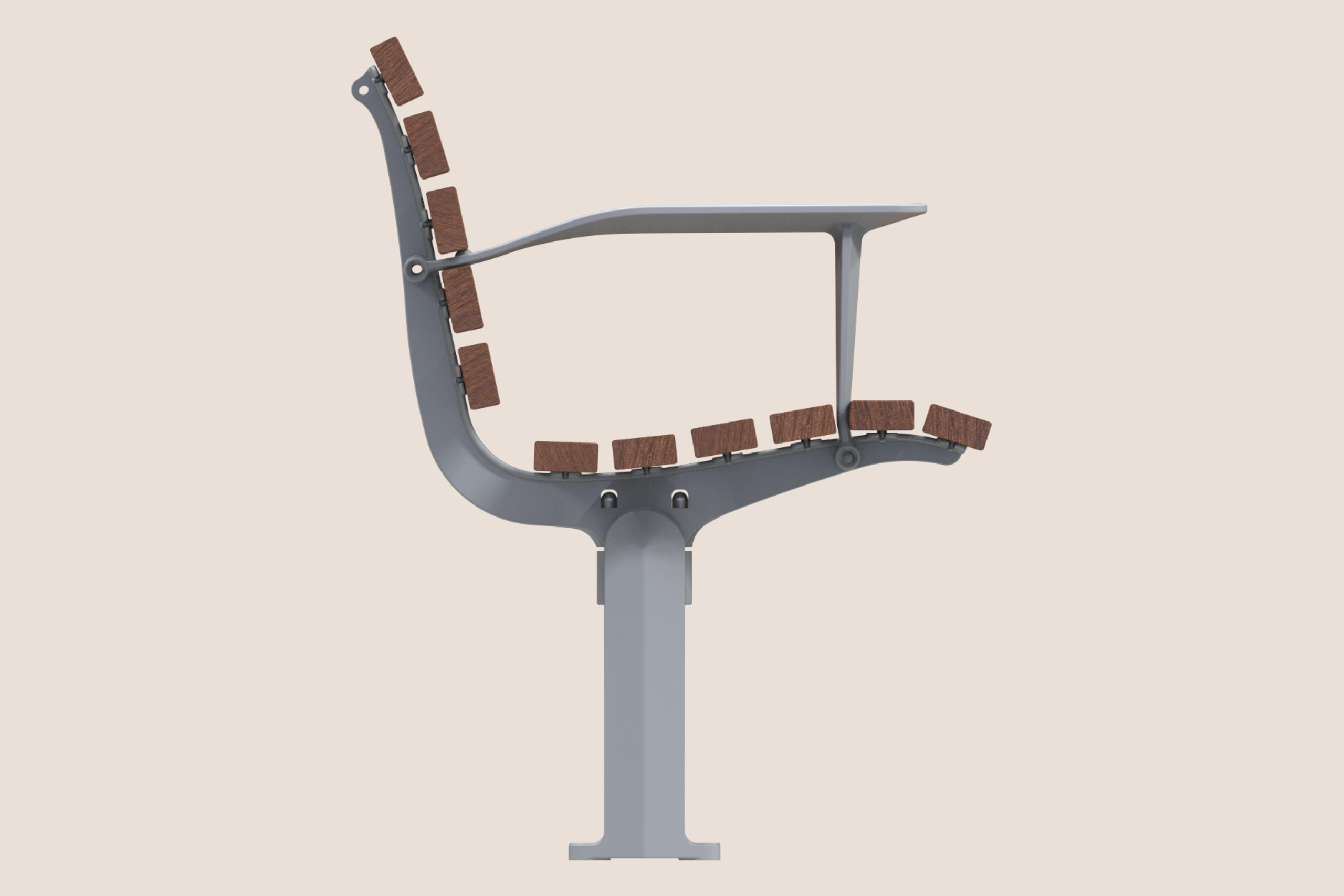
Introducing the new Pillar Leg
Street Furniture Australia’s new Pillar Leg is slimmer but sturdier. Discover what goes into a furniture leg, from fixing and accessibility to design. Read More
-
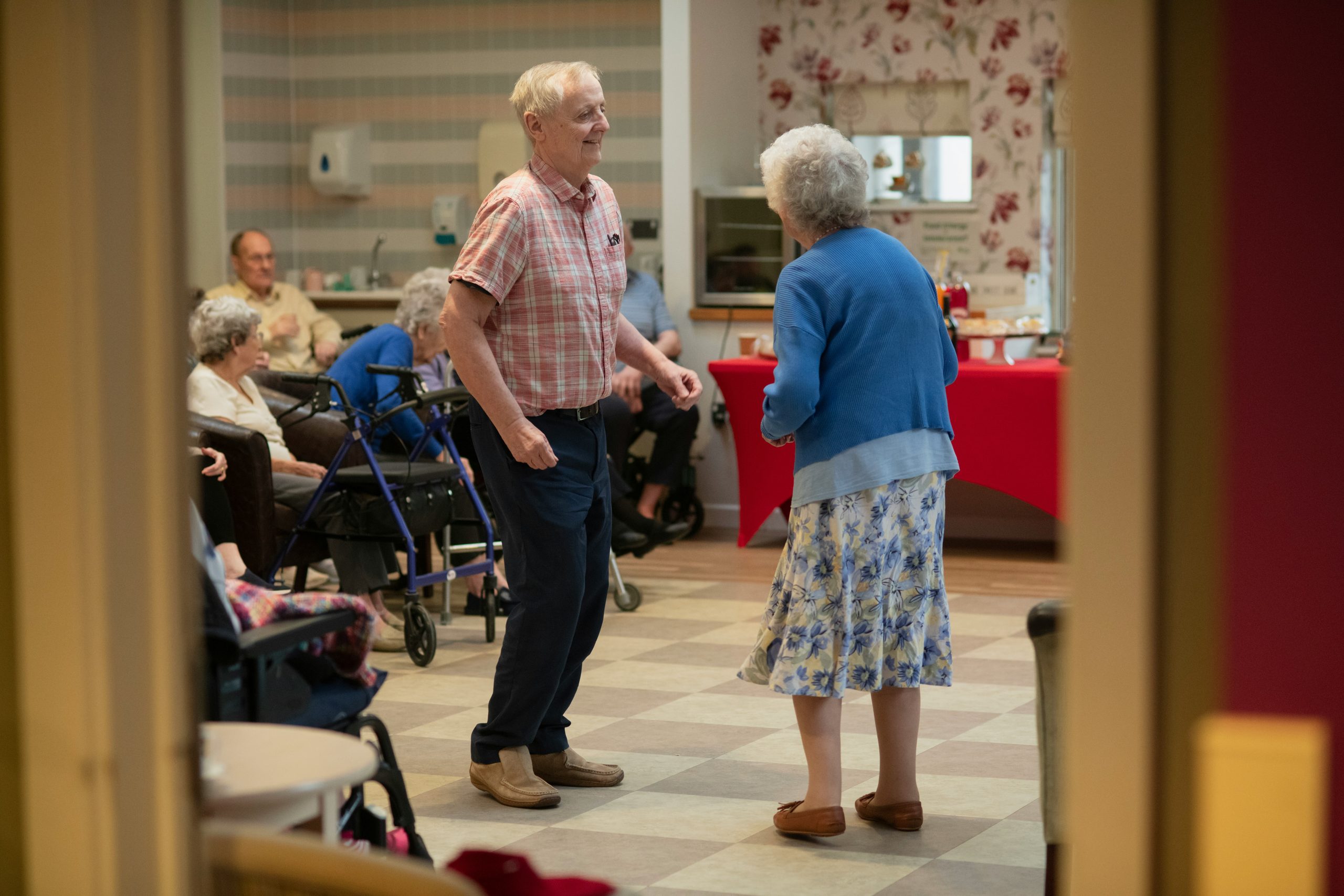
14th Street Y: From active space to community
How did a quiet gym lobby bring together 420+ locals? Learn how 14th Street Y uses social infrastructure and cheap coffee to build community. Read More
-
The design story behind Aria Bin
By Francis McArdle, Lead Designer of Aria Bin. There may be no piece of public infrastructure more overused and underappreciated than the humble bin. A basic necessity in... Read More
-
Should heat be regulated?
What if cities regulated heat like fire and flooding? ASLA explores how thermal performance could become a standard part of urban design. Read More