Trend Watch, May 2018

Upcoming Events
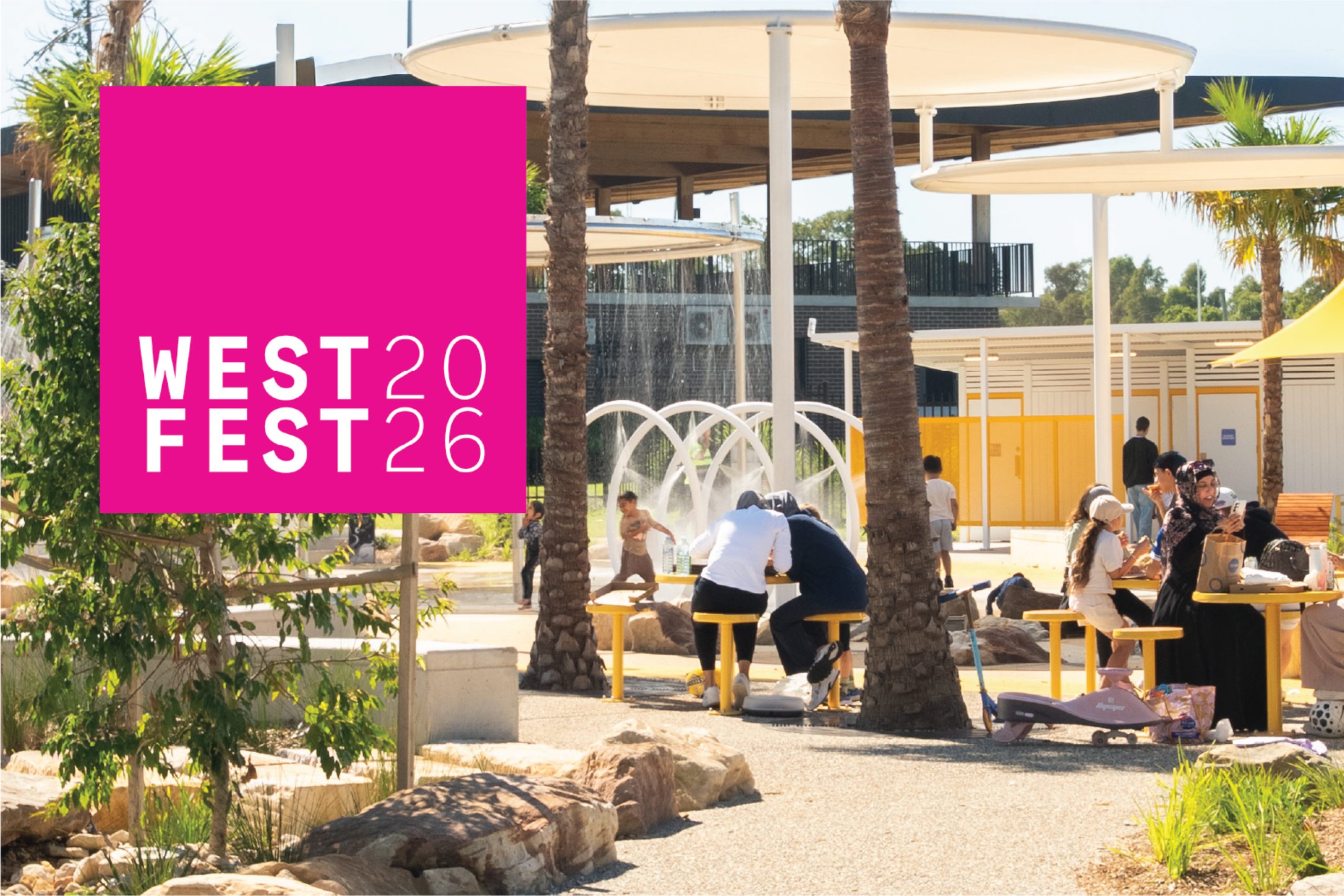
Join us for West Fest 2026: Designing for Belonging
A half-day knowledge exchange hearing from local built environment experts on fostering a sense of belonging in an increasingly dense, digital society.
Read more

Kanye West – rapper, fashion designer and now city builder?
Kanye West appears to be turning his sights from music and sneakers to architecture and city-building. “Don’t let him do this,” writes Brentin Mock in CityLab.
In the final 15 minutes of an interview with Charlamagne Tha God, ticking well over 8 million YouTube views in 20 days, Yeezy walks his 300 acres and muses, “I’m gonna build five properties, so this is my first community. I’m getting into development. Anybody who’s been to any of my cribs knows I’m super into developing homes. This is the next frontier for me.”
“I’m going to be one of the biggest real estate developers of all time, like what Howard Hughes was to aircraft and what Henry Ford was to cars.”
His relationships with architects, he says, his “understanding of space and sacred proportions,” will make this possible, and bring a “vibe, this new energy.” McMansions and Spanish roof homes, he adds, are “whack.”

We may have to take West seriously, Mock writes, as he does seem to know top designers and architects, he can get projects financed, doesn’t mind “holding millions of dollars of debt,” and believes that design can make a positive impact on society.
Kanye in May revealed plans to extend his fashion label, Yeezy, with an architecture division, to “make the world better.”
Prior to establishing Yeezy, Dezeen reports he set up his own design company, DONDA, with the aim to assemble a team of architects, designers and directors to work with him.
Yet, Mock warns – Kanye “can’t be managed,” as he “believes that his love for all people is all the evidence that’s needed for people to trust his development vision, which is a personality trait of the worst kind of developer.”
In the Charlamagne interview, Ye pronounces many variations on, “I love real change. I love challenging the norm,” and “I’m not a traditional thinker, I’m a non-conformist.” Mock writes, this love of disruption for disruption’s sake could have the most dangerous consequences.
On the other hand, Sekou Cook, writing for ArchDaily in An Architect’s Defense of Kanye West,says he wants Kanye to “keep talking.”
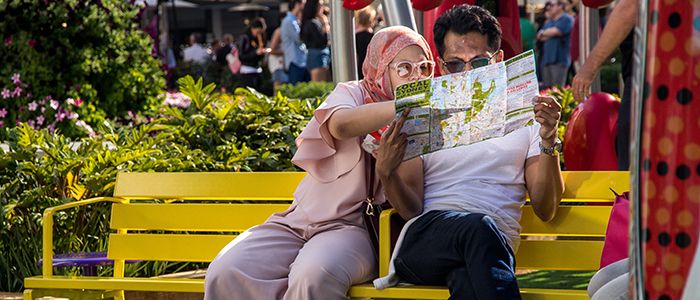
Future Street wins World Architecture award:
Future Street, designed by Place Design Group, has been named among five winners of an international Urban Challenge run by World Architecture News.
The contest, ‘Reclaiming the Streets 2018’, called for ideas to help address current urban problems, with the opportunity to create a vision for the future.
The Future Street installation delivered “a real-life experience” of a potential street from the future at Sydney’s Circular Quay in October 2017, says Place Design Group.
The company partnered with the Australian Institute of Landscape Architects, Smart Cities Council Australia and New Zealand and the Internet of Things Alliance Australia to showcase smart city design, services and technologies.
Street Furniture Australia contributed prototypes of the Aria Smart Bench with PowerMe recharging table1, making it easier to work and spend time in public places, and eBins featuring fill monitoring for better waste management.
Chris Isles, Executive Director, Planning with Place Design Group, said, “We’re humbled and excited for the Future Street project to be recognised on an international scale, which highlights the crucial role that built environment professionals have to play in the design of the streets of the future.”
Judge Peter Bishop, a respected Urban Planner and Urban Designer at Allies and Morrison in London, commended the ‘pop-up’ scheme and felt it had the edge over other submissions, commenting “They’ve actually done it. And a city like Sydney desperately needs it.”
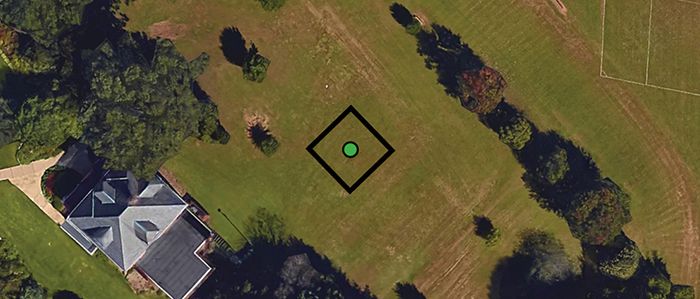
Using virtual reality to test out urban planning for green space:
Researchers in environmental psychology at NC State University have used immersive virtual reality, or IVR, to measure the performance of green spaces at different sites, writes D’Lyn Ford for WRAL TechWire.
Researchers with the Centre for Geospatial Analytics used a robot to capture 360-degree, high-resolution images of a downtown Raleigh plaza and of a city park, then manipulated the vegetation to create several different environments.
In a downtown plaza scenario, virtual visitors near tall buildings wanted to be surrounded by as much green vegetation as possible, says landscape architect and lead author Payam Tabrizian.
The top-rated landscape design among the 90 testers was one with trees on all four sides in a medium-density arrangement.
“In an urban setting, being enclosed by vegetation feels restorative. It can serve as a shield from the urban environment and create a kind of refuge where people can sit and relax for a while,” says Tabrizian.
“People preferred urban environments that were very green and being enclosed in vegetation didn’t seem to bother them that much.”
However, in the park setting, the testers’ preference was for open spaces, rather than enclosed greenery.
“It seems that people have enough green surrounding them and want to know what’s happening around them,” Tabrizian says.
“When you enclose them with vegetation, they don’t like it. They feel unsafe.”
The researchers say the IVR techniques could be used by landscape designers to get feedback on new designs or improvements to existing spaces.
Read the study, “Exploring perceived restoration potential of urban green enclosure through immersive virtual environments,” in the Journal of Environmental Psychology.
Image: NC State researchers.
1PowerMe Table has been discontinued and is no longer avaliable
-
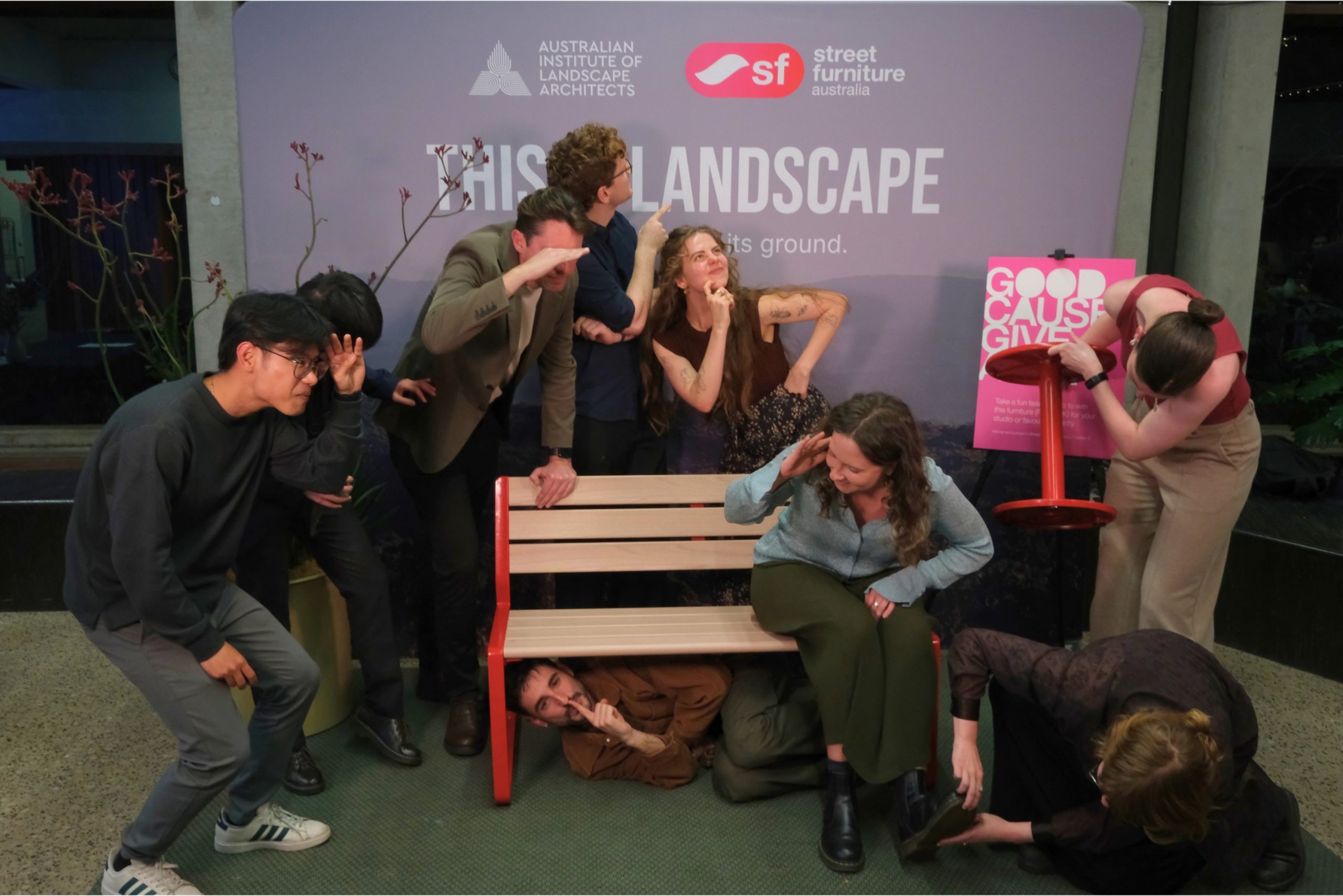
2026 AILA Awards: Good Cause Giveaway
See highlights of all the outstanding creative photos from the 2026 AILA Awards Good Cause Giveaway, and discover which studio team won over 3k worth of furniture for... Read More
-
Join us for West Fest 2026: Designing for Belonging
A half-day knowledge exchange hearing from local built environment experts on fostering a sense of belonging in an increasingly dense, digital society. Read More
-
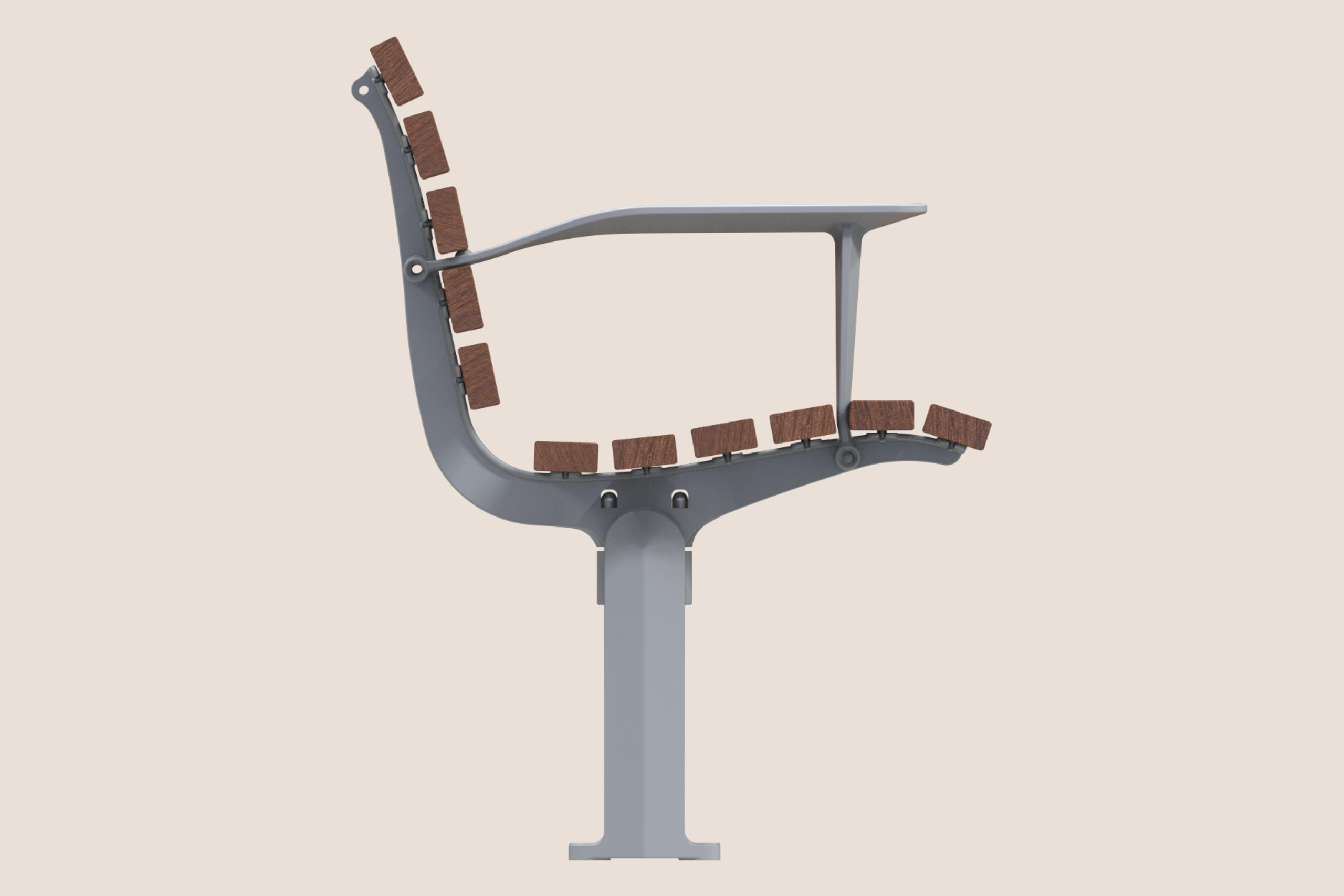
Introducing the new Pillar Leg
Street Furniture Australia’s new Pillar Leg is slimmer but sturdier. Discover what goes into a furniture leg, from fixing and accessibility to design. Read More
-
14th Street Y: From active space to community
How did a quiet gym lobby bring together 420+ locals? Learn how 14th Street Y uses social infrastructure and cheap coffee to build community. Read More
-
The design story behind Aria Bin
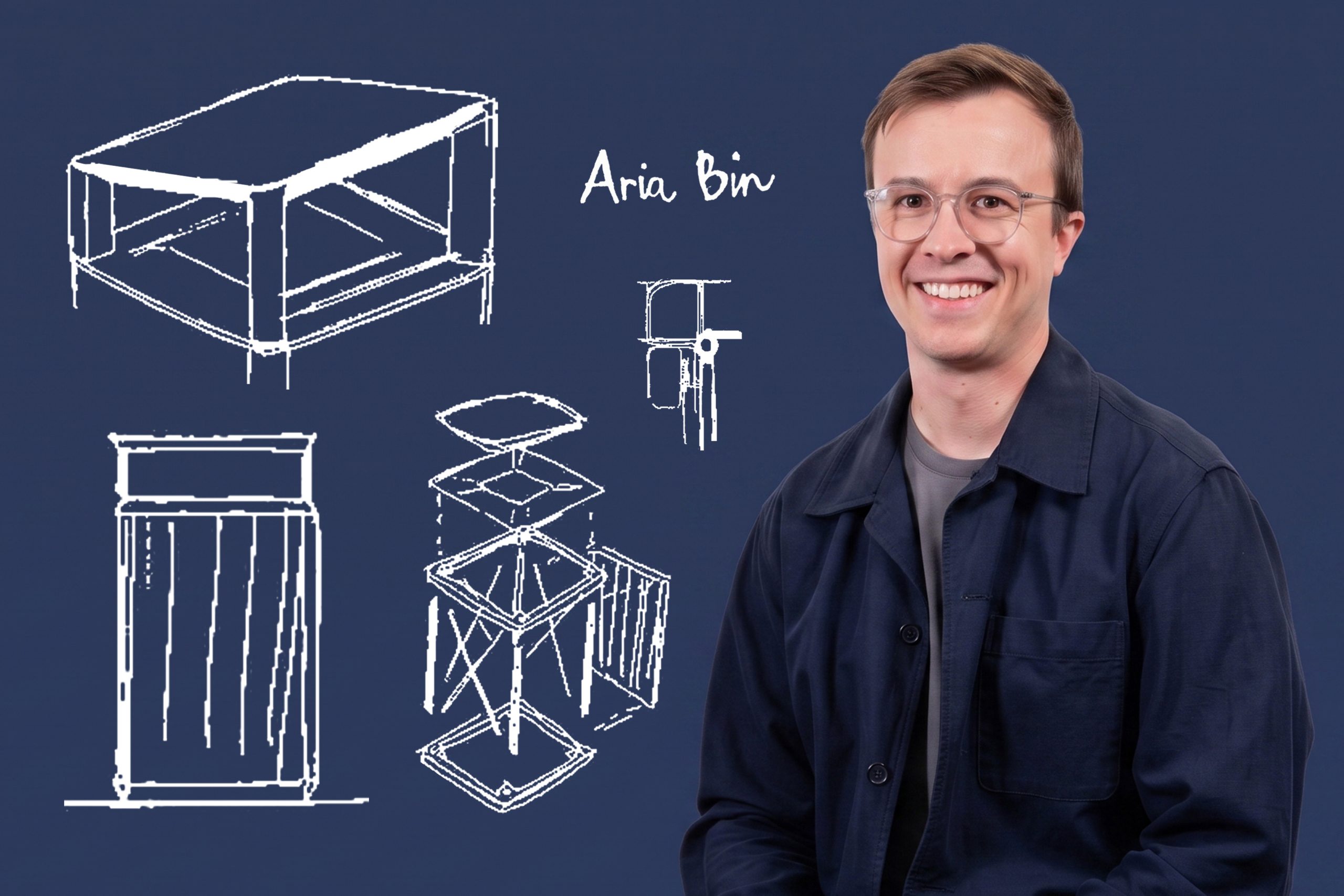
By Francis McArdle, Lead Designer of Aria Bin. There may be no piece of public infrastructure more overused and underappreciated than the humble bin. A basic necessity in... Read More
-
Should heat be regulated?
What if cities regulated heat like fire and flooding? ASLA explores how thermal performance could become a standard part of urban design. Read More