Trend Watch March 2023



OCULUS supports Voice to Parliament campaign:
Landscape architecture and urban design firm OCULUS have shared their support for the Yes23 campaign, which recently launched to encourage Australians to respond ‘yes’ in a referendum that seeks to enshrine an Aboriginal and Torres Strait Islander Voice in the constitution.
Dean Parkin, Director From the Heart says the campaign offers “a chance to explain how a ‘yes’ vote at this year’s referendum will give Aboriginal and Torres Strait Islander Peoples a say in the laws and policies that directly impact their lives, and to deliver practical change.”
Oculus says their team have been exploring this significant conversation, with in-depth discussions about the Voice, the upcoming referendum and Uluru statement. They write: “OCULUS is committed to continuing this important conversation and we encourage you to join us.”
To learn more, with a free 15-minute online course, guide to talking points and volunteering opportunities, see Oculus’ article.
The referendum will be held between October and December in 2023.
Image: ‘Yes’ campaign logo and motif based on artwork by Birra Gubbi artist Lara Watson.
Ways to Save the Planet, One Lawn at a Time:
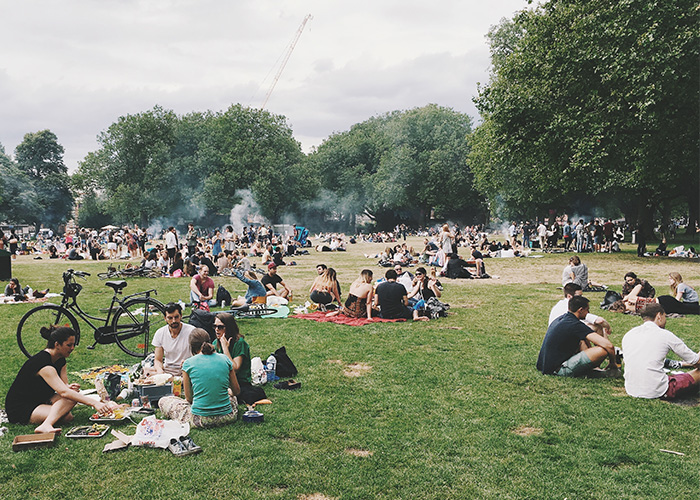
Walking barefoot across a lawn or chilling out at the park on a Sunday can be bliss. Though not everyone shares a love of lawns. Forbes writer Joan Michelsen introduces us to Pamela Conrad, founder of San Francisco landscape architecture firm Climate Positive Design, who sees lawns as spaces that waste water and require polluting chemical pesticides.
Conrad suggests we need to set up practices that decrease the negative environmental impacts of lawns in the public realm. In her podcast The Electric Ladies she says: “We do need a cultural shift in our way of living. Coming at it from a more climate positive approach. If we can start seeing choices and changes we can make that are positive for the environment, then maybe we can start replicating them and see a ripple effect in the transformation of our environments, our communities.”
Conrad and her team of landscape architects share ways to start making changes with lawns, examples include: “the use of techniques that reduce and reuse water, include plants that are native or indigenous to your native area, because they need less water and likely less fertiliser.”
Read more ideas in the article by Forbes.
Photo: Robert Bye on Unsplash.
-
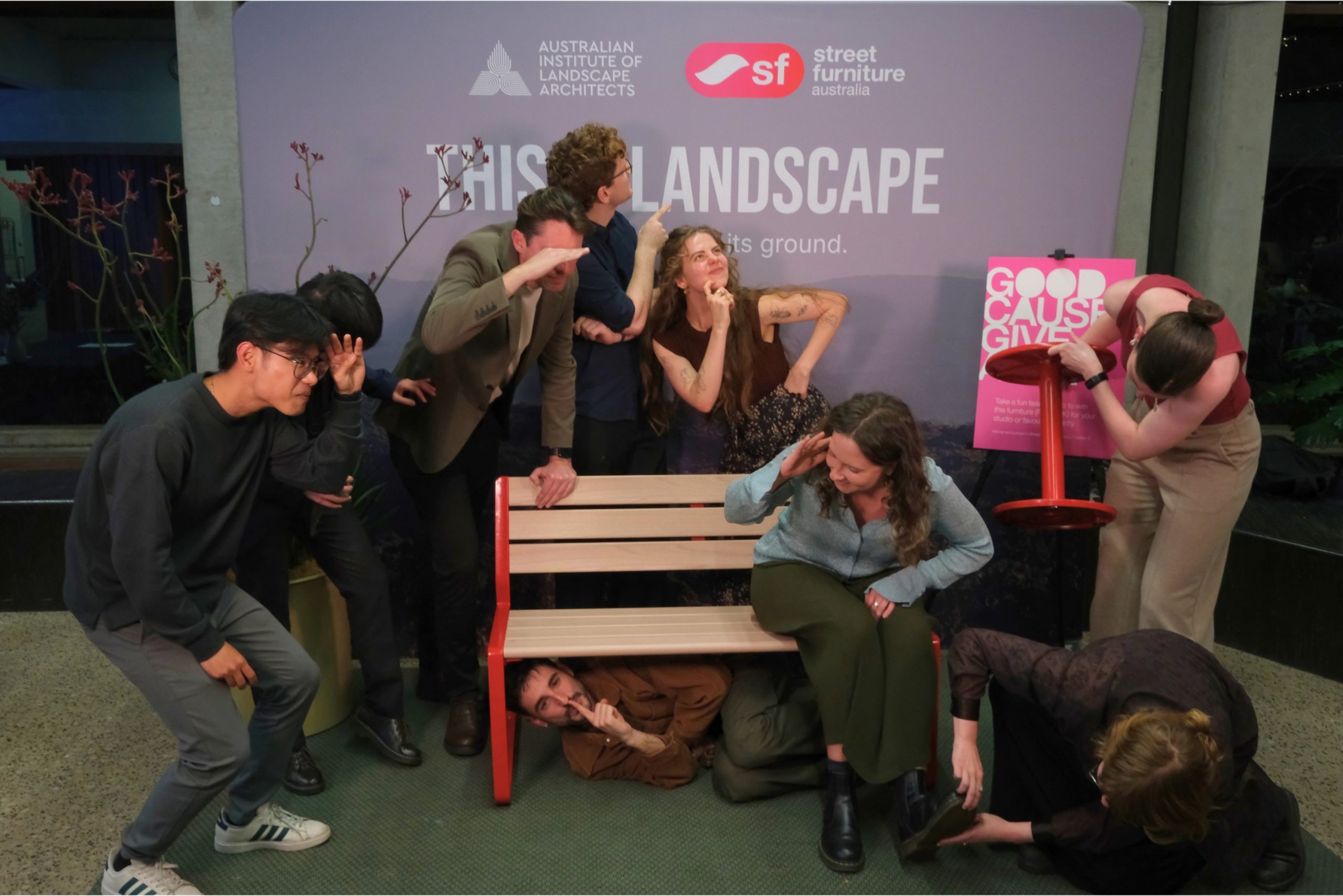
2026 AILA Awards: Good Cause Giveaway
See highlights of all the outstanding creative photos from the 2026 AILA Awards Good Cause Giveaway, and discover which studio team won over 3k worth of furniture for... Read More
-
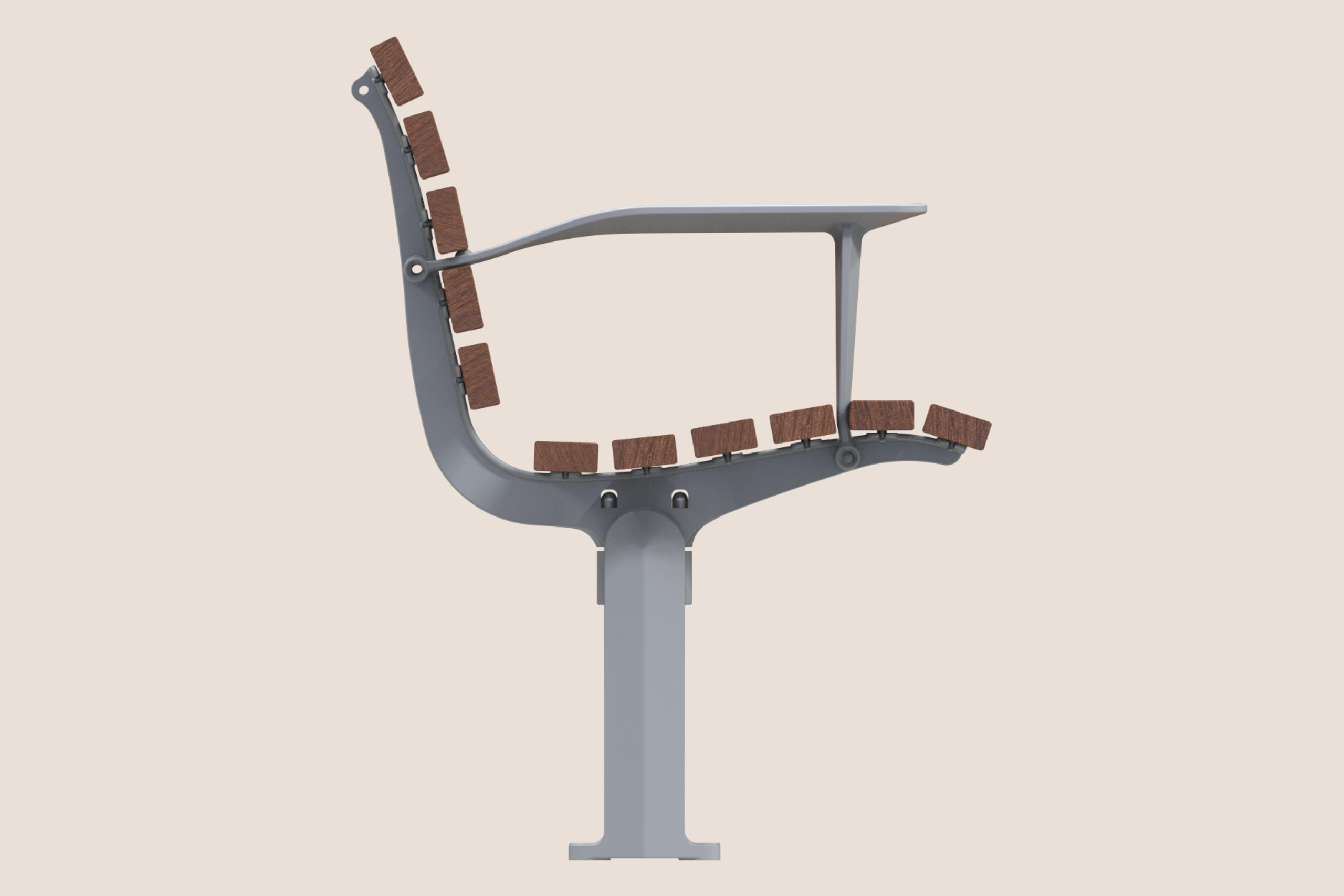
Introducing the new Pillar Leg
Street Furniture Australia’s new Pillar Leg is slimmer but sturdier. Discover what goes into a furniture leg, from fixing and accessibility to design. Read More
-
14th Street Y: From active space to community
How did a quiet gym lobby bring together 420+ locals? Learn how 14th Street Y uses social infrastructure and cheap coffee to build community. Read More
-
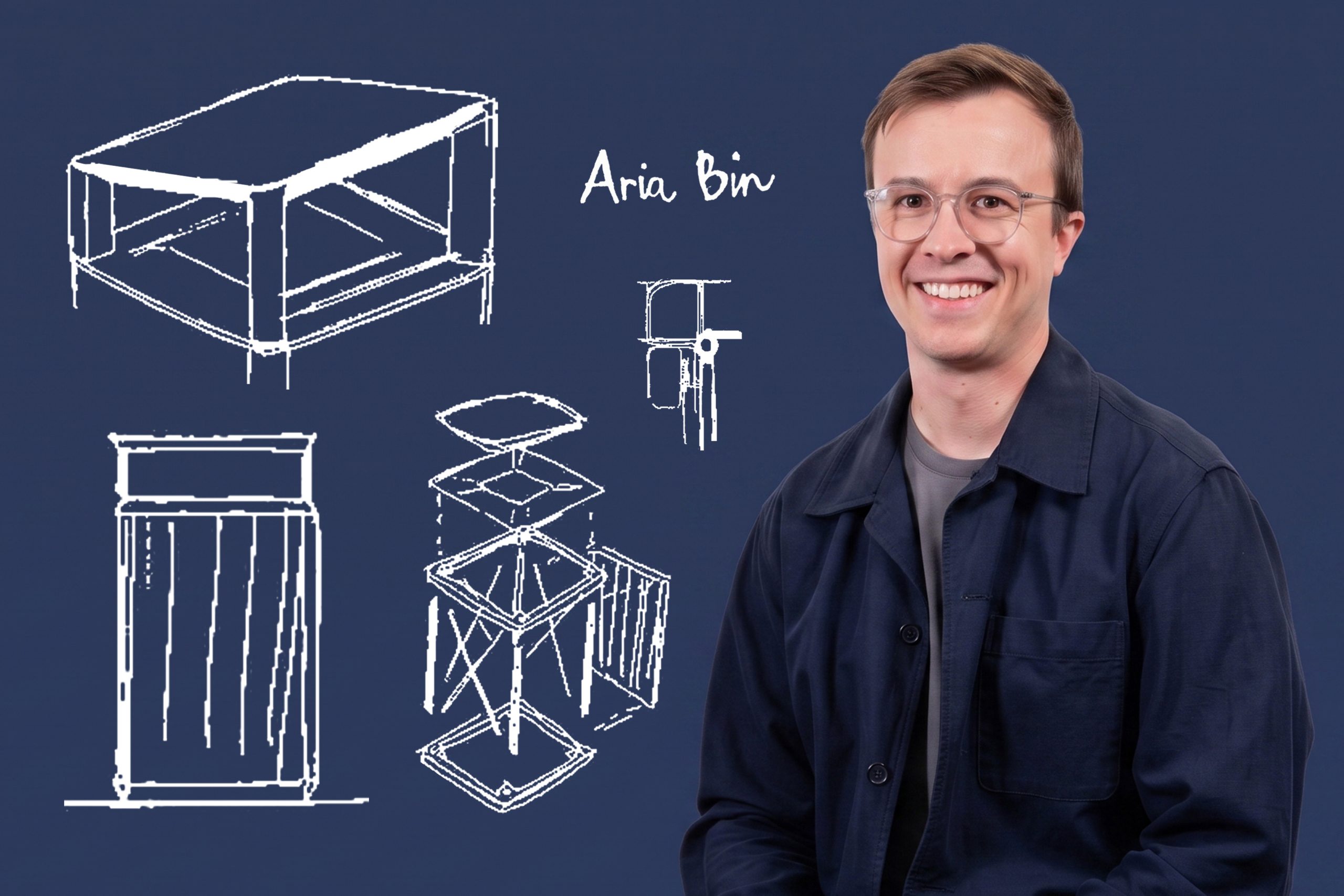
The design story behind Aria Bin
By Francis McArdle, Lead Designer of Aria Bin. There may be no piece of public infrastructure more overused and underappreciated than the humble bin. A basic necessity in... Read More
-
Should heat be regulated?
What if cities regulated heat like fire and flooding? ASLA explores how thermal performance could become a standard part of urban design. Read More
-
GreenScapes 2026: Did Queensland’s newest landscape industry show deliver?
Explore highlights from GreenScapes 2026 as Street Furniture Australia reflects on QLD’s new landscaping and design industry show. Read More