Trend Watch, June 2017
Upcoming Events
Join us for West Fest 2026: Designing in Belonging
A half-day knowledge exchange hearing from local built environment experts on fostering a sense of belonging in an increasingly dense, digital society.
Read more

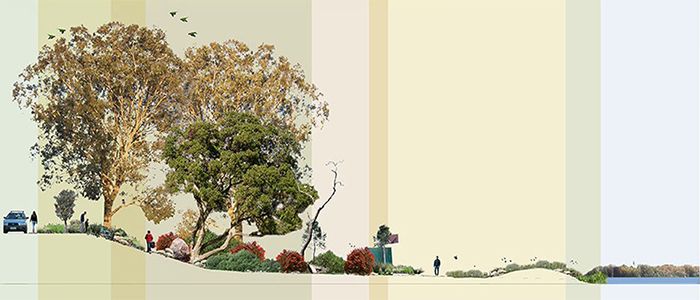
Soft cities for biodiversity:
The idea that city-dwellers live in ‘concrete jungles’ no longer holds true. According to a recent study, 30% of Australia’s threatened plant and animal species exist within urban landscapes.
So what does this mean?
Urban ecosystems aren’t an easy place for biodiversity to exist. But if we design our cities to manage biodiversity, argues urban ecologist Amy K Hahs, we all stand to benefit.
To build innovative, ecologically-designed ‘soft’ cities – cities that are healthier and more sustainable for both people and biodiversity – we have a lot of rethinking to do.
Read more about designing for urban biodiversity on Foreground.
Image: Moonee Valley Urban Ecology Park Scenario, Zoe Metherell.
The prophecies of Jane Jacobs:

“Cities have the capability of providing something for everybody, only because, and only when, they are created by everybody.”
These are the words of Jane Jacobs, a journalist, writer and activist whose considerable influence on American urban life continues to be talked about.
In books such as The Death and Life of Great American Cities (1961) Cities and the Wealth of Nations (1984), Jacobs critiqued urban planning policies that led to the decline of city neighbourhoods.
She believed sidewalks, stoops, laundries and mailbox areas were just some examples of ‘social hubs’, and that sterile, vacant outdoor spaces served nobody.
Much of what Jacobs espoused has become conventional wisdom, but urban life remains vulnerable to poor urban planning. Read more or see Citizen Jane: Battle for the City at the upcoming Sydney Film Festival.
Photo: from the New York World-Telegram and Sun collection at the Library of Congress, Wikimedia Commons.
-
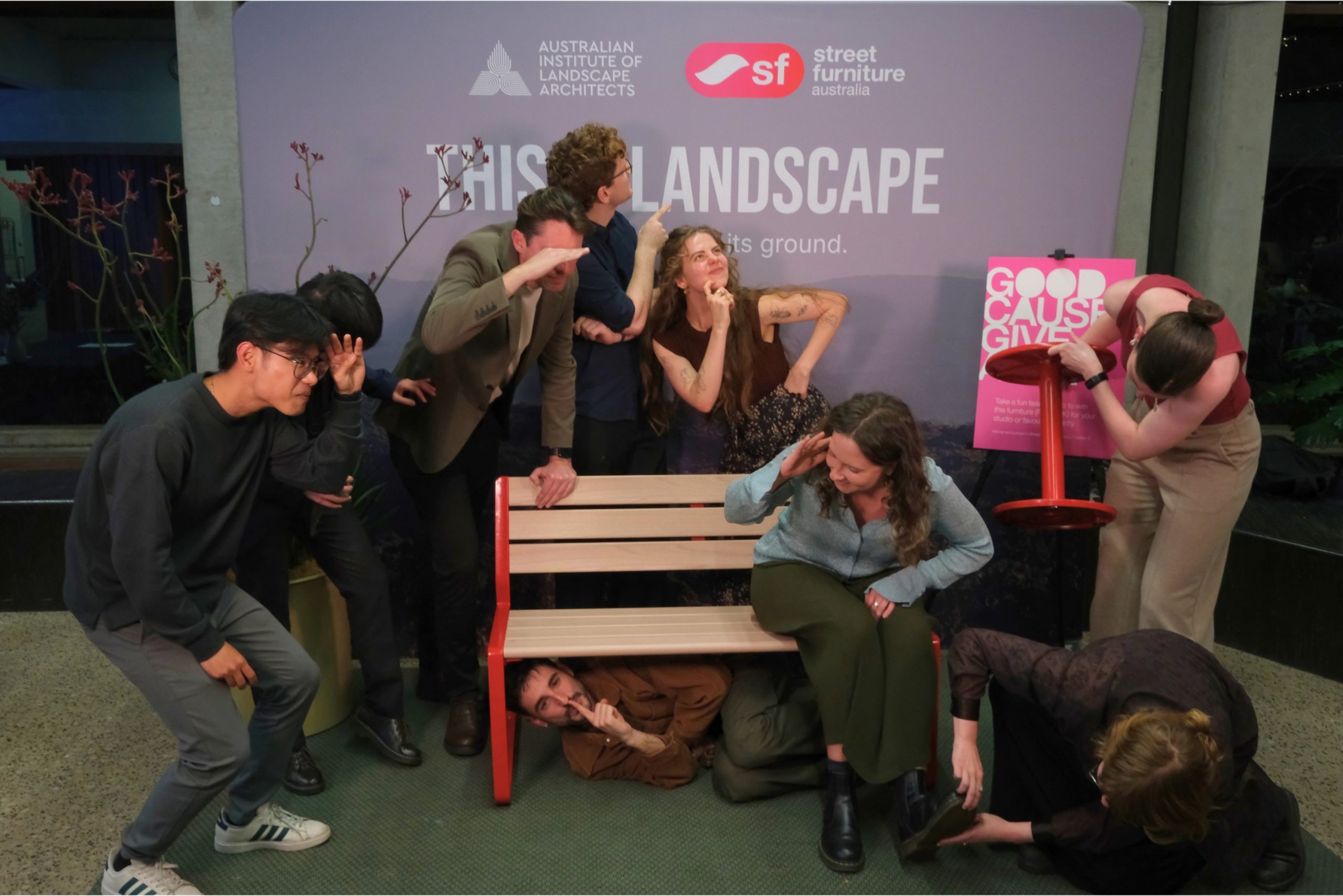
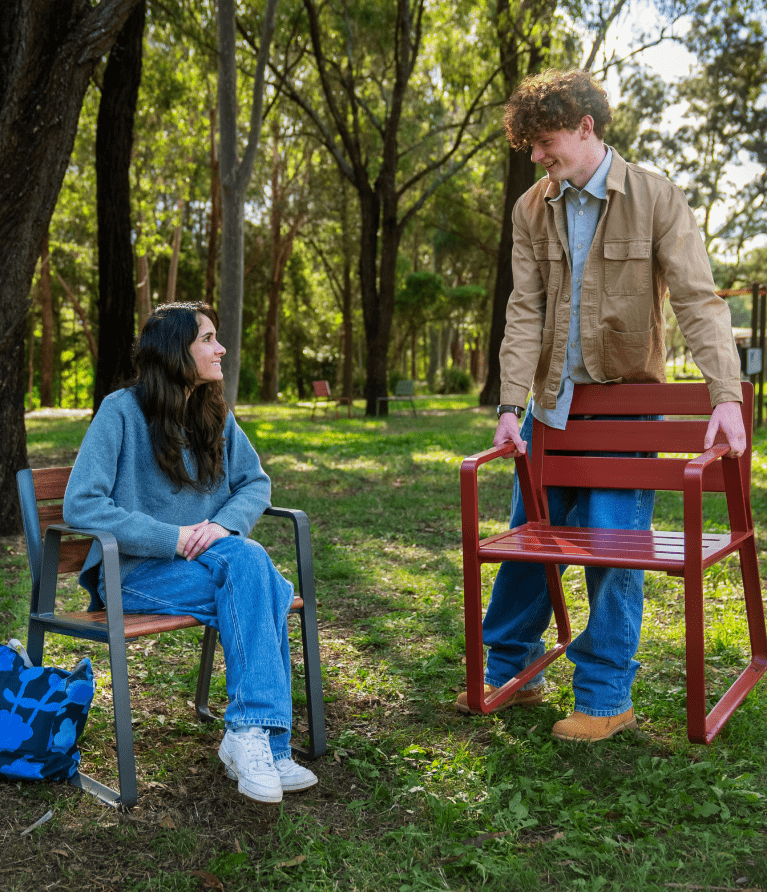
2026 AILA Awards: Good Cause Giveaway
See highlights of all the outstanding creative photos from the 2026 AILA Awards Good Cause Giveaway, and discover which studio team won over 3k worth of furniture for... Read More
-
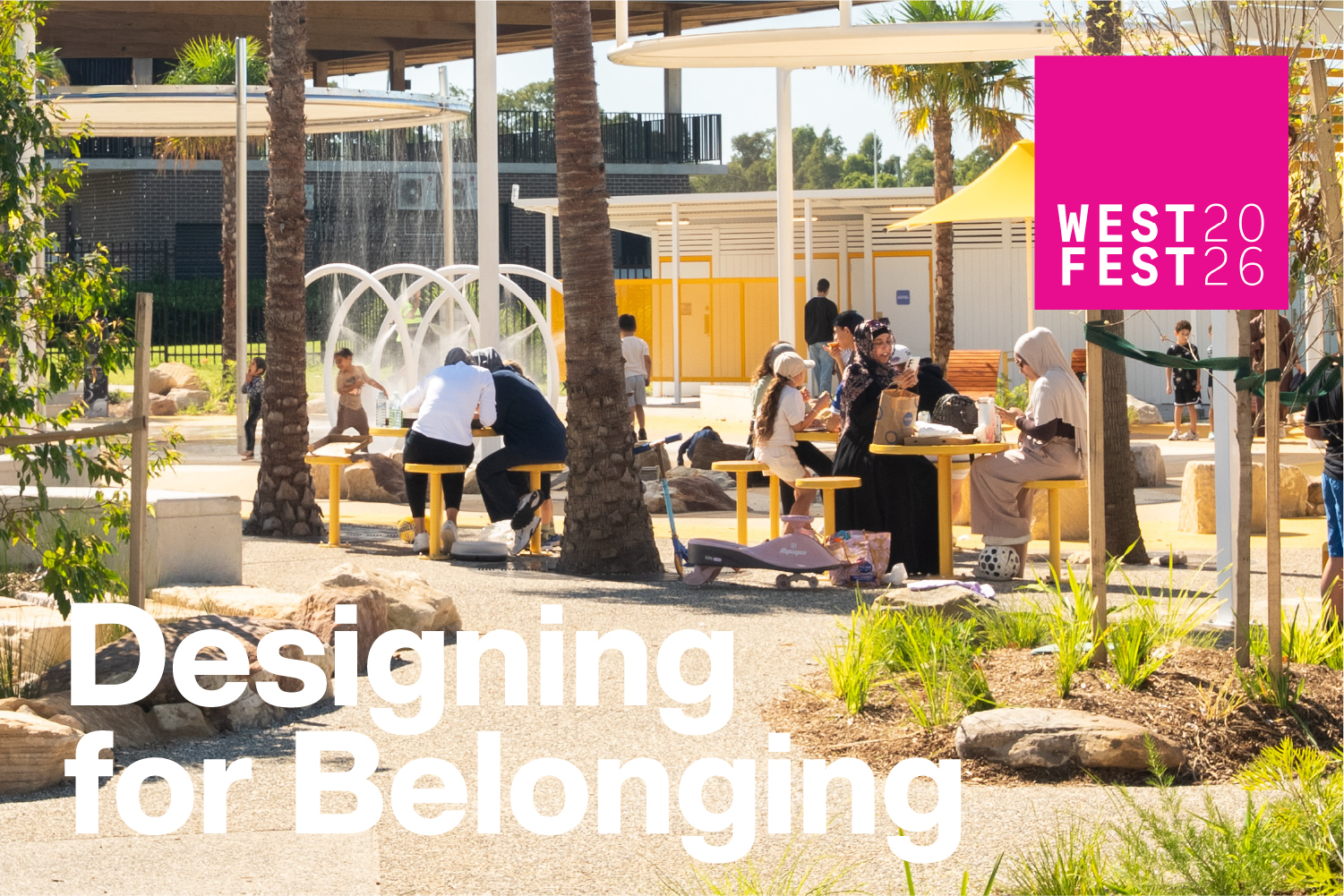
Join us for West Fest 2026: Designing in Belonging
A half-day knowledge exchange hearing from local built environment experts on fostering a sense of belonging in an increasingly dense, digital society. Read More
-
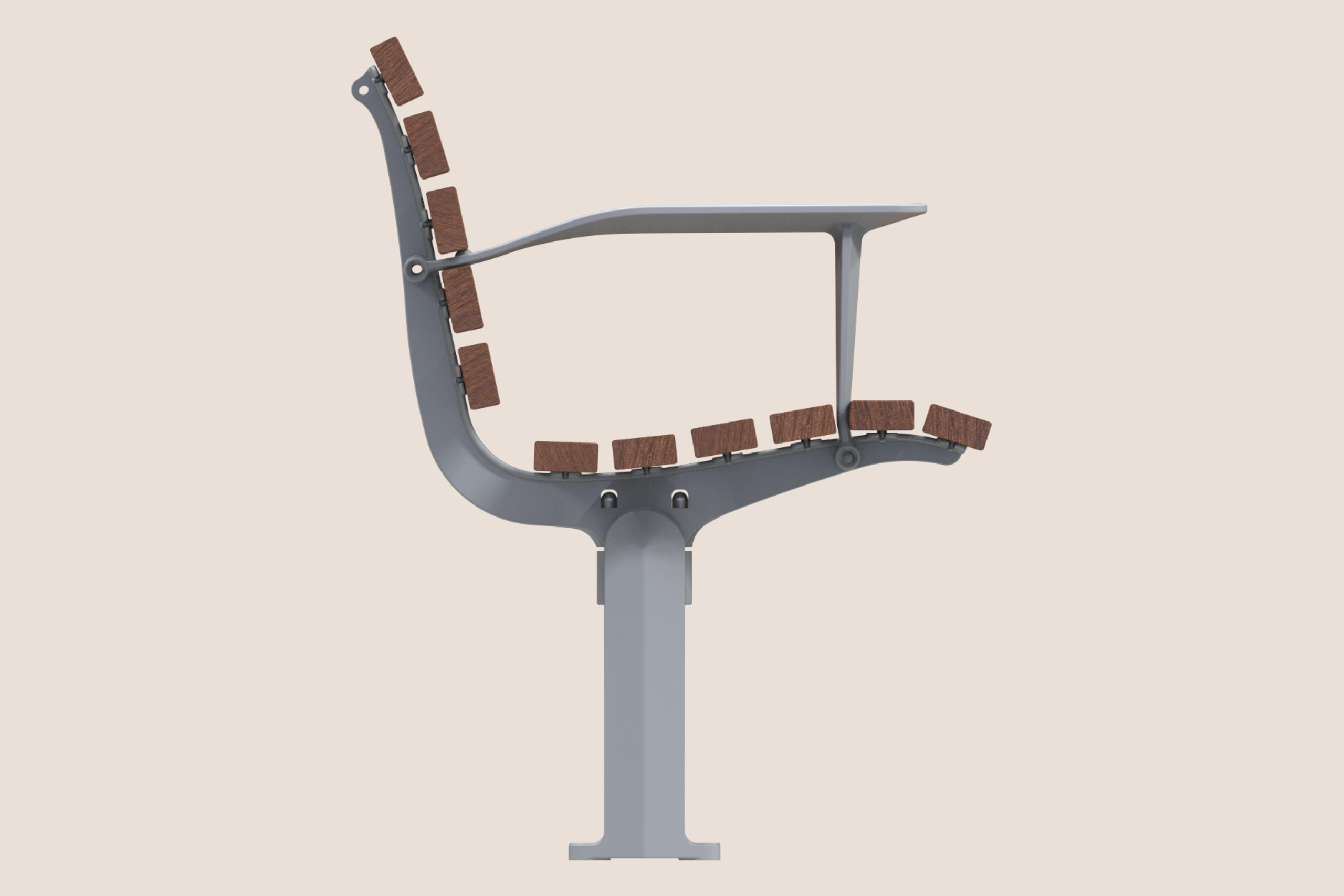
Introducing the new Pillar Leg
Street Furniture Australia’s new Pillar Leg is slimmer but sturdier. Discover what goes into a furniture leg, from fixing and accessibility to design. Read More
-
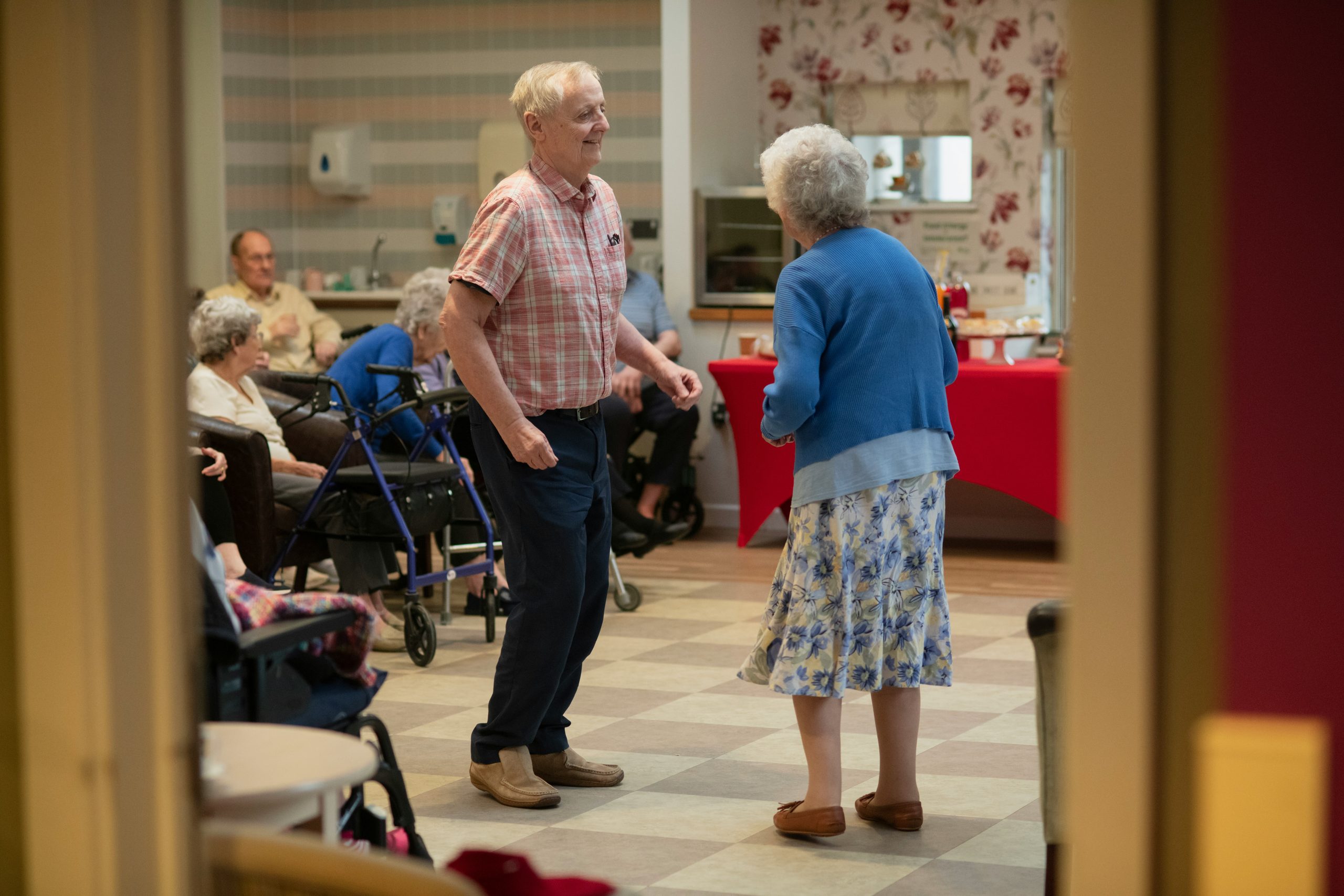
14th Street Y: From active space to community
How did a quiet gym lobby bring together 420+ locals? Learn how 14th Street Y uses social infrastructure and cheap coffee to build community. Read More
-
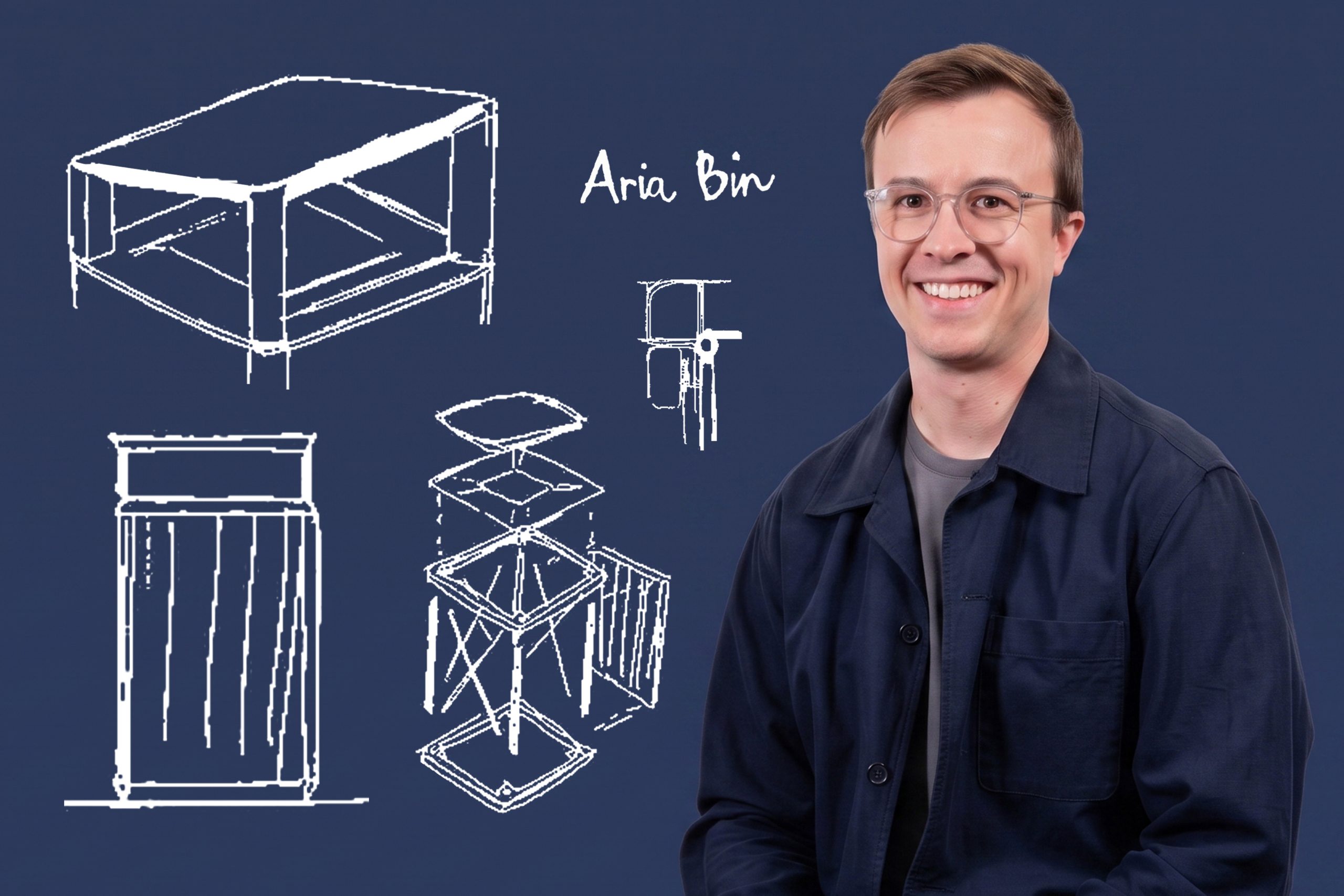
The design story behind Aria Bin
By Francis McArdle, Lead Designer of Aria Bin. There may be no piece of public infrastructure more overused and underappreciated than the humble bin. A basic necessity in... Read More
-
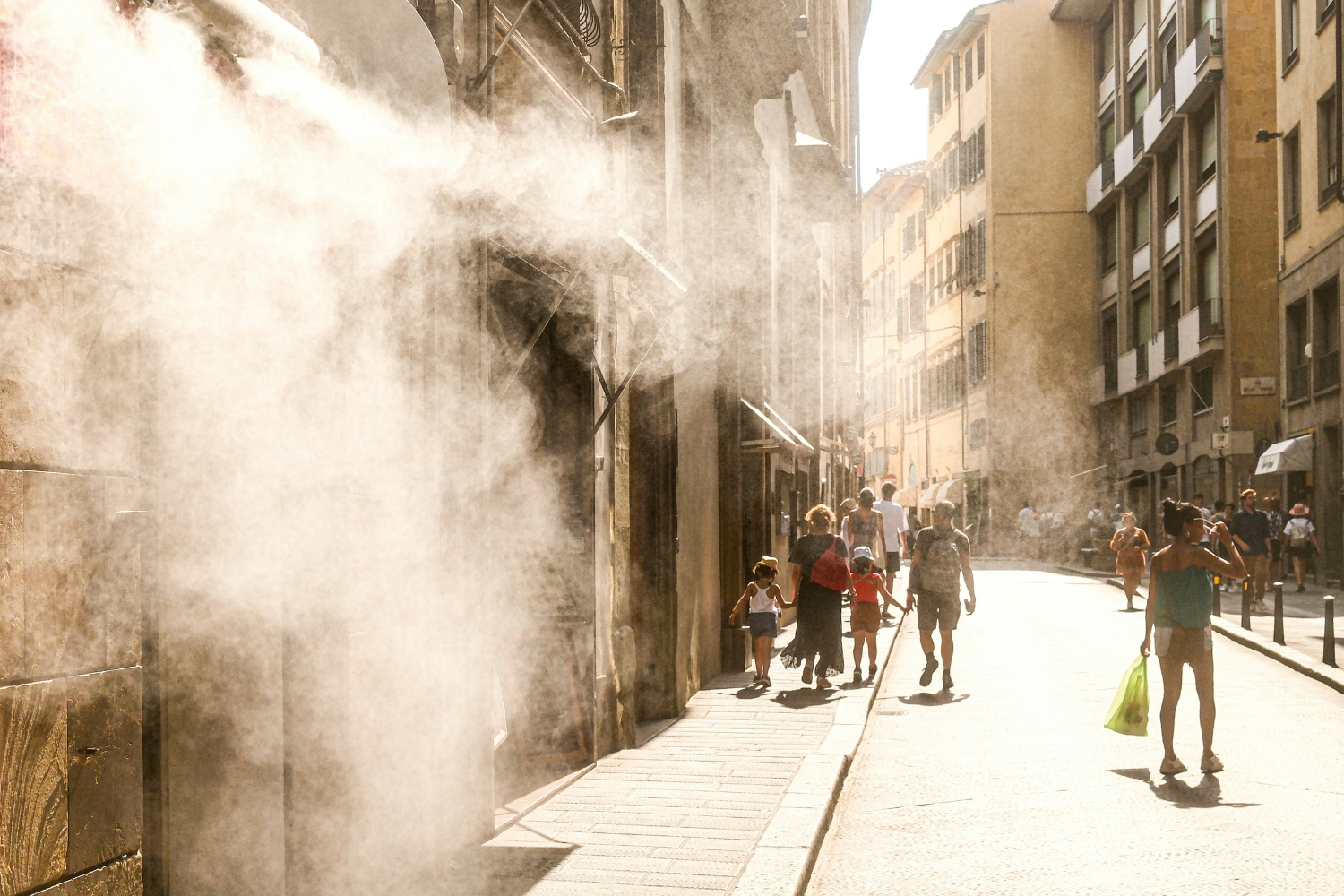
Should heat be regulated?
What if cities regulated heat like fire and flooding? ASLA explores how thermal performance could become a standard part of urban design. Read More