Trend Watch July 2022



What wandering can teach us about designing new spaces:
Wenting Guo, Senior Design Lead with IDEO, describes the experience of wandering in Rome in early 2020, and learnings that can be applied to designing new spaces.
Guo writes on the IDEO blog, “The joy of wandering comes from its unpredictability, which is always delicately balanced against the fear of being completely lost.”
She shares how the physical environment can offer calming spaces in between places, where inspiration can be found through spontaneity and the unexpected.
Wanderers of Rome will often notice the beautiful light as it plays against the dry Mediterranean climate and the architecture, Guo says, “It dictates and changes what we can and cannot see at different times, often revealing only a small fragment of the overall picture.”
Alluring spaces in Rome can be further enhanced with the magic of Italian coffee: not only a drink but an experience that allows time to sip and think.
“The bitterness and heat of the coffee, pleasurable to sip but difficult to gulp, establishes a minimum amount of time between things, allowing our thoughts to wander without the need to be somewhere.”
The fear of getting lost is delicately balanced against the joy of an unpredictable path, however Guo says that when in Rome, “Many streets follow old streams; a local rule-of-thumb for when you’re lost is to pour water on the street and follow it down to the banks of the River Tiber.”
Go for a wander with the full story on IDEO.
Photo: Ludwig Thalheimer.
“Trees aren’t a novelty” says Thomas Heatherwick:
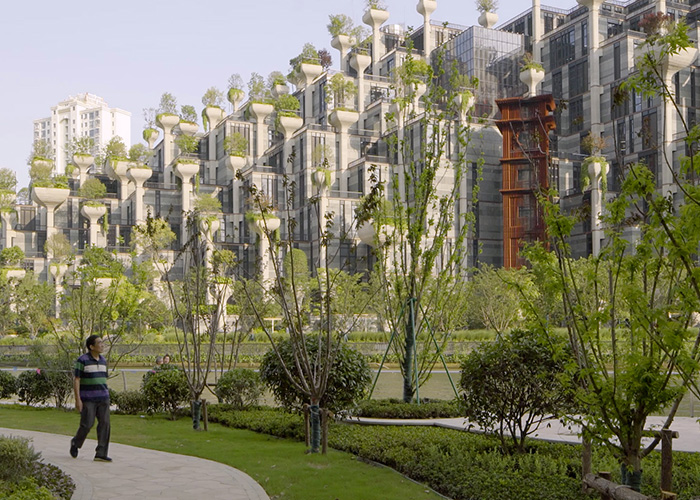
Dezeen’s Tom Ravencroft delves into the architectural trend of integrating trees and greenery onto buildings, recently highlighted through a sculpture called The Tree of Trees by British designer Thomas Heatherwick, made for the Queen’s Platinum Jubilee.
The artwork is a large steel structure, a tree-like form that supports 350 smaller trees, installed outside Buckingham Palace in London. Heatherwick told Ravencroft the intention was to highlight the importance of trees, which he describes as “the superheroes of our cities and towns.”
Heatherwick says, “If you look across lots of our projects, we’re integrating nature as much as we possibly can. And I think that it would be good for the world around us if more designers and architects balanced the work that they did with the natural world.”
Ravencroft writes that the growing popularity of tree-covered buildings is at times countered by skepticism about how truly sustainable they are. He cites academic Philip Oldfield as writing that these trees are a ‘decorative flourish’ – with the embodied carbon of the concrete planters higher than the amount of carbon the trees would absorb.
Heatherwick responds by saying that buildings dressed with plants aren’t a fad, and that nature is a necessity to our lives, especially in modern buildings.
Read the full story at Dezeen.
Image: The 1,000 Trees project in Shanghai, Heatherwick Studio.
-
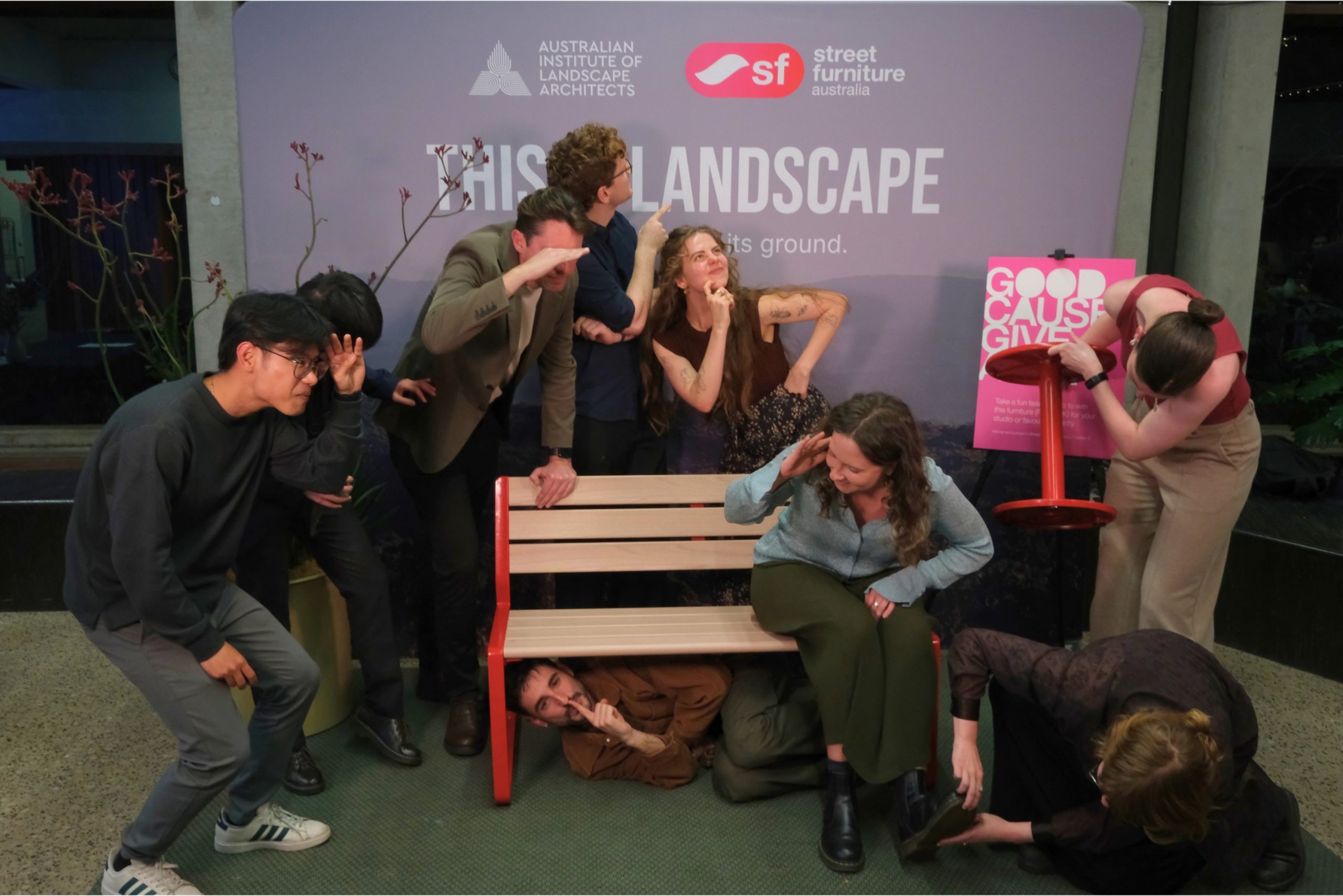
2026 AILA Awards: Good Cause Giveaway
See highlights of all the outstanding creative photos from the 2026 AILA Awards Good Cause Giveaway, and discover which studio team won over 3k worth of furniture for... Read More
-
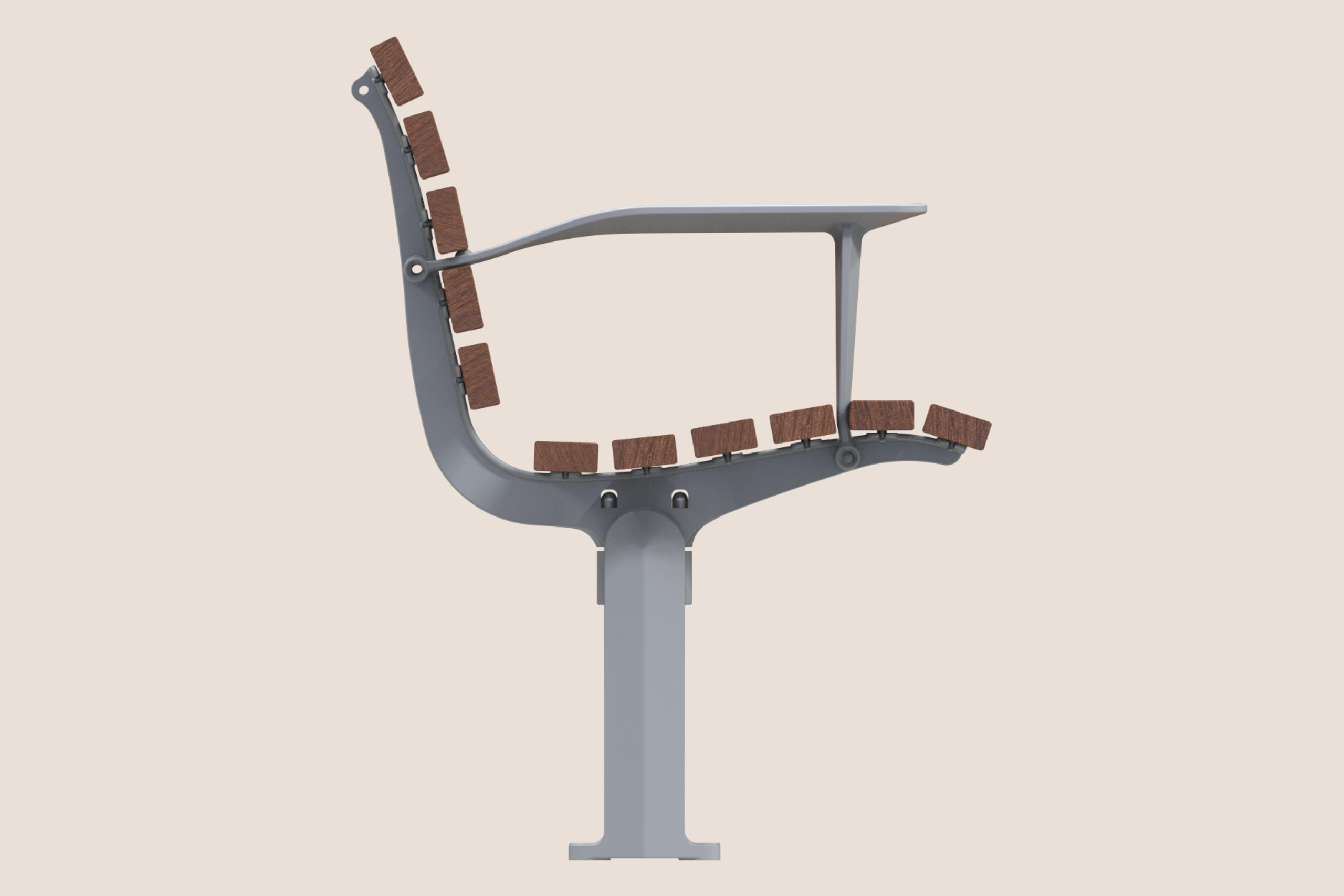
Introducing the new Pillar Leg
Street Furniture Australia’s new Pillar Leg is slimmer but sturdier. Discover what goes into a furniture leg, from fixing and accessibility to design. Read More
-
14th Street Y: From active space to community
How did a quiet gym lobby bring together 420+ locals? Learn how 14th Street Y uses social infrastructure and cheap coffee to build community. Read More
-
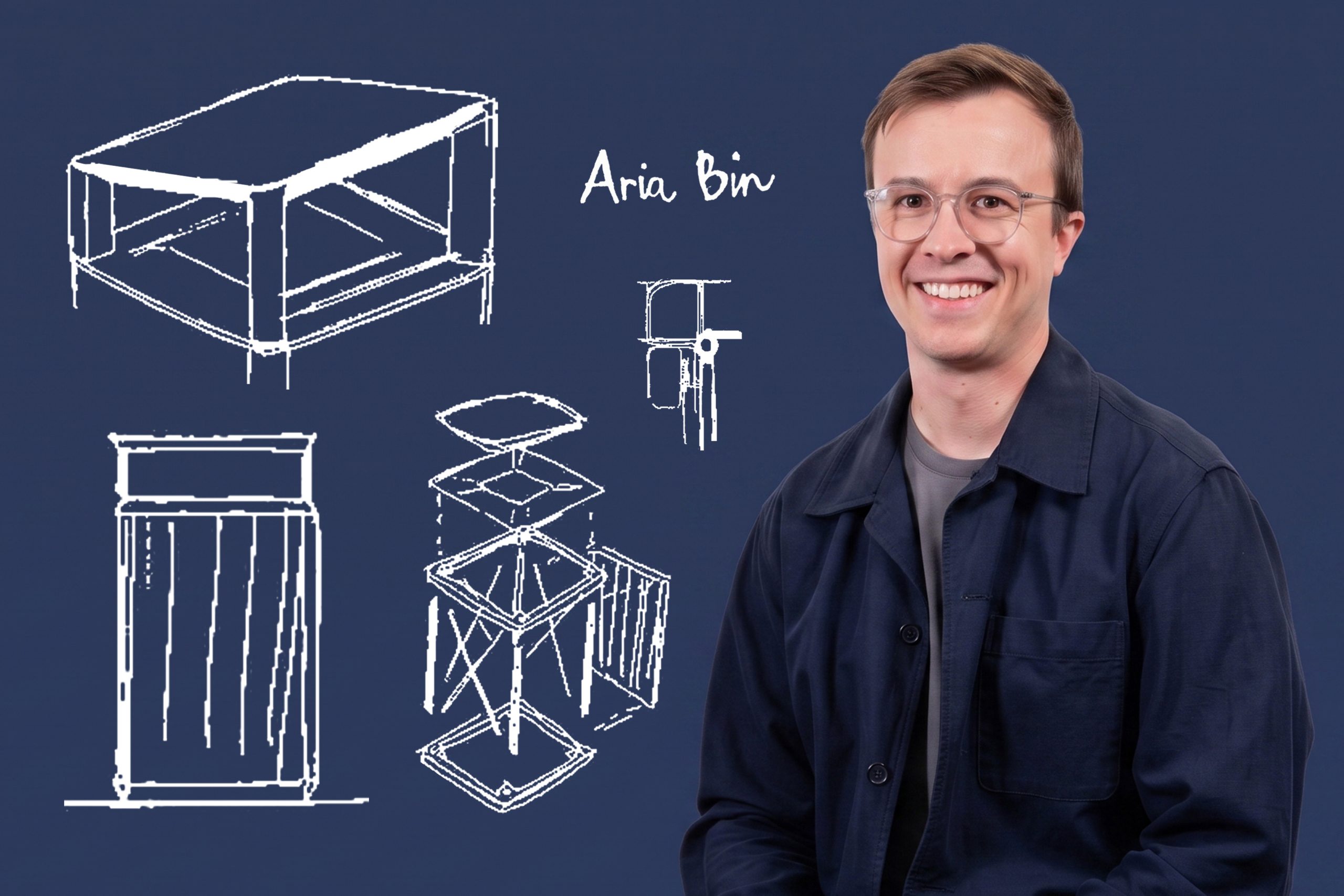
The design story behind Aria Bin
By Francis McArdle, Lead Designer of Aria Bin. There may be no piece of public infrastructure more overused and underappreciated than the humble bin. A basic necessity in... Read More
-
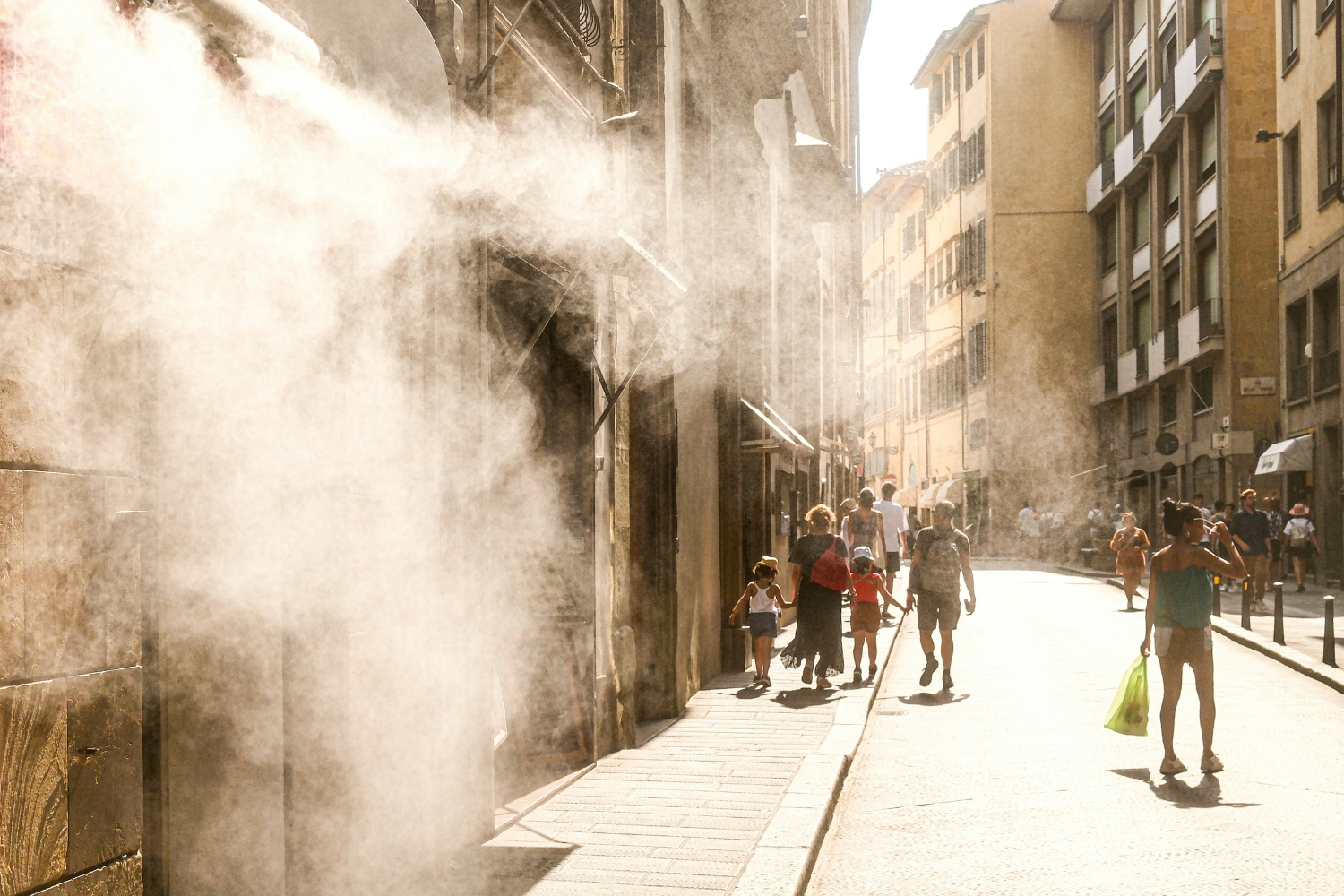
Should heat be regulated?
What if cities regulated heat like fire and flooding? ASLA explores how thermal performance could become a standard part of urban design. Read More
-
GreenScapes 2026: Did Queensland’s newest landscape industry show deliver?
Explore highlights from GreenScapes 2026 as Street Furniture Australia reflects on QLD’s new landscaping and design industry show. Read More