Trend Watch May 2022
Upcoming Events
Join us for West Fest 2026: Designing in Belonging
A half-day knowledge exchange hearing from local built environment experts on fostering a sense of belonging in an increasingly dense, digital society.
Read more

Rise of the metaverse:
‘Metaverse,’ a term from the 1992 novel Snow Crash, in which people live as avatars in a three dimensional world, has recently hit the zeitgeist referring to virtual worlds in a burgeoning next phase of the internet.
Architects, writes Chloe Sun for ArchDaily, could be facing crises in the physical world due to constraints of factors such as structure, and management, that limit the possibility of the discipline. The wake of COVID-19, she says, may further catalyse the rise of the digital alternatives to brick-and-mortar shops, houses and offices.
The NFT industry also is rapidly growing, and unique digital creations, Sun says, are not limited to traditional visual art, but include digital architecture and landscape architecture.
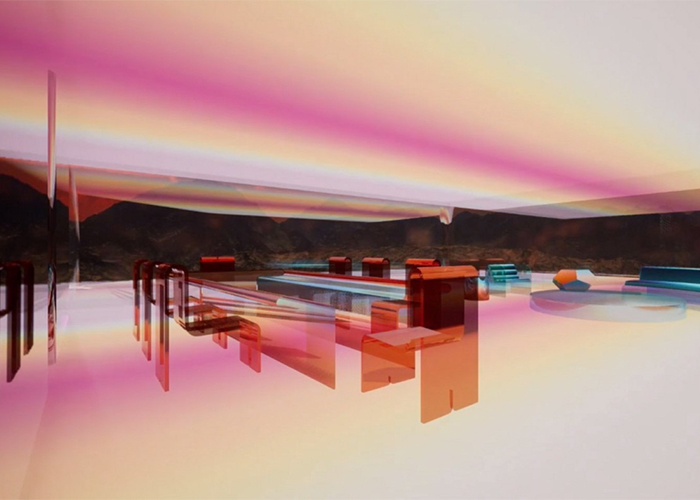
“Toronto-based artist Krista Kim has sold the first NFT-backed digital home for over half a million dollars,” Sun said.
Virtual real estate is surging in popularity, offering “an interesting and possibly lucrative domain for designers to leverage their design skills in the physical world and to extend that into the virtual world.”
The metaverse could offer the chance for architects and place designers to follow game designers and evolve their service to be scalable “solutions that can be reused and can benefit millions of users, not just one client.”
Read the full story at ArchDaily.
Image: Mars House.
Amsterdam plans its first modern-day timber neighbourhood:
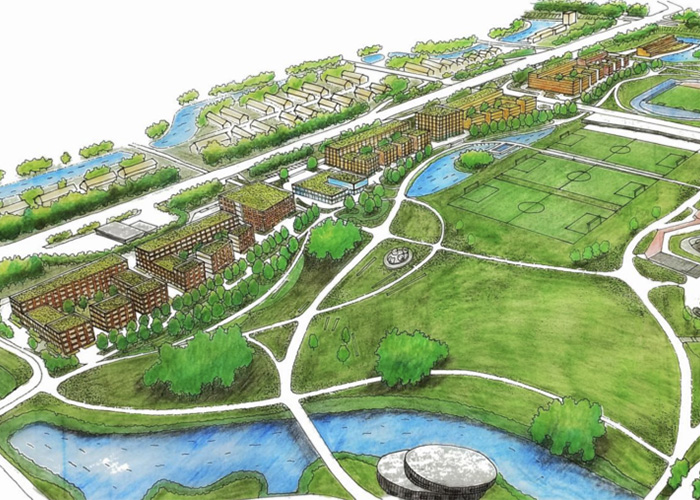
The city of Amsterdam has confirmed an ambitious plan to build a neighbourhood entirely out of wood, writes Feargus O’Sullivan for Bloomberg CityLab.
The project reflects a move towards renewable materials by the city’s construction industry and a commitment from the municipalities of Greater Amsterdam to “ensure that at least 20% of new construction uses wood as its primary material by 2025.”
Timber is valuable in reducing the carbon footprint of construction as trees can not only be replanted, but also sequester carbon. The material requires less finishing and masonry, further reducing the use of resources and emissions.
O’Sullivan refers to a 2020 Finnish study that estimates “if 80% of Europe’s construction switched to wood as its primary material, the amount of carbon sequestered would be equivalent to 47% of the emissions from the continent’s concrete industry.”
The new neighbourhood, the Mandela Buurt, will be located in the city’s south, and offer affordable housing. “It will contain ten new apartment blocks, a primary school and social facilities, housing an estimated 2,100 residents in 700 new apartments.”
Construction of the Mandela Buurt neighbourhood is anticipated to begin in 2025, for completion in 2026. Read the full article here.
Image: Municipality of Amsterdam
-
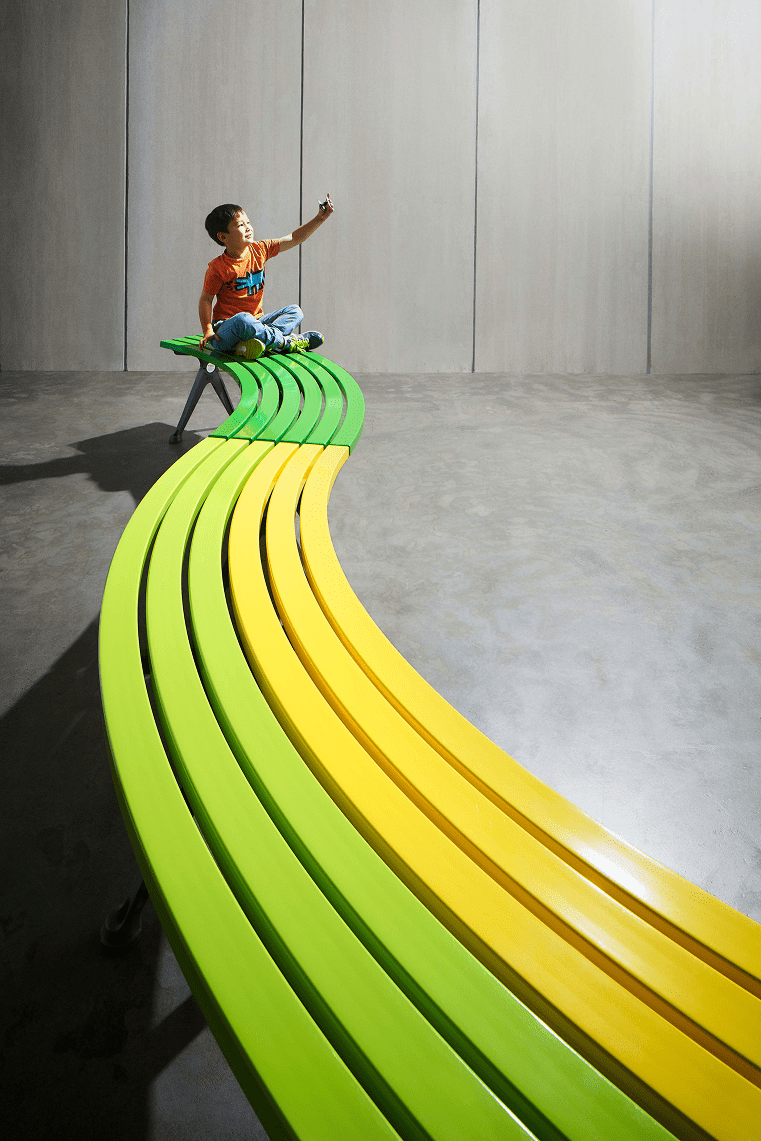
2026 AILA Awards: Good Cause Giveaway
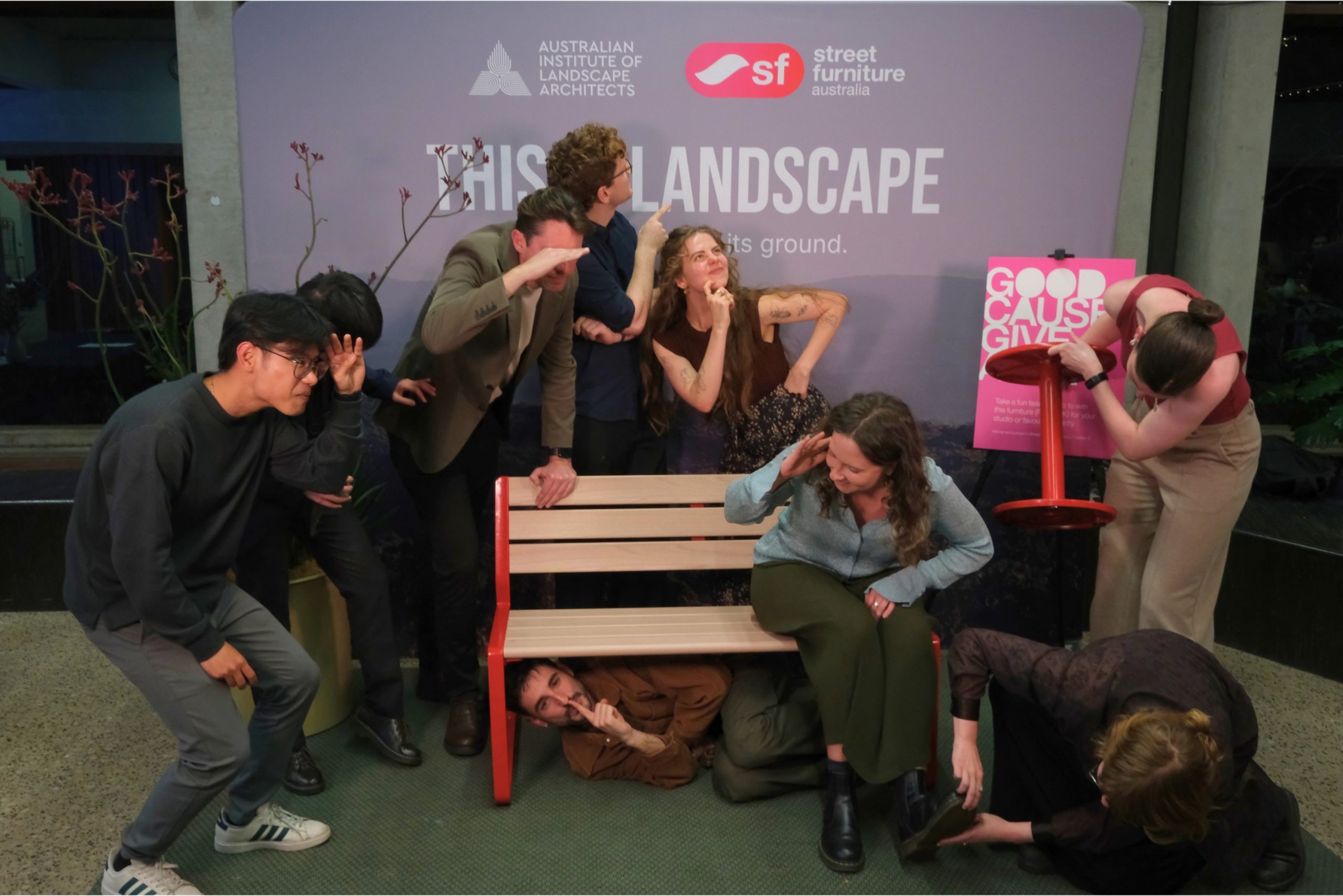
See highlights of all the outstanding creative photos from the 2026 AILA Awards Good Cause Giveaway, and discover which studio team won over 3k worth of furniture for... Read More
-
Join us for West Fest 2026: Designing in Belonging
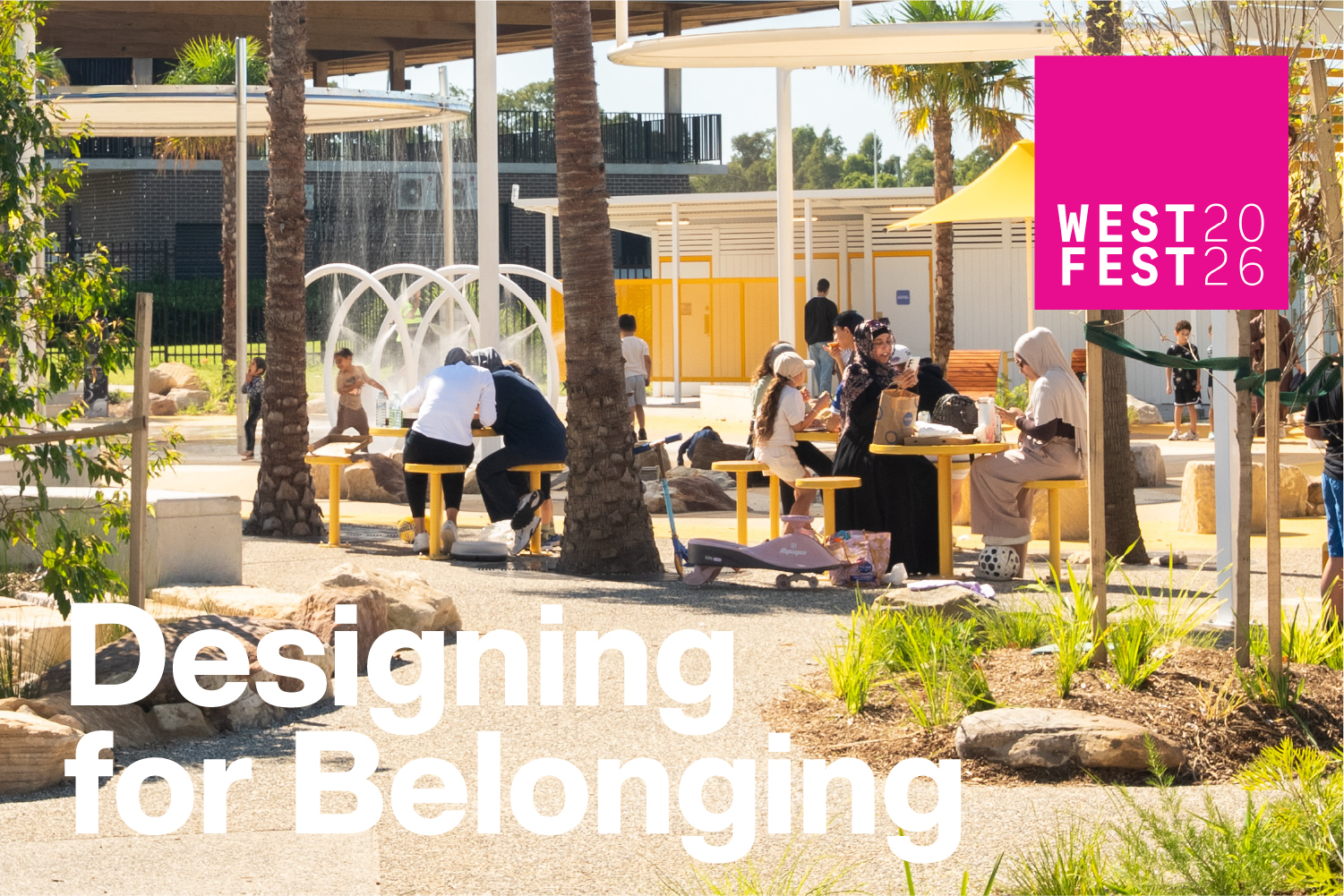
A half-day knowledge exchange hearing from local built environment experts on fostering a sense of belonging in an increasingly dense, digital society. Read More
-
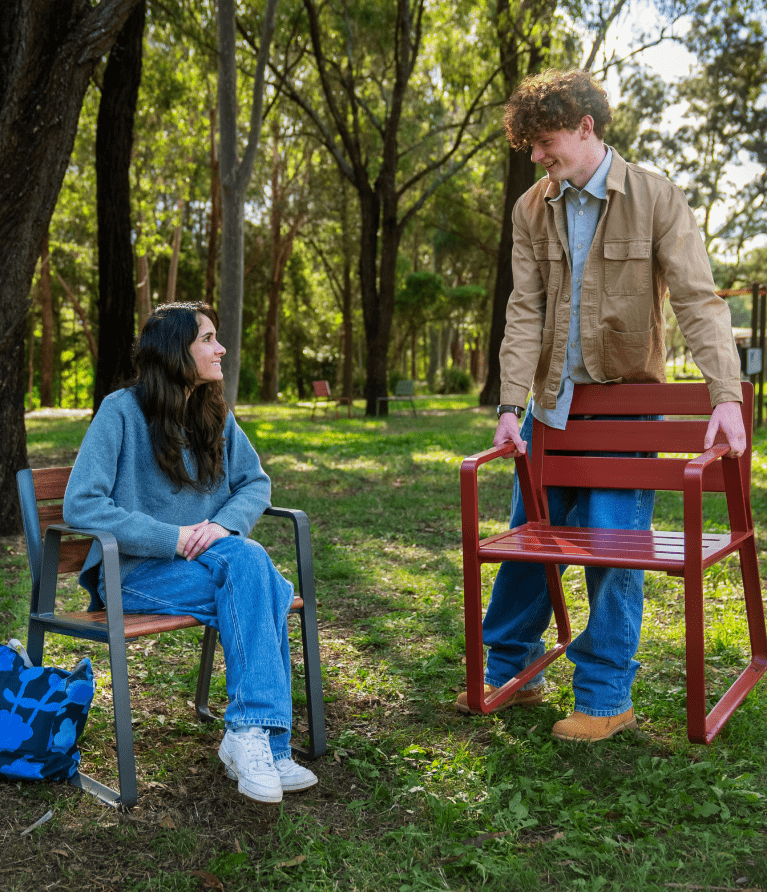
Introducing the new Pillar Leg
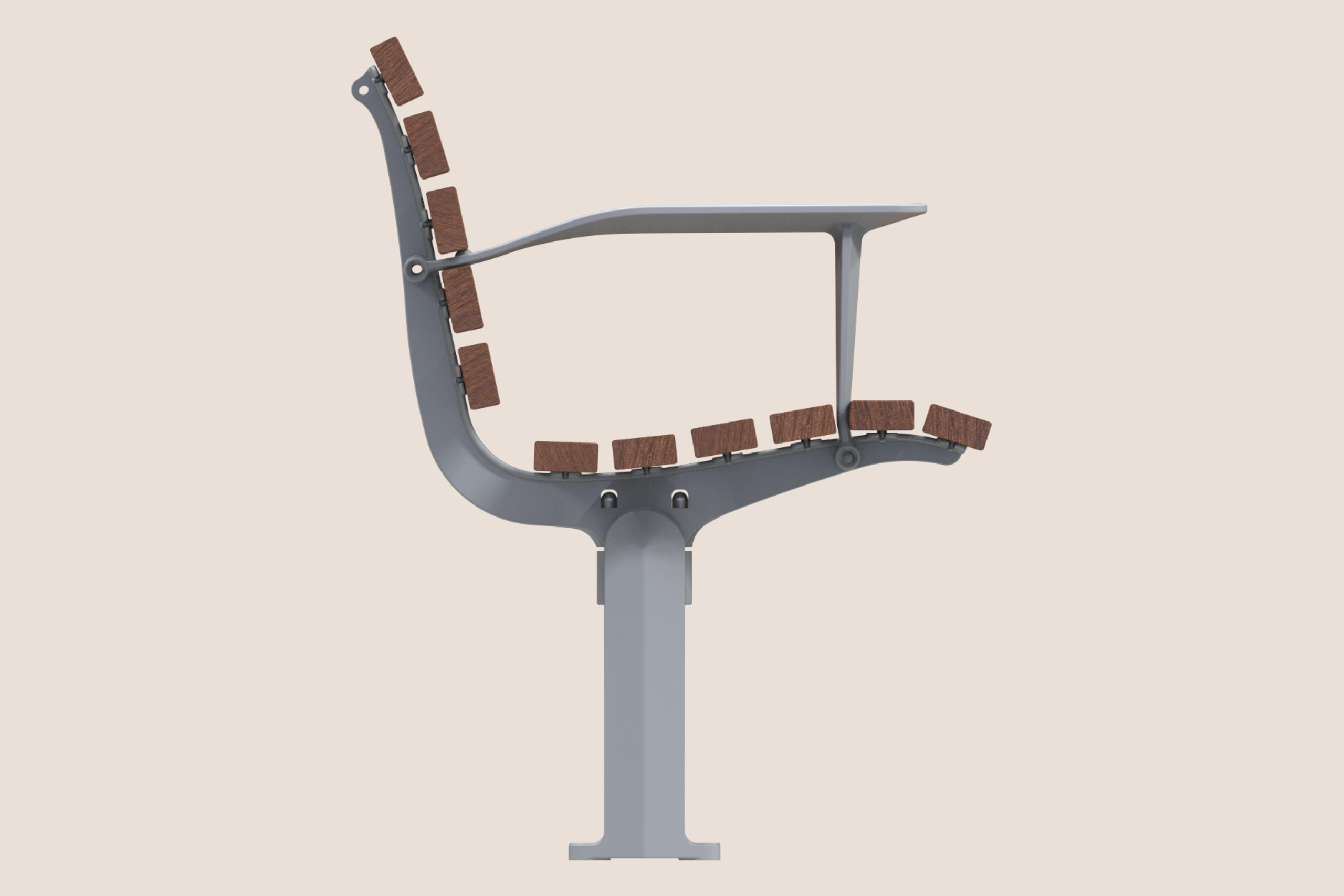
Street Furniture Australia’s new Pillar Leg is slimmer but sturdier. Discover what goes into a furniture leg, from fixing and accessibility to design. Read More
-
14th Street Y: From active space to community
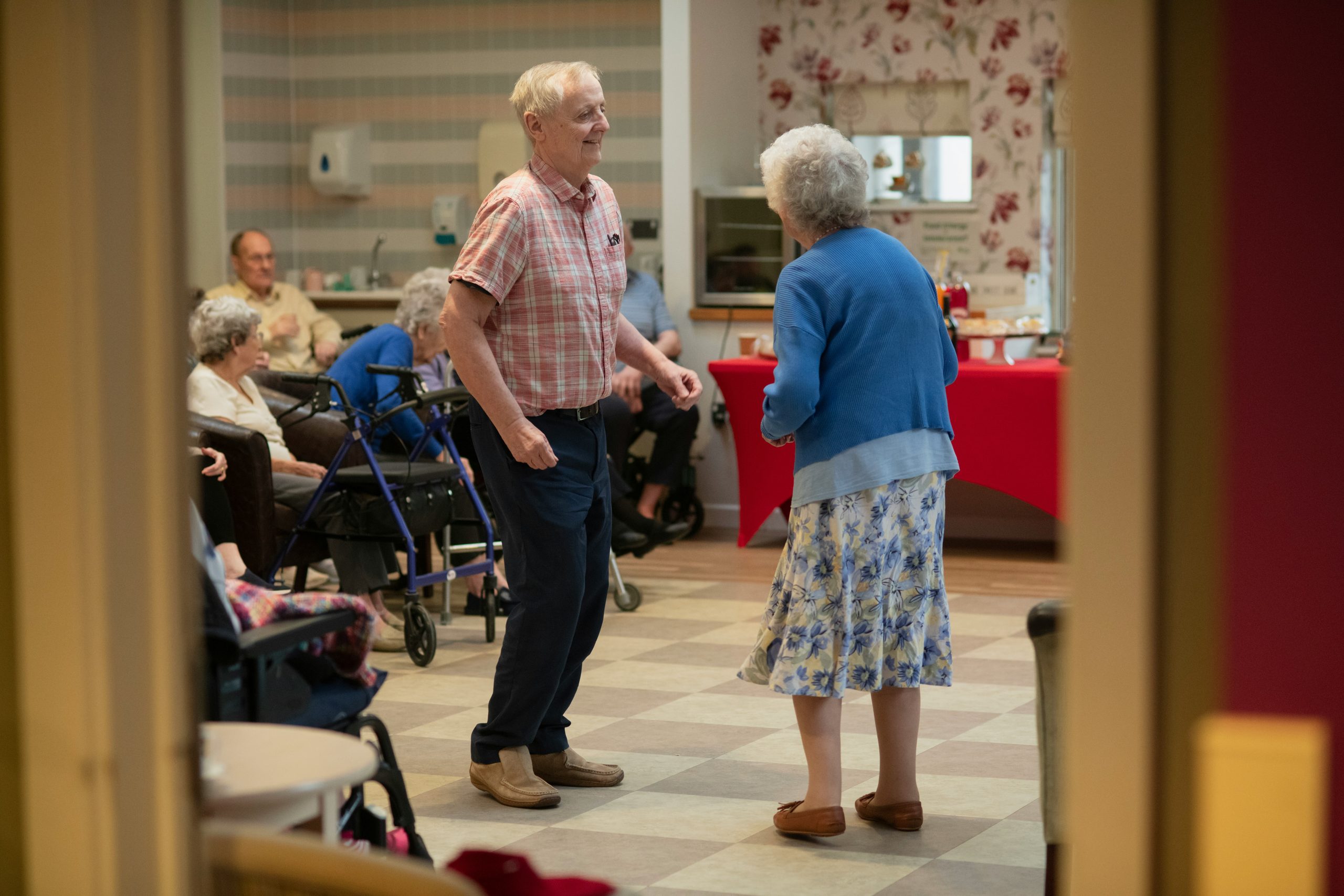
How did a quiet gym lobby bring together 420+ locals? Learn how 14th Street Y uses social infrastructure and cheap coffee to build community. Read More
-
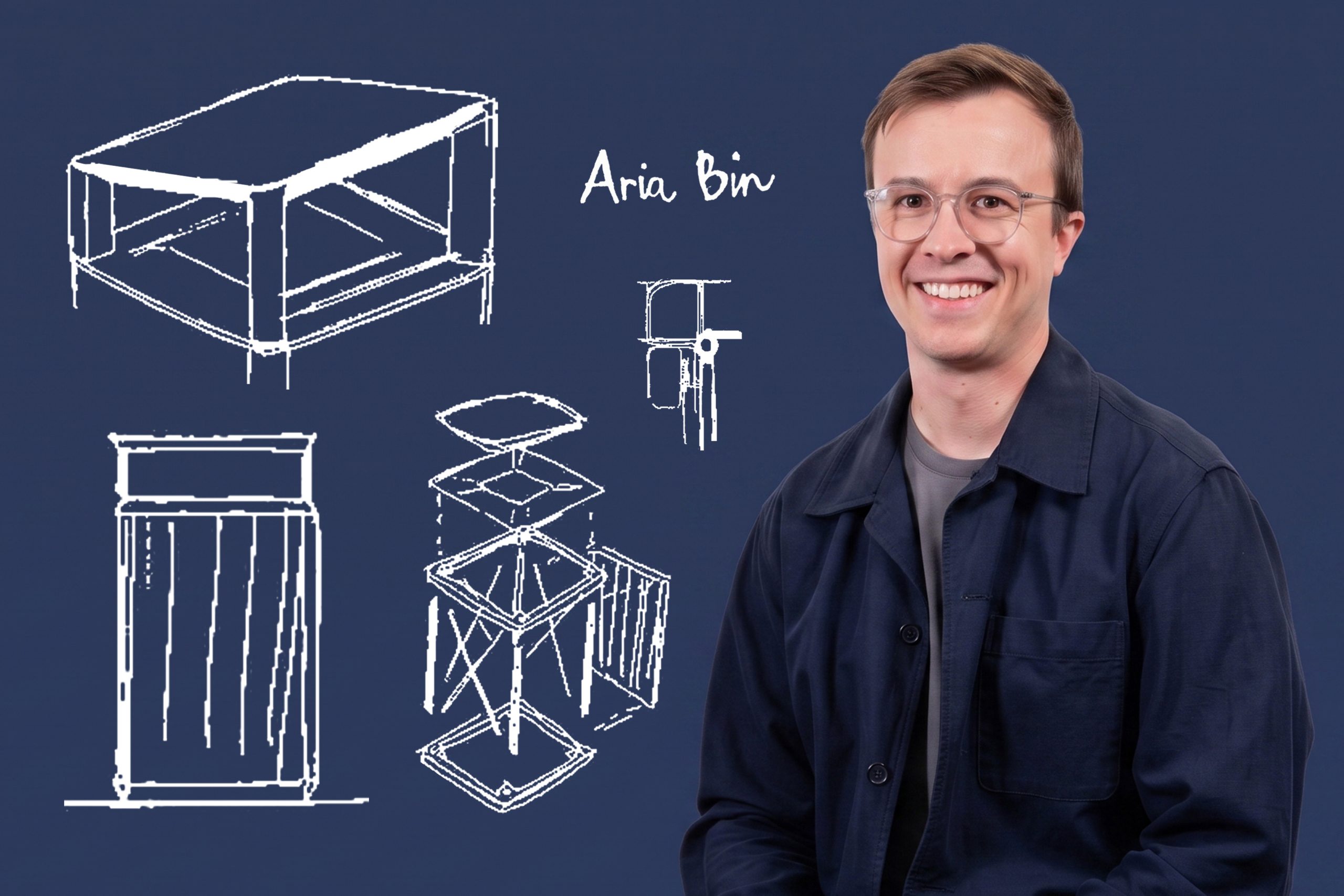
The design story behind Aria Bin
By Francis McArdle, Lead Designer of Aria Bin. There may be no piece of public infrastructure more overused and underappreciated than the humble bin. A basic necessity in... Read More
-
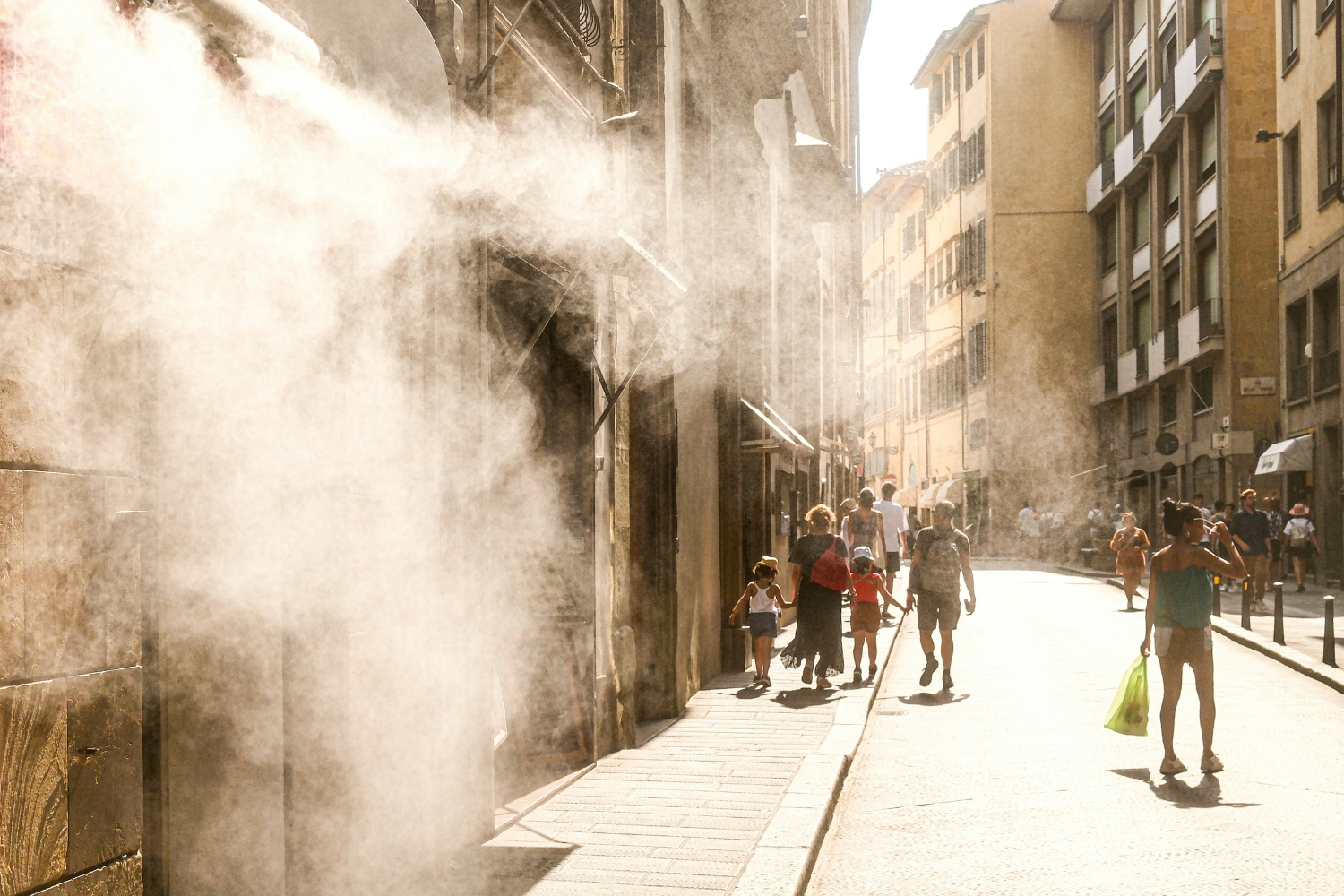
Should heat be regulated?
What if cities regulated heat like fire and flooding? ASLA explores how thermal performance could become a standard part of urban design. Read More