Trend Watch, July 2017
Upcoming Events
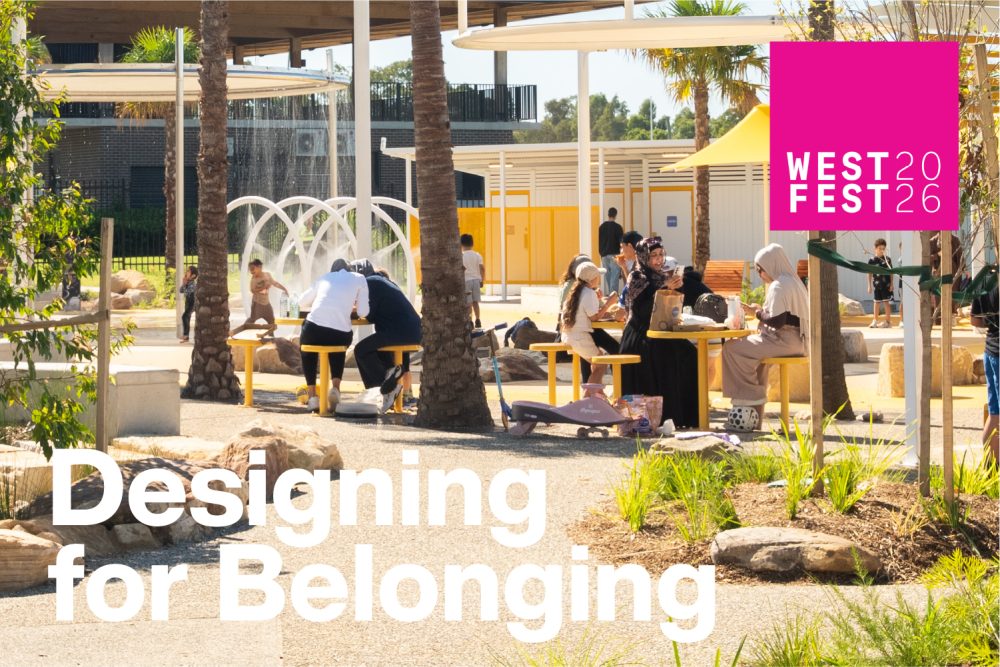
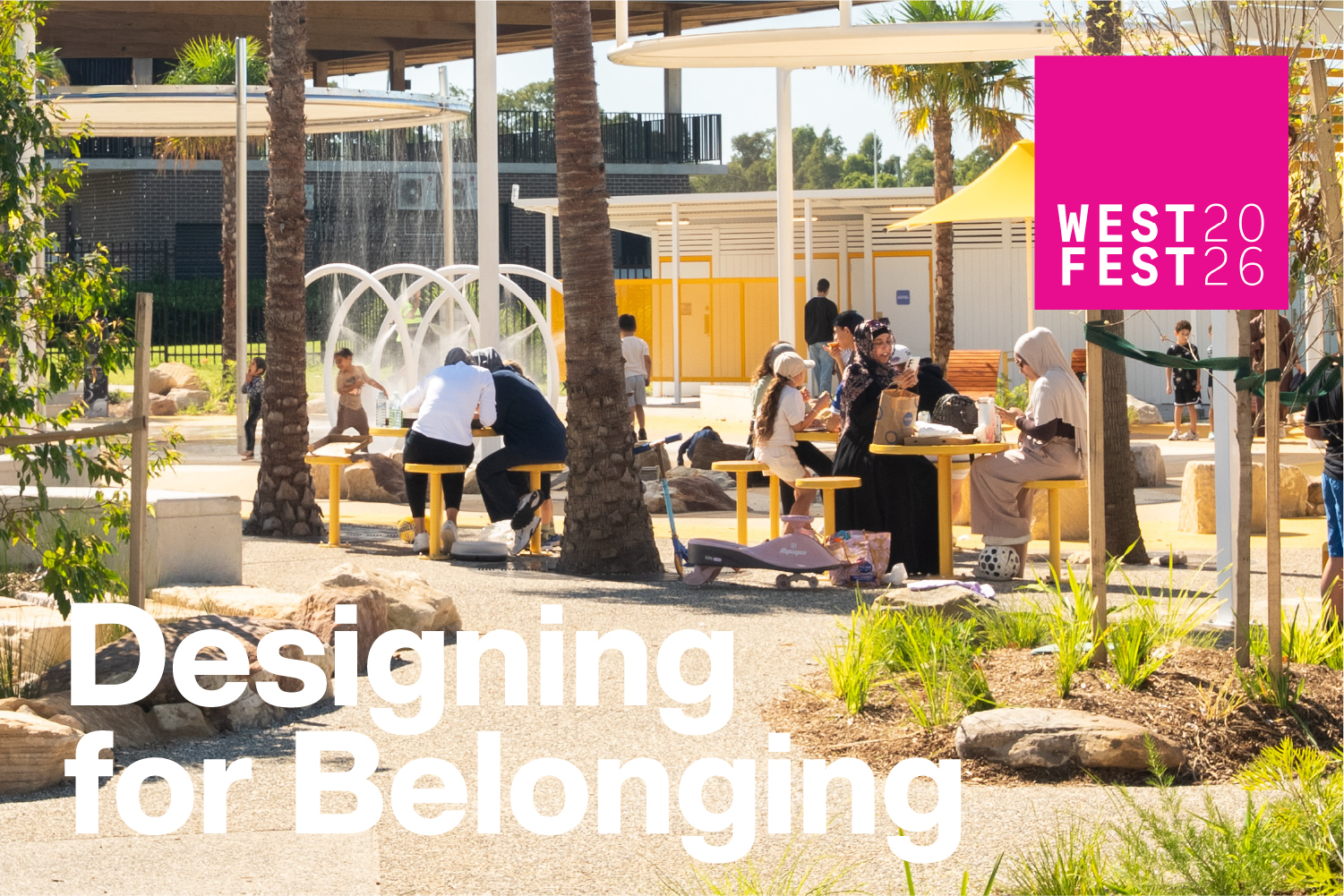
Join us for West Fest 2026: Designing in Belonging
A half-day knowledge exchange hearing from local built environment experts on fostering a sense of belonging in an increasingly dense, digital society.
Read more

Public art and its economic value:
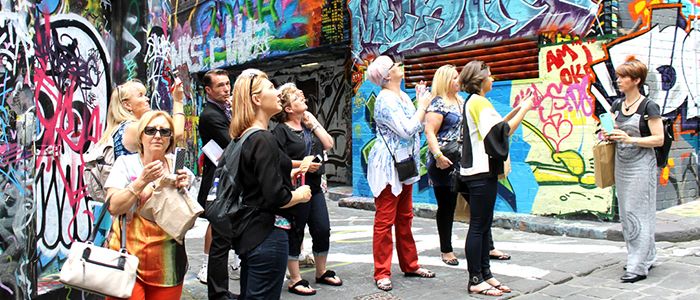
Public art not only enlivens urban spaces, supports local artists and sparks conversation, it’s a relatively cheap way for cities to attract both visitors and money.
Events such as Vivid Sydney and MONA in Hobart have proven to have a significant impact on the local economy, in terms of the increased revenue generated from more visitors, better productivity and free publicity that unique cultural events create.
As Meg Bartholomew reports in the Guardian, city planners and property developers are taking notice of the potential that lies in an ‘experience-based economy’. Art that makes people feel good makes them linger and spend.
Aside from the economic benefits, public art helps to define a city’s identity (hello, Melbourne), enhances a city’s reputation, and can even improve health.
Designing vibrant streets with Angus Bruce:
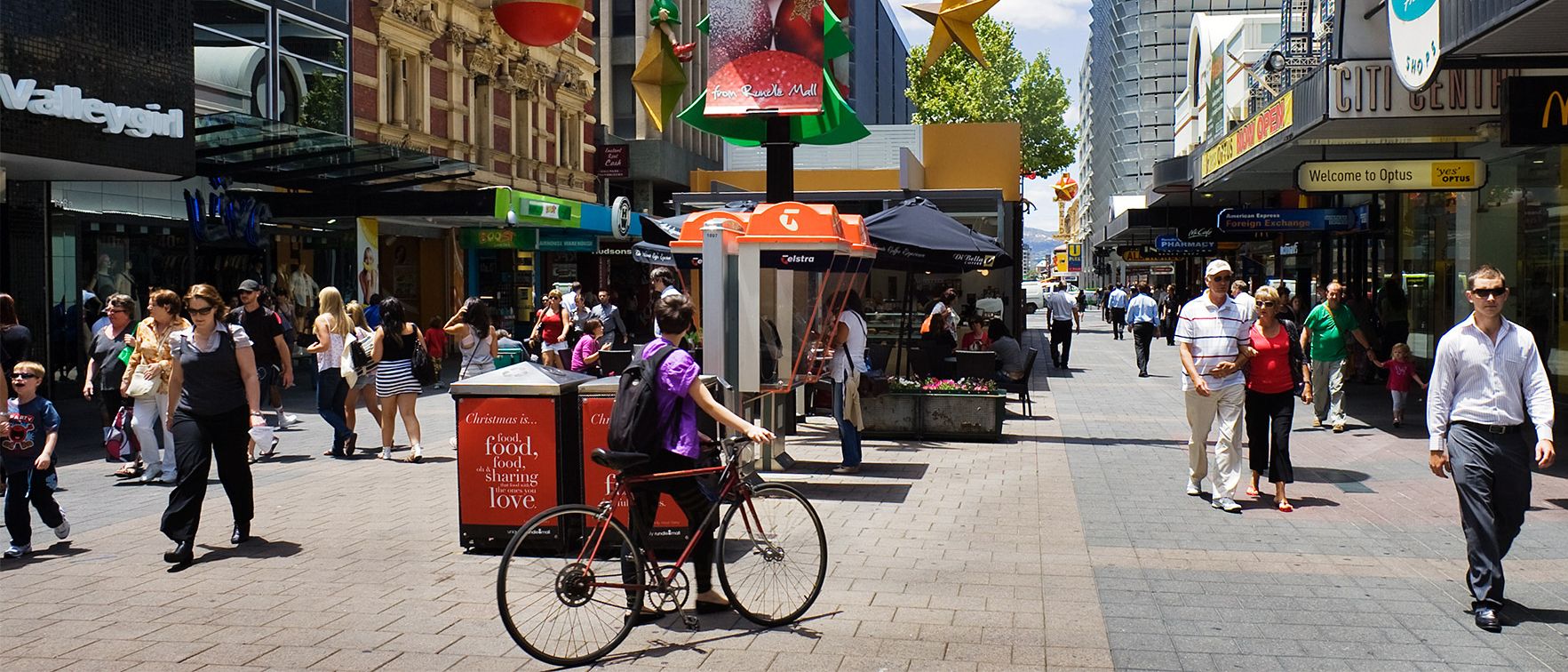
As the internet has transformed the way we shop, socialise and spend our leisure time, the common streetscape has had to step up its game, writes Angus Bruce.
Vibrant or ‘curated’ streets are being considered around the world by city planners and developers, in order to pull crowds. Widened footpaths, garden beds, water fountains, shading, seating and lighting are some ways to encourage more foot traffic.
Bruce highlights Adelaide’s Rundle Mall as an example of a cleverly re-designed urban precinct. The re-vamped mall allows for a range of outdoor events, pop-ups, art displays and a beautifully lit canopy that welcomes visitors day and night.
With many more examples of such projects worldwide, it shows that clever design initiatives can catapult a dwindling urban precinct into a thriving, exciting space.
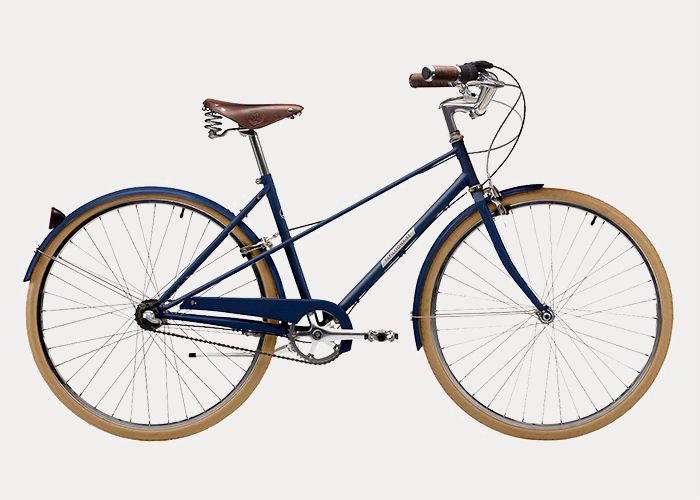
Not yet subscribed to StreetChat? Join now for monthly updates and a chance to WIN a Papillionaire bicycle. Only until October 2017.
-
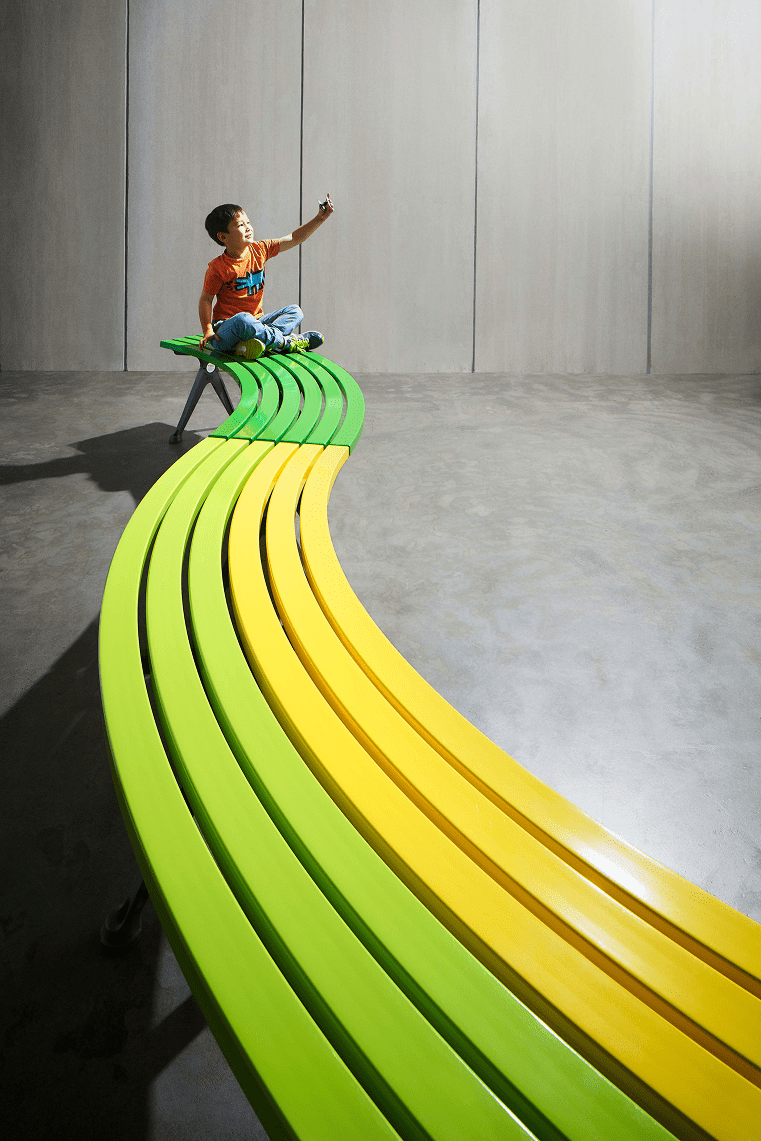
2026 AILA Awards: Good Cause Giveaway
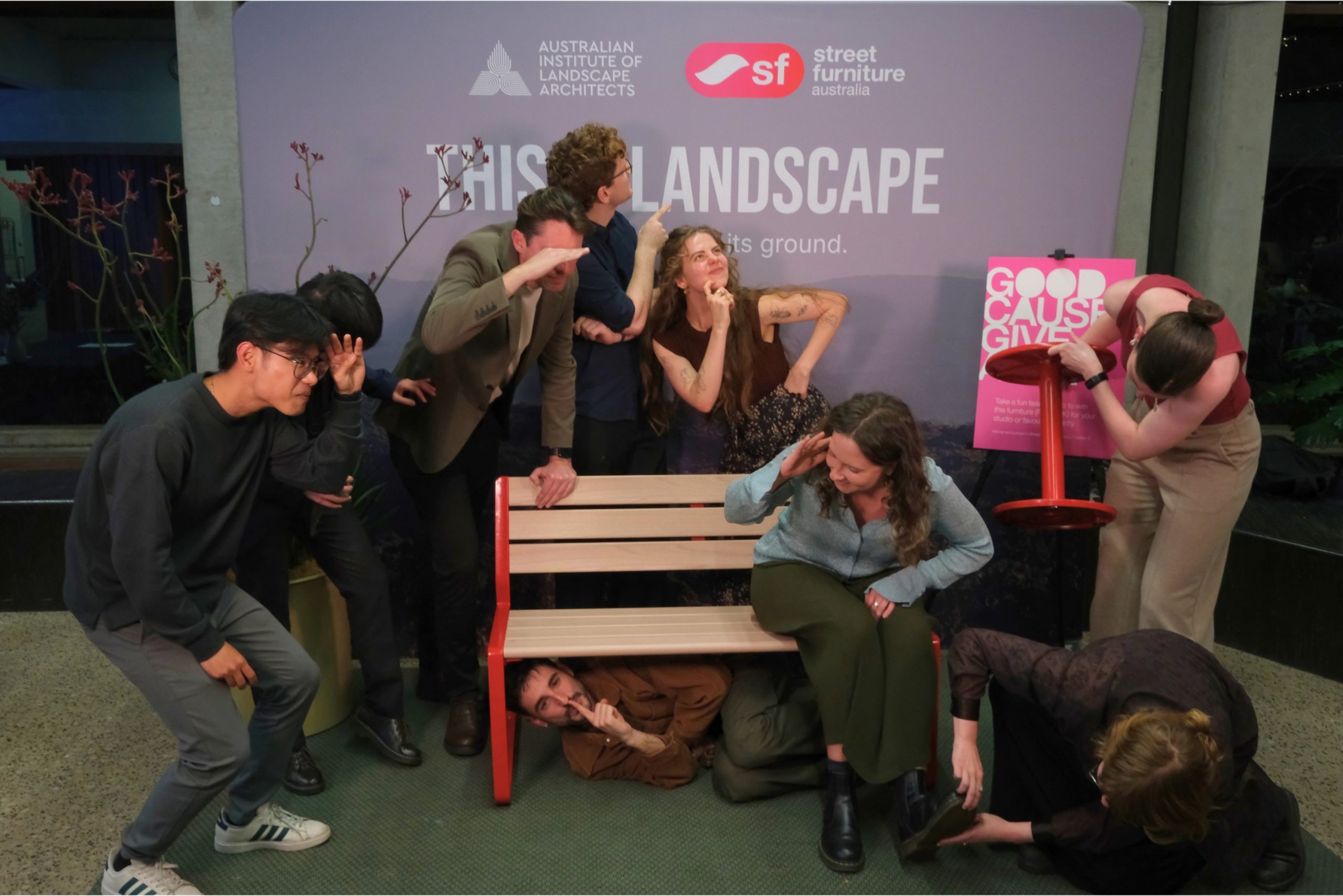
See highlights of all the outstanding creative photos from the 2026 AILA Awards Good Cause Giveaway, and discover which studio team won over 3k worth of furniture for... Read More
-
Join us for West Fest 2026: Designing in Belonging
A half-day knowledge exchange hearing from local built environment experts on fostering a sense of belonging in an increasingly dense, digital society. Read More
-
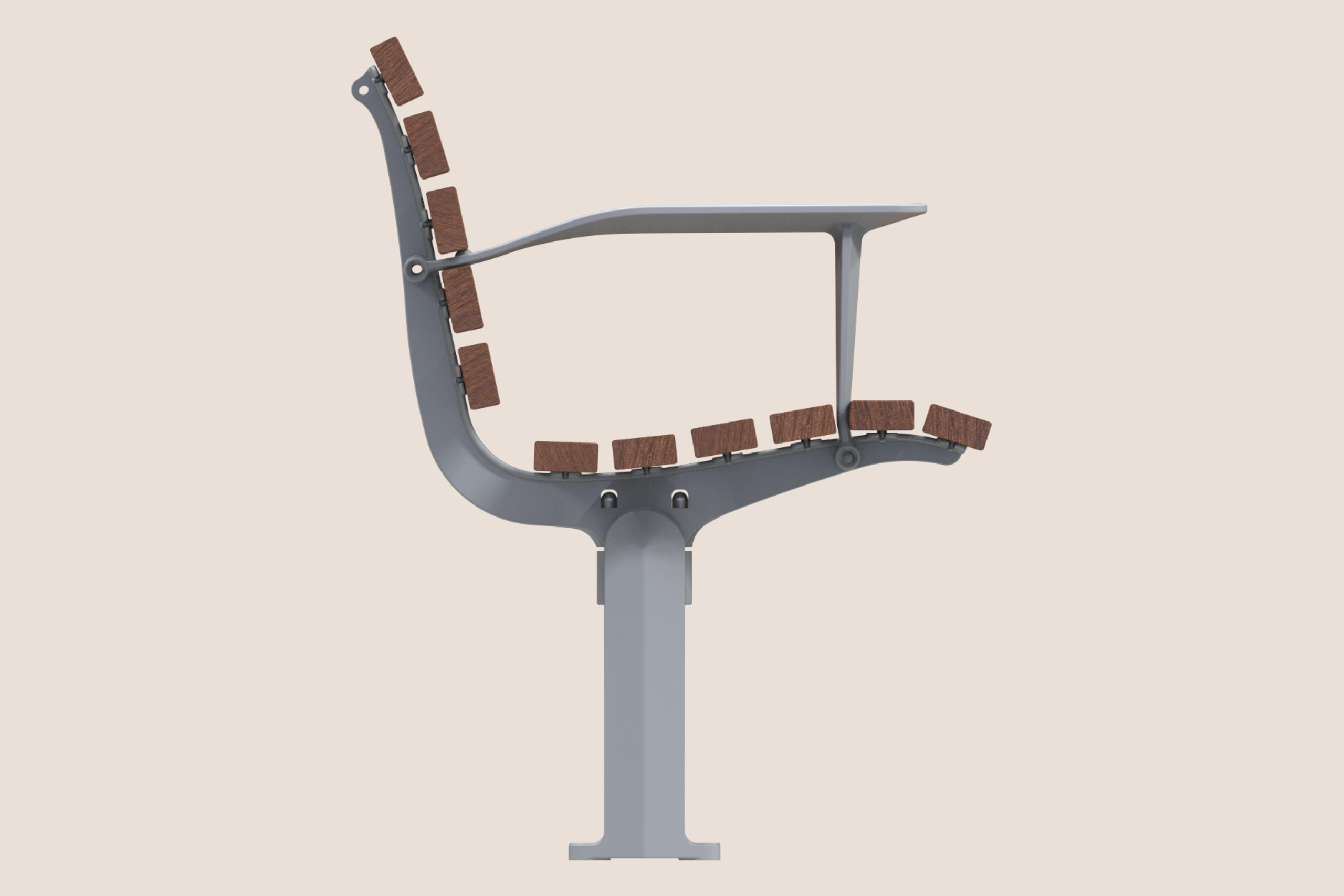
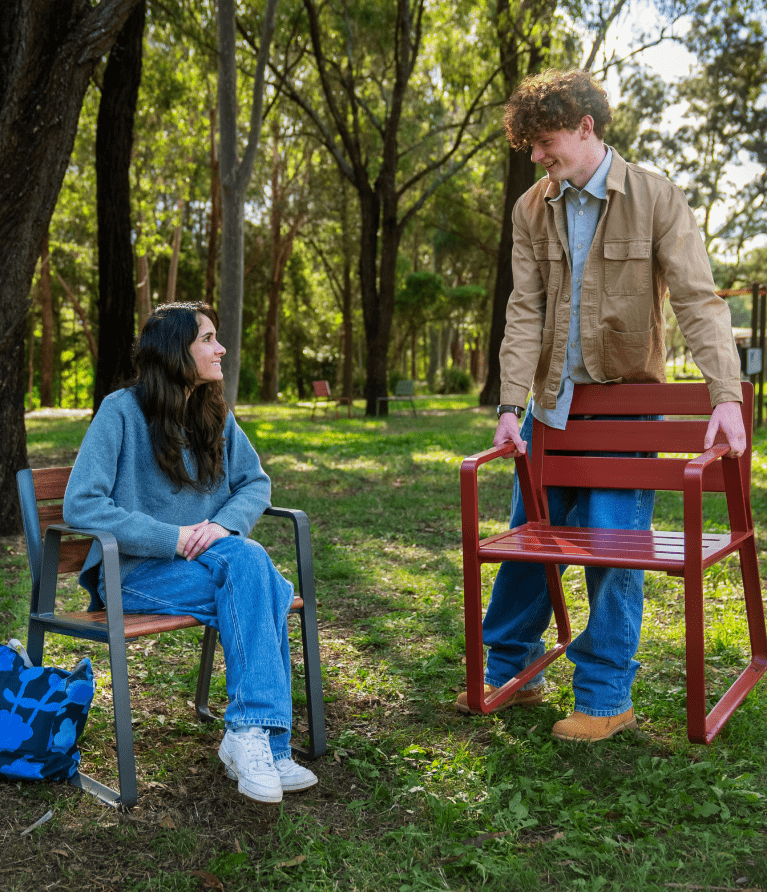
Introducing the new Pillar Leg
Street Furniture Australia’s new Pillar Leg is slimmer but sturdier. Discover what goes into a furniture leg, from fixing and accessibility to design. Read More
-
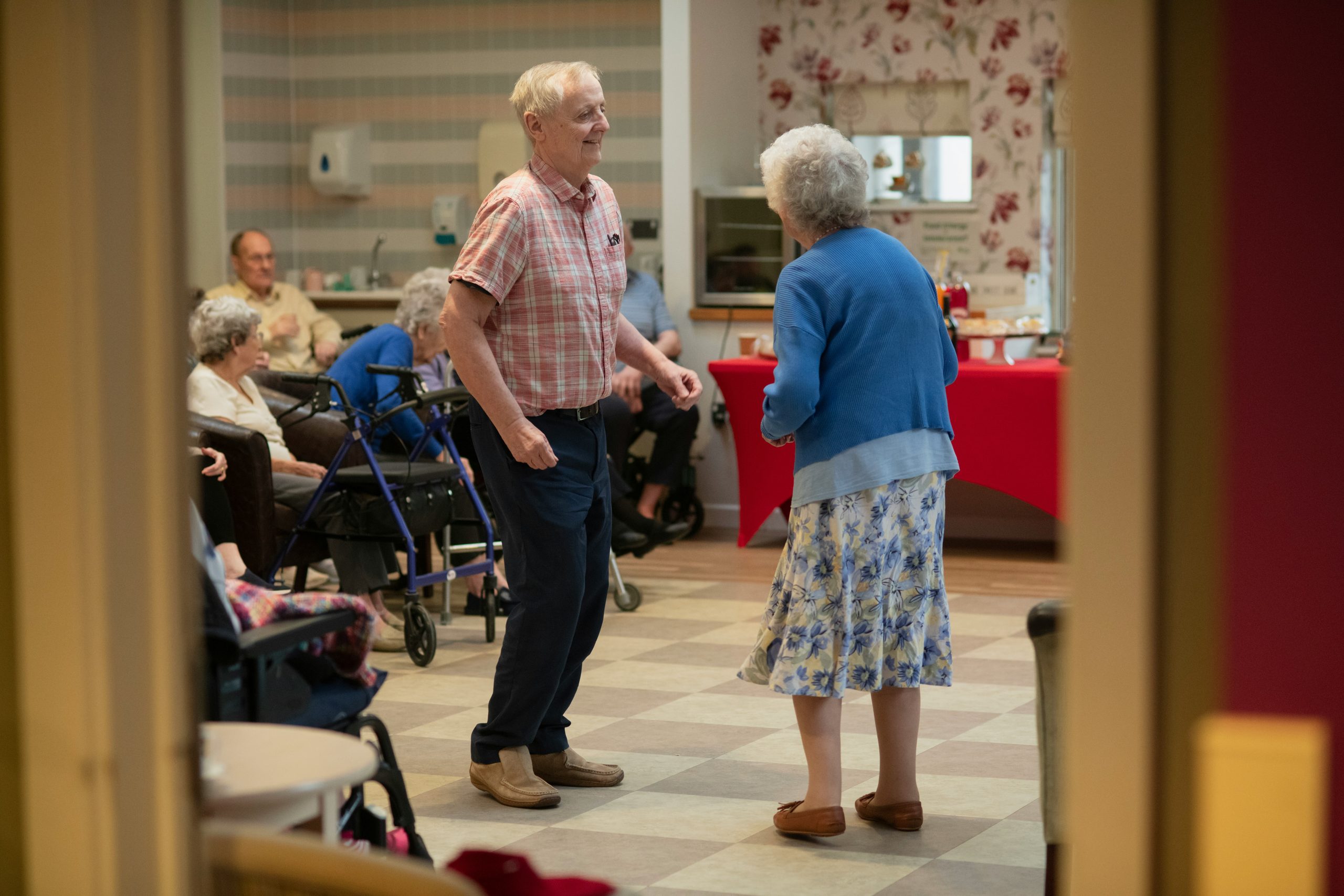
14th Street Y: From active space to community
How did a quiet gym lobby bring together 420+ locals? Learn how 14th Street Y uses social infrastructure and cheap coffee to build community. Read More
-
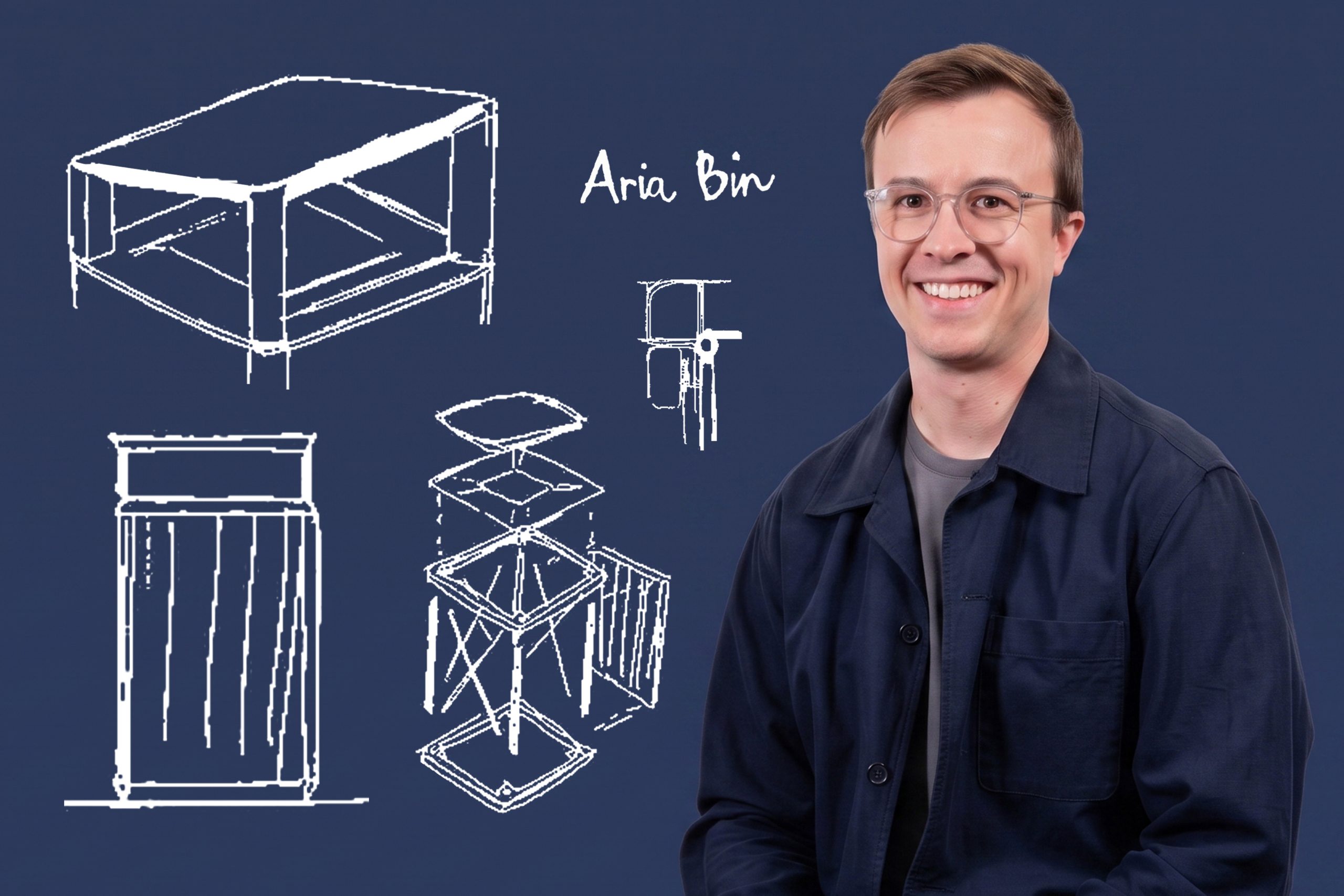
The design story behind Aria Bin
By Francis McArdle, Lead Designer of Aria Bin. There may be no piece of public infrastructure more overused and underappreciated than the humble bin. A basic necessity in... Read More
-
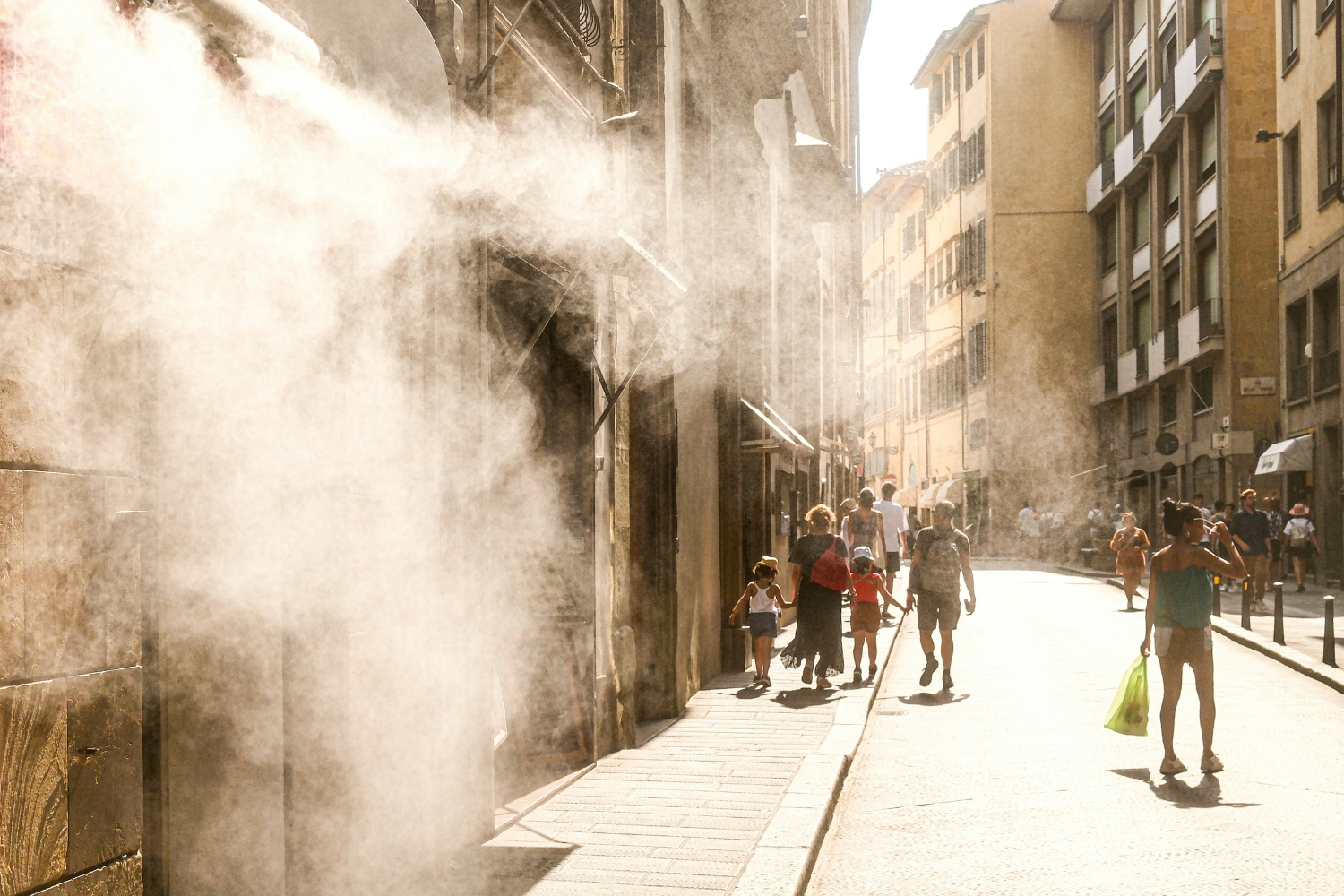
Should heat be regulated?
What if cities regulated heat like fire and flooding? ASLA explores how thermal performance could become a standard part of urban design. Read More