Trend Watch April 2021
Upcoming Events
Join us for West Fest 2026: Designing for Belonging
A half-day knowledge exchange hearing from local built environment experts on fostering a sense of belonging in an increasingly dense, digital society.
Read more

Toronto swaps Google-backed ‘smart’ city plans for people-centred vision:
Canada’s largest city has moved towards affordability, sustainability and environmentally-friendly design in a new vision for the Quayside waterfront – a year on from parting with Google-affiliated Sidewalk Labs.
Waterfront Toronto launched an international competition in March to secure a new development partner for the Quayside lands, to build “a sustainable community for people of all ages, backgrounds, abilities and incomes.”
The Quayside development will provide “market and affordable housing options for individuals and families. It will offer opportunities for aging in place, including the supports and amenities that will allow seniors to live independently. Inclusive economic development opportunities will create jobs and spaces for business owners that reflect Toronto’s diversity,” they write.
The call for new proposals comes nearly a year after the Sidewalk Labs partnership was called off, a “stinging defeat” reports The Guardian for a project championed by the Canadian prime minister, Justin Trudeau, and Eric Schmidt of Google, who had promised a community built “from the internet up”.
“Sidewalk Labs pledged to make Toronto one of the world’s first ‘smart’ cities. But skeptics saw a darker side, which included thousands of cameras monitoring streets, storefronts and parks, and harvesting data on the smallest movements,” Leyland Cecco writes.
The new city vision will “remind people of everything they want from living in the city” and “create a post-pandemic landmark community that addresses many of the vulnerabilities that the COVID-19 crisis has exposed,” Waterfront Toronto says.
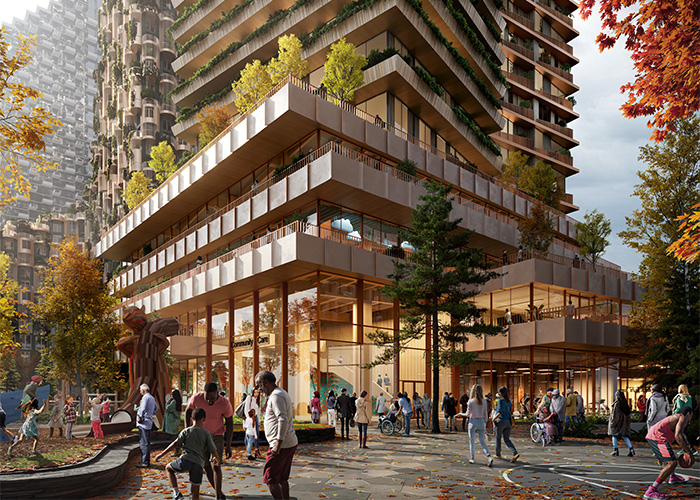
Image: A rendering of The Overstorey. Architect: Henning Larsen. Image courtesy of Waterfront Toronto.
Cycling “ten times more important” than electric cars for net-zero cities:
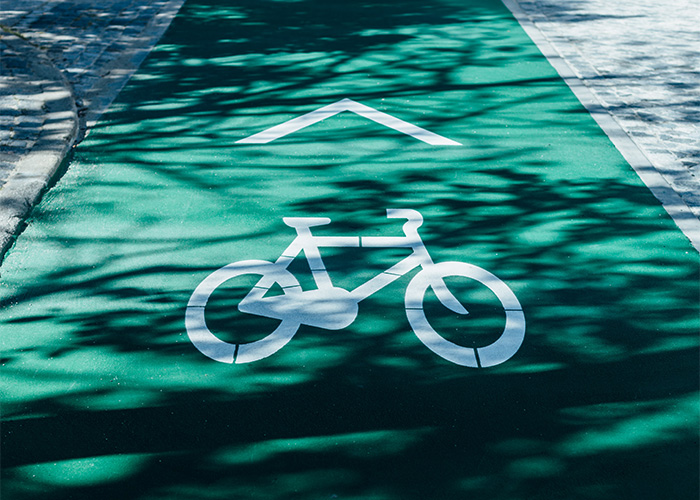
Even if all new cars were electric, it would still take 15-20 years to replace the world’s fossil fuel car fleet, writes Christian Brand, University of Oxford, for The Fifth Estate.
“The emission savings from replacing all those internal combustion engines with zero-carbon alternatives will not feed in fast enough to make the necessary difference in the time we can spare: the next five years,” he writes.
“Tackling the climate and air pollution crises requires curbing all motorised transport, particularly private cars, as quickly as possible. Focusing solely on electric vehicles is slowing down the race to zero emissions.”
Brand and colleagues from the University of Oxford conducted a study observing 4,000 people living in London, Antwerp, Barcelona, Vienna, Orebro, Rome and Zurich. Over a two-year period, participants completed 10,000 travel diary entries.
The researchers calculated the carbon footprint for each trip.
“Strikingly, people who cycled on a daily basis had 84% lower carbon emissions from all their daily travel than those who didn’t,” says Brand.
“When we compared the life cycle of each travel mode, taking into account the carbon generated by making the vehicle, fuelling it and disposing of it, we found that emissions from cycling can be more than 30 times lower for each trip than driving a fossil fuel car, and about ten times lower than driving an electric one.”
Read the article, ‘Cycling is ten times more important than electric cars for reaching net-zero cities.’
-
2026 AILA Awards: Good Cause Giveaway
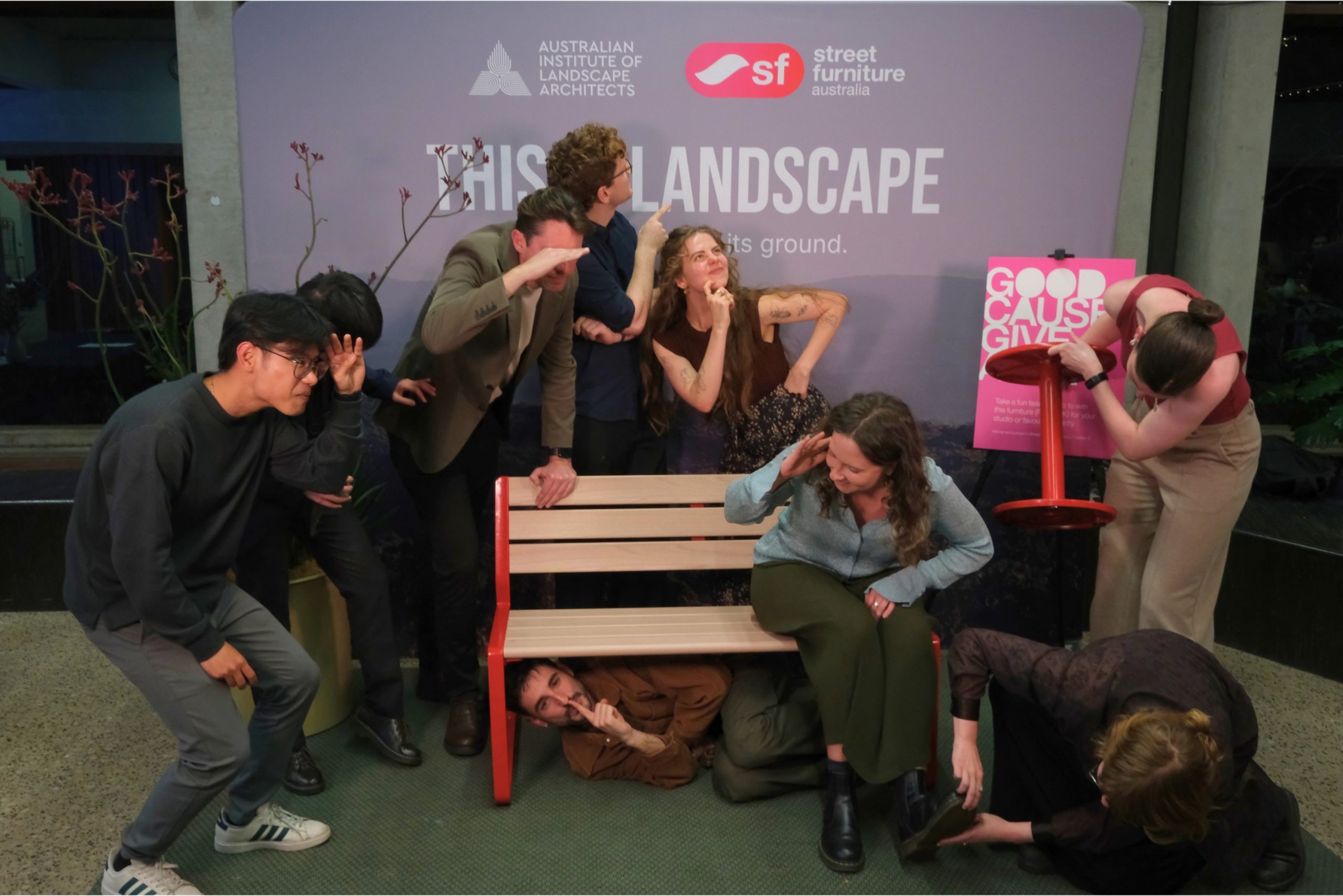
See highlights of all the outstanding creative photos from the 2026 AILA Awards Good Cause Giveaway, and discover which studio team won over 3k worth of furniture for... Read More
-
Join us for West Fest 2026: Designing for Belonging
A half-day knowledge exchange hearing from local built environment experts on fostering a sense of belonging in an increasingly dense, digital society. Read More
-
COP31 unites Australia and the Pacific
Australia and Pacific nations unite at COP31 to tackle climate change, advance renewable energy and address the region’s urgent climate challenges. Read More
-
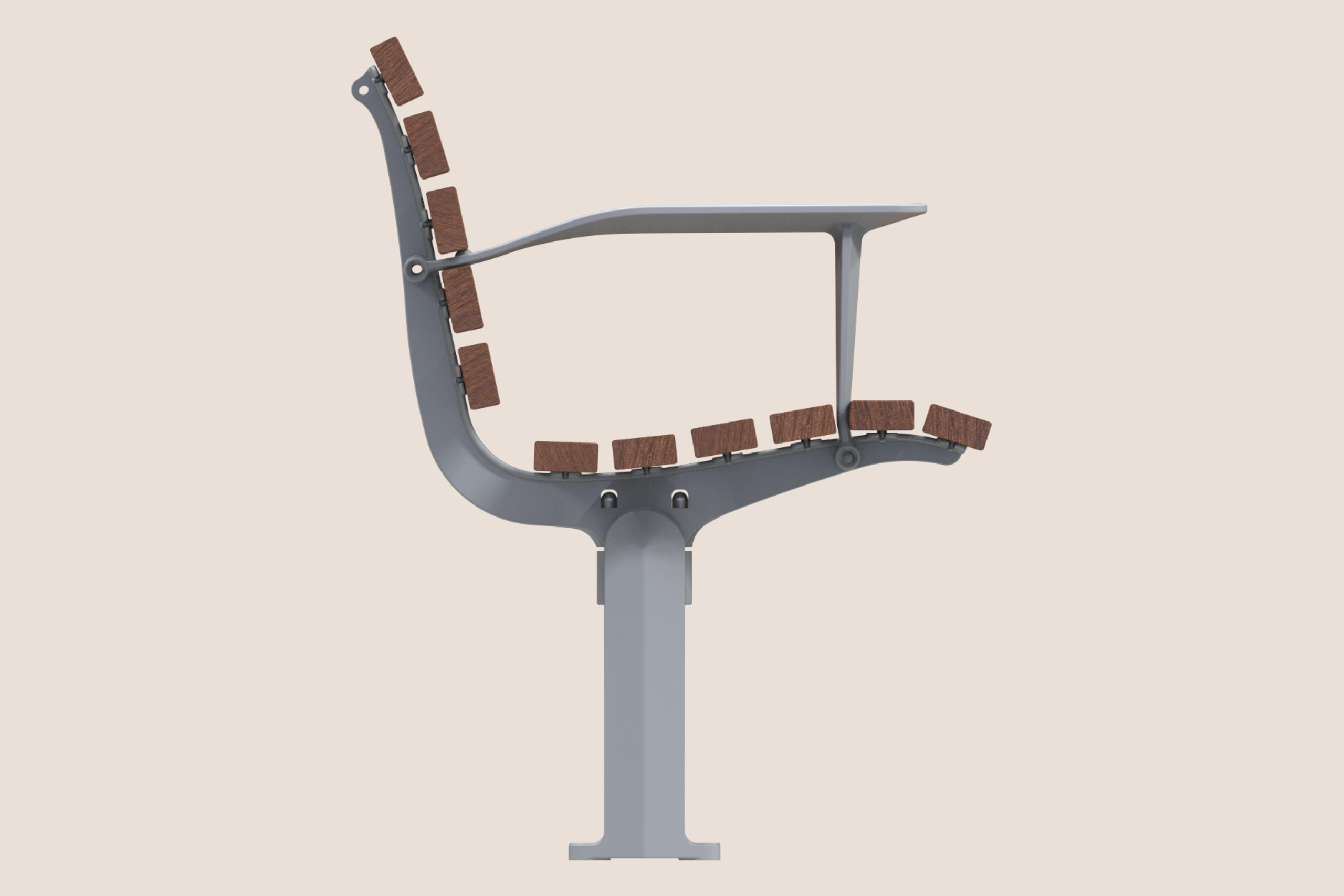
Introducing the new Pillar Leg
Street Furniture Australia’s new Pillar Leg is slimmer but sturdier. Discover what goes into a furniture leg, from fixing and accessibility to design. Read More
-
14th Street Y: From active space to community
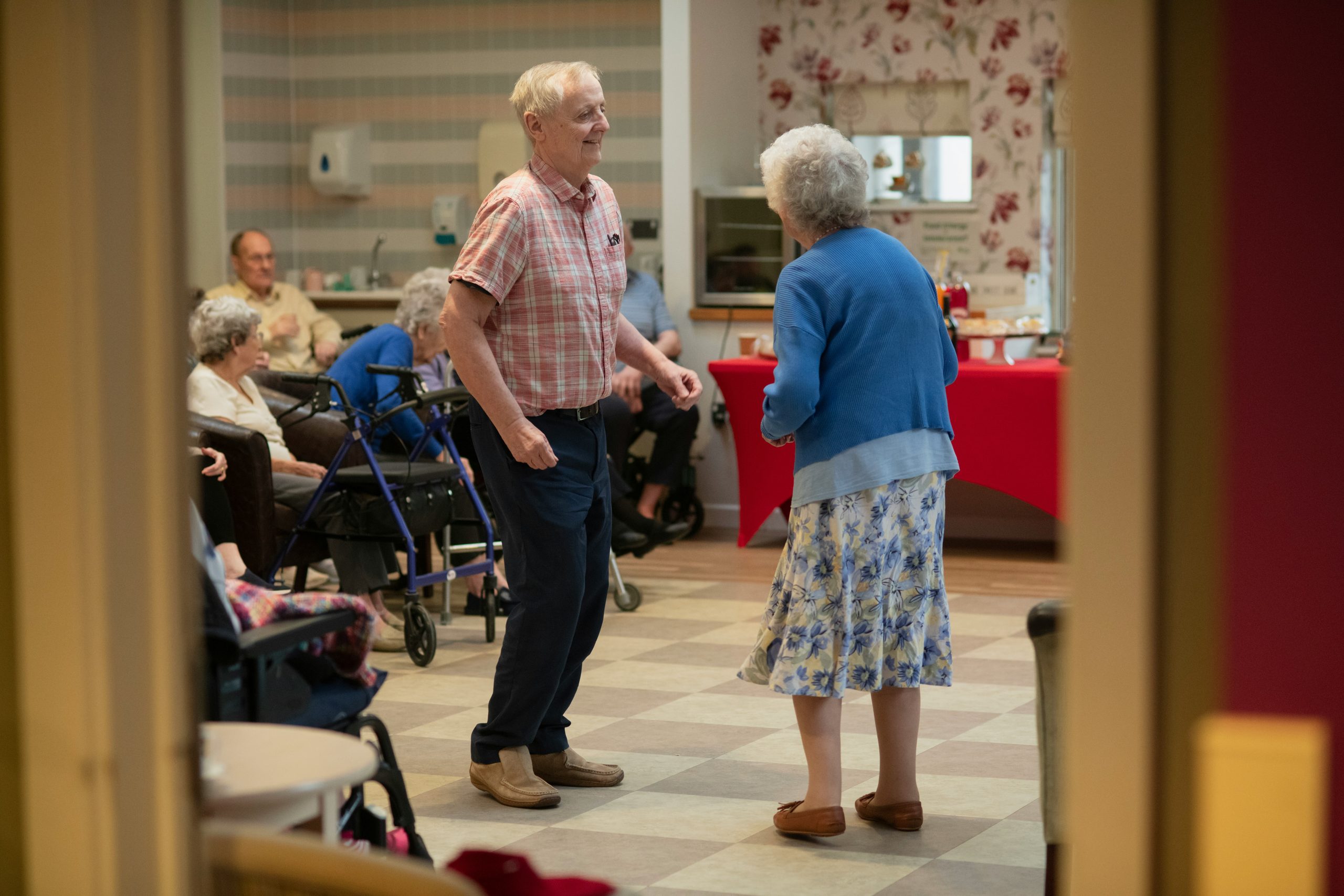
How did a quiet gym lobby bring together 420+ locals? Learn how 14th Street Y uses social infrastructure and cheap coffee to build community. Read More
-
The design story behind Aria Bin
By Francis McArdle, Lead Designer of Aria Bin. There may be no piece of public infrastructure more overused and underappreciated than the humble bin. A basic necessity in... Read More