Trend Watch January 2021


The rise of functional art:
Public art can blend both form and function, blurring boundaries between the street object and the outcome people get from their engagement with it.
Making art an everyday experience is integral to some of the best public spaces and cities around the world. The right mix of permanent or temporary installations can reflect identity and create vibrancy in an area.
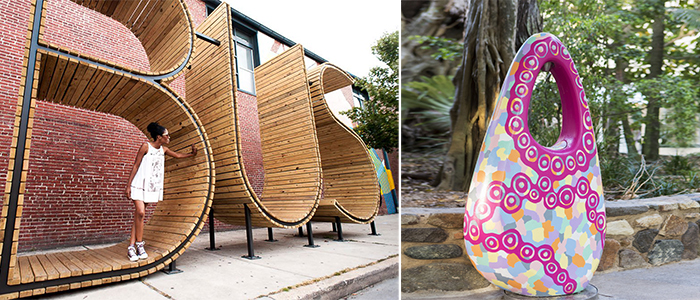
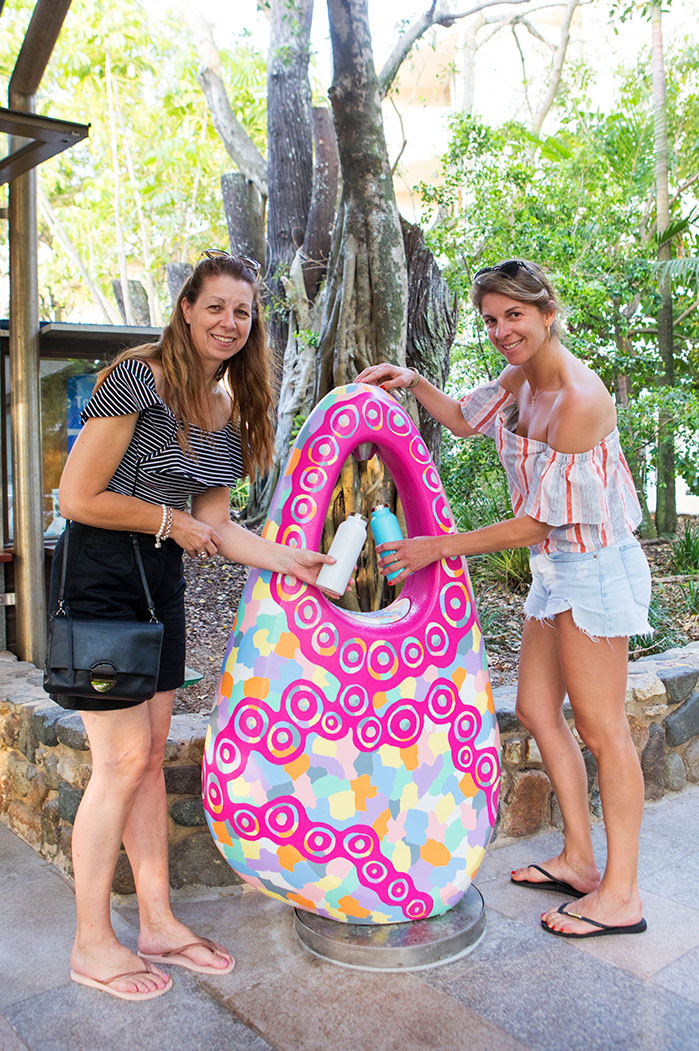
The artsy bus shelter pictured above (left) offers a playful and engaging option for those seeking transportation. And the water droplet shape – pictured above right – first appears to be a sculpture, but on closer inspection reveals itself to be a water fountain for refilling drink bottles.
The design of the fountain – called the O fountain – is courtesy of Melbourne based ‘O Initiative’, that aims to reduce the number of disposable water bottles purchased by changing the way people drink tap water in public spaces.
The fountain pictured is outside the Noosa Tourist Information Bureau, and is a collaboration between The O initiative, Noosa Shire Council and Unitywater as part of an ongoing commitment to providing water bottle refilling stations to remove reliance on single-use plastic bottles.
Local contemporary indigenous artist Dr. Bianca Beetson was commissioned to design and paint a Noosa essence water theme onto the fountain, to celebrate Noosa’s indigenous heritage.
Bianca notes that: “The pink lines represent the ocean and the connected rivers and waterways around the Noosa region, while also representing my matriarchal bloodline and connection to country. The surrounding colours represent the Noosa landscape, various native flora and fauna representing the colours of the map of Aboriginal Australia.”
Public art elements that weave in points of intrigue in a layered, textured manner can help tell a story about a place and create memorable, comfortable and engaging spaces.
However, the process of coordinating a public art project can be arduous. Other than the standard wall or utility box there is often no ideal existing canvas in the public realm. Custom-created work can bring challenges such as budget, artist briefs and liaising with many stakeholders.
The O fountain is a sculpture that serves a blank canvas for a local artist, and is also a Watermark certified water refilling station.See more examples of collaborations between the O Initiative, local artists, Councils and other place custodians on the O Initiative website and social media.
Human-made materials now weigh more than all life on Earth combined:
All human-made materials – such as steel, concrete, metal, bricks, asphalt and plastic – now outweigh all life on Earth, according to a paper published in Nature.
The researchers say they wanted to provide an objective and rigorous measure of the reality of the balance between humans and nature.
Concrete, a building block of our cities and towns, accounted for the most mass, followed by steel, gravel, brick and asphalt, reports Maddie Stone for National Geographic.
Plastic is also a key player in tipping the scale, reports the Guardian – and by itself is double the weight of all animals combined.
The study shows that the stamp of humanity has been increasing in size rapidly since the beginning of the 20th century, doubling every 20 years.
Over the decades there are rises and dips in human impact, including sharp increases after the switch in the 1950s from bricks to concrete and the use of asphalt for pavements in the 1960s.
We are now at a crossover point, the researchers say – in the year 2020 the amount of human-made mass has now surpassed all global living biomass.
On average, for each person on the globe, human-made mass equal to their bodyweight is now produced every week.
If human production continues at this rate, the weight of our impact will exceed 3 teratonnes by 2040.
The study is being hailed as evidence that Earth is now in the Anthropocene – a proposed geological epoch where human activity is the dominant influence on climate and the environment.
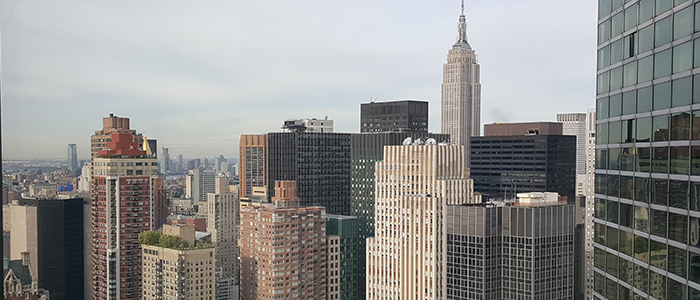
Photo: New York cityscape by Reppihc8, Wikimedia Commons.
-
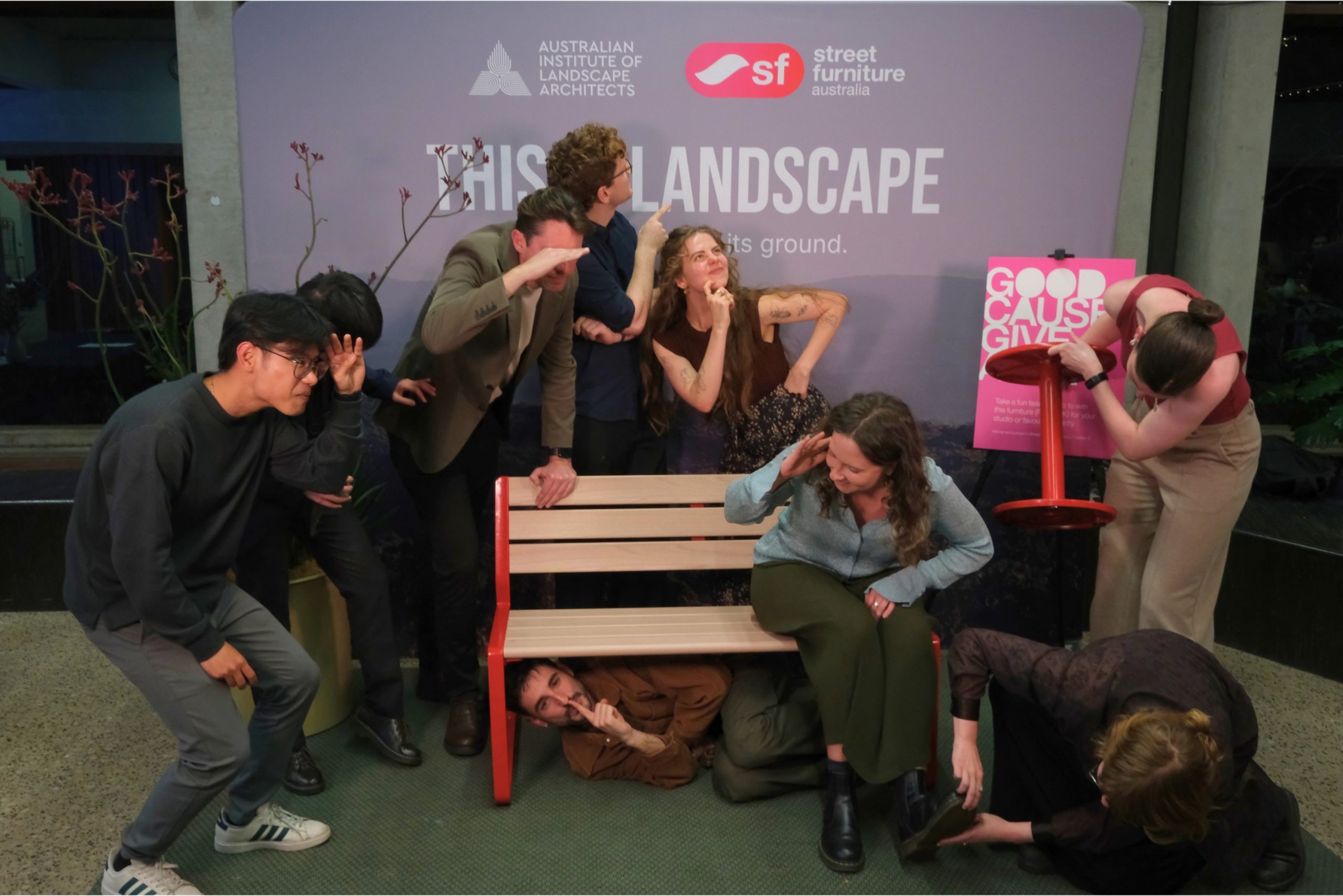
2026 AILA Awards: Good Cause Giveaway
See highlights of all the outstanding creative photos from the 2026 AILA Awards Good Cause Giveaway, and discover which studio team won over 3k worth of furniture for... Read More
-
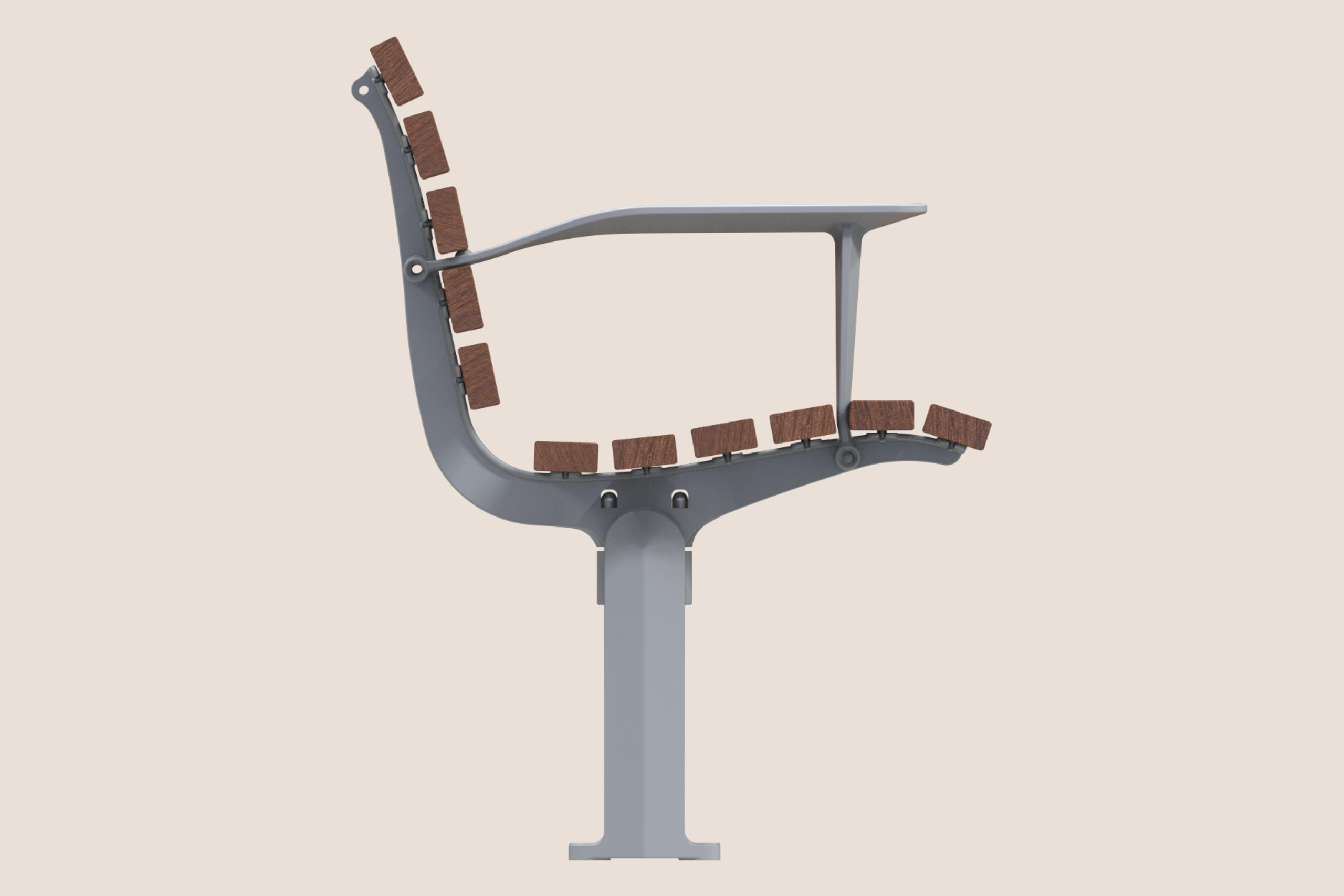
Introducing the new Pillar Leg
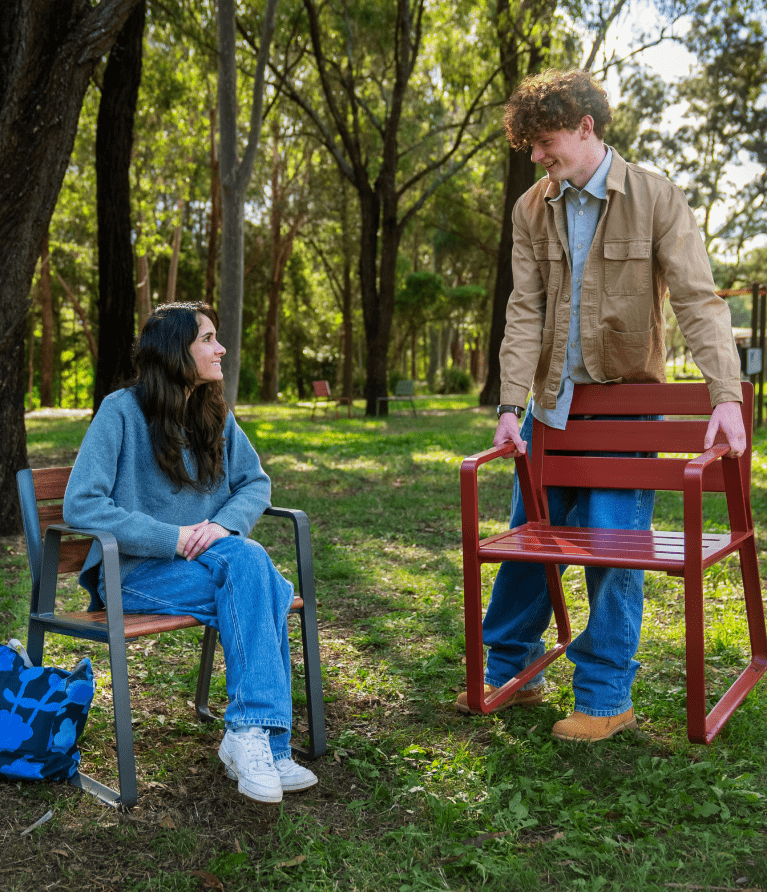
Street Furniture Australia’s new Pillar Leg is slimmer but sturdier. Discover what goes into a furniture leg, from fixing and accessibility to design. Read More
-
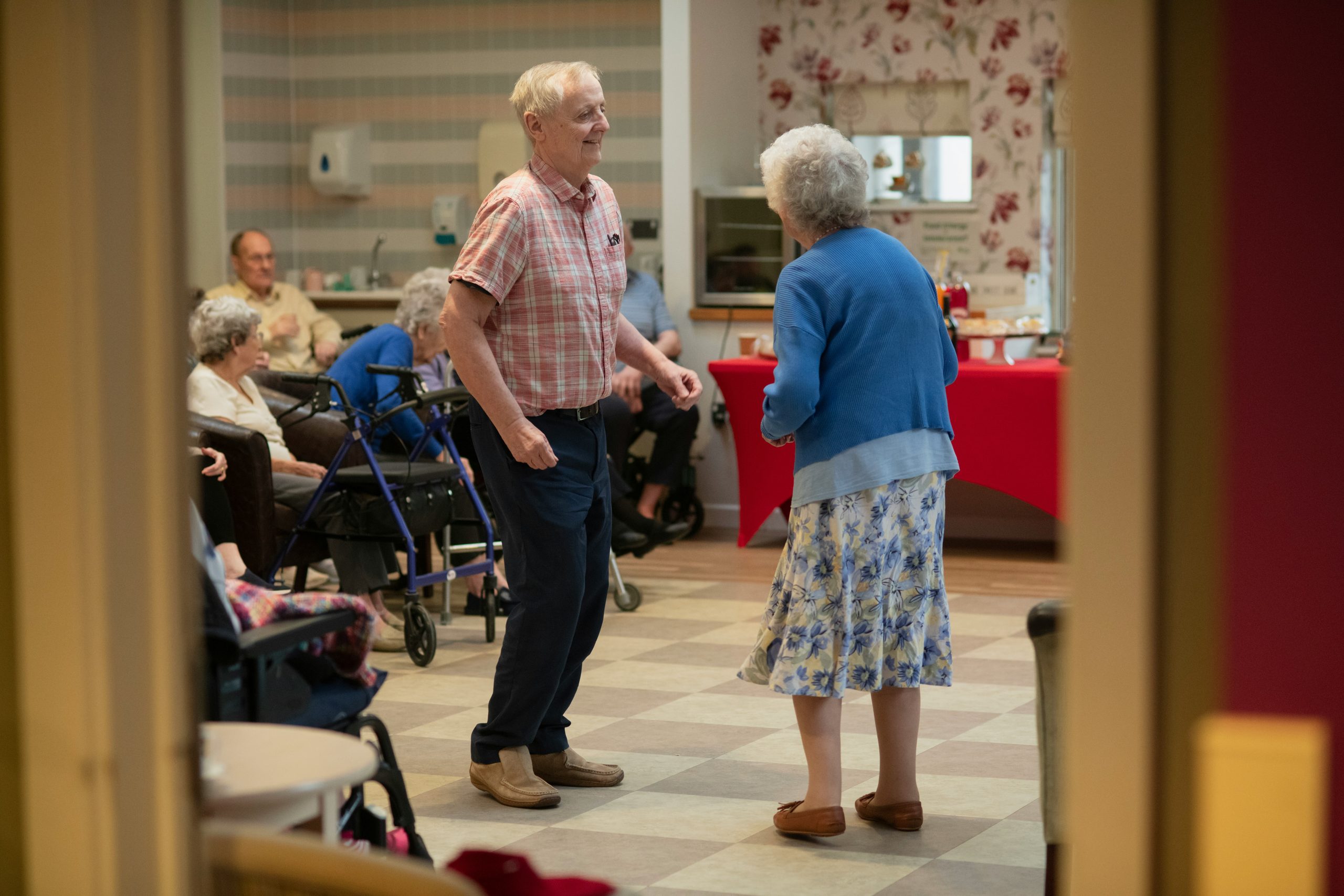
14th Street Y: From active space to community
How did a quiet gym lobby bring together 420+ locals? Learn how 14th Street Y uses social infrastructure and cheap coffee to build community. Read More
-
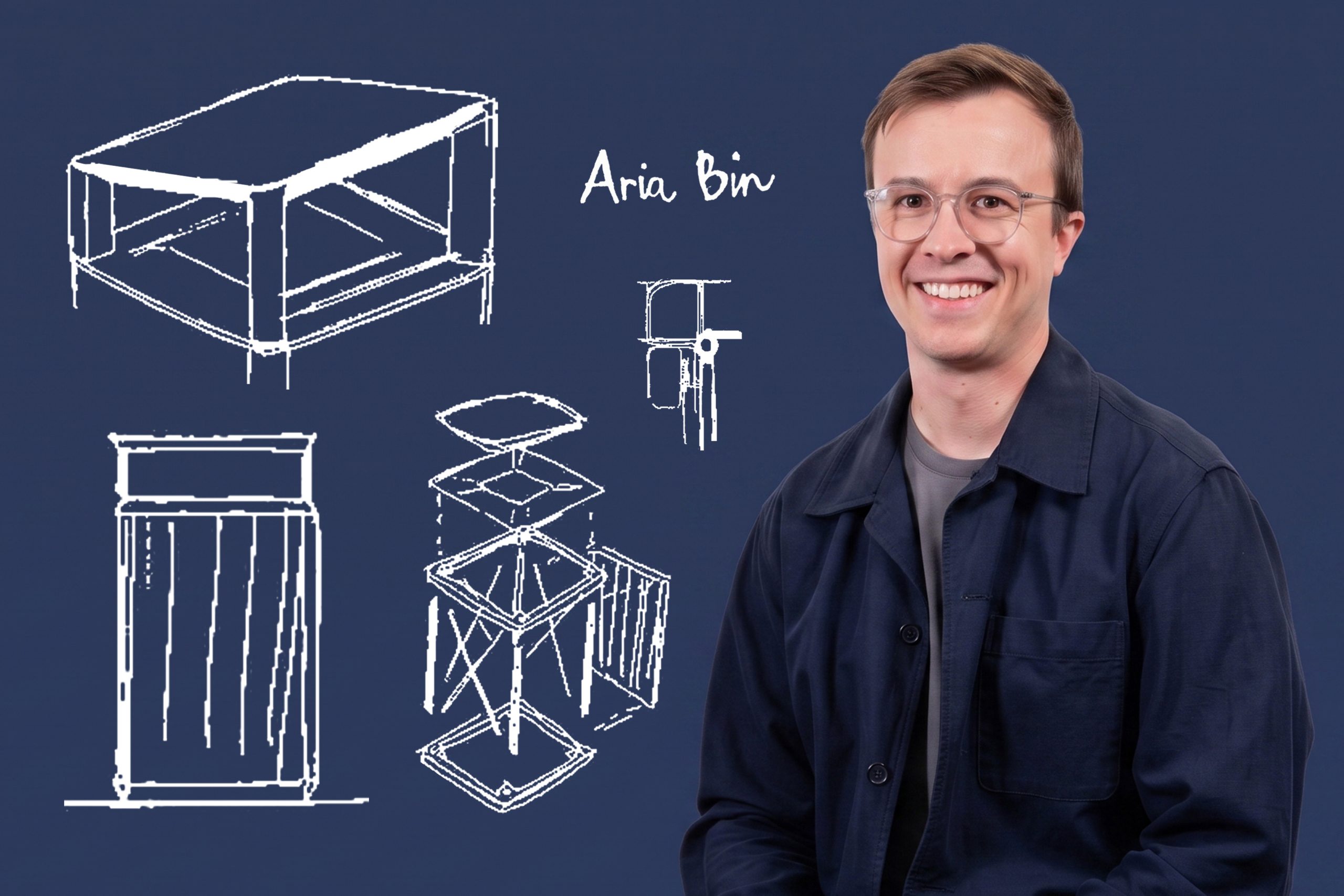
The design story behind Aria Bin
By Francis McArdle, Lead Designer of Aria Bin. There may be no piece of public infrastructure more overused and underappreciated than the humble bin. A basic necessity in... Read More
-
Should heat be regulated?
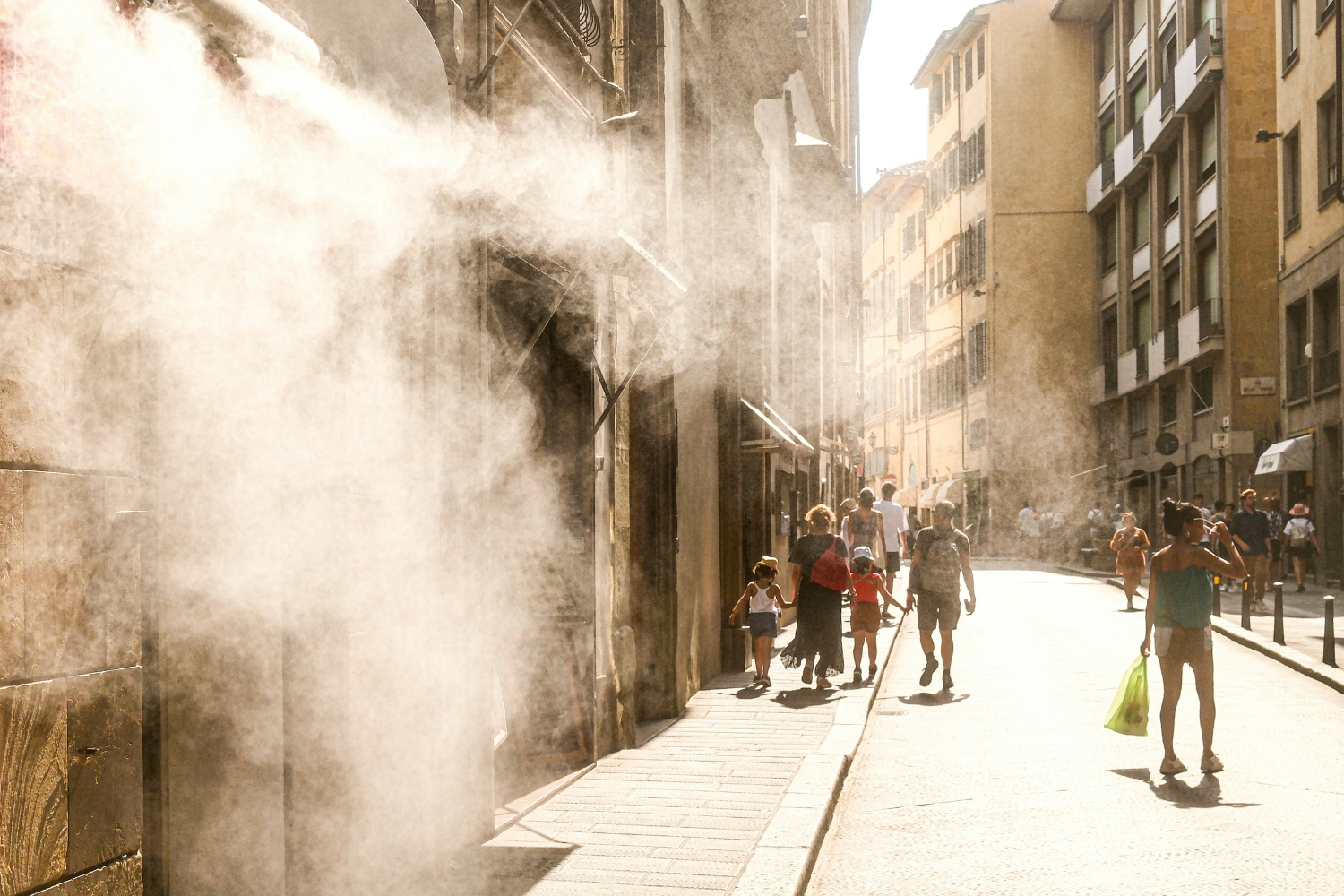
What if cities regulated heat like fire and flooding? ASLA explores how thermal performance could become a standard part of urban design. Read More
-
GreenScapes 2026: Did Queensland’s newest landscape industry show deliver?
Explore highlights from GreenScapes 2026 as Street Furniture Australia reflects on QLD’s new landscaping and design industry show. Read More