Designing for Density – And Liveability: West Fest 2025
Upcoming Events
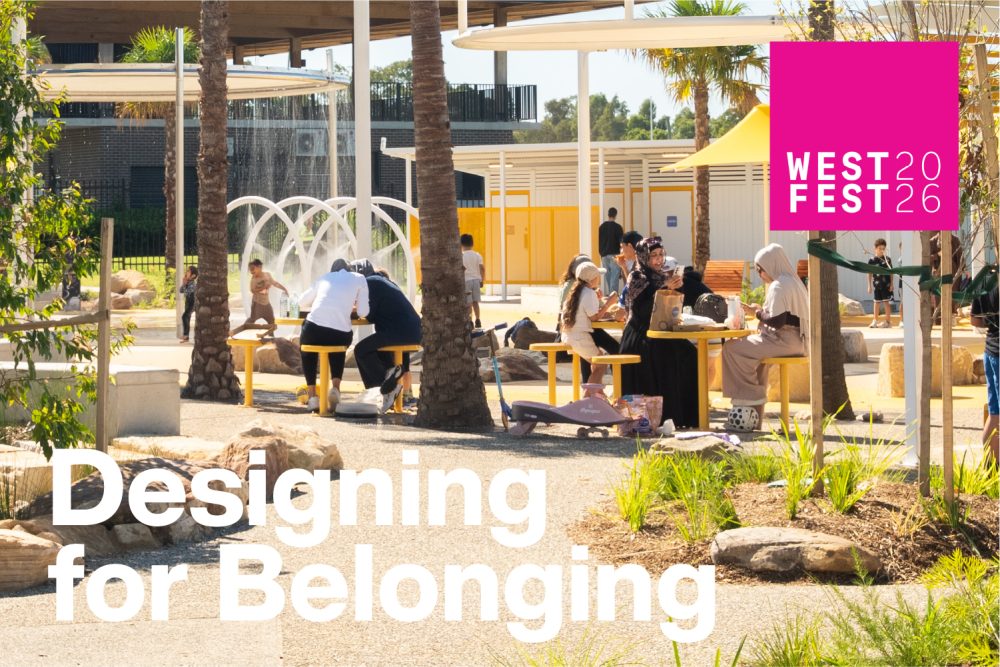
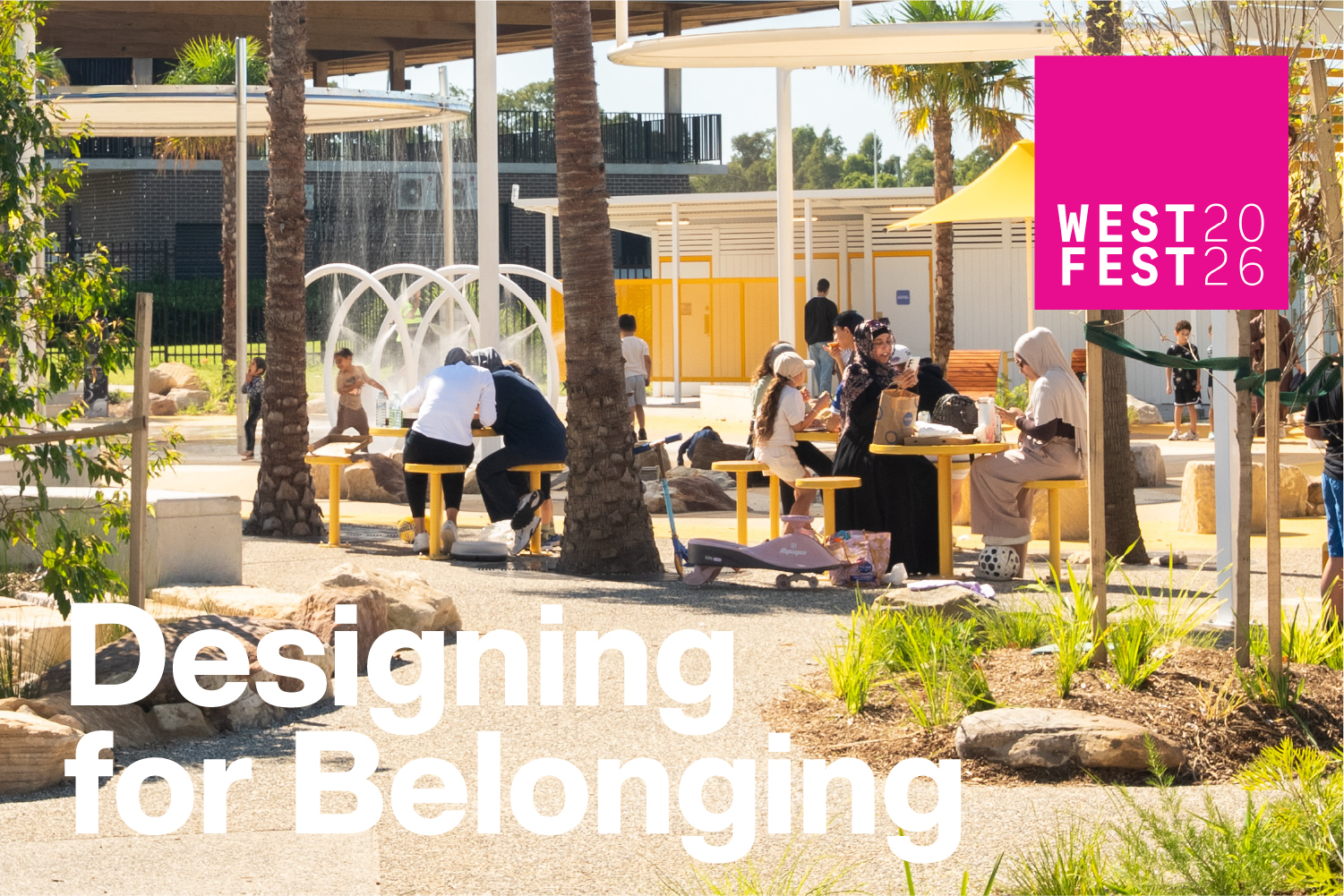
Join us for West Fest 2026: Designing in Belonging
A half-day knowledge exchange hearing from local built environment experts on fostering a sense of belonging in an increasingly dense, digital society.
Read more

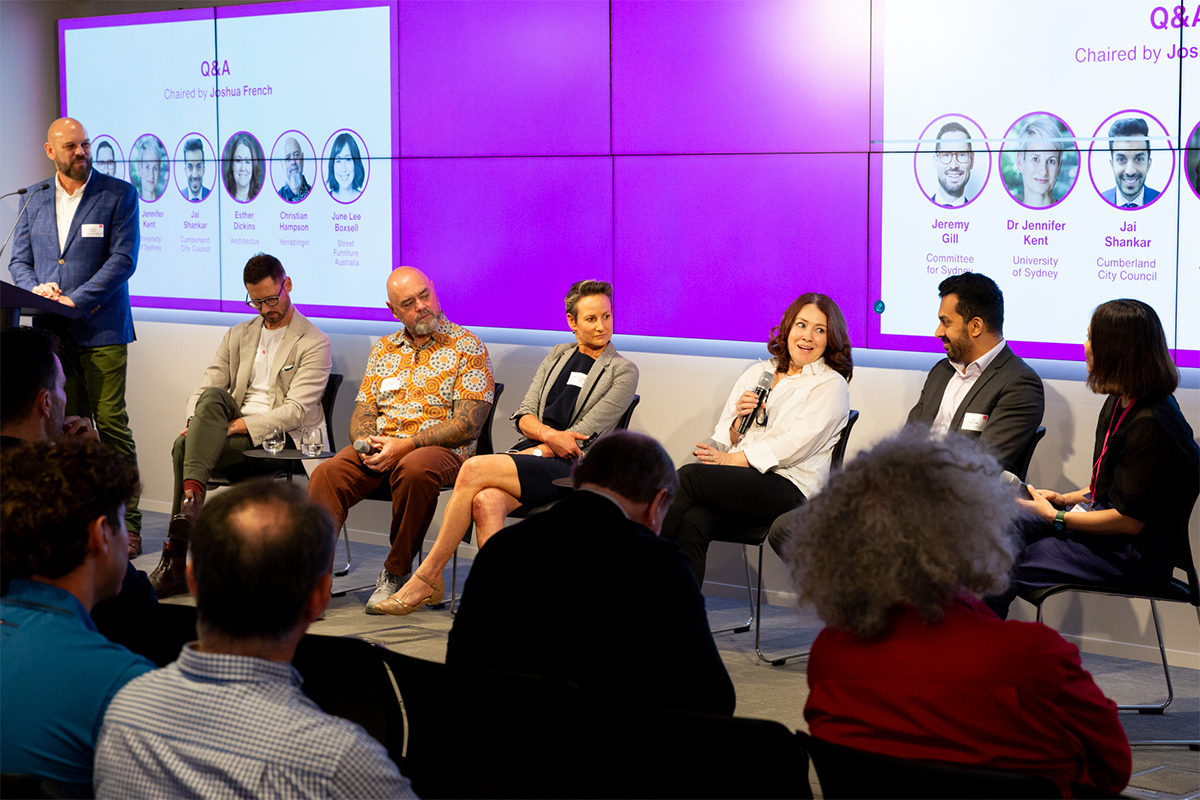
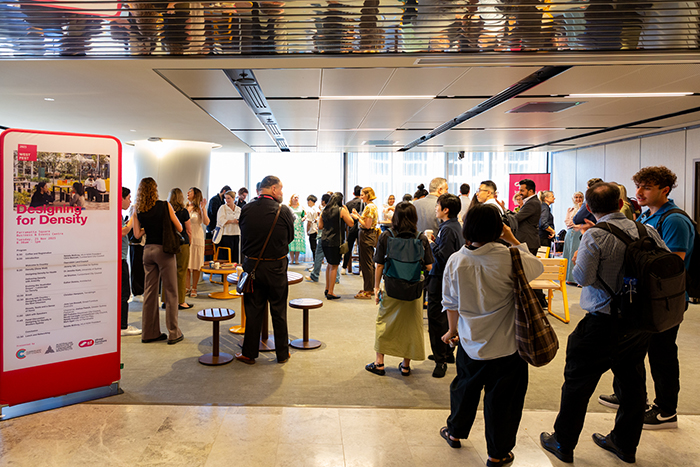
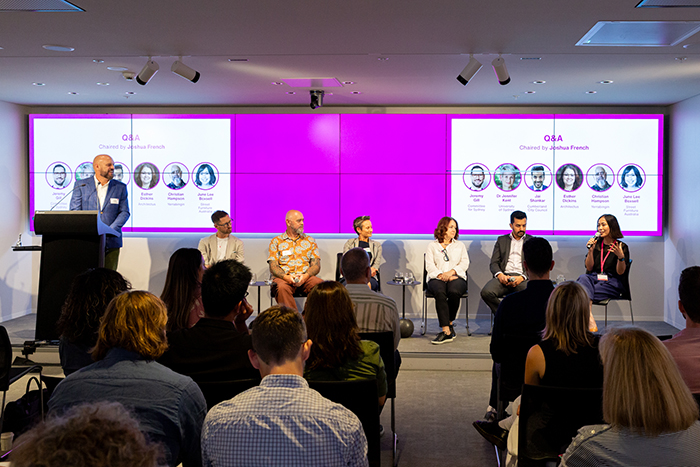
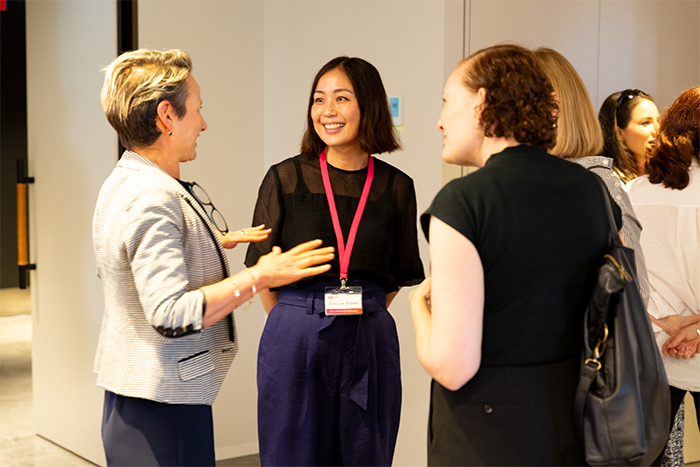
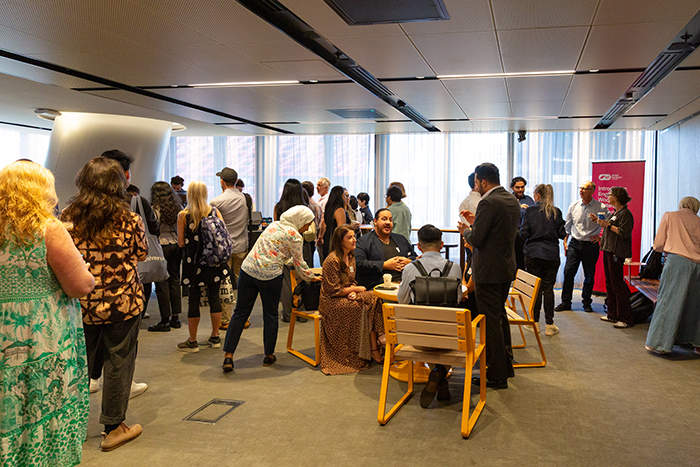
More than 200 built environment professionals from government, landscape architecture, planning and research gathered for West Fest 2025 in Parramatta NSW and online to discuss one of Western Sydney’s biggest challenges: how to design density that enhances liveability.
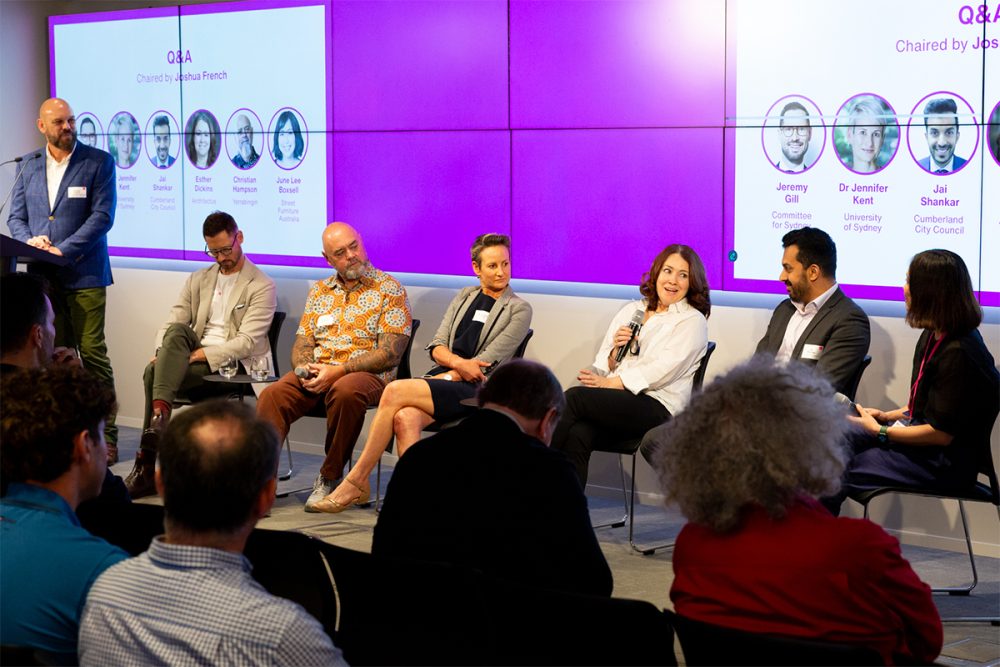
Hosted by the Australian Institute of Landscape Architects, Cumberland City Council and Street Furniture Australia, this third annual event delivered fast-paced keynotes and two panels led by Joshua French, CEO, Greater Sydney Parklands – all focused on shaping a more connected, high-amenity future for the region.
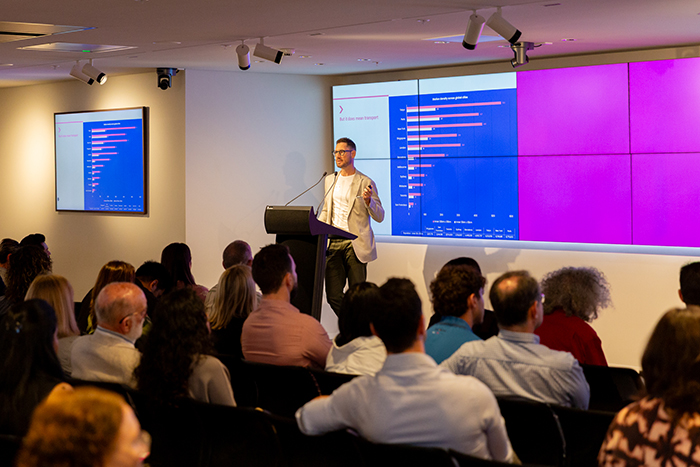
The conversation opened with insights from Jeremy Gill, Head of Policy, Committee for Sydney, who challenged the city to move beyond housing targets and instead focus on “density done well.” He emphasised that great density is defined by thriving neighbourhoods where public space, mobility, services and housing align. International comparisons showed that Sydney’s mid-rise patterns offer opportunities – but also risks – if amenity does not keep pace.
Health was placed firmly at the centre by Dr Jennifer Kent, Senior Research Fellow, University of Sydney, who shared research connecting walkability, transport choice and diverse open spaces with community wellbeing. Her message was clear: healthy density requires more than compact buildings – it requires designing for everyday movement and social connection.
For Christian Hampson, CEO Design Lead, Yerrabingin, density cannot be understood without Country. He invited attendees to consider Designing with Country as a discipline – one that embeds ecological knowledge, cultural custodianship and long-term stewardship into every urban decision. Country, he reminded the audience, is not absent from dense environments; it endures, and must be acknowledged in design.
Jai Shankar, Executive Manager, City Planning & Development, Cumberland City Council, shared a local government perspective, demonstrating how councils can use planning controls and public-domain investment to uplift amenity in growing centres. His Merrylands case study showed how open-space networks, civic squares and high-quality public realm can anchor density with character and community value.
Design practitioner Esther Dickins, Principal, Architectus, highlighted the evolving “Australian Dream” – one where communal and public spaces form the shared backyard. Drawing from global precedents, she showed how thoughtful open-space hierarchies, landscape integration and equitable access to amenities are transforming dense neighbourhoods abroad and must do so here.
June Lee-Boxsell, Head of Strategy and Innovation, Street Furniture Australia, explored how streets and public spaces become the “living rooms” of high-density communities. Her work on placemaking, comfort and human-centred public furniture emphasised that creating a sense of home in civic environments is key to long-term community attachment.
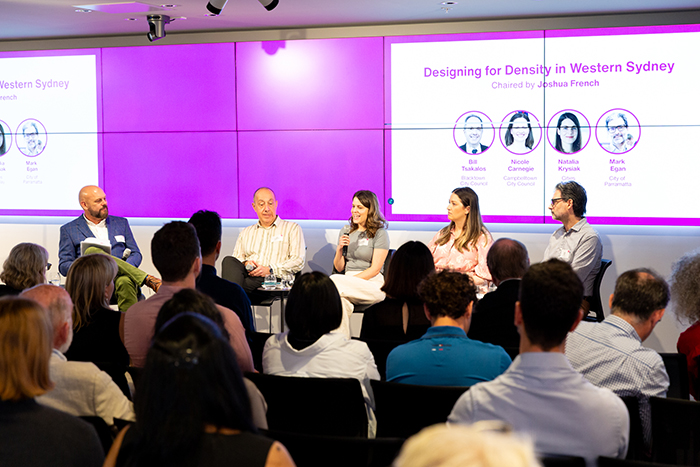
A closing panel featuring Bill Tsakalos, Blacktown City Council; Nicole Carnegie, Campbelltown City Council; Natalia Krysiak, Cities for Play; and Mark Egan, City of Parramatta identified urgent priorities: planning for trees and climate resilience, delivering infrastructure at the pace of development, strengthening collaboration and designing density that supports children, families and community life.
Across all sessions a consistent theme emerged: density is not the enemy – poorly designed density is. When delivered with Country, health, amenity and local identity at its heart, density can help cities to grow stronger, greener and more connected.
See the photo gallery, event recording and CPD resources.
West Fest will return in 2026.
-
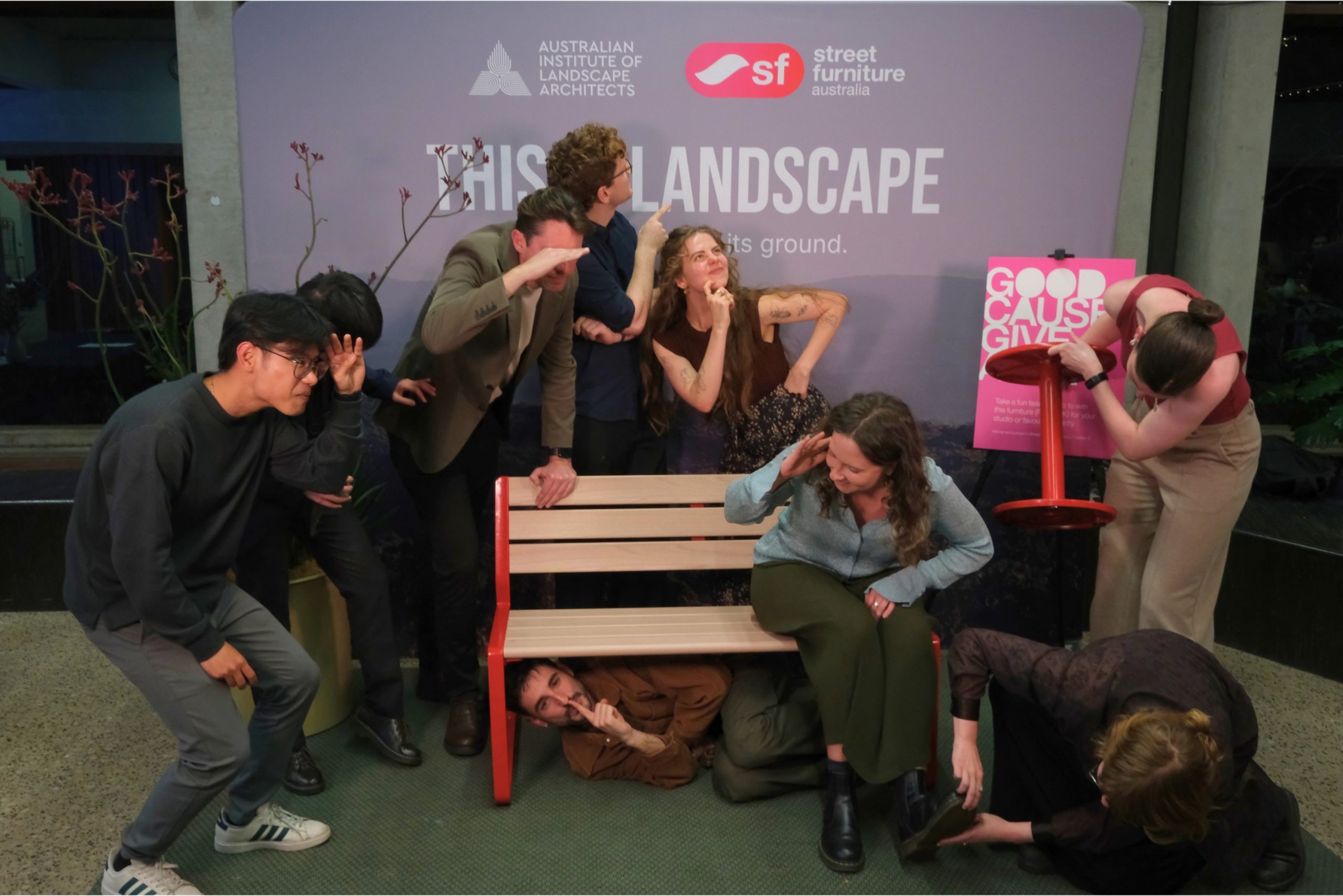
2026 AILA Awards: Good Cause Giveaway
See highlights of all the outstanding creative photos from the 2026 AILA Awards Good Cause Giveaway, and discover which studio team won over 3k worth of furniture for... Read More
-
Join us for West Fest 2026: Designing in Belonging
A half-day knowledge exchange hearing from local built environment experts on fostering a sense of belonging in an increasingly dense, digital society. Read More
-
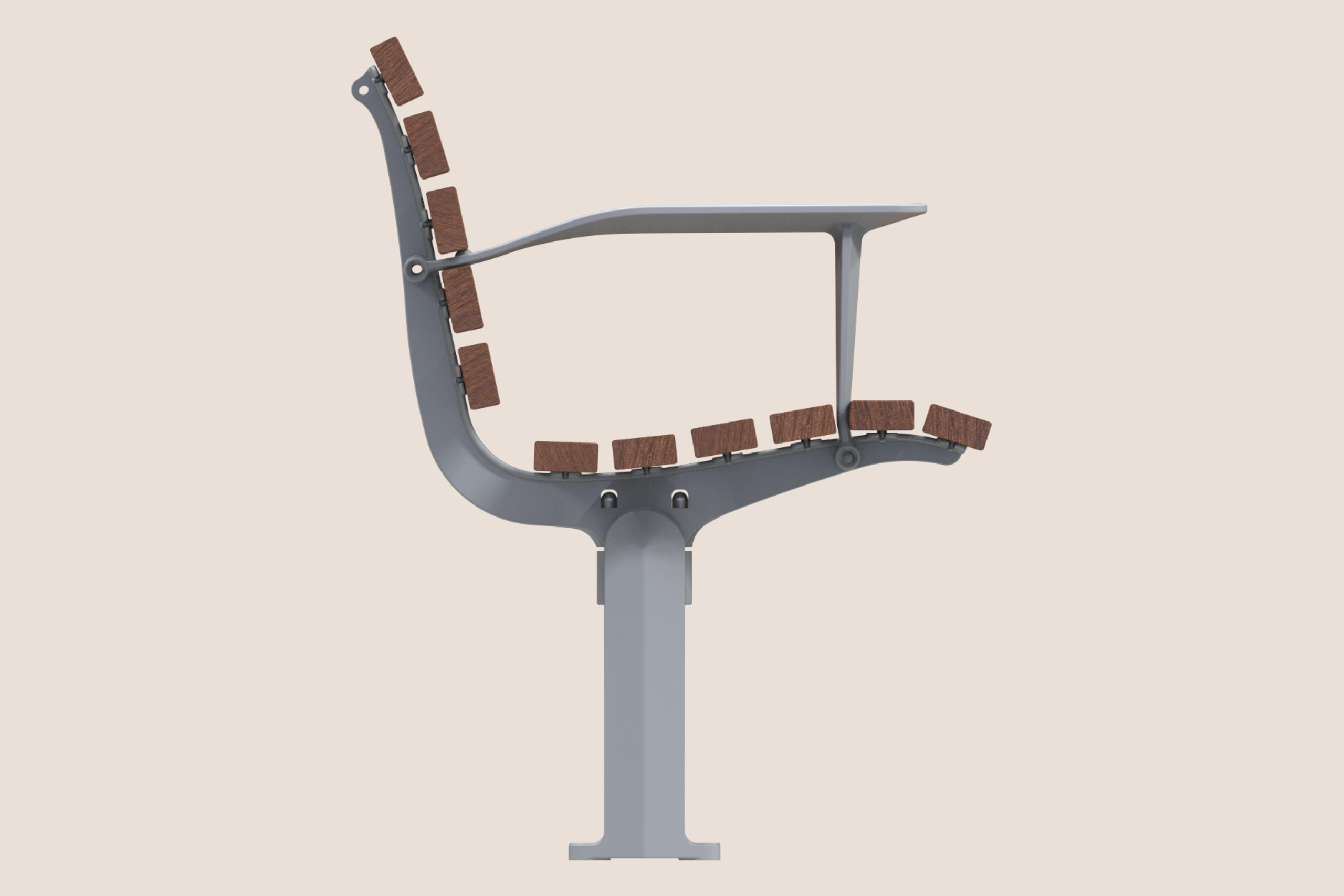
Introducing the new Pillar Leg
Street Furniture Australia’s new Pillar Leg is slimmer but sturdier. Discover what goes into a furniture leg, from fixing and accessibility to design. Read More
-
14th Street Y: From active space to community
How did a quiet gym lobby bring together 420+ locals? Learn how 14th Street Y uses social infrastructure and cheap coffee to build community. Read More
-
The design story behind Aria Bin
By Francis McArdle, Lead Designer of Aria Bin. There may be no piece of public infrastructure more overused and underappreciated than the humble bin. A basic necessity in... Read More
-
Should heat be regulated?
What if cities regulated heat like fire and flooding? ASLA explores how thermal performance could become a standard part of urban design. Read More