Accepting wildlife as part of the city
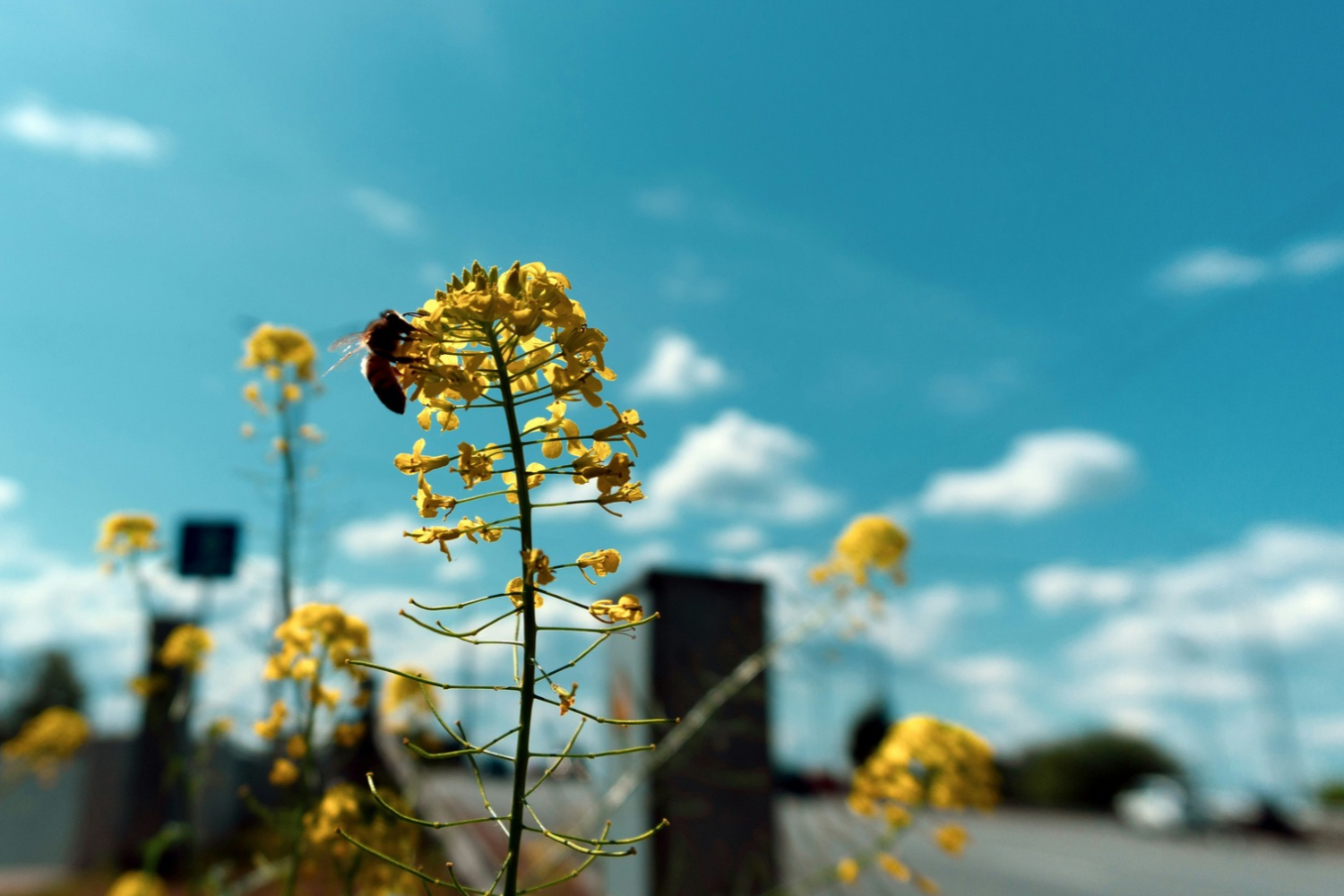

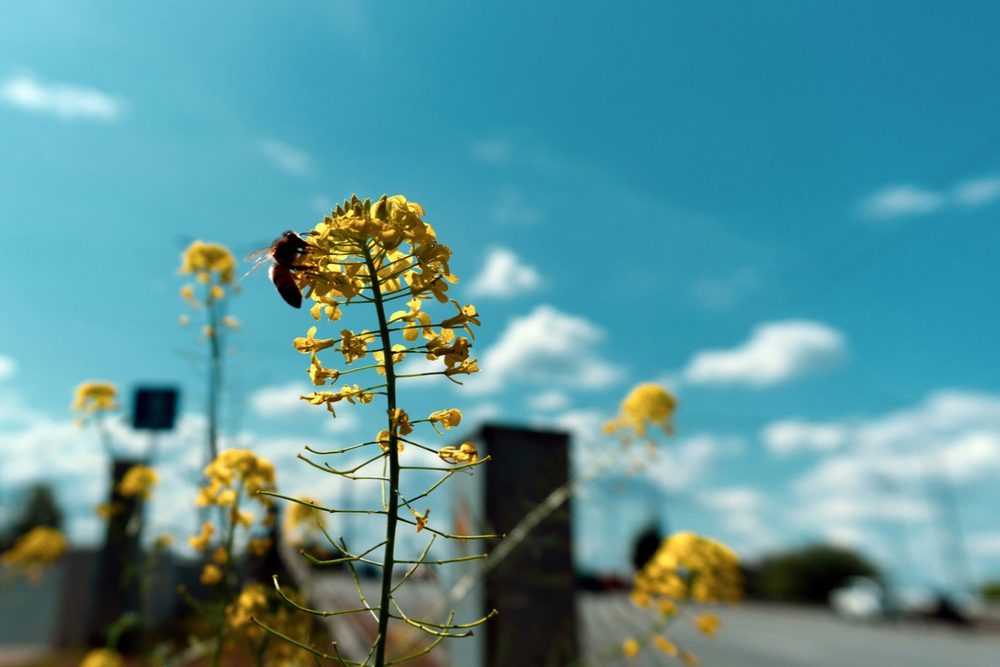
Animals shared the land long before cities existed, yet modern urban planning often treats wildlife as an afterthought. Landscape architect Angelo Renna argues in Designboom that cities must move beyond purely human development toward multispecies evolution.
To welcome wildlife back into urban spaces, Renna sets out eight practical principles influenced by British philosopher Bertrand Russell—”It’s coexistence or no existence.” The shift starts with community stewardship, where residents learn to understand local animal behaviour rather than fear it. Simple changes to everyday habits, like mowing less frequently and leaving empty soil patches for wild plants to colonize, allow diverse ecosystems to replace sterile monocultures.
Renna also challenges urban designers to rethink construction materials and streetscape details. What builders usually dismiss as flaws, like porous stone and unmortared cracks, can serve as vital microhabitats for insects. Fallen logs shelter over 40% of wildlife species, while shallow water features give amphibians breeding grounds and supply butterflies with essential minerals.
Louis Le Roy’s Écokathedrale in the Netherlands proves how well this works in practice. Constructed from discarded bricks and paving stones stacked without mortar, the structure deliberately leaves open cavities across its walls, inviting plants and wildlife to move in and reshape the site over time.
With global wildlife populations declining by more than two thirds over the past fifty years, welcoming wildlife back requires a fundamental shift in mindset. “We should envision the city of the future not merely as an urban development process, but as a process of co-evolution among different species within a shared living habitat,” says Renna.
Read all eight principles on Designboom.
-
Designing for Belonging: Key Insights from WEST FEST 2026
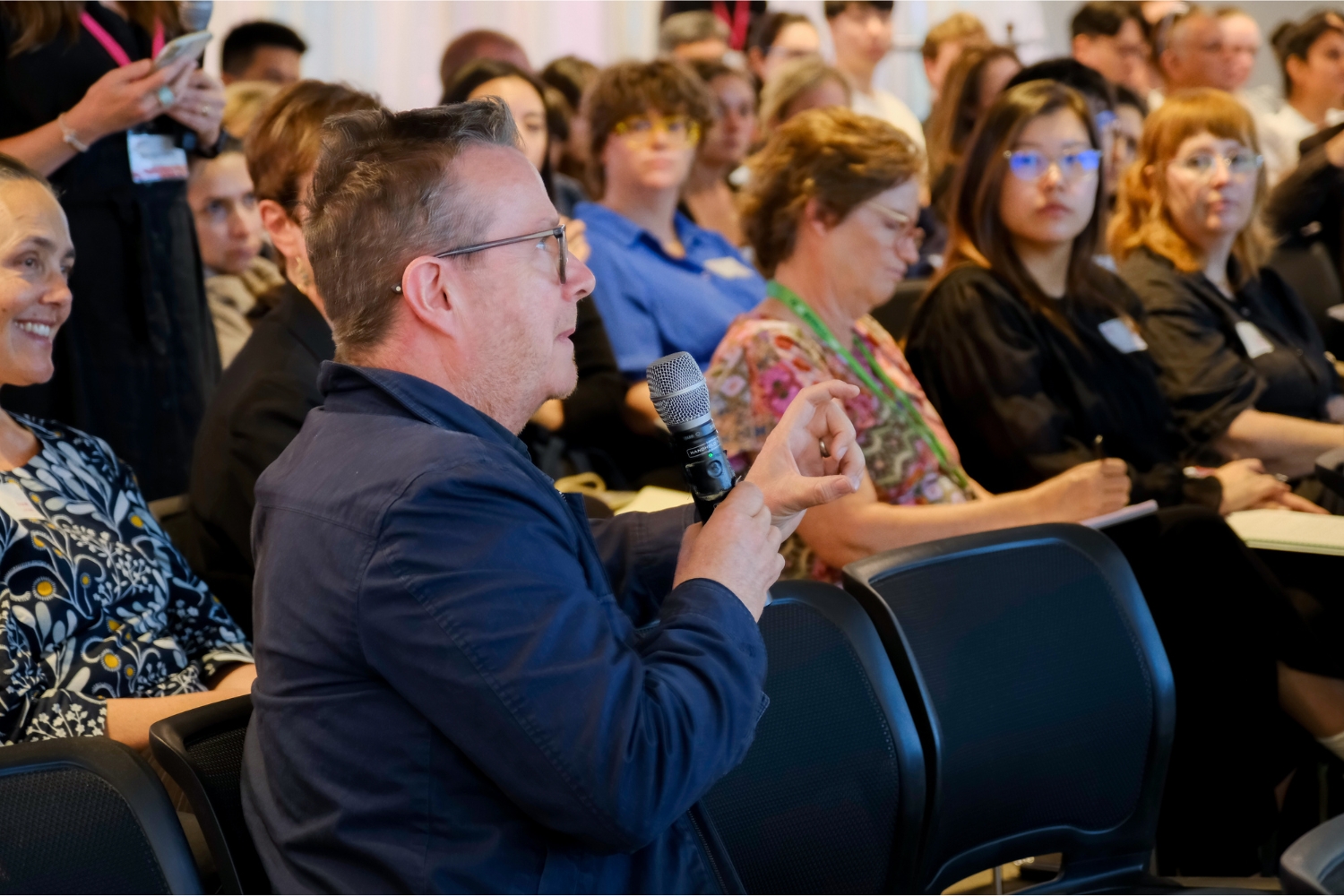
On Tuesday 10 November over 200 built environment professionals from government, landscape architecture, planning and academia gathered in Parramatta NSW and via livestream to consider the question: As... Read More
-
Design as storytelling: How AI is transforming the built experience
Is AI replacing human creativity? Gensler Co-CEO Jordan Goldstein argues AI is here to amplify it, transforming static blueprints into living, emotional stories. Read More
-
Why furniture in schools is failing teenagers and what you can do about it?
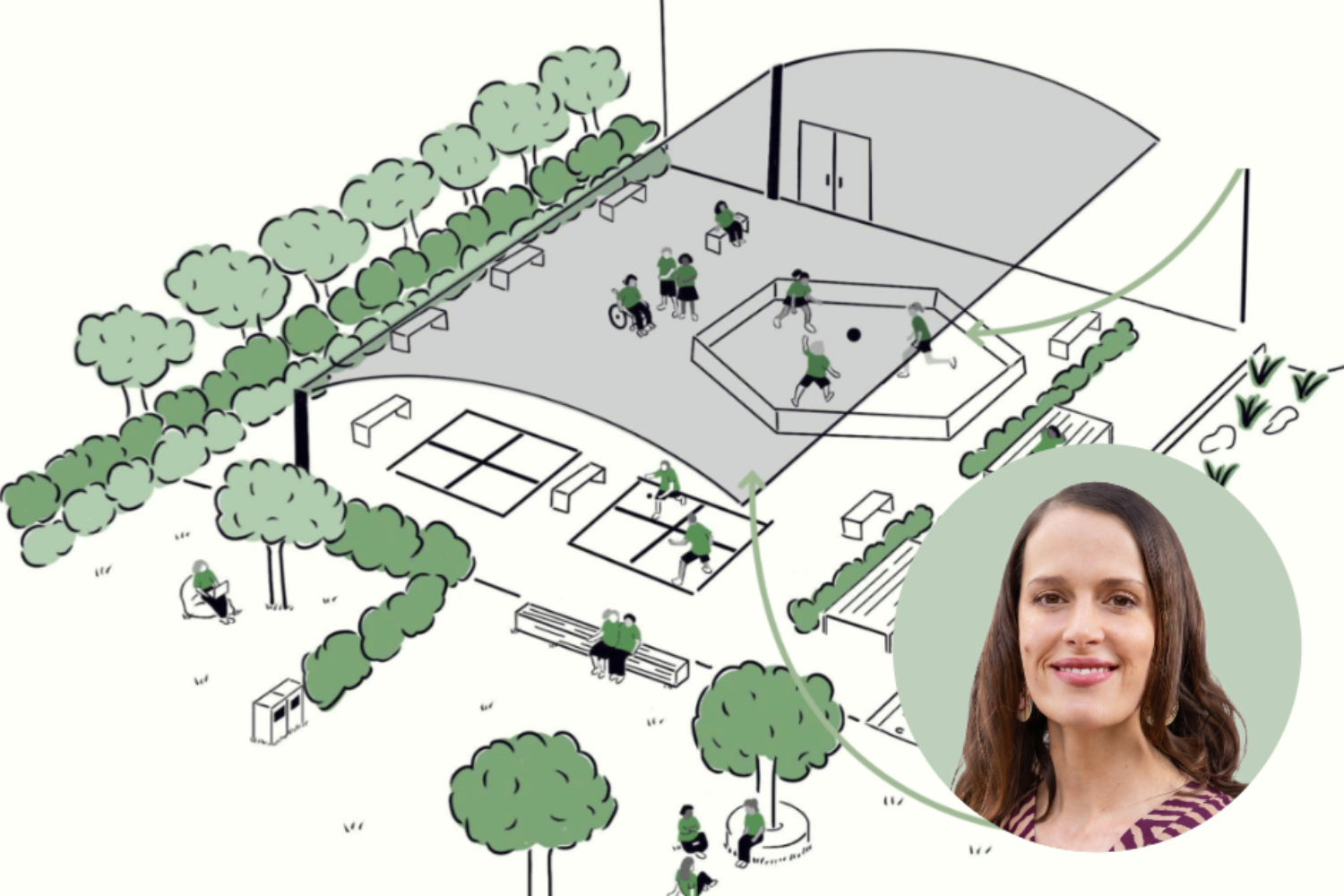
From the multi award-winning Schoolyard Greenprint research project, Hannah Richardson shares why thoughtful furniture matters for teen wellbeing. Read More
-
Join us for West Fest 2026: Designing for Belonging
A half-day knowledge exchange hearing from local built environment experts on fostering a sense of belonging in an increasingly dense, digital society. Read More
-
COP31 unites Australia and the Pacific
Australia and Pacific nations unite at COP31 to tackle climate change, advance renewable energy and address the region’s urgent climate challenges. Read More
-
2026 AILA Awards: Good Cause Giveaway
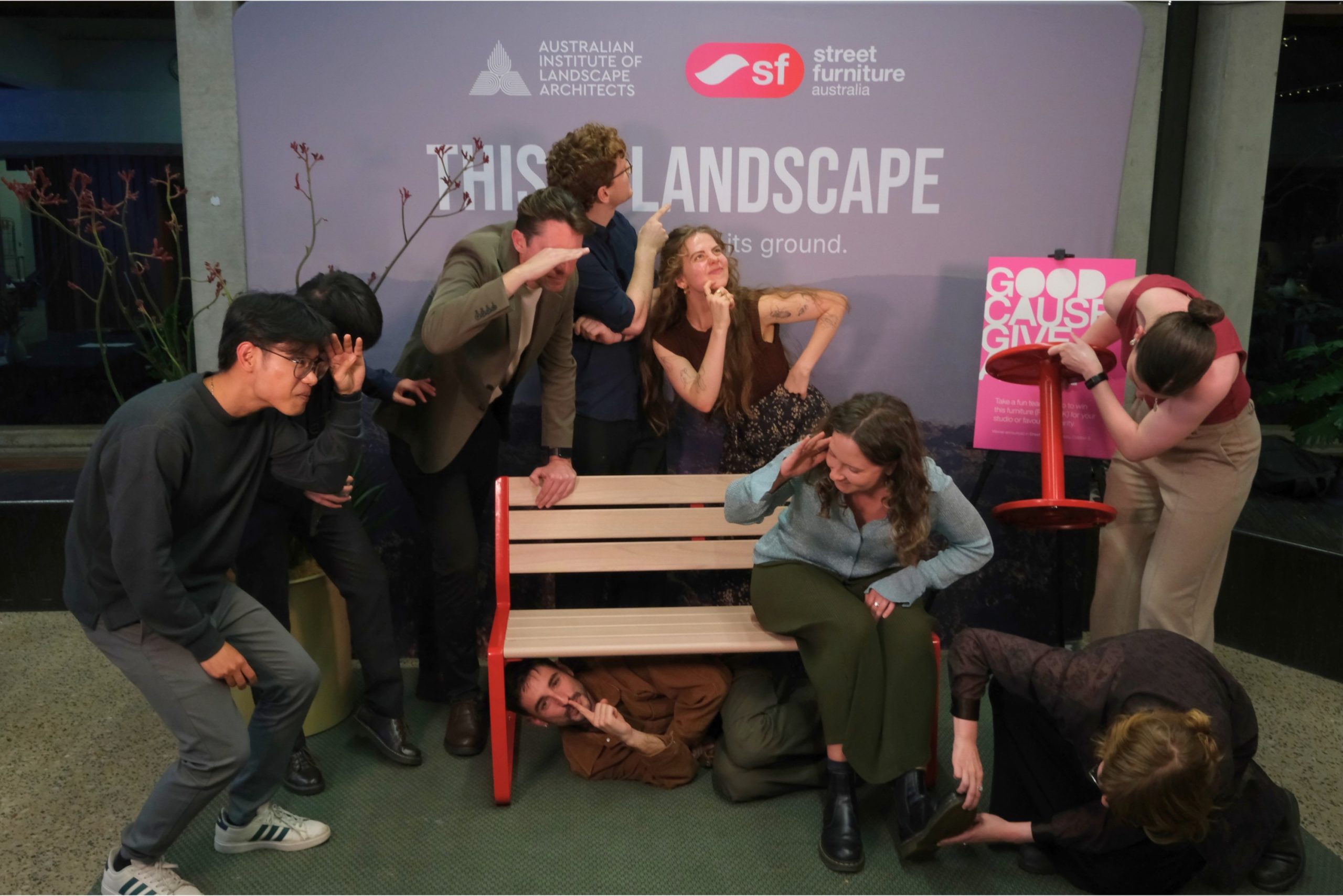
See highlights of all the outstanding creative photos from the 2026 AILA Awards Good Cause Giveaway, and discover which studio team won over 3k worth of furniture for... Read More