Trend Watch July 2024
Upcoming Events
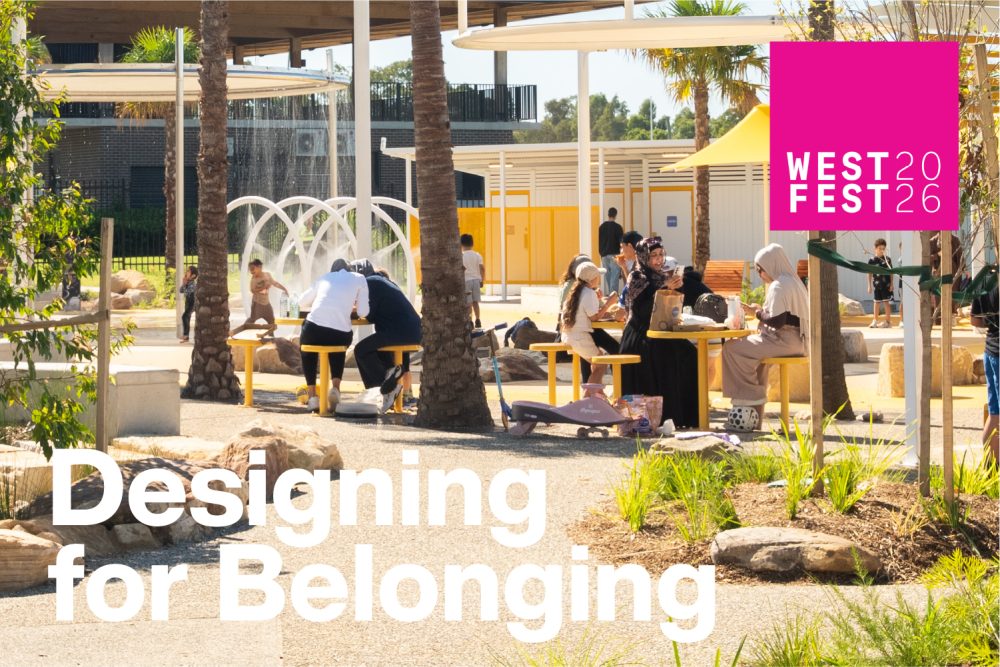
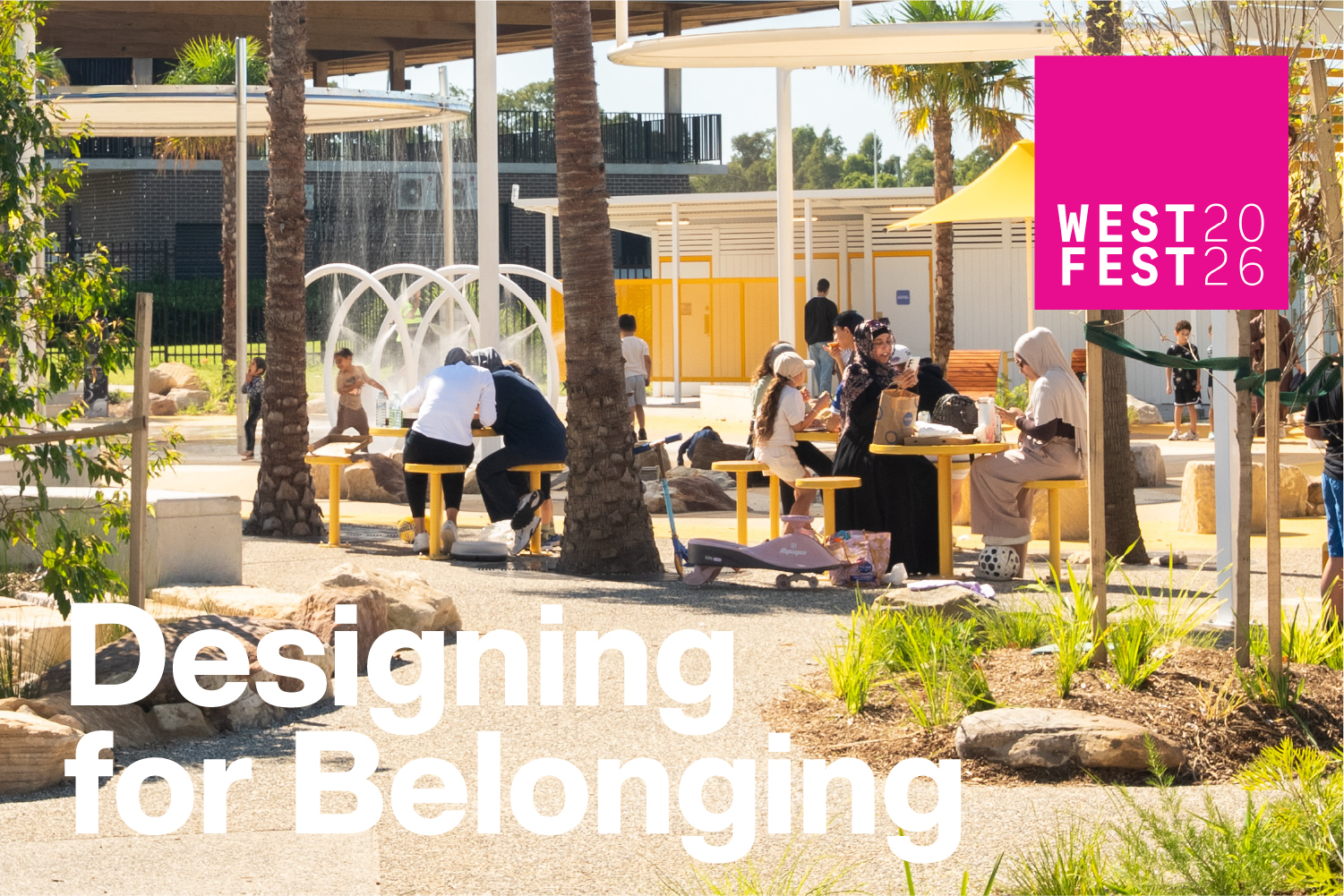
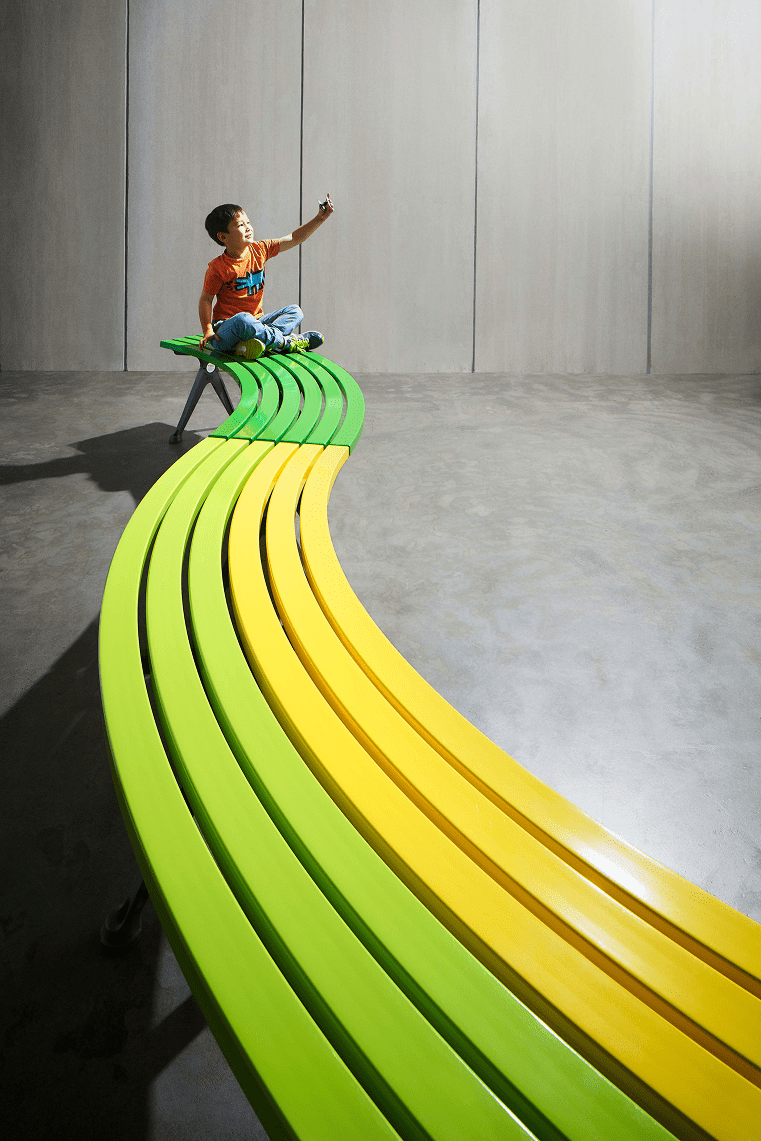
Join us for West Fest 2026: Designing in Belonging
A half-day knowledge exchange hearing from local built environment experts on fostering a sense of belonging in an increasingly dense, digital society.
Read more

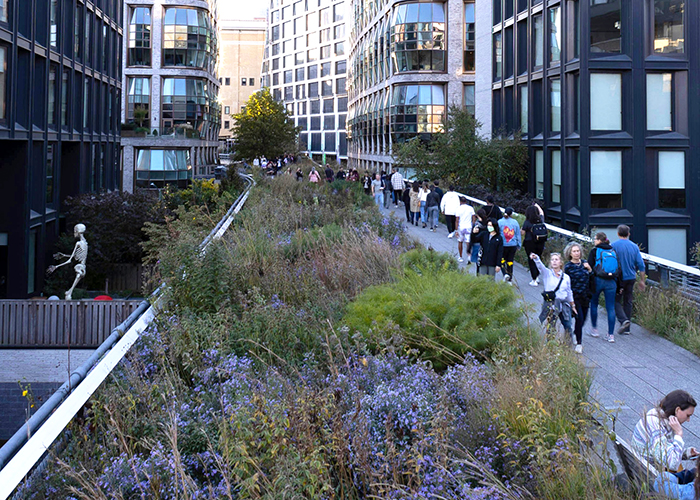
The New York High Line opened 15 years ago – what lessons has it taught us?
This month marks the 15th anniversary of The High Line – New York’s 1.5-mile-long park built on a historical freight line on Manhattan’s west side. The High Line has become an iconic New York place, with planting design by Piet Oudolf.
Marking its 15th Anniversary, New York Times writer Margaret Roach explores lessons the The High Line has taught us “With its unique man-made garden beds 30 feet above street level, filled with only an 18-inch layer of soil”.
Roach writes, “There are ten horticulturists up there trying to foresee the plants’ every move. They work to respect Mr. Oudolf’s artistic and ecological intentions without being unrealistic about how insistent the forces of natural succession can be — even within the confines of a 30-foot-wide planting bed.”
The High Line may look like it has been created naturally by nature, however Richard Hayden, The High Line’s Senior Director of Horticulture stresses that these are “not set it and forget it gardens”.
Senior Horticultural Supervisor, John Gunderson, said the challenge is “To make something look like it’s happened over years, when in fact it’s just constantly being manipulated a little bit, always keeping that vision of patterns you would find in nature.” There is constant editing — cutbacks, thinning, weeding — which continues to create the illusion of The High Line.
Not only human New Yorkers enjoy the The High Line, with many migratory birds, bees and other wildlife finding sanctuary there.
Read the full article and lessons learnt from The High Line here.
Reclaiming our vanishing third places
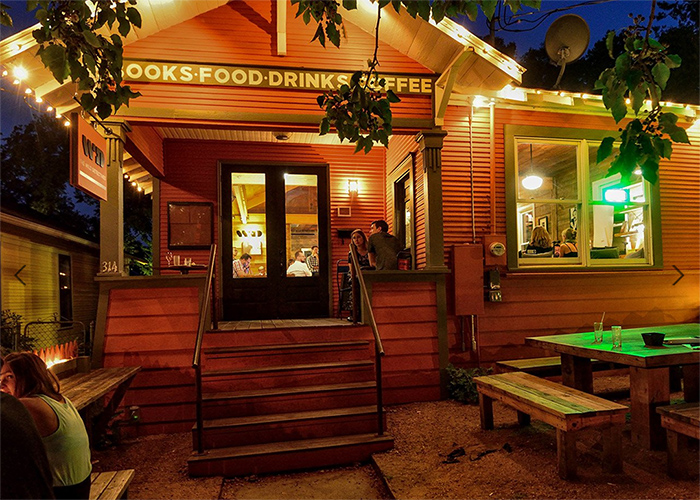
Coined in 1989 by Ray Oldenburg, ‘third places’ are social surroundings that are separate from the two main social environments of home (first place) and workplace (second place). Third places create connections, support the local economy, build communities and encourage civic engagement.
A recent webinar for On The Park Bench, A Public Square Conversation examines the disappearance of our ‘third places’. The webinar, titled ‘Vanishing third places and what can be done’ was presented by Jaime Izurieta of Storefront Mastery and Rik Adamski of ASH+LIME, and has been summarised in the CNU Journal Public Square by Editor Robert Steuteville.
Exploring Adamski’s third place case studies, Steuteville notes that these places work when they are vibrant, have multi sources of monetisation with strong programming and inside and outside space.
To easily create a Third Place, Izurieta says, “provide a bench in any area – this forces people to connect. Have a sign that says ‘Stay A While’.
Adamski says “opportunities are everywhere, if you think creatively”.
Read Robert Steuteville’s summary here or listen to the webinar.
-
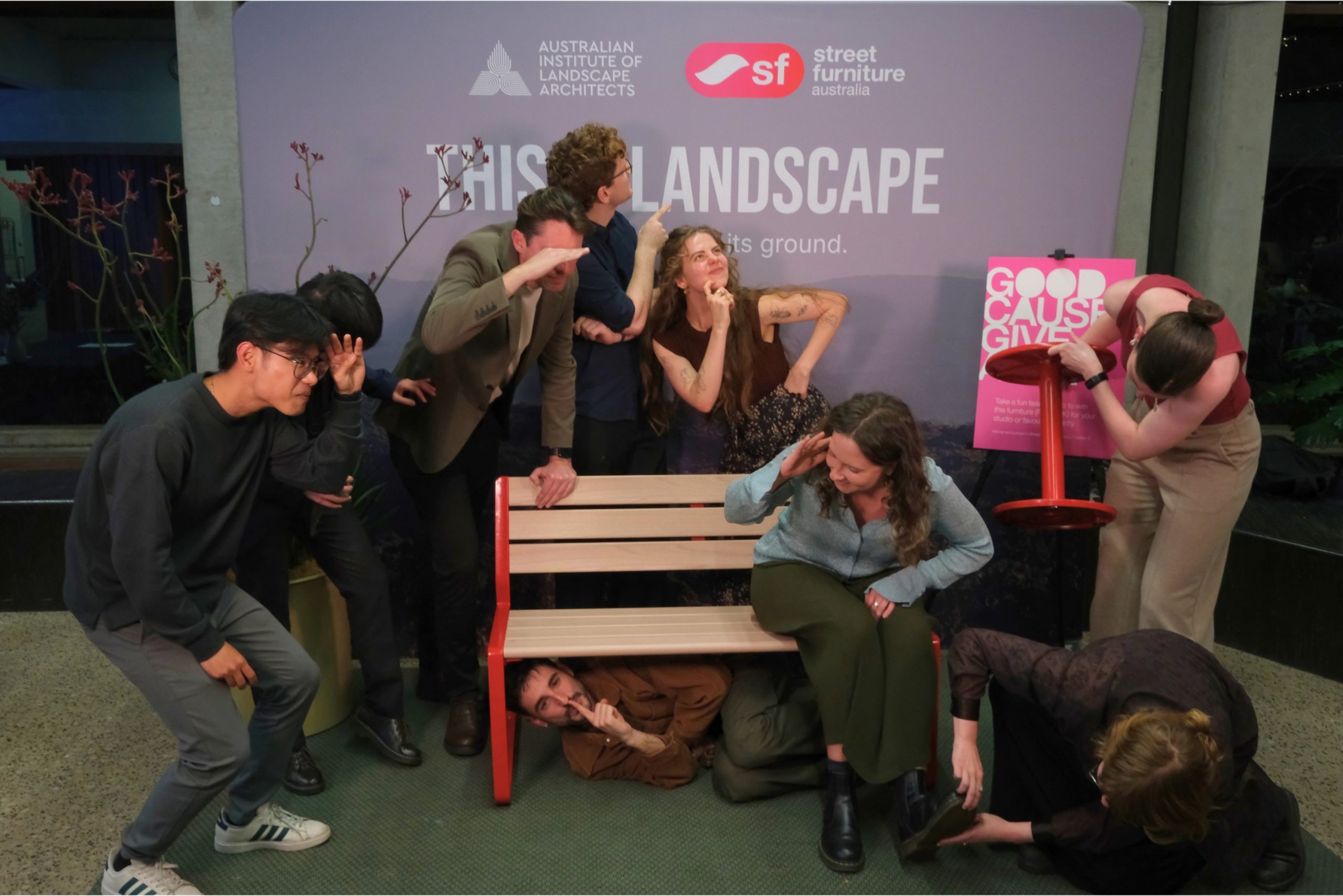
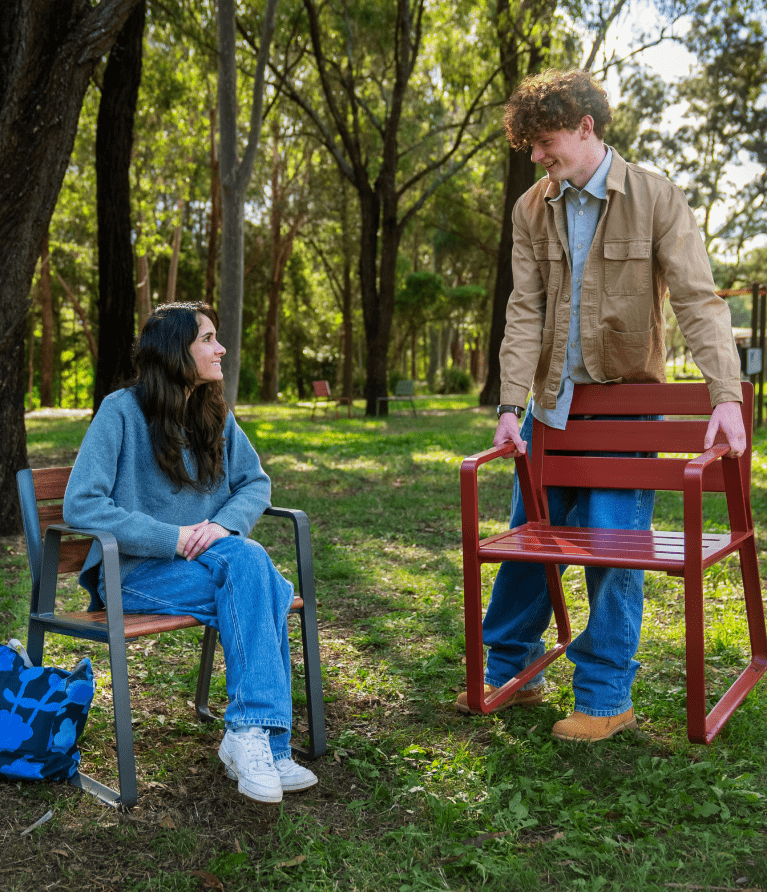
2026 AILA Awards: Good Cause Giveaway
See highlights of all the outstanding creative photos from the 2026 AILA Awards Good Cause Giveaway, and discover which studio team won over 3k worth of furniture for... Read More
-
Join us for West Fest 2026: Designing in Belonging
A half-day knowledge exchange hearing from local built environment experts on fostering a sense of belonging in an increasingly dense, digital society. Read More
-
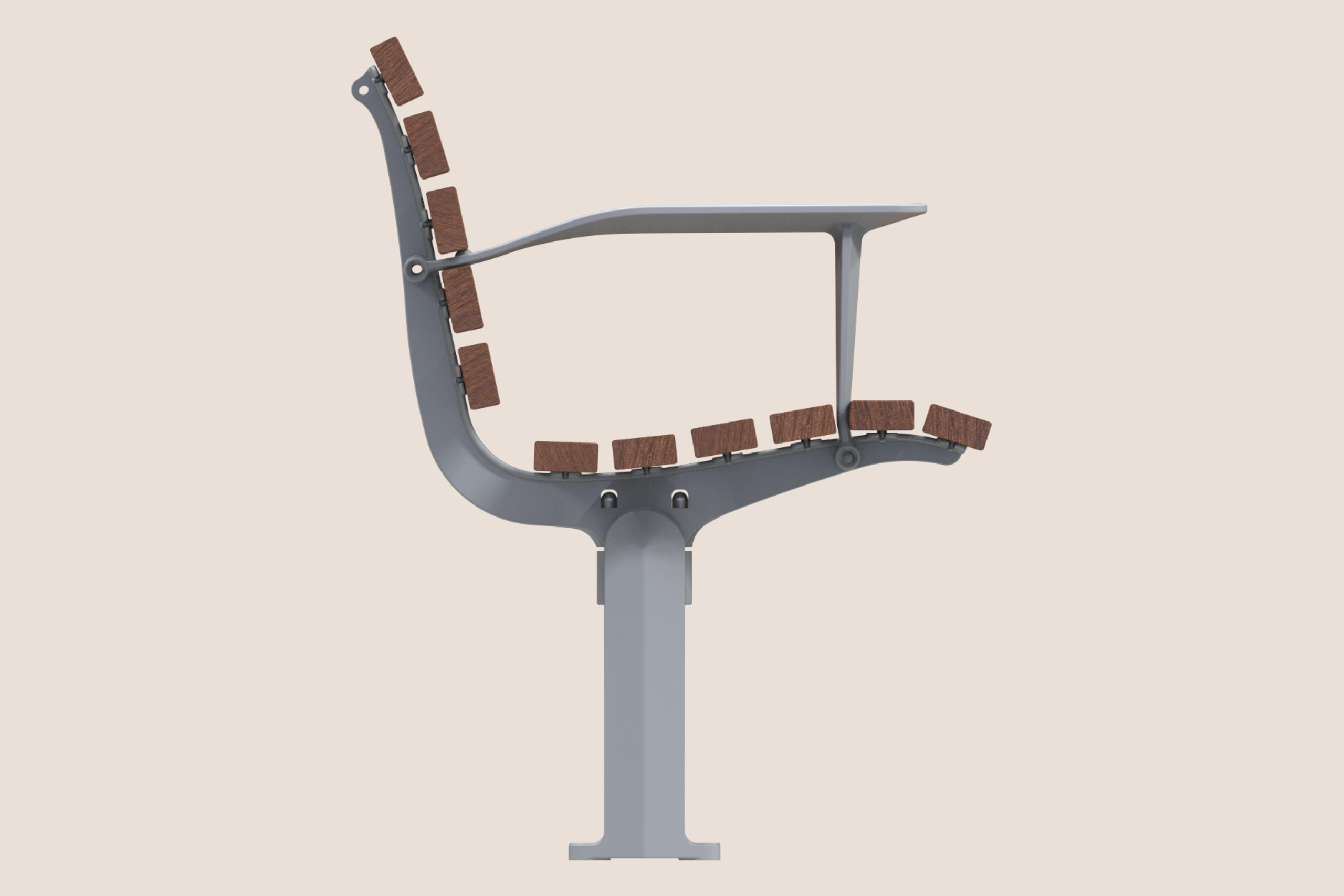
Introducing the new Pillar Leg
Street Furniture Australia’s new Pillar Leg is slimmer but sturdier. Discover what goes into a furniture leg, from fixing and accessibility to design. Read More
-
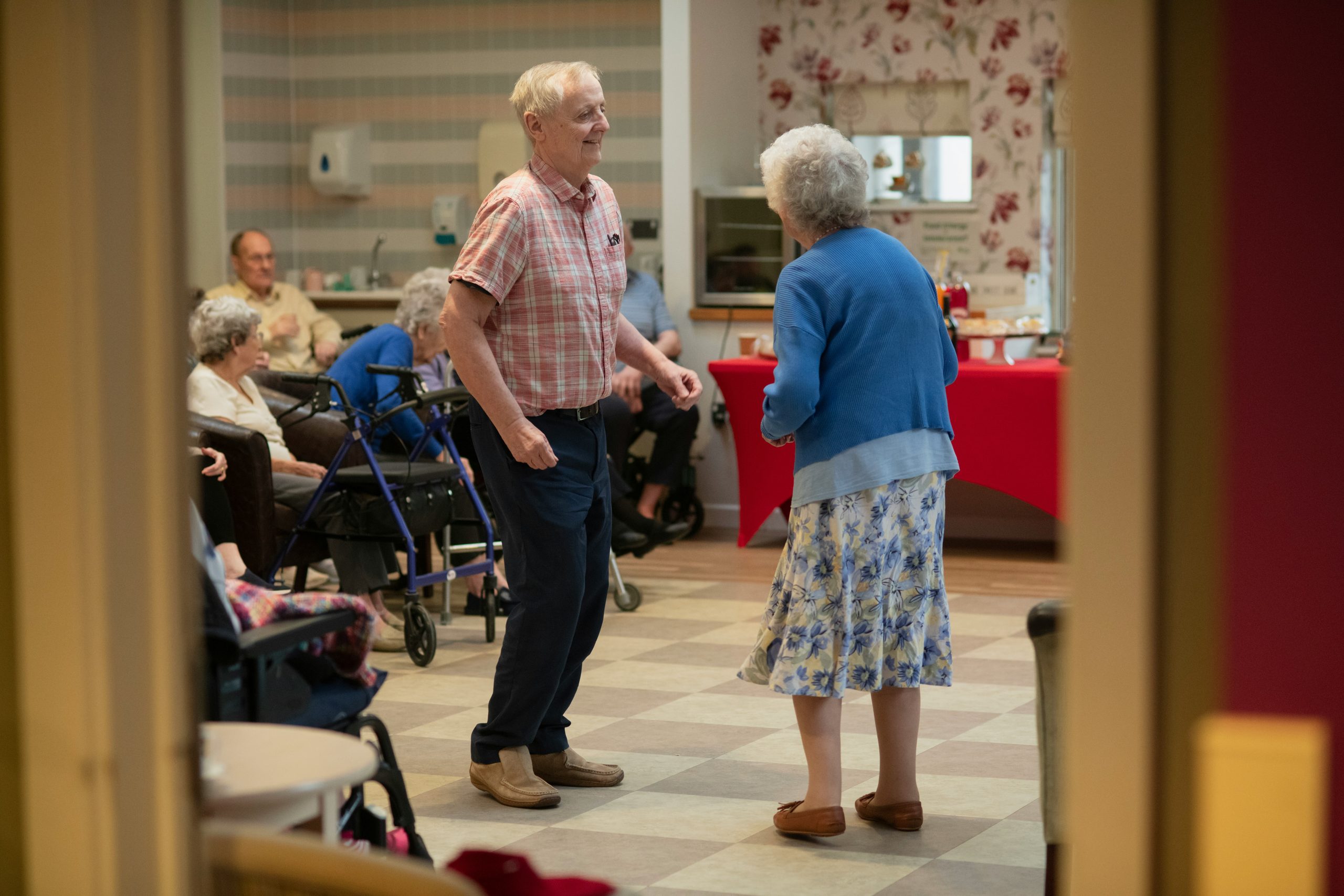
14th Street Y: From active space to community
How did a quiet gym lobby bring together 420+ locals? Learn how 14th Street Y uses social infrastructure and cheap coffee to build community. Read More
-
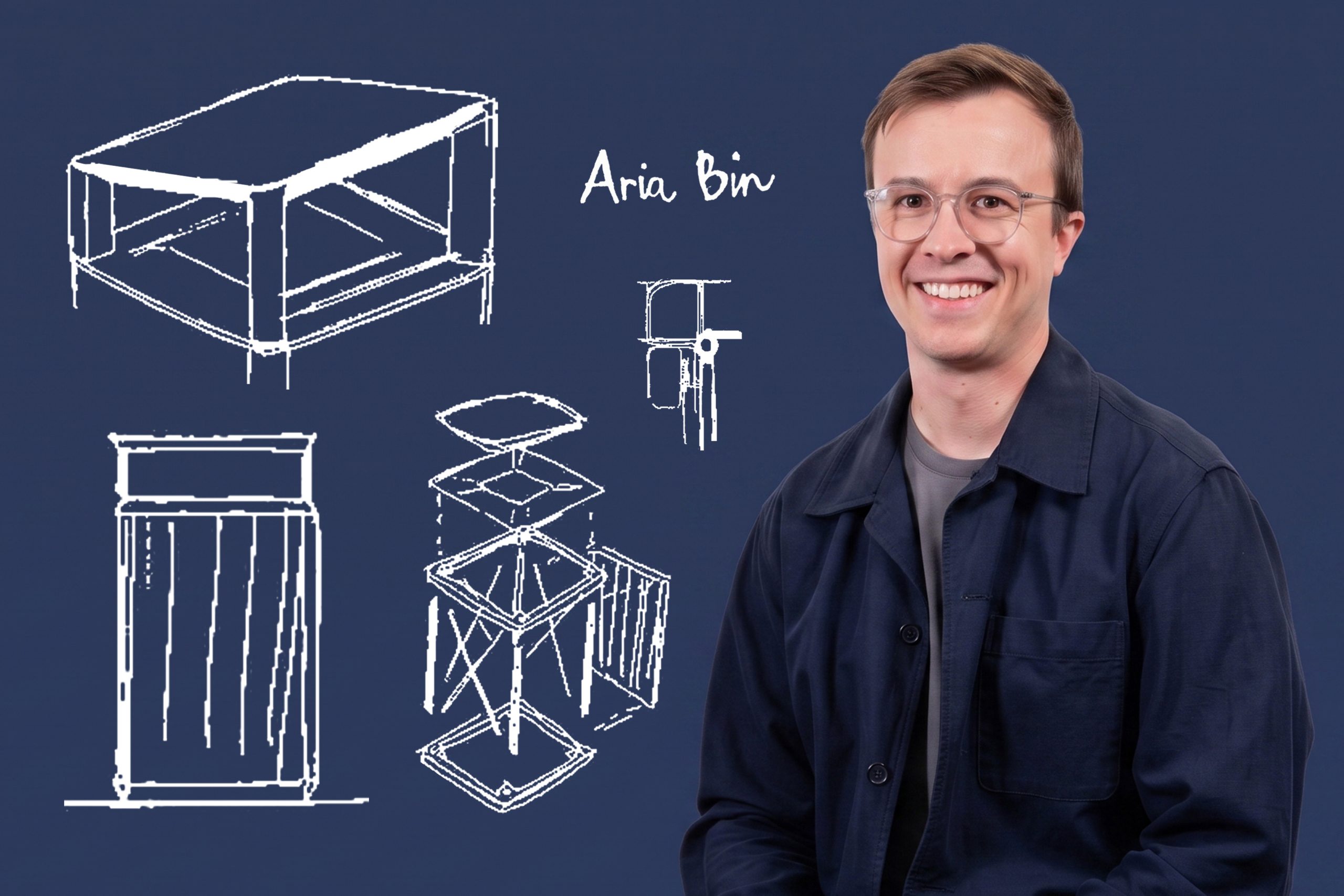
The design story behind Aria Bin
By Francis McArdle, Lead Designer of Aria Bin. There may be no piece of public infrastructure more overused and underappreciated than the humble bin. A basic necessity in... Read More
-
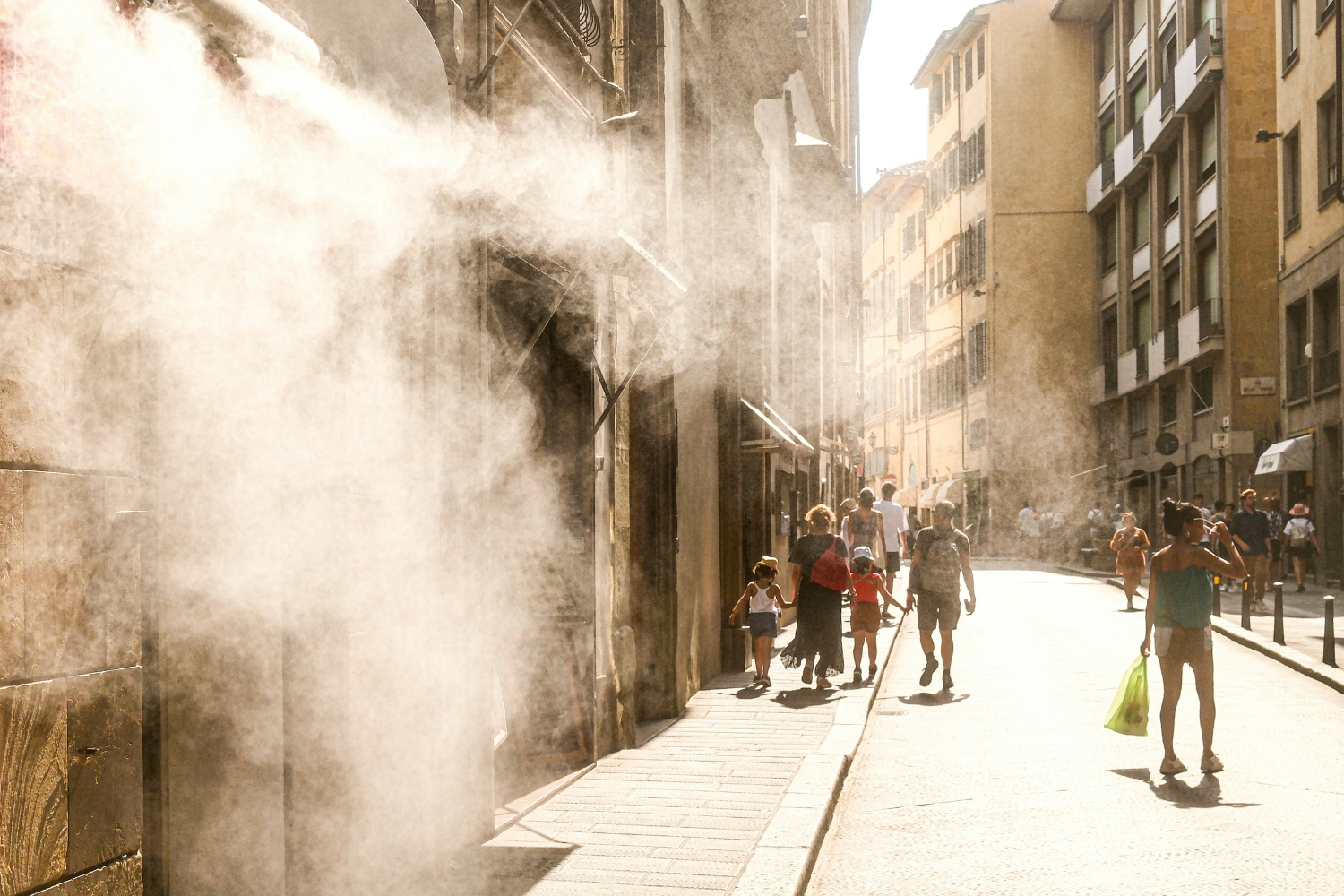
Should heat be regulated?
What if cities regulated heat like fire and flooding? ASLA explores how thermal performance could become a standard part of urban design. Read More