Trend Watch April 2024

Upcoming Events
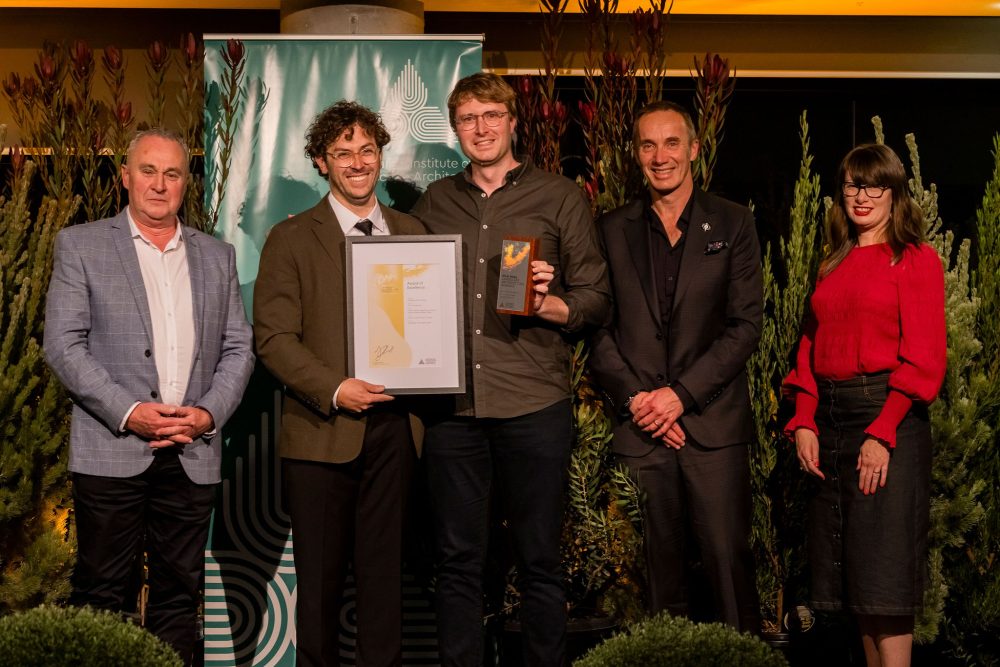
AILA Chapter Awards 2026: Seven Cities, Seven Nights
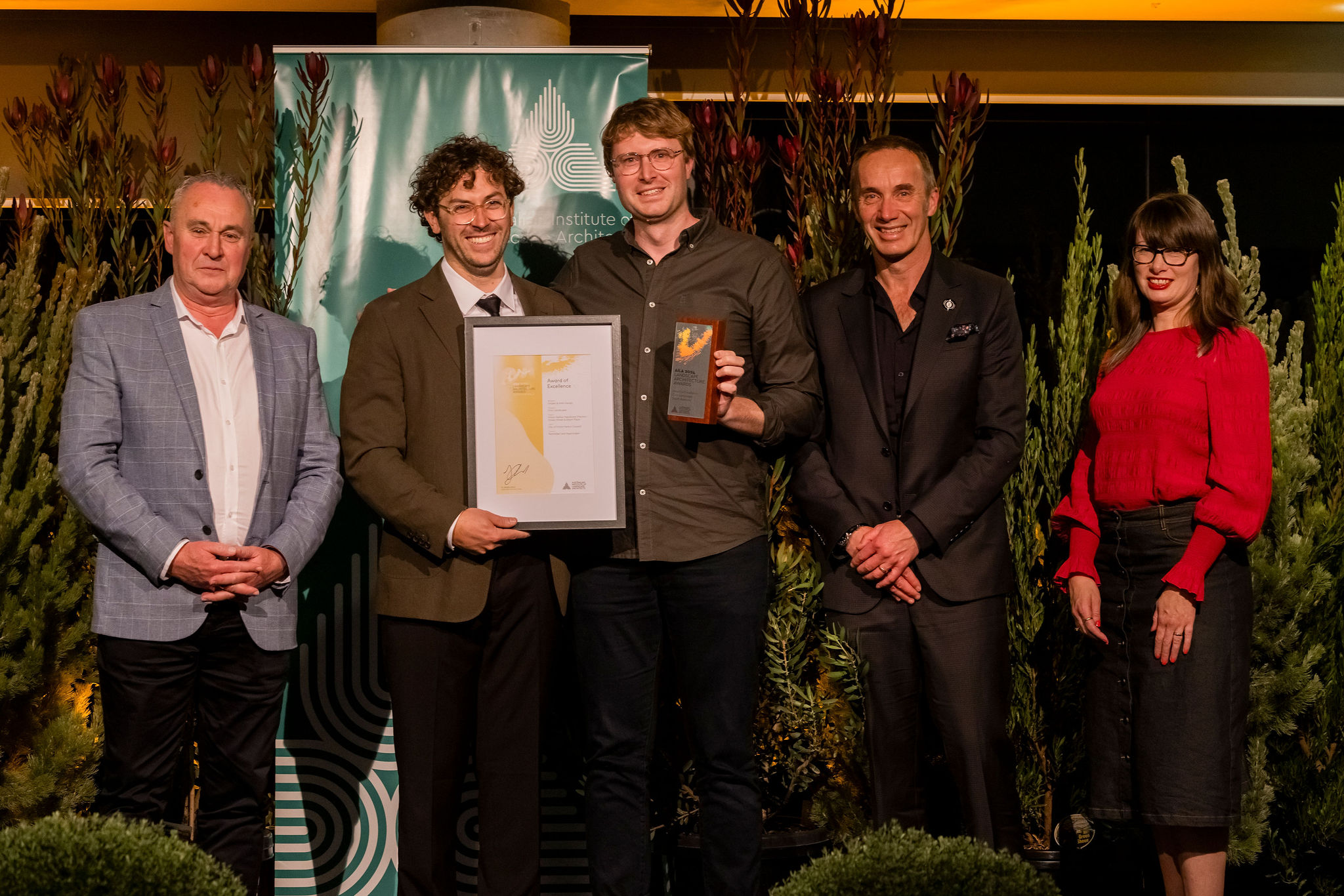
Join Street Furniture Australia, Presenting Partner of the 2026 AILA Chapter Awards, as we celebrate Australian landscape architecture across seven cities and seven nights.
Read more


Guerilla urbanism “asking forgiveness, not permission”
A grassroots movement known as ‘guerilla urbanism’ is emerging in the US, where community groups bypass bureaucracy with innovative improvements to the urban spaces they care about. Their mantra is ‘ask forgiveness, not permission.’
The guerilla urbanism movement was the focus of a recent webinar hosted by the Congress for the New Urbanism (CNU) – ‘On the Park Bench: Guerilla Urbanism.’
Robert Steuteville from the CNU writes, “From toilet plungers for bike lanes to community gardens on vacant lots to locally sourced incremental development, citizens are finding creative ways to make urban space.”
During the webinar, small developer, Jason Hyman talks about a not for profit organisation in Houston D3tM, or Do the Things That Matter, guerilla urbanism that ‘disrupts’ existing systems to create change. They’ve been working on ‘disrupting’ the gentrification of Texas and bypassing the ‘traditional systems’ to create affordable housing for everyone. They take turns teaching each other, assisting with capital and sharing wisdom.
Planner for Houston, Margaret Brown, talks about taking a practical approach to creating better roads, noting the group, ‘Crosswalk Collective’ who paint their own crosswalks with yellow and white paint.
Each speaker encourages everyone to get involved in Guerilla Urbanism. Hyman said, “Be vocal. Get involved. Take action.”
Brown said, “Come and talk with us, be vocal.”
Read more and view the webinar on the CNU Journal, Public Square.
Photo: Margaret Brown at a Houston community garden, screenshot from the CNU webinar.

Could seating be the secret to boosting active travel?
The UK Walking and Cycling Index, a biennial study by Sustrans last published in 2023, offers research for understanding city centre active travel trends and how to better support walking, wheeling and cycling.
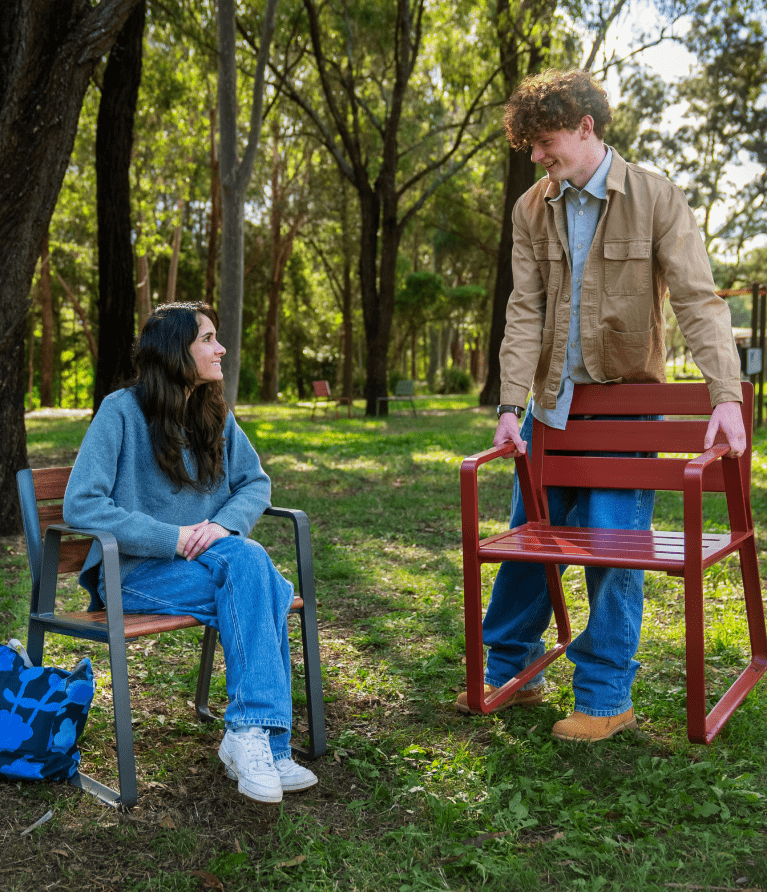
The People and Places Partnership, publisher of guides for LGAs on revitalising town centres, writes that “the most popular change to encourage residents to walk more is to create nicer places along streets to rest” – with benches, trees and shelters.
To encourage walking and wheeling, resting spots were found to be even more important to respondants than better pavement accessibility such as level surfaces and dropped kerbs, and than more frequent and quicker road crossings, they write.
Sixty percent of respondants agreed that increasing space for people socialising, walking and cycling on their local high street would improve their local area.
The partnership’s article also highlights key data around opportunities to increase the role of cycling in cities, trends around balancing modes of travel, and changes found by the Sustrans study over time. Read the full article.
Photo by Jorgen Larsen on Unsplash
-
Introducing Aria Bin: Make it yours
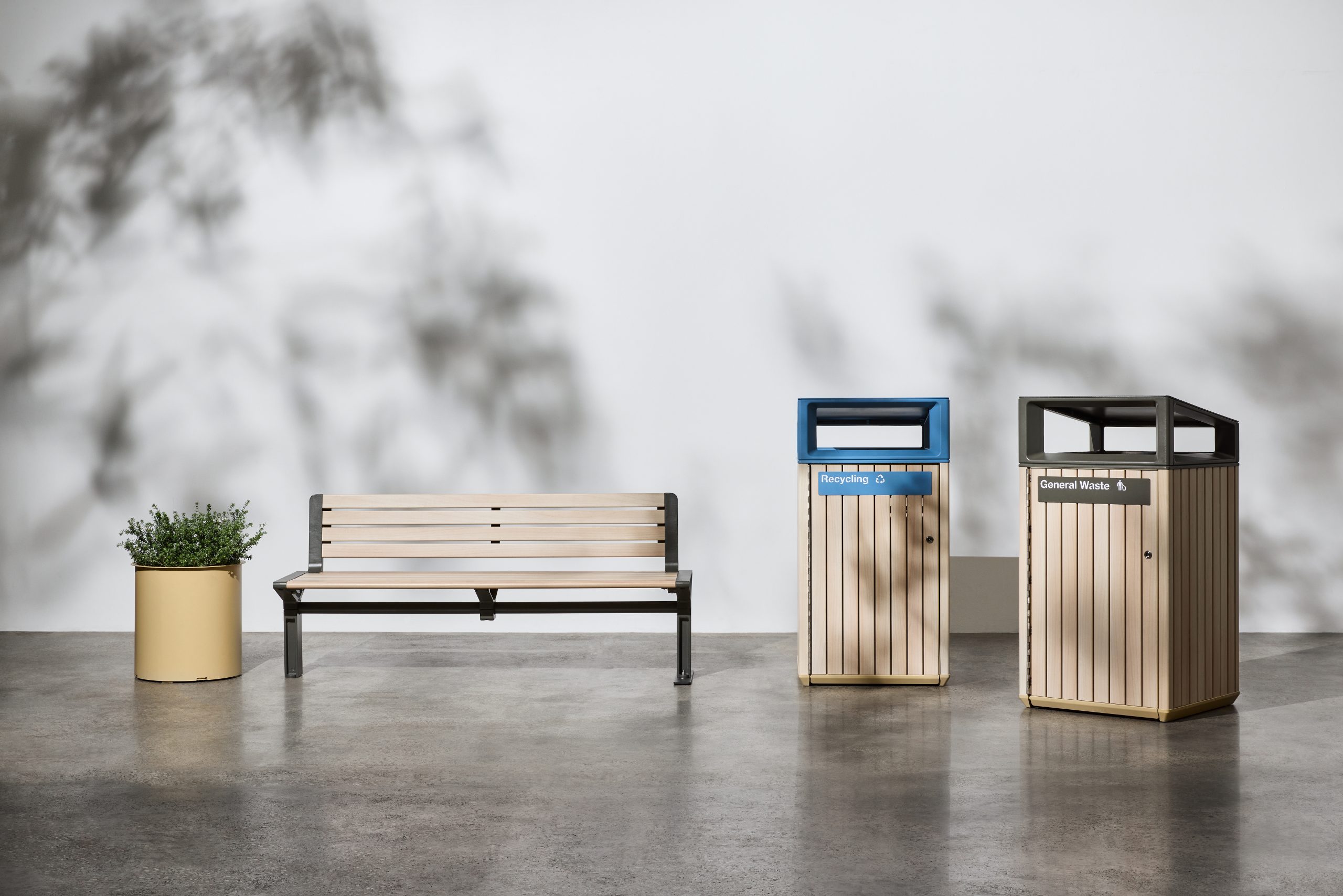
A modular, interchangeable, and customisable litter solution designed to elevate public spaces and simplify maintenance. Read More
-
The design story behind Aria Bin
By Francis McArdle, Lead Designer of Aria Bin. There may be no piece of public infrastructure more overused and underappreciated than the humble bin. A basic necessity in... Read More
-
Should heat be regulated?
What if cities regulated heat like fire and flooding? ASLA explores how thermal performance could become a standard part of urban design. Read More
-
GreenScapes 2026: Did Queensland’s newest landscape industry show deliver?
Explore highlights from GreenScapes 2026 as Street Furniture Australia reflects on QLD’s new landscaping and design industry show. Read More
-
What are Tiny Forests and why is everyone planting them?
From Melbourne to Perth, Tiny Forests are turning underused spaces into dense pockets of native bushland for wildlife, biodiversity and community. Read More
-
AILA Chapter Awards 2026: Seven Cities, Seven Nights
Join Street Furniture Australia, Presenting Partner of the 2026 AILA Chapter Awards, as we celebrate Australian landscape architecture across seven cities and seven nights. Read More
-
Designing for Parkinson’s: An award winning garden
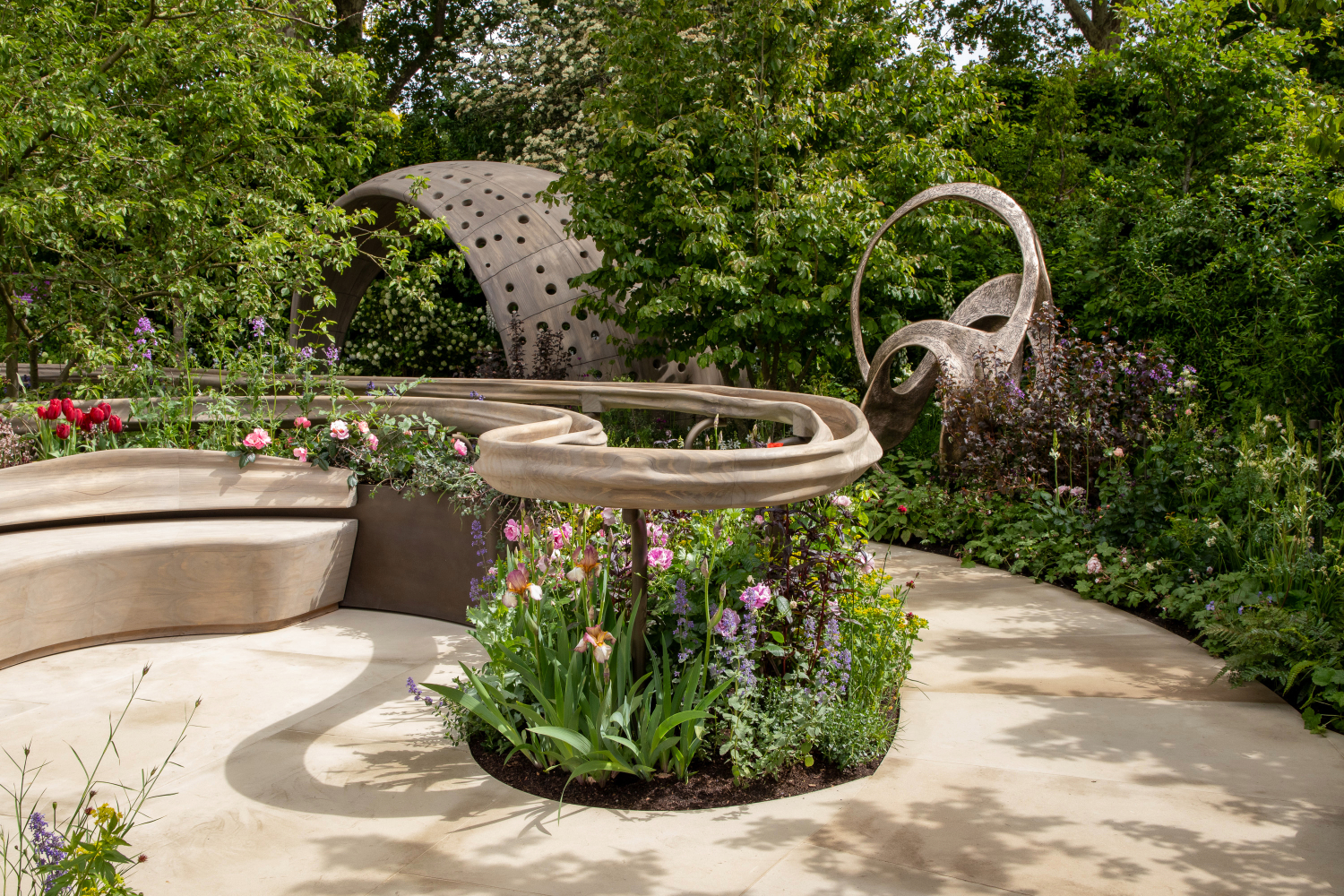
Arit Anderson's garden for Parkinson’s UK, uses wide stone paths, night lights, and water features to support people living with Parkinson's. Read More