Trend Watch May 2023

Upcoming Events
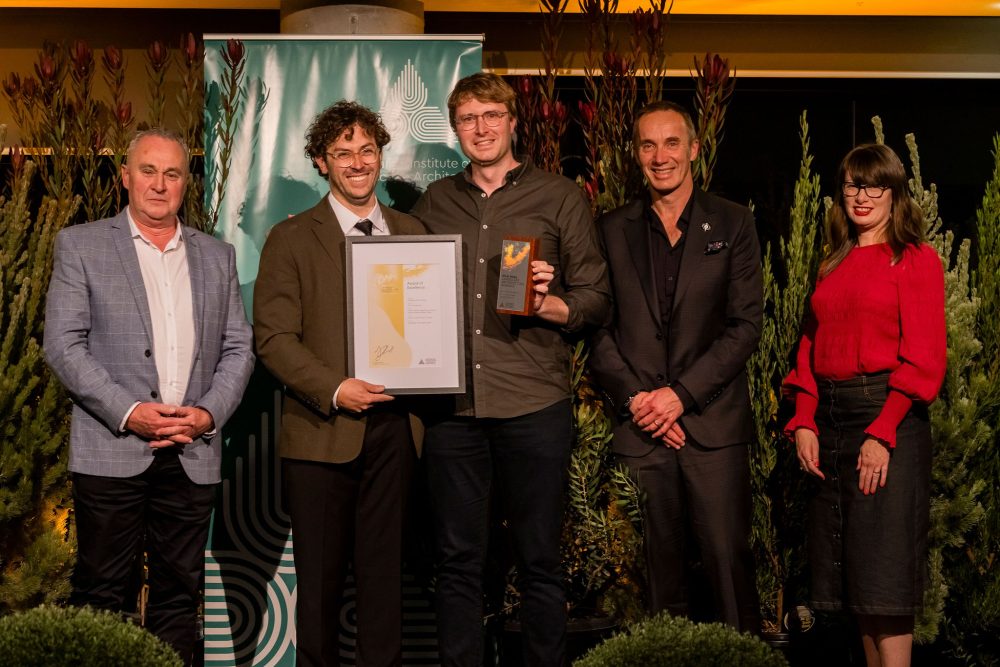
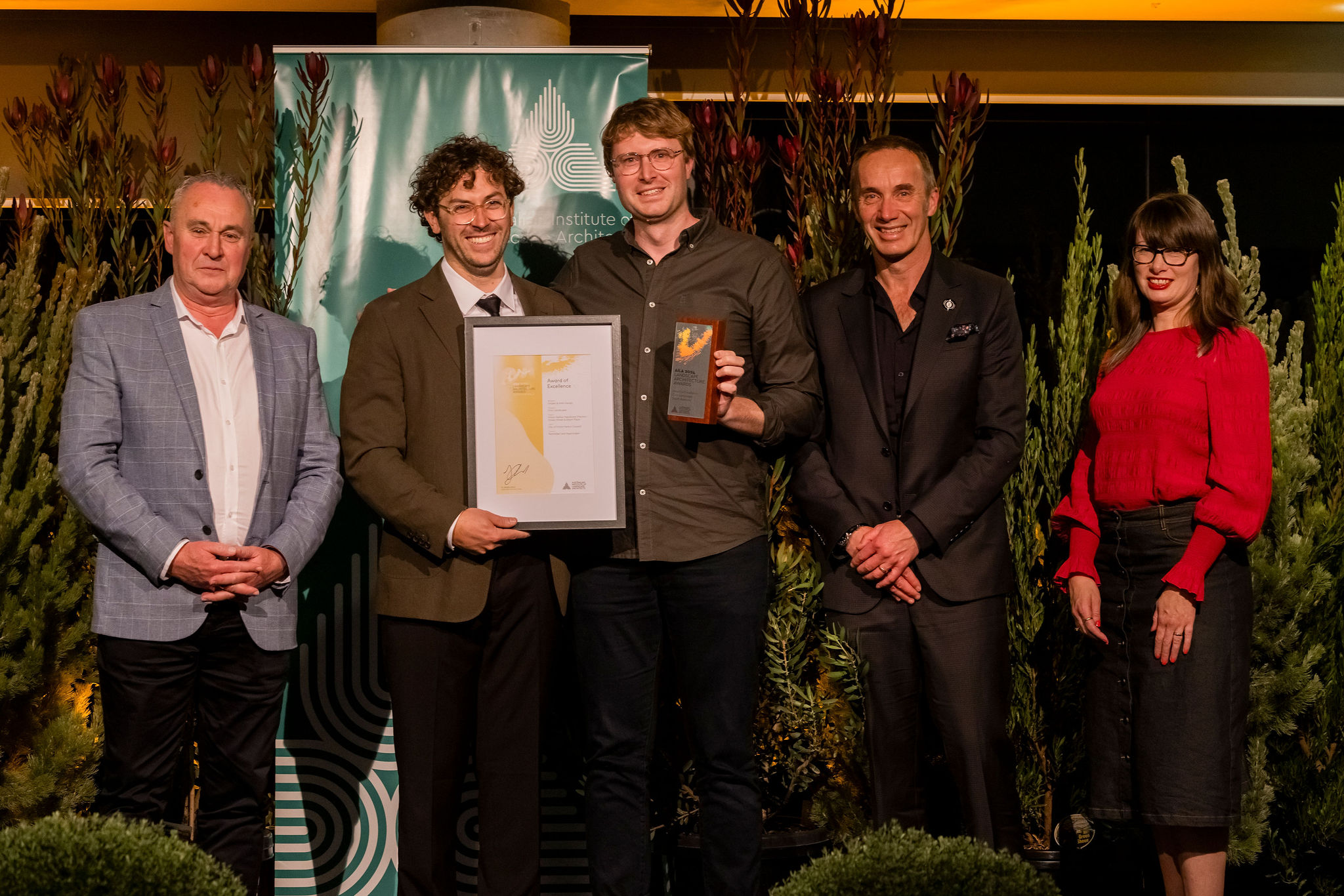
AILA Chapter Awards 2026: Seven Cities, Seven Nights
Join Street Furniture Australia, Presenting Partner of the 2026 AILA Chapter Awards, as we celebrate Australian landscape architecture across seven cities and seven nights.
Read more

Australian cities urged to go vertical and multidimensional:
Australian cities should look to Hong Kong as a model for creating more diverse, vibrant and sustainable urban environments, according to a place branding expert.
Tom Oliver Payne, Place Strategy Director at Hoyne, a place branding and property marketing agency, visited Hong Kong in 2023 and was impressed by the city’s vertical landscape. “Hong Kong is a city that defies gravity and logic. It is a city that celebrates verticality and multidimensionality. It is a city that uses every inch of available space to create different layers of activity, such as rooftop gardens, sky bridges, elevated walkways, underground malls and public transport networks,” he said.
He contrasted this with Sydney, Australia, where he lives and works, and where he sees a lack of vertical integration and diversity. He criticised the dominance of single-use towers that separate residential, commercial and retail functions, and the reliance on cars and roads that create congestion and pollution. He also noted the challenges that Sydney faces due to its rapid population growth, limited land supply and environmental pressures.
He proposed that Sydney and other Australian cities should learn from Hong Kong and adopt a more vertical and multidimensional approach to urban planning and design. He suggested that this would create more opportunities for social interaction, cultural expression, economic activity and environmental innovation. He envisioned a city where people can live, work, shop, play and connect in multiple dimensions, without having to travel long distances or compromise on quality of life.
He concluded by saying that verticality and multidimensionality are not just architectural concepts, but also cultural values that reflect a sense of curiosity, creativity and community.
Read more on the Hoyne website.
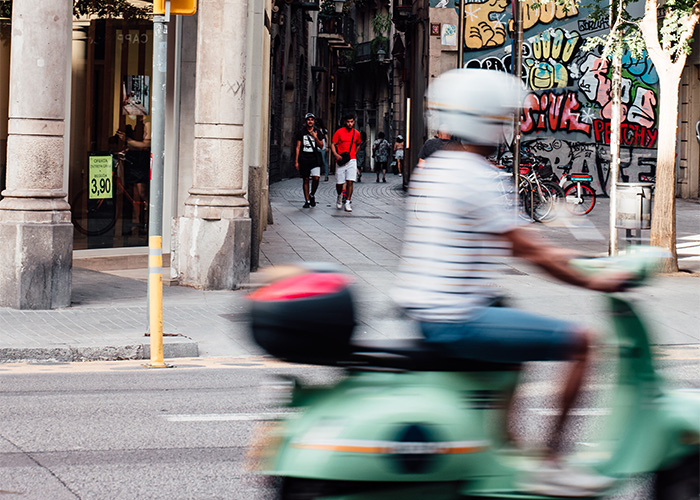
Barcelona digital twin visualises 15-minute city:
The Barcelona City Council (BCC) and Barcelona Supercomputing Center (BSC) are collaborating to produce a ‘digital twin tool’ to assist in urban planning, writes Adam Hill of ITS International.
Hill says the web platform will analyse Barcelona’s public facilities and the city’s adherence to the 15-minute city model.
Hill says, “The digital twin project seeks to understand how cities could work better by analysing data, evaluating resources, understanding the accessibility of services, and working with models that simplify the complexity, generating scenarios and visualising multiple variables (or combinations of variables) to help decision making.”
Its initial phase is now complete and shows active travel options, such as a short walk to the metro with stops before and after future L8 and L9 lines. The council and BSB say they will continue to develop this tool with more interrelated data.
For the full article visit ITS International.
Photo: real_ jansen on Unsplash.
-
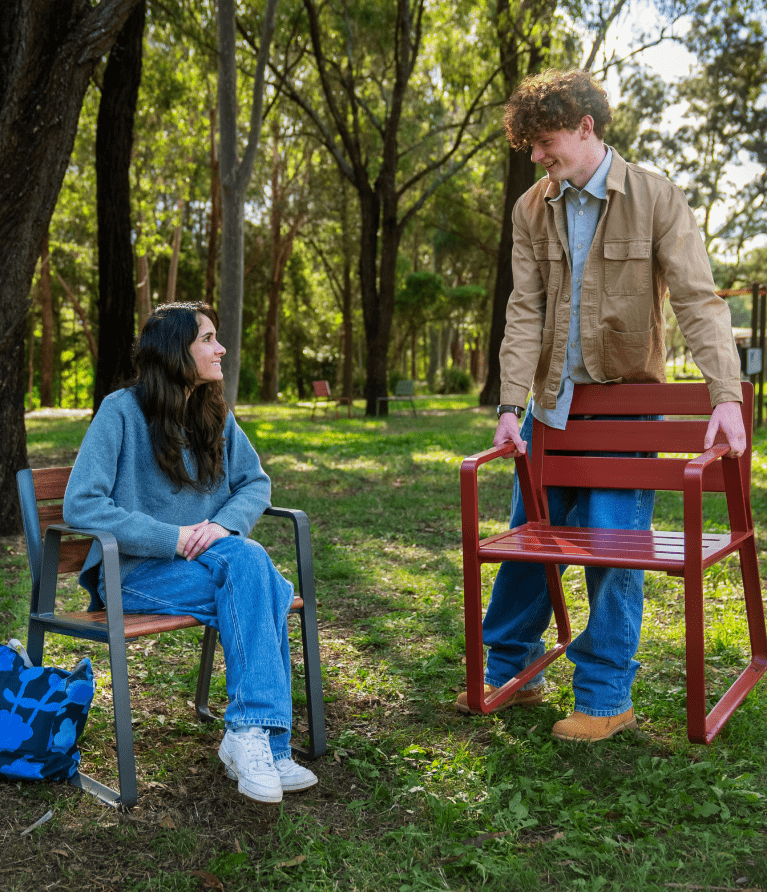
Introducing Aria Bin: Make it yours
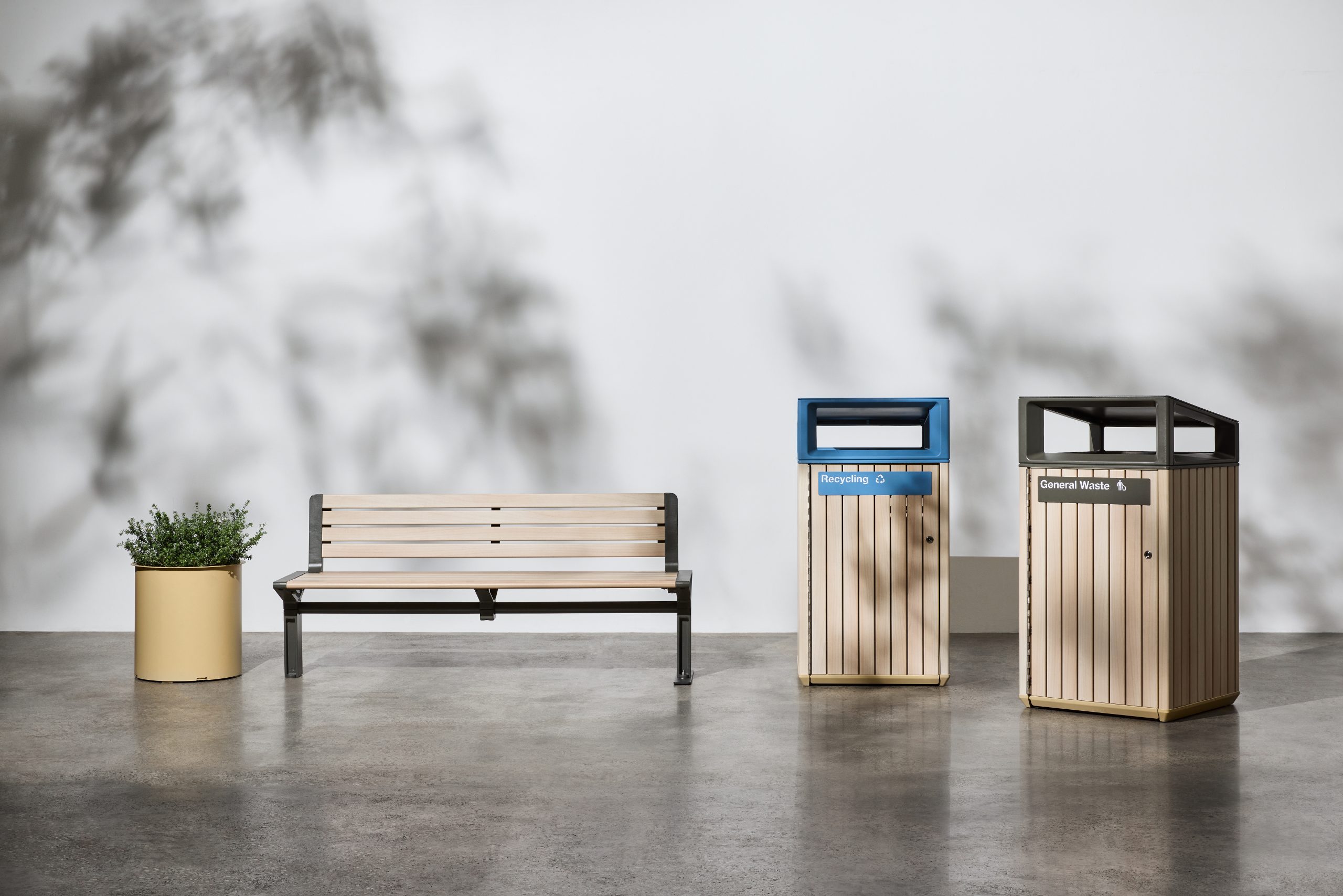
A modular, interchangeable, and customisable litter solution designed to elevate public spaces and simplify maintenance. Read More
-
The design story behind Aria Bin
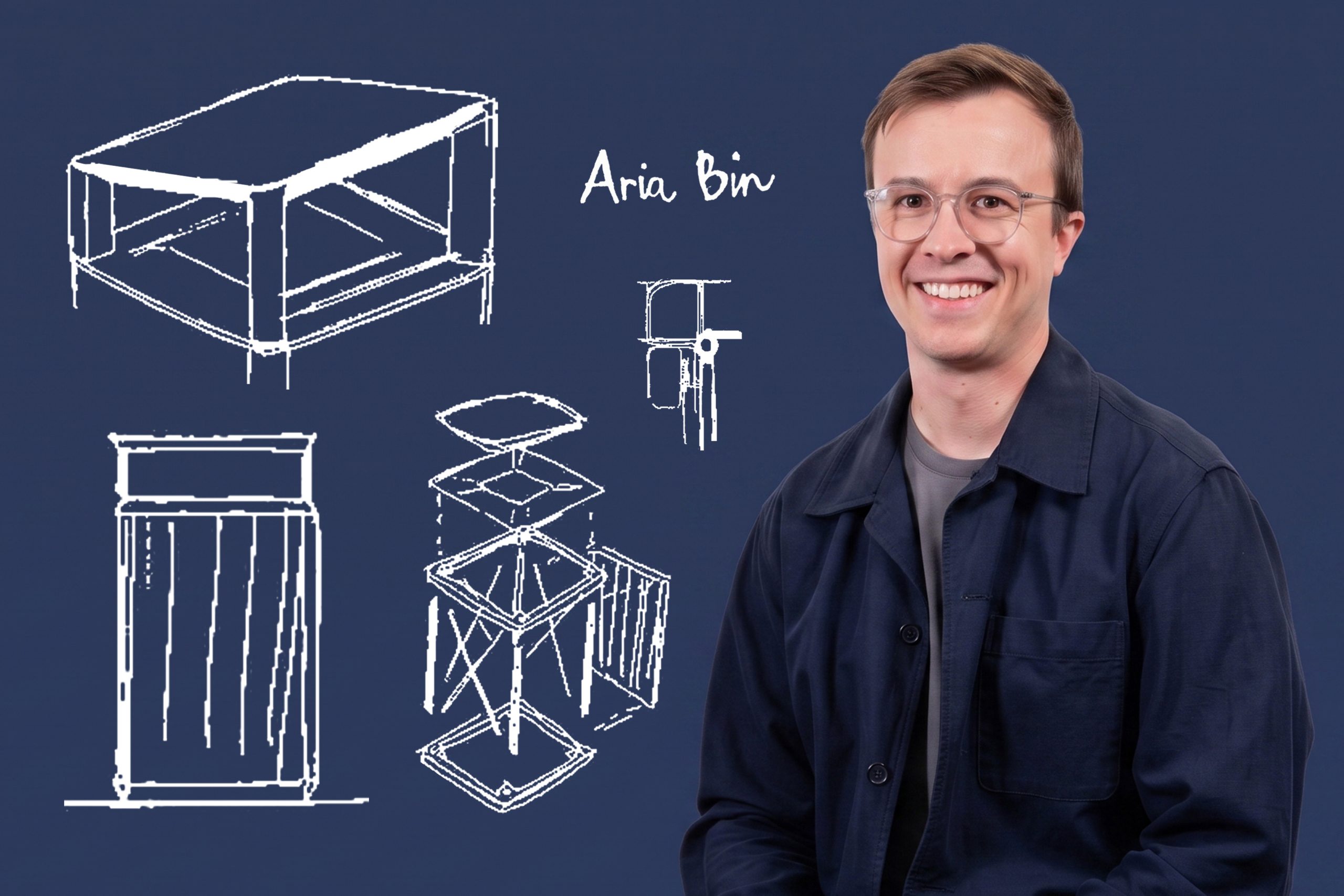
By Francis McArdle, Lead Designer of Aria Bin. There may be no piece of public infrastructure more overused and underappreciated than the humble bin. A basic necessity in... Read More
-
Should heat be regulated?
What if cities regulated heat like fire and flooding? ASLA explores how thermal performance could become a standard part of urban design. Read More
-
GreenScapes 2026: Did Queensland’s newest landscape industry show deliver?
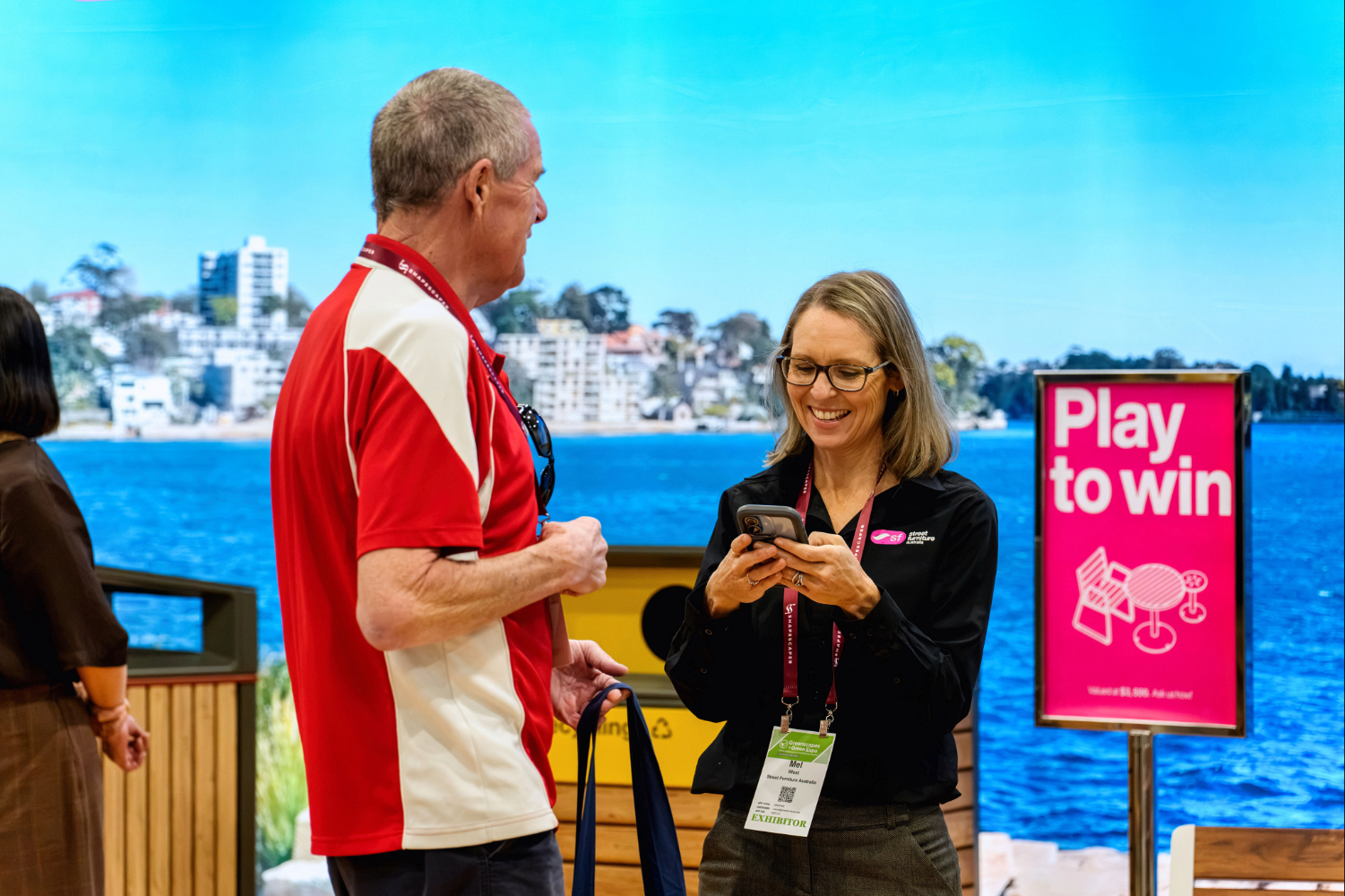
Explore highlights from GreenScapes 2026 as Street Furniture Australia reflects on QLD’s new landscaping and design industry show. Read More
-
What are Tiny Forests and why is everyone planting them?
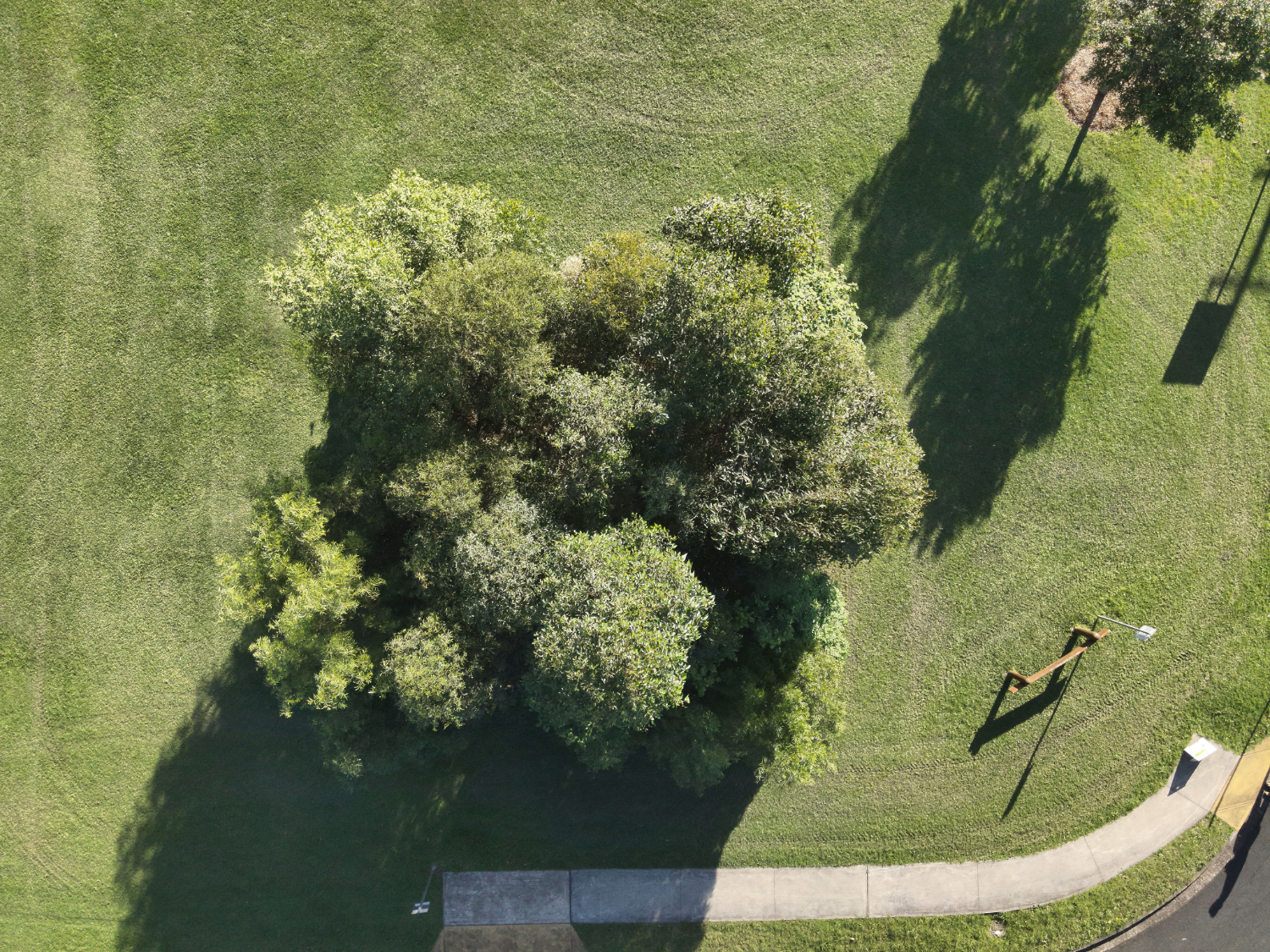
From Melbourne to Perth, Tiny Forests are turning underused spaces into dense pockets of native bushland for wildlife, biodiversity and community. Read More
-
AILA Chapter Awards 2026: Seven Cities, Seven Nights
Join Street Furniture Australia, Presenting Partner of the 2026 AILA Chapter Awards, as we celebrate Australian landscape architecture across seven cities and seven nights. Read More
-
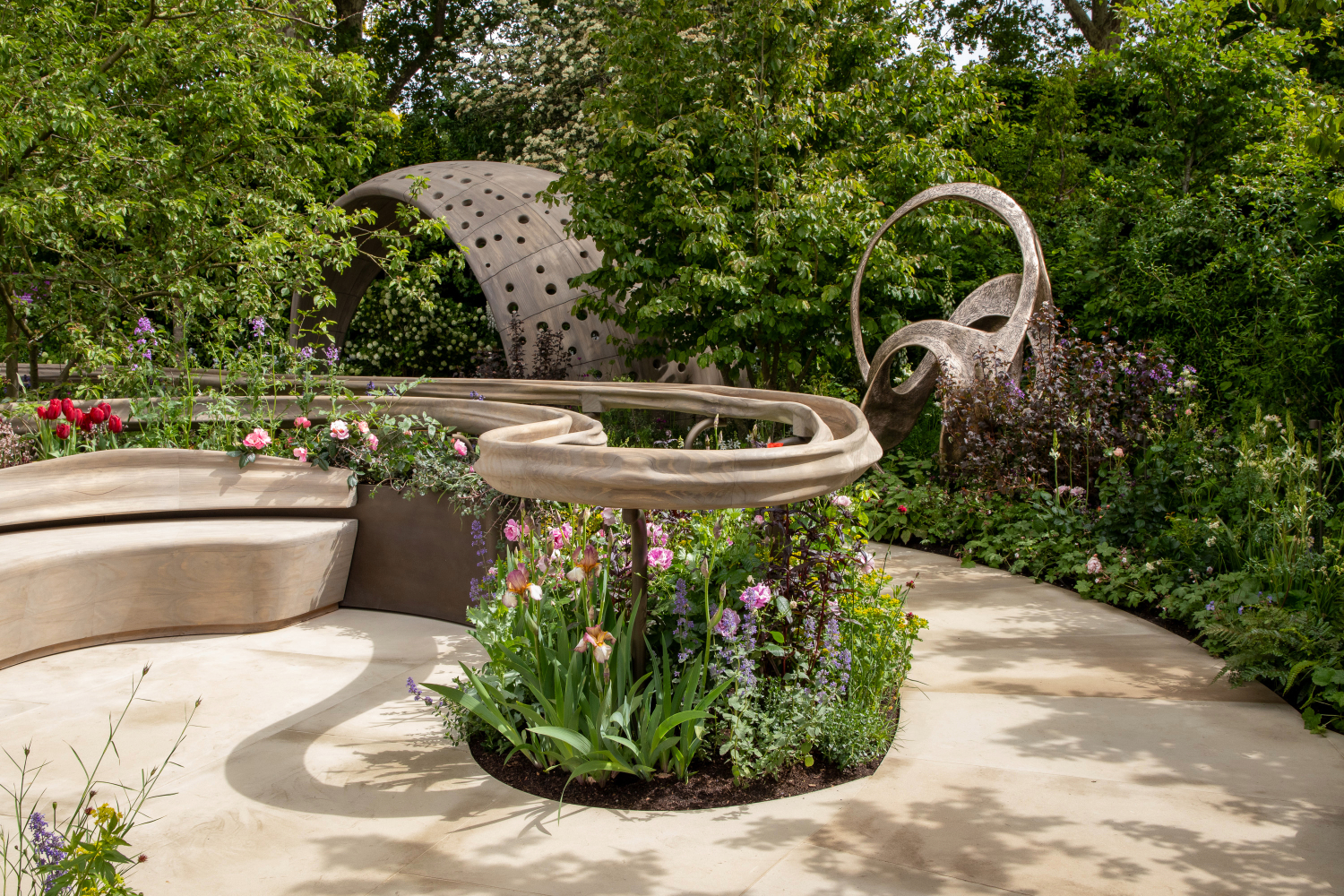
Designing for Parkinson’s: An award winning garden
Arit Anderson's garden for Parkinson’s UK, uses wide stone paths, night lights, and water features to support people living with Parkinson's. Read More