Trend Watch August 2022
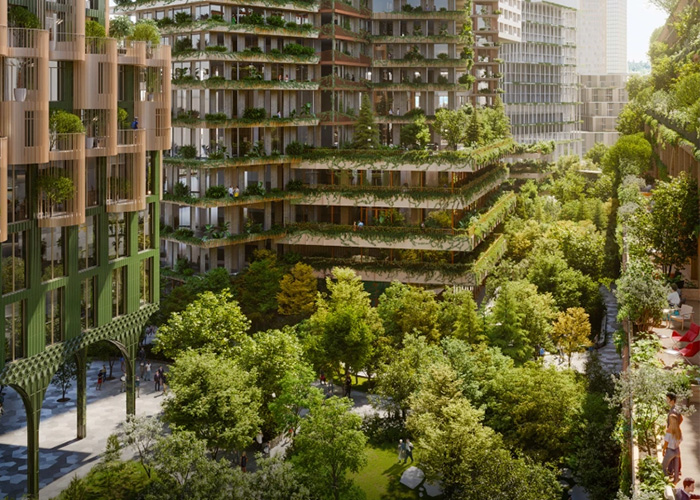


Toronto switches smart city plans to urbanist’s wishlist:
Toronto is abandoning a smart city proposal for a new development along its waterfront, and a holistic off-the-grid development now leads the way, writes Karrie Jacobs for MIT Technology Review.
The new proposal, said to be an urbanist’s dream, consists of: “800 affordable apartments, a two-acre forest, rooftop farm, new arts venue focused on indigenous culture, and a pledge to be zero-carbon” – a significant departure in ethos from the original winning proposal from just a few years ago.
Former winner Sidewalk Labs, a subsidiary of Google, had proposed a $900 million “vision for a data-rich city within a city” on the foreshores of Toronto, known as Quayside. In May 2020, Sidewalk abandoned the plan, citing the Covid-19 pandemic to blame, though this came after years of public controversy.
Jacobs writes, “The project’s tech-first approach antagonized many; its seeming lack of seriousness about the privacy concerns of Torontonians was likely the main cause of its demise.”
The importance of human connection and nature in a highly driven technological world is more recognised in the new proposal; Jacobs says, “The shift signalled by the new plan, with its emphasis on wind and rain and birds and bees rather than data, seems like a pragmatic response to the present moment.”
Read the full article at MIT Technology Review.
Image: Waterfront Toronto.
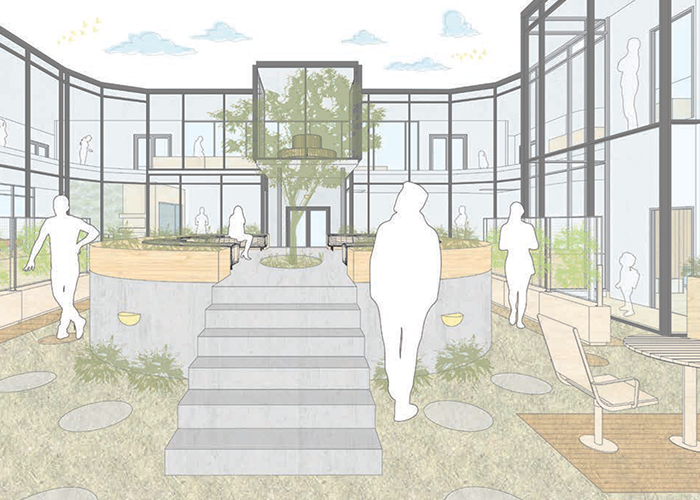
Guidelines to a neuro-inclusive city:
There has been a growing awareness that more of our population is neurodiverse, however, invisible disabilities or health conditions are often not considered in urban design, writes Jane Bringolf for the Centre for Universal Design Australia.
‘Neurodiverse’ refers to “people who appear to have different behaviours and/or have a specific diagnosis such as autism or ADHD.” People who are neurodiverse can experience sensory overloads, and be affected by factors like noise and crowds.
“In Australia, standards focus on mobility, vision and hearing. Consequently they don’t cover invisible disabilities or health conditions. That’s why it’s dangerous to think that meeting legislated standards is sufficient to create access and inclusion for everyone,” they write.
Bringolf highlights a Master of Architecture thesis by Natasha Mickovski, from Laurentian University in Canada, that proposes Enabling Design Guidelines, an adaptation of the well-known Seven Principles of Universal Design focused on creating more neuro-inclusive cities.
They include points around spatial organisation, character, lighting, acoustics and thermal quality, transitions, sensory group and escape or reset zones.
Read more at The Centre for Universal Design.
Image: Natasha Mickovski.
-
The design story behind Aria Bin
By Francis McArdle, Lead Designer of Aria Bin. There may be no piece of public infrastructure more overused and underappreciated than the humble bin. A basic necessity in... Read More
-
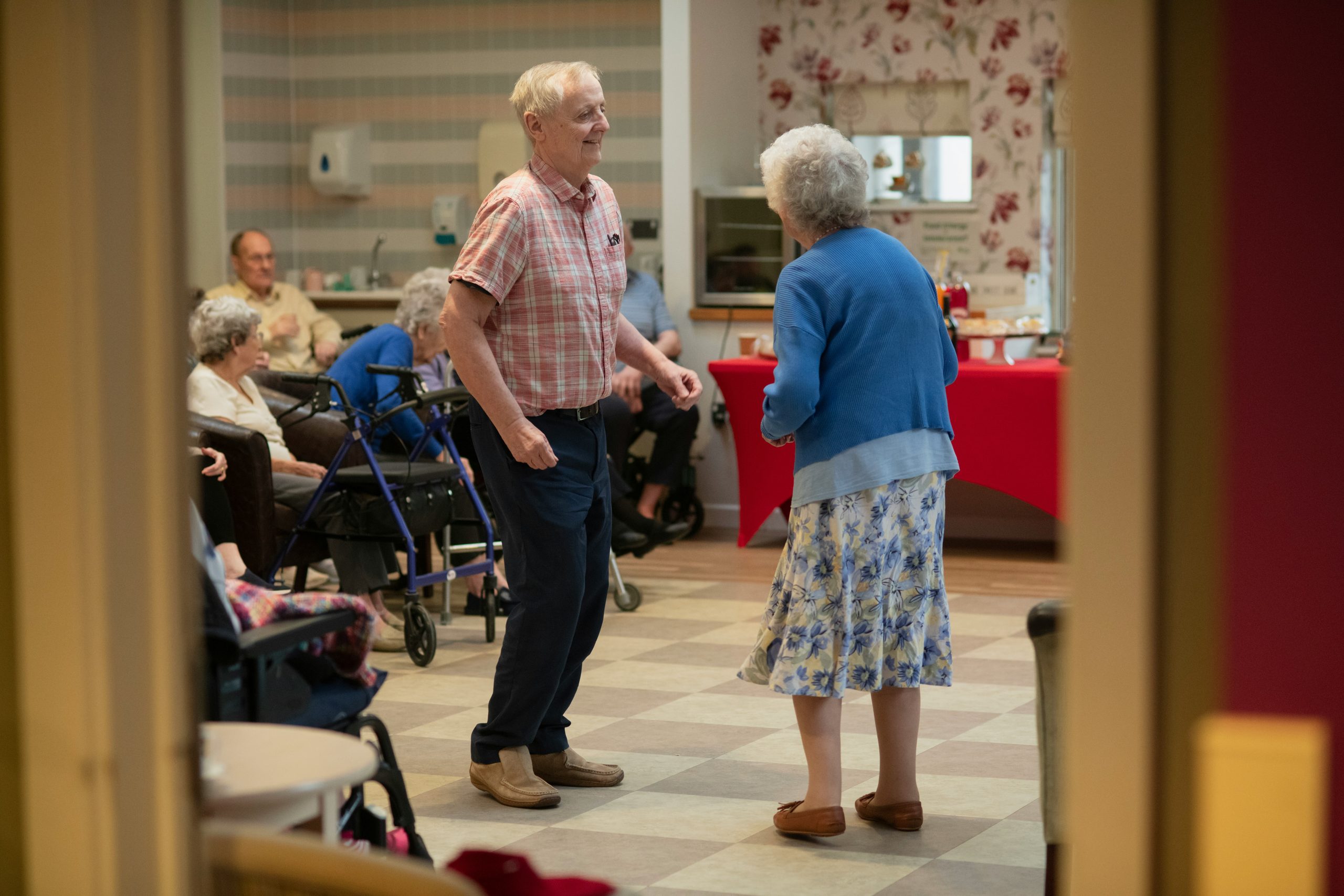
14th Street Y: From active space to community
How did a quiet gym lobby bring together 420+ locals? Learn how 14th Street Y uses social infrastructure and cheap coffee to build community. Read More
-
Should heat be regulated?
What if cities regulated heat like fire and flooding? ASLA explores how thermal performance could become a standard part of urban design. Read More
-
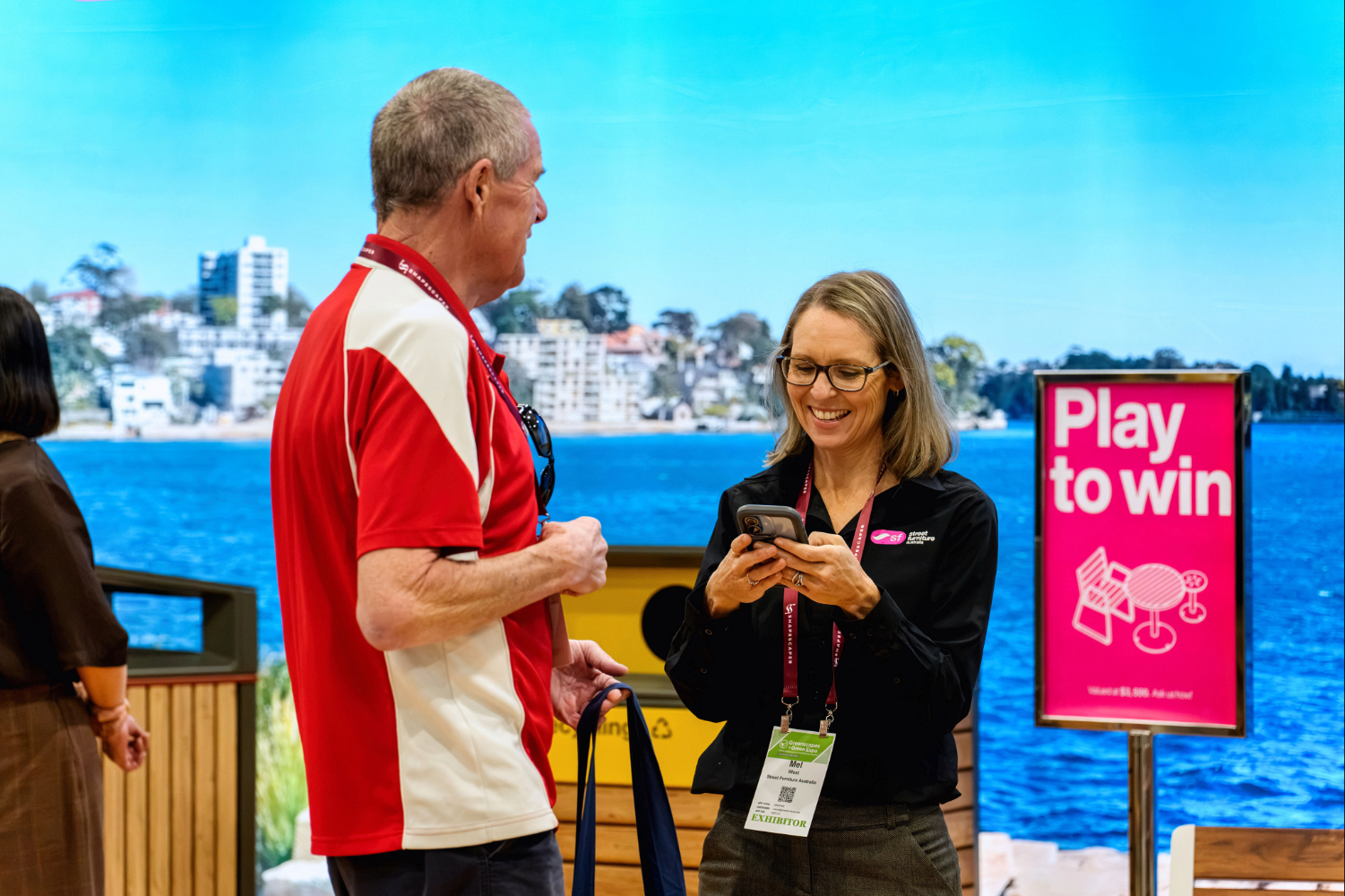
GreenScapes 2026: Did Queensland’s newest landscape industry show deliver?
Explore highlights from GreenScapes 2026 as Street Furniture Australia reflects on QLD’s new landscaping and design industry show. Read More
-
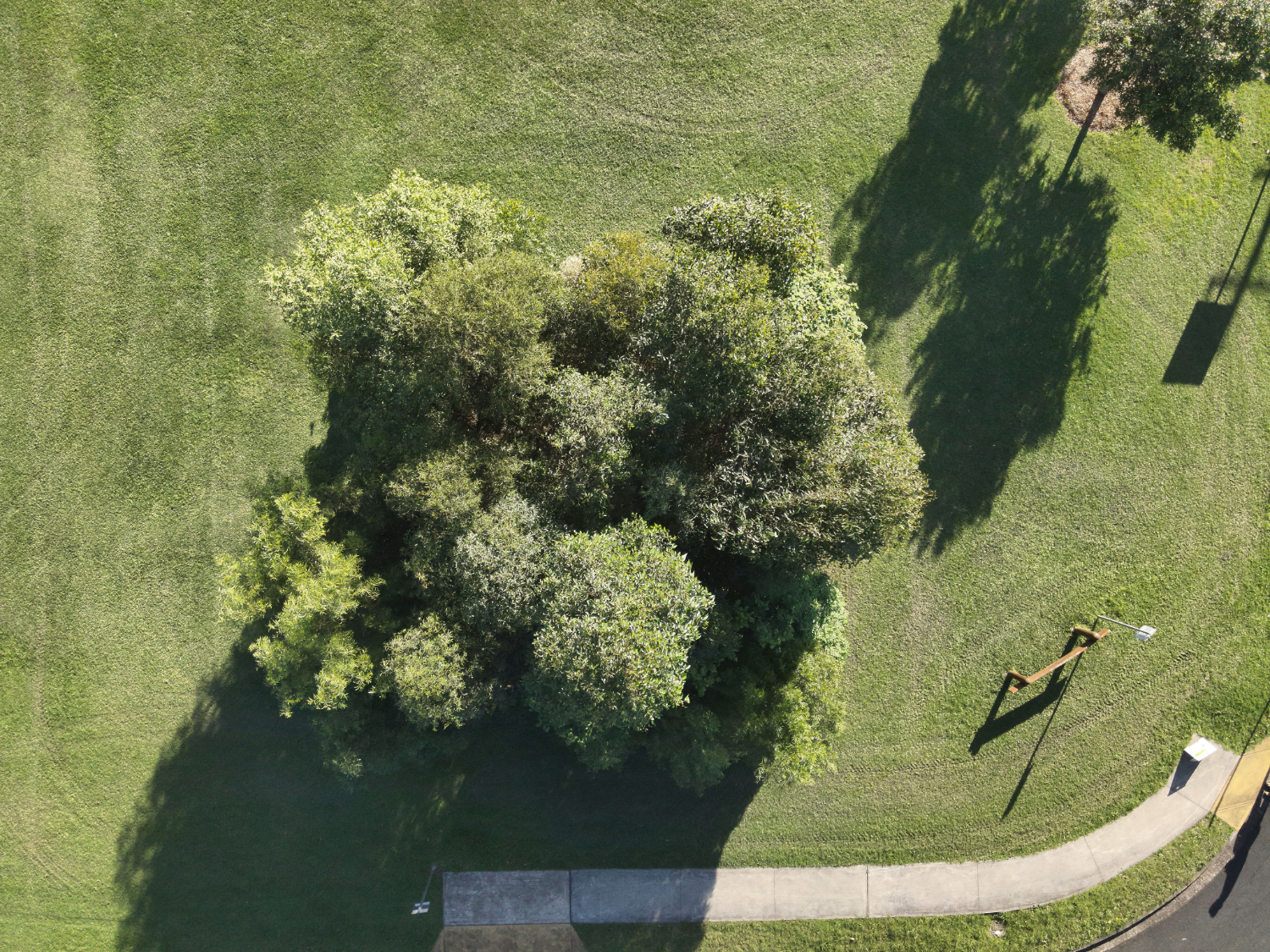
What are Tiny Forests and why is everyone planting them?
From Melbourne to Perth, Tiny Forests are turning underused spaces into dense pockets of native bushland for wildlife, biodiversity and community. Read More
-
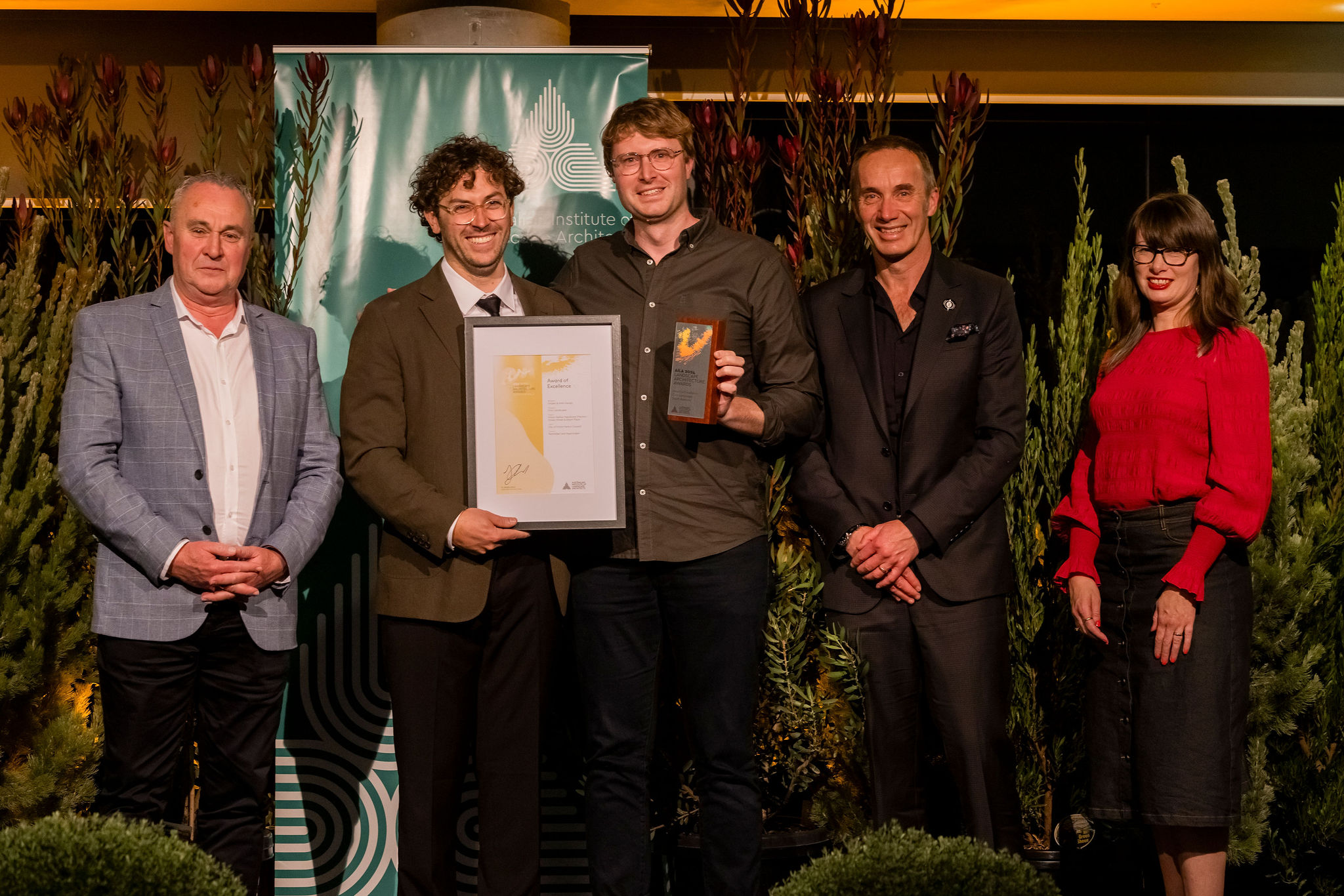
AILA Chapter Awards 2026: Seven Cities, Seven Nights
Join Street Furniture Australia, Presenting Partner of the 2026 AILA Chapter Awards, as we celebrate Australian landscape architecture across seven cities and seven nights. Read More