Trend Watch December 2021

Upcoming Events
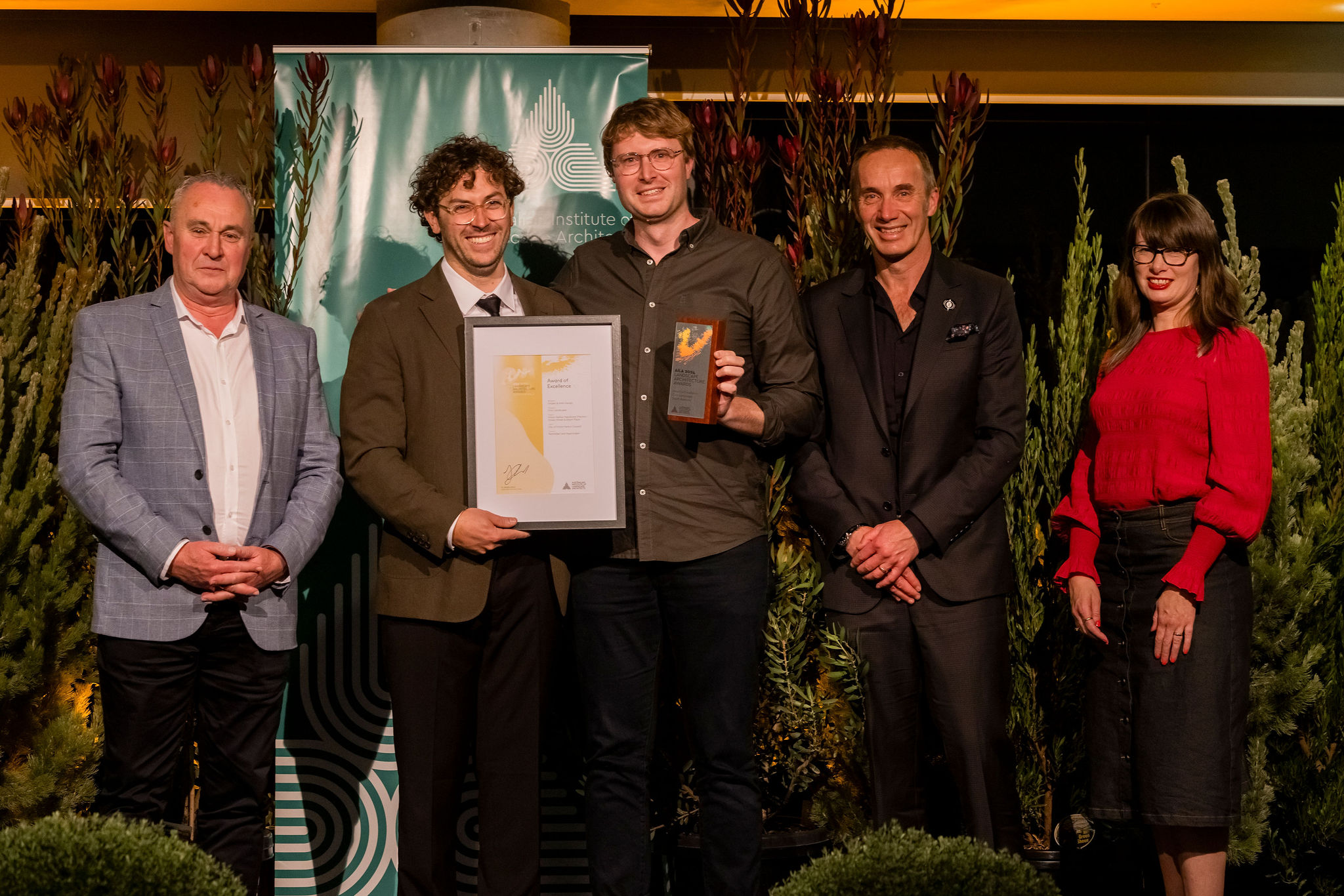
AILA Chapter Awards 2026: Seven Cities, Seven Nights
Join Street Furniture Australia, Presenting Partner of the 2026 AILA Chapter Awards, as we celebrate Australian landscape architecture across seven cities and seven nights.
Read more

How our cities work – essential lessons from lockdown:
By Matt Wade
New research on the demographics of essential workers in Australia’s largest cities casts a stark light on geographic and gender inequalities, writes Matt Wade for the Sydney Morning Herald.
Essential workers are employed “across health and social services, education, freight and delivery, transport, police and emergency services, logistics, construction and some retail,” and make up 45% of the workforce in Australian capital cities.
They are exposed to greater risk of contracting Covid-19 in their workplaces, and through travelling to work. According to a study by consultancy SGS Economics and Planning, most essential workers in Sydney and Melbourne live in outer metropolitan growth areas where housing is more affordable – these regions also recorded a high share of infections during the 2021 Delta outbreak. Sydney’s west and south-west also experienced the most stringent lockdown restrictions.
In parts of Melbourne and Sydney around 60% of workers are in an essential job while in some inner suburbs of both cities the share is below 30 per cent, Matt writes. “The upshot? The property market dynamics of Sydney and Melbourne has been closely linked to the geography of the pandemic.”
The analysis also revealed a stark contrast between the types of jobs male and female essential workers do. Around 60% of male essential workers were employed in traditional industrial workplaces, such as factories, transport, logistics and construction. And 53% of female essential workers were employed in health and education – jobs highly exposed to Covid-19.
Researcher Alison Holloway said the study shows that cities are “not experienced the same by men and women, and in public policy if we are not looking at things with a gendered lens we’re missing a lot of the story.”
Wade also points to a disparity in access to job hubs for those living in outer suburbs—especially women. Holloway’s research indicates that “women consistently have higher levels of tertiary education than males in metropolitan areas but earn less than men in the same locations… this gap is much larger for women in growth areas.”
She suggests that because caring and family responsibilities tend to fall on women, they are taking jobs that they are overqualified for, because they are close to home – “in purely economic terms that’s wasted productivity,” she says.
Read the full story in the Sydney Morning Herald.
Image: by Kristoffer Trolle, Wikimedia Commons.

Making a city sloth-friendly:
By Sarah Holder
“A conservation foundation in Costa Rica is trying to help the tree-dwelling mammals survive rapid urbanisation by building road crossings,” writes Sarah Holder for Bloomberg CityLab.
As a result of rapid population and infrastructure growth in Costa Rica, many sloth populations have been all but eliminated. Costa Rica’s Sloth Conservation Foundation founder, Rebecca Cliffe, says it’s not too late to protect the slow creatures, “We’ve got such a good opportunity in this region to try and achieve this coexistence and balance … There’s still a chance to reverse the damage and do things the right way.”
The ideal habitat for a sloth, she says, is “a dense forest canopy, which well-camouflaged animals can navigate without drawing attention to themselves or running into ground-dwelling predators.”
Rapid urbanisation, cars, and infrastructure have left a thinning canopy, encroaching on their habitat and putting sloths at risk. “As pedestrians, sloths do not walk as much as ooze, inching forward commando-style with their bellies to the ground.”
The Sloth Conservation Foundation is working to help make changing urban spaces safe and navigable for sloths through initiatives including “stringing rope above roads that sloths can traverse by their signature crawl in just three minutes flat.”
The foundation has built more than 130 sloth crossings so far, as well as working with local custodians and contractors to ensure that infrastructure is sloth-proofed and safe paths are available for the creatures to traverse their changing habitat.
Read the full story in CityLab.
Image: by Sergiodelgado, Wikimedia Commons.
-
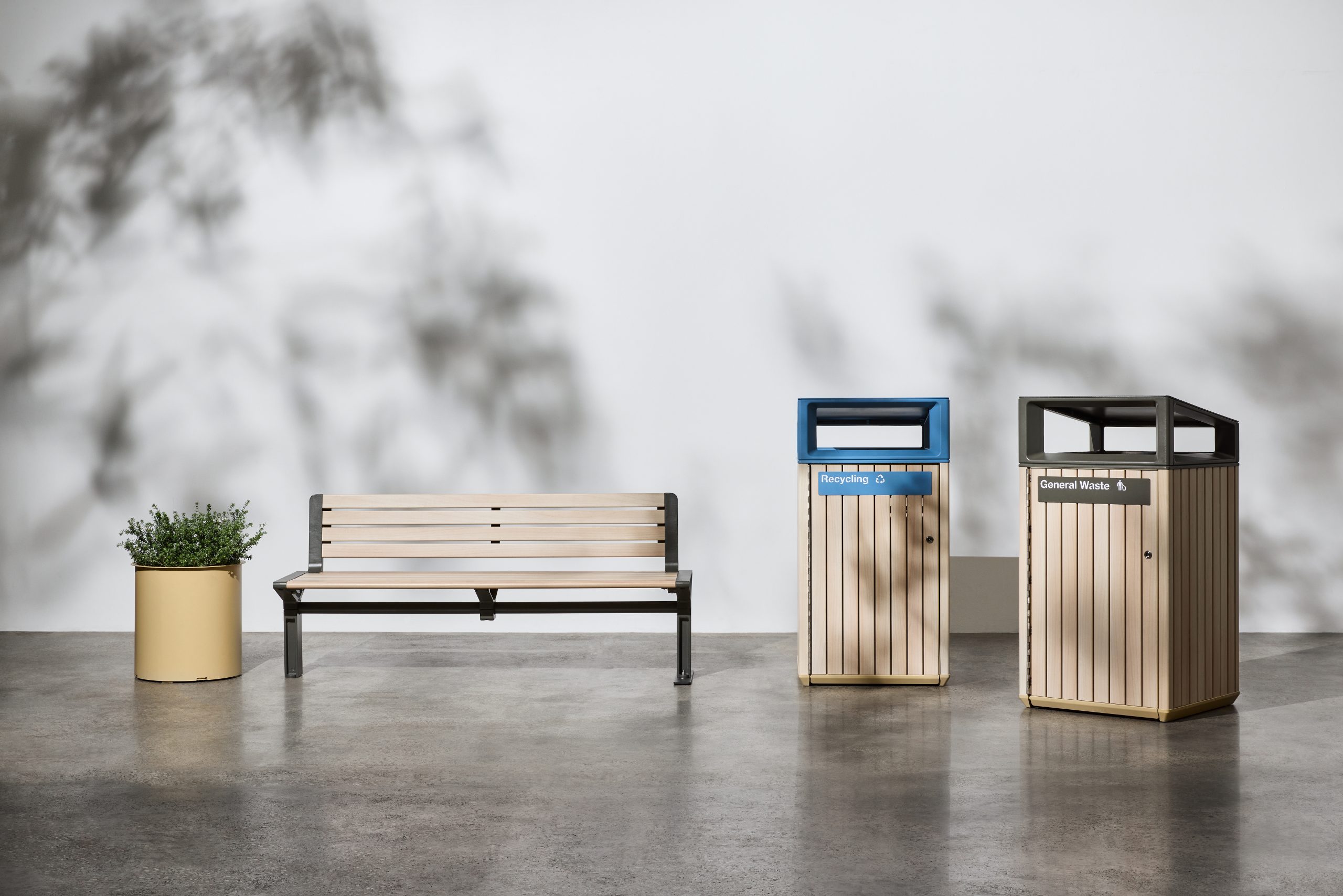
Introducing Aria Bin: Make it yours
A modular, interchangeable, and customisable litter solution designed to elevate public spaces and simplify maintenance. Read More
-
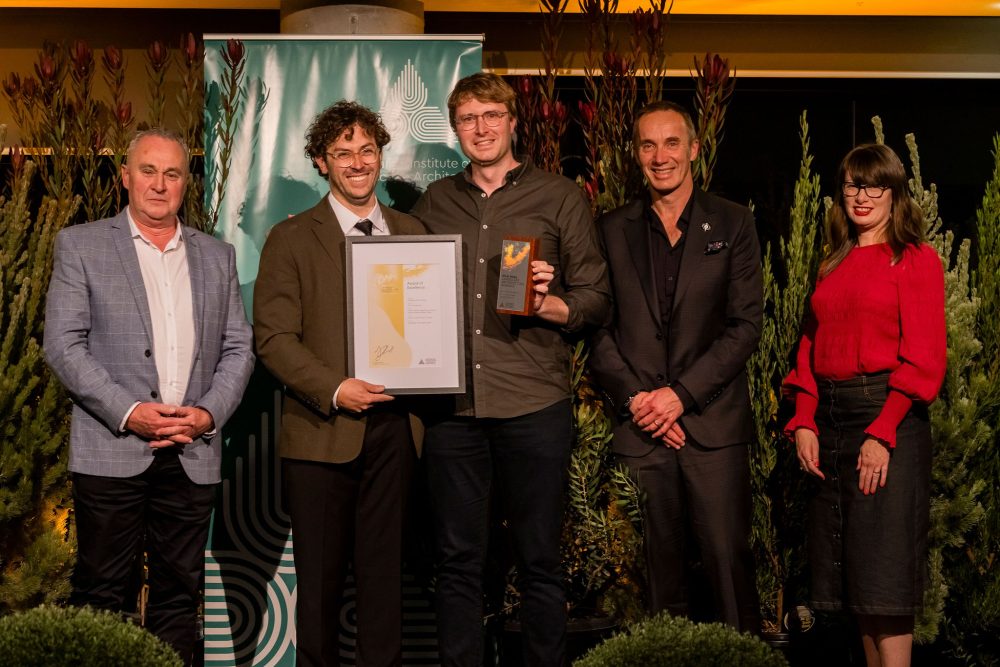
AILA Chapter Awards 2026: Seven Cities, Seven Nights
Join Street Furniture Australia, Presenting Partner of the 2026 AILA Chapter Awards, as we celebrate Australian landscape architecture across seven cities and seven nights. Read More
-
Designing for Parkinson’s: An award winning garden
Arit Anderson's garden for Parkinson’s UK, uses wide stone paths, night lights, and water features to support people living with Parkinson's. Read More
-
Street Furniture Australia is coming to Greenscapes + Green Expo 2026
Visit us at Booth F25, Brisbane Convention Centre, 5–6 August. We’ll be launching a brand new product alongside a fun game—great prizes to be won. Read More
-
Greenscapes Industry Talk: How your specification can help reduce carbon emissions
Catch June Lee Boxsell at Greenscapes 2026 on 5 August at 12:30 pm (Stage Area) to discover practical ways to lower project carbon emissions. Read More
-
Why this Australian city is the third ‘stickiest’ in the world
The world's stickiest cities aren't just easy to visit—they give people compelling reasons to stay longer. Read More