Trend Watch June 2021
Upcoming Events
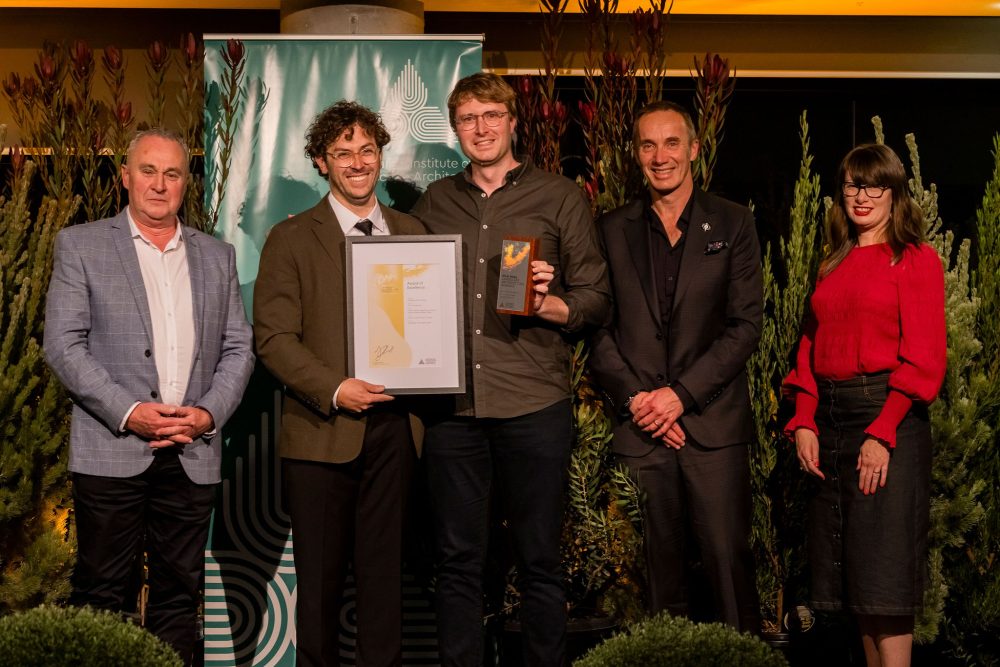
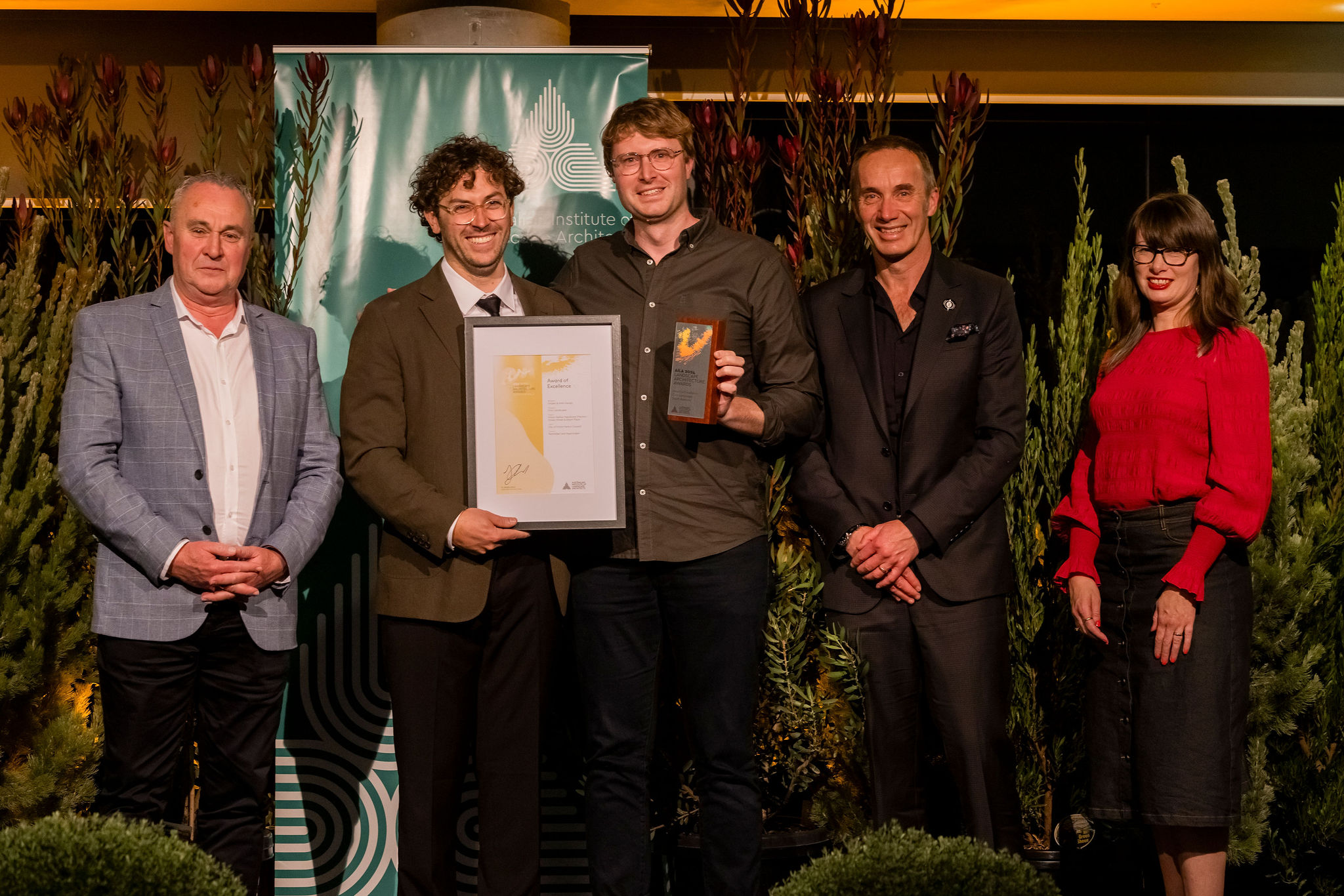
AILA Chapter Awards 2026: Seven Cities, Seven Nights
Join Street Furniture Australia, Presenting Partner of the 2026 AILA Chapter Awards, as we celebrate Australian landscape architecture across seven cities and seven nights.
Read more

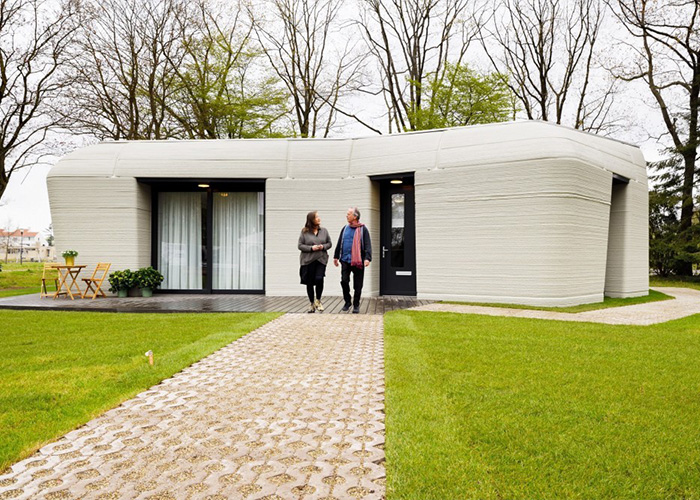
Dutch couple are Europe’s first inhabitants of a 3D-printed house:
The south Netherlands property, made by 3D printing a specially formulated cement through a nozzle on a robotic arm, is inspired by the shape of a boulder – a design difficult and expensive to construct using traditional methods, writes The Guardian.
While properties have been partly constructed via 3D printing in France and the US, the Dutch home is said to be the first “legally habitable and commercially rented property where the load-bearing walls have been made using a 3D printer nozzle.”
It is the first of five 3D-printed houses planned by construction firm Saint-Gobain Weber Beamix for a plot of land by the Beatrix canal.
“It is beautiful,” said owner Elize Lutz. “It has the feel of a bunker – it feels safe,” added co-owner Harrie Dekkers.
The house consists of 24 concrete elements printed offsite before transported by lorry and placed on a foundation by Dutch building firm Van Wijnen. A roof and window frames were fitted, and finishing touches applied.
Details of the construction are visible in the final product, for example, the point at which the 3D printer’s nozzle head had to be changed after hours of operation is visible in the pattern of the new bungalow’s walls, as are small errors in the cement.
By the time the fifth of the homes is built – with three floors and three bedrooms – it is hoped construction will be completed wholly on-site and various other installations will also be made using the printer, further reducing costs.
The 3D printing method is seen by many within the construction industry as a way to cut costs and environmental damage by reducing the amount of cement that is used.
Read the full article in The Guardian.
Photo: Project Milestone by 3D Printed House.
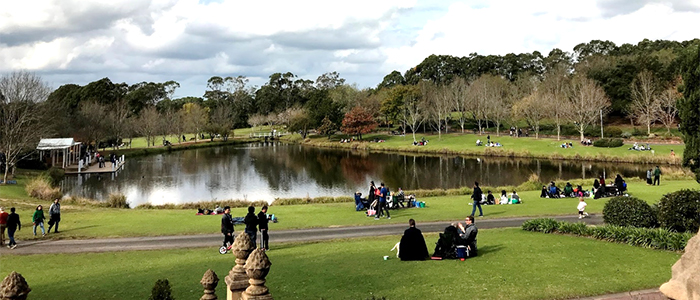
People’s odds of loneliness could fall by up to half if cities hit 30% green space targets:
One in four Australians feel lonely on three or more days a week, write Thomas Astell-Burt (University of Wollongong) and Xiaoqi Feng (UNSW).
However, their recent study published in the International Journal of Epidemiology has found that adults in neighbourhoods where at least 30% of nearby land is parks, reserves and woodlands have 26% lower odds of become lonely – compared to peers in areas with less than 10% green space.
For people living on their own, the associations were even greater – in areas with 30% or more green space the odds of becoming lonely halved.
This is good news for cities around the world such as Barcelona, Canberra, Seattle and Vancouver, which have targets of 30% green cover.
It’s even better for residents of the City of Sydney and the City of Melbourne, with targets of 40% green cover by 2050 and 2040.
Read more about the findings in The Conversation.
-
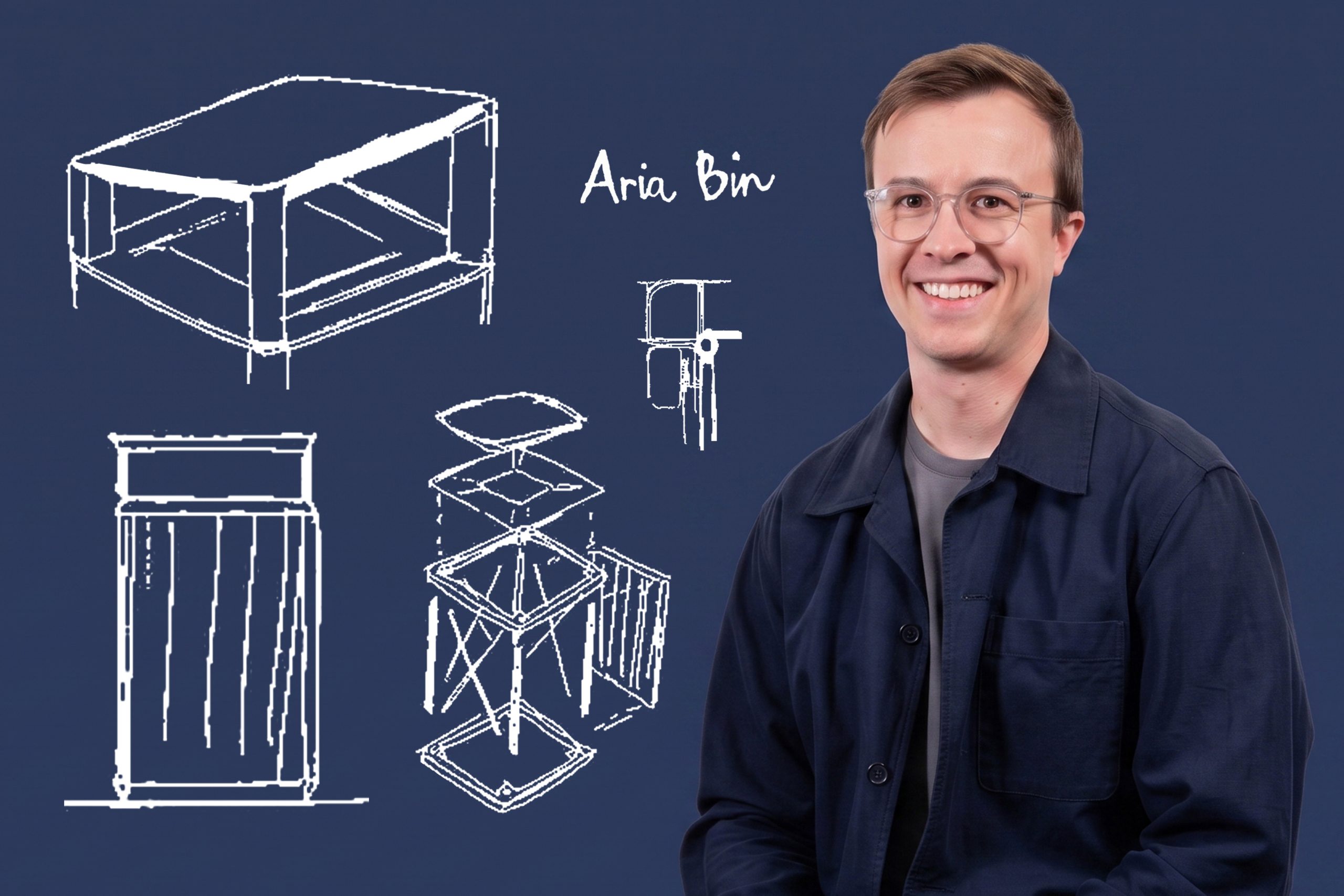
The design story behind Aria Bin
By Francis McArdle, Lead Designer of Aria Bin. There may be no piece of public infrastructure more overused and underappreciated than the humble bin. A basic necessity in... Read More
-
Should heat be regulated?
What if cities regulated heat like fire and flooding? ASLA explores how thermal performance could become a standard part of urban design. Read More
-
GreenScapes 2026: Did Queensland’s newest landscape industry show deliver?
Explore highlights from GreenScapes 2026 as Street Furniture Australia reflects on QLD’s new landscaping and design industry show. Read More
-
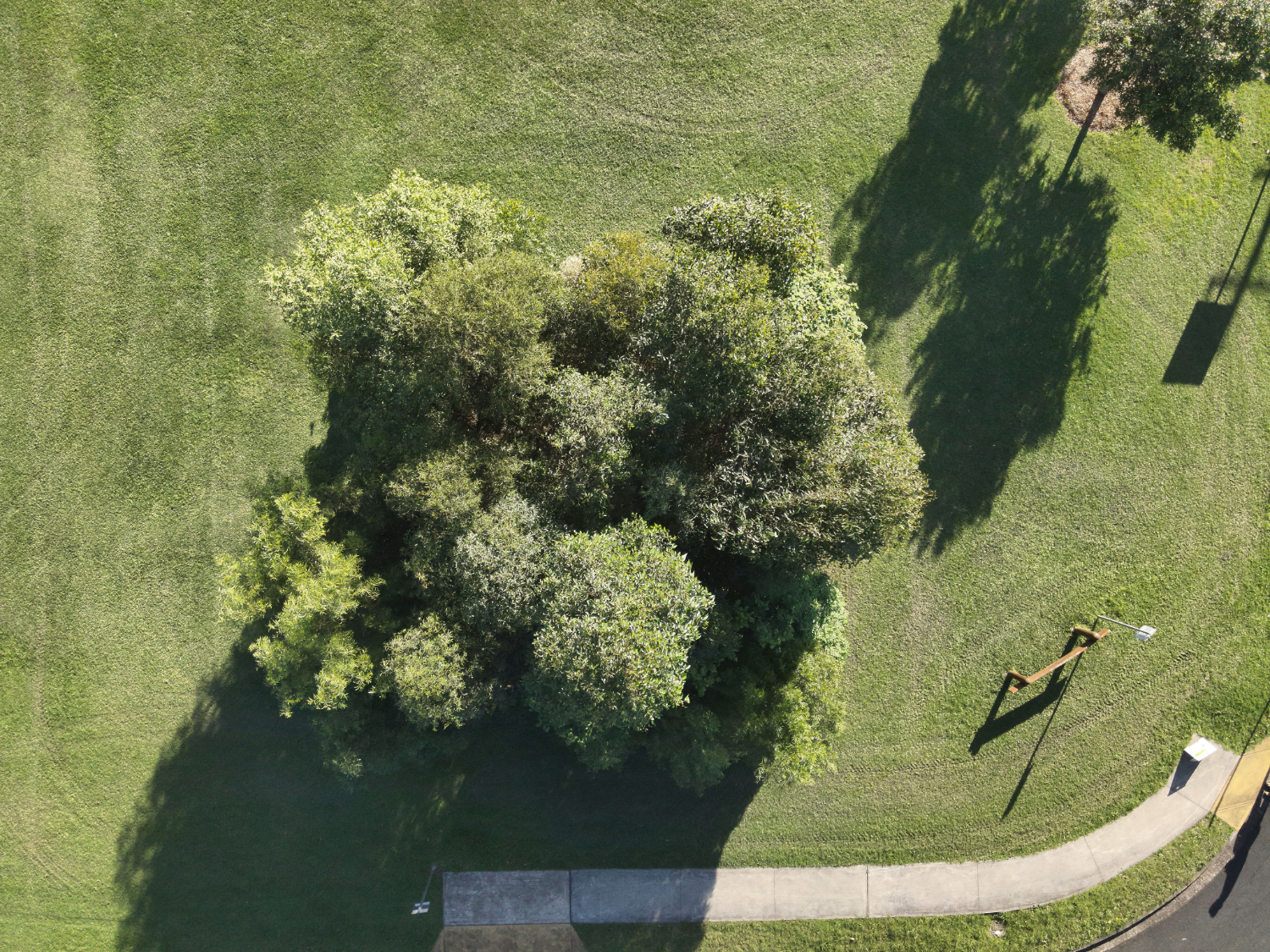
What are Tiny Forests and why is everyone planting them?
From Melbourne to Perth, Tiny Forests are turning underused spaces into dense pockets of native bushland for wildlife, biodiversity and community. Read More
-
AILA Chapter Awards 2026: Seven Cities, Seven Nights
Join Street Furniture Australia, Presenting Partner of the 2026 AILA Chapter Awards, as we celebrate Australian landscape architecture across seven cities and seven nights. Read More
-
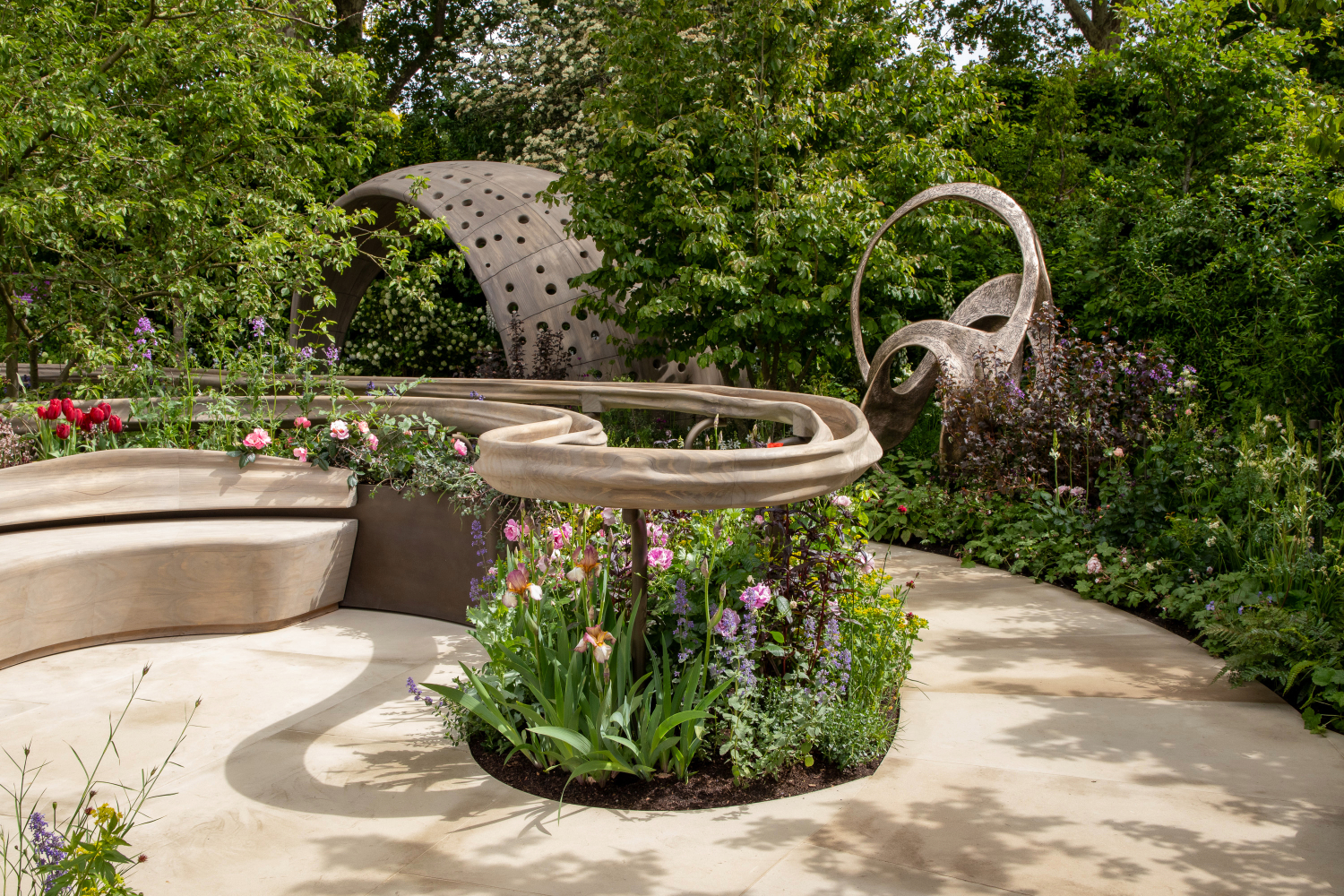
Designing for Parkinson’s: An award winning garden
Arit Anderson's garden for Parkinson’s UK, uses wide stone paths, night lights, and water features to support people living with Parkinson's. Read More