Trend Watch October 2019
Upcoming Events
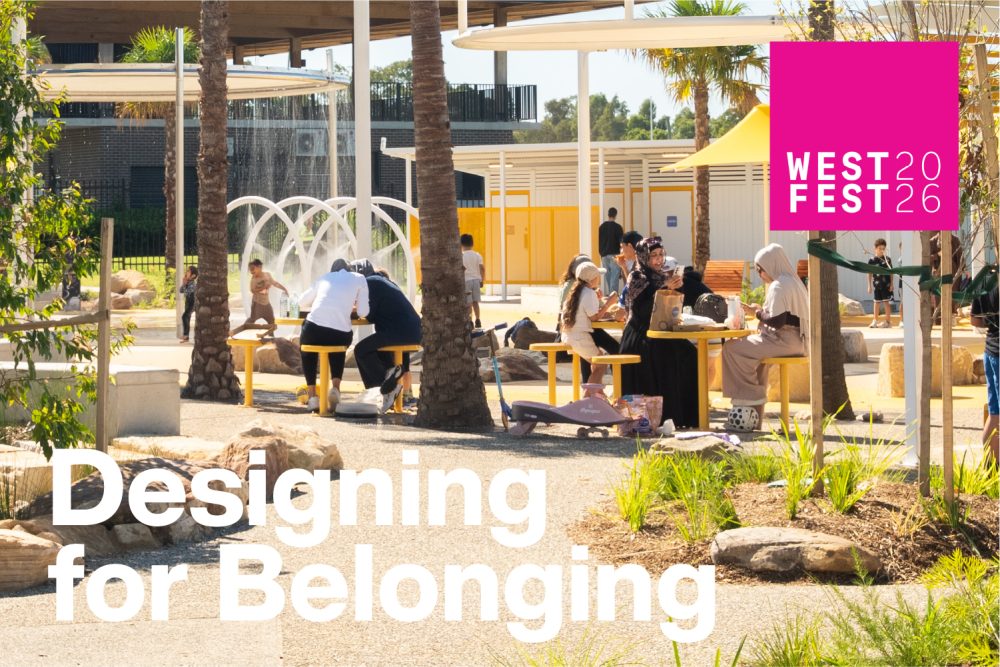
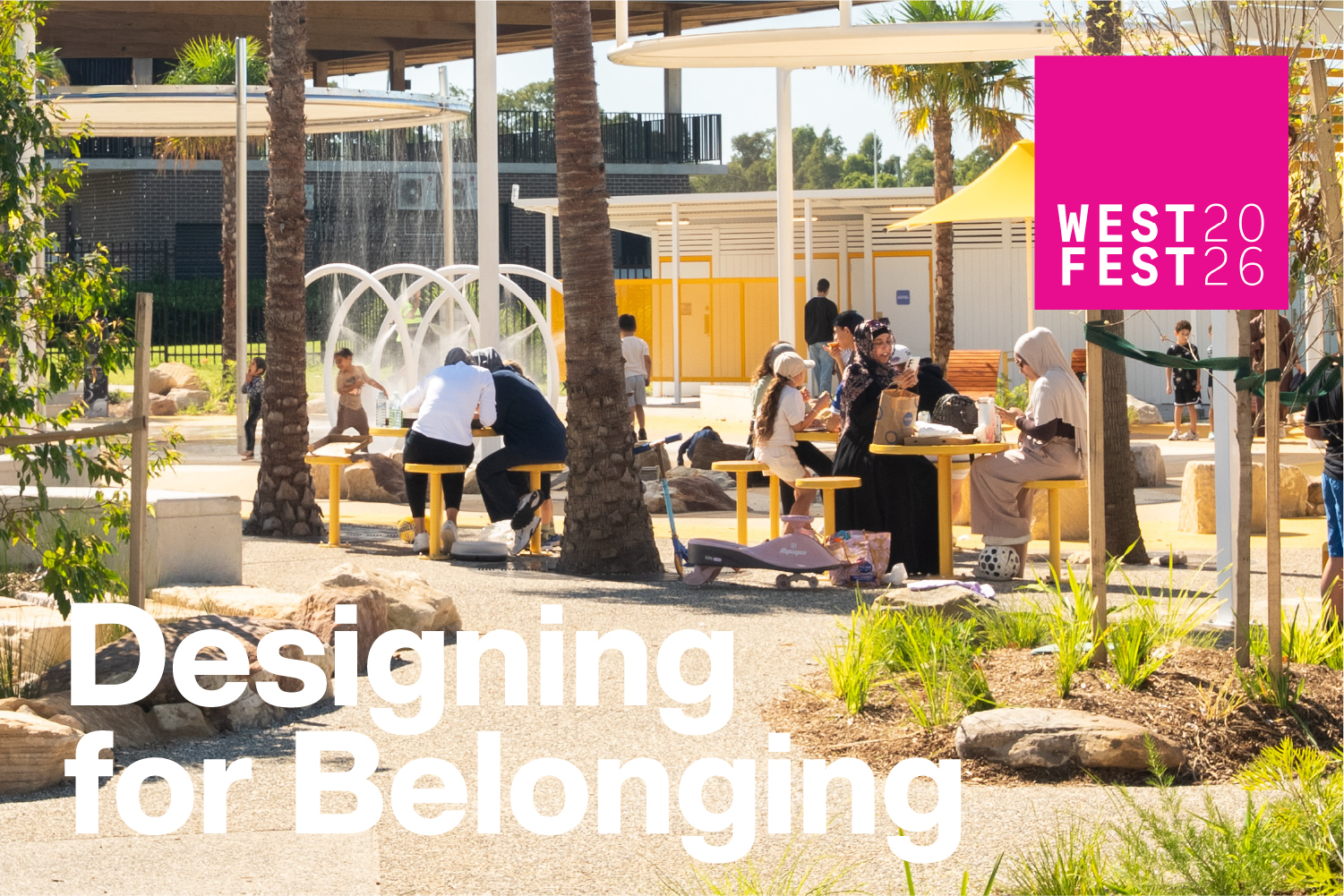
Join us for West Fest 2026: Designing in Belonging
A half-day knowledge exchange hearing from local built environment experts on fostering a sense of belonging in an increasingly dense, digital society.
Read more

Prioritising human experience through ‘soft’ cities:
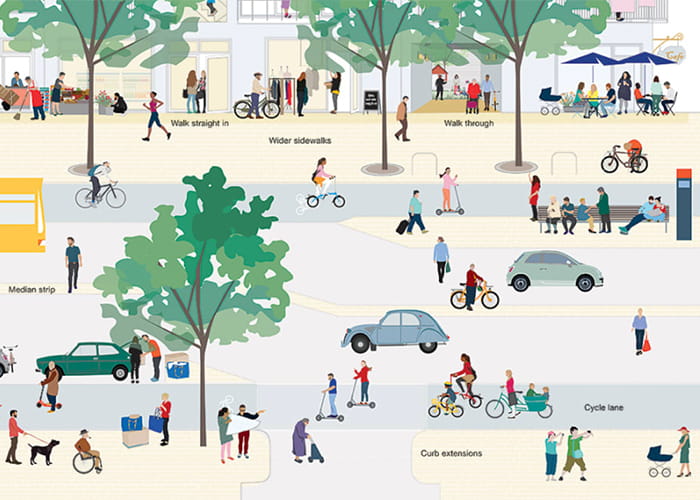
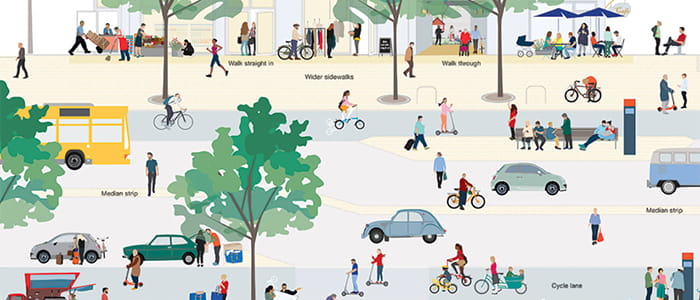
In his new book, called Soft City, Gehl creative director and partner David Sim considers how urban design can help a city feel more accessible and connected – that is, ‘softer.’
“For decades, so much urban planning has been focused on devising ways to reorganize human activity into distinct silos, to separate people and things, and, by doing so, reduce the risk of conflict,” Sim writes.
“I would like, instead, to focus on how potentially conflicting aspects of everyday existence can be brought together and connected to deliver quality of life.”
In a soft city, grocery stores and cafes are within walkable distance from your front door. The street is filled with people walking, biking and catching transit – not only cars. There are places to rest, to mingle with the community around you.
Rather than thinking about cities as a collection of buildings and impressive developments, designers like Sim consider them as a series of relationships: between people, other people, and place.
Eillie Anzilotti has covered the book for Fast Company.
Image: Gehl.
Green roofs help us and the environment – why aren’t they on every building?
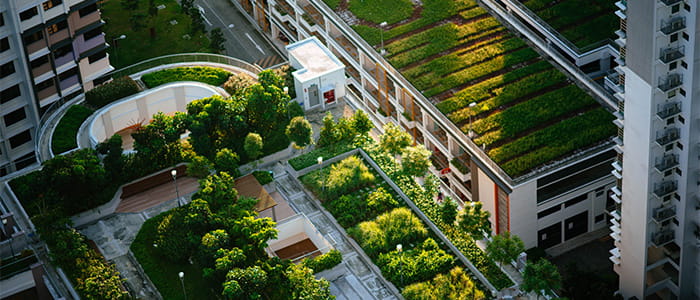
Green rooftops tackle air pollution, urban heat, produce food, support biodiversity, and benefit mental health, so why aren’t they more widespread?
Researchers from the University of Salford report on the current roadblocks preventing green, blue and brown roof rollout in The Conversation.
“For green roofs to become the norm for new developments, there needs to be buy-in from public authorities and private actors,” they write.
“Those responsible for maintaining buildings may have to acquire new skills, such as landscaping, and in some cases volunteers may be needed to help out.
“Other considerations include installing drainage paths, meeting health and safety requirements and perhaps allowing access for the public, as well as planning restrictions and disruption from regular activities in and around the buildings during installation.
“To convince investors and developers that installing green roofs is worthwhile, economic arguments are still the most important,” the researchers say, with measures of ‘natural capital’ assisting to explain the potential monetary gains.
Photo: CHUTTERSNAP, Unsplash.
-
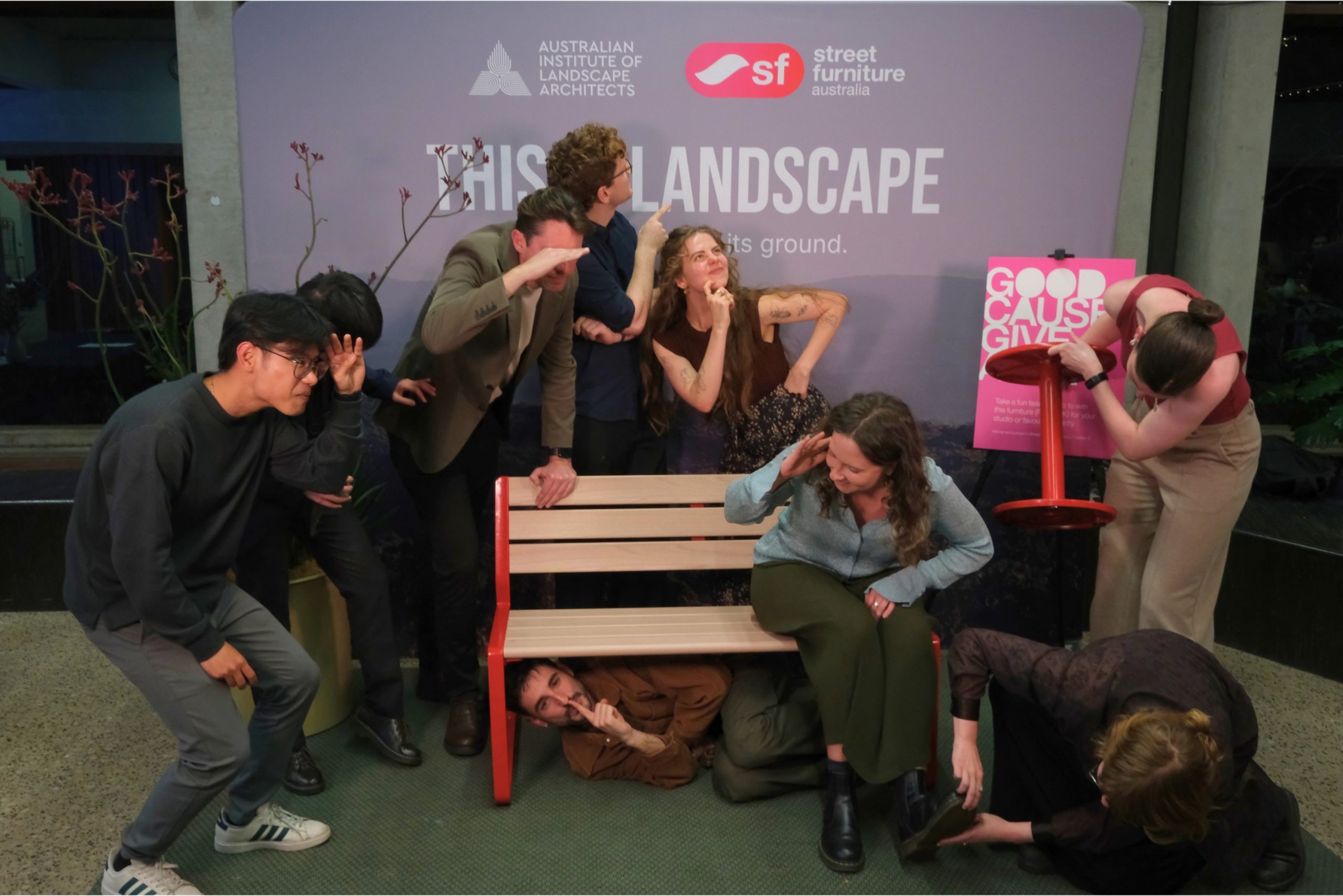
2026 AILA Awards: Good Cause Giveaway
See highlights of all the outstanding creative photos from the 2026 AILA Awards Good Cause Giveaway, and discover which studio team won over 3k worth of furniture for... Read More
-
Join us for West Fest 2026: Designing in Belonging
A half-day knowledge exchange hearing from local built environment experts on fostering a sense of belonging in an increasingly dense, digital society. Read More
-
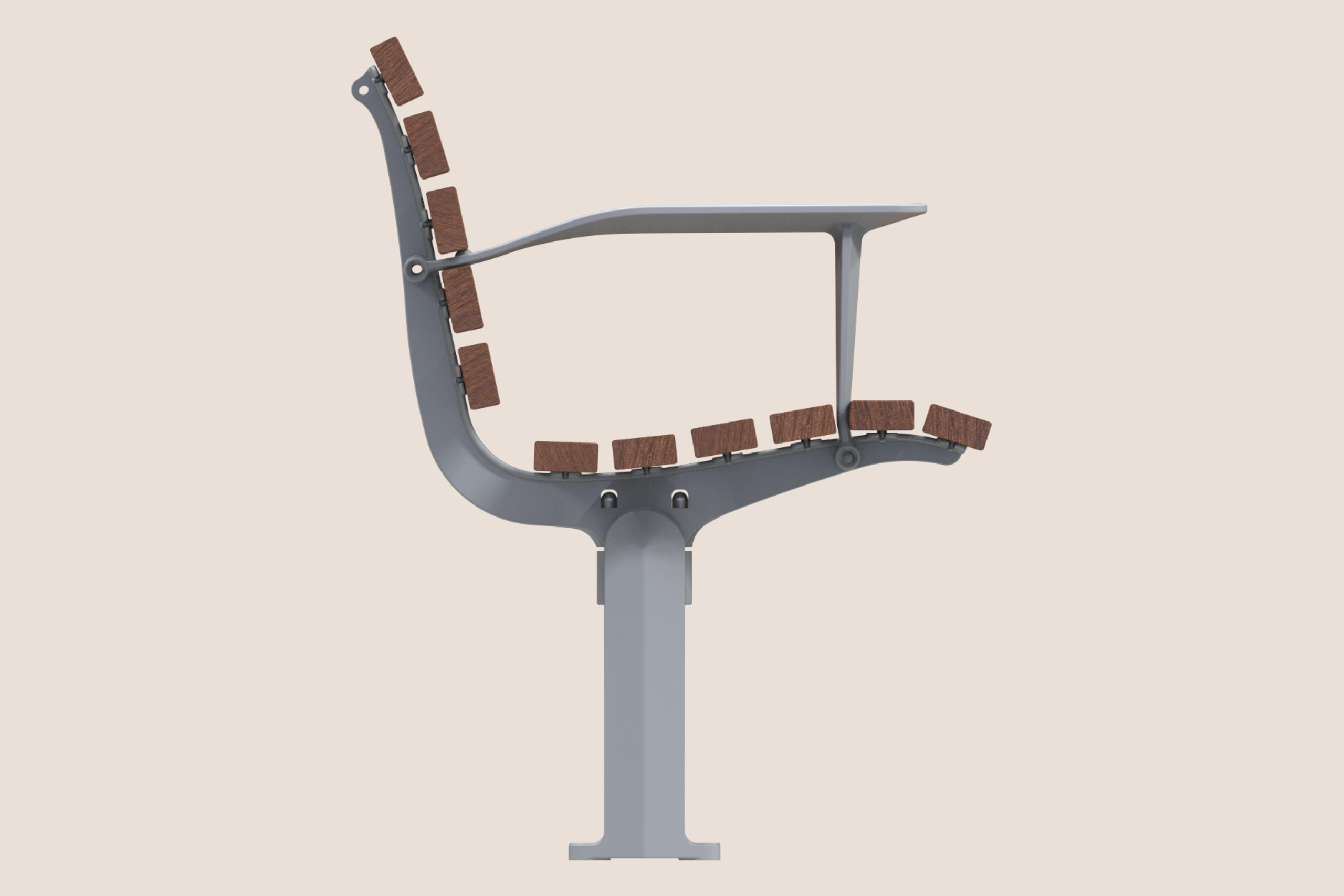
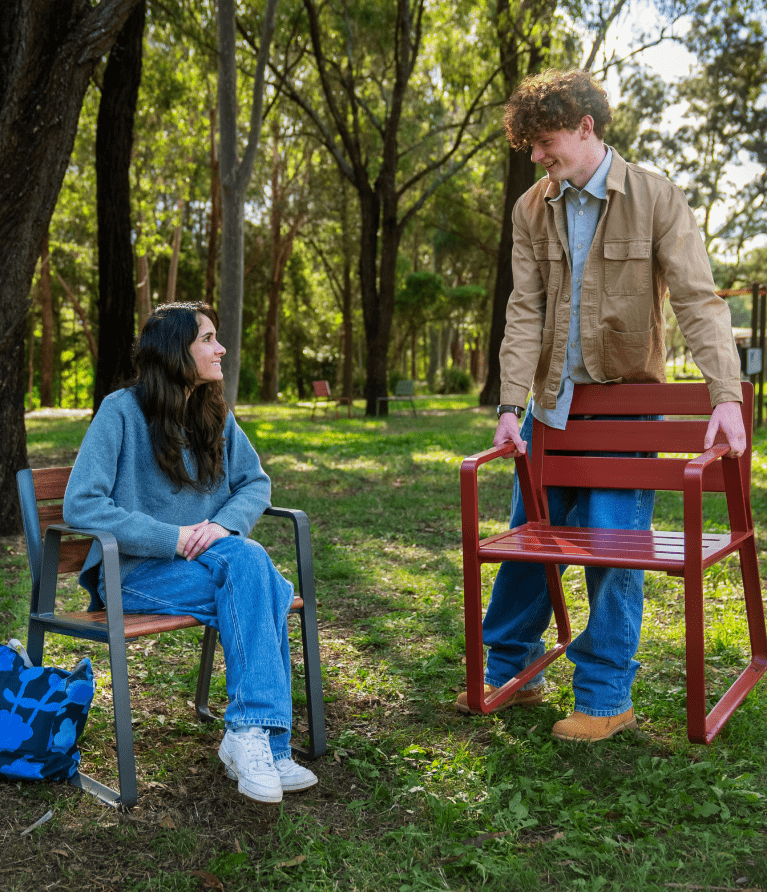
Introducing the new Pillar Leg
Street Furniture Australia’s new Pillar Leg is slimmer but sturdier. Discover what goes into a furniture leg, from fixing and accessibility to design. Read More
-
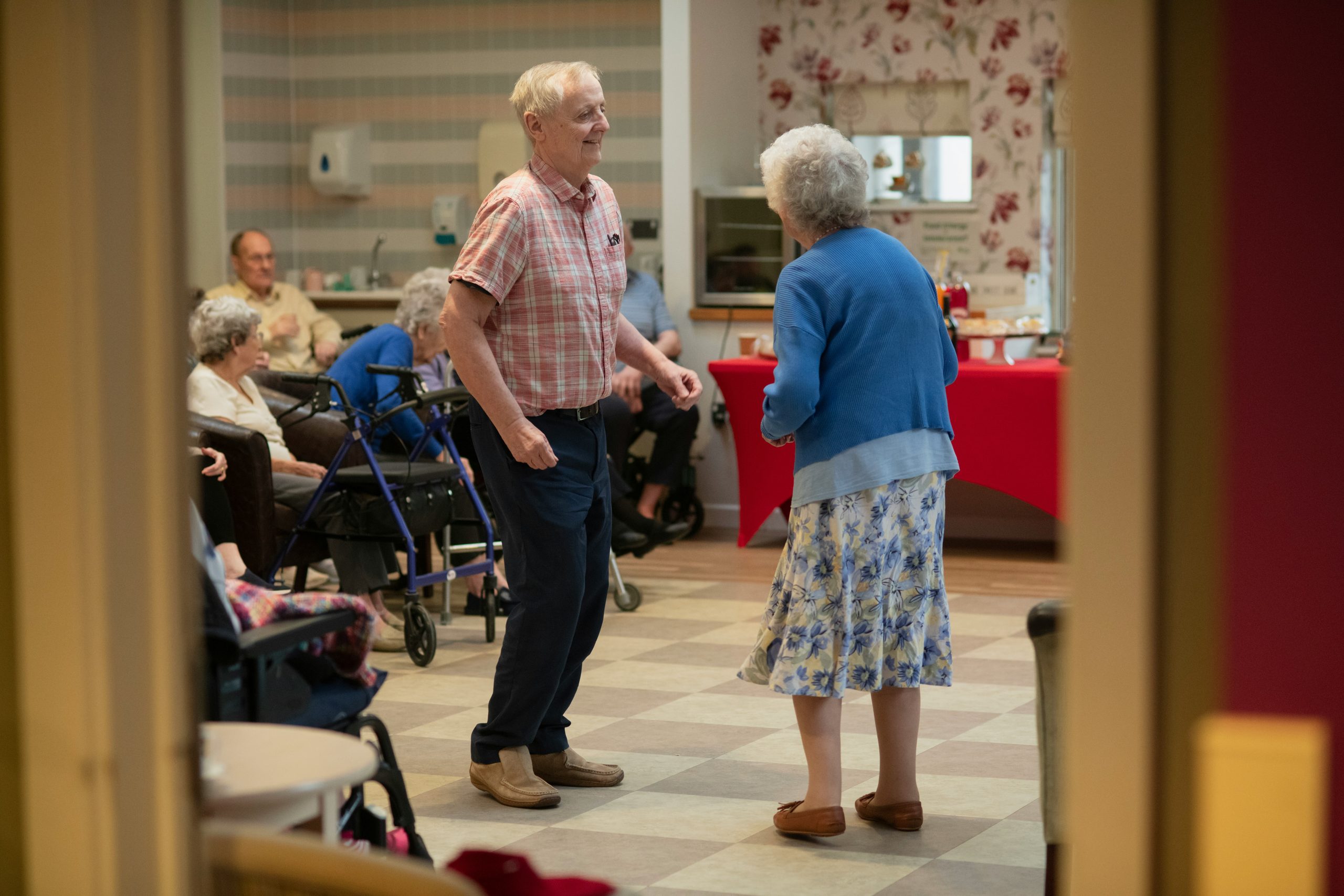
14th Street Y: From active space to community
How did a quiet gym lobby bring together 420+ locals? Learn how 14th Street Y uses social infrastructure and cheap coffee to build community. Read More
-
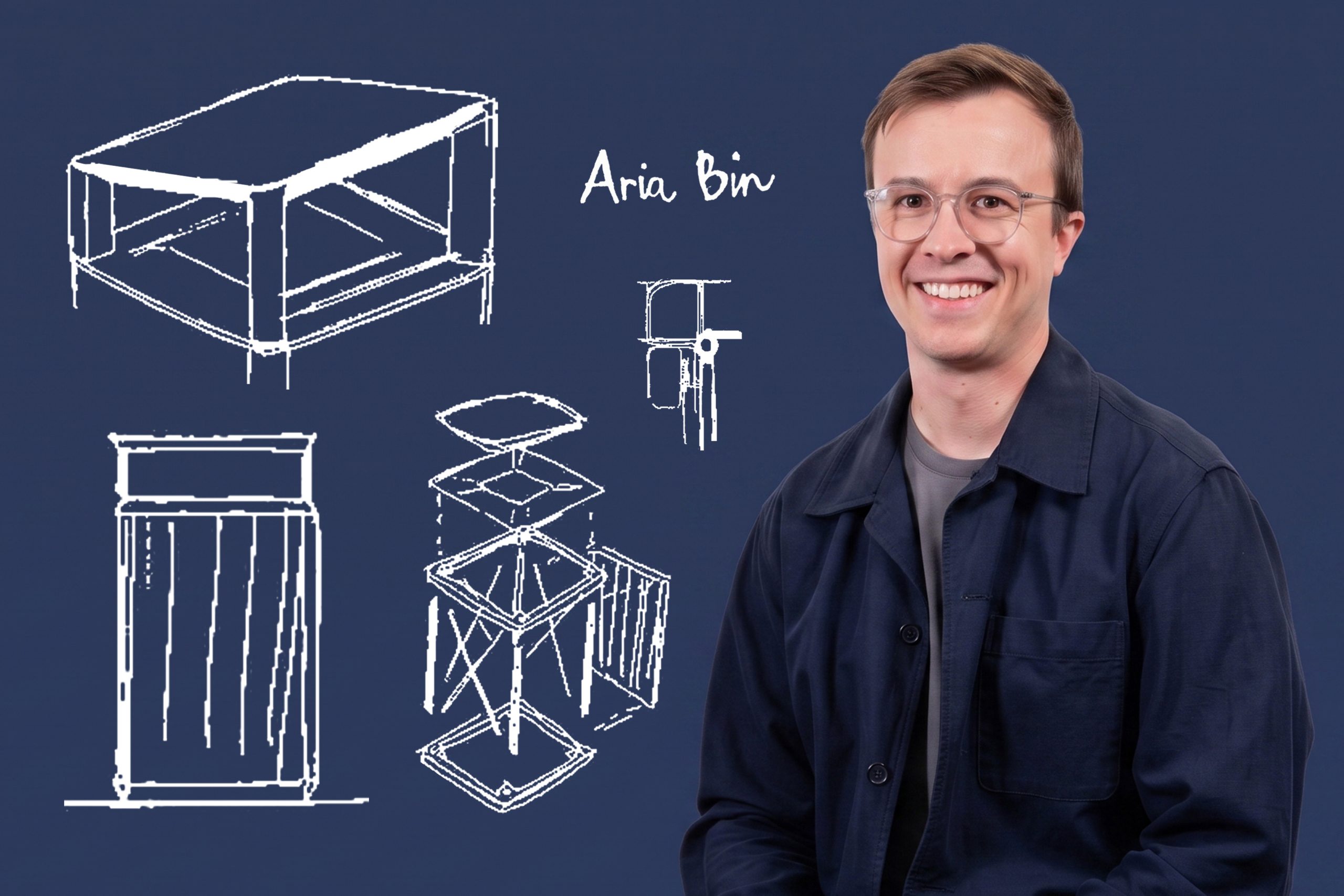
The design story behind Aria Bin
By Francis McArdle, Lead Designer of Aria Bin. There may be no piece of public infrastructure more overused and underappreciated than the humble bin. A basic necessity in... Read More
-
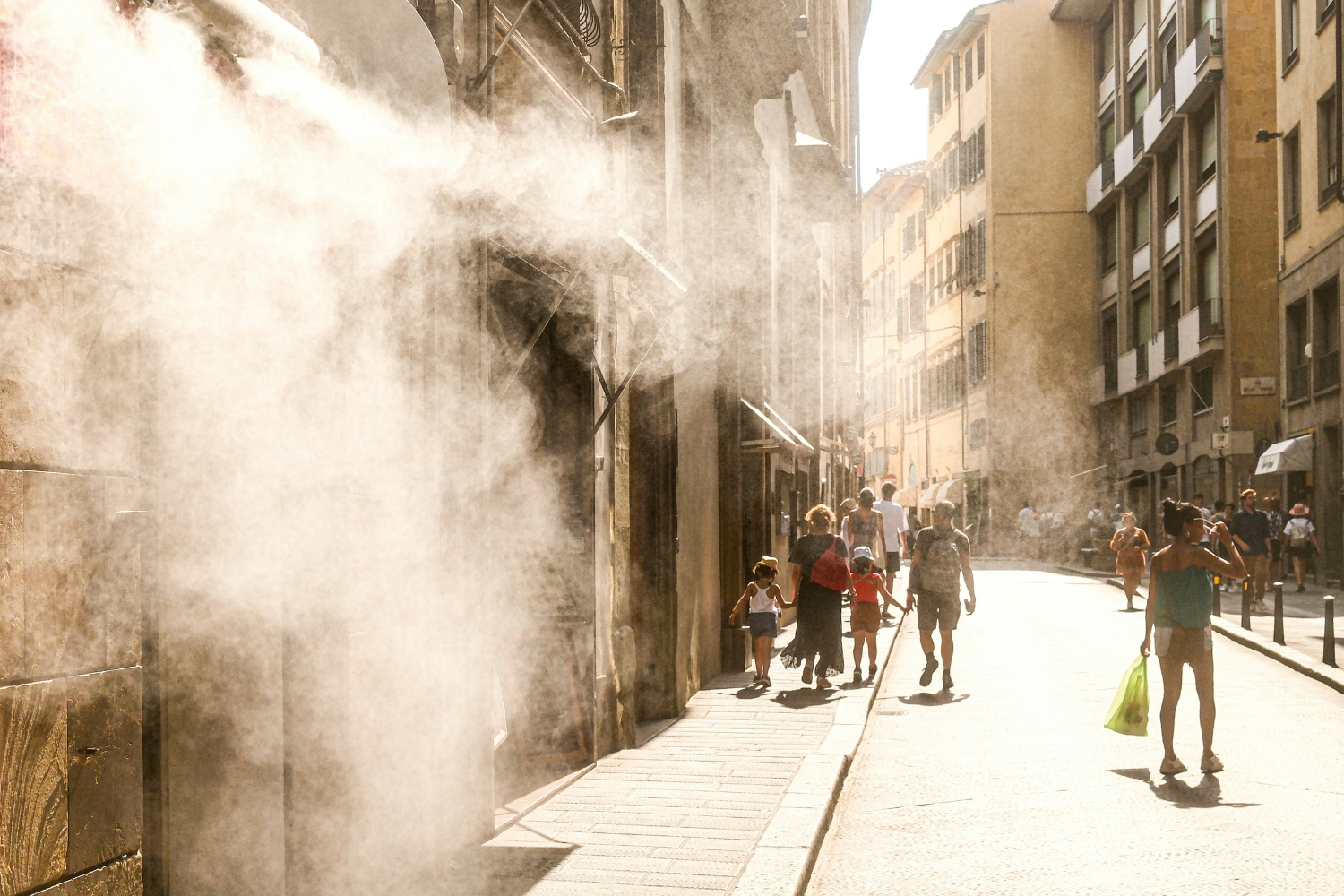
Should heat be regulated?
What if cities regulated heat like fire and flooding? ASLA explores how thermal performance could become a standard part of urban design. Read More