Trend Watch August 2021
Upcoming Events
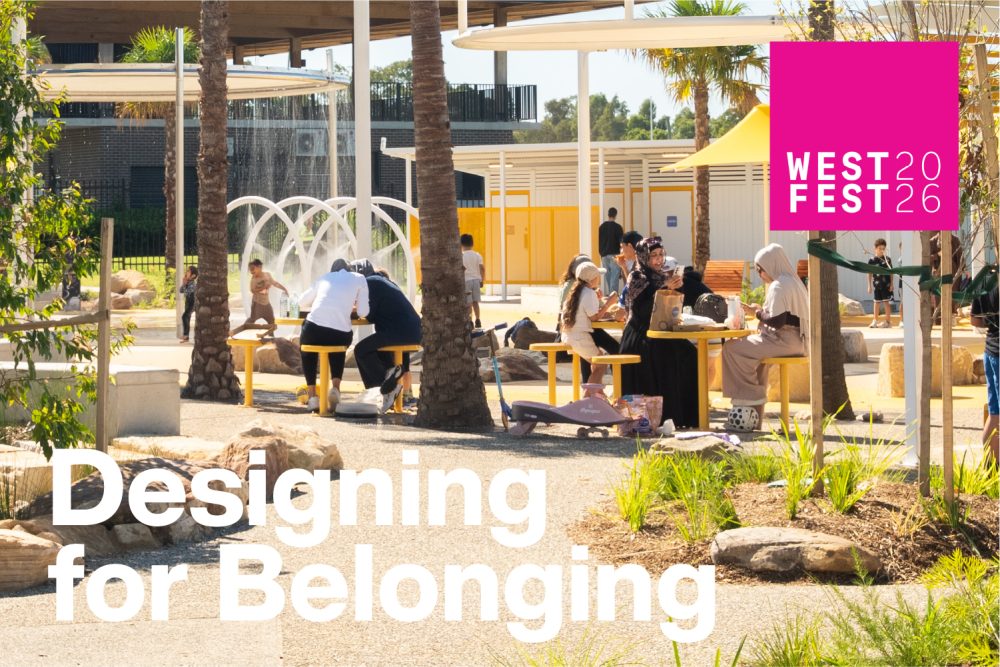
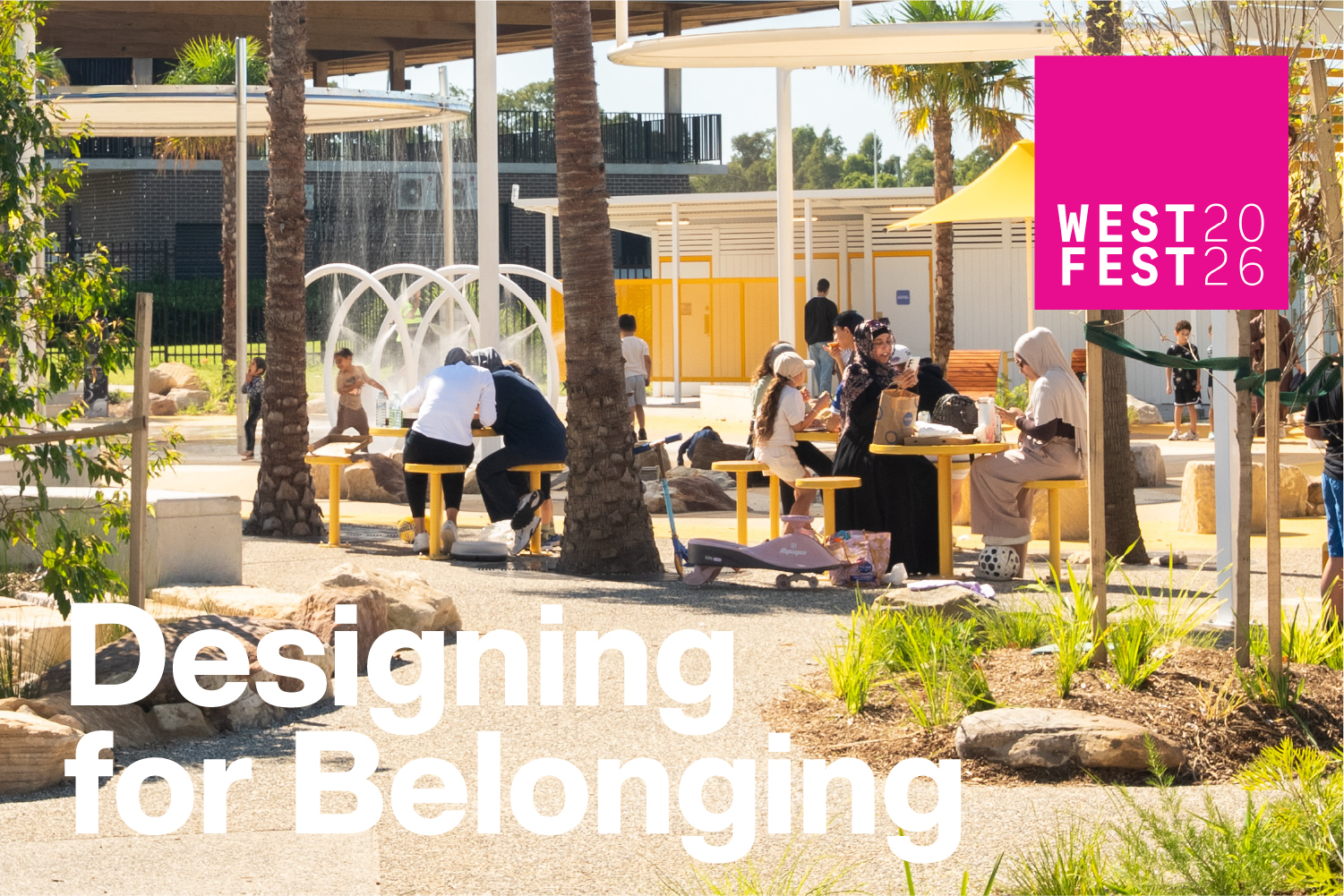
Join us for West Fest 2026: Designing in Belonging
A half-day knowledge exchange hearing from local built environment experts on fostering a sense of belonging in an increasingly dense, digital society.
Read more

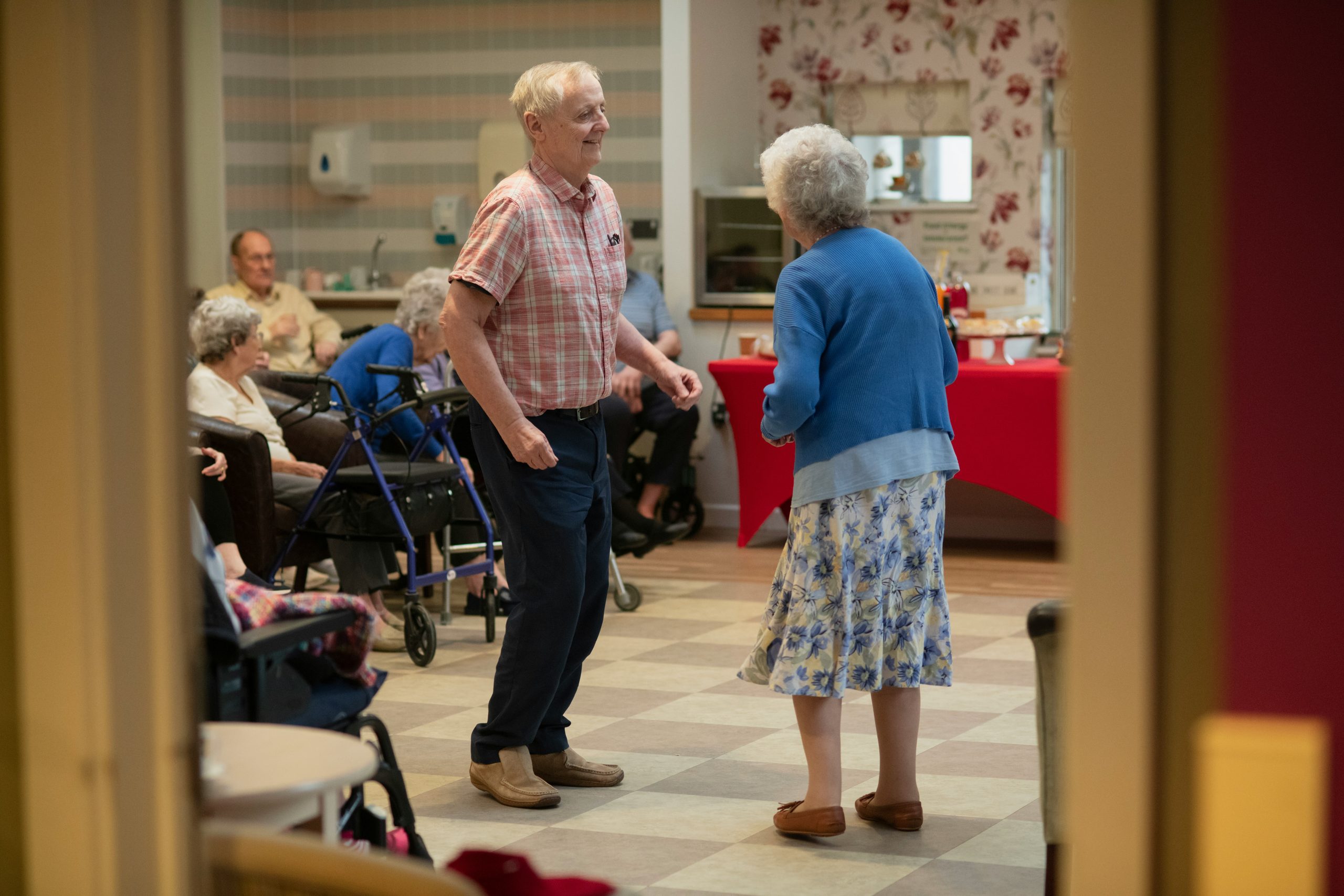
New concept to see older women live together to avoid homelessness, loneliness:
Older women are recognised as the fastest-growing cohort of homeless people in Australia, writes Dea Clark for ABC News, as they struggle to find affordable housing.
With a soaring rental market and no hope of owning their own homes, Dea tells the stories of women who are turning to a newly formed foundation Sharing With Friends, which aims to provide the opportunity to buy into custom-built shared housing.
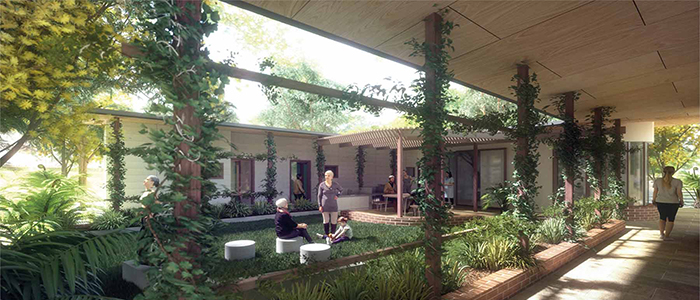
The prototype, designed by Eloise Atkinson, will fit on an 800-square-metre suburban block of land provided by the charity. Five women will each invest $120,000 to pay for the construction of the accommodation consisting of five private living quarters, a communal laundry, library and garden.
Eloise Atkinson told the ABC the challenge was to balance the cost with liveability. “It set up a number of conversations about what the women are prepared to share and what do they need to have as private space,” she said.
The concept not only provides a housing solution for single women, but also addresses another epidemic – loneliness.
Sharing With Friends president Susan Davies said she had 120 women on her database keen to explore the concept.
Read more about the womens’ stories in the article on ABC News.
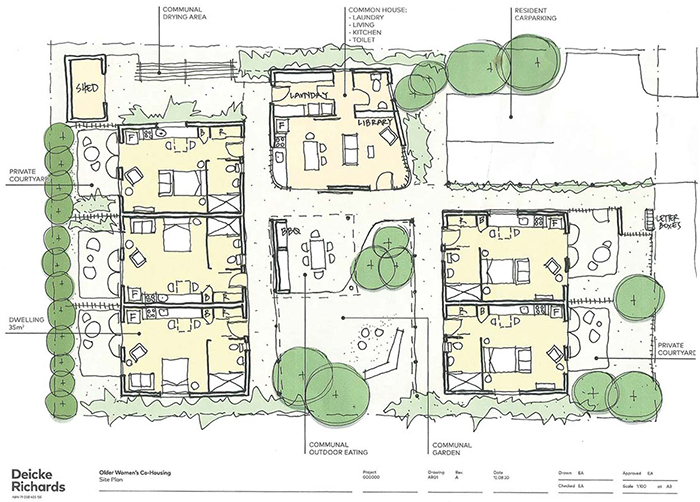
Images: Sharing With Friends.
How does removing parking and road space affect people with disabilities?
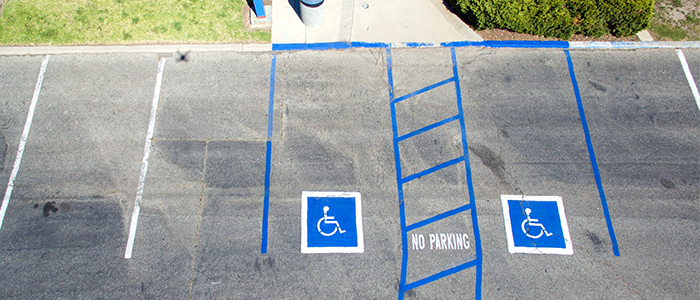
“There are people for whom the alternatives to driving and parking a car are not practical,” writes Daniel Herriges for Strong Towns – some people rely on quick, door-to-door access, including many people with disabilities.
Herriges lays out three reasons why “those who heavily depend on car access right now need not fear a transition to less auto-centric places, and might still welcome it,” namely:
- Creating alternatives to driving saves the parking and road space for those who need it most.
- We’re not starting from a blank slate, but with a glut of automobile space that can be reallocated.
- Our cities aren’t really designed around the needs of people with disabilities. Retooling the system frees us up to build places that are.
Read the discussion in the article on Strong Towns.
Photo by Robert Ruggiero on Unsplash.
-
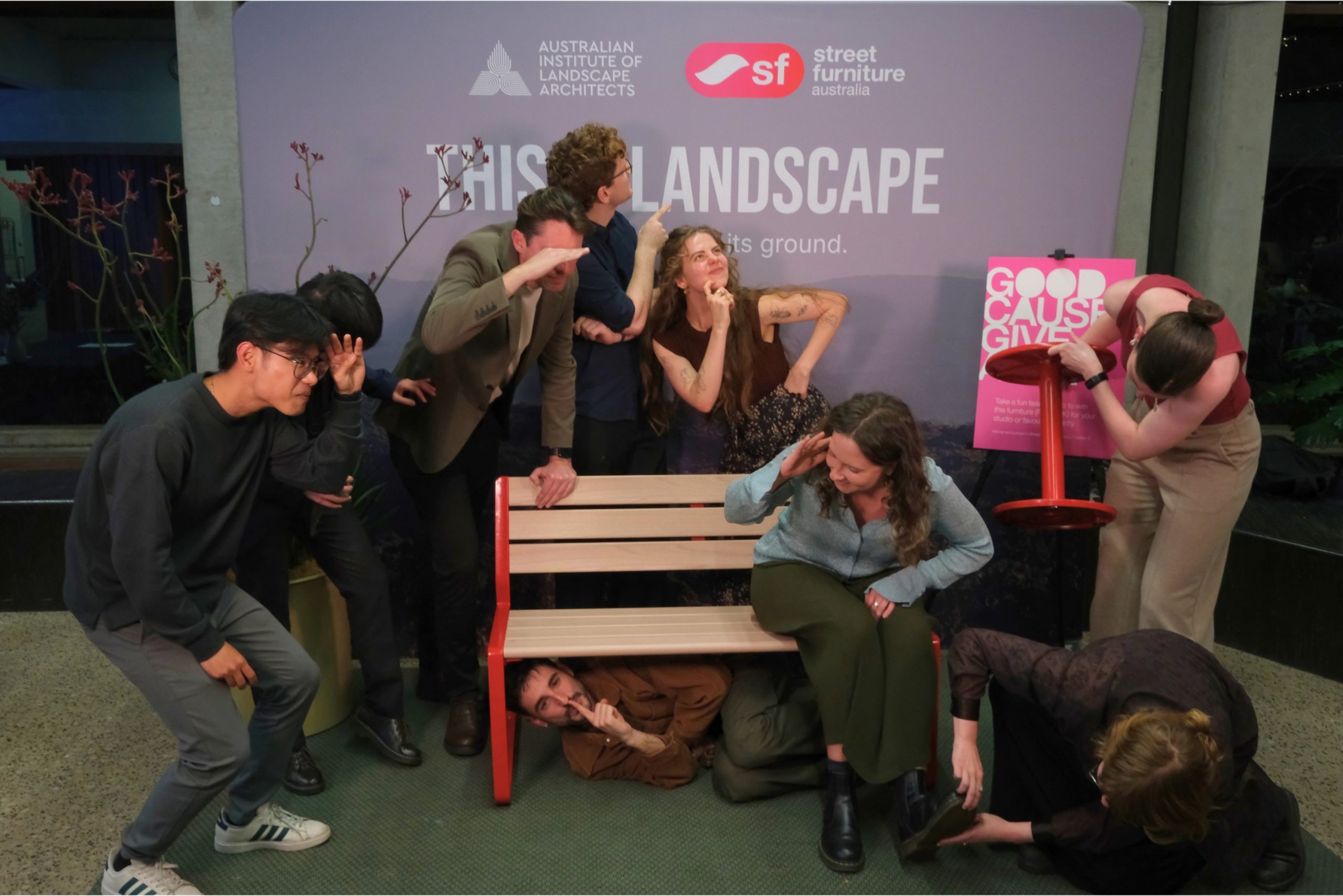
2026 AILA Awards: Good Cause Giveaway
See highlights of all the outstanding creative photos from the 2026 AILA Awards Good Cause Giveaway, and discover which studio team won over 3k worth of furniture for... Read More
-
Join us for West Fest 2026: Designing in Belonging
A half-day knowledge exchange hearing from local built environment experts on fostering a sense of belonging in an increasingly dense, digital society. Read More
-
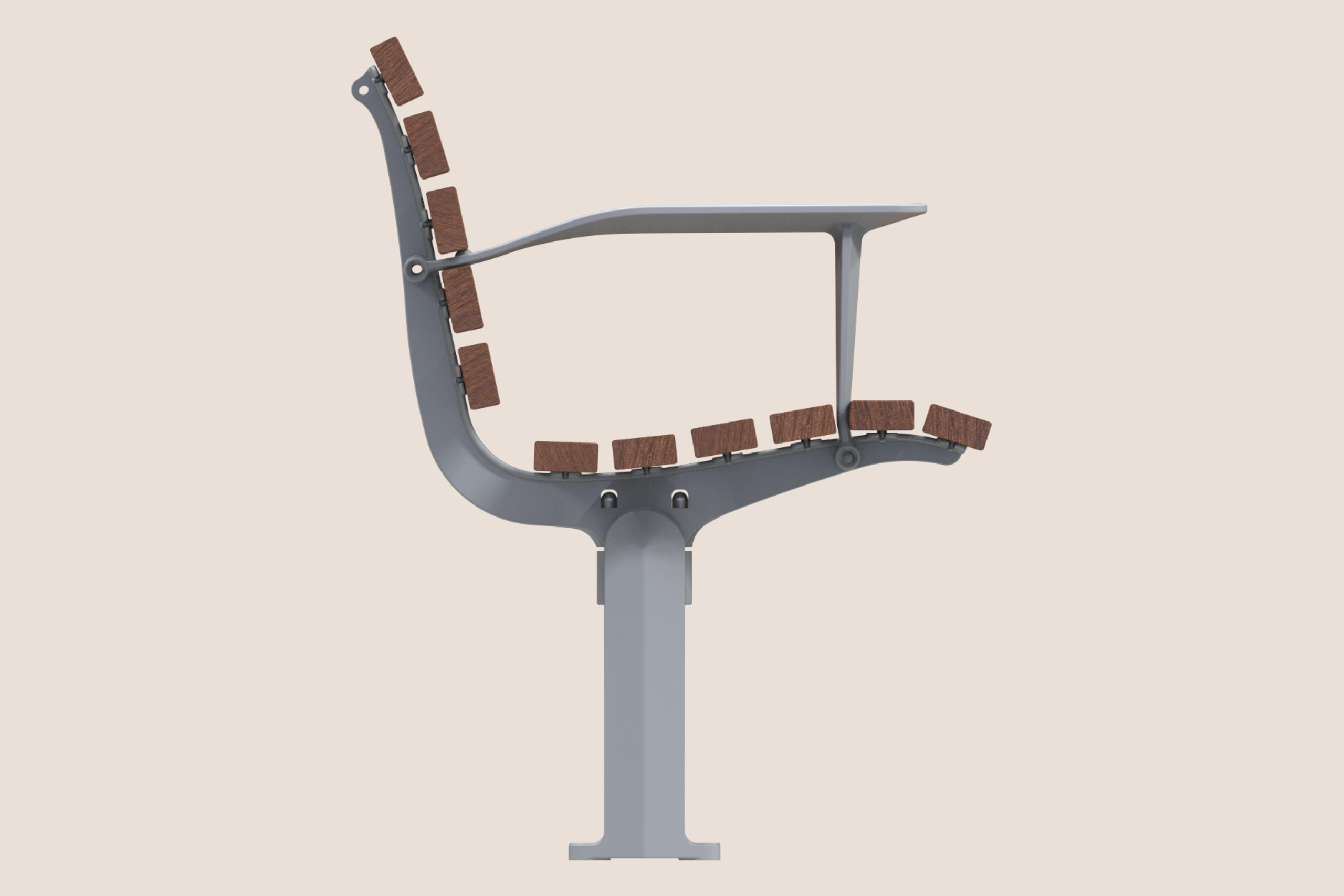
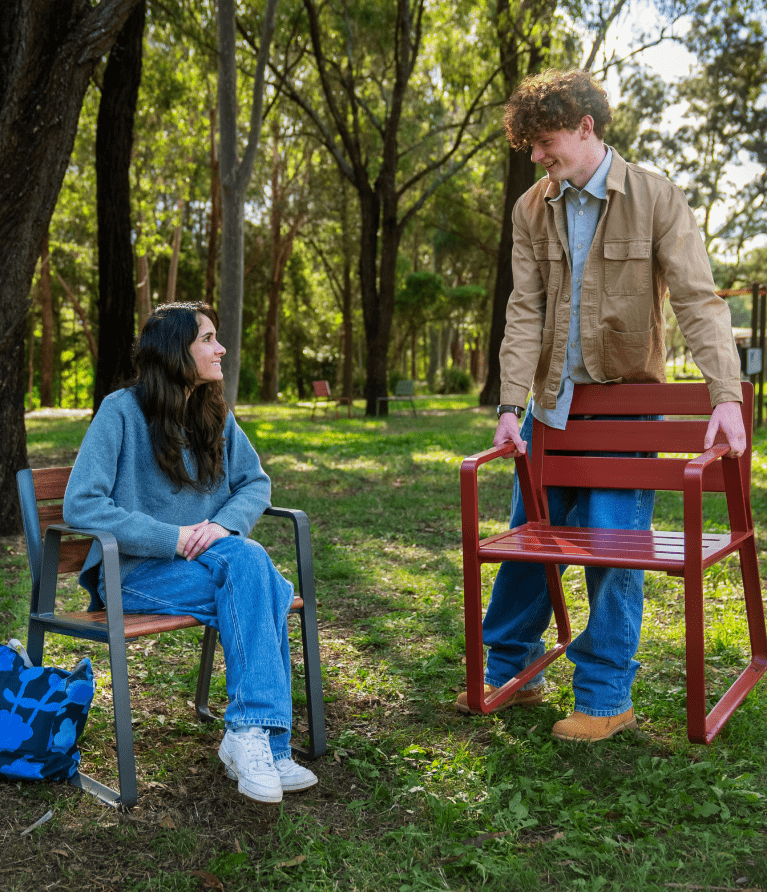
Introducing the new Pillar Leg
Street Furniture Australia’s new Pillar Leg is slimmer but sturdier. Discover what goes into a furniture leg, from fixing and accessibility to design. Read More
-
14th Street Y: From active space to community
How did a quiet gym lobby bring together 420+ locals? Learn how 14th Street Y uses social infrastructure and cheap coffee to build community. Read More
-
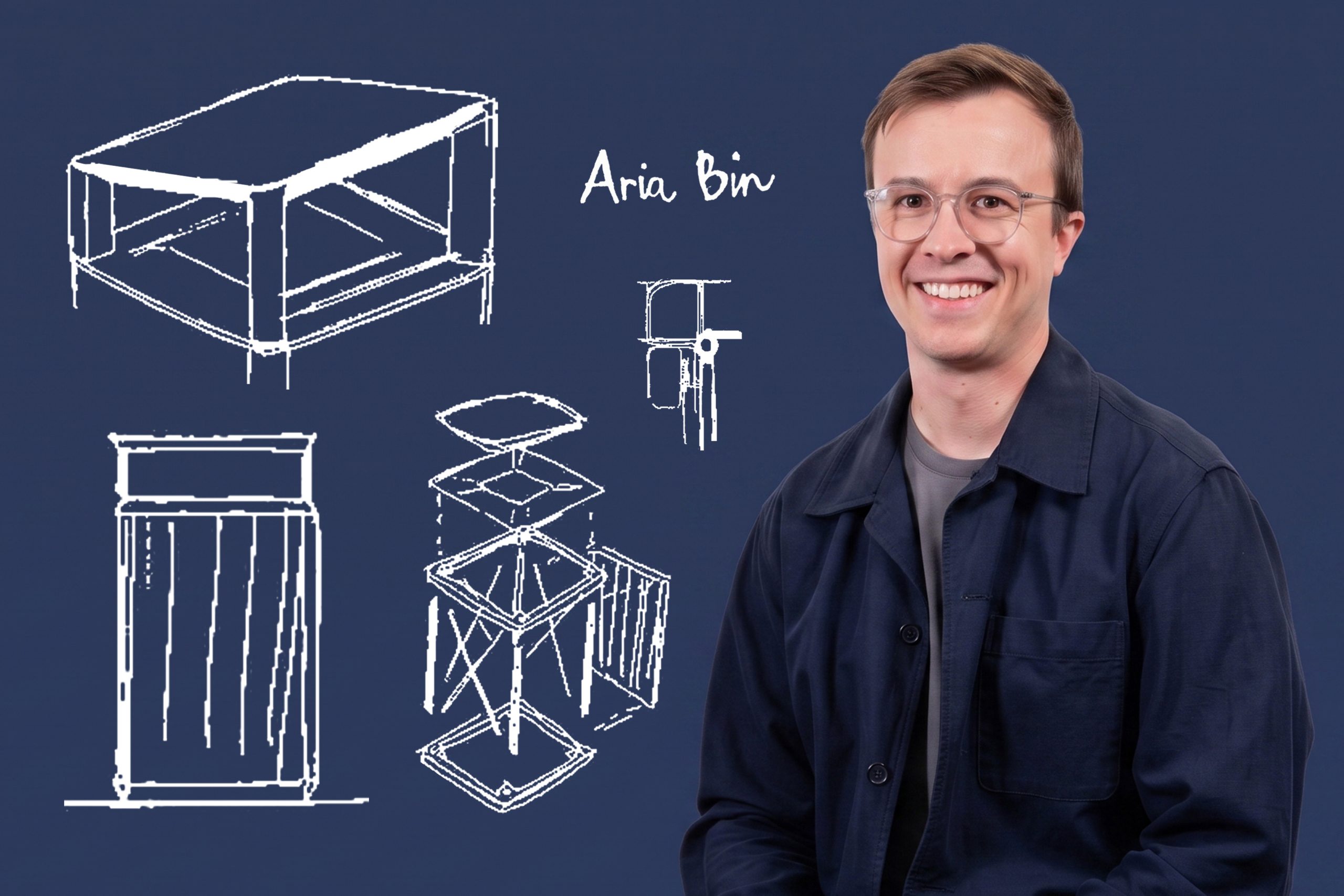
The design story behind Aria Bin
By Francis McArdle, Lead Designer of Aria Bin. There may be no piece of public infrastructure more overused and underappreciated than the humble bin. A basic necessity in... Read More
-
Should heat be regulated?
What if cities regulated heat like fire and flooding? ASLA explores how thermal performance could become a standard part of urban design. Read More