Seat Batten Guide: Which Material Gets Hottest in Summer?
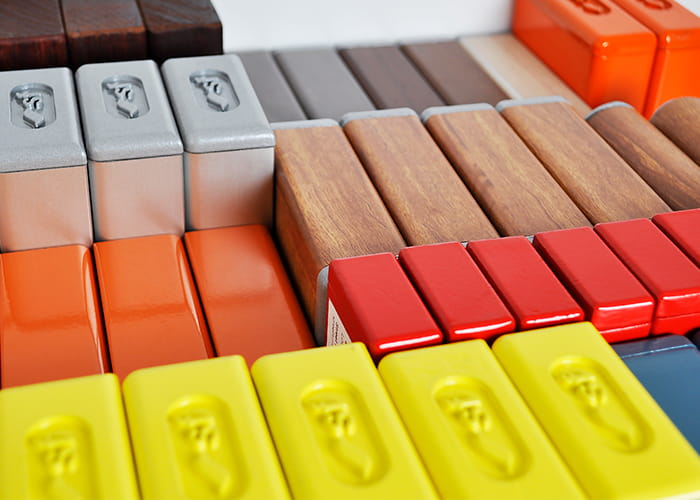
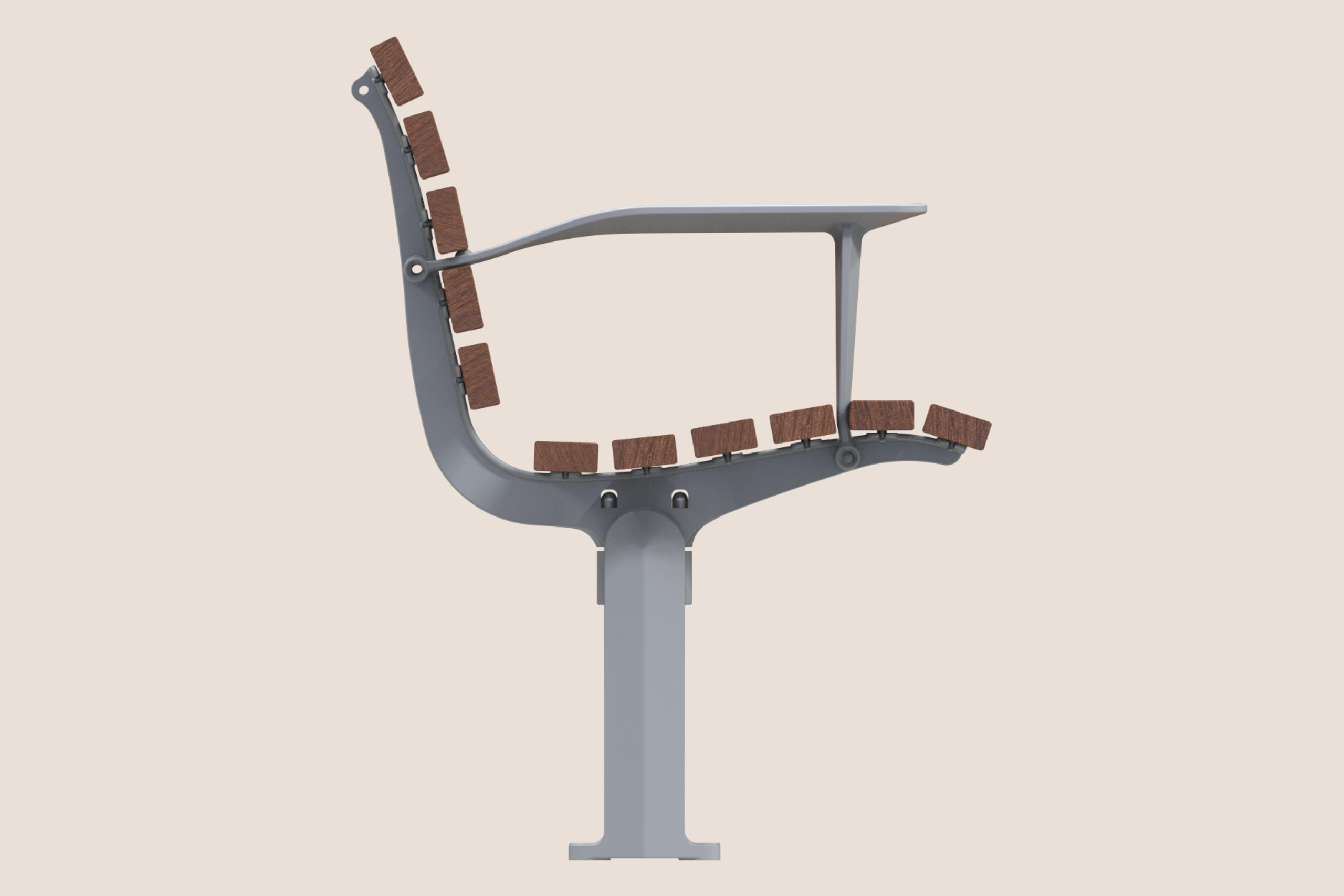
Engineers tested anodised, powdercoated and woodgrain aluminium, and oiled hardwood (Jarrah) battens.
Upcoming Events
Join us for West Fest 2026: Designing in Belonging
A half-day knowledge exchange hearing from local built environment experts on fostering a sense of belonging in an increasingly dense, digital society.
Read more

Timber? Aluminium? The answer may surprise you.
Comfort sitting outdoors can depend on many factors: position, view, shelter, microclimate, social comfort and more – see our Gehl cheatsheet on how to place seats in the city.
The temperature of the seat under you can also contribute.
Metal, for example, is commonly thought to be hottest in summer and coldest in winter. Street Furniture Australia’s inhouse engineers ran a study, dubbed the Goldilocks Batten Project, to get to the truth.
Access the full Goldilocks Report (730KB).
They tested anodised, powdercoated and woodgrain aluminium, and oiled hardwood (Jarrah) battens. For comparison, they also looked at raw aluminium – a material we do not use in seats.
The battens were placed in the sun, and the temperature recorded regularly. The engineers noted how long it took the material to heat up or cool down, in full sun and with clouds.
Which Seat Batten Gets Hottest, and Which Feels Hottest?
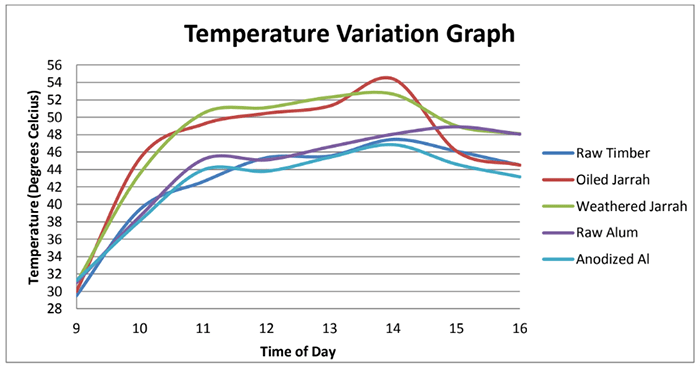
The batten that feels hottest in a blind test is NOT the batten with the highest recorded temperature on a sunny day.
- Anodised aluminium was 10°C cooler than oiled timber. There is a common misperception is that anodised is hot in summer. It is actually cooler than oiled hardwood, making it great for coastal locations but should be avoided for colder climates.
- Oiled hardwood battens reach the highest temperature, as oil causes the material to store heat. Regular oiling is recommended for seats as it improves durability.
- Aluminium still FEELS hotter than wood, as metal has higher conductivity to skin. Raw aluminium gets hotter than anodised.
- Woodgrain and powdercoated aluminium reached higher temperatures than anodised aluminium: the extra layer insulates the material. A thick powdercoat can provide conductivity levels similar to timber: so it will feel cooler than raw aluminium.
- Applying white powdercoat or white paint will raise emissivity: light-coloured materials do not store as much heat.
What Makes Battens Hot?
Three main factors determine how responsive battens are to heat:
- Thermal Mass – how much heat energy and time it takes to change temperature. High mass is best for battens – we want them to heat and cool slowly.
- Radiation Emissivity – how much energy absorbed from the sun is emitted out or stored within. Battens that store heat feel hot, so higher is better.
- Conductivity – how fast heat is transferred from the surface of the metal to skin.
Hardwood battens have the highest thermal mass of materials tested – they change temperature most slowly. They are solid, while the aluminium are hollow extrusions, so perhaps this is not surprising.
In tests where wind blew across aluminium extrusions, the metal quickly cooled.
Our Experience of Battens is Not Rational
Our team – with more than 30 years of experience supplying furniture to public spaces – notes that the comfort people experience from different kinds of battens on seats is also affected by psychological factors.
- Looks matter. Timber and woodgrain aluminium tend to look warmer and more inviting to travellers waiting for the train, or relaxing in a park.
- Your choice of colour may help overcome perceptions – for example, using warmer colours for psychological effect if cold is a concern.
- The shinier a material is, the hotter or colder it looks.
- People dress for the weather. Bare skin does not usually come in contact with a bench in winter.
So which batten should you choose? If heat is a concern, anodised aluminium does not get as hot, and will cool more quickly with cloud cover, wind or moving shade.
When designing for colder climates, timber and colourful palettes can make environments more inviting.
Street Furniture Australia materials and finishes are suitable for all-weather conditions, however certain selections empower you to optimise comfort.
-
2026 AILA Awards: Good Cause Giveaway
See highlights of all the outstanding creative photos from the 2026 AILA Awards Good Cause Giveaway, and discover which studio team won over 3k worth of furniture for... Read More
-
Join us for West Fest 2026: Designing in Belonging
A half-day knowledge exchange hearing from local built environment experts on fostering a sense of belonging in an increasingly dense, digital society. Read More
-
Introducing the new Pillar Leg
Street Furniture Australia’s new Pillar Leg is slimmer but sturdier. Discover what goes into a furniture leg, from fixing and accessibility to design. Read More
-
14th Street Y: From active space to community
How did a quiet gym lobby bring together 420+ locals? Learn how 14th Street Y uses social infrastructure and cheap coffee to build community. Read More
-
The design story behind Aria Bin
By Francis McArdle, Lead Designer of Aria Bin. There may be no piece of public infrastructure more overused and underappreciated than the humble bin. A basic necessity in... Read More
-
Should heat be regulated?
What if cities regulated heat like fire and flooding? ASLA explores how thermal performance could become a standard part of urban design. Read More