Queensland Rail Accessibility Upgrade

Buranda, Banyo, Lindum and Morningside Station, Brisbane, QLD
Turrbal people
Queensland Rail
Scott Shirley
-
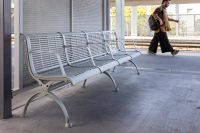
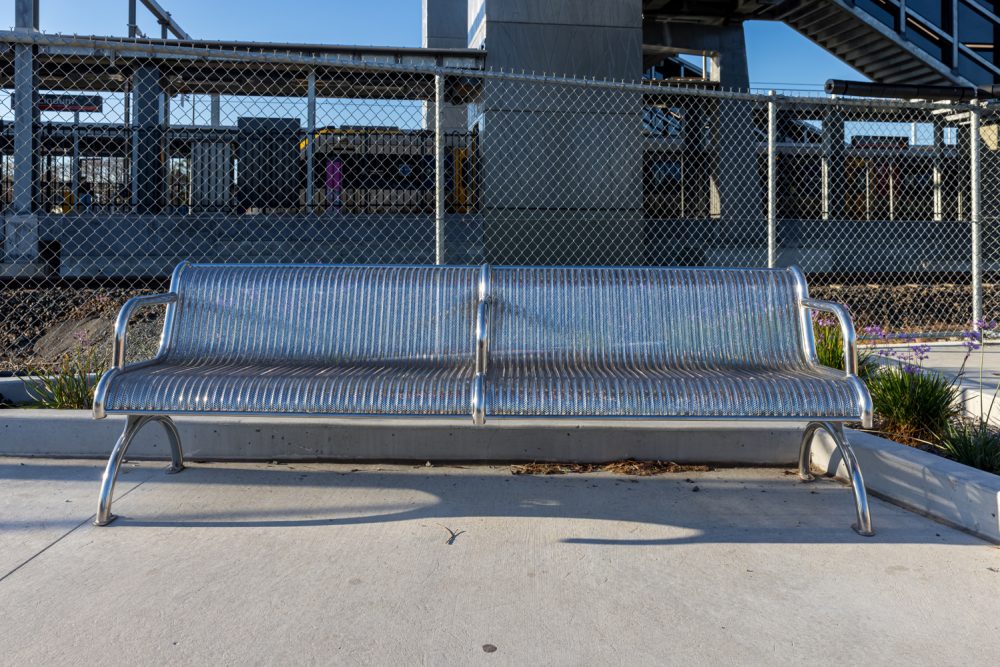
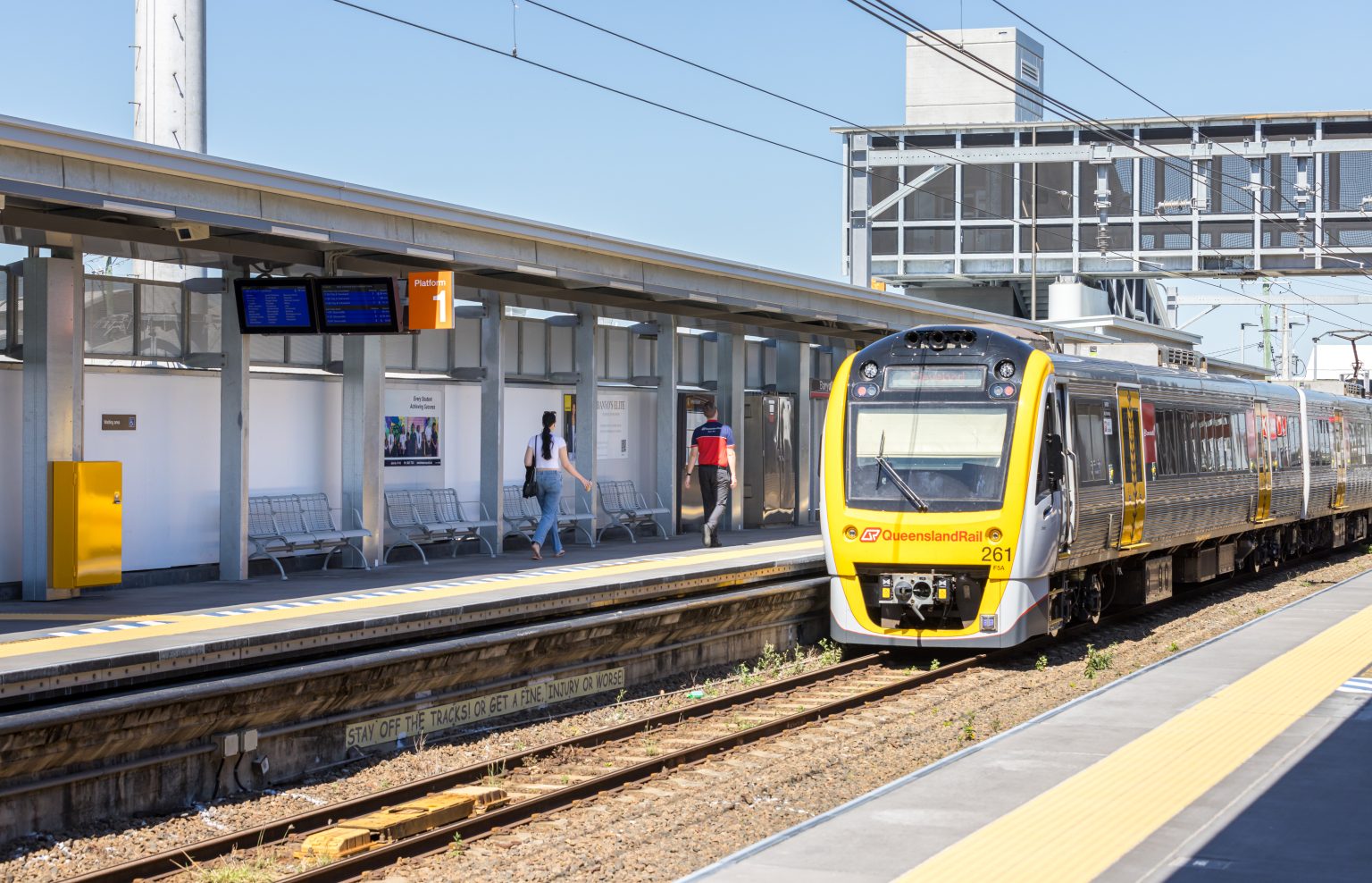 Concourse Seat (3-seater), Silver frames and panels. Armrest for every seat.
 -
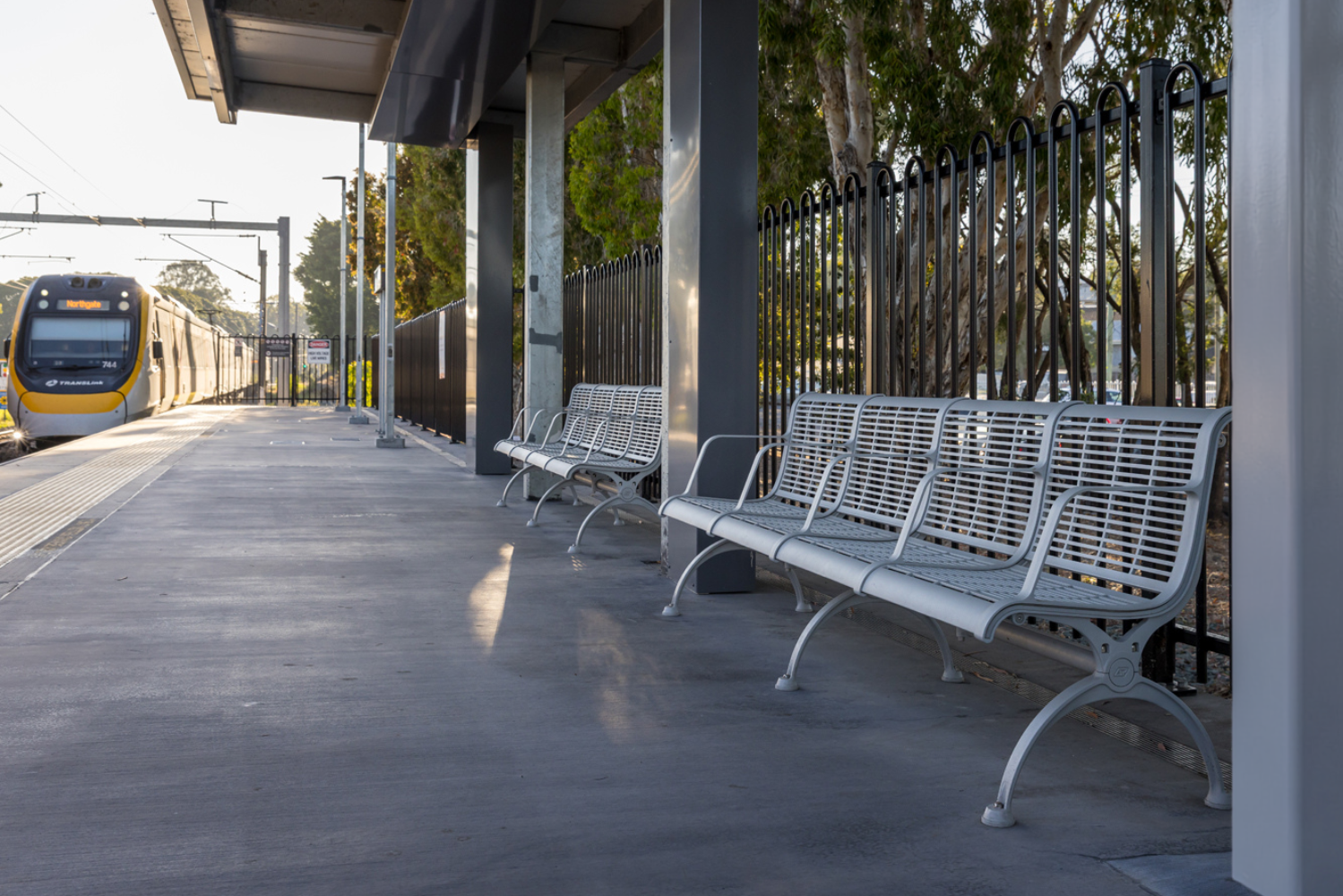 Concourse Seat (4-seater), Silver frames and panels. Armrest for every seat.
 -
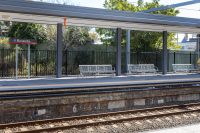
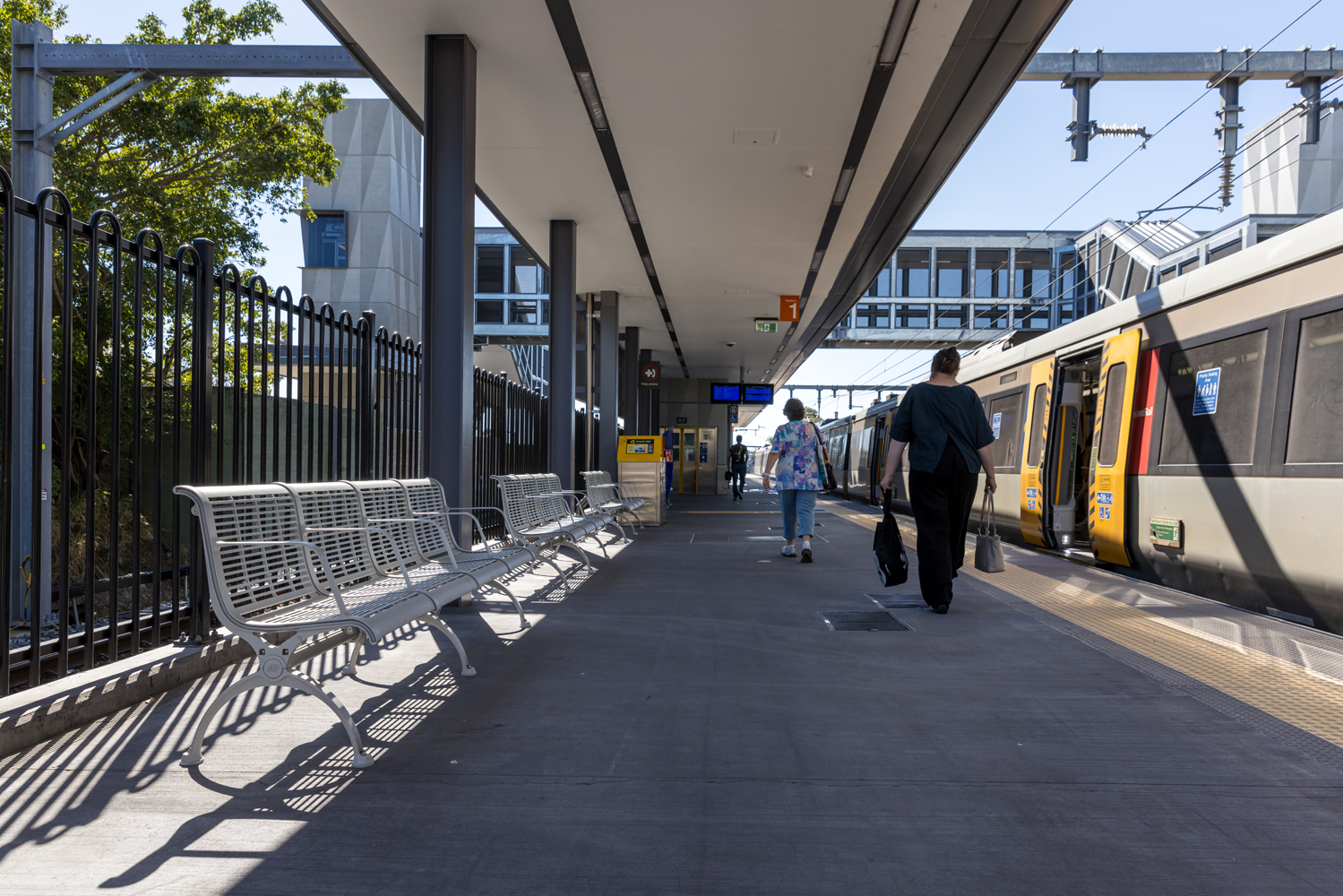 Concourse Seat (4-seater), Silver frames and panels. Armrest for every seat.
 -
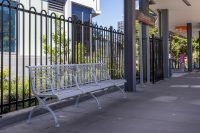
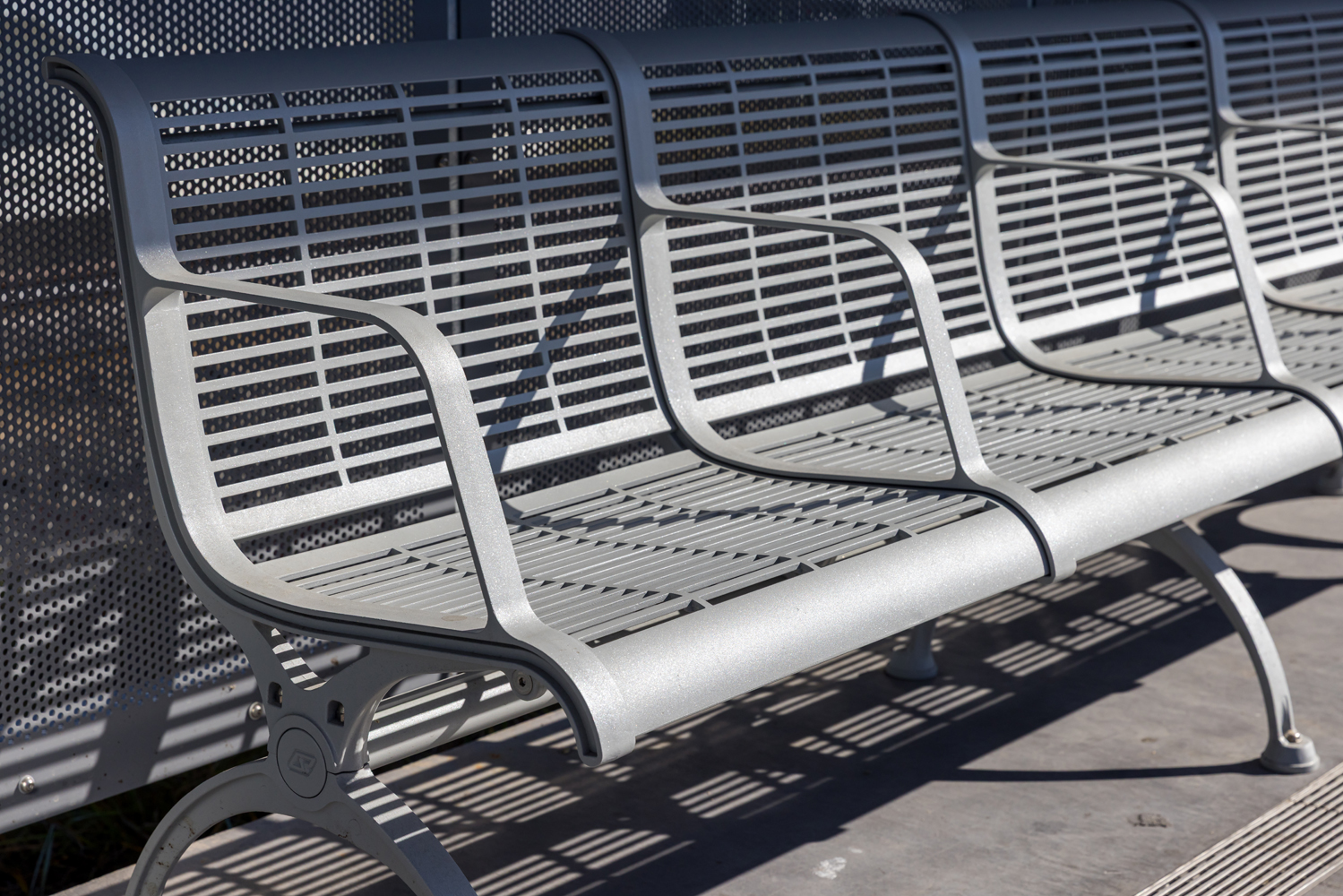 Concourse Seat (4-seater), Silver frames and panels. Armrest for every seat.
 -
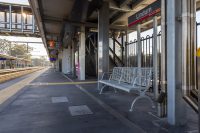
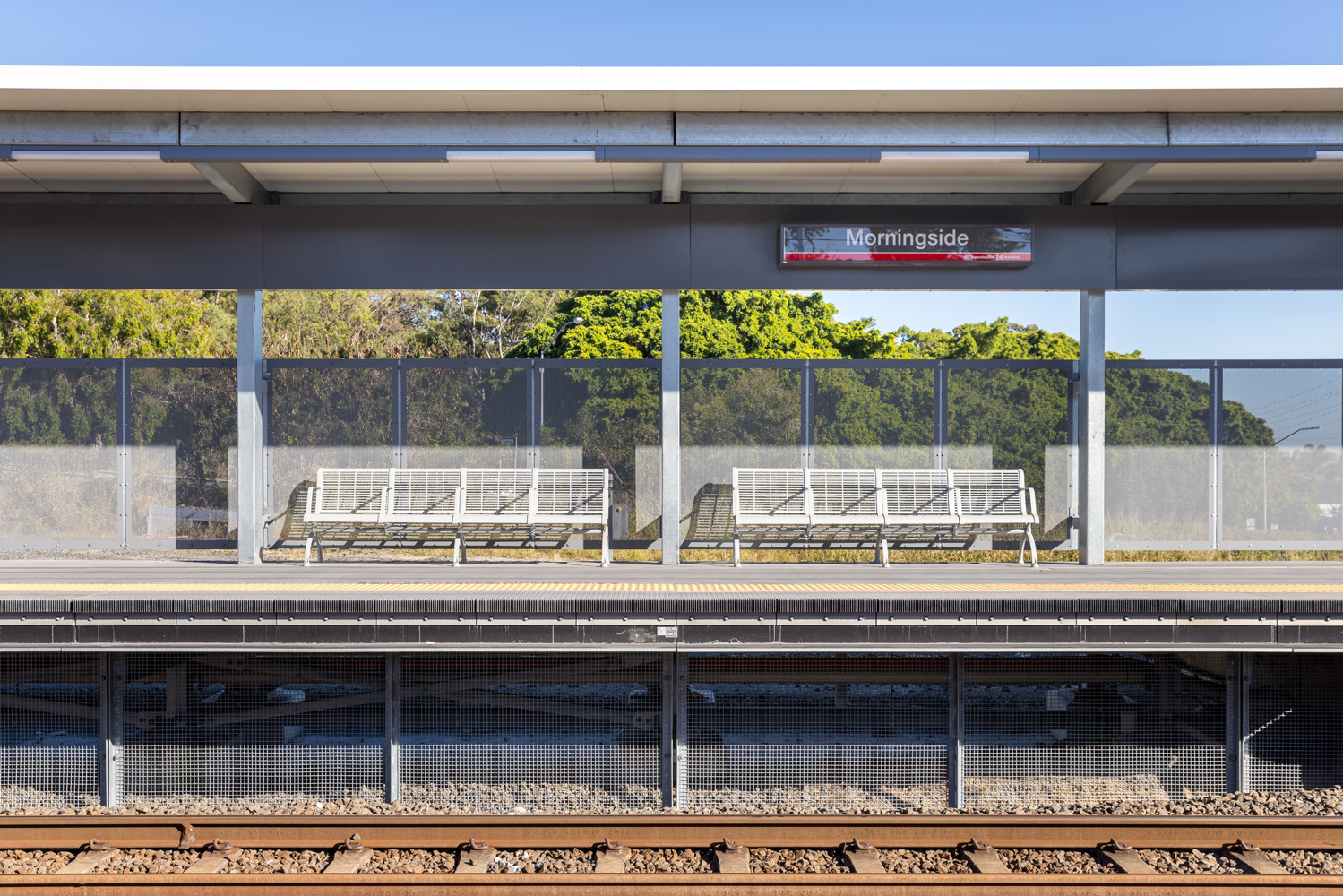 Concourse Seat (4-seater), Silver frames and panels. Armrest for every seat.
 -
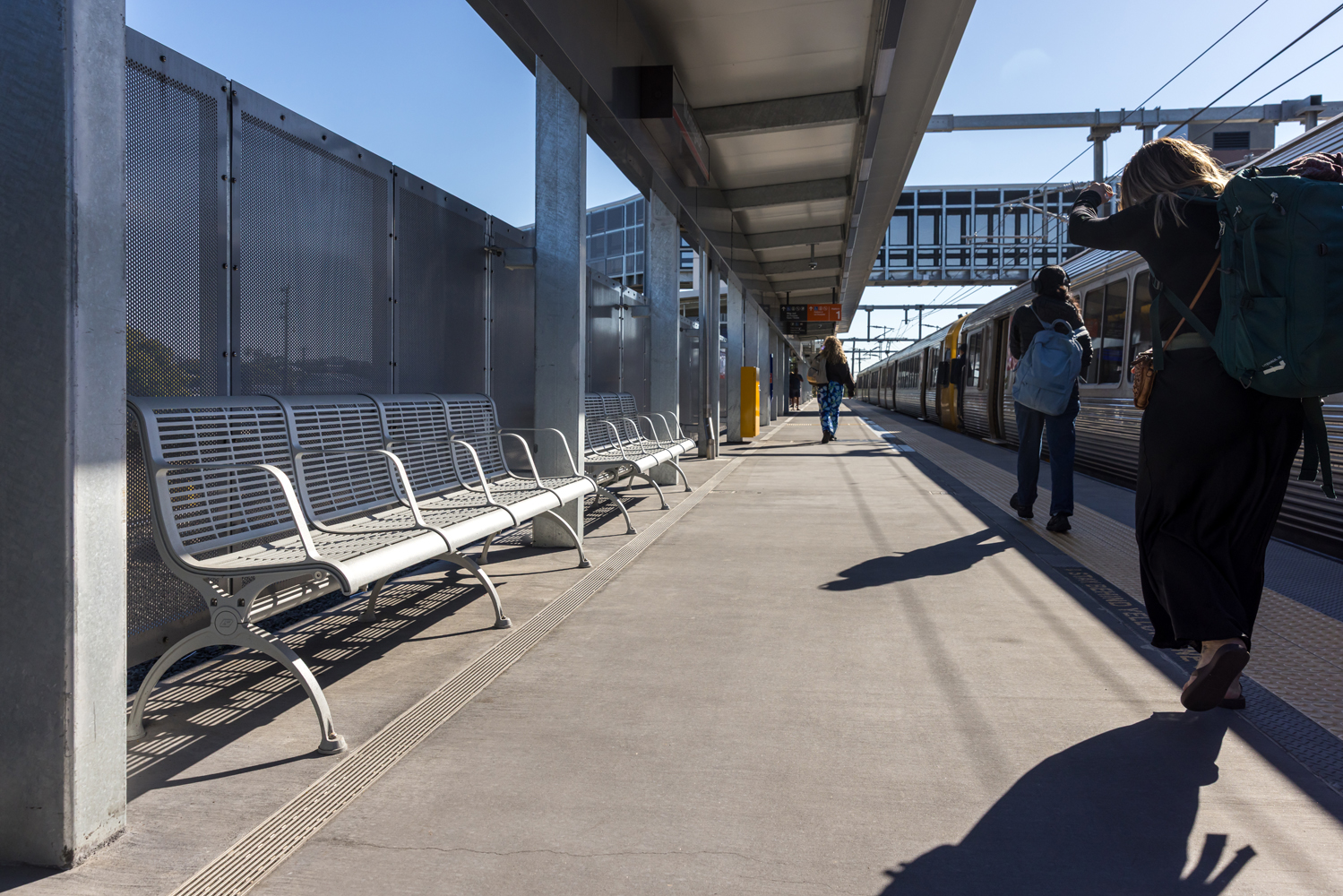 Concourse Seat (4-seater), Silver frames and panels. Armrest for every seat.
 -
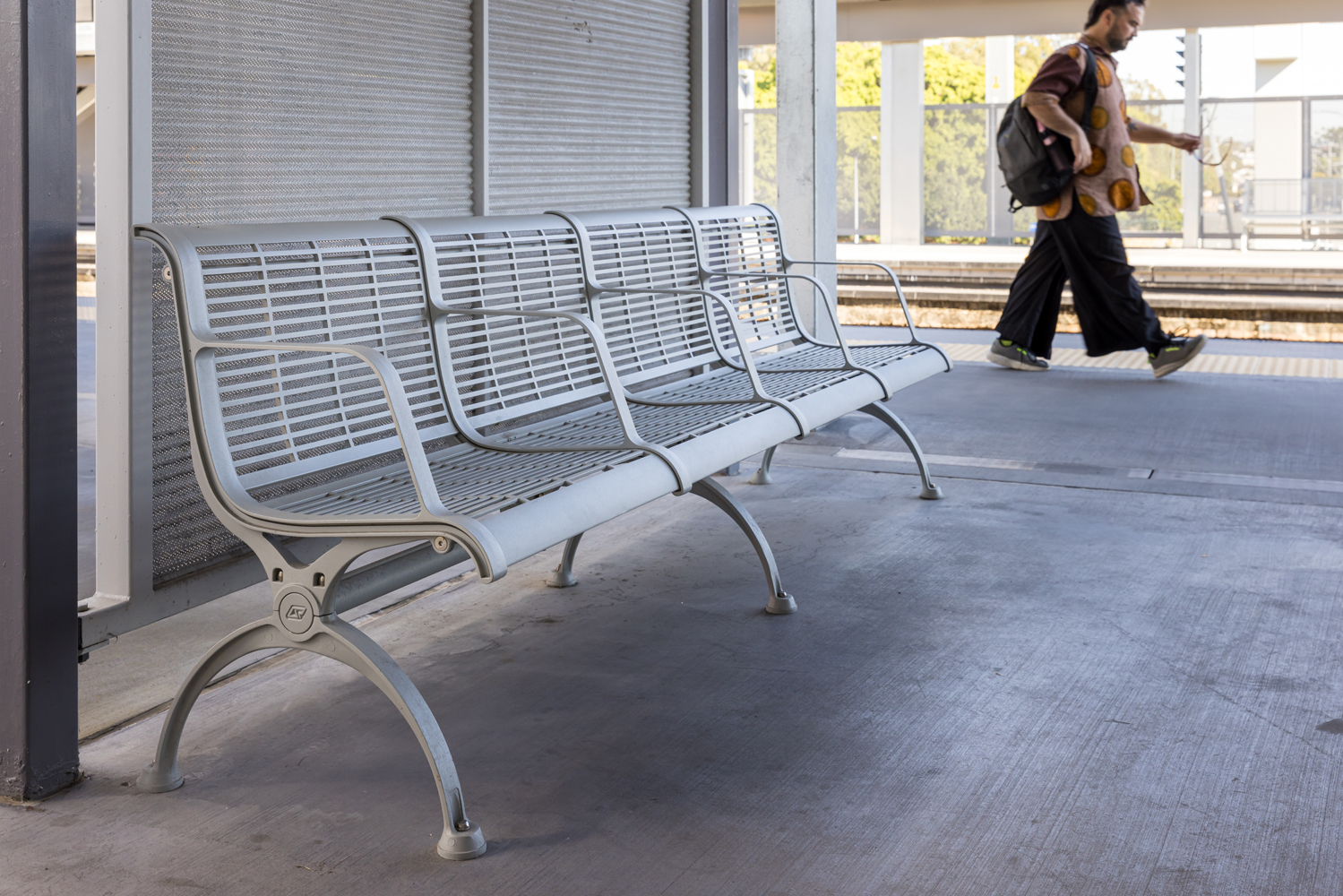 Concourse Seat (4-seater), Silver frames and panels. Armrest for every seat.
 -
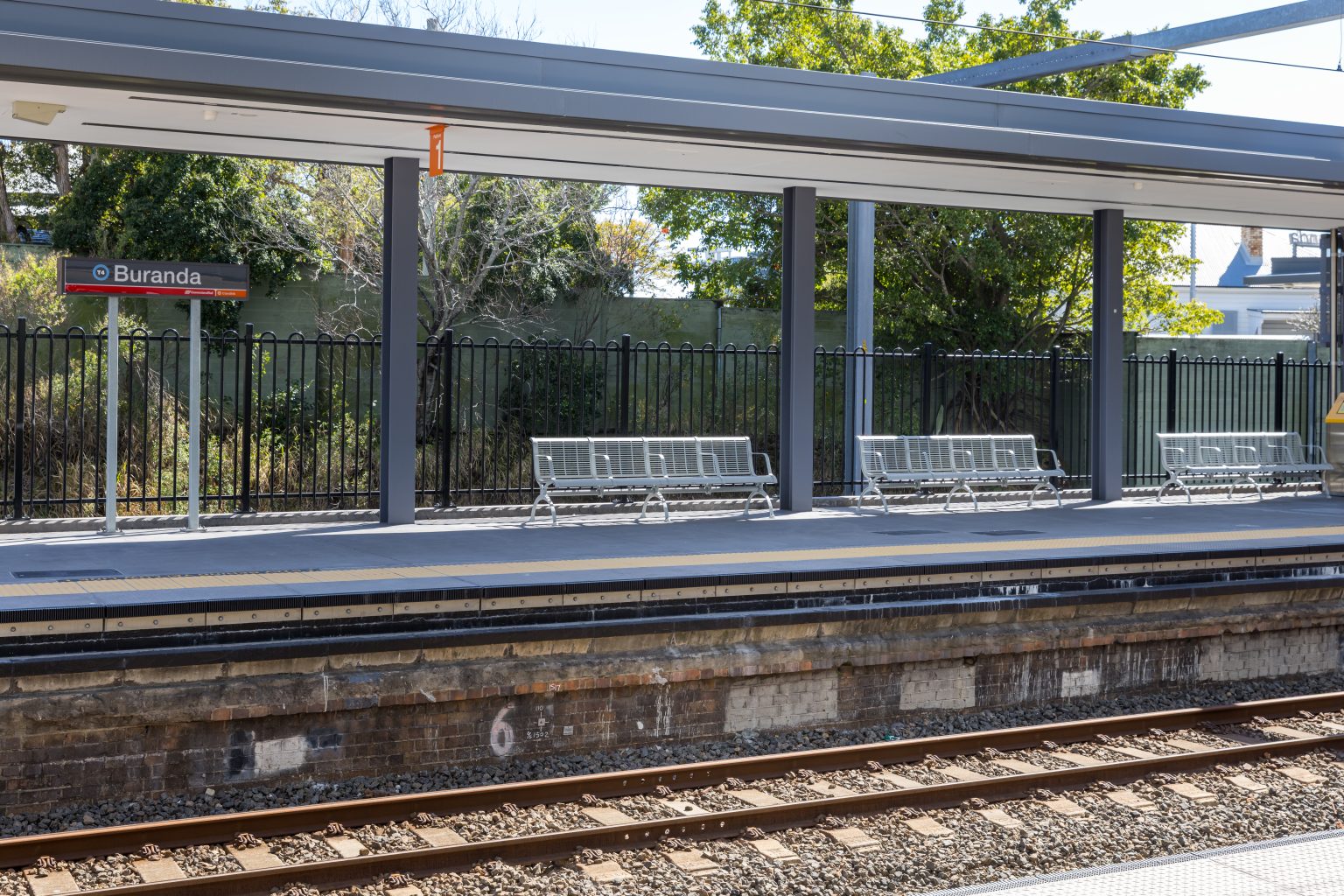 Concourse Seat (4-seater), Silver frames and panels. Armrest for every seat.
 -
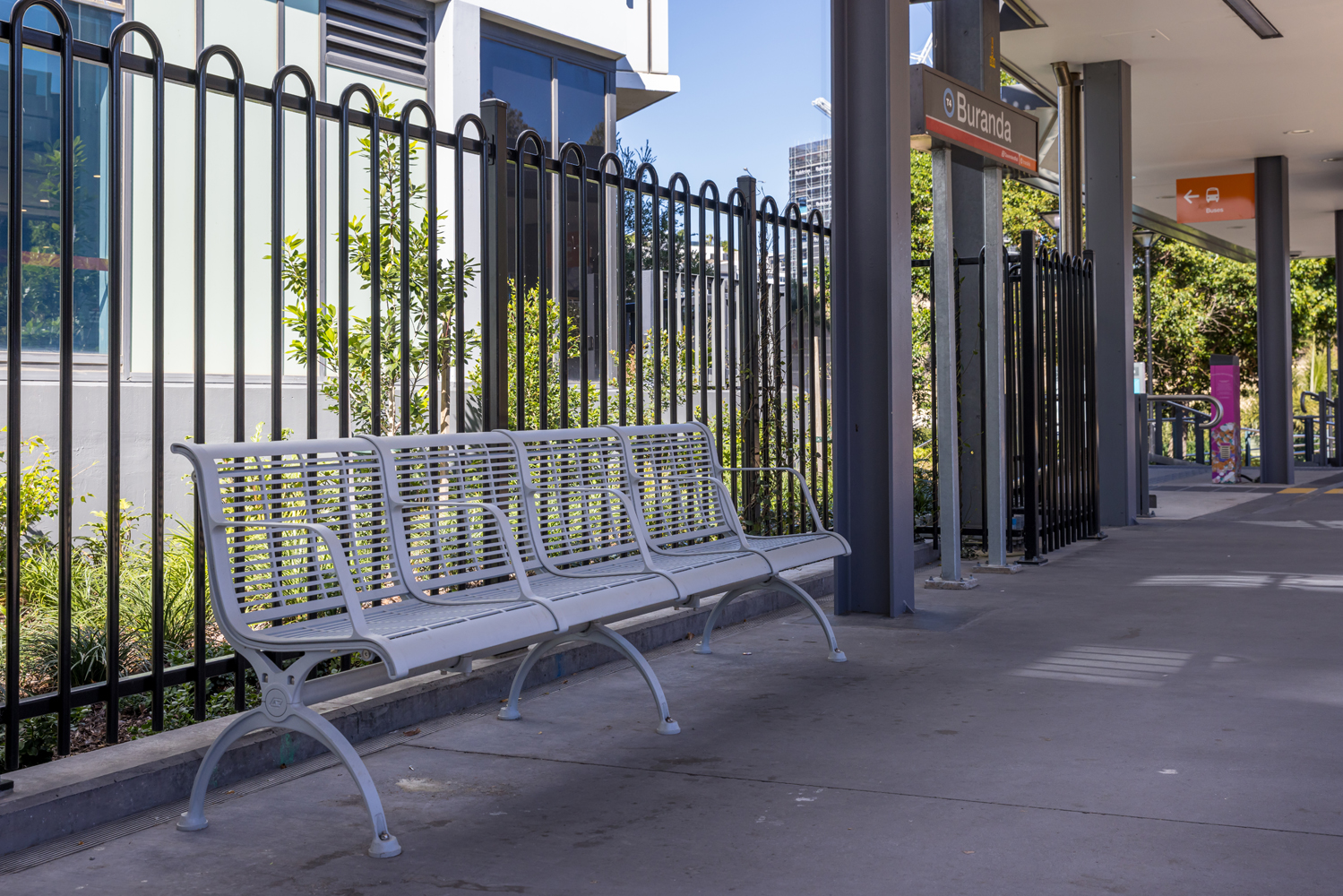 Concourse Seat (4-seater), Silver frames and panels. Armrest for every seat.
 -
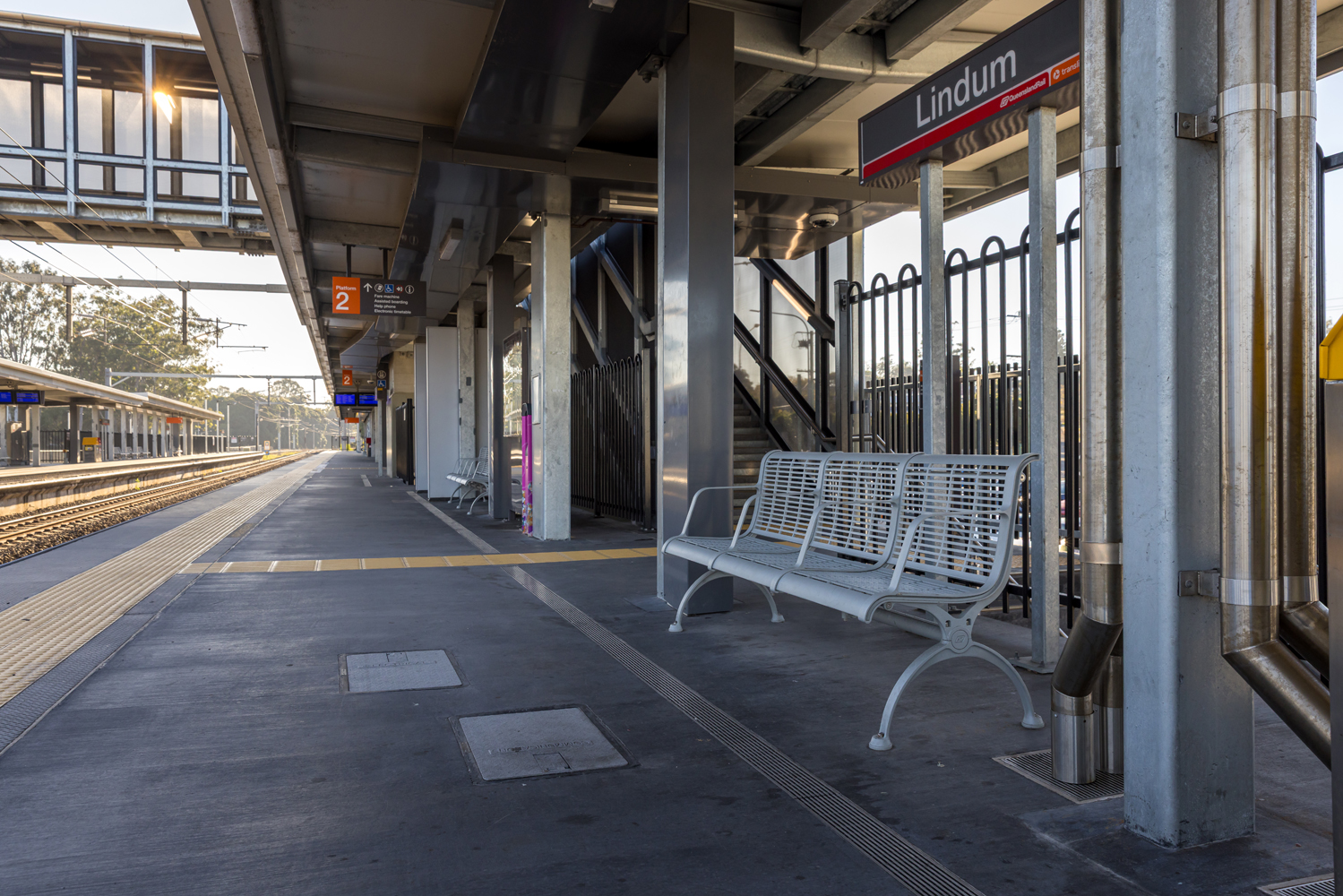 Concourse Seat (3-seater), Silver frames and panels. Armrest for every seat.
 -
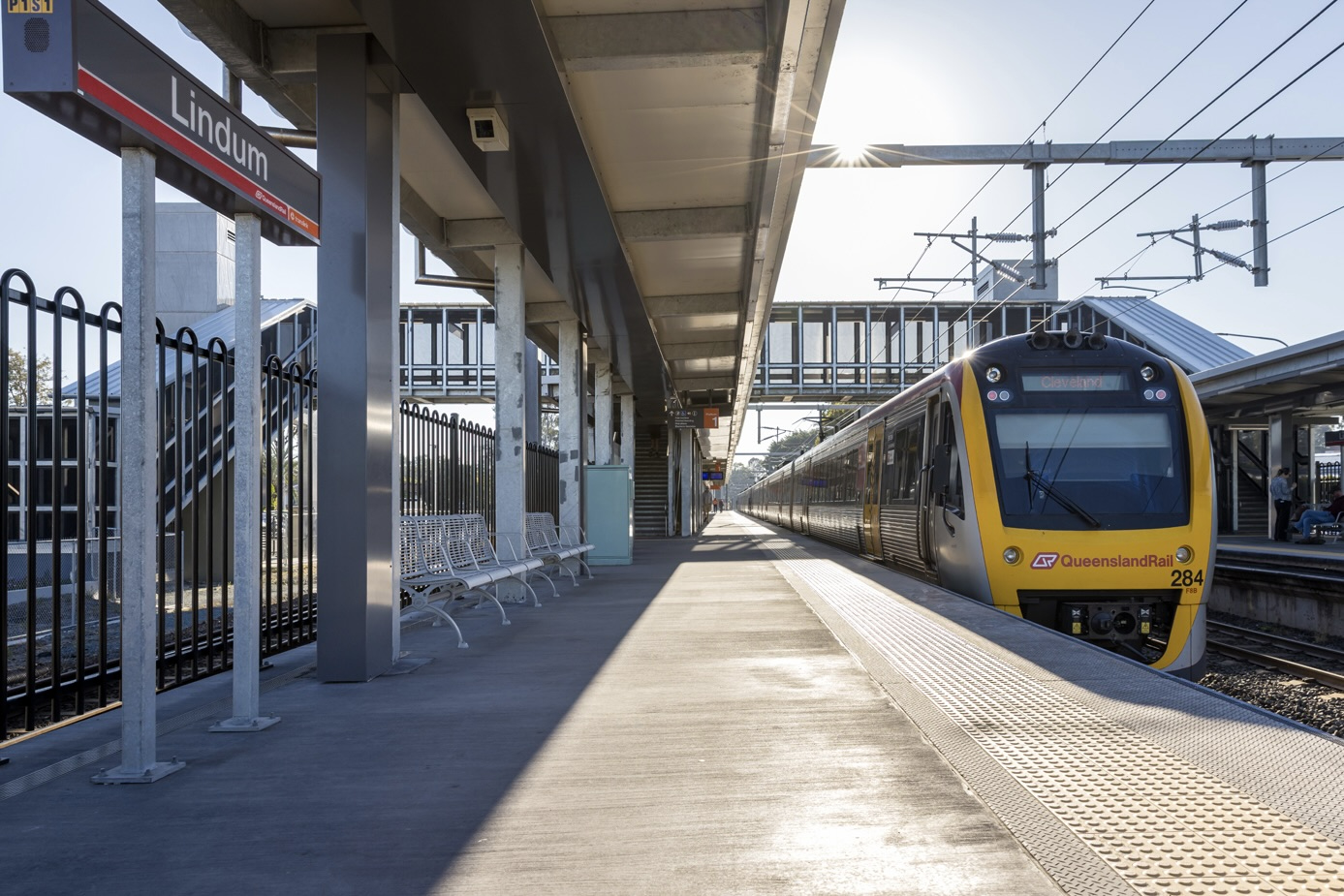 Concourse Seat (4-seater), Silver frames and panels. Armrest for every seat.
 -
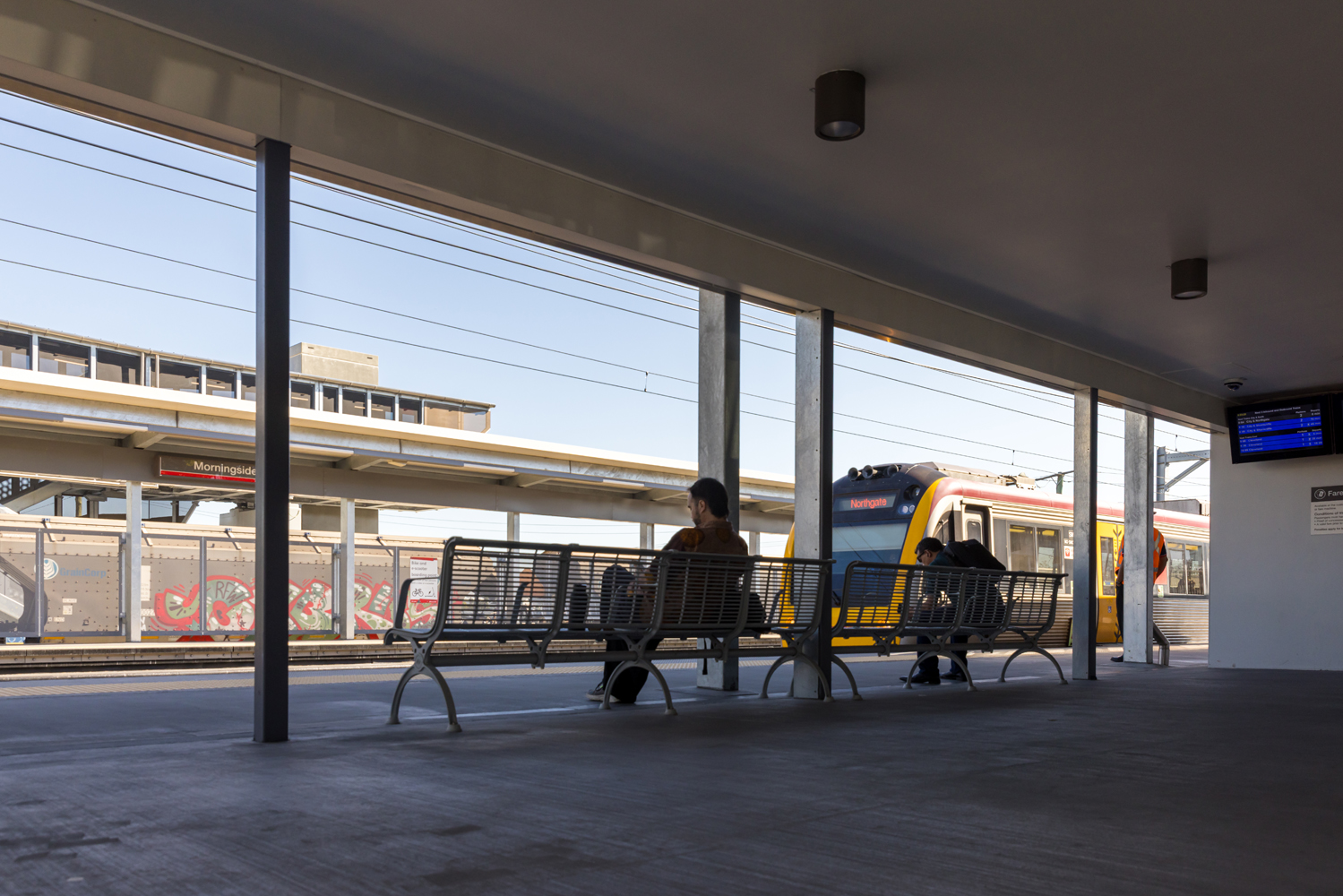 Concourse Seat (4-seater), Silver frames and panels. Armrest for every seat.
 -
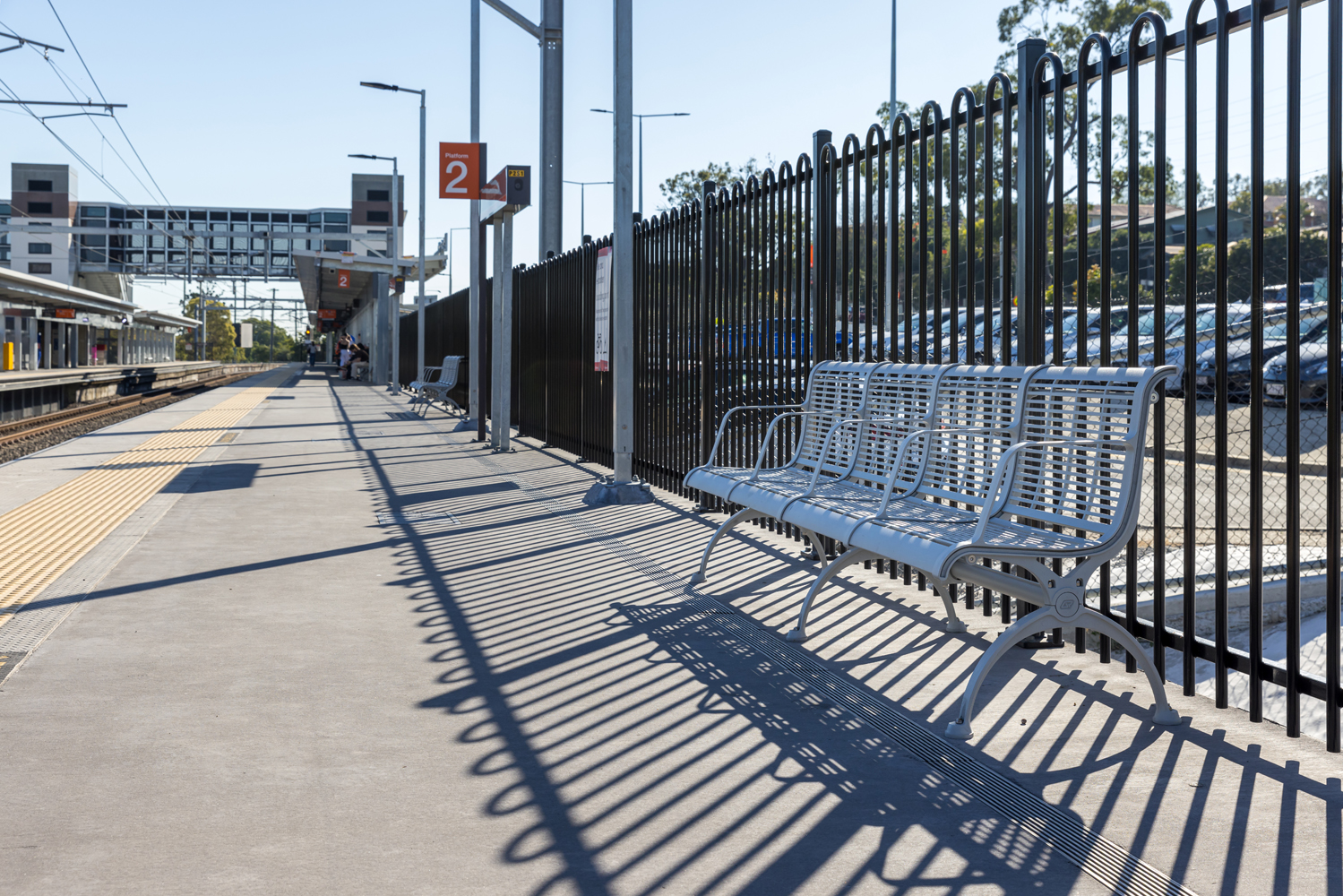 Concourse Seat (4-seater), Silver frames and panels. Armrest for every seat.
 -
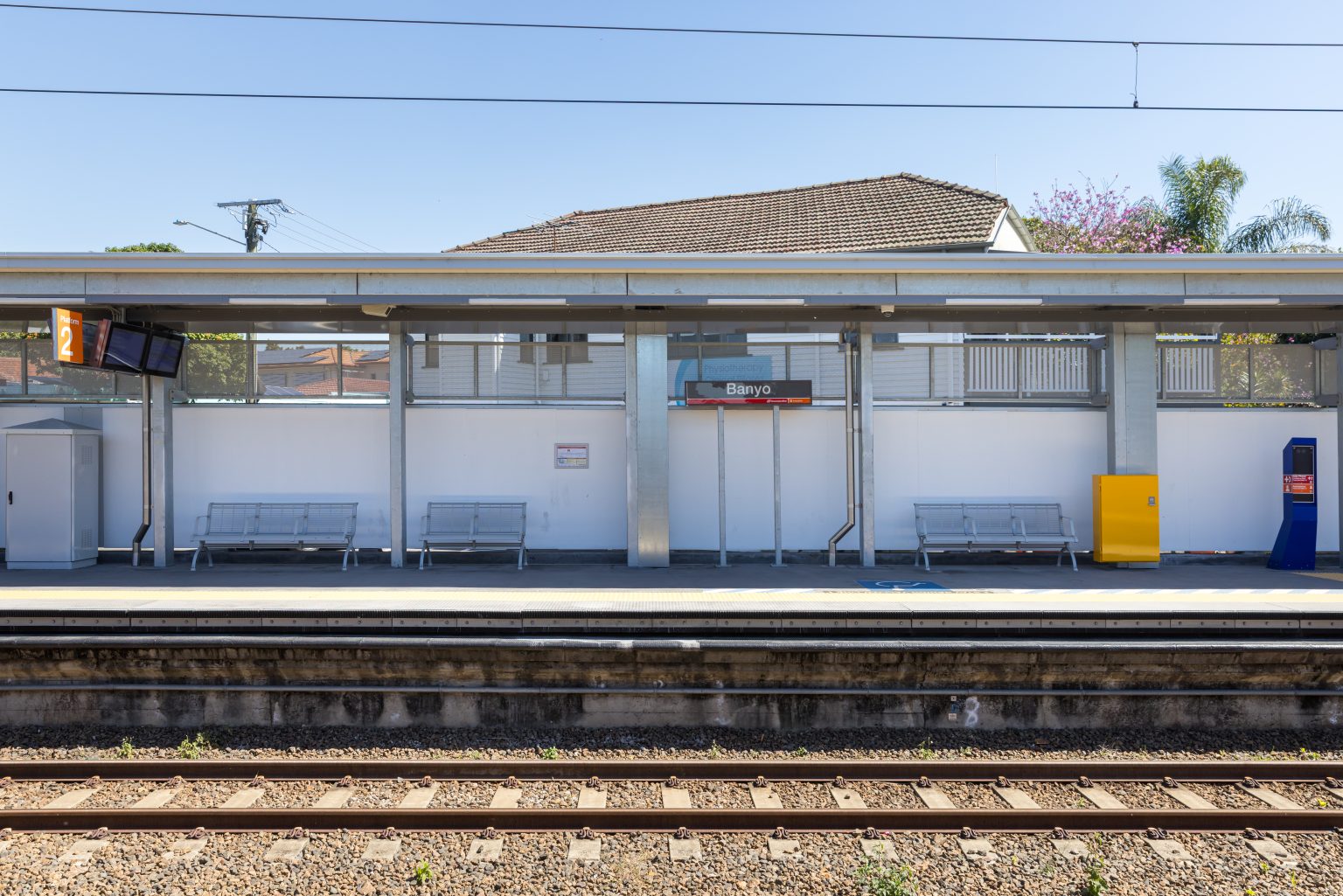 Concourse Seat (3 and 2-seater), Silver frames and panels. Armrest for every seat.
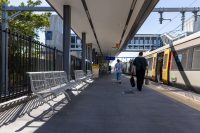
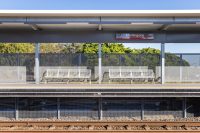
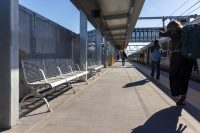
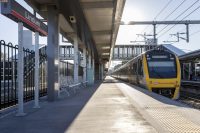


The reopening of Buranda Station marks the completion of Queensland Rail’s largest station accessibility upgrade which has seen 18 stations across South East Queensland upgraded since 2017. The program has created a safer, more equitable passenger experience for people of all ages and abilities.
For Queensland Rail, these upgrades reflect its ongoing commitment to accessibility across its ageing network, many stations of which are more than a century old. The program brings these stations up to modern accessibility standards, with improvements including lift-accessible footbridges, raised platforms to reduce the gap, overpasses and upgraded customer facilities.
The upgrades also come at an important time for the network. With Brisbane preparing for the 2032 Olympic and Paralympic Games, Queensland Rail is anticipating a significant increase in passengers with accessibility requirements.
Accessible seating that is future proofed
At Buranda, Banyo, Lindum and Morningside stations, the upgrades included new accessible seating from Street Furniture Australia.
Queensland Rail previously used custom-made, heavy stainless-steel seats. As the technology required to manufacture them became obsolete, the project team looked for an off-the-shelf solution that could meet its accessibility requirements while providing a practical, long-term solution.
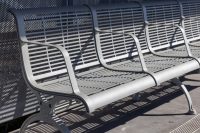
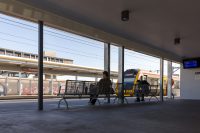
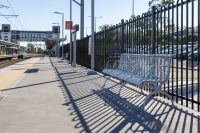
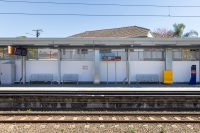
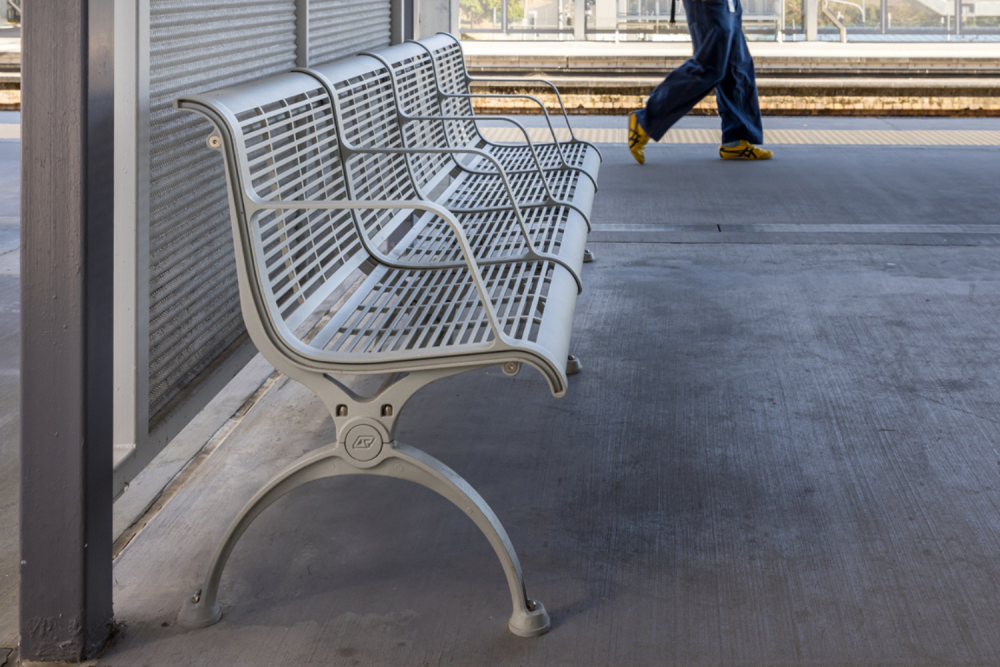
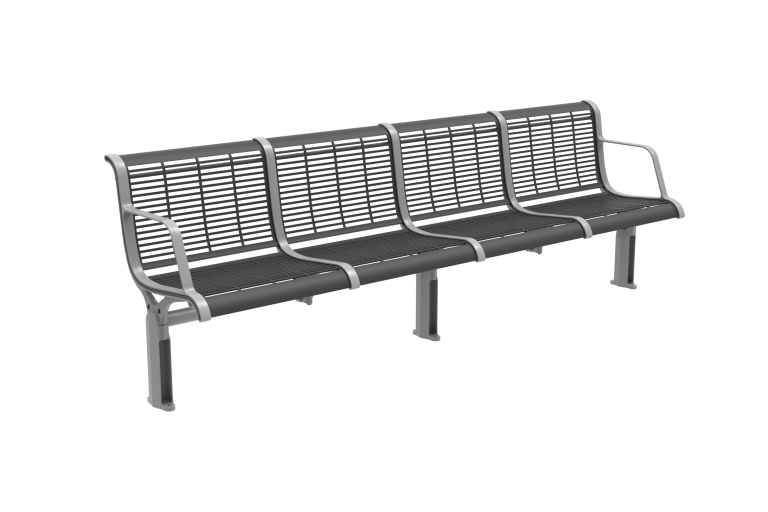
Concourse Seat installed across all four stations are in two, three and four-seat configurations. Each seat has an armrest on both sides, giving every passenger dedicated support when sitting down and standing up.
This addresses a limitation of the previous seating, where a four-person seat configuration was created as a two-seater unit, making the seat too wide for some passengers with disability to comfortably access support from both sides.
Open heel space beneath the front of the frame allows users to draw their feet back when rising, while the upright seating position provides a more supportive posture. The lightweight aluminium construction also makes individual components easier to replace if damaged, without replacing the entire seat.
Designing for visual accessibility
Accessibility extends beyond the form of the seat. Upgraded station seating must achieve a 30 per cent luminance contrast with its surrounding environment, something the previous stainless-steel seats could not easily accommodate.
Queensland Rail specified Textura Silver frames for the Concourse Seat to provide the required contrast against the surrounding station finishes.
Flexibility with colour proved particularly useful when a newly installed seat blended too closely with the wall behind it in Banyo Station. Rather than repainting the building or altering the concrete, Queensland Rail simply swapped the seat frame for a lighter grey finish to achieve the required contrast against the dark wall finish.
Moving beyond utilitarian infrastructure
While Queensland Rail sought a standardised product, the option of colour customisation allows seating to respond to the character of each station without compromising consistency across the network.
Together with the broader station upgrades, these details are helping transform stations from utilitarian infrastructure into more welcoming places for everyday passengers—creating a network that is more accessible, connected and ready for the years to come.
Products Used

-
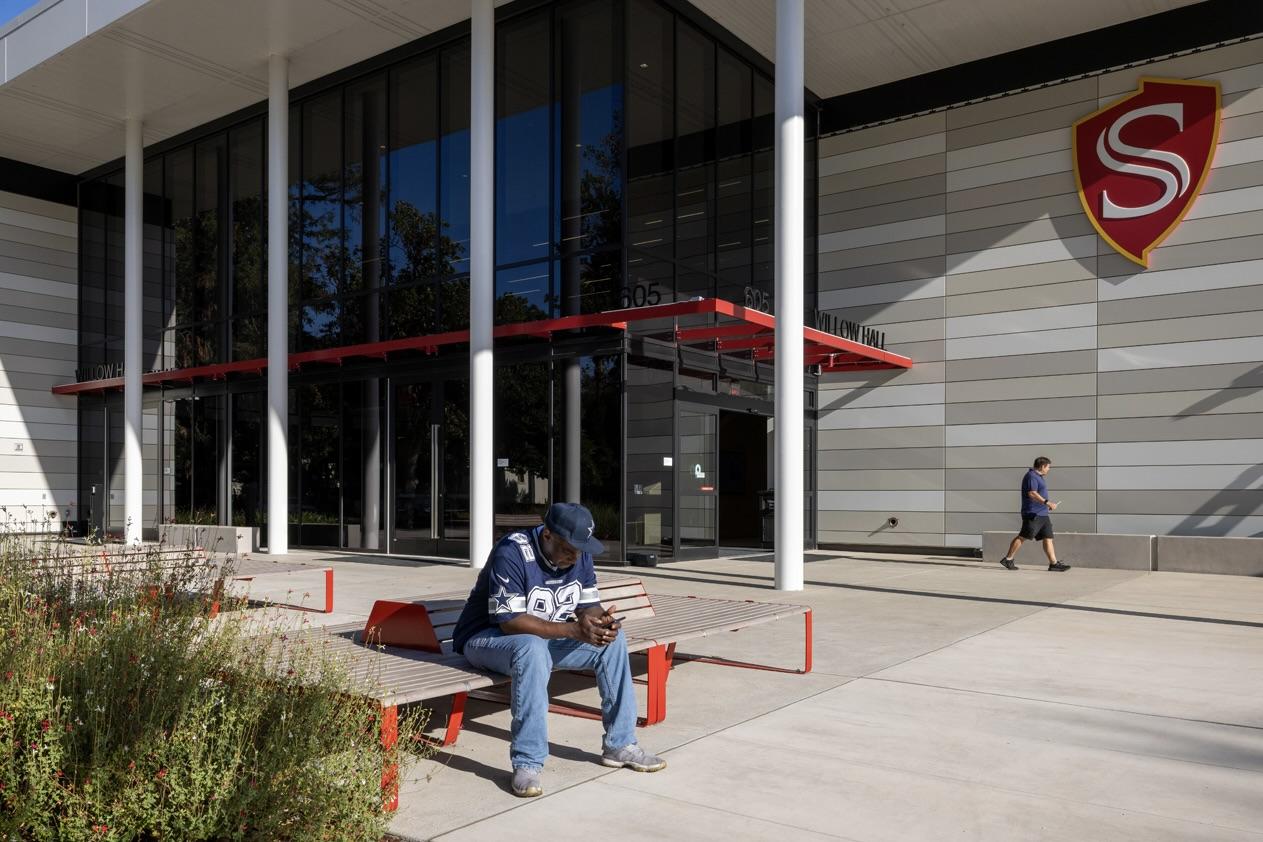
Education Willow Hall, CSU StanislausUSA (2026)
The opening of Willow Hall marks a new chapter for California State University, Stanislaus, one of 22 universities in the United States' largest public university system.
Read more -
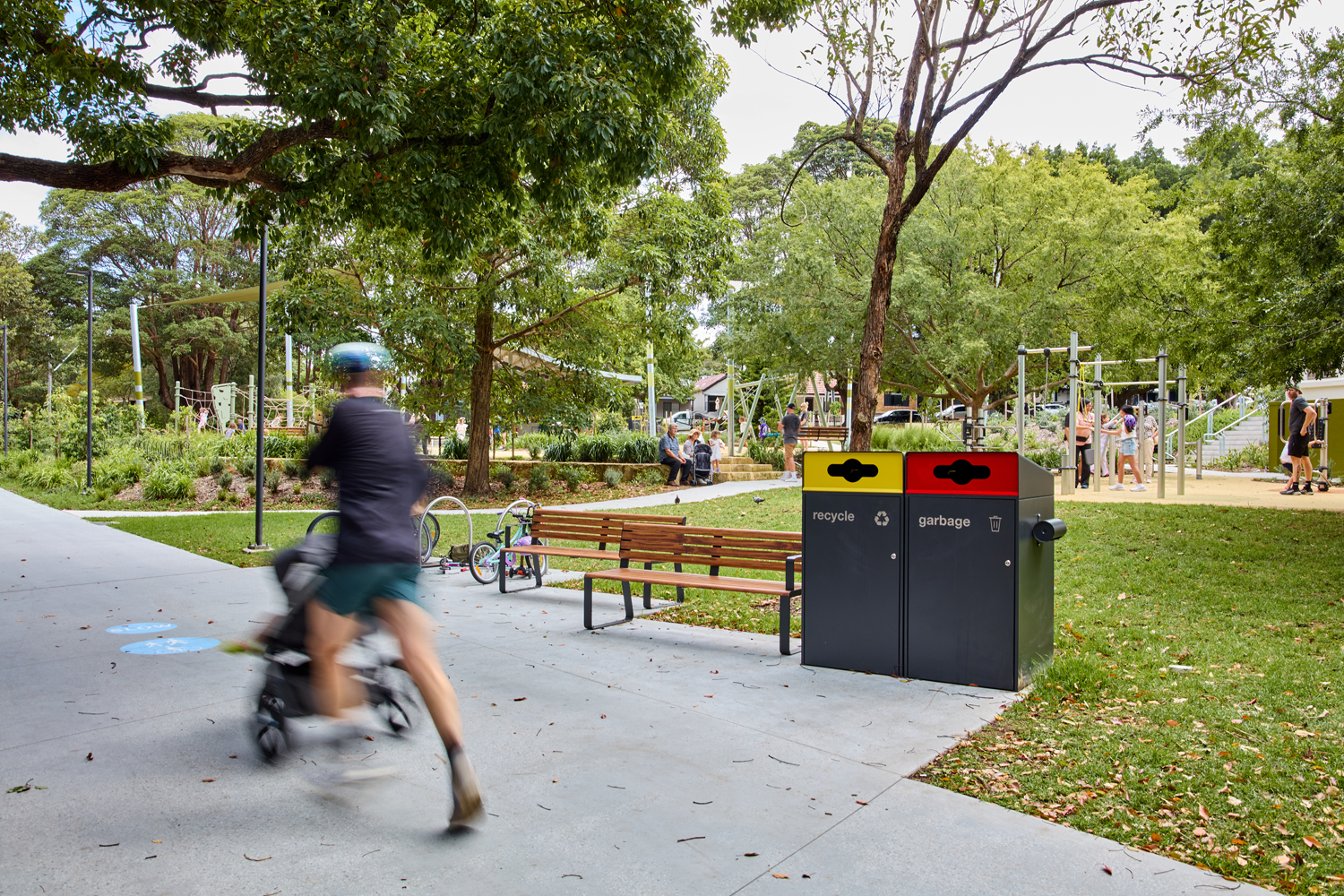
Parks & Streets Johnson ParkNSW/ACT, Australia (2026)
Johnson Park’s transformation brings new play spaces and durable street furniture to a much-loved community park along Sydney’s GreenWay.
Read more -
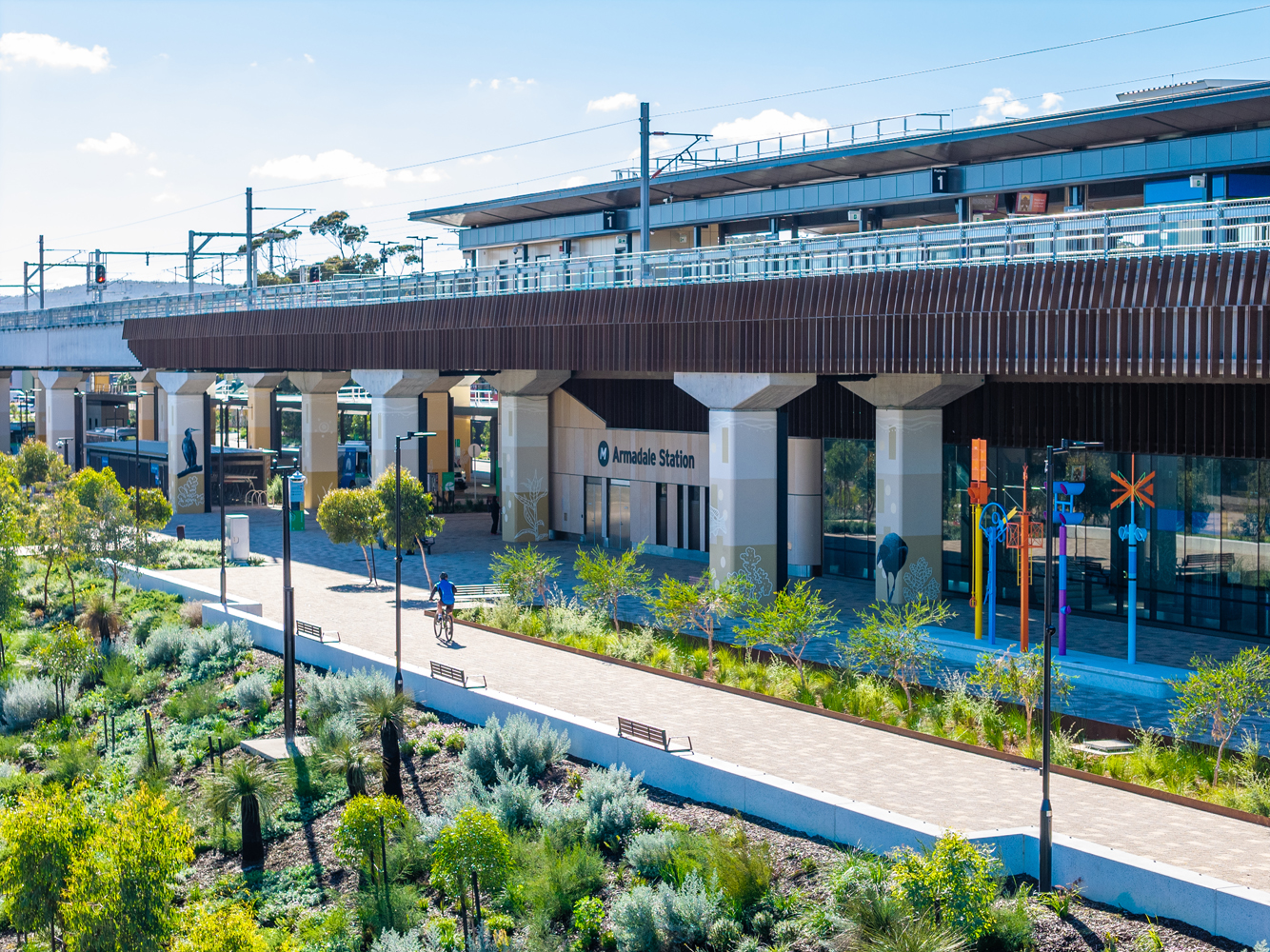
Custom Armadale StationWA, Australia (2026)
Rebuilt for Perth’s south-east, 133-year-old Armadale Station has been transformed by UDLA into a vibrant civic precinct with public art and new amenities.
Read more -
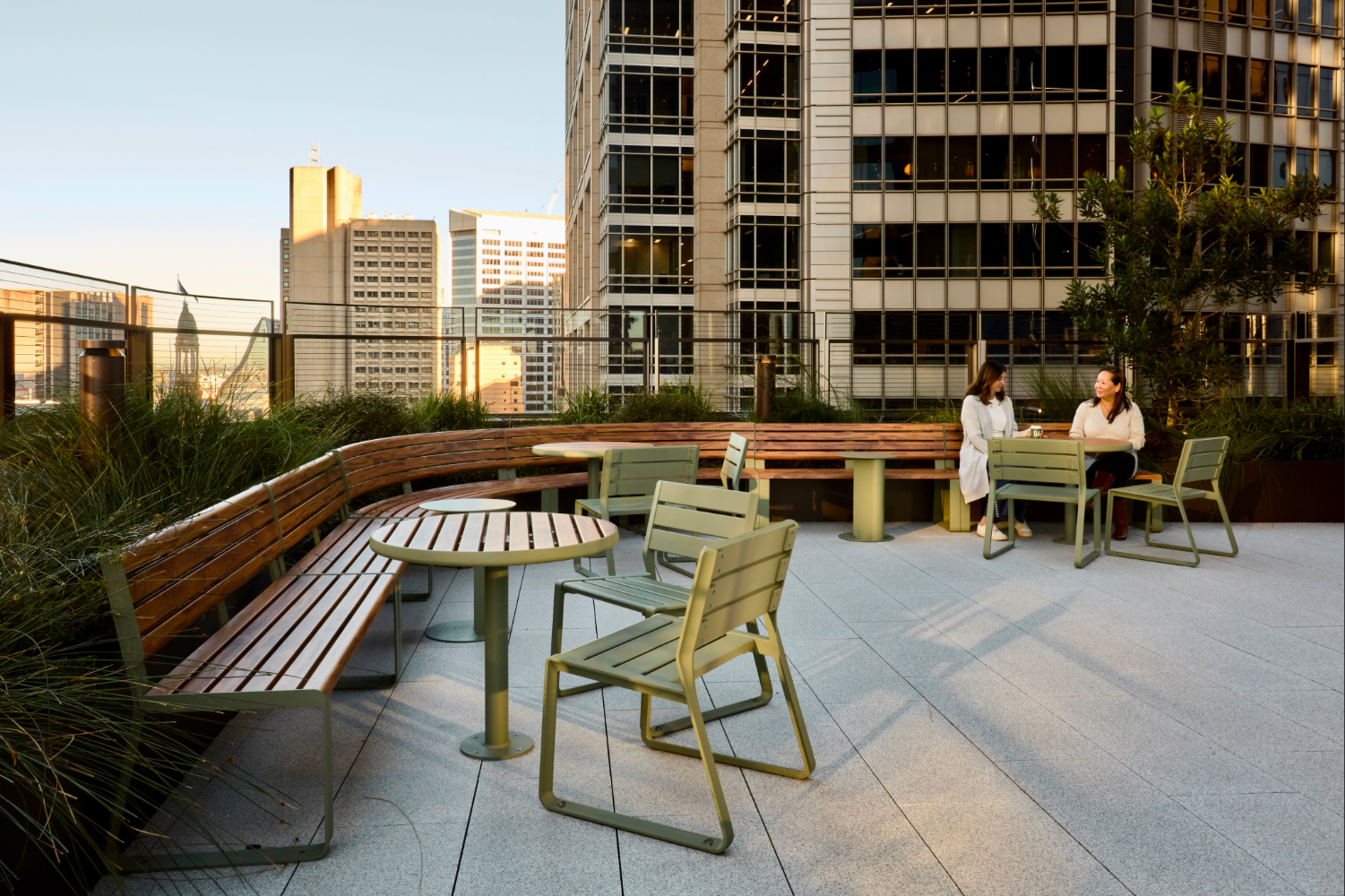
Custom Parkline Place TerracesNSW/ACT, Australia (2026)
Staff at Parkline Place can now enjoy fully furnished terraces on Levels 10 and 11, providing dedicated outdoor spaces for relaxation and gatherings.
Read more -
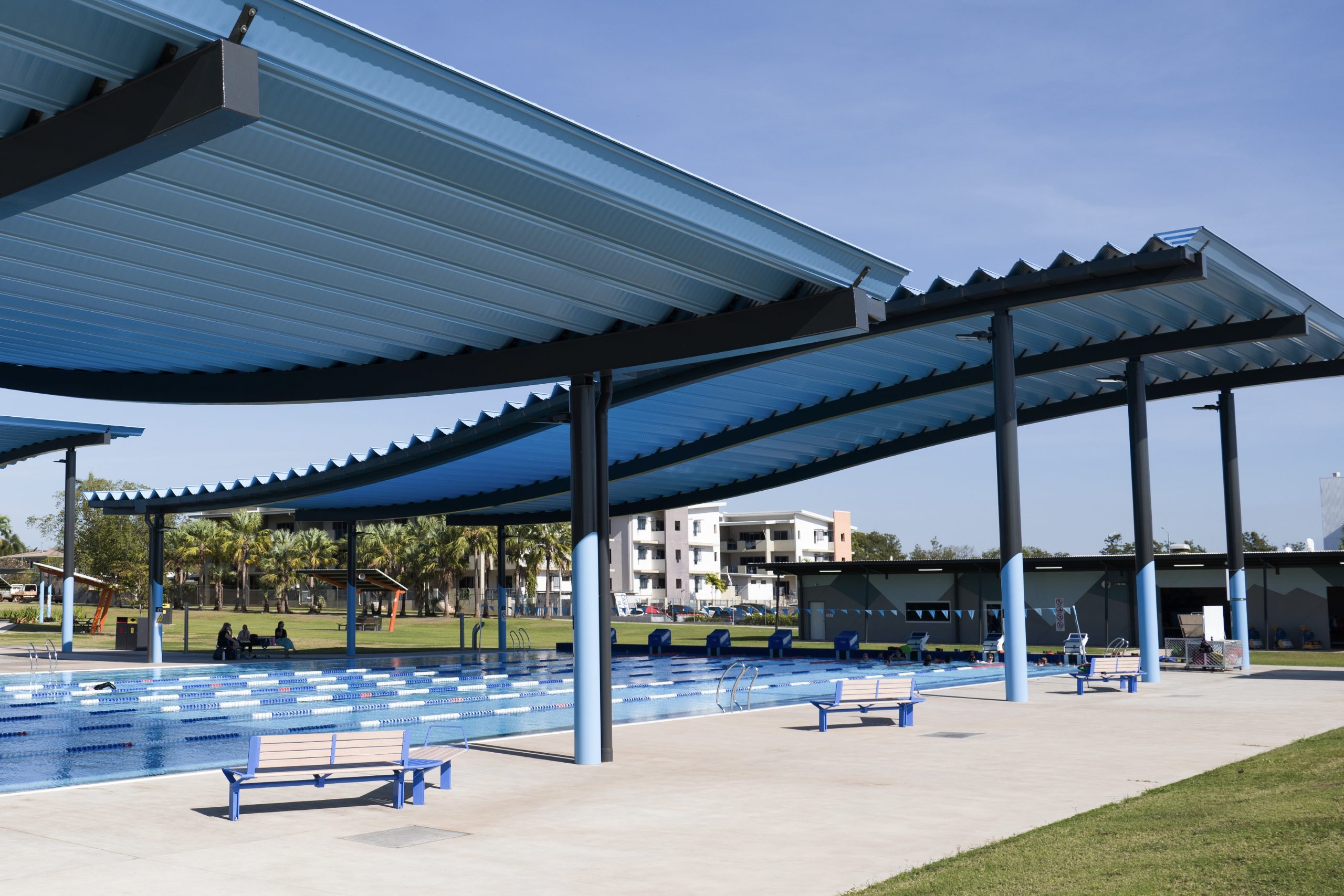
Sport & Entertainment Casuarina Aquatic & Leisure CentreSA/NT, Australia (2026)
The $26.8 million upgrade has transformed Casuarina Aquatics & Leisure Centre into a vibrant, family-friendly community hub.
Read more -
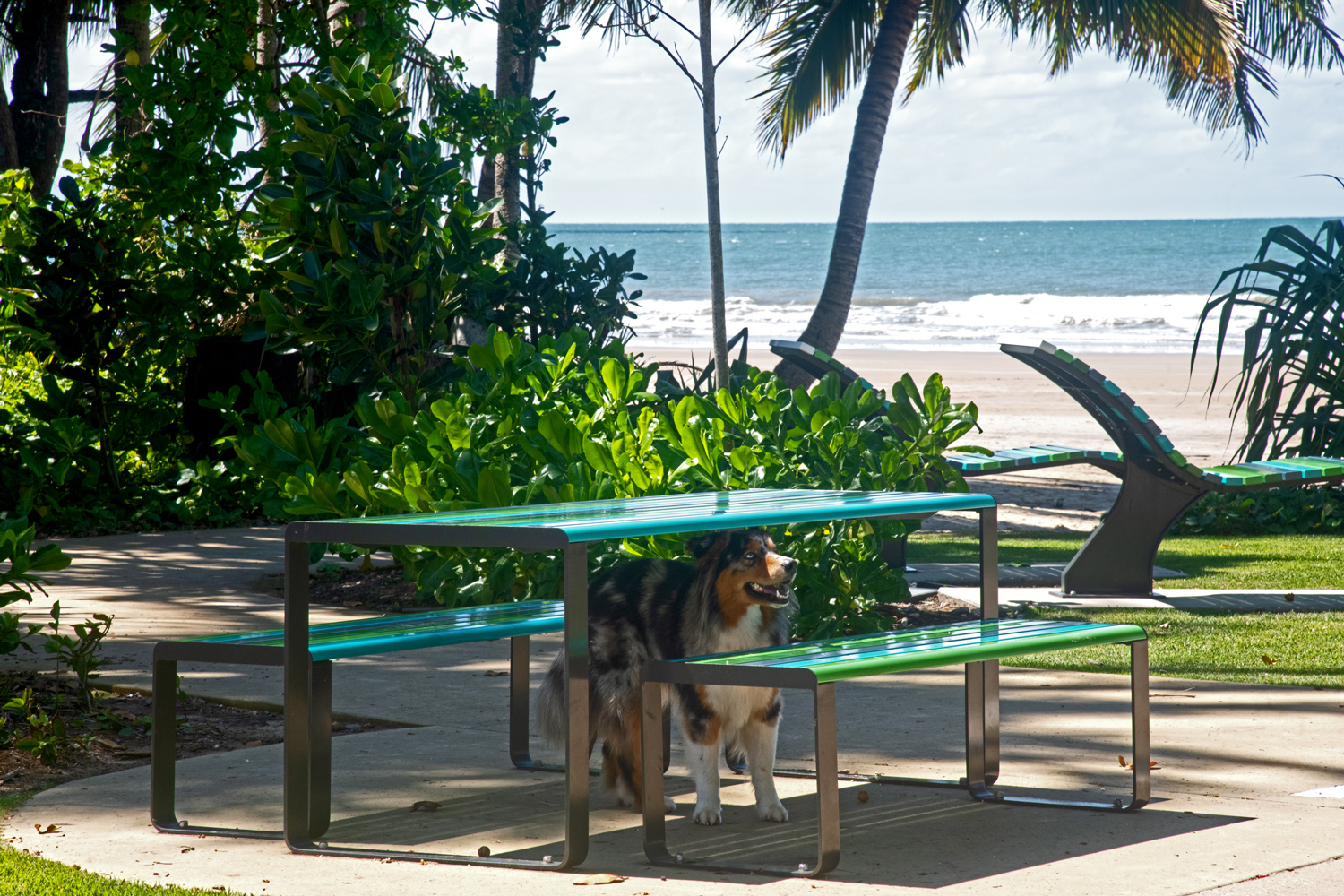
Custom Mission BeachQLD, Australia (2026)
Led by Landplan Landscape Architecture, the project reconnects Mission Beach village to its coastline with cassowary-inspired design.
Read more