Trend Watch June 2024
Upcoming Events
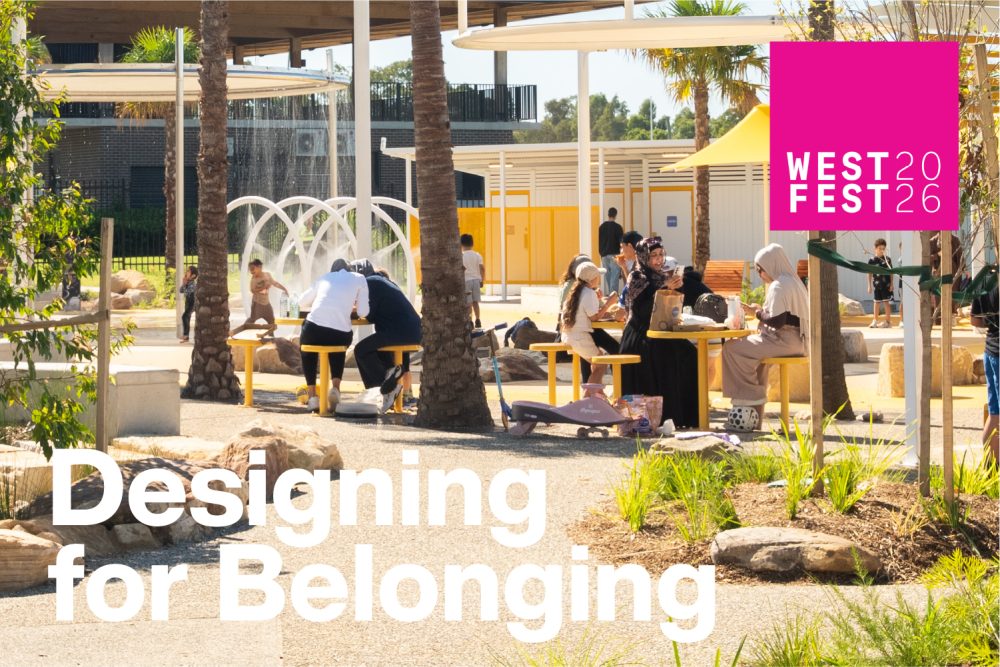
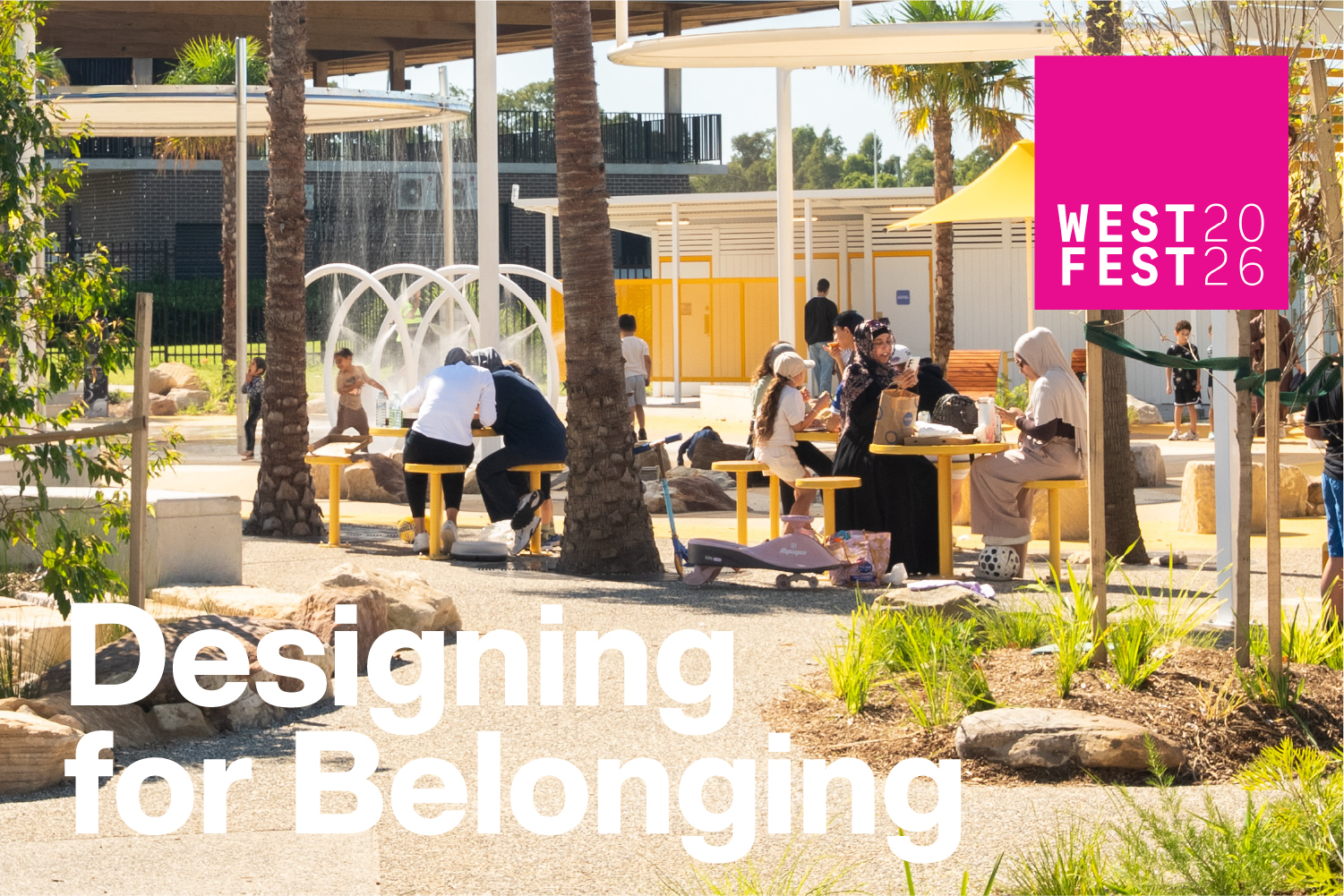
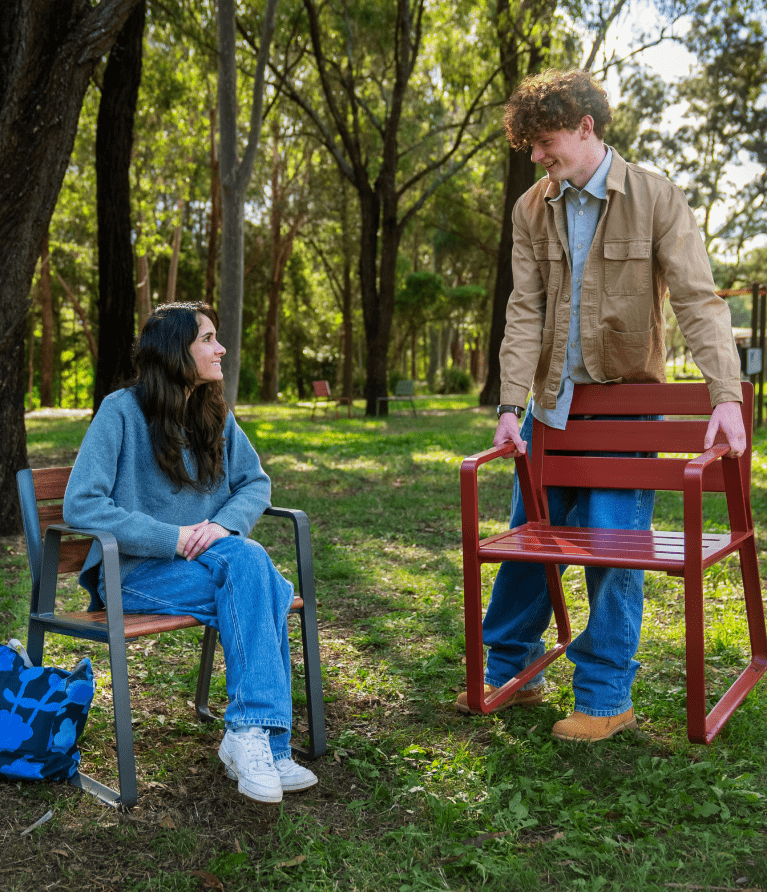
Join us for West Fest 2026: Designing in Belonging
A half-day knowledge exchange hearing from local built environment experts on fostering a sense of belonging in an increasingly dense, digital society.
Read more

Ten principles for designing play spaces for neurodiverse children
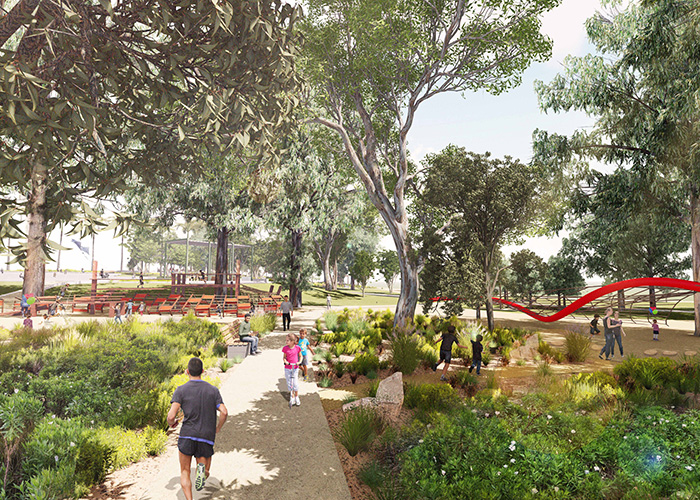
The growing body of research around inclusive design has deepened our understanding of this important area, paving the way for projects like Hassell’s new Mildred Creak Playground.
Before the revitalisation of Edward Millen Park on Whadjuk Country in Perth, Western Australia, Hassell’s Senior Associate, Hannah Galloway and her team at Hassell met with teachers at Carson Street School and the Autism Association of Western Australia. They created ten key principles for designing play spaces for all children.
Galloway said their goal was to design a unique space for all children to enjoy, regardless of their neurodiverse traits. “By incorporating sensory elements, promoting social interaction and providing spaces for regrouping and control, we can create environments where every child can thrive.”
Hassell’s ten principles include:
Calm spaces: to support children when they feel overwhelmed in a noisy and busy environment. Providing quiet spaces for children, like cubbies and spaces along the edges of a playground within nature supports a peaceful retreat from the main playground.
Play and sensory activities: supporting all eight senses is really important when designing a space as this allows for a variety of sensory experience, especially tactile and auditory. Play equipment that improves balance and gross motor skills supports children to experience a holistic approach to their development and play.
Read all 10 principles for inclusive play space design by Hassell here.
Western Sydney – ignore trees at your peril
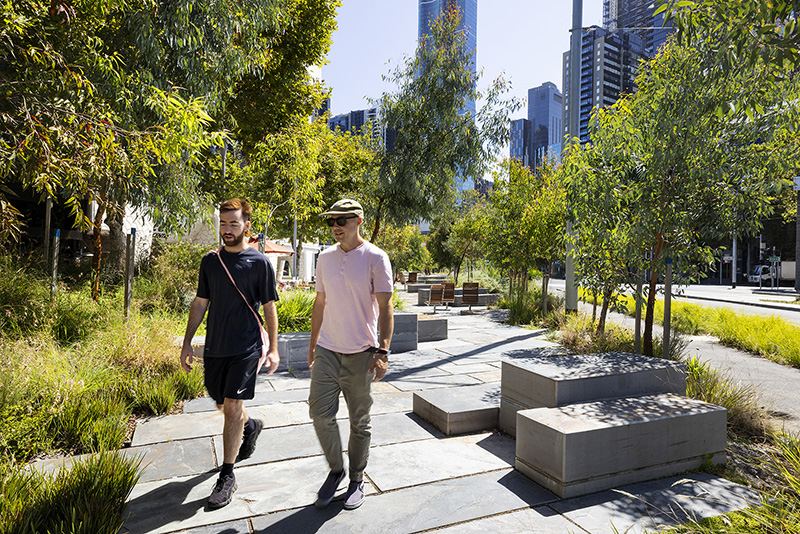
Eco Voice provides a timely reminder to Western Sydney to prioritise siting and selection of trees for new areas awaiting development. With its recent proposal of more than 5,000 houses and a new international airport, Western Sydney is NSW’s fastest expanding region.
Sydney Landscape Design Studio TCL have recently produced the research paper A Case For Trees which demonstrates undeniable evidence for the power of trees to keep cities cool, clean and support our health and wellbeing.
TCL Director Terrence Stapleton says, “Humans are part of nature. We are not separate from nature. Living in concrete jungles is not our natural habitat. We are part of an ecosystem that needs to be connected to nature and trees.”
“A significant section of A Case for Trees cites research highlighting the power of walking in trees to enhance mental health and reduce blood pressure and anxiety. […] one study found that hospital patients who had a view of trees were shown to recover quicker and with fewer complications in comparison to those without.” Eco Voice
Stapleton gives Western Sydney simple advice – create a biodiverse set of tree groupings. “Adequate space and soil for large, leafy tree canopies and deep root systems must be considered before new residential developments, services and infrastructure are complete in Western Sydney.”
Eco Voice explores with Stapleton and A Case For Trees the overall benefits of trees for us all. Read the full article here.
-
2026 AILA Awards: Good Cause Giveaway
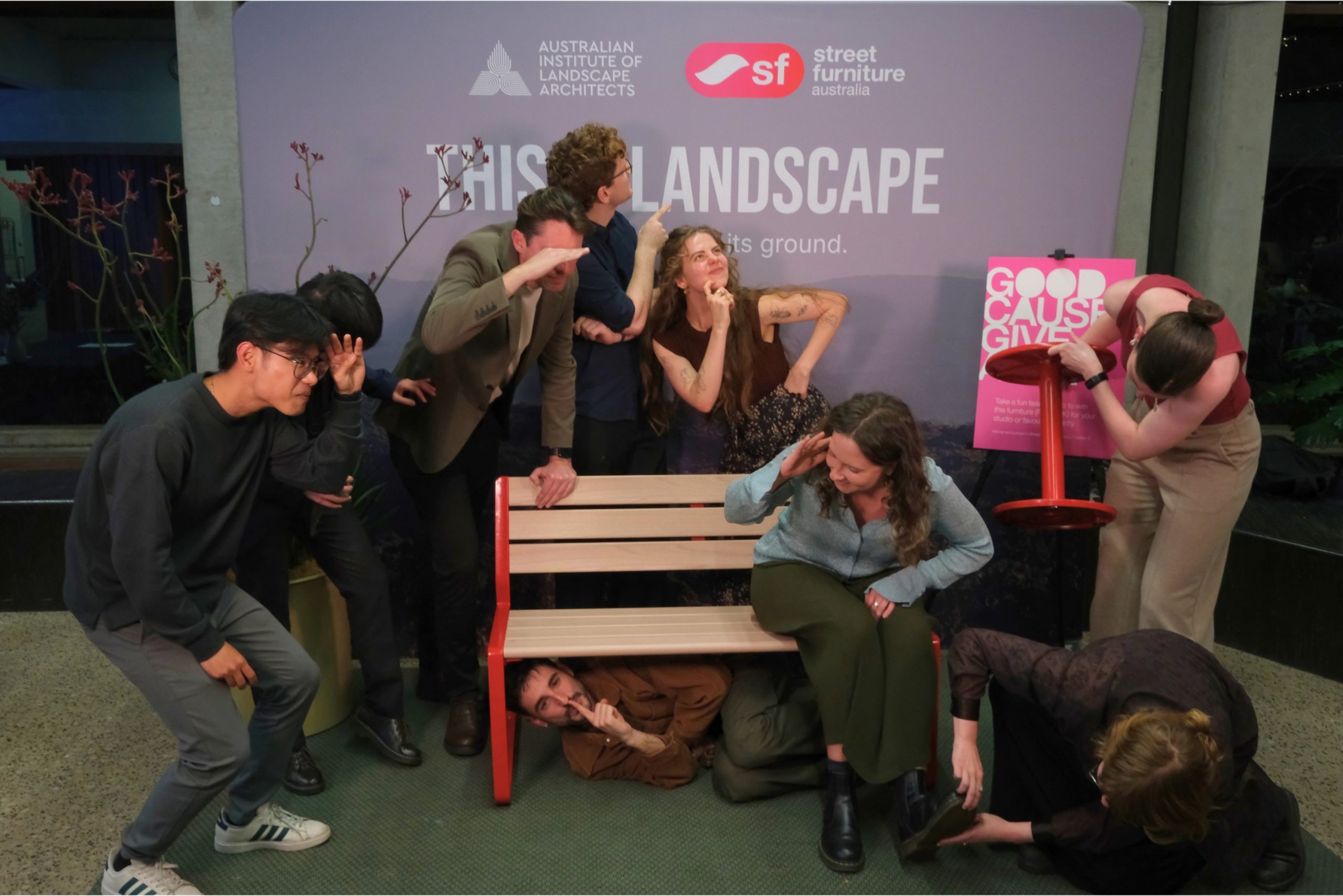
See highlights of all the outstanding creative photos from the 2026 AILA Awards Good Cause Giveaway, and discover which studio team won over 3k worth of furniture for... Read More
-
Join us for West Fest 2026: Designing in Belonging
A half-day knowledge exchange hearing from local built environment experts on fostering a sense of belonging in an increasingly dense, digital society. Read More
-
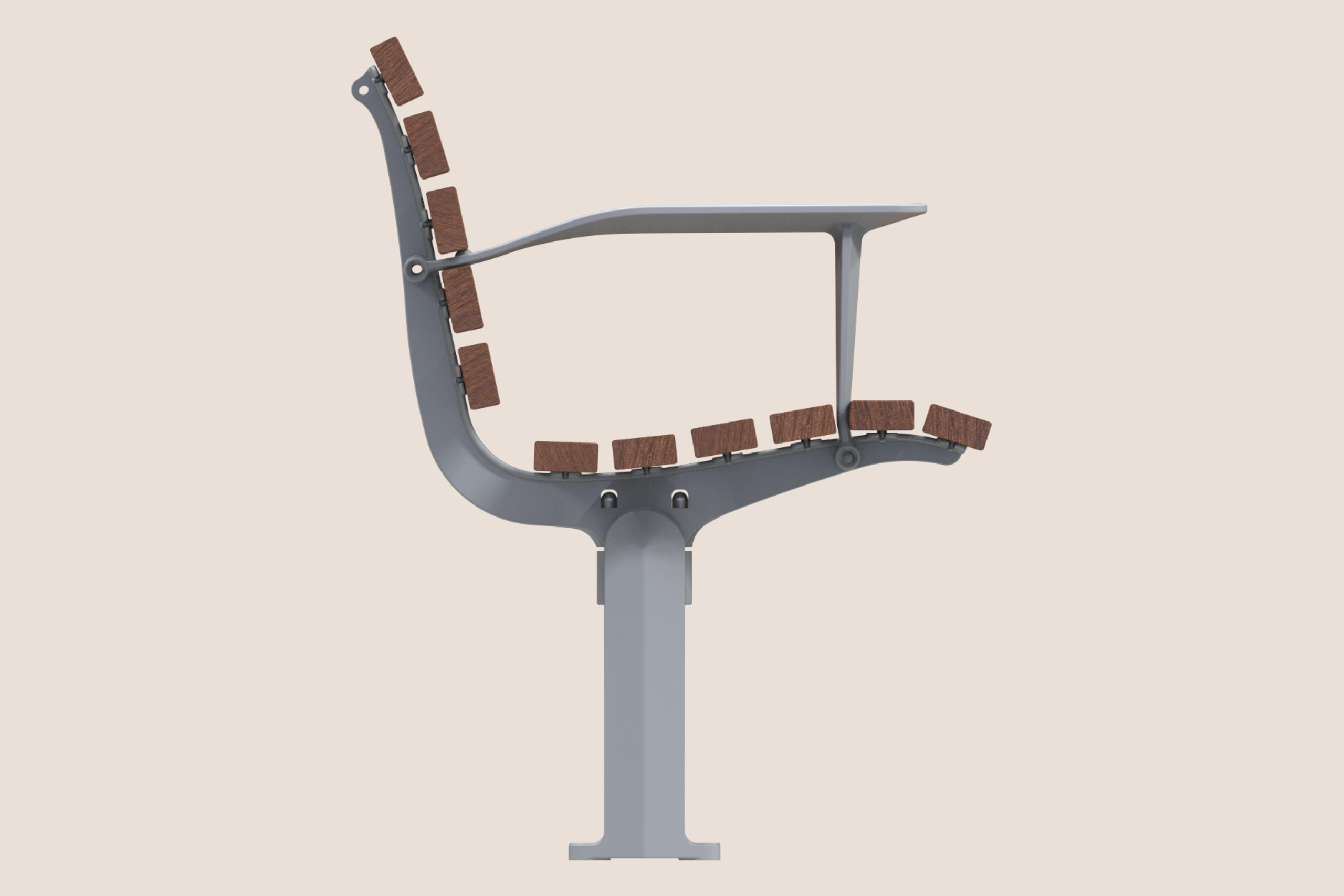
Introducing the new Pillar Leg
Street Furniture Australia’s new Pillar Leg is slimmer but sturdier. Discover what goes into a furniture leg, from fixing and accessibility to design. Read More
-
14th Street Y: From active space to community
How did a quiet gym lobby bring together 420+ locals? Learn how 14th Street Y uses social infrastructure and cheap coffee to build community. Read More
-
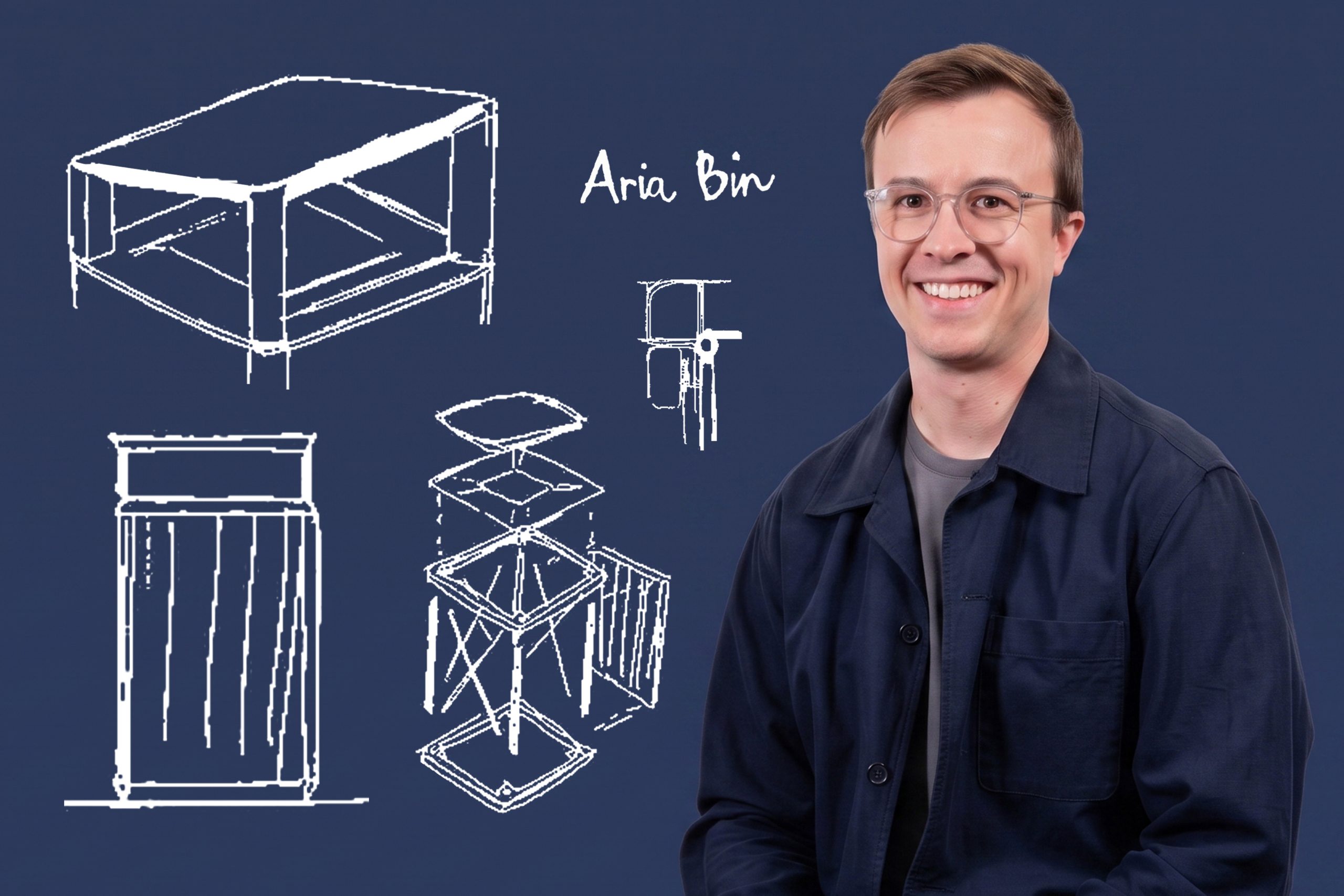
The design story behind Aria Bin
By Francis McArdle, Lead Designer of Aria Bin. There may be no piece of public infrastructure more overused and underappreciated than the humble bin. A basic necessity in... Read More
-
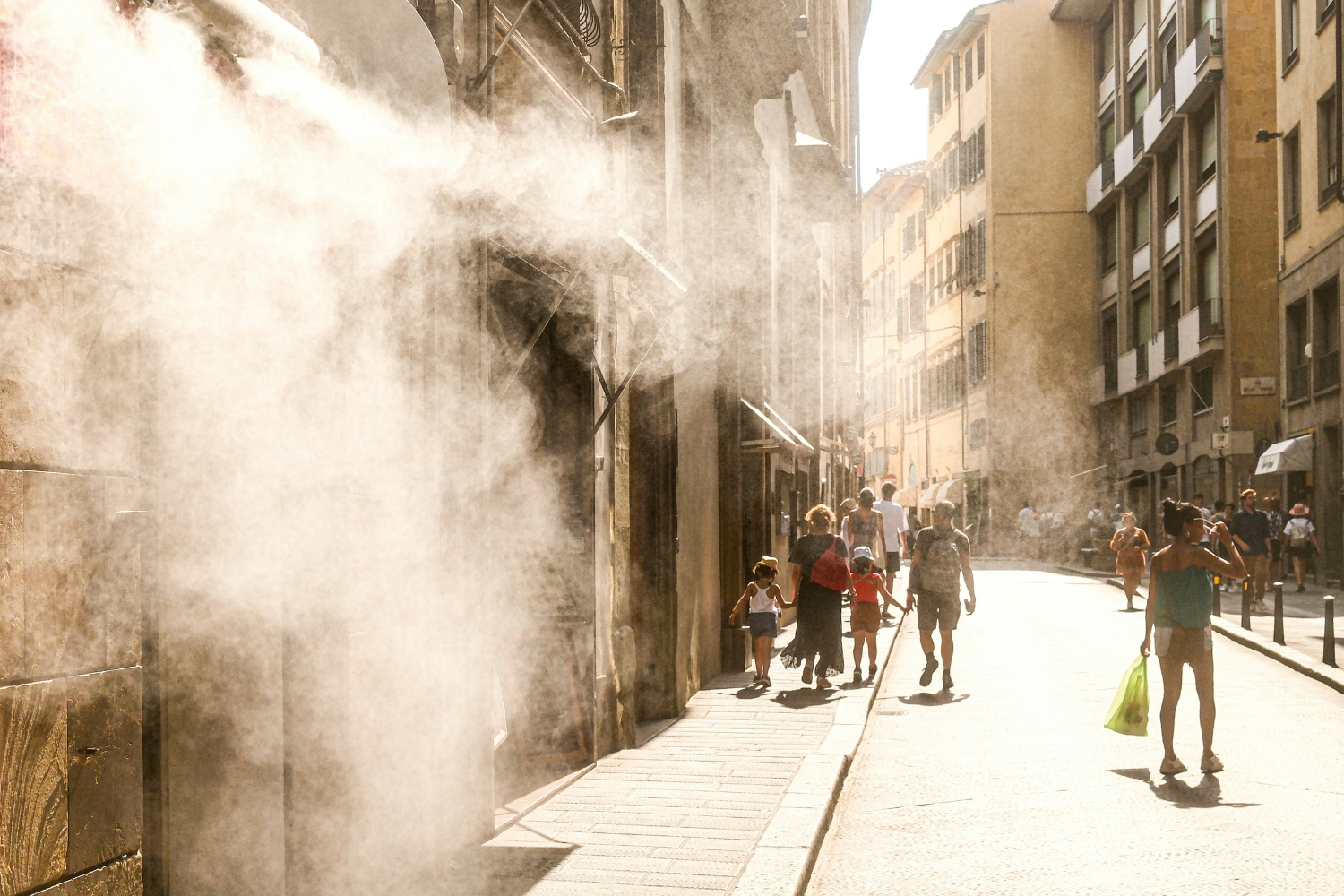
Should heat be regulated?
What if cities regulated heat like fire and flooding? ASLA explores how thermal performance could become a standard part of urban design. Read More